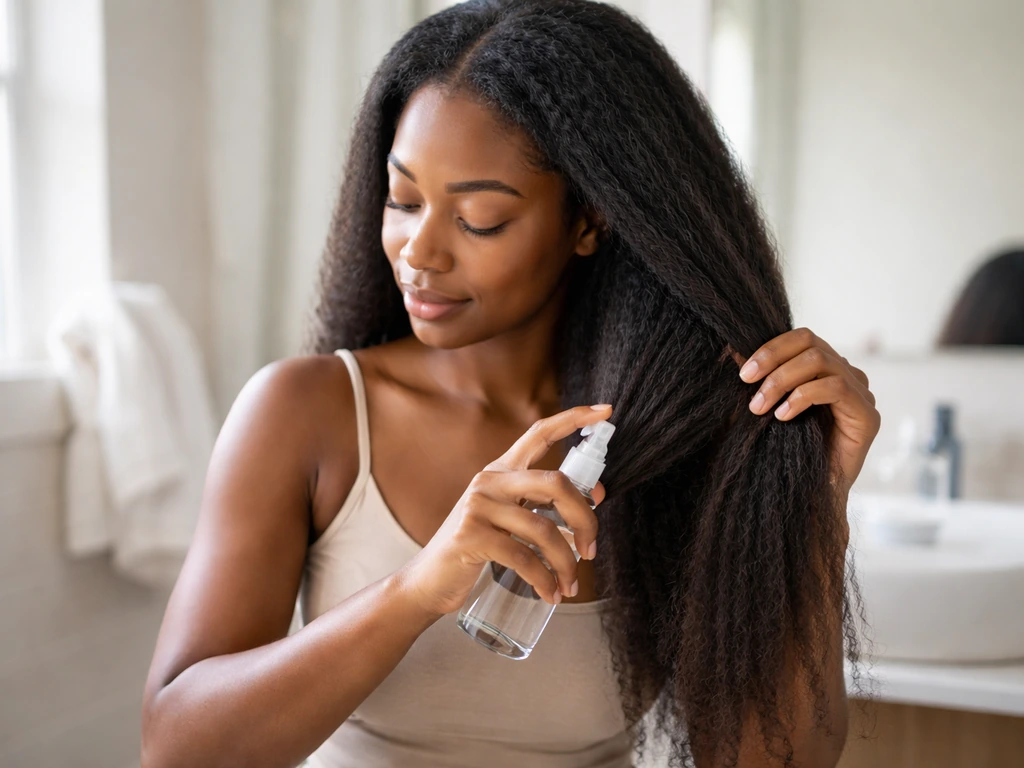
Black women's hair grows at the same rate as anyone else's: roughly 1 cm (about half an inch) per month. The real challenge isn't speed at the root. It's keeping that growth on your head instead of losing it to breakage, tangling, and dryness before it ever shows up as length. Once you understand that distinction, almost everything about growing Black hair longer clicks into place.
How to Grow Black Women’s Hair: Length and Growth Guide

Simone Okonkwo
8 Jun 2026
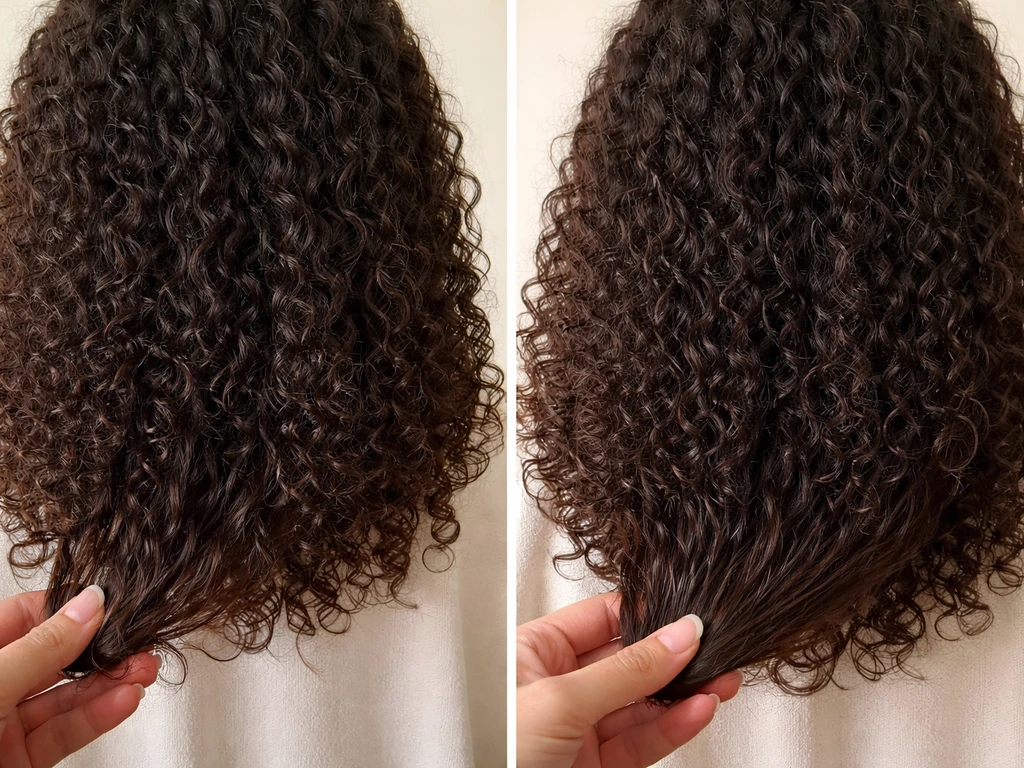
Realistic expectations: what "grow faster" actually means
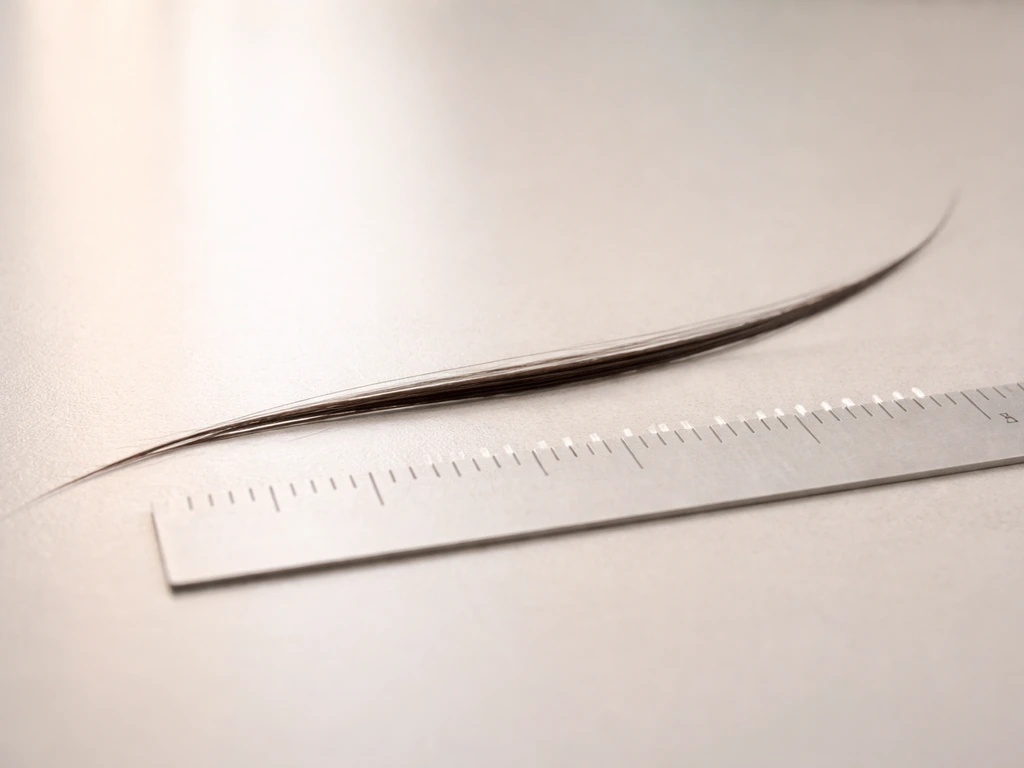
Scalp hair grows approximately 0. 35 mm per day, which works out to roughly 1 cm or just under half an inch per month. Scalp hair grows approximately 0. 35 mm per day (about 1 cm per month), while the scalp sheds roughly 100 hairs per day (more with shampooing) [0.
35 mm per day, which works out to roughly 1 cm or just under half an inch per month](https://www. aafp. org/afp/2003/0701/p93). That's the biology, and it's pretty consistent across ethnicities.
What differs is retention: how much of that monthly growth you actually hold onto as length. Coily, afro-textured hair has a curled structure that makes it more prone to knotting and breakage when combed, which research using microscopy has confirmed. Microscopy-based research summarized in a Black-women cohort study links afro-textured hair outcomes to retention factors such as a curled structure that is more prone to knotting and breakage, meaning length change is not only “root growth.
” [afro-textured hair has a curled structure that makes it more prone to knotting and breakage](https://onlinelibrary. wiley. com/doi/10. 1111/jocd.
15696). The curl points are physical weak spots. Add dryness (natural oils from the scalp take longer to travel down a coiled strand than a straight one), and you get a hair type that grows just fine but loses length faster than it seems to gain it.
A realistic 12-month goal for most Black women starting a consistent retention-focused routine is 4 to 6 inches of visible length. If you're trying to grow black hair past shoulder length, that retention goal is what keeps new growth from breaking before it adds length retention-focused routine. Some people gain more, some less, depending on their individual anagen phase length (which can last anywhere from 2 to 6 years), health, genetics, and consistency. If you're currently seeing little to no length change year over year, breakage is almost certainly outpacing growth, not the other way around. Fixing that is the entire game.
For parents trying to grow a Black daughter's hair: the same principles apply. Children's hair is often finer and more delicate, so gentleness in detangling and styling matters even more. Growth timelines are similar, but protective styling frequency and product choices need to scale to a child's scalp sensitivity.
Build a growth-friendly routine
A consistent wash-day and maintenance routine is the single highest-leverage thing you can do. Here's what that looks like in practice.
Cleanse: don't skip it, but don't overdo it
Wash your scalp every 1 to 2 weeks at minimum. A clean scalp is a healthy scalp, and product buildup clogs follicles and invites inflammation that slows growth. Use a sulfate-free or low-lather shampoo if your hair is very dry, or a clarifying shampoo once a month to remove buildup. Focus the shampoo on your scalp, not the ends. If you're in protective styles like braids or twists, co-washing (conditioner only) between full wash days helps maintain moisture without disturbing the style.
Moisturize: this is non-negotiable
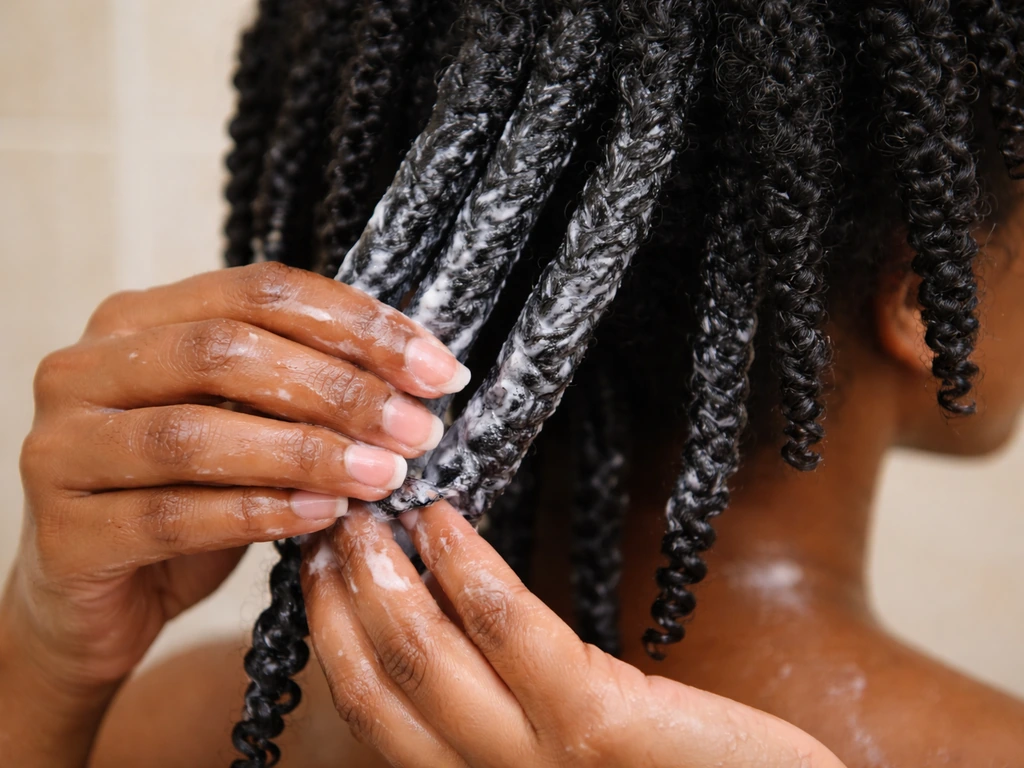
Coily hair is structurally prone to dryness because the natural sebum from your scalp can't travel easily down each spiral. Deep conditioning every wash day (not just regular conditioning) makes a measurable difference. Leave a deep conditioner on for at least 20 to 30 minutes, ideally with heat from a hooded dryer or a plastic cap. The LCO or LOC method (Liquid, Cream, Oil or Liquid, Oil, Cream) applied to damp hair after washing helps lock moisture in. Moisturize between wash days as needed, especially on hair that's not in a protective style.
Detangle: slow down and work in sections
Detangling is where a lot of breakage happens. Always detangle on wet or damp, conditioner-coated hair, starting from the ends and working your way up to the roots. Use your fingers first to remove large knots, then follow with a wide-tooth comb. Never drag a comb from root to tip on dry, tangled hair. Working in 4 to 8 sections (more for very thick or long hair) keeps things manageable and reduces the force you need to apply. This alone can dramatically cut your daily shedding count.
Seal: lock the moisture in
Sealing with an oil or butter after moisturizing slows moisture evaporation from the strand. Good sealing oils include castor oil, jojoba oil, and avocado oil. Heavier butters like shea or mango butter work well for very coily textures. Apply to damp (not soaking wet) hair. Sealing on dripping wet hair traps water that will evaporate anyway and doesn't give the same benefit.
Protective styling that actually supports retention
Protective styles (braids, twists, locs, weaves, wigs) keep your ends tucked away, reduce daily manipulation, and cut down on environmental damage. They're genuinely useful for retention, which is why so many Black women see length gains while wearing them. But there's a myth worth busting: the styles themselves don't make your hair grow faster. They just protect the growth that's already happening from being broken off. The difference sounds subtle, but it matters because it changes what you prioritize.
Braids and twists
Box braids, knotless braids, two-strand twists, and similar styles are excellent for retention as long as they're installed correctly. Keep them in for 6 to 8 weeks maximum before removing and giving your scalp a break. Leaving them in longer creates matting and severe tangles at the new growth, which causes breakage during removal. Moisturize your scalp weekly while your hair is braided (a diluted leave-in spray or lightweight oil works well). Avoid styles installed with excessive tension, especially at the hairline.
Weaves and wigs
Sew-in weaves and wigs can be fantastic protective styles when managed well. The key is keeping your natural hair clean and moisturized underneath. A dry, neglected scalp under a weave for 8 weeks does more damage than it prevents. With lace wigs and glue-less units, you have more flexibility to remove and care for your hair regularly, which is ideal. Bonding glues and harsh adhesives near the hairline increase traction and breakage risk significantly.
Locs
Locs are a long-term protective style that many people find supports strong length retention once mature. The main considerations for growth are: keeping locs clean and moisturized (dry locs are brittle locs), avoiding overly tight retwists, and being patient with the budding and locking stages where the hair may look shorter temporarily due to the coiling.
Sizing matters: avoid traction
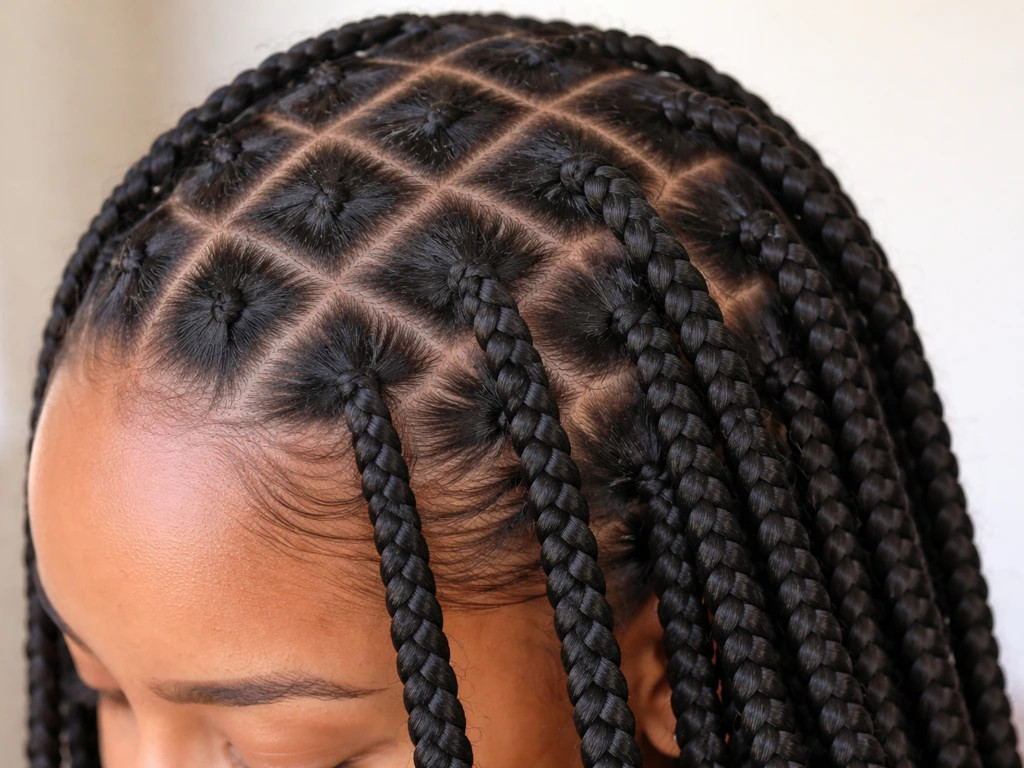
One of the biggest mistakes with protective styles is making them too small or too tight. Micro braids and very small twists put more tension on each strand and take far longer to remove, both of which increase breakage risk. Medium to large sections are kinder to the hair and scalp. If your scalp is sore, bumpy, or itchy after installation, the style is too tight. Don't push through it.
Gentle handling to prevent breakage and scalp issues
How you handle your hair day to day matters as much as your wash-day routine. Rough handling is the silent killer of length retention.
- Sleep on a satin or silk pillowcase, or use a satin bonnet or scarf at night. Cotton pillowcases create friction and pull moisture from the hair.
- Avoid fine-tooth combs and brushes with hard, inflexible bristles on dry natural hair.
- Don't apply heat (flat irons, blow dryers on high) more than once every 4 to 6 weeks. Use a heat protectant every time without exception.
- Limit high-tension styles (tight ponytails, slicked-back looks with gels that pull the edges) for everyday wear.
- Trim split ends every 8 to 12 weeks. This is not a myth: split ends travel up the strand and cause breakage higher up if left untreated.
- Be patient during detangling. Rushing is responsible for more breakage than almost any product choice.
For scalp health: traction alopecia (hair loss at the edges from repeated tight styling) is one of the most common hair loss issues in Black women and is largely preventable. If you notice thinning, puffiness, or soreness consistently at your edges or temples, the tension in your styles is too high. Catching this early makes recovery much easier.
Natural vs relaxed or chemically treated hair: care differences that affect growth
Both natural and chemically treated hair can reach long lengths, but they have different vulnerabilities that change how you approach your routine.
| Factor | Natural (unprocessed) hair | Relaxed or chemically treated hair |
|---|---|---|
| Structural integrity | Stronger strand structure, more resilient to mechanical stress when properly moisturized | Chemical process permanently alters the hair's disulfide bonds, making strands more fragile |
| Moisture needs | High: coil structure limits oil distribution | Very high: processing removes natural lipids from the strand |
| Detangling difficulty | Can be high due to tangling and shrinkage | Easier to comb but strands break more easily under the same force |
| Heat styling risk | Lower baseline risk, but still damaging without protection | Higher risk: chemically treated hair has lower heat tolerance |
| Chemical overlap risk | N/A | Overlapping relaxer applications onto already-processed hair causes severe breakage and should be avoided |
| Key routine priority | Moisture, gentle detangling, protective styling | Protein-moisture balance, gentle handling, spacing chemical applications 8–12 weeks apart |
If you're relaxed, the transition zone (where new natural growth meets relaxed hair) is the weakest point in your strand. This is where most relaxed hair breaks. Deep conditioning with protein-containing treatments every 4 to 6 weeks helps reinforce this area. If you're transitioning from relaxed to natural, protective styles during the transition period are especially valuable because they reduce manipulation at that vulnerable zone.
Products and ingredients worth your money (and a few to be cautious with)
Walk into any beauty supply store and you'll see a wall of products promising faster growth, miracle thickening, and length in 30 days. Most of that is marketing. Here's what actually has a role to play.
Ingredients worth looking for
- Humectants like glycerin, aloe vera, and honey draw moisture into the hair shaft and are excellent in leave-in conditioners and stylers.
- Hydrolyzed proteins (keratin, wheat, silk) temporarily reinforce the hair shaft and reduce breakage, especially useful for relaxed or heat-damaged hair. Use 1 to 2 times per month, not every wash.
- Natural oils with penetrating properties: coconut oil, olive oil, and avocado oil can enter the hair shaft (not just coat it) and reduce protein loss. Castor oil is a solid sealant and is popular for edge care, though evidence for it speeding root growth is limited.
- Scalp-stimulating ingredients like peppermint oil and rosemary oil: rosemary oil in particular has shown promise in a few small studies for supporting hair density, comparable to minoxidil in one trial, though evidence is still early. Dilute in a carrier oil before applying to the scalp.
- Biotin and other B vitamins in supplements: helpful if you're actually deficient, but not a magic growth booster if your levels are already normal. Eating enough protein and iron matters more for most people.
Things to use with caution
- Mineral oil and petrolatum: they're sealants that can build up and block moisture from entering if overused. Not harmful in small amounts, but can work against you in a moisture-based routine if used heavily.
- Sulfates in shampoos: sodium lauryl sulfate in particular strips moisture aggressively from already dry hair. Fine for occasional clarifying, but not ideal for regular use on coily textures.
- "Grease" or petroleum-heavy pomades on the scalp: these block pores and can contribute to scalp issues over time. They don't feed the scalp or promote growth.
- Products claiming to "grow hair faster" with proprietary blends: there is currently no topical product with strong clinical evidence for increasing the rate of hair growth in otherwise healthy individuals. Retention improvements can look like faster growth, but the root growth rate itself doesn't change with oils or topicals.
Next steps and red flags: when to adjust the plan or see a pro
If you start a consistent routine, including protective styling, gentle handling, regular moisturizing, and minimal heat, you should start noticing a difference in retention within 3 to 4 months. If you want a practical, step-by-step plan, you can also search for YouTube videos on how to grow long black natural hair and compare routines to fit your routine and hair type. Length changes that are visible take 6 months to a year. If you're not seeing any improvement, or if things seem to be getting worse, it's time to look harder at what might be going on.
Adjust your routine if:
- Your hair feels dry and brittle within days of a wash day, which usually means you need more moisture or a better sealing step.
- You're seeing more shedding than usual (more than roughly 100 hairs per day consistently), which may signal stress, nutritional deficiency, or hormonal changes.
- Your hair feels mushy or limp after conditioning, which is a sign of protein deficiency in the strand. Add a protein treatment.
- Your edges are thinning or your hairline is receding: stop tight styles immediately and give that area a break for at least 6 to 8 weeks.
See a dermatologist if:
- You have persistent scalp itching, flaking, or scaling that doesn't improve with a gentle anti-dandruff shampoo (look for zinc pyrithione or ketoconazole).
- You're losing hair in patches, or thinning is spreading symmetrically across the top of the scalp.
- You've had consistent hair loss for more than 6 months without a clear cause (like a major stressor, illness, or postpartum change).
- Your hairline continues to recede despite dropping tight styles, which may suggest traction alopecia that needs early medical management.
- A child's hair seems not to be growing at all, or is thinning, especially if accompanied by scalp symptoms.
A board-certified dermatologist, specifically one familiar with textured hair (they exist, and it's worth seeking one out), can run blood panels for thyroid function, iron levels, and vitamin D, all of which affect hair growth when low. Central centrifugal cicatricial alopecia (CCCA) is a scarring hair loss condition more common in Black women that can be mistaken for styling damage. Early intervention matters enormously with scarring alopecias, so don't wait if something doesn't look right.
Growing Black women's hair longer is genuinely achievable with the right approach. The path isn't a special oil or a single product. It's consistent moisture, minimal mechanical stress, protective styling used wisely, and patience with a biology that grows about half an inch per month no matter what you do. A waist-length goal is mostly about retention, so focus on keeping breakage low while your hair grows steadily. Get the retention right, and the length will follow.
FAQ
If my hair is shedding a lot, does that mean it is not growing? (and what should I watch for?)
No. Your hair typically grows at a similar rate from scalp to hair shaft regardless of texture, but wash frequency and protective style choices change retention. If you increase detangling and handling when you do not have enough moisture, you can see “more shedding” even though growth is happening normally.
How long should it take before I can actually see progress when I start a retention routine?
You usually should not expect a visible length increase in the first 4 to 8 weeks, especially with tightly curled textures. What you can measure sooner is retention: less tangling, fewer snapped hairs at the ends, and better curl clumping after wash day.
What is the best way to tell whether my issue is dryness, buildup, or breakage?
It depends on what is causing dryness. If your ends feel rough and your roots feel fine, you likely need better deep conditioning plus sealing. If your scalp feels tight, flaky, or irritated, the priority is scalp cleanliness and gentler styling, not adding more oils that can worsen buildup.
Will using castor oil or heavy oils daily help my hair grow faster, or could it hurt retention?
Yes, but only if the oil is used as a sealant on damp hair and you are not trapping excessive buildup. If you do a weekly or biweekly clarifying step (or your scalp tolerates lighter cleansing), sealing can help. If you apply heavy oils on a dry scalp between washes, you may increase residue and irritation.
Is heat styling ever okay if my goal is long hair?
Usually, frequent heat does not “stop” growth at the scalp, but it can damage the strands and increase snapping, especially when hair is dry or over-processed. If you use heat, protect the hair with proper prep, use lower settings, and limit how often you smooth or straighten to keep breakage down.
How often should I detangle between wash days?
For most people, detangling should happen during wash days when hair is well coated with conditioner. Detangling “just to detangle” between washes often increases mechanical stress. If you must refresh, use finger detangling on damp, product-coated sections instead of combing through fully dry hair.
How can I tell if my protective style is too tight before it causes edge damage?
Yes, because too much tension can affect edges and temples before you realize it. The practical rule is, if your scalp feels sore, bumpy, or tender after styling, the installation was too tight. Reinstalling with larger sections or looser tension usually prevents edge loss from traction.
What is the risk of keeping box braids or twists in longer than 8 weeks?
For many, leaving braids or twists in past about 6 to 8 weeks increases matting at the new growth and makes removal harder, which can raise breakage. If your hair grows quickly, plan a reset based on how your new growth feels, not just the calendar.
Can wearing wigs still support hair growth if I do not remove them often?
Yes, if you are cleansing underneath. A wig can be a retention-friendly option if your natural hair remains moisturized, the scalp is kept clean, and you avoid repeated traction at the perimeter (including from tight straps). Glue-less styles make it easier to remove for regular care.
Do micro braids always work better for retention, or do they have downsides?
If the goal is length retention, a “small section, tighter install” approach often backfires because it increases tension and makes the style removal more damaging. Medium to large sections are generally kinder, and your install should prioritize low tension and easy maintenance, not just a neat look.
What should I do if my edges look thinner or my scalp is sore even with gentle care?
A thinning or widening at the edges plus consistent tenderness can signal traction-related hair loss, but it is not the only possibility. If you notice scarring-like changes, persistent scaling, or sudden worsening, it is important to get evaluated by a dermatologist familiar with textured hair rather than trying to solve it only with moisturizers.
Next Article
How to Grow Long Hair for Black Females: A Practical Guide
Learn how to grow long hair for Black females with routines for moisture, retention, detangling, and protective styles.