No shampoo will make your hair grow faster. I want to say that upfront, because the way these products are marketed can make it feel like the right bottle is the missing piece. What the best shampoos for African American, Black, and afro hair can do is remove the scalp buildup and inflammation that slows things down, and clean your strands gently enough that you're not snapping off length every wash day. That's not a small thing. For tightly coiled, kinky, or Type 4 hair, those two factors, scalp health and breakage prevention, are often what stands between you and visibly longer hair. So this guide is built around that reality: what shampoo actually controls, what it can't, and how to pick and use the right one for your specific situation starting today.
Best Shampoo to Grow African American Hair: What Works

Hair growth vs. length retention: what shampoo can and can't do
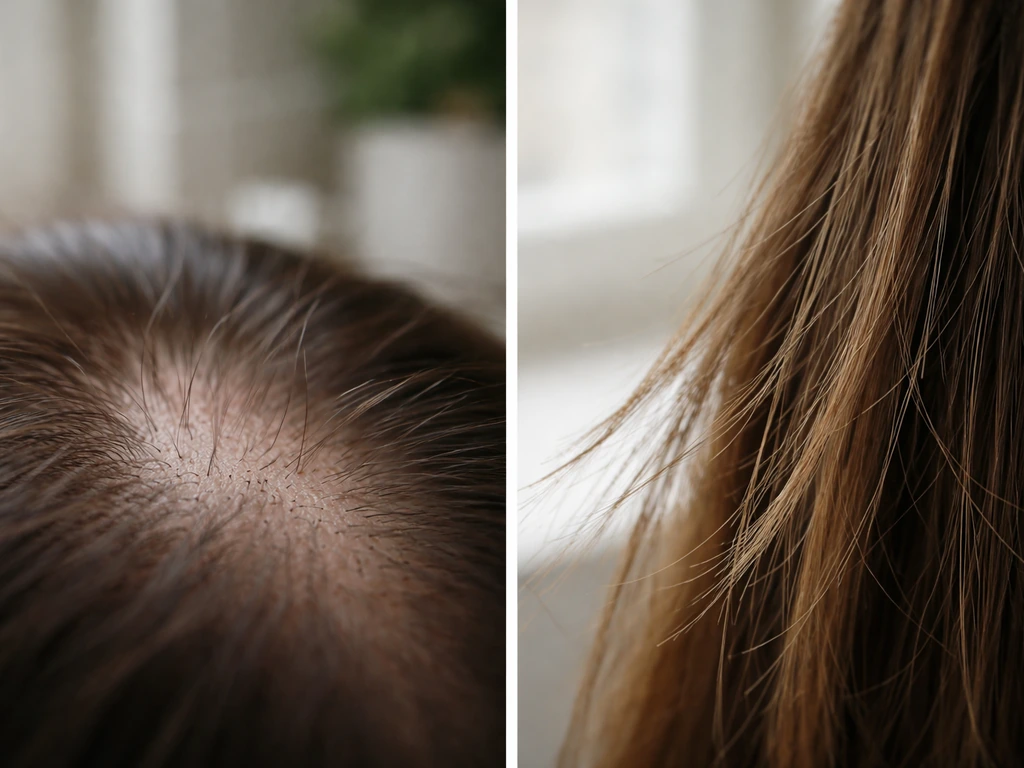
Your hair follicles produce roughly half an inch of new growth per month on average, regardless of what you wash with. That rate is governed by genetics, hormones, nutrition, and overall health. A shampoo cannot change it. What it can change is how much of that new growth you actually keep. This is the retention problem that so many Black hair journeys get stuck on. Afro-textured hair has a coiled structure that makes it harder for natural scalp oils to travel down the strand, which means dryness and breakage are structural tendencies, not personal failures. If you're losing length at roughly the same rate you're growing it, the answer isn't a magic growth shampoo. It's a cleansing routine that keeps your scalp healthy without stripping your strands, followed by the conditioning and protective practices that let your length accumulate.
That said, scalp inflammation is a genuine growth blocker. Conditions like seborrheic dermatitis create chronic itching, flaking, and a disrupted scalp microbiome that can interfere with the follicular environment. Going weeks without washing while in a protective style because you're afraid of dryness can also allow product residue and Malassezia yeast overgrowth to build up and cause irritation. Choosing the right shampoo is genuinely about scalp health, and scalp health genuinely affects whether your follicles are doing their best work.
How to choose the best shampoo for Black and afro hair
The starting point is your scalp, not your strands. Most people pick shampoos based on what their hair feels like, but your scalp has its own needs that may be different. You can have a dry, flaky scalp with strands that are also dry. You can have an oily, congested scalp with strands that still need moisture. Treating those two zones the same way is where most shampoo choices go wrong.
For the scalp, the questions to ask are: Do I have persistent flaking, itching, or redness? (That points toward a medicated or antifungal option.) Do I have product buildup or excess oil? (A clarifying shampoo on a regular rotation helps.) Is my scalp generally comfortable but in need of regular maintenance? (A moisturizing or sulfate-free cleanser is likely fine.) For your strands, the key factors are whether your hair is natural, relaxed, or color-treated, and how prone it is to dryness and breakage. Tightly coiled natural hair almost always benefits from a gentler, more hydrating formula. Relaxed or color-treated hair has compromised protein structure and needs something that cleanses without adding chemical stress.
A simple decision flow before you buy anything
- Start with your scalp: flaky or itchy scalp with visible scaling points to an antifungal or medicated shampoo; buildup-prone scalp needs a periodic clarifying shampoo; generally healthy scalp does well with a moisturizing or sulfate-free formula.
- Then consider your strands: natural coily or kinky hair benefits from extra moisture and gentle sulfates or co-wash options; relaxed or color-treated hair needs protein-preserving, low-damage formulas; color-treated hair specifically needs sulfate-free to avoid fading.
- Factor in your styling habits: if you wear protective styles like braids, twists, or locs for extended periods, scalp access is limited and buildup is a real concern. You need something that penetrates to the scalp effectively.
- Check frequency: tightly coiled natural hair typically does not need daily washing. Weekly to every 10 days is a common and workable range. Your shampoo choice should match that rhythm.
Ingredient guide: what to look for and what to skip
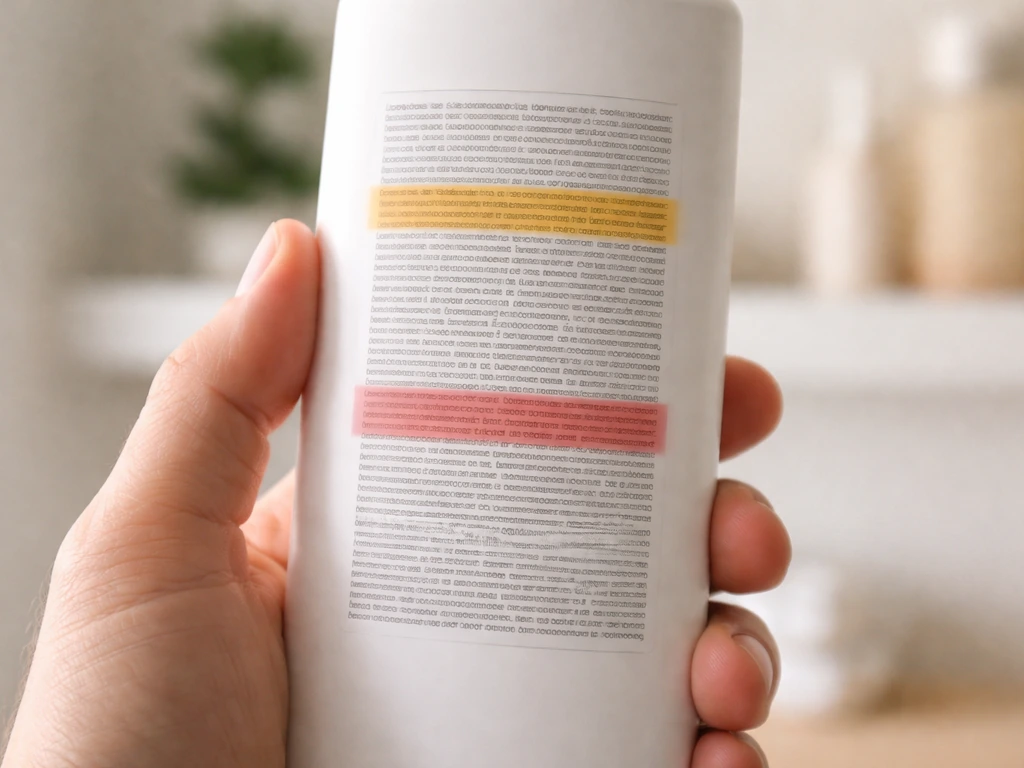
Reading a shampoo ingredient list can feel like decoding a chemistry exam. Here's what actually matters for Black and textured hair growth goals.
Ingredients worth prioritizing
- Ketoconazole (1% OTC or 2% prescription): an antifungal that has solid evidence behind it for seborrheic dermatitis and dandruff. Randomized controlled trials confirm that 2% ketoconazole shampoo reduces scaling, itching, and redness compared to placebo over about four weeks of twice-weekly use. Some small studies also suggest it may have a mild effect on hair shedding related to scalp inflammation, though it's not a standalone hair growth treatment.
- Zinc pyrithione: another antifungal and antibacterial active ingredient effective against dandruff-causing Malassezia yeast. Found in many OTC shampoos and a practical daily-use option for flaky scalps.
- Selenium sulfide: also shown in clinical trials to reduce dandruff symptoms vs. placebo. Typically found in 1% OTC formulas; stronger concentrations are prescription. Best for persistent or severe flaking.
- Glycerin and humectants: attract and hold moisture in the hair shaft. Critical for afro-textured hair that is structurally prone to moisture loss.
- Panthenol (pro-vitamin B5): penetrates the hair shaft, improves elasticity and moisture retention, and reduces breakage. Common in gentle, moisturizing shampoos.
- Hydrolyzed proteins (wheat, silk, keratin): help temporarily fill gaps in the hair's cuticle layer, strengthening strands that are over-processed or damaged. Look for these in shampoos marketed for damaged or color-treated hair.
- Natural oils (castor oil, jojoba, argan, avocado): add slip and emollience, helping reduce mechanical friction and breakage during washing. Most effective in shampoos with lower sulfate levels that won't immediately strip them away.
- Tea tree oil: a natural antifungal and antimicrobial that can help with mild scalp irritation. Useful in maintenance formulas, though not as well-studied as ketoconazole for clinical dandruff.
Ingredients to use cautiously or avoid
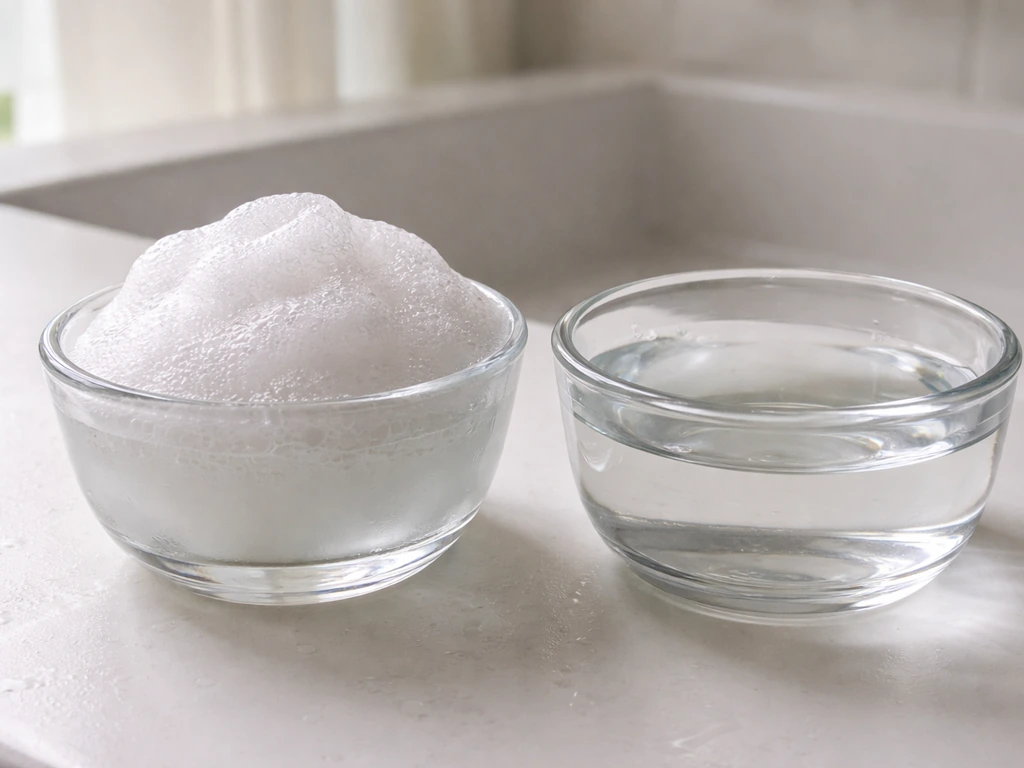
- Sodium lauryl sulfate (SLS): a strong surfactant that cleans effectively but strips natural oils aggressively. Fine for an occasional clarifying wash for some people, but damaging as a regular cleanser for already-dry coily hair. Sodium laureth sulfate (SLES) is gentler if you want some cleansing power without as much stripping.
- Isopropyl alcohol and denatured alcohol: drying to the hair shaft when used frequently. These sometimes appear in clarifying or scalp treatments. Occasional exposure is fine; daily use is not.
- Heavy silicones (dimethicone without a wash-off routine): silicones can provide great slip and shine, but if you're not using a sulfate strong enough to remove them, they build up on the scalp and block moisture absorption. If you use silicone-heavy conditioners or styling products, make sure your shampoo routine actually clears them.
- Formaldehyde-releasing preservatives (DMDM hydantoin, quaternium-15): associated with scalp irritation and some concern around chronic exposure, particularly for those who are already dealing with a sensitive scalp. Worth avoiding if you have reactivity.
- Overly fragranced formulas: synthetic fragrance is a common scalp irritant and can worsen conditions like contact dermatitis. If your scalp is sensitive, fragrance-free is usually the smarter call.
The right shampoo type and routine for your hair situation
| Hair Situation | Best Shampoo Type | Key Ingredients to Prioritize | Frequency Guidance |
|---|---|---|---|
| Natural coily/kinky (no chemical processing) | Moisturizing sulfate-free or low-poo shampoo; clarifying once monthly | Glycerin, panthenol, natural oils, mild surfactants like cocamidopropyl betaine | Every 7-10 days; clarify once per month |
| Relaxed hair | Protein-rich, gentle moisturizing shampoo; sulfate-free preferred | Hydrolyzed keratin or wheat protein, glycerin, panthenol | Every 5-7 days; avoid harsh clarifying formulas post-relaxer |
| Color-treated hair | Sulfate-free, color-safe shampoo | Hydrolyzed proteins, panthenol, antioxidants, no harsh sulfates | Every 7-10 days; avoid selenium sulfide and salicylic acid (can strip color) |
| Flaky/itchy scalp or seborrheic dermatitis | Medicated or antifungal shampoo | Ketoconazole 1-2%, zinc pyrithione, or selenium sulfide | Twice weekly for 4 weeks (ketoconazole); then maintenance; leave on for recommended contact time |
| Wearing protective styles (braids, twists, locs) | Diluted or lightweight scalp-focused shampoo | Tea tree oil, zinc pyrithione, witch hazel for accessible scalp areas | Every 2-3 weeks minimum; don't skip wash day entirely |
| Oily/product-buildup scalp | Clarifying shampoo (occasional), followed by moisturizing shampoo | Salicylic acid (for buildup), followed by glycerin and emollients | Clarify every 2-4 weeks; use gentler formula in between |
Using medicated shampoos correctly
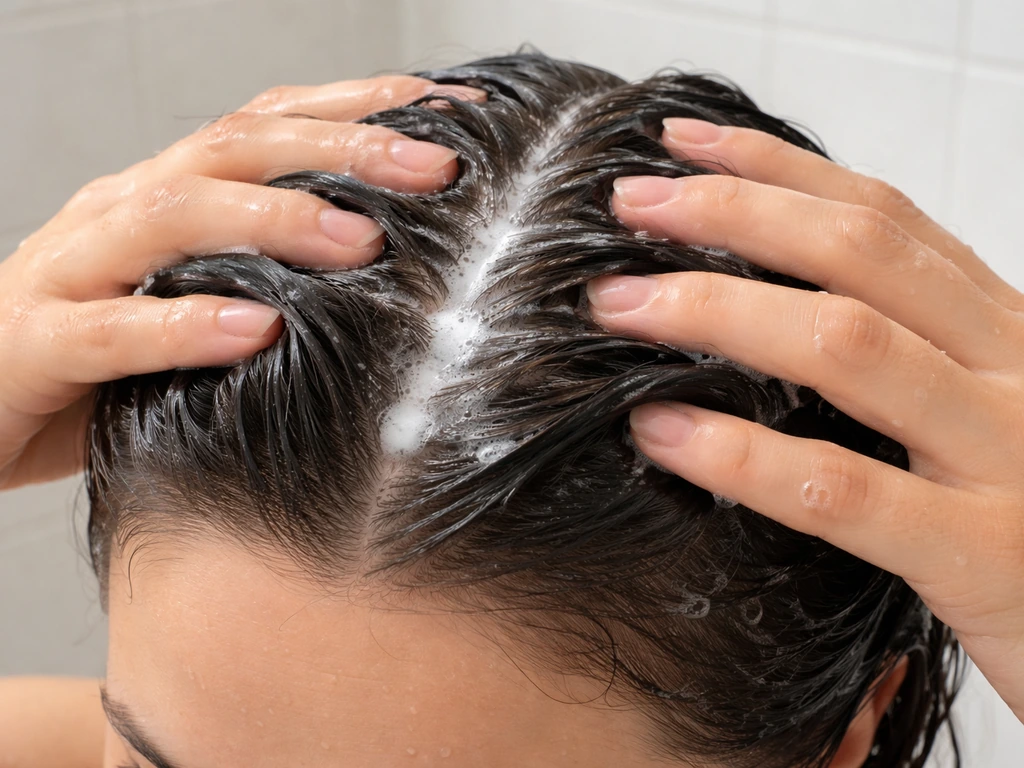
If you're dealing with a scalp condition like seborrheic dermatitis, how you use your shampoo matters as much as which one you pick. The clinical guidance is consistent: apply the shampoo directly to the scalp, work it in, and leave it there for the full recommended contact time before rinsing. For ketoconazole 2% shampoo, that's typically several minutes, used twice weekly for about four weeks for initial treatment. Simply applying and rinsing immediately the way you might with a regular shampoo significantly reduces how well the active ingredients work. After the initial treatment phase, most people move to once-weekly or once-biweekly maintenance washing to prevent recurrence. If you're unsure whether what you're seeing is dandruff versus something more complex like psoriasis or a fungal infection, a dermatologist is the right next step, not a stronger product.
Wash-day practices that actually prevent breakage
Your shampoo choice will only take you so far if your technique is working against you. Breakage on wash day is one of the most common and underacknowledged reasons Black and afro-textured hair struggles to retain length. Here's what the evidence and experience consistently point to.
Temperature, detangling, and conditioning
- Use lukewarm or cool water, not hot. Hot water opens the cuticle aggressively and strips more moisture than you want. Rinse your conditioner with cool water at the end to help seal the cuticle back down.
- Detangle before you shampoo if your hair is dry or in a stretched style. Trying to work through tangles on wet, shampooed hair (especially without conditioner in) causes far more snapping than detangling on dry or pre-conditioned hair.
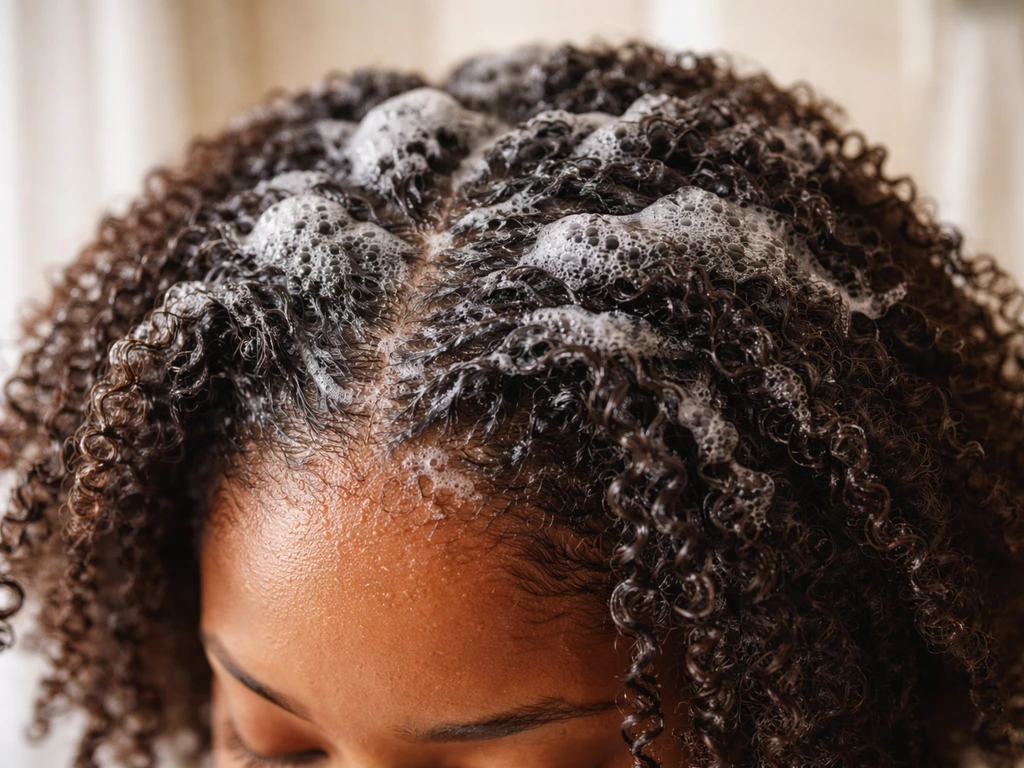
- Apply shampoo directly to the scalp, not the lengths. Scrub the scalp with your fingertips, not your nails. The lather that runs down the strands during rinsing is usually enough to cleanse the rest of your hair without extra friction.
- Always follow shampoo with a conditioner. This is non-negotiable for afro-textured hair. The shampoo, even a gentle one, raises the cuticle. Conditioner smooths it back and restores some of the lipids and moisture that washing removes.
- Use a wide-tooth comb or your fingers for detangling in the shower, not a fine-tooth comb on wet hair. Wet afro-textured hair is at its most elastic and most fragile. Thin or fine-tooth tools will cause breakage.
- Consider a deep conditioning treatment once a week or every two weeks if your hair is particularly dry, color-treated, or relaxed. This is where a lot of real moisture retention work happens.
- Avoid rough towel drying. Rubbing your hair vigorously with a cotton towel snags and breaks coily strands. Use a microfiber towel or an old t-shirt to gently blot and absorb water.
How often to wash
There's no universal right answer, but tightly coiled hair does not need daily washing and usually does better with longer intervals between wash days. Weekly is a workable starting point for most natural hair. Every 10 to 14 days is reasonable if your scalp is not prone to buildup or oiliness. If you're in a protective style like box braids or twists, washing every two to three weeks at minimum keeps the scalp from accumulating the kind of buildup and potential irritation that can eventually affect follicle health. Skipping wash day entirely for six or eight weeks because you're afraid of disrupting a protective style is a myth-driven habit that can work against you, which is addressed more directly in the next section.
The myths about growth products and protective styling that are holding you back
The biggest myth in Black hair care is that a specific product, shampoo, oil, or supplement is what's preventing hair growth. The reality is that most people's follicles are doing their job. The problem is that the hair is breaking off at the same rate or faster than it grows, and the cause is usually mechanical: too much manipulation, not enough moisture, hairstyles that are too tight, or wash routines that are either too harsh or too infrequent.
Protective styling is one of the most effective tools for length retention, but it's frequently misunderstood. Braids, twists, locs, and weaves protect the ends from manipulation and environmental damage, which helps you keep length. But they do not make your hair grow faster. If you're losing hair around your edges or temples, and that loss aligns with how tight your braids are installed, that is traction alopecia. Research from StatPearls and the University of Iowa Health Care is clear on this: recurrent tension from tight braids or ponytails pulls on the follicle, and while early-stage traction alopecia can reverse when the tension is removed, repeated or long-term traction can cause permanent follicle damage. If you notice your hairline receding when protective styles are taken down, loosening the style and changing hairstyles more often isn't optional, it's essential.
Another common myth is that you shouldn't wash your hair while in a protective style because it will cause frizz or undo the style. Avoiding wash day for weeks in a braid or twist allows sebum, product residue, and Malassezia yeast to accumulate on the scalp. That buildup contributes to the exact scalp inflammation and follicle disruption that slows down retention. A lightweight, diluted shampoo or scalp cleanser applied directly to the scalp and rinsed carefully, along with a leave-in conditioner, is far better for your hair's long-term health than skipping cleansing entirely.
The same logic applies to scalp oils and growth serums marketed specifically for Black hair. Castor oil, for example, has a strong cultural history in hair care routines and does provide some benefits as an emollient and sealant. But applying it to a congested, unwashed scalp can make buildup and inflammation worse, not better. Oil on top of buildup is not a growth treatment. It's a recipe for clogged follicles. These products are most useful as part of a clean, moisturized routine, not as a shortcut around one.
If you're looking more broadly at what else influences growth and retention beyond shampoo, topics like how overall nutrition, genetics, and styling frequency interact with length are covered in depth in related guides on how to grow African American hair, what helps African American hair grow, and how to grow damaged African American hair. If you're wondering specifically how to grow coarse African hair, follow these same growth and retention principles while prioritizing scalp health and reducing breakage. If you want a practical roadmap for long-hair goals, use this guide alongside a dedicated approach to how to grow long hair for African American hair how overall nutrition, genetics, and styling frequency interact with length. Those guides go into the full picture of the internal and external factors at play.
Your quick decision checklist and next steps
Use this to get your routine aligned today rather than spending another week researching. Pick the scenario that matches your situation and start from there.
- Check your scalp first. Stand in good lighting and part your hair in several places. Do you see visible flaking, redness, or feel persistent itching? If yes, start with a zinc pyrithione or ketoconazole 1% shampoo twice a week and leave it on for a few minutes before rinsing. Give it four weeks consistently before evaluating.
- If your scalp is generally fine but you've been using heavy products or dry shampoo or haven't clarified in over a month, do one clarifying wash this week. Follow immediately with a deep conditioner to restore moisture balance.
- If your hair is natural (unprocessed), coily or kinky, and not dealing with a scalp condition, switch to or confirm you're using a sulfate-free or low-poo moisturizing shampoo. Wash every 7-10 days, always follow with conditioner, and use a deep conditioner at least twice a month.
- If your hair is relaxed or color-treated, make sure your shampoo is sulfate-free and includes hydrolyzed proteins. Avoid clarifying shampoos unless you have significant buildup, and never shampoo within 48-72 hours of a fresh relaxer.
- If you wear protective styles regularly, build scalp washing into your protective style maintenance. Every 2-3 weeks, apply a diluted gentle shampoo or scalp cleanser directly to the scalp, massage in, rinse carefully, and follow with a light leave-in. Don't skip this.
- After any shampoo, always condition. Always. For coily and kinky textures, this is not optional. Consider leaving a rinse-out conditioner on for 5-10 minutes before rinsing for an extra moisture boost.
- Check your styling tension. If your edges or temples look thinner after a protective style is removed, or if you feel pulling at the root when your style is first installed, that style is too tight. Loosen it. Long-term retention requires healthy follicles, and tight styles compromise them over time.
- Give any new routine at least 8-12 weeks before judging results. Hair grows slowly and the effects of scalp health improvements or reduced breakage take time to show up as visible length.
The honest bottom line is that the best shampoo for growing African American, Black, and afro hair is the one that keeps your scalp clean and healthy without stripping your strands, and that fits consistently into a routine that also includes conditioning, gentle handling, and protective practices that let your growth accumulate. That combination, not any single bottle, is what actually gets you to longer, healthier hair. If you want more targeted steps, you can also follow a guide on how to grow thick hair for African American hair, focusing on retention, scalp care, and breakage prevention.
FAQ
How often should I shampoo African American hair if I am trying to grow it out?
Most natural, tightly coiled hair does well with weekly cleansing. If your scalp gets oily or has product buildup, aim for about every 7 to 10 days, and if you are dry or easily stripped, try every 10 to 14 days. For protective styles, plan a scalp cleanse at least every 2 to 3 weeks (more often if you notice itch, flaking, or odor).
Can I use a clarifying shampoo to help growth if my scalp is always oily?
Yes, but use it like a rotation tool, not your every-wash cleanser. Clarifying too often can increase dryness and breakage, even if your scalp feels better. A good rule is to clarify periodically (for example, monthly or when buildup is obvious), then follow with a hydrating conditioner and a consistent moisturizing leave-in.
What if my scalp is flaky but my hair still feels dry, should I choose a stronger shampoo?
Flaking and dryness can happen together, but that does not automatically mean you need a harsher cleanser. Start by identifying the driver of flaking (buildup, irritation, or an antifungal issue), then pick the gentlest option that addresses it. If the flakes are persistent, itchy, red, or greasy, you may need an antifungal approach rather than more stripping.
How do I know if I should use ketoconazole shampoo versus a regular moisturizing or sulfate-free shampoo?
If you have ongoing itching and visible flaking that keeps returning, especially if it feels greasy or your scalp stays irritated, an antifungal like ketoconazole may be appropriate. If your symptoms are mostly dryness with minimal irritation, a moisturizing cleanser may fit better. If you are unsure whether it is dandruff versus psoriasis or another condition, a dermatologist is the safer decision.
Is it okay to shampoo less often when I am in box braids or twists?
It can be okay to wash less often, but skipping for 6 to 8 weeks is often too long for scalp health. Residue and yeast overgrowth can build, which can increase inflammation and contribute to shedding. For most people, cleansing every 2 to 3 weeks keeps the scalp cleaner while still supporting the protective style.
Do I need to shampoo my scalp twice, and does double cleansing help growth?
Double cleansing can help when you use heavy products, have oily or buildup-prone skin, or wear protective styles where residue accumulates. However, if your hair is very prone to tangling or breakage, focus on a thorough scalp massage during one careful wash rather than repeatedly stripping the strands. Always condition afterward, and detangle only after conditioning.
Should I apply shampoo to my ends or only the scalp?
Prioritize the scalp. Shampoo lathers and rinses down the hair during rinsing, which is usually enough to clean without over-drying the ends. Rubbing shampoo aggressively on length can raise breakage risk, especially on Type 4 hair with high dryness tendencies.
What ingredients should I avoid if I am trying to prevent breakage?
Avoid overusing products that leave your hair feeling tight, squeaky, or stripped after rinsing, since that often correlates with dryness and tangling. Instead of chasing one ingredient list target, choose a formula that cleans the scalp but allows your strands to feel manageable after conditioning. If you are chemically processed, be cautious with very strong detergents used too frequently.
How much conditioner do I need if I am using the “best” shampoo for growth?
Conditioning is not optional for retention, especially for coily hair. Use enough conditioner to fully coat and soften before detangling, and spend extra time on mid-lengths to ends. If you only condition lightly, you may clean the scalp well but still lose length through wash-day breakage.
If my edges are thinning, could shampoo be the problem?
Thinning around the hairline is more often linked to traction from tight installation or repeated tension than to shampoo choice. If shedding lines up with braid or ponytail tension, loosen styles, reduce wear time, and consider evaluation for traction alopecia. In that situation, the “best shampoo” will not override the impact of mechanical stress.
Do Braids Grow Your Hair? Growth vs Length Retention Guide
Learn if braids grow hair or mainly retain length, plus how to wear them safely to protect textured hair and reduce brea