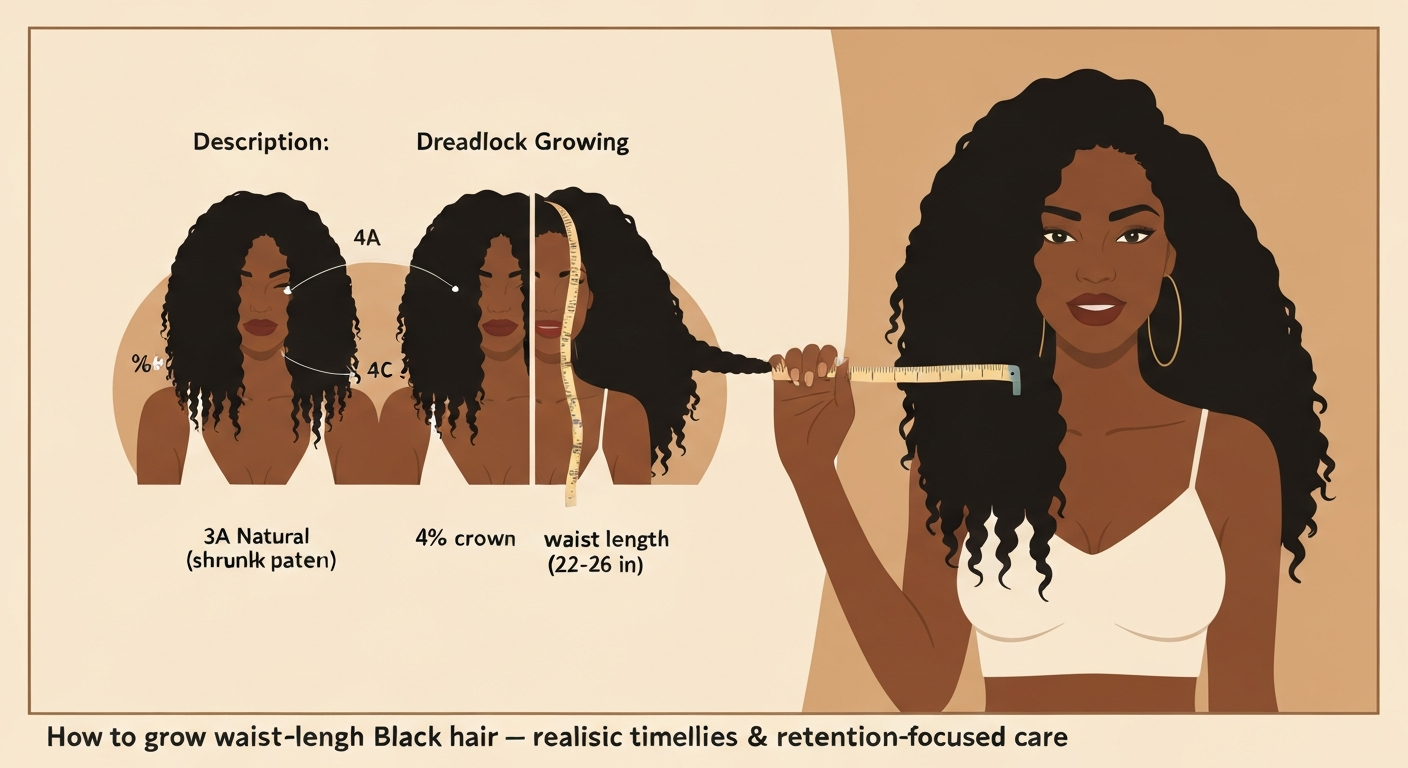
Growing an afro comes down to two things working together: your scalp actually producing new hair, and you keeping that hair attached long enough to see the length. If you’re starting from short hair, the key is protecting moisture and focusing on retention so the length you’re getting has a chance to show how to grow an afro from short hair. Most people focus almost entirely on the first part and wonder why nothing seems to change. The honest answer is that your hair is almost certainly already growing. The real challenge is retention, and once you understand that distinction, everything else clicks into place.
How to Grow an Afro: Bigger, Longer, Healthier Hair Steps

Simone Okonkwo
18 Apr 2026
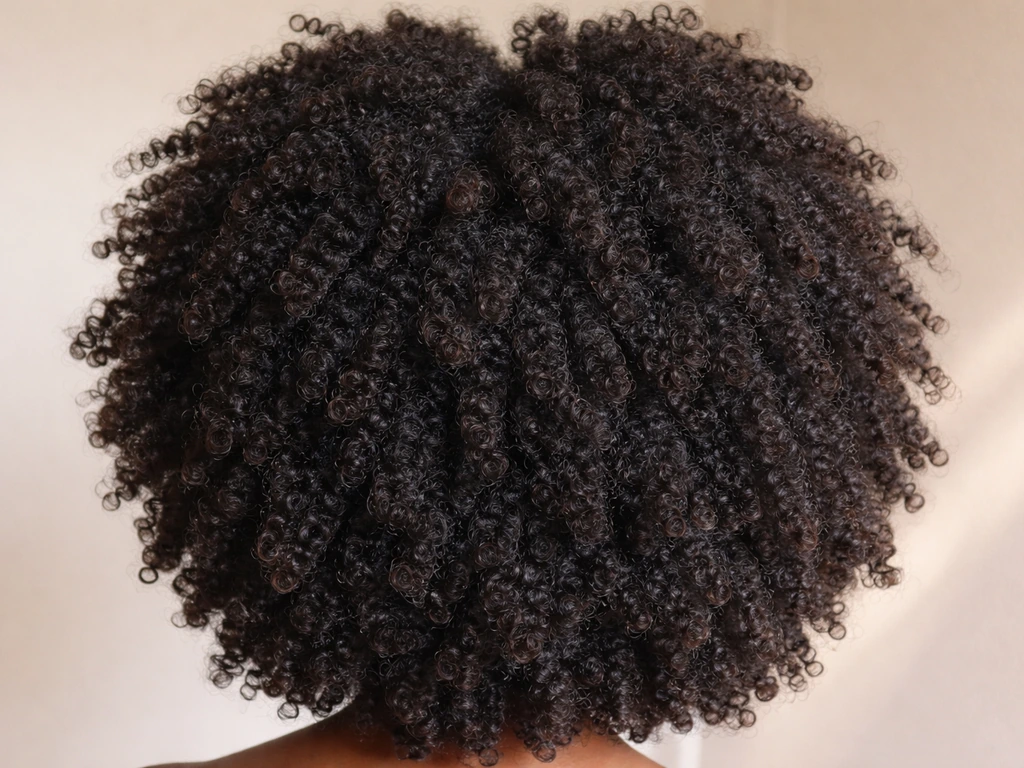
What "growing an afro" actually means
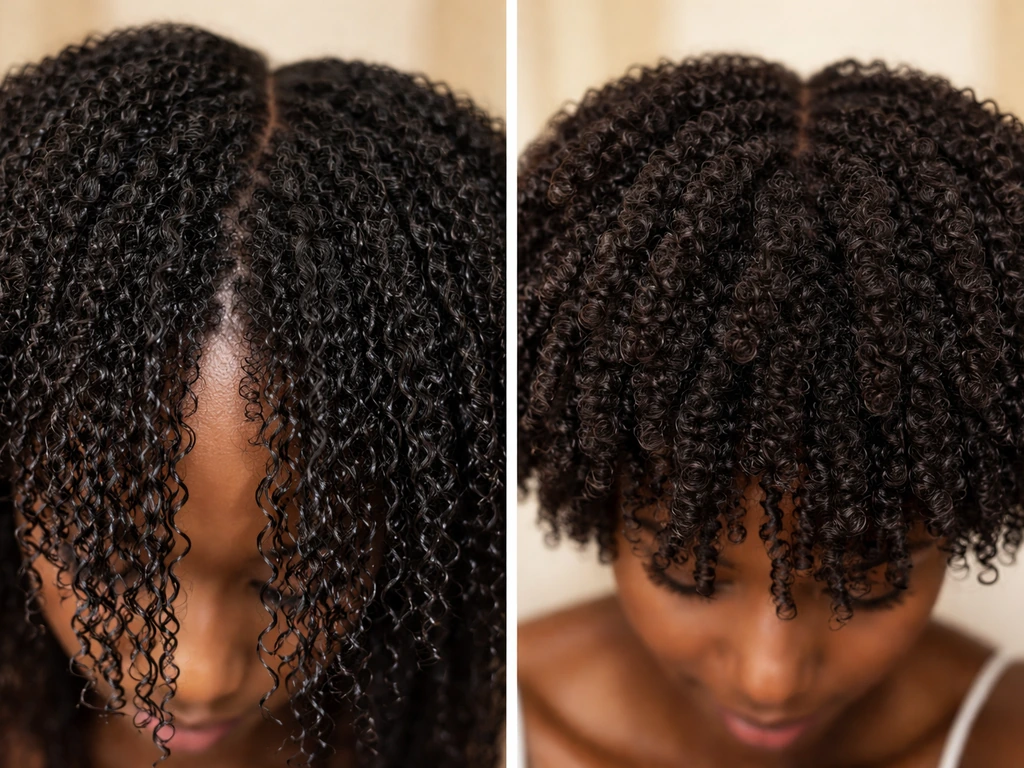
When someone says their afro isn't growing, they usually mean one of two things: either the hair genuinely isn't getting longer, or it looks the same length even though months have passed. These are very different problems. The first is a retention issue. The second is almost always shrinkage.
Afro-textured, coily hair coils back on itself as it dries, sometimes shrinking to as little as 25 to 30 percent of its actual stretched length. So your hair might be three inches long in stretched terms and look like barely an inch when it's fully dry and coiled. That's not your hair failing to grow. That's your curl pattern doing exactly what it's supposed to do. If you've ever stretched a coil and been surprised by how much length is actually there, you've experienced this firsthand.
True hair growth happens at the follicle, below the scalp surface, completely independent of what you do to the hair shaft above. The biology here is actually reassuring: roughly 86 percent of your scalp hairs are in the anagen (active growth) phase at any given time. Only about 13 percent are resting in telogen. That means the vast majority of your follicles are already doing their job. The goal of any afro growth routine is to protect the hair those follicles produce, not to somehow force the follicles to work harder.
It's also worth knowing the difference between shedding and breakage, because confusing the two sends people chasing the wrong solutions. Shedding is a normal part of the hair cycle. A shed hair has a small white or translucent bulb at the root end. Breakage is the shaft snapping somewhere along its length, leaving no bulb. If your drain or brush is full of short pieces without bulbs, that's breakage, and it's a retention problem you can fix with your routine. If you see long strands with bulbs, that's natural shedding and generally isn't cause for alarm.
Real timeline: how long it takes to grow afro hair
Scalp hair grows at roughly half an inch per month on average, which works out to about six inches per year. Some people grow slightly faster, some slightly slower, and genetics plays the biggest role. Afro-textured hair grows at a comparable rate to other hair types at the follicle level, but the coil structure means that each half inch of new growth coils back and adds less apparent length than straight hair would. This is why length progress feels slower than it actually is.
Anagen, the active growth phase, can last anywhere from two to eight years for scalp hair. People with longer anagen phases can grow significantly more hair before follicles cycle into rest. This is partly why some people seem to grow hair easily to large lengths while others hit a ceiling. If your afro seems to plateau, it may be that you've reached your natural anagen limit, or, more commonly, that breakage is canceling out new growth before it accumulates.
For practical planning: if you're starting from a very short cut or a fade, expect roughly three to six months before you have enough length to pick out into a recognizable afro shape. A full, round afro with significant volume typically takes one to three years of consistent retention.
If you're also aiming for afro dreads, use the same retention basics but adjust your technique to support dread formation and reduce breakage while you wait for them to thicken how to grow afro dreads. That timeline shortens considerably if you're managing breakage well and protecting the ends. It also varies based on your specific curl pattern: tighter 4C coils shrink more and can feel like they grow slower, even when the underlying growth rate is the same.
Building a routine for healthy afro growth
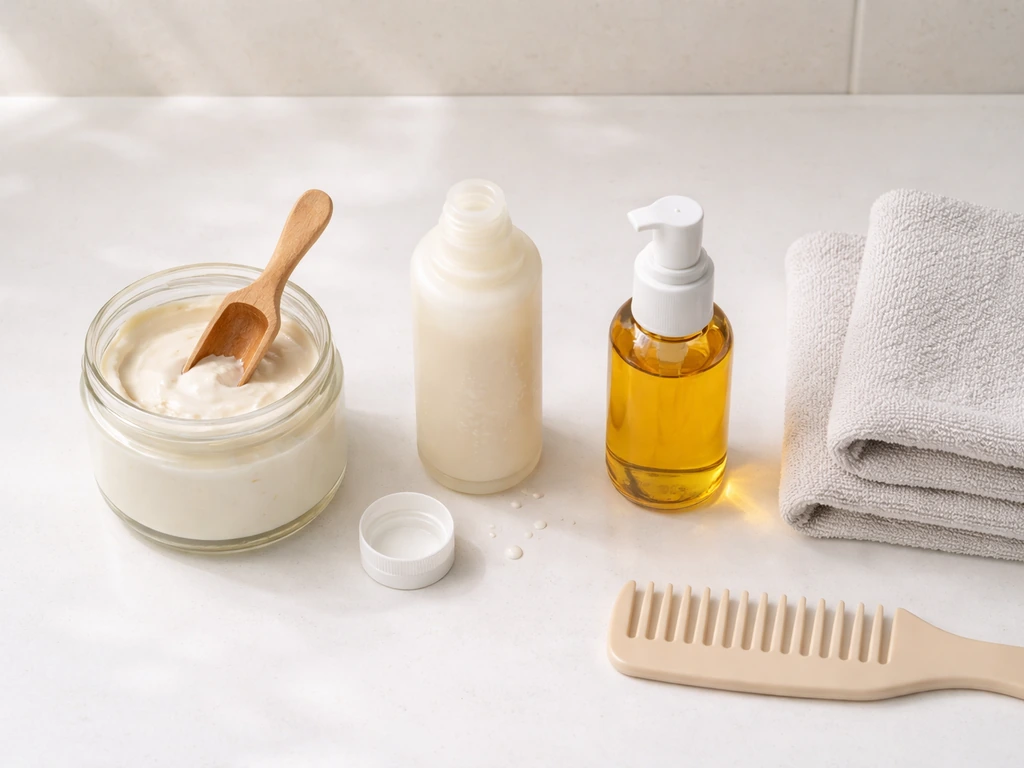
The core of any good afro care routine is the same regardless of whether you're going for a compact style or a huge, full shape: moisture, sealing, gentle handling, and scalp health. If you want more detailed guidance, follow a step-by-step approach to how to grow curly afro hair. Get these four things right consistently, and most other products or techniques are supplementary.
Moisture and sealing
Afro-textured hair is structurally prone to dryness. The coil shape makes it harder for sebum (the scalp's natural oil) to travel down the hair shaft, which means the ends and mid-lengths dry out faster than they would on straighter hair. The practical fix is a regular moisturizing and sealing routine. Apply a water-based leave-in conditioner or moisturizer to damp hair, then follow it with a butter or oil to seal the moisture in. Shea butter, castor oil, and jojoba oil are popular sealing options. The sealing step matters because moisture without a seal evaporates within hours, especially in low-humidity environments.
Deep conditioning weekly or every two weeks makes a meaningful difference in breakage reduction. Look for conditioners with proteins (like hydrolyzed keratin or silk protein) for strengthening, or humectant-rich formulas (like those with glycerin or aloe vera) for moisture. If your hair feels mushy or over-soft, it needs more protein. If it feels stiff or brittle, it needs more moisture. Alternating between the two types is a reliable approach.
Detangling without breaking
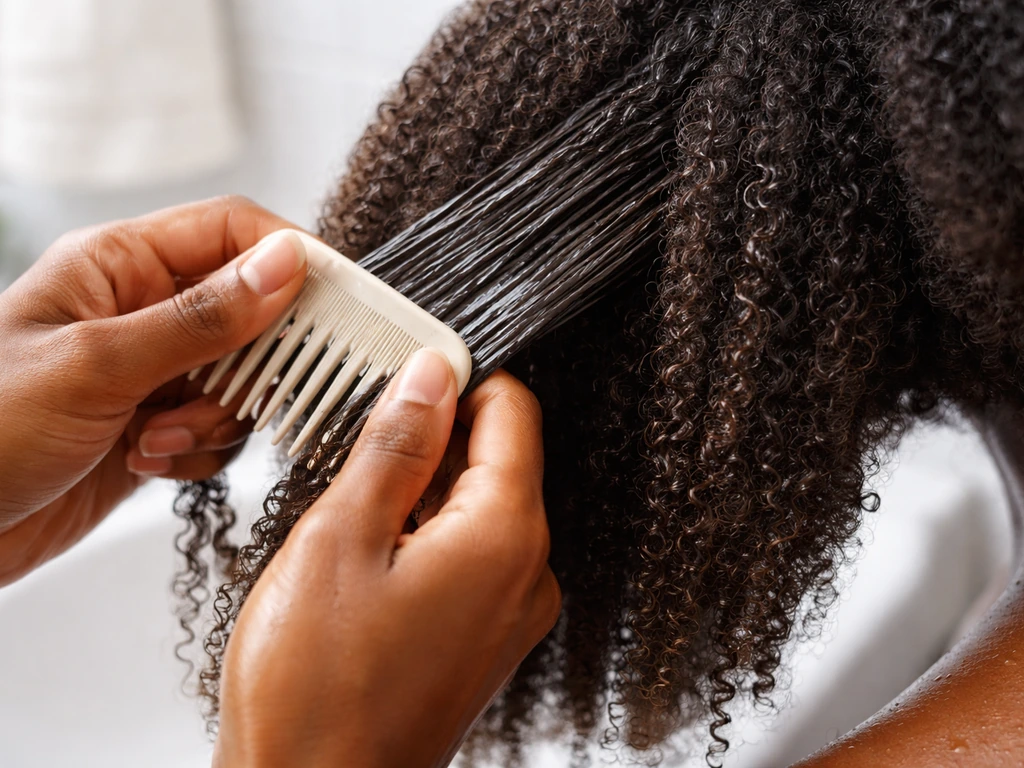
Over-manipulation is one of the biggest contributors to breakage in afro hair. Always detangle on damp or wet hair, never dry. Apply a slip product first (a conditioner or detangling spray) and work in small sections from the ends upward toward the roots, not the other way around. A wide-tooth comb or your fingers will cause less breakage than a brush. Keep detangling sessions infrequent. If you're protective styling, you may only need to fully detangle every week or two.
Scalp care
Healthy follicles need a clean, balanced scalp environment. Wash often enough to prevent buildup from products and sebum, but not so often that you strip moisture. For most people with afro-textured hair, washing every one to two weeks works well, though this varies with activity level and product use. Scalp massages, even a few minutes a few times a week, can support circulation to the follicles. If you're experiencing consistent itching, flaking, or tenderness, that's worth addressing directly before assuming it's a product issue.
Protective styles that actually help retention
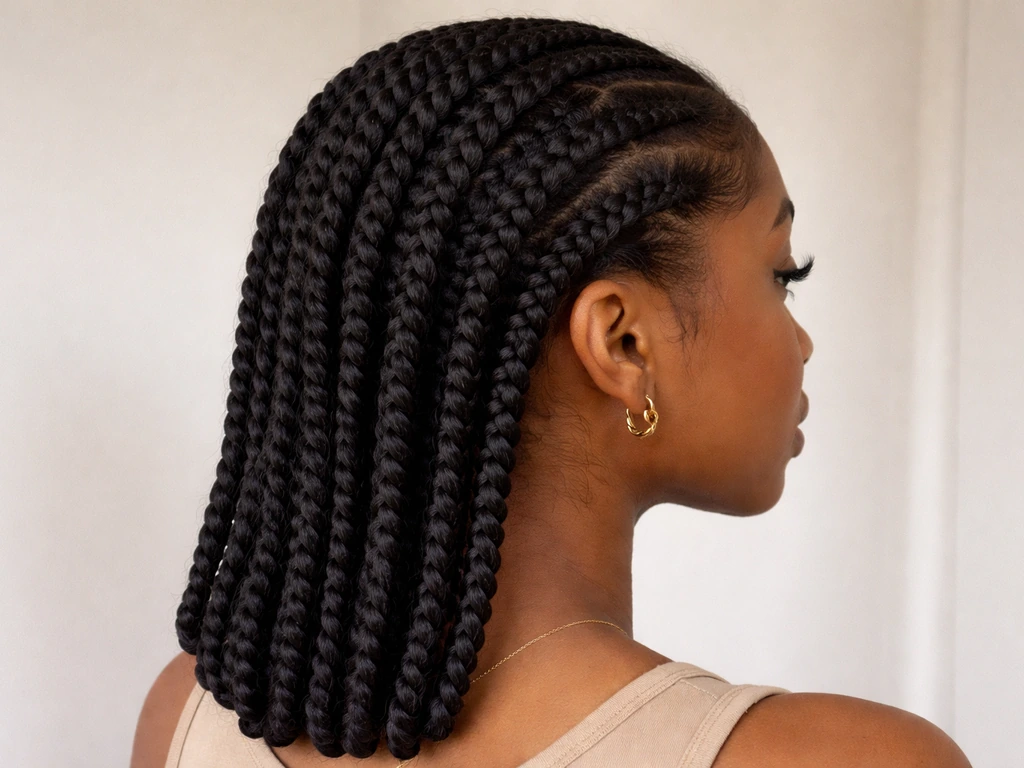
Protective styles, including braids, twists, locs, and weaves, are one of the most practical tools for length retention because they tuck away your ends (the oldest and most fragile part of the hair shaft) and reduce the daily manipulation that causes breakage. Done correctly, they can add significant visible length over months because you're losing less hair to breakage.
The critical word is "correctly." Protective styles that are too tight create traction on the follicle, which can lead to traction alopecia over time, a type of hair loss that starts at the edges and hairline. If your scalp feels sore after installing a style, or if you can see small bumps or redness at the roots, that's too tight. The style should feel secure without tension. This is especially important for loc wearers whose new growth pulls as it grows and for those getting braids or weaves installed frequently.
Weaves and wigs also work as protective styles when the hair underneath is moisturized and the installation doesn't put strain on the natural hair. Leaving a weave in for more than eight weeks without checking on the hair underneath is a common mistake. Hair left unattended too long can mat, and the breakage from trying to detangle it afterward undoes the retention benefit.
Twists and flat twists are particularly beginner-friendly protective options because they cause minimal tension, can be done at home, and keep the hair stretched enough to reduce shrinkage-related tangling. Box braids and cornrows offer similar benefits with a bit more longevity. Locs are a longer-term commitment but are among the most effective retention styles once established, since the hair isn't being unraveled and re-manipulated regularly.
| Style | Retention Benefit | Tension Risk | Typical Duration | Best For |
|---|---|---|---|---|
| Twists/Flat Twists | High | Low | 1–2 weeks | Beginners, frequent re-styling |
| Box Braids | High | Medium (depends on size) | 4–8 weeks | Low-manipulation stretches |
| Cornrows | High | Medium to high | 2–6 weeks | Scalp access, versatile base |
| Locs | Very high (long term) | Low once mature | Ongoing | Long-term retention commitment |
| Weaves/Wigs | High (for natural hair) | Low to medium | 6–8 weeks max | Length illusion plus protection |
How to grow a bigger, fuller afro: volume, density, and shrinkage
A bigger afro is mostly about two things: retaining enough length that the hair can spread outward, and understanding how to stretch the coils enough to reveal that length when you style. If you're going for maximum volume, the pick-out afro is the classic method. Pick on dry or mostly dry hair, starting from the ends and working upward, lifting at the roots last. Too much picking while the hair is very wet can cause stretching damage, especially if the hair is fine or fragile.
Shrinkage is the afro's double-edged trait. It's the sign of healthy, well-moisturized coils, but it also makes your afro look smaller than it is. There are a few strategies to manage it without damage. Twist-outs and braid-outs, where you braid or twist damp hair, let it dry fully, then unravel, give a stretched curl that shows more length while keeping definition. Banding (using fabric hair ties or satin scrunchies at intervals along a section to hold hair stretched as it dries) is another gentle stretch method. Avoid tension when stretching, and never use fine elastics that cut into the shaft.
Density, meaning how thick the individual strands are and how many follicles you have per square centimeter, is largely genetic. You can't add follicles, but you can prevent the thinning that comes from breakage, tension alopecia, or scalp inflammation. Keeping the scalp healthy and avoiding styles that repeatedly stress the same areas (especially the hairline and nape) helps preserve the density you have. If individual strands feel thinner than they used to, that's worth paying attention to, as it can signal a change in the anagen to telogen ratio.
Afro growth for guys: what's different in the routine
The core biology is identical for men and women, but male afro growers tend to face a few specific practical differences. First, many men start from a very short cut (a fade, a shape-up, or a close-cut natural) and need to grow through an awkward in-between phase before the hair is long enough to style as an afro. This phase usually lasts two to four months and requires patience more than anything else.
Second, men with textured hair often skip conditioning and moisturizing steps entirely, treating afro hair the same way they'd treat short straight hair. This is the single biggest mistake. Afro-textured hair at any length needs moisture and a sealing step. Even at a quarter inch, a light leave-in and a small amount of oil will reduce breakage as the hair grows out.
Scalp care matters especially for men who are prone to seborrheic dermatitis or scalp build-up, both of which are common and both of which can create an environment that isn't ideal for healthy growth. A gentle clarifying shampoo used every one to two weeks, followed by a conditioner, covers the basics. If you're not into a complex product routine, even a simple water-and-oil moisturizing step a few times a week will outperform doing nothing.
For styling a growing afro, a pick or wide-tooth comb is the right tool. Men often make the error of brushing afro-textured hair with a hard-bristle brush, which causes mechanical breakage at the surface and disrupts the coil pattern. Pick from the ends upward, and style at the crown last to build volume from the base.
Growing an afro with straight or less-textured hair
If your hair is naturally straight, wavy, or loosely curled, growing a classic afro shape is more about styling technique than a growth routine, since the hair won't naturally coil into that rounded form on its own. That said, many people with mixed-texture hair or looser curl patterns can achieve a full, rounded shape with the right approach.
For those with wavy or type 3 curl patterns, diffusing upside down while scrunching encourages volume and roundness that can approximate an afro shape. Using a curl-enhancing cream or mousse on soaking wet hair before diffusing builds structure in the curl. The more volume you want, the more you need to encourage the hair to dry in a lifted, rounded position rather than falling flat.
For straighter hair, some people use heat-free texture methods like curlformers or flexi rods to add curl before styling, or embrace the puffed-out natural volume their hair has when left unstyled and picked out. The growth routine itself is less specialized for straight hair, since straight hair retains length more visibly (no shrinkage factor), but the usual principles still apply: avoid unnecessary heat damage, keep the hair moisturized, and trim split ends before they travel up the shaft.
The main adjustment in routine when moving from straighter to more textured styling goals is reducing heat tool use significantly, since straightening or heat-styling repeatedly weakens the hair and creates damage that leads to breakage. If you're transitioning from chemically relaxed to natural hair to achieve more curl and volume, the transition period (where relaxed and natural hair coexist on the same strand) is where most breakage happens. Keeping the line of demarcation (where the two textures meet) heavily moisturized and handling it gently reduces that risk.
When things aren't working: troubleshooting thin spots, dryness, and slow progress
If your afro isn't progressing the way you expect, work through the most common causes in order. Breakage is the most frequent culprit. Check whether the hair you're losing has a bulb at the end. If not, it's breakage, not shedding, and the fix is more moisture, gentler handling, and less manipulation. Switching to a satin or silk pillowcase overnight significantly reduces the friction breakage that happens while you sleep, and it costs almost nothing to try.
Dryness that doesn't respond to leave-ins and oils is sometimes a porosity issue. High-porosity hair absorbs moisture quickly but loses it just as fast. For high-porosity hair, heavier sealants (shea butter, castor oil), cold water rinses to close the cuticle, and protein treatments to fill gaps in the cuticle layer all help. Low-porosity hair resists moisture uptake. For low-porosity hair, applying products to warm, steaming hair (or using a hooded dryer or steam cap after product application) helps the moisture penetrate.
Thin spots or a receding hairline are worth taking seriously. If you notice thinning around the temples, nape, or edges, think about what styles you've been wearing and whether they've been pulling on those areas. Traction alopecia caught early can recover with rest from the offending styles. Traction alopecia that goes on for years can permanently damage follicles. Give the affected area six to twelve months free from tight styles before expecting to see regrowth.
There are situations where it genuinely is a scalp or systemic health issue rather than a care routine problem. Persistent shedding (many hairs with bulbs coming out daily, over several weeks), patchy circular bald spots, or sudden diffuse thinning across the whole scalp are all reasons to see a dermatologist rather than trying to troubleshoot at home. These patterns can point to conditions like telogen effluvium (where a large proportion of follicles shift into the resting phase simultaneously, often after illness, stress, or hormonal changes), alopecia areata, or scalp conditions that need professional treatment. No product routine will fix a medical hair loss condition.
Quick checklist for slow or stalled afro progress
- Check for breakage vs. shedding: look for a bulb at the end of shed hairs
- Switch to a satin or silk pillowcase and consider a satin bonnet at night
- Audit your protective styles for tension, especially at the hairline and nape
- Add or increase deep conditioning if your hair feels dry and brittle
- Reduce how often you're detangling and always detangle on damp, slippery hair
- Cut back on heat tools, or eliminate them temporarily
- Check whether you're using too much protein (can cause stiffness and snapping) or too little (can cause mushy, weak strands)
- If thinning is progressing despite routine changes, consult a dermatologist
Growing an afro, whether you're going for a tight natural coil, a huge rounded shape, or a softer textured style, is a long game that rewards consistency over intensity. There's no single product that unlocks growth, and no technique that works overnight. What does work is a routine that keeps the hair moisturized, handles it gently, protects it from unnecessary friction and tension, and gives the scalp a healthy environment to keep producing new hair.
If you are in South Africa and want to tailor your routine for local weather and product availability, use a focused guide on how to grow an afro in South Africa a routine that keeps the hair moisturized. Stay patient with the timeline, stay skeptical of miracle claims, and focus on what you can actually control: how you treat the hair you already have.
If you follow a proven routine with consistent moisture and retention, you'll get clearer results when you grow afro hair at home how you treat the hair you already have. If you are wondering how to grow afro hair at home, focus on retention, moisturizing and sealing, and minimizing breakage. If you want a clear step-by-step starting point, this guide on how to grow afro dreads walks through the exact routine for moisture, protection, and retention.
FAQ
How long should I wait before I decide my afro routine is not working?
Use a two-phase timeline. If you are coming from very short hair, give yourself about 3 to 6 months before you judge shape, then 6 to 12 months to judge retention. If you see shedding and short breakage pieces increasing during the same period, the issue is usually breakage or styling friction, not slow growth.
My hair keeps “growing,” but it never gets longer on dry days. What should I check first?
Check shrinkage versus breakage. If the ends are still intact and you mostly see the length disappear when dry, it is likely coil shrinkage. If you see many short pieces without a bulb at the root, that is breakage, and you will need gentler detangling, better sealing, and less tension.
How can I tell whether I am shedding more than normal?
Look for consistent signs over weeks, not day-to-day variation. Normal shedding hairs usually have a tiny white or translucent bulb at the root end. If you are seeing many hairs with bulbs daily for several weeks, or sudden diffuse thinning, consider getting medical input rather than only changing products.
Should I detangle every day to “speed up growth”?
No. Detangling more often usually increases mechanical breakage, especially when you detangle dry or with a harsh tool. For most people, full detangling about weekly or every two weeks, plus gentle finger detangling in sections, supports retention better.
What is the safest way to switch products if my hair feels worse after starting?
Introduce changes one at a time and watch texture for 1 to 2 weeks. If your hair feels mushy or overly soft, shift toward more protein strengthening. If it feels stiff or brittle, shift toward more moisture. Sudden “hard” dryness can also indicate a mismatch in sealing or insufficient water-based hydration before oils/butters.
How do I moisturize my afro without making it revert to dryness within hours?
Use the “hydrate first, seal second” sequence. Apply a water-based leave-in or moisturizer on damp hair, then follow immediately with a sealant to reduce evaporation. In low humidity, skipping the sealing step often leads to fast re-dryness even if the leave-in is working initially.
Do I need protein treatments, and how do I avoid overdoing them?
You do not want constant high-protein products if your hair is already balanced. A practical check is texture response. If your hair becomes stiff, tangles more, or feels brittle, reduce protein and increase moisture. If your hair is mushy or stretches too much during handling, add protein intermittently to strengthen.
How can I reduce friction breakage while sleeping?
Use a satin or silk pillowcase or bonnet consistently, and avoid letting your hair rub against cotton. Also consider a protective updo that prevents your coils from flattening and tangling overnight. Friction can cause short, shed-like breakage that looks like “no growth,” even when the follicle is producing new hair.
What protective styles are safest for length, and what should I avoid?
Choose styles that secure ends without pulling. Avoid overly tight installation, especially on edges, hairline, and the nape. If your scalp feels sore after braiding or twisting, or you notice redness or small bumps at the roots, loosen the style or switch styles to reduce traction risk.
How long can I keep braids, twists, or a weave in before checking my hair underneath?
Check regularly, not just at the removal date. For weaves in particular, leaving them in longer than about 8 weeks without checking commonly leads to matting and detangling breakage. Plan a quick inspection schedule and do not wait until removal to address buildup or tangling.
Why does my hair look thinner around my edges even though my length seems okay?
Edge thinning can be a traction or inflammation signal, even if the rest of your afro is retaining. If it is from tight styles, give the area 6 to 12 months without tension before expecting regrowth. If thinning is sudden or widespread, seek professional evaluation rather than continuing tight protective styling.
What role does porosity play in growing an afro?
Porosity changes whether products soak in and stay. High porosity often needs heavier sealants, cold water rinses, and protein to support the cuticle, while low porosity usually benefits from applying products to warm or steamed hair so moisture can penetrate instead of sitting on the surface.
Can straighter or mixed-texture hair grow into an afro shape?
Yes, but it may require more styling technique because the hair may not coil tightly on its own. Options include heat-free curl methods or diffusing to build a lifted shape, and embracing puffed, picked volume. The growth routine still focuses on moisture, gentle handling, and end protection, because length retention is the bottleneck either way.
I am transitioning from relaxed to natural, why am I breaking more during that period?
Breakage often concentrates at the line where relaxed and natural textures meet, because that junction is more fragile and tangles differently. Keep that transition zone well moisturized, detangle carefully in small sections, and avoid unnecessary heat so the junction does not become a consistent break point.
When should I stop troubleshooting and see a dermatologist?
If you have persistent shedding with bulbs over weeks, patchy circular bald spots, or sudden diffuse thinning across the whole scalp, do not rely on routine changes. Those patterns can indicate conditions like telogen effluvium or alopecia areata, which require diagnosis and treatment.
Next Article
How to Grow Waist-Length Black Hair: Evidence-Based Guide
How to grow and retain waist-length Black hair: realistic timelines, routines, protective styles, and evidence-basedTips