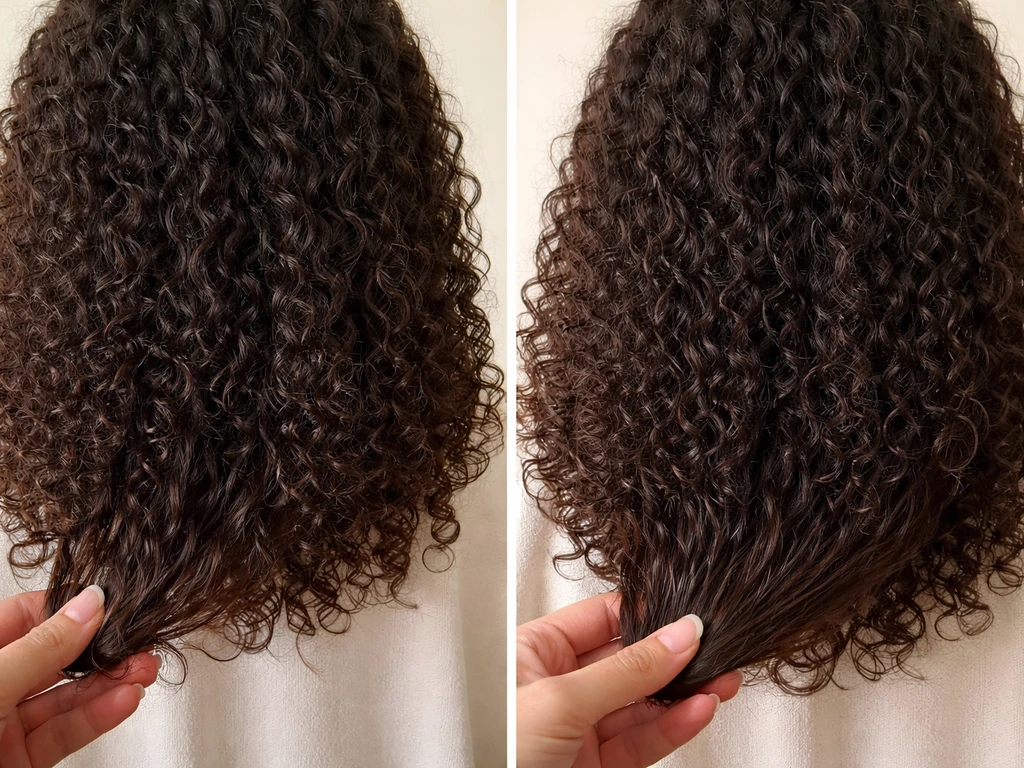
Quick weaves do not make your hair grow faster. No hairstyle can speed up the rate your follicles produce hair, which is set by biology, not by what you put on top of it. What a quick weave can do is help you retain the length you are already growing by protecting your ends from daily manipulation, friction, and breakage. That distinction matters a lot, because plenty of people swear their hair "grew" while in a quick weave when what actually happened is that it broke less, so more of the growth they had was still attached when they took it down.
Can Quick Weaves Grow Your Hair? Growth, Risks, and Safe Tips

Simone Okonkwo
28 Apr 2026
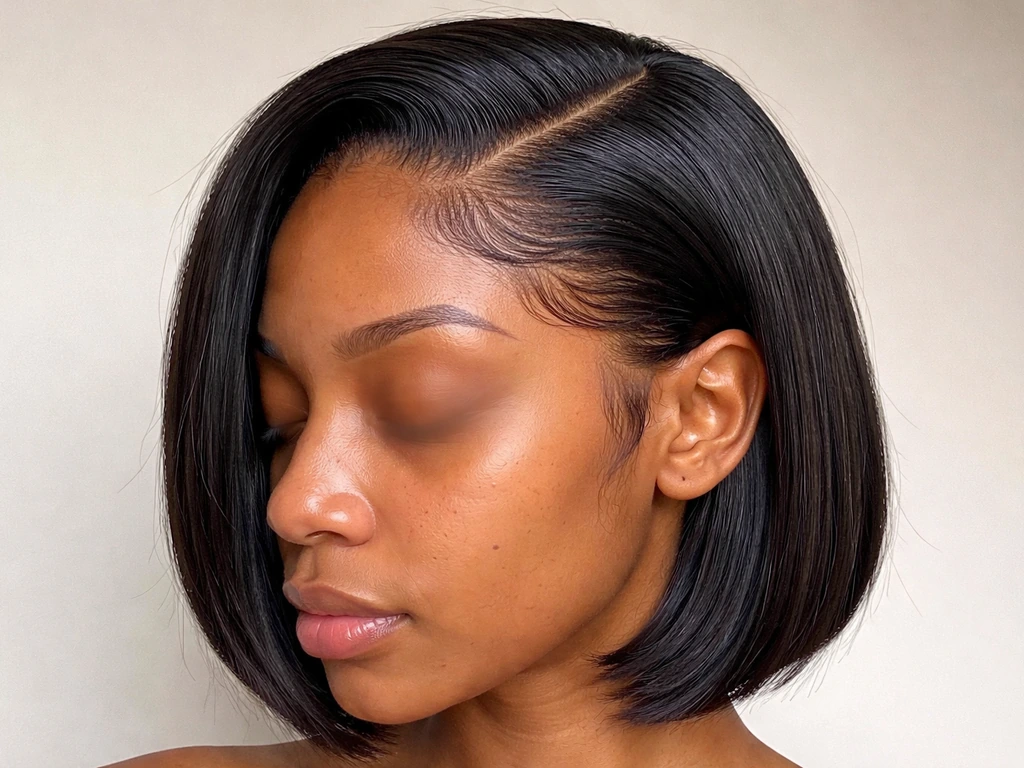
Hair growth vs. hair length: they are not the same thing
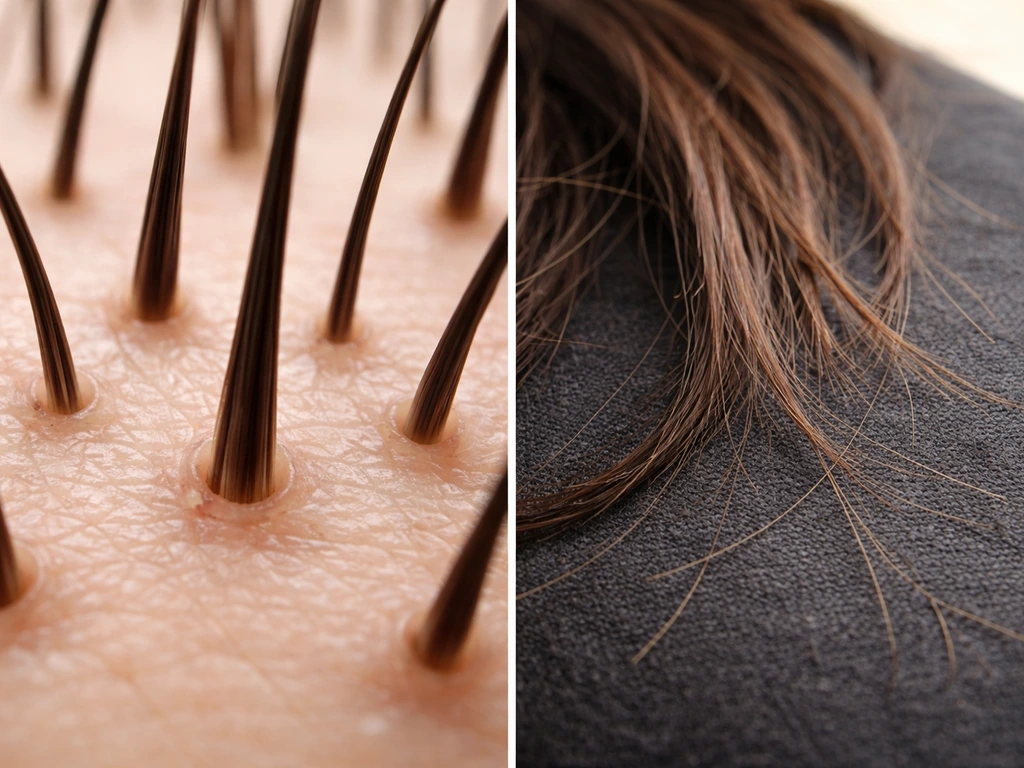
Your hair grows from follicles in your scalp, and those follicles run on their own biological clock. The active growth phase, called anagen, can last anywhere from two to eight years depending on your genetics. After that comes a short transitional phase, then a resting phase, and then the strand sheds. Scalp hair grows roughly half an inch per month on average, though this varies by person, age, and health status. No hairstyle, product, or weave changes that underlying cycle.
Where hairstyles make a real difference is on the retention side. If your hair grows half an inch per month but breaks off at the same rate, your length stays flat. Styles that reduce daily combing, heat, and friction let you keep more of what your follicles produce, so length accumulates over time. That accumulated length gets mistaken for accelerated growth. It is not, but it is still genuinely useful, and it is the whole reason protective styling has such a strong reputation in textured hair communities.
How quick weaves can actually help
When a quick weave is installed correctly, with good tension management and a properly prepped base, it keeps your natural hair tucked away and largely untouched for weeks. You are not combing it every day, not applying heat, not exposing your ends to clothing fibers and environmental dryness. For people who style their hair aggressively or frequently, this kind of low-manipulation period is genuinely protective. The ends of your hair are the oldest, most fragile part of each strand, and shielding them pays off.
There is also something to be said for consistency. A lot of length retention failures come from people abandoning their routine during a stressful season of life. A quick weave can act as a low-maintenance option that keeps your hair safe during periods when you simply do not have time or energy for detailed care. That practicality is a real benefit, not just a myth.
The risks that actually stop growth (and cause loss)
Here is where I want to be direct with you, because this is the part that gets glossed over in a lot of content about quick weaves. The same style that protects some people's hair actively damages others, and the difference almost always comes down to installation tension, scalp care, and removal.
Traction and tension
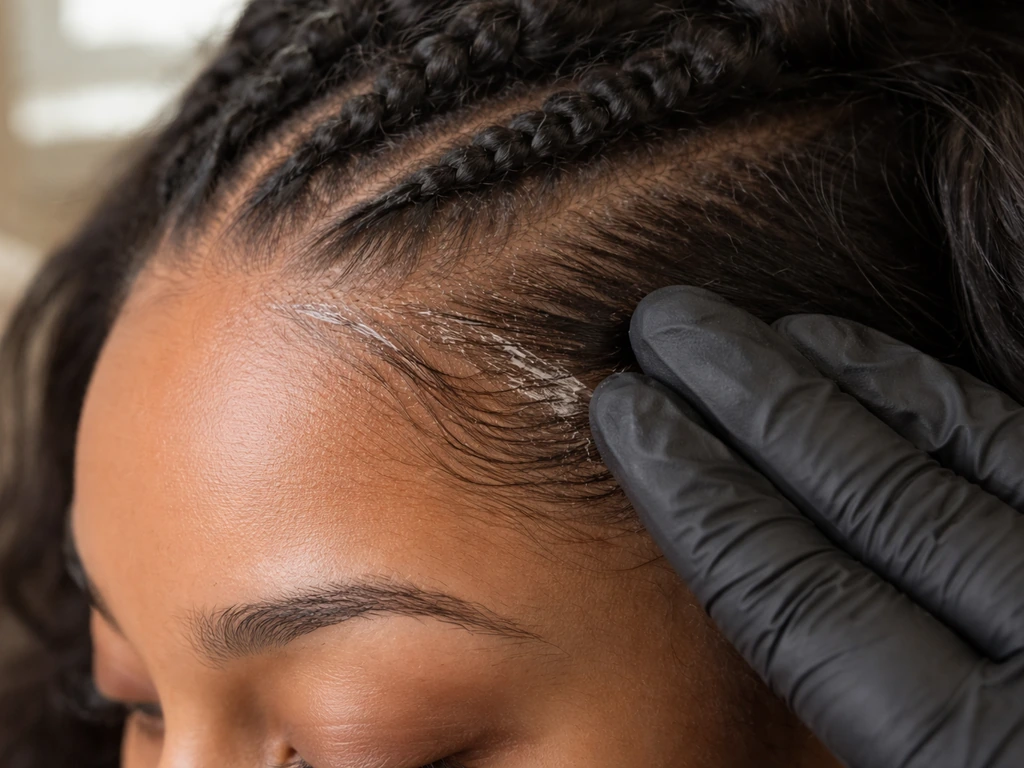
Quick weaves, particularly bonded ones using glue or adhesive along a braided or laid-flat base, can put chronic tension on the hairline and edges. Repeated or prolonged tension on follicles causes a condition called traction alopecia, which starts as temporary hair loss and can become permanent if the follicles are repeatedly stressed over months or years. Traction alopecia can be identified clinically by the “fringe sign,” where hair is retained along the frontal and/or temporal rim of the marginal hairline, reflecting marginal hairline involvement “fringe sign”. You will often notice this first as thinning at the temples, edges, or nape. If those areas feel sore or look sparse after an install, that is your scalp telling you the tension is too high.
Scalp irritation and buildup
Adhesive-based quick weaves create a barrier on the scalp or on a protective cap, but product buildup, sweat, and sebum still accumulate. If you are not cleansing regularly, that buildup can clog follicles, create an itchy or inflamed scalp environment, and in some cases contribute to fungal overgrowth or folliculitis. None of that is good for the hair you are trying to retain. A weave sitting on a chronically irritated scalp is not doing protective work, it is creating a problem.
Improper removal
This is the one that causes the most acute damage. Rushing through removal, pulling glued wefts away from hair without proper adhesive remover, or detangling dry, matted hair right after takedown can cause significant breakage and even rip strands directly from follicles. If your quick weave removal looks like a horror show of shed hair, some of that is normal shedding that accumulated while the hair was in, but a lot of it can also be breakage caused by a rough takedown.
What to do before getting a quick weave
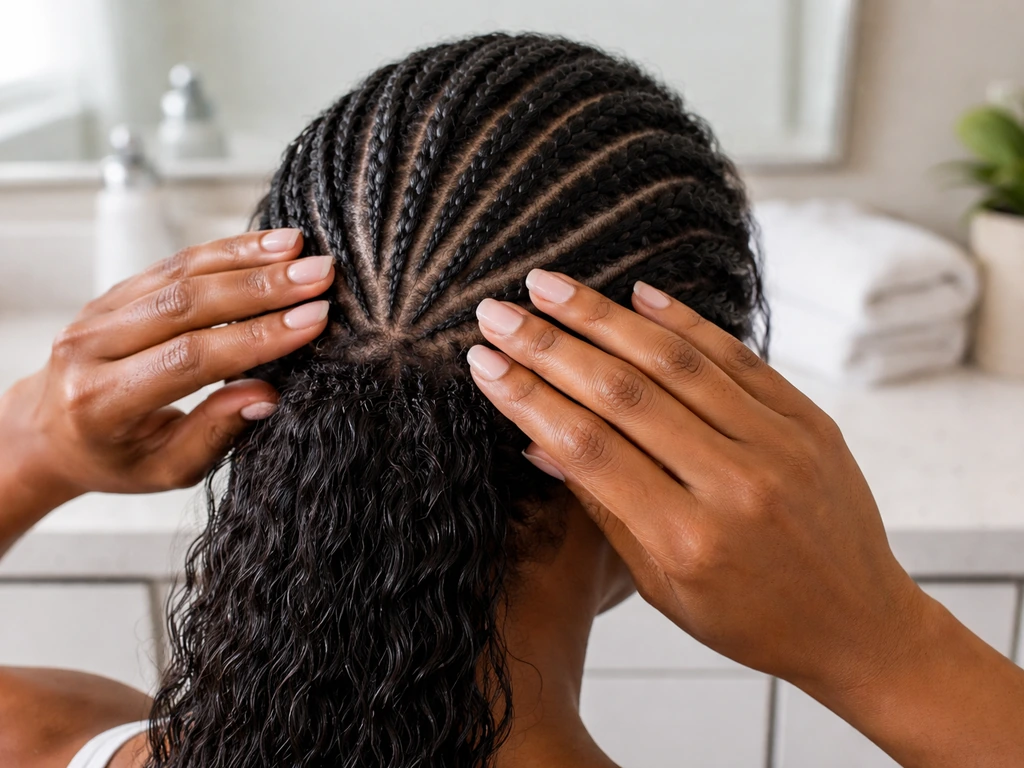
Preparation makes the single biggest difference between a quick weave that helps retention and one that sets your hair back. Do not skip this part.
- Deep condition before installation. Your hair needs moisture and strength going in, not just when it comes out. A protein-moisture balanced treatment at least two days before your install gives the hair structural integrity.
- Assess your hairline and edges before committing. If your edges are already thin or stressed from a previous install, let them recover before adding more tension. No style is worth accelerating traction alopecia.
- Talk tension with whoever is doing your hair. Whether you are going DIY or sitting in a chair, be clear that you want comfortable tension, nothing that pulls, and that your edges should never be braided tightly as a base.
- Choose your adhesive method carefully. Bonding glue directly on the scalp or on unprotected hair is the highest-risk option. A dome cap or a braided, cornrowed base puts a layer between the adhesive and your actual hair and scalp, which reduces direct damage significantly.
- Set a realistic wear time. Most stylists recommend no longer than four to six weeks for a quick weave. Beyond that, buildup, tension, and hygiene become harder to manage without problems.
- Check your overall health baseline. Nutritional deficiencies in iron, B12, vitamin D, or zinc are among the most common non-style-related causes of excessive shedding. If you have been shedding heavily before the install, a quick weave is not going to fix that. A blood panel with your doctor will tell you more than any hairstyle decision can.
Caring for your hair while the quick weave is in
This is where most people underperform, and it is also where most of the retention benefit is either earned or lost. Wearing a quick weave does not mean ignoring your scalp for four weeks.
Cleansing your scalp
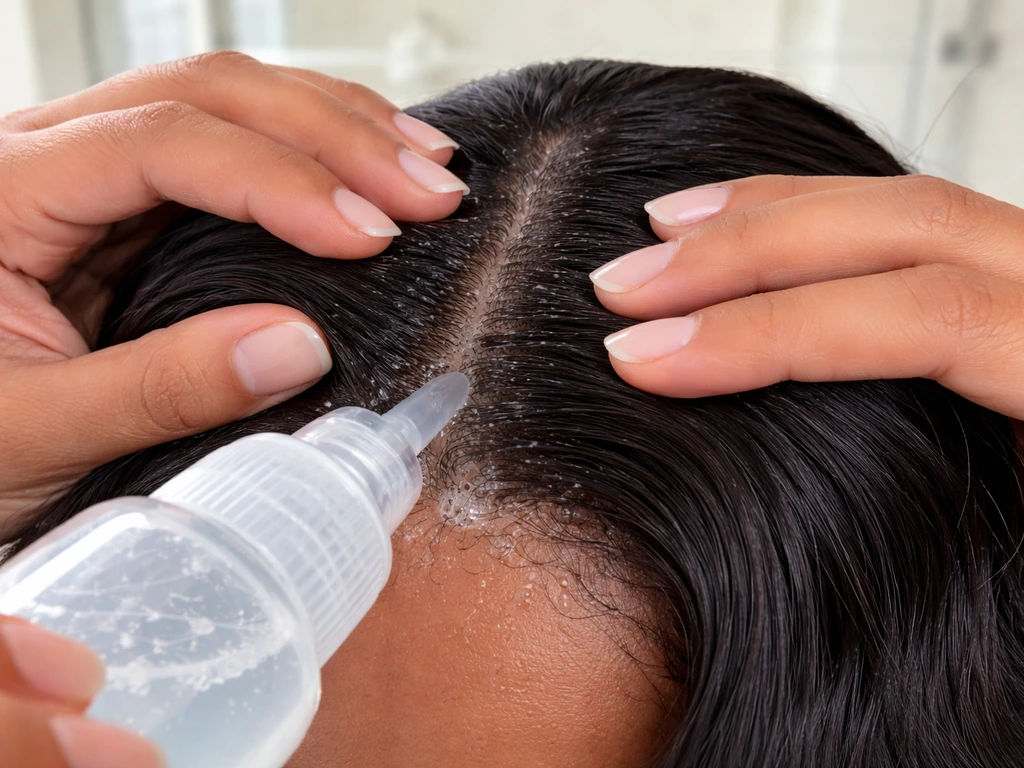
You need to cleanse your scalp at least once a week, even with a quick weave in. Use a diluted shampoo or a sulfate-free scalp cleanser applied with a nozzle applicator or fingertip pressure directly to your exposed scalp areas. Work in gentle circular motions, do not scrub vigorously, and rinse thoroughly. Let your hair and the weave dry completely before going to sleep, because a damp scalp under a weave is a setup for mildew and irritation.
Moisture and the scalp
Your natural hair underneath still needs moisture. Use a lightweight oil or a water-based scalp spray to hydrate exposed areas, particularly around the perimeter. Avoid heavy products directly on adhesive areas, because buildup there is harder to remove without disturbing the install. Jojoba oil, peppermint-infused water sprays, and light leave-ins work well for this.
Nighttime care and handling
Sleep on a satin or silk pillowcase, or wear a satin bonnet. This reduces friction on both the weave and your edges. During the day, avoid pulling your hair into tight ponytails or styles that add tension at the hairline. The weave itself is already asking something of your edges. Do not add to it.
Aftercare, removal, and troubleshooting
Taking it down safely
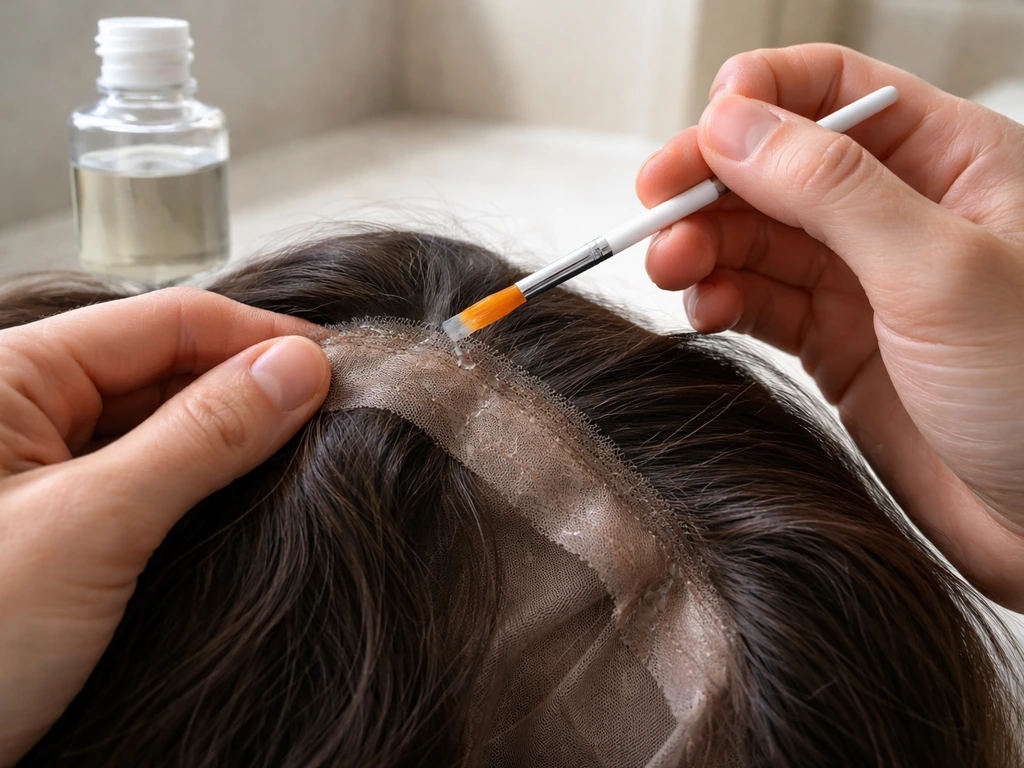
Apply an oil-based adhesive remover, acetone-free if possible, directly to bonded areas and give it time to saturate and loosen the bond before you start removing anything. Patience here is not optional. Work in small sections, peel wefts away slowly, and never yank. Once the wefts are out, finger detangle your natural hair starting from the ends before you introduce a wide-tooth comb. Then follow immediately with a clarifying wash to remove adhesive residue and any buildup from the wear period.
What normal shedding looks like vs. what is a warning sign
You will see more hair come out during removal than you are used to seeing on a normal wash day. Some of that is accumulated shed hair that had nowhere to go while the weave was in, which is completely normal. What is not normal is large clumps of hair with roots attached, raw or inflamed patches on the scalp, or hair that snaps off in large amounts close to the root. Those are signals that something went wrong, either with tension, with buildup, or with the removal process itself.
When to see a professional
If you notice thinning at your hairline that does not fill back in within four to six weeks of removal, persistent scalp soreness, itching, or visible folliculitis (small bumps or pustules on the scalp), or if your hair feels significantly thinner overall after a quick weave, see a dermatologist, not just a stylist. Traction alopecia caught early is treatable. Left alone, the follicle damage can become permanent. A trichologist or dermatologist can confirm what is happening and give you a plan.
The habits that matter more than the weave itself
Protective styling gets a lot of credit, but the real determinants of hair growth and retention are systemic. If your main goal is how to grow hair with weave, focus on retention first, because no install can change your follicles' biology. If your nutrition, stress levels, or sleep are off, no hairstyle compensates for that. Iron deficiency is one of the most common and most overlooked causes of excessive shedding in women, particularly those who menstruate heavily. Vitamin D deficiency has also been linked to disrupted hair cycling. Chronic stress elevates cortisol, which can push follicles prematurely into the resting phase, a condition called telogen effluvium. These are not fringe concerns. They are genuinely common.
For natural hair, especially tightly coiled 4a through 4c textures, the hair fiber itself is more prone to dryness and breakage along the curl bends. This makes consistent moisture and gentle handling during the in-between periods, the times you are not in a protective style, equally important. For relaxed hair, the chemical process weakens the protein structure, so spacing out relaxer applications and maintaining protein-moisture balance between styles matters just as much as the style choice itself.
Quick weave vs. sew-in: which is safer for retention?
This comparison comes up a lot, so it is worth addressing directly. Sew-ins, where wefts are sewn onto braided cornrows, eliminate adhesive entirely, which removes one significant risk factor. blank" rel="noopener noreferrer">They also tend to distribute tension more evenly across the scalp compared to a glue-based quick weave. The tradeoff is installation time, cost, and the fact that tight cornrows carry their own traction risk. A poorly installed sew-in with tight braids at the hairline is not safer than a well-installed quick weave. The skill of the install and the attention paid to tension are what matter most in both cases.
| Factor | Quick Weave (bonded) | Sew-In |
|---|---|---|
| Adhesive risk to scalp/hair | Higher (direct adhesive contact) | None (sewn onto braids) |
| Traction risk | Moderate to high at edges | Moderate (depends on braid tension) |
| Scalp access for cleansing | Limited | Better with leave-out or net |
| Installation time | 1 to 2 hours typically | 2 to 4+ hours |
| Removal risk | Higher (adhesive removal required) | Lower (cut thread, unravel braids) |
| Cost | Generally lower | Generally higher |
| Best for | Short-term, lower budget, experienced with removal | Longer wear, prioritizing scalp health |
If your main goal is maximum retention with minimum risk to your follicles and edges, a sew-in with properly tensioned cornrows is generally the safer long-term choice. But a well-done quick weave on a protective cap base, with good scalp care during wear and careful removal, can absolutely be used responsibly.
Realistic expectations and a practical checklist
If you go into a quick weave with realistic expectations, you will not be disappointed. You are not going to experience accelerated hair growth. What you can expect, done right, is four to six weeks of protected hair with reduced breakage. Over several cycles of that, the retained length adds up and can be meaningful. Many people notice a real difference in their length after six months to a year of consistent, well-managed protective styling cycles.
- Deep condition and assess your edges before every install
- Use a protective cap or braided base to minimize direct adhesive contact with your scalp
- Keep wear time to four to six weeks maximum
- Cleanse your scalp at least once a week during wear
- Moisturize exposed scalp areas with lightweight oils or sprays
- Sleep on satin or silk every night
- Use an oil-based adhesive remover and be patient during takedown
- Finger detangle before introducing any combs post-removal
- Follow removal with a clarifying wash and a deep conditioning treatment
- Give your hair at least one to two weeks of rest between installs
- Address nutrition, stress, and sleep if you are shedding excessively
- See a dermatologist if thinning persists after four to six weeks post-removal
The bottom line is this: a quick weave can be a legitimate tool for length retention when it is installed with care, maintained during wear, and removed properly. Wavy caps are typically grown by specialized mushroom growers, and where you live affects availability and sourcing where do wavy caps grow. It will not grow your hair, but it can absolutely help you keep the hair your follicles are already producing. That is worth something, as long as you go in knowing exactly what you are working with.
FAQ
How long can I safely keep a quick weave in without risking traction or buildup?
A common safe window is about four to six weeks, but use your scalp as the real clock. If your edges start to feel tight, sore, or increasingly itchy before then, remove or adjust early rather than “pushing through.”
Can I wash my hair while the weave is still in, and how should I do it?
Yes, focus on cleansing the exposed scalp at least weekly using a diluted cleanser and gentle circular motions, rinse thoroughly, and dry completely before bed. Keeping the area damp under the weave is a frequent cause of irritation and odor.
Does the type of glue or adhesive matter for hair health?
It matters because residue and irritation vary by product. Whenever possible, choose systems that allow cleaner removal (and consider acetone-free removers), and avoid letting adhesive build up over repeated installs without a thorough clarifying wash afterward.
What is the difference between normal shedding during removal and real breakage?
Normal shedding tends to be mostly hair without intact roots and can look like accumulated strands. Red flags include large clumps with roots attached, raw or inflamed scalp patches, or sudden snap-off close to the root, especially if it happens on multiple cycles.
How can I tell if my quick weave is too tight before damage happens?
Watch for early temple or hairline thinning, scalp soreness that worsens day by day, or visible indentations along the hairline after your install. If you notice any of these, loosen or remove promptly rather than waiting until the end of the wear period.
Is a quick weave safer if I use a protective cap instead of bonding directly?
A protective cap can reduce direct glue contact, but it does not eliminate tension or scalp hygiene issues. You can still get follicle irritation from sweat and product buildup, so you still need regular cleansing and careful drying.
How often should I switch between protective styles if I want to keep retention high?
Rather than spacing strictly by “weeks,” base timing on scalp recovery. If your scalp is still itchy, tender, or your edges look thinner after removal, give your hair and follicles time to calm down before repeating another install.
What’s the safest way to remove a quick weave at home?
Use an oil-based, adhesive remover that is meant to dissolve bond residue, saturate and wait long enough for the bond to loosen, then remove in small sections without yanking. Detangle only after the wefts are fully off, starting at the ends with your natural hair dampened enough to prevent snapping.
Should I moisturize the weave itself or only my natural scalp?
Prioritize your scalp and any exposed natural hair. Moisturizing the weave fibers won’t fix retention if your scalp is dry or irritated. Use lightweight hydration around the perimeter, and avoid heavy products on adhesive areas where residue is hardest to remove.
Can quick weaves help if I’m already experiencing shedding?
Only if the shedding is stabilized and your scalp is healthy first. If you already have noticeable thinning, persistent itching, or inflamed bumps, address that root cause (nutrition, stress, iron or vitamin D issues, or scalp inflammation) before installing again.
Do sew-ins and quick weaves affect hairline and edges differently?
Sew-ins skip adhesive, which can reduce one irritation pathway, but tight cornrows can still cause traction at the hairline. The safest choice is consistently professional installation with tension managed at the hairline, regardless of the method.
Next Article
How to Grow Black Women’s Hair: Length and Growth Guide
Step-by-step guide to grow and retain Black women’s hair, boost length via breakage control, and avoid traction damage.