The short answer: no, Black people with naturally coily or tightly textured hair cannot grow strands that are structurally straight from the follicle. Hair texture is determined by the internal architecture of each hair shaft, not by what you do to it on the outside. That said, there is a lot of nuance here worth understanding, because the question often comes from a real, practical place: you want straighter-looking hair, you want your hair to grow long, or you want to know whether certain styling choices will permanently change what grows out of your head. Let's go through all of it.
Can Black People Grow Straight Hair Naturally? Facts and Tips

Simone Okonkwo
19 Apr 2026
Your natural texture lives inside the hair shaft
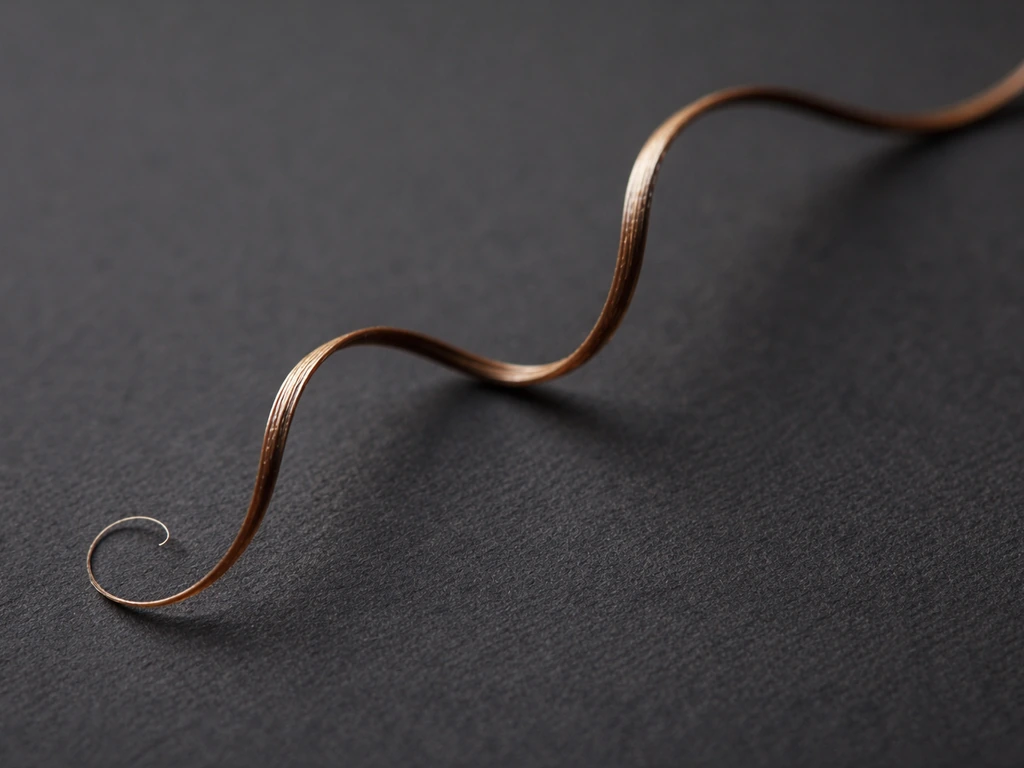
Curl pattern is not a surface-level property you can wash away or grow out differently. Research into hair fiber biomechanics shows that curliness is built into the mature hair shaft itself, specifically in how the internal cell types are arranged and in the geometry of the shaft's cross-section. Straight hair tends to have a more circular cross-section; highly coiled hair has an elliptical or ribbon-like cross-section. That shape is set as the hair is produced by your follicle. No amount of styling changes what the follicle produces. This is why when you cut chemically relaxed hair and let it grow back, it comes in with your original curl pattern.
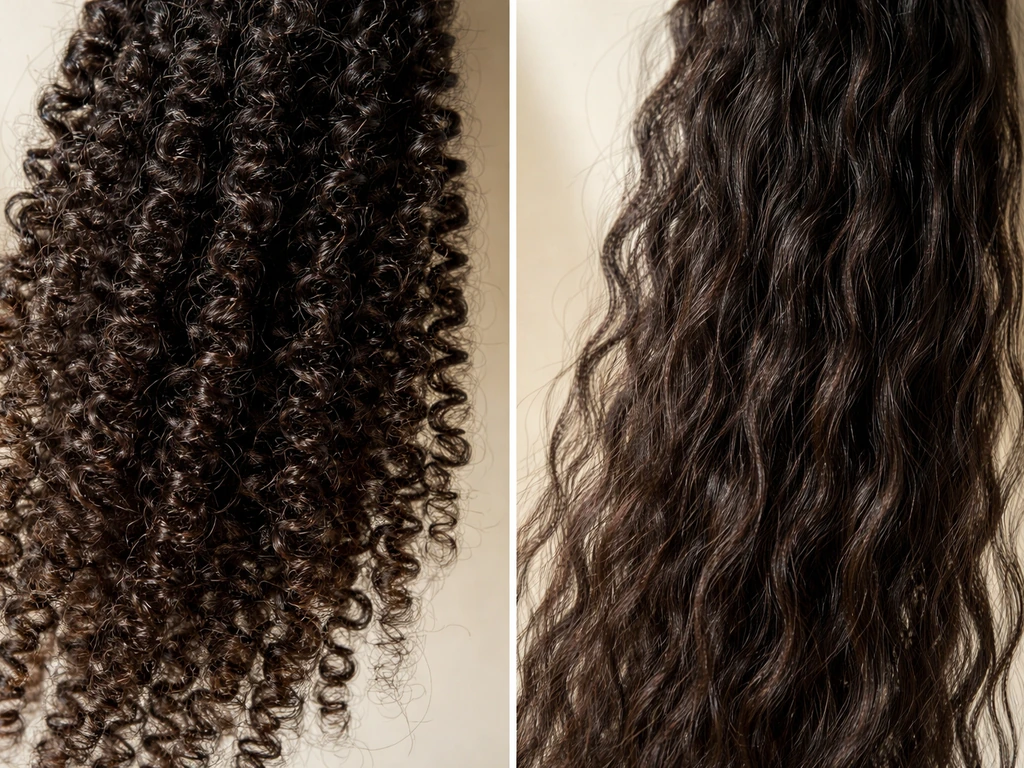
It is also worth noting that "Black hair" is not a single texture. Hair curliness exists on a wide spectrum, and textured hair ranges from loose S-wave patterns to tight coils. Some Black people naturally grow hair that is wavy or loosely curled. What is rare is a Black person with Afro-textured ancestry growing hair that is structurally straight from the root without any chemical or heat intervention. Rare does not mean impossible, but it is the exception, not something you can reliably expect or achieve without intervention.
Can Black people grow straight hair naturally? Here is the real answer
Genetically, curl pattern is a heritable trait. Twin studies have confirmed that hair curliness has a significant genetic component, meaning it is not simply a product of your environment or how you style your hair. Your follicle shape and the internal structure it produces are largely written in your DNA. So if your natural pattern is 4C coils, that follicle is not going to start producing a straight strand on its own.
However, there are situations where people notice their texture shifting over time. These shifts are real and worth understanding, because they are not myths. But they are also not the same as "growing straight hair." They are changes in curl tightness or diameter that happen for specific biological reasons.
What can actually change your texture over time
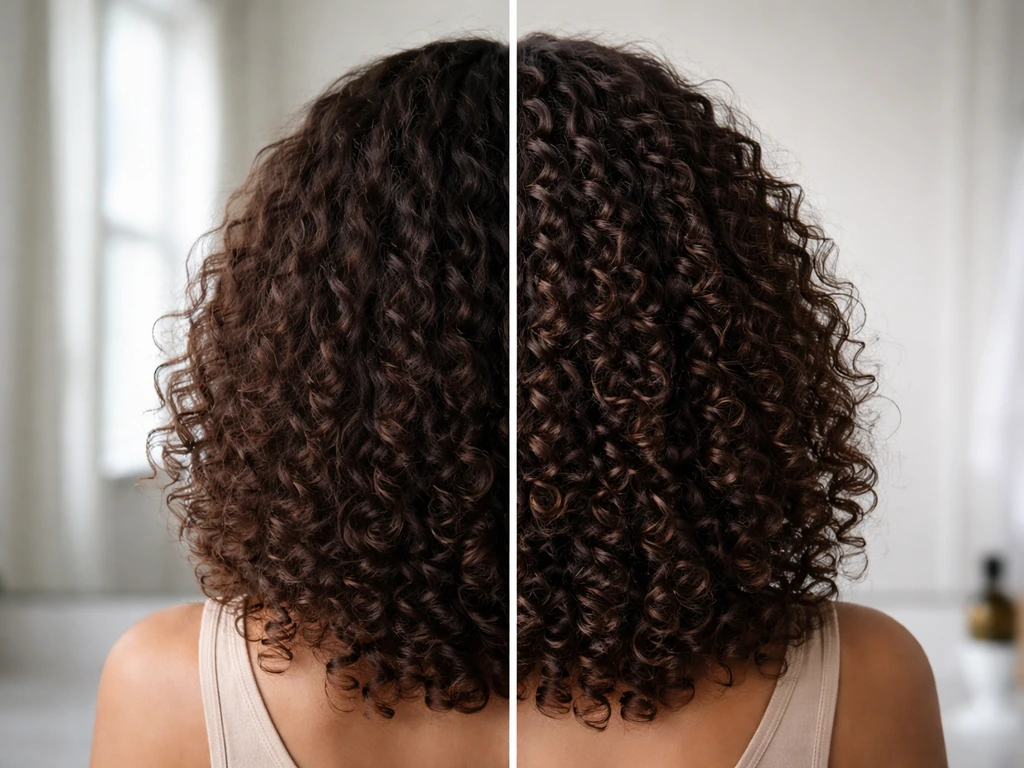
If you have noticed your hair growing in with a different curl pattern than it had years ago, a few things could explain it. These are not styling-related. They are biological.
- Genetics and ancestry: Your baseline texture is inherited. If you have mixed ancestry, your texture may reflect a range of patterns, some looser than others.
- Hormonal shifts: Pregnancy, postpartum periods, menopause, thyroid conditions, and even puberty can shift curl pattern, often temporarily. Many people find their hair comes back with a different texture after having a baby, for example.
- Aging: As hair follicles age, they can shrink slightly, which can change the diameter and sometimes the curl pattern of the hair they produce. Some people notice their coils loosening slightly with age.
- Scalp and health conditions: Significant nutritional deficiencies, prolonged stress, or certain medical conditions can affect the hair growth cycle and sometimes alter what grows in.
- Environmental factors: Hard water mineral buildup, chronic product buildup, or scalp inflammation can affect how hair behaves, though these typically affect the appearance of the curl rather than the structural pattern itself.
None of these factors will turn a 4B pattern into naturally straight hair. What they can do is shift you from, say, a very tight coil to a slightly looser one, or vice versa. If you are noticing a significant texture change suddenly, that is worth discussing with a dermatologist to rule out any underlying health factor.
How to actually get straighter hair: your real options
This is where the practical decisions live. If you want straighter-looking hair, there are several routes, and they work through genuinely different mechanisms. They also carry different risk profiles when it comes to breakage and long-term hair health.
| Method | How it works | Duration of straightness | Breakage risk |
|---|---|---|---|
| Blow-dry / brush-out | Heat rearranges hydrogen bonds in the hair shaft (temporary, water-reversible) | Until next wash or humidity | Low to moderate; risk rises with high heat or lack of heat protectant |
| Flat iron / hot comb | High heat rearranges hydrogen bonds; above ~350°F can begin denaturing keratin proteins | Until next wash or humidity | Moderate to high; repeated high-heat use causes cumulative keratin damage |
| Chemical relaxer (lye or no-lye) | Alkaline reducing agent breaks covalent disulfide bonds in the cortex; hair is mechanically straightened while bonds reform in new configuration | Permanent (new growth will be natural texture) | High if over-processed; spacing applications at least 6 to 8 weeks apart reduces risk |
| Keratin / smoothing treatment | Coats the shaft and partially relaxes curl pattern; mechanism varies by product; some use formaldehyde or similar compounds | Weeks to months | Low to moderate; depends heavily on product chemistry |
| Heatless tension methods (banding, wrapping, threading) | Mechanical stretching of hydrogen bonds while hair dries; no chemical alteration | Until next wash | Low; primary risk is tension-related breakage if bands are too tight |
The key chemistry distinction is this: heat styling temporarily rearranges hydrogen bonds, which are non-covalent and easily reset by water or humidity. Chemical relaxers go deeper, breaking the covalent disulfide bonds between cysteine amino acids in the keratin cortex, then allowing them to reform in a new, straightened configuration.
A regulatory document submitted with FDA docket materials notes that combination chemical plus heating treatments aimed at smoothing or straightening hair may release formaldehyde into the air when heated [Chemical relaxers go deeper, breaking the covalent disulfide bonds between cysteine amino acids in the keratin cortex, then allowing them to reform in a new, straightened configuration. ](https://downloads. regulations. gov/FDA-2011-P-0276-0006/attachment_1.
pdf). That is what makes relaxers permanent, and it is also what makes them more structurally damaging when applied incorrectly or too frequently. Research has confirmed [measurable protein loss in hair that undergoes combined chemical treatments like relaxing and coloring](https://onlinelibrary. wiley.
com/doi/abs/10. 1111/jocd. 12151). The American Academy of Pediatrics recommends keeping heat tools under 350°F even for routine use, because damage can occur even at lower temperatures with repeated exposure.
Why length is a breakage problem, not a growth problem
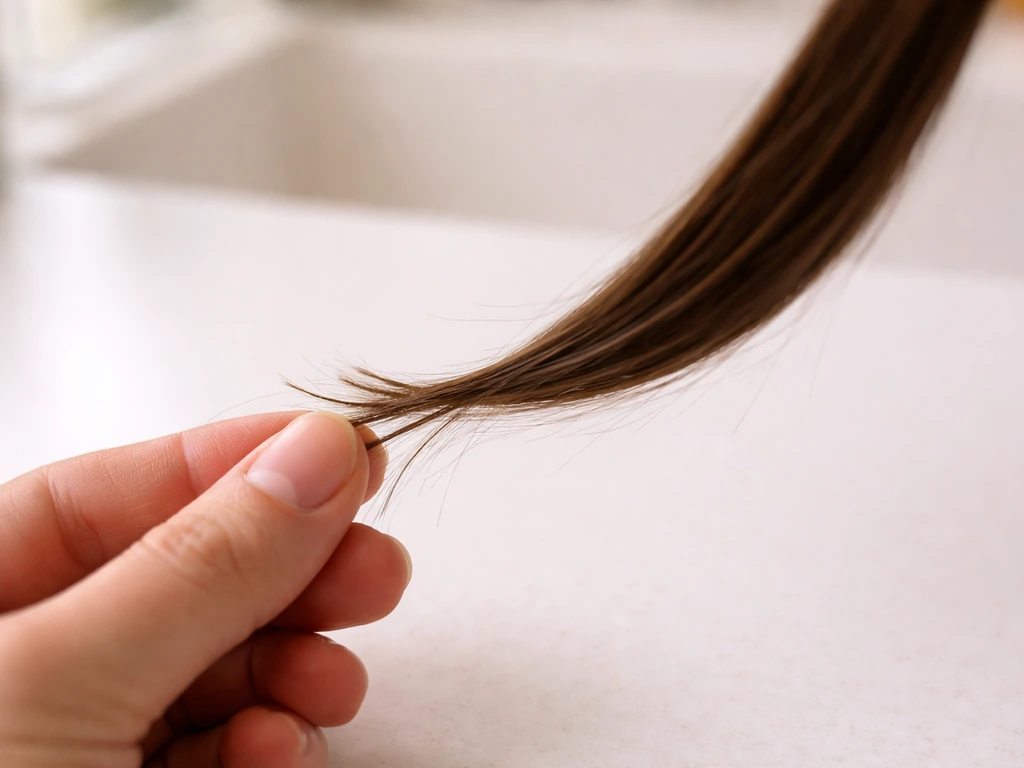
Here is something that does not get said clearly enough: your hair is almost certainly growing. Even for Black women wondering can black women's hair grow long, the key is that growth happens at the scalp while length depends on preventing breakage. Scalp hair grows at an average of about 1 centimeter per month, with a range of roughly 0. 6 to 3. 36 cm per month depending on the individual.
The reason many Black women and men feel like their hair "won't grow" is not that the follicle has stopped producing. It is that the hair is breaking off at roughly the same rate it is growing, so length never accumulates. Even though Black hair texture can make straightening tricky, Black people can often grow long hair when they focus on breakage control and length retention strategies Black people can grow long hair.
This same issue comes up when people ask why Black women's hair doesn't seem to grow or why natural hair won't grow past a certain length. Many people who ask about my natural hair won’t grow are really dealing with breakage that stops length from adding up. This question is usually about breakage, since the hair at the scalp can be growing while the ends snap off before you see length why Black women's hair doesn't seem to grow.
In almost every case, breakage is the culprit, not growth rate. Black women can focus on length retention by minimizing breakage, because hair is usually growing at the scalp even when it seems like it will not get longer.
This is directly relevant to the straightening conversation because the methods that achieve the most dramatic straightness often carry the highest breakage risk. Chemical relaxers that are applied too close to the scalp, left on too long, or layered over already-processed hair can weaken the shaft to the point where it snaps with routine manipulation. Repeated flat ironing without heat protection causes cumulative keratin denaturation, meaning the protein structure of your hair degrades over time. When hair breaks at the ends faster than it grows at the root, you are on a treadmill. The follicle is doing its job. The shaft is just not surviving long enough for you to see the length.
Building a routine that actually supports retention
Protective styles: what they do and don't do
Braids, twists, cornrows, locs, weaves, and extensions are often credited with "making hair grow faster" or even permanently changing texture. Neither of those things is true. What these styles genuinely do is reduce daily manipulation, which means less mechanical breakage at the ends. Less breakage means more of your monthly growth sticks around as length.
That is the whole mechanism, and it is a real one. The myth worth busting is that tension-based styles are automatically protective. Tight braids, cornrows installed under too much tension, and heavy extensions can cause traction alopecia, which is hair loss at the follicle level from repeated pulling. This is well-documented and can affect both children and adults.
The lesson: protective styles protect when they are installed without excessive tension, not as a default.
Moisturizing, sealing, and wash frequency
Coily hair is structurally prone to dryness because the natural oils from your scalp have a harder time traveling down a tightly coiled shaft than they do down a straight one. This makes a moisture-retention routine genuinely important, not just cosmetically.
A basic approach: wash with a sulfate-free or low-poo shampoo every one to two weeks depending on product use and sweat, follow with a moisturizing conditioner (and a deep conditioner weekly or biweekly), apply a leave-in or moisturizer to damp hair, and seal with a light oil or butter. The LOC or LCO method (liquid, oil, cream or liquid, cream, oil) works well for many people with 4-type hair.
If you are heat styling, a heat protectant applied before any tool use is not optional if you care about your hair surviving long-term.
Detangling and manipulation habits
Rough detangling, especially on dry coily hair, is one of the fastest ways to cause breakage. Always detangle on wet or damp, conditioner-coated hair using a wide-tooth comb or your fingers, starting from the ends and working upward toward the roots. If your goal is to maintain chemically straightened hair, work in small sections and minimize how often you run a comb through it dry. If you are natural and wearing your hair in its textured state, keeping it in stretched styles between wash days reduces tangling and single-strand knots, both of which contribute to breakage.
If you are using heat or chemical services
- Always use a heat protectant before flat ironing or blow-drying, and keep tool temperature below 350°F per AAP guidance.
- Space chemical relaxer applications at least 6 to 8 weeks apart to give hair time to recover and reduce cumulative protein loss.
- Do not layer chemical services, for example, avoid relaxing and coloring in the same session or close together without a professional assessment of your hair's strength.
- Do not relax hair that is already compromised by excessive breakage, heat damage, or scalp inflammation.
- If using keratin or smoothing treatments, ask your stylist specifically about the formulation to understand what you are putting on your hair and how often it is safe to repeat.
How to figure out what approach is right for you
Before you commit to a straightening method or a retention routine, it helps to get honest with yourself about a few things. Here is a simple self-check to guide your next step.
- What is your current hair health? If you have significant breakage, shedding, or a damaged scalp right now, start with a repair phase before adding any chemical or heat service. No straightening method works well on a compromised foundation.
- What is your actual goal: fully pin-straight hair, or just stretched and more manageable? If you want manageability with some definition, heatless stretching or a blowout may be all you need. Pin-straight results typically require a flat iron or chemical service.
- How much maintenance can you realistically commit to? Relaxed hair requires regular touch-ups and careful moisture management between appointments. Heatless stretching and protective styles require consistent re-styling but lower chemical upkeep.
- What is your budget and access to professional care? Chemical services like relaxers, especially if combined with color, are genuinely safer when done by a licensed cosmetologist who understands your hair's history. DIY relaxers applied incorrectly are a common source of serious breakage.
- Are you okay with your natural texture growing back in? Chemical relaxers are permanent for the hair already processed, but your roots will always grow in natural. If you are not prepared to manage two textures or commit to regular touch-ups, a semi-permanent or temporary method will serve you better.
Your actual next step today can be simple: if you are losing length, start tracking where breakage is happening (ends, mid-shaft, near the root) and adjust your routine accordingly. If you want to try heat styling, grab a heat protectant and keep your tool under 350°F. If you are considering a relaxer for the first time, schedule a consultation with a licensed stylist rather than starting at home. And if you have noticed a sudden shift in your natural texture, especially with shedding or scalp changes, that is worth a conversation with a dermatologist before you attribute it to anything styling-related.
The bottom line is this: your follicles are producing hair right now at roughly a centimeter a month. The goal is not to change what the follicle produces, because you cannot do that without altering your genetics. The goal is to keep what grows out long enough to reach your length targets, whether you wear that hair in its natural state, stretched, or chemically straightened. That is a breakage-control problem, and it is one you can actually solve.
FAQ
Can black people grow hair that looks straight without using chemicals or heat?
Sometimes, but it is usually from naturally looser curl patterns (waviness or S-waves) or from temporary stretching. True structural straightness from the follicle is rare for Afro-textured hair, so if your goal is “straight from root,” expect texture to return unless you use methods that physically or chemically alter the hair shaft.
If my hair is relaxed or straightened, will my new regrowth come in straight?
If you use a chemical relaxer, your regrowth from the root will reflect your natural follicle output. When you cut relaxed hair and it regrows, the new hair typically returns to its original curl pattern because the follicle was not permanently changed.
Why does my hair get straighter in certain seasons or climates?
Humidity can temporarily change how coils behave because it affects swelling and hydrogen-bonding in the hair. This can make hair look looser or more stretched, but it does not change the underlying curl architecture created by the follicle.
Is it possible that my curl pattern is changing naturally, and what does that mean?
Yes, some people notice changes in curl tightness or strand diameter over time due to aging, hormone shifts, medications, nutrition changes, or gradual hair shaft variation. A sudden change paired with increased shedding, scalp pain, or bald patches should be evaluated by a dermatologist to rule out an underlying issue.
Does detangling on wet hair help, and how can I avoid causing breakage?
Detangling damp and conditioner-coated reduces friction, because the hair is more slippery and less prone to snapping. Use a wide-tooth comb or fingers, start at the ends, and only work upward when the lower section is fully detangled.
What is the most common mistake people make when trying to straighten Black hair?
Overestimating how much styling can be “handled” without breakage. Skipping heat protection, repeatedly running hot tools over the same section, or trying to straighten very dry hair often leads to cumulative damage and length loss even when the hair appears straight temporarily.
If straight hair requires chemicals, are relaxers always the most damaging option?
Not always, but relaxers typically involve bond disruption in the hair cortex, which is more permanent than heat. Damage risk depends on processing time, how the product is applied, how often it is repeated, and whether your hair is already compromised from color, previous relaxers, or excessive heat.
Can protective styles help with “straight hair” goals, or do they only help growth?
They help indirectly. Styles like braids, twists, and locs can reduce daily manipulation and therefore breakage, so more of your monthly growth can remain long. They do not make your follicle produce straight hair, and they can cause traction alopecia if installed too tightly or worn too long.
How can I tell whether I’m losing length from breakage or from slow growth?
Track where the breakage is happening (ends, mid-shaft, near the root) and compare length at consistent intervals (for example, monthly). Since average scalp growth is roughly about 1 cm per month, persistent lack of length accumulation usually points to breakage, not a complete stop in growth.
What should I do if my hair is breaking near the root after straightening?
Breakage close to the root often signals mechanical stress, too much heat near the scalp, or processing applied too aggressively. Stop the most damaging steps temporarily, focus on gentle detangling and moisture, and consider a professional assessment if shedding or scalp irritation is present.
Next Article
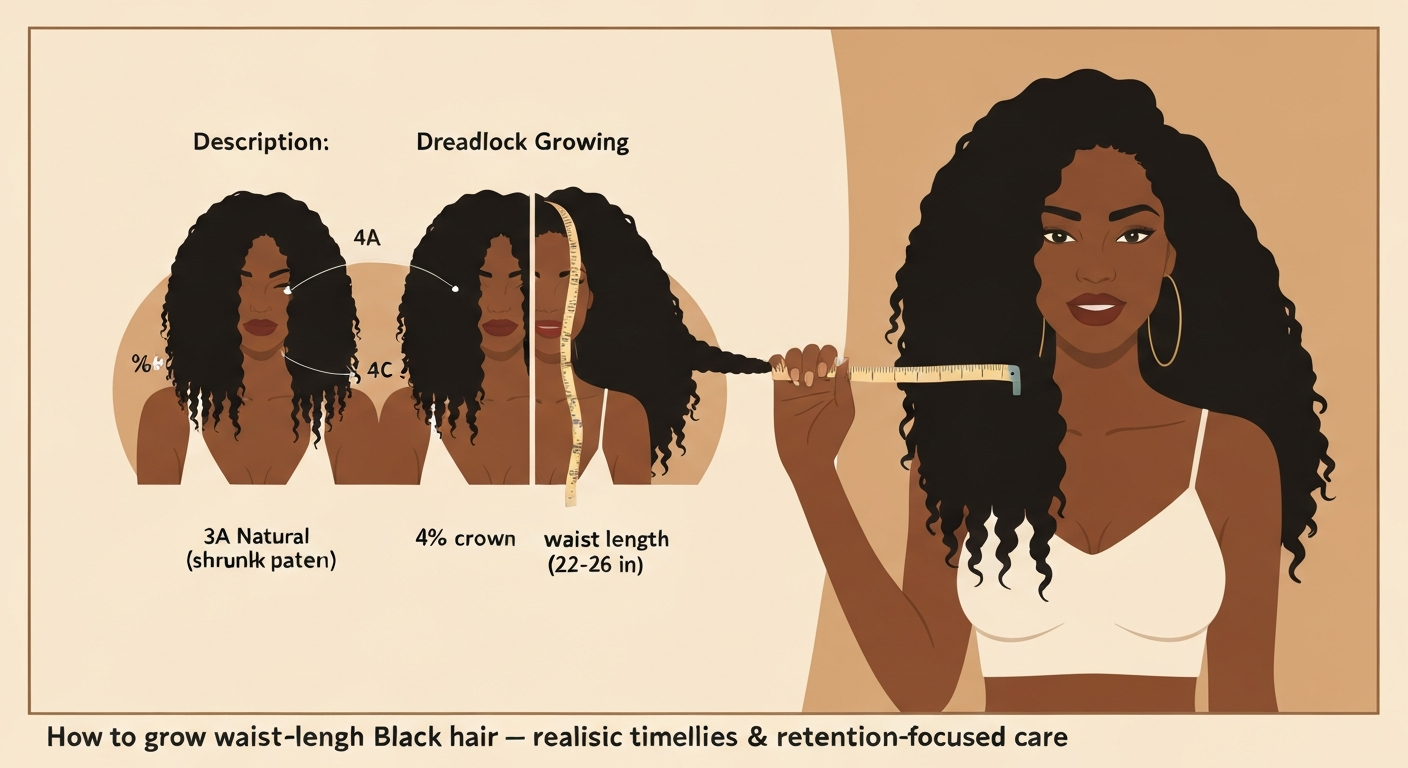
How to Grow Waist-Length Black Hair: Evidence-Based Guide
How to grow and retain waist-length Black hair: realistic timelines, routines, protective styles, and evidence-basedTips