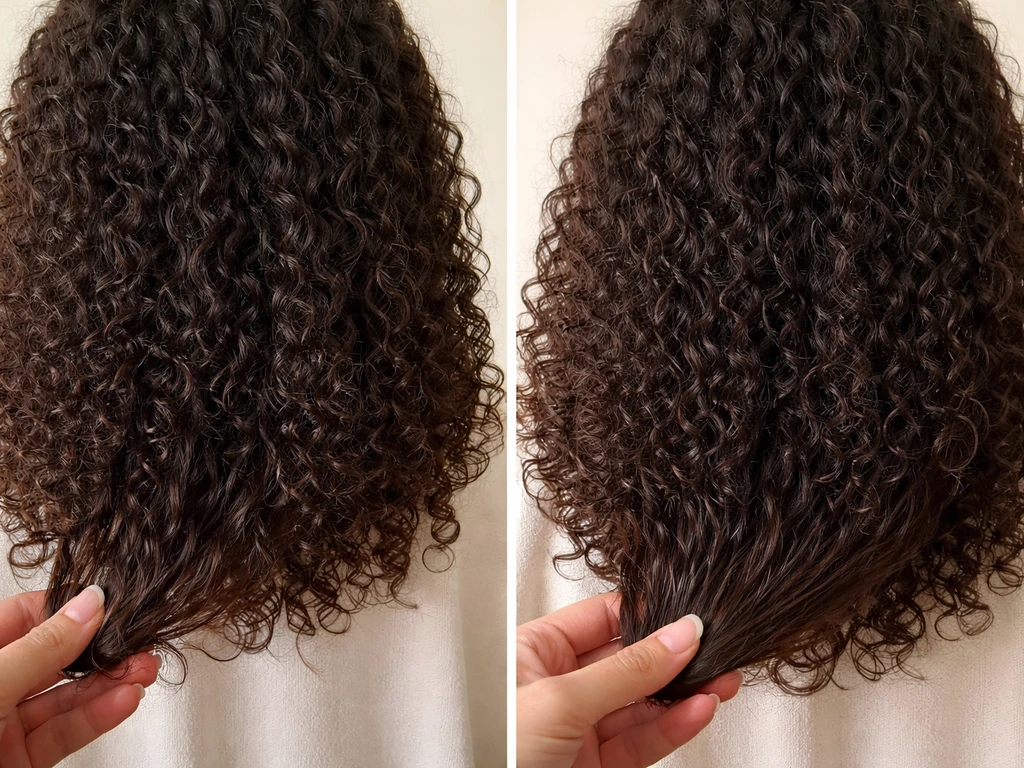
The best products for growing relaxed hair are moisturizing shampoos, deep conditioners, protein treatments, leave-in conditioners, sealing oils, scalp serums, and heat protectants. But here's the thing most product roundups skip: your hair is already growing from the scalp at roughly half an inch per month. The products don't make your follicles work harder. What they do is protect the hair that's already come out of your scalp so it doesn't snap off before it reaches your shoulders, your bra strap, or wherever your goal length is. That's the real game with relaxed hair.
Best Products to Grow Relaxed Hair Longer and Healthier

Simone Okonkwo
4 May 2026
Real talk: relaxed hair grows from the scalp, length comes from retention
Every strand on your head goes through a biological cycle: anagen (active growth), catagen (transition), and telogen (rest and shedding). That cycle happens regardless of whether your hair is relaxed, natural, or color-treated. Chemical relaxers don't shut that cycle down. What they do is permanently alter the disulfide bonds in your hair shaft, straightening it by changing its structural chemistry. That process leaves the cuticle more vulnerable. Scanning electron microscopy studies show that chemical straightening causes measurable cuticle lifting, roughness, and in some cases tearing of the hair fiber. So while your scalp is faithfully producing new growth every single month, that new growth is attached to a compromised strand that breaks more easily under tension, heat, and dryness.
This is why two people can have the same genetics and the same relaxer schedule, but one has waist-length hair and the other is stuck at chin length for years. It's not a growth problem. It's a retention problem. Length retention means keeping the hair that grew attached to your head long enough to accumulate into visible length. Everything from the products you use to how you detangle, how much heat you apply, and how often you relax comes back to this.
It's also worth separating hair shedding from breakage, because they feel the same but mean different things. Shedding is normal hair completing its telogen phase and falling out with the bulb attached. Breakage is mechanical or chemical damage snapping the shaft mid-strand. The American Academy of Dermatology makes this distinction clearly, and it matters because if most of what you're losing has no bulb, you have a breakage problem that better products and handling can address. If you're losing a lot of full strands with bulbs, something else may be happening at the follicle level.
What to use: best product types for relaxed hair growth
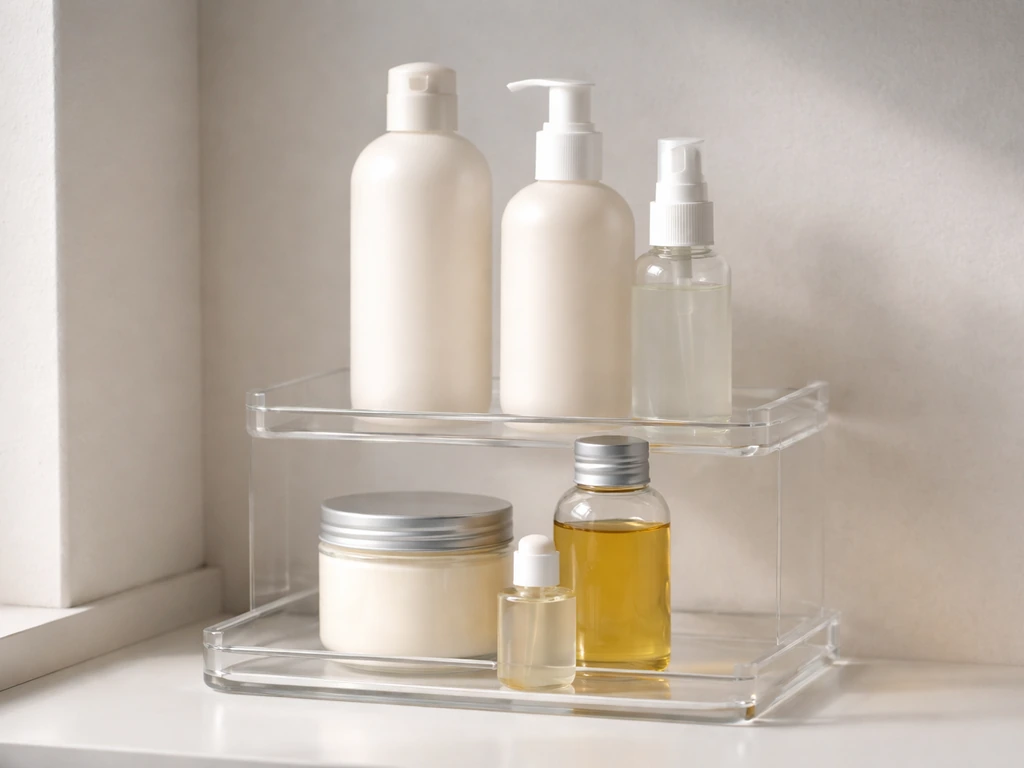
Think of your product shelf in three layers: moisture, seal, and scalp. You need all three working together. Here's what each category actually does and what to look for.
Moisture: shampoos, conditioners, and leave-ins
Use a sulfate-free or low-sulfate moisturizing shampoo for weekly or biweekly washing. Harsh sulfates strip the natural oils that relaxed hair desperately needs to stay pliable. Look for shampoos with ingredients like aloe vera, glycerin, panthenol, or hydrolyzed proteins. Follow every wash with a deep conditioner and leave it on for at least 20 to 30 minutes (with or without heat, depending on your preference). Deep conditioners with ceramides, hydrolyzed keratin, or hydrolyzed silk help rebuild the cuticle surface that relaxing compromised. Then apply a leave-in conditioner before styling. Leave-ins with water as the first ingredient, plus slip-enhancing ingredients like slippery elm or aloe, help with detangling and keep moisture in the shaft throughout the week.
Protein treatments
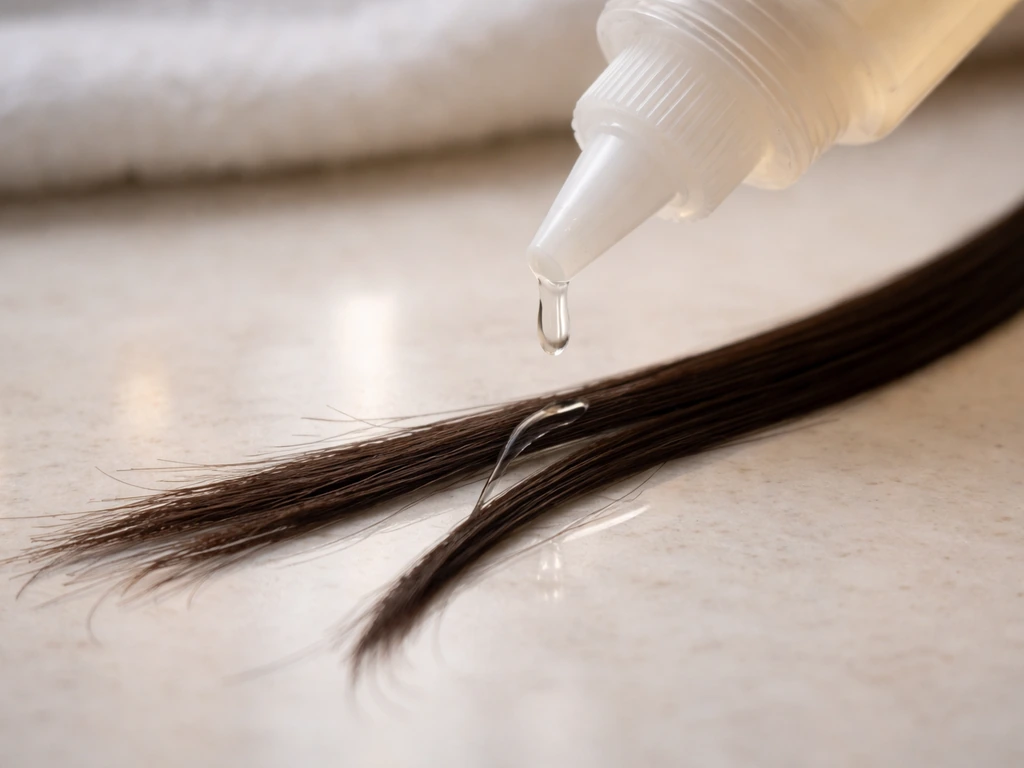
Relaxed hair loses some of its structural protein during the chemical process, so periodic protein treatments (every four to six weeks, or when hair feels mushy and stretches too much before snapping) can temporarily strengthen the strand. Look for hydrolyzed proteins like hydrolyzed wheat protein, hydrolyzed keratin, or hydrolyzed collagen. The key word is hydrolyzed: those molecules are small enough to actually penetrate the shaft rather than just coat the surface. Don't overdo protein. Too much without enough moisture makes hair stiff and brittle, which causes a different kind of breakage.
Sealing: oils and butters
After your leave-in, you seal with an oil or butter to lock that moisture in. Lightweight oils like grapeseed, argan, or jojoba work well for fine or easily weighed-down relaxed hair. Heavier options like castor oil, shea butter, or mango butter suit thicker hair or drier ends. Apply to damp hair, working from mid-shaft to ends. The ends of relaxed hair are the oldest and most fragile part of the strand, so they need the most attention.
Scalp serums and treatments
A healthy scalp is the foundation. Look for scalp serums or oils with ingredients like peppermint oil (shown in some research to stimulate circulation), tea tree oil (for scalp hygiene and mild antimicrobial action), niacinamide, or caffeine. Apply directly to the scalp between washes and massage in for a few minutes. Scalp massage itself increases blood flow to follicles, which supports the anagen phase. Keep the scalp clean but not stripped: buildup from products can clog follicles, but over-washing can dry out the scalp too.
Heat protectants
If you use heat at all, a heat protectant is non-negotiable. Research using scanning electron microscopy shows that hair dryer use at higher temperatures causes measurable cuticle lifting and cracking, and that damage adds up over time. Look for heat protectants with silicones (like dimethicone or cyclopentasiloxane) or plant-based alternatives like baobab protein for blow-dry use, and one rated for at least 450°F if you use a flat iron. Apply to damp hair before blow-drying and to dry hair before flat ironing.
| Product Type | What It Does | Key Ingredients to Look For | How Often |
|---|---|---|---|
| Moisturizing shampoo | Cleanses without stripping | Glycerin, panthenol, aloe vera | Weekly or biweekly |
| Deep conditioner | Rebuilds cuticle, adds moisture | Ceramides, hydrolyzed keratin, silk | Every wash |
| Leave-in conditioner | Detangles, maintains moisture | Water-based, aloe, slippery elm | Every wash or every few days |
| Protein treatment | Strengthens compromised shaft | Hydrolyzed wheat, keratin, collagen | Every 4 to 6 weeks |
| Sealing oil or butter | Locks in moisture, protects ends | Castor, argan, grapeseed, shea | Every styling session |
| Scalp serum or oil | Supports follicle environment | Peppermint, niacinamide, caffeine | 2 to 3 times per week |
| Heat protectant | Reduces cuticle damage from heat | Dimethicone, cyclopentasiloxane | Every time heat is used |
A simple routine to grow long, fast, and healthy
Consistency beats complexity every time. You don't need a 12-step routine. You need a few steps done reliably. Here's a practical weekly framework that works for most relaxed hair textures.
- Wash with a moisturizing or sulfate-free shampoo. Focus shampoo on the scalp, not the ends. Two gentle passes are better than one aggressive scrub.
- Deep condition for 20 to 30 minutes. Apply generously from root to tip, comb through with a wide-tooth comb, and sit under a hooded dryer or use a plastic cap to trap heat.
- Detangle gently. While conditioner is in, use a wide-tooth comb starting from the ends and working upward. Never detangle dry relaxed hair.
- Apply leave-in conditioner to damp hair. Section hair and work it through evenly before doing anything else.
- Seal with oil or butter, focusing on the ends.
- Apply heat protectant if you're blow-drying or flat ironing, then style.
- Use a scalp serum or oil 2 to 3 times per week between washes and massage in for 3 to 5 minutes.
- Moisturize mid-week. If hair feels dry between washes, mist with water or a water-based leave-in and reseal with a light oil.
- Sleep on a satin or silk pillowcase or use a satin bonnet. Cotton strips moisture and creates friction that causes breakage overnight.
On wash day, try to keep heat use minimal and on a lower setting when possible. If you can air-dry most of the way and only use a flat iron occasionally rather than weekly, you'll see a measurable difference in how much breakage you have at the ends over a few months.
How to make relaxed hair thicker and longer
If your relaxed hair looks thin, flat, or sparse, there are usually a few things happening at once: breakage is shortening strands before they reach full length, the hair shaft itself is compromised and appears thinner than it naturally would, or both. True strand thickness (diameter) is largely genetic, but you can absolutely improve the appearance of density and the actual length of retained hair.
For fine or thin-looking hair
Fine relaxed hair needs lightweight products. Heavy butters or thick creams can weigh strands down, making hair look even flatter and more prone to breakage when pulled. Stick with lighter oils (argan, grapeseed), foam or liquid leave-ins, and volumizing deep conditioners rather than thick, heavy masks. Protein treatments can temporarily plump the hair shaft by filling in cuticle gaps, making individual strands appear thicker and behave more resiliently. Use them on a regular schedule but balance with a good moisturizing conditioner afterward.
For thinning-looking areas or reduced density
Thinning at the edges, temples, or crown of relaxed hair is often a traction issue or a sign that those areas have been overprocessed more than others. Traction alopecia risk in Black women can be linked to heat, chemicals, or tight styles that pull at the hair root, including some braids, extensions, and weaves Traction issue or a sign those areas have been overprocessed more than others. The Canadian Dermatology Association notes that tightly pulling styles stretch and tear hair, causing breakage at those vulnerable points. Stop applying relaxer to areas that are already thin or damaged, even if the rest of your head is being processed. Give those areas extra moisture, keep manipulation minimal, and avoid tight styles around the hairline. If the thinning involves actual hair loss (not just breakage) with a visible scalp, that's worth a dermatology visit.
Scalp massages for density support
Massaging the scalp for four to five minutes daily or several times per week increases blood circulation to the follicles, which supports healthy anagen activity. You don't need a product to do this, but using a scalp oil or serum during the massage gives you the added benefit of the active ingredients while you work. Some people use a silicone scalp massager tool, which helps if your hands get tired.
Protective styling and detangling to reduce breakage while growing
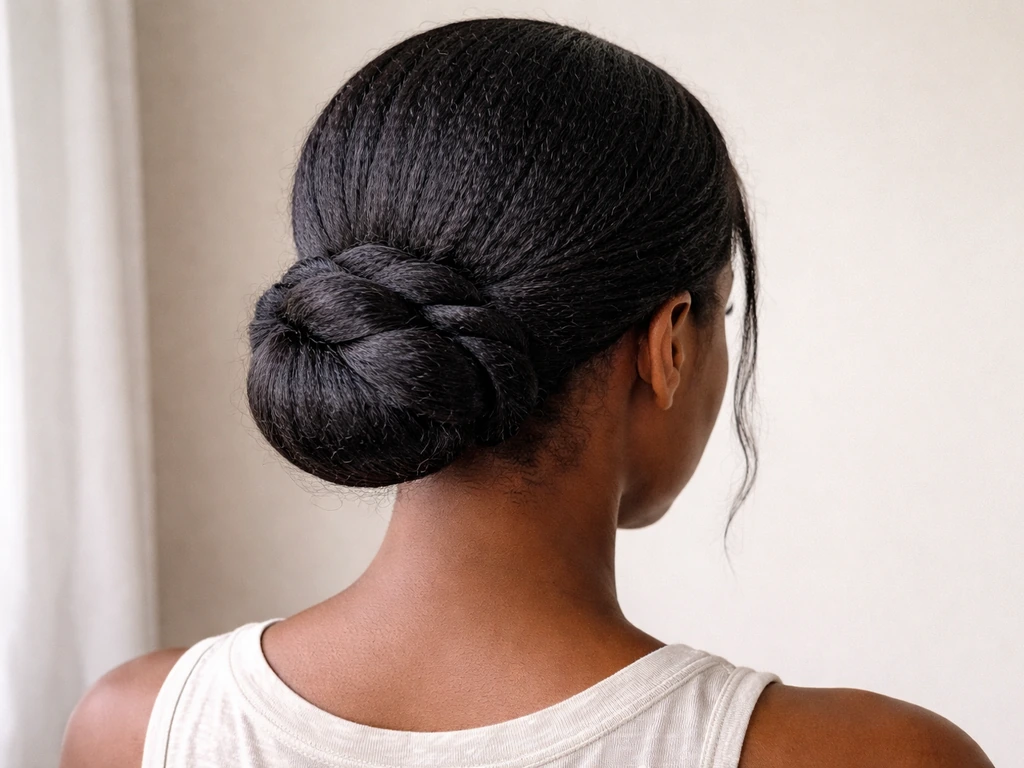
Protective styles are one of the most effective length-retention strategies for relaxed hair. By tucking your ends away and reducing daily manipulation, you give hair a break from the friction, tension, and mechanical stress that cause most breakage. Good options for relaxed hair include low buns, braids (not too tight), twists, flexi-rod sets worn multiple days, and wigs or weave installs that allow your natural scalp to breathe.
The catch: a protective style is only protective if the install doesn't cause more damage than leaving hair loose. Braids that pull at the scalp, braids installed on dry or poorly moisturized relaxed hair, or styles left in too long (over six to eight weeks without refresh) can cause breakage at the line between the braid and free hair. Always install on clean, moisturized, detangled hair, and always moisturize the hair under the style periodically while it's installed.
Detangling is where a lot of relaxed hair gets damaged without people realizing it. The AAD advises removing tangles gently, ideally with conditioner in the hair to add slip. Always detangle from the ends upward, never from root to tip. Use a wide-tooth comb or your fingers, not a fine-tooth comb or brush on wet relaxed hair. Wait until hair has some slip from conditioner or leave-in before running anything through it. Dry detangling relaxed hair is one of the fastest ways to cause breakage.
How long it takes and what to expect when growing out short relaxed hair
On average, hair grows about half an inch per month, or roughly six inches per year. That's a biological baseline that doesn't change dramatically from person to person, though factors like nutrition, health, age, and stress can affect it. What this means practically: if your relaxed hair is currently at your ears and you want bra-strap length (roughly 14 to 16 inches from scalp), you're looking at two to three years of consistent retention work, not a few months.
Here's a rough timeline based on starting length, assuming good retention habits:
| Starting Length | Target Length | Estimated Time |
|---|---|---|
| Very short (TWA/pixie) | Shoulder length | 2 to 3 years |
| Ear length | Collarbone/APL | 1.5 to 2.5 years |
| Chin length | Bra strap (BSL) | 2 to 3 years |
| Shoulder length | Mid-back (MBL) | 2 to 3 years |
These timelines assume you're retaining most of what grows. If you're dealing with significant breakage, the effective retention rate drops, and you can stay at the same length for years despite continuous growth. That's why so many people feel like their relaxed hair 'won't grow' when the real issue is that it's growing and breaking at nearly the same rate. If you're wondering whether low porosity hair can grow long, focus on improving moisture retention so breakage doesn't erase your progress whether relaxed hair can grow long and fast. If your goal is specifically how to grow natural kinky hair fast, focus on retention too, since breakage is usually what slows results down. Yes, relaxed hair can grow long, but it depends on retention more than the relaxer changing your growth rate. This is covered in more depth in sibling topics about whether relaxed hair can grow long and fast, but the short version is: yes it can, and the method is retention. If you want the full step-by-step on how to grow black relaxed hair long and fast, use this article’s retention-focused approach as your main roadmap. This is covered in more depth in sibling topics about whether relaxed hair can grow long and fast, but the short version is: yes it can, and the method is retention.
Trim your ends every eight to twelve weeks, or when you notice split ends, single-strand knots, or rough texture at the tips. Holding onto damaged ends doesn't add length, it causes splits to travel up the shaft and cost you more length later.
Common mistakes and when to get help
Mistakes that are quietly killing your length
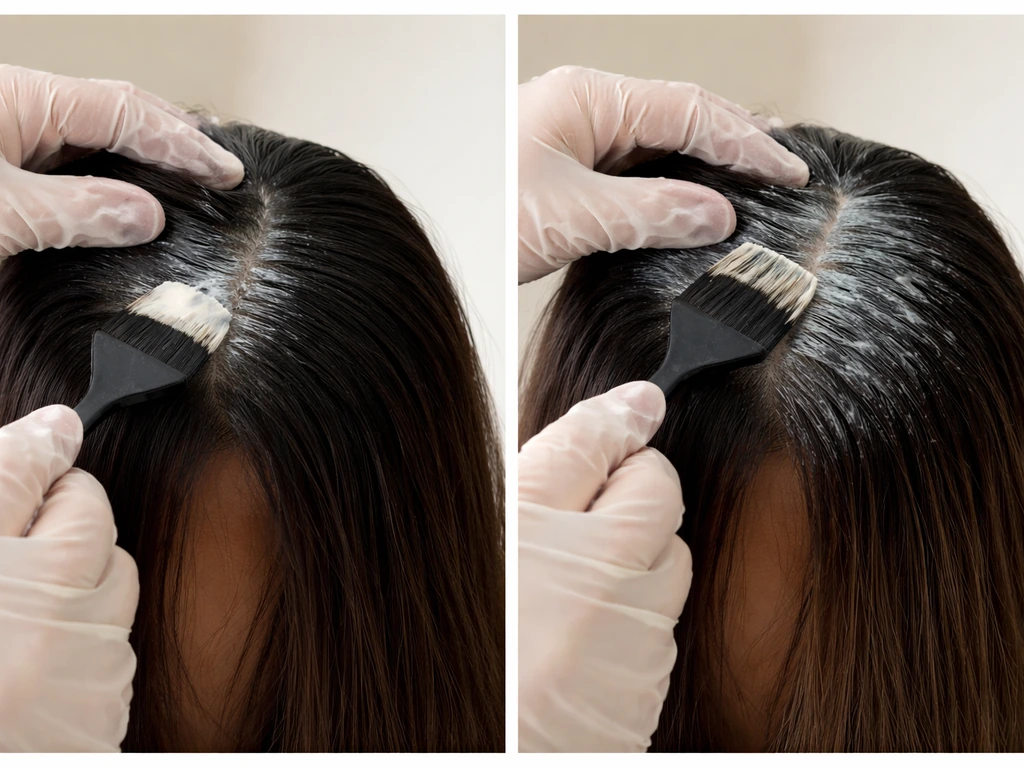
- Overlapping relaxers onto previously relaxed hair on every touch-up. Relaxer should only be applied to new growth. Overlapping doubles the chemical damage on already-processed strands.
- Stretching relaxers too infrequently without proper new-growth care. The line of demarcation (where new, curly growth meets the straight relaxed section) is extremely fragile and snaps easily under tension. If you're stretching, keep that line moisturized and handle it gently.
- Using too much heat too often. A weekly flat iron on fine or already-compromised relaxed hair adds up to serious cuticle damage. Aim for heat once every one to two weeks at most, and always use a protectant.
- Skipping deep conditioning. This is the single most impactful thing you can do after washing relaxed hair. If you wash and skip straight to styling, you're leaving your hair dry and vulnerable.
- Tight protective styles. Braids or weaves installed with too much tension at the hairline and temples cause traction damage. The Canadian Dermatology Association notes that this kind of pulling can tear the hair shaft.
- Washing hair in a rough bunched-up motion. Always wash in a downward direction to reduce tangling and friction.
- Neglecting the scalp. Product buildup, dryness, or inflammation at the scalp affects the health of the environment your hair grows from.
- Inconsistent trimming. Skipping trims to 'save length' usually results in split ends traveling upward and requiring more to be cut off later.
When to see a dermatologist or trichologist
Products and routines only address mechanical and moisture-related breakage. If you're experiencing itching, raw scalp, scabs, or hair loss after using a relaxer, the FDA advises reporting this and consulting a professional. These can signal a chemical burn or scalp reaction that needs medical attention, not just a new conditioner. Separately, if you're losing a large number of full strands daily (with the white bulb visible), shedding diffusely across the scalp, or noticing visible thinning that isn't explained by styling damage, that could indicate telogen effluvium, alopecia, or another condition affecting the hair cycle itself. The AAD is clear that a dermatologist can differentiate between shedding and actual hair loss, and that distinction matters for treatment. Don't wait months trying product after product before getting that looked at. The sooner a scalp issue is identified, the easier it is to address.
In the meantime, start with what you can control today: a moisturizing shampoo, a real deep conditioning session, a gentle detangling habit, and some kind of scalp care. Those four things, done consistently, will move the needle faster than any miracle growth product on the market.
FAQ
How often should I wash relaxed hair to maximize length retention?
Aim for “as needed” washes, not a fixed schedule. If your scalp feels tight or you see flaking, extend protein-free moisture work and reduce wash frequency, since relaxed hair often needs more scalp oil management but not more stripping shampoo.
How do I know whether I need a protein treatment or more moisturizing instead?
Use protein as a targeted tool. If your hair stretches, feels mushy, or reverts to tangly and weak, do a treatment, then follow immediately with a deep conditioner. If your hair feels hard, rough, or tangles even when moisturized, you likely overdid protein and should switch to moisture for a few weeks.
Do I still need a leave-in if I’m already using a deep conditioner and an oil?
If you use a leave-in, you usually do not need a second “styling moisturizer” layer. A common mistake is layering multiple creams and butters, then sealing too early, which can cause buildup and a stiff feel that increases snapping during detangling.
Can I oil my scalp, or should oils only go on the ends?
Yes, but match the oil to your hair density and porosity. Apply oil mostly to the mid-shaft and ends, not the whole scalp, and use a small amount. Too much oil on the scalp can increase buildup, making detangling harder and potentially worsening breakage at the hairline.
What’s the best detangling method for relaxed hair to prevent breakage?
A reliable rule is to detangle only when hair has real slip. Apply conditioner or leave-in in sections, use a wide-tooth comb or fingers, and stop if you feel resistance. For many people, detangling frequency is less important than whether you’re doing it with slip and minimal force.
How long can I keep protective styles in before they start causing damage?
Protective styles should be refreshed, not just “kept in.” If you notice dryness, itching, new tangles at the braid line, or your ends feel rough, take the style down and moisturize before the six to eight week window.
Do wigs and weaves help retention the same way braids and twists do?
If you wear wigs or weaves, focus on scalp and tension management. Avoid installs that tug at the edges, moisturize the hair under the style regularly, and watch for persistent soreness. Any painful tightness or visible traction lines are a sign to adjust the install.
What should I do if my heat-protectant is not preventing breakage?
Heat protectants do not make heat “safe,” they reduce damage. For best results, lower your heat setting, minimize passes per section, and let hair fully dry before flat ironing. If your hair feels dry or brittle after heat use, decrease frequency before increasing product.
If my relaxed hair feels mushy after washing, should I add protein immediately?
Treat “mushy stretch” and “hardness” as opposite signals. Mushy stretch suggests too little structure (often needs protein), while stiffness and brittleness suggest too much protein or not enough moisture. Return to your moisture-and-seal routine and reassess in one to two weeks.
How can I tell if my hair growth is happening but I’m not retaining length?
Don’t compare your length to someone else’s routine if your breakage rate is different. Use a retention check by looking at ends over time, not just the growth you see at the scalp. If your ends stay rough or split quickly, retention is the issue, even if your scalp is producing new hair.
What’s the difference between shedding and breakage in real life, not just in theory?
If you see white bulbs, that points more toward shedding rather than mid-shaft snapping, but you still need to evaluate the pattern. If shedding is paired with visible thinning at the part or hairline, scalp burning or scaling, or ongoing symptoms after relaxer, get a dermatology assessment sooner rather than trying more products.
What should I do if my edges or temples are thinning after relaxing?
A baseline is fine-tuning, not perfection. If you’re losing edges or thinning at the temples, stop relaxing those vulnerable areas early, loosen any tight styling, and keep manipulation low there. If there’s visible scalp or true hair loss, a dermatologist visit helps rule out traction alopecia or other conditions.
Do I really need trims if I’m trying to grow longer fast?
An end trim is most helpful when split ends and single-strand knots are present. Cutting too early can slow your visible progress, but waiting too long lets splits travel upward. If your ends feel rough and you see splits for several weeks in a row, it’s usually time.
Is scalp massage safe for relaxed hair, and how often should I do it?
Scalp massage can help circulation, but it should never cause soreness or irritation. Use gentle pressure, short sessions, and keep your routine consistent. If you have dandruff, bumps, or burning, prioritize treating the scalp issue first rather than just massaging more.
Next Article
How to Grow Black Women’s Hair: Length and Growth Guide
Step-by-step guide to grow and retain Black women’s hair, boost length via breakage control, and avoid traction damage.