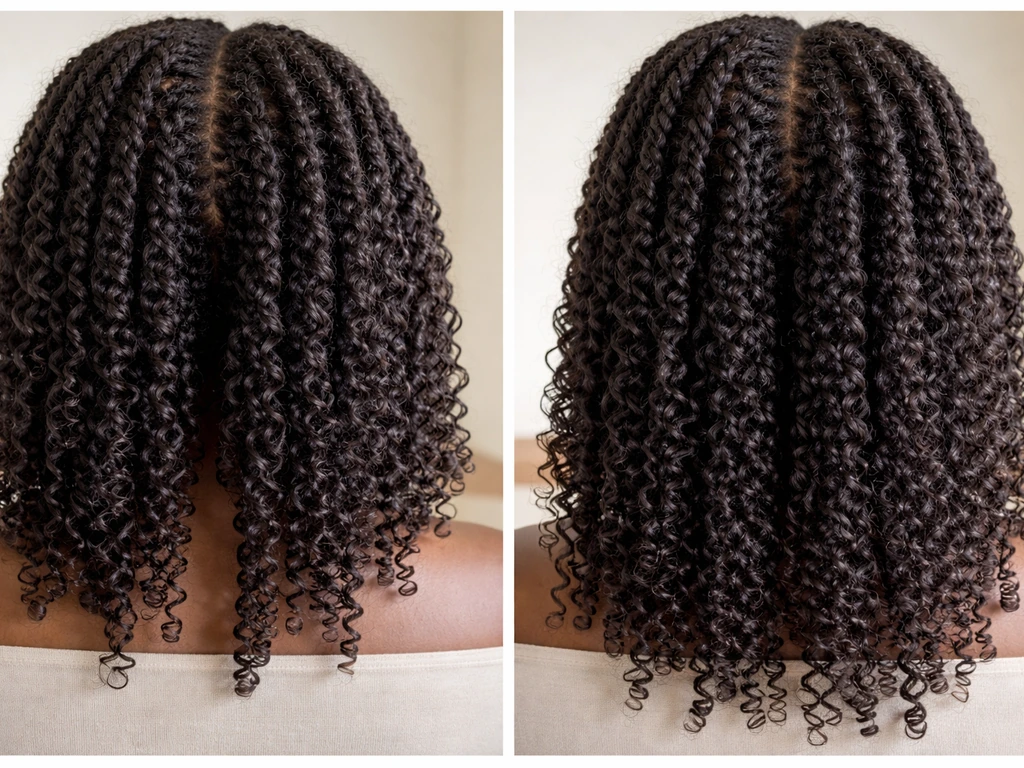
Growing long hair as an African American comes down to one thing more than anything else: keeping the hair you already grow. Your scalp is almost certainly producing hair at roughly the same rate as anyone else's, about half an inch per month on average. The real problem is that coily, tightly curled strands are structurally more fragile than straight hair, which means breakage can quietly erase months of growth before you ever see length. Fix the breakage, and the length follows.
How to Grow Long Hair for African American Natural Hair

Simone Okonkwo
30 Apr 2026
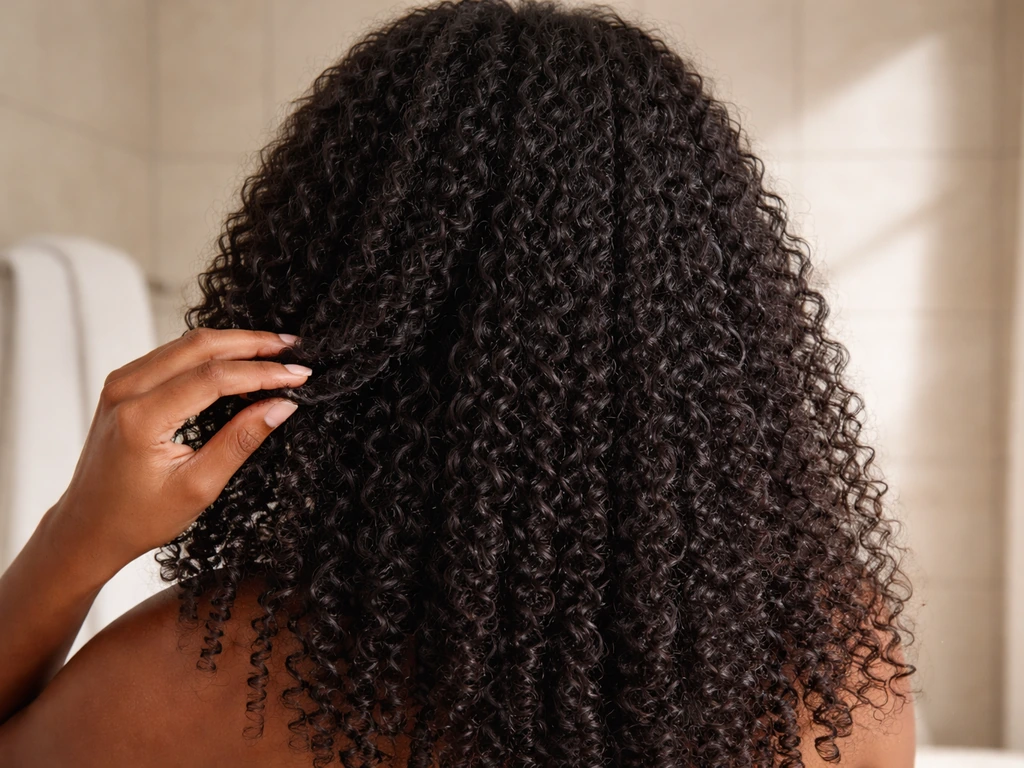
Why Black hair struggles to get long (it's not your growth rate)
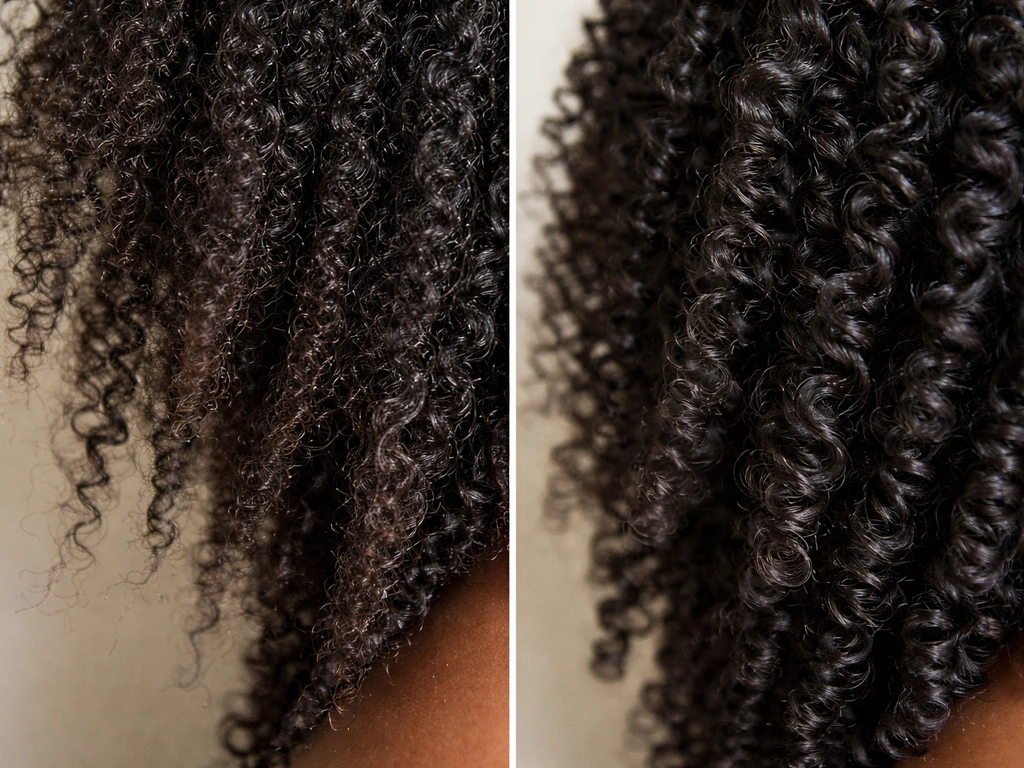
A common myth is that African American hair simply doesn't grow long. That's not what the science says. Research using phototrichogram measurements has confirmed that African hair does grow, though it tends to have lower follicle density (around 190 hairs per square centimeter compared to roughly 227 in Caucasian volunteers) and a more elliptical follicle shape that produces the characteristic curl. The curl itself is the real culprit behind length struggles. Because the strand bends and coils along its full length, it's far more likely to snag, tangle, and snap at those bend points. Dermatology research has identified a specific pattern called trichorrhexis nodosa in African-descent hair, where weak, node-like swellings form along the shaft and become breaking points. That's not a disease, it's what repeated mechanical stress and dryness look like under a microscope. The takeaway: your hair is growing. You just need to stop it from breaking off at the same pace.
Length retention is the actual goal. You can have perfectly healthy follicles and still have short hair if your ends are snapping off every time you detangle or style. Everything in this guide comes back to that principle.
Natural vs. relaxed: building a routine that fits your hair
Whether you're fully natural, relaxed, or somewhere in the middle of a transition, the fundamentals of growing long hair are the same: moisture, gentle handling, and scalp health. But the specifics differ enough that it's worth being honest about both.
Natural hair
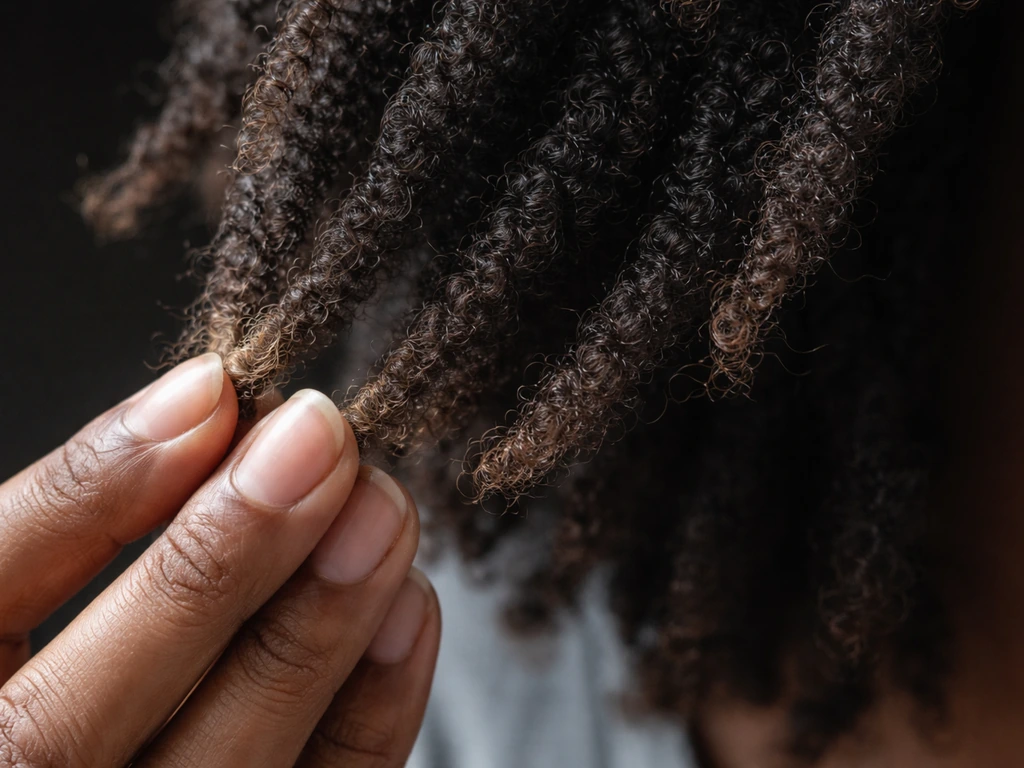
Natural coily and kinky hair (types 4A through 4C especially) is at its most fragile when it's dry and when it's being manipulated. Your routine needs to center on keeping strands moisturized and minimizing how often you're touching, combing, or styling. Wash day every 1 to 2 weeks is a reasonable baseline, using a sulfate-free or gentle sulfate cleanser that won't strip the cuticle. Deep condition every single wash day without exception. Stretch your styles (twists, braids, banding) to reduce shrinkage-related tangles between wash days. The goal is to touch your hair as little as possible while keeping it clean and conditioned.
Relaxed hair
Relaxed hair has had its disulfide bonds chemically broken, which reduces curl but also reduces the strand's natural elasticity. This makes it more susceptible to breakage, especially at the line of demarcation (where new growth meets relaxed hair) and at the ends, which are the oldest and most processed part of the strand. If you're relaxed and trying to grow length, the priorities are protein-moisture balance (relaxed hair often needs regular protein treatments to compensate for structural loss), gentle detangling, and stretching relaxer applications as long as safely possible to minimize chemical overlap. Trimming the line of demarcation regularly during a transition is non-negotiable if you don't want chronic breakage at that point.
Transitioning between the two
Transitioning is arguably the hardest phase for length retention because you have two different textures on the same strand. The demarcation zone is fragile by nature. Protective styles that keep that zone tucked away and moisturized, combined with regular trims, are your best tools here. Big chop or long-term transition both work, but you have to actively manage that weak point either way.
Protective styles: what actually helps and what quietly causes damage
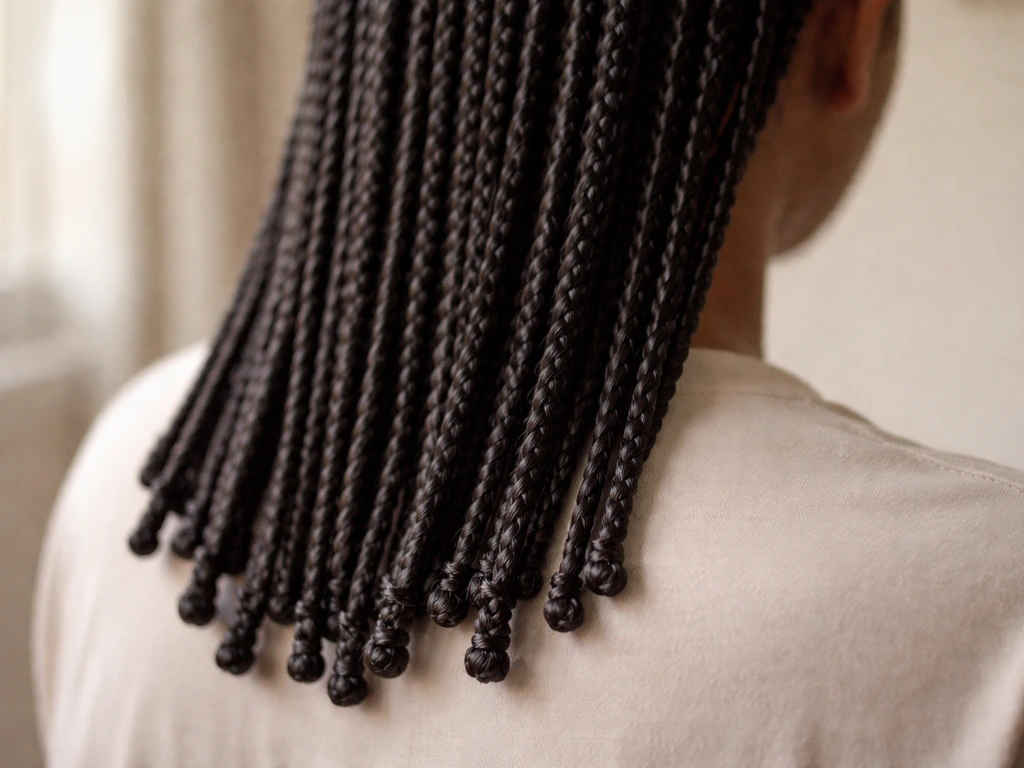
Protective styling is one of the most talked-about strategies in Black hair care, and for good reason. Styles like braids, twists, locs, and weaves tuck away your ends, reduce daily manipulation, and limit environmental exposure. But they are not magic, and they absolutely can cause damage if done wrong. Here's the honest breakdown.
| Style | How it helps retention | How it can cause damage | Best practice |
|---|---|---|---|
| Box braids / twists | Ends are tucked; minimal daily manipulation | Too-tight installation causes traction alopecia; leaving in too long causes matting and breakage | Install with moderate tension; remove by 6–8 weeks; moisturize scalp while in |
| Locs | Very low manipulation once mature; excellent retention | Early stages require care not to over-manipulate; retwisting too tightly causes traction at hairline | Allow locs to loc naturally; avoid excessive retwisting tension |
| Sew-in weaves / extensions | Removes daily styling stress from natural hair | Braiding base too tight; weave weight on fine or damaged hair; neglecting natural hair underneath | Keep braid base loose; cleanse and moisturize natural hair every 2 weeks; limit to 8–10 weeks |
| Faux locs / crochet styles | Low manipulation; versatile | Weight can cause traction; dry installation stresses strands | Moisturize hair before install; don't add excessive length/weight |
The single most damaging thing you can do with protective styles is install them too tightly, especially at the hairline and nape. Traction alopecia, which is hair loss from repeated tension on the follicles, is one of the leading causes of permanent hairline recession in Black women. You should never feel pain or see bumps after a braid or weave installation. If you do, that is already follicle stress happening in real time. The second most common mistake is installing a protective style and then ignoring your hair completely. Your scalp still needs moisture and cleansing, and your hair needs light hydration even while braided or weaved.
Moisture, sealing, and conditioning: the core of everything
Coily hair is structurally drier than straight hair. The tight curl makes it harder for sebum from the scalp to travel down the strand, which means natural moisture distribution is less efficient. This is biology, not neglect. Your routine has to compensate for it intentionally.
The LOC or LCO method
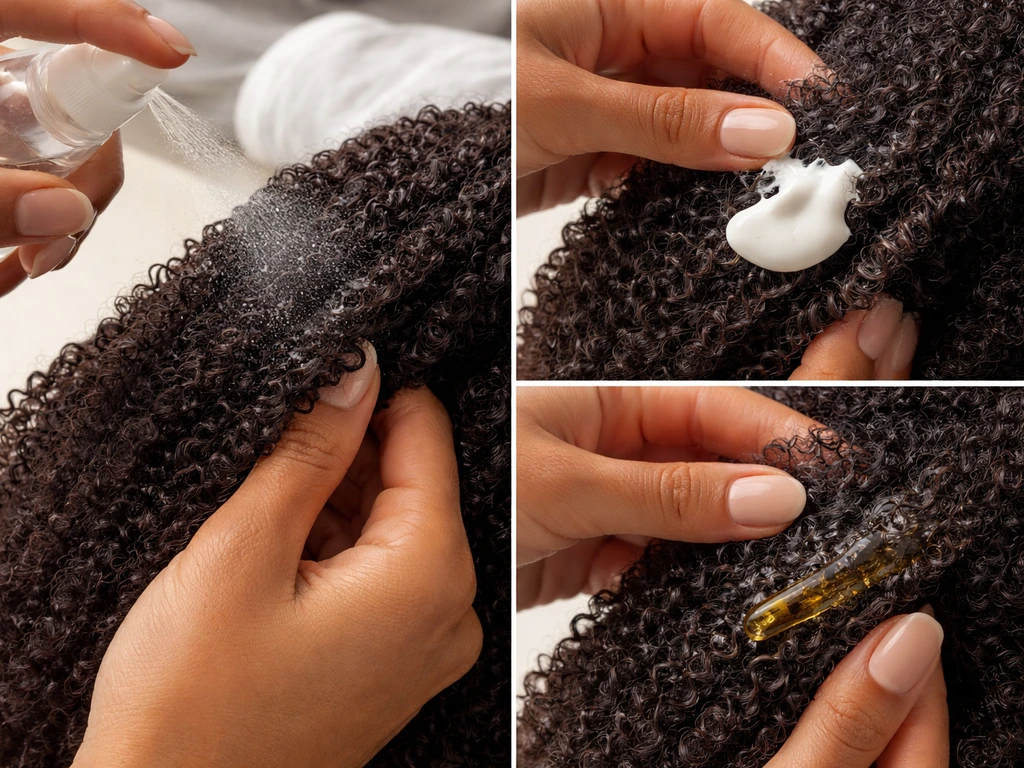
The most reliable moisturizing framework for coily hair is the LOC method (Liquid, Oil, Cream) or LCO (Liquid, Cream, Oil), depending on your hair's porosity. Start with a water-based leave-in or just plain water as the liquid layer. Follow with an oil (like jojoba, olive, or castor oil) to seal in that moisture, then a cream or butter to give the strand a longer-lasting coating. High-porosity hair (which absorbs moisture fast but loses it fast too) often does better with LCO because the cream seals more effectively. Low-porosity hair can get weighed down by heavy oils, so lighter application layers work better.
Deep conditioning is not optional
If you're only doing one thing differently after reading this, make it deep conditioning every wash day. A good deep conditioner (look for ingredients like shea butter, cetyl alcohol, hydrolyzed proteins, or glycerin) left on for 20 to 30 minutes, preferably with heat, makes a measurable difference in how pliable and breakage-resistant your strands are. Protein treatments every 4 to 6 weeks add structural support, especially for hair that's been heat-styled, colored, or chemically processed. Just don't over-do protein without moisture alongside it, because too much protein makes hair stiff and then brittle.
Ingredient basics worth knowing
- Humectants (glycerin, aloe vera, hyaluronic acid): draw moisture from the air into the strand — great for humid climates, can cause dryness in very dry environments
- Emollients (shea butter, mango butter, avocado oil): smooth the cuticle and reduce friction
- Proteins (hydrolyzed keratin, collagen, wheat protein): temporarily fill gaps in the cuticle and strengthen the strand against breakage
- Penetrating oils (coconut oil, olive oil): actually enter the hair shaft and reduce protein loss during washing — use before or after shampooing
Scalp care: the foundation most people skip
You can't grow long hair from an unhealthy scalp. This sounds obvious but it's frequently overlooked, partly because Black hair care culture has historically emphasized moisturizing products and styles rather than scalp cleansing. A dermatology narrative review on Afro-textured hair care specifically recommended weekly washing with appropriate products as a way to reduce product buildup and lower the risk of breakage. Product buildup on the scalp can block follicles, cause inflammation, and create an environment where dandruff-causing fungi thrive. All of that slows growth and accelerates shedding.
How often to wash
For most natural hair textures, once a week to once every two weeks is a good wash schedule. If you're using heavy butters and creams daily, or if you exercise frequently, wash weekly. If your hair is fine or low-porosity, bi-weekly might be enough. The goal is a clean scalp, not a squeaky-clean, stripped one. Use a gentle shampoo that cleans without completely removing natural oils, and always follow with conditioner. To grow African American hair, choosing the best shampoo for your scalp type matters just as much as conditioner gentle shampoo.
Handling dandruff and scalp inflammation
Dandruff (seborrheic dermatitis) is actually more common in people with Afro-textured hair than is widely acknowledged, partly because washing less frequently can contribute to yeast overgrowth on the scalp. If you're seeing flaking, itching, or scalp redness, use a zinc pyrithione or ketoconazole shampoo once a week until it resolves, then as needed for maintenance. Scalp inflammation from any source (dandruff, product irritation, traction) can suppress hair growth in the affected follicles, so don't ignore it. If itching or scaling is persistent despite changing your routine, see a dermatologist. Conditions like central centrifugal cicatricial alopecia (CCCA) are more prevalent in Black women and require professional diagnosis.
Scalp massage
Regular scalp massage (5 minutes daily or a few times a week) has modest evidence behind it for stimulating blood flow to follicles. It's not a miracle, but it's free, feels good, and may support growth over time. Use fingertips, not fingernails. You can do it on dry hair, on oiled hair, or during shampooing.
Styling habits that make or break your length
Breakage during styling is where most length retention plans fall apart. Dermatology research consistently identifies mechanical stress as a primary driver of acquired breakage in African-descent hair, producing those trichorrhexis nodosa weak points at the shaft. Your detangling and heat practices are the two biggest variables you control.
Detangling: do it right or pay for it
- Always detangle on wet or damp hair that has conditioner or a detangling product in it. Dry detangling on coily hair causes snapping at the curl bends.
- Start from the ends and work your way up to the roots. Never start at the scalp and drag downward.
- Use a wide-tooth comb or your fingers first. Fine-tooth combs should rarely, if ever, touch tightly coily hair.
- Work in sections, about 4 to 8 depending on thickness, so you're never trying to detangle a massive mass of tangled hair at once.
- If you hit a knot, hold the hair above it with your other hand to buffer the tension, then work through it gently.
Heat: how much is too much
Heat styling (flat irons, blow dryers) is not inherently evil, but coily hair is particularly vulnerable to heat damage because high temperatures permanently alter the curl pattern and weaken the strand. Heat damage is cumulative and largely irreversible without cutting it off. If you're heat styling, use a heat protectant every single time, keep flat irons at or below 380°F (193°C), and limit flat ironing to once a month or less. Diffusing with a blow dryer on low heat is significantly safer than flat ironing. Stretched styles like banding, African threading, and braiding out give you length and definition without heat at all. African threading can help you stretch your hair and support length retention by reducing the need for heat.
Sleeping and everyday habits
- Sleep on a satin or silk pillowcase, or wear a satin bonnet or scarf every night. Cotton pillowcases create friction that snaps off ends while you sleep.
- Avoid tight ponytails, buns, and edge-slicking styles as your everyday look. Constant tension on the hairline is one of the most reliable ways to thin it over time.
- Trim your ends every 8 to 12 weeks, or any time you feel significant single-strand knots or rough, splitting ends. Trimming doesn't slow growth, it prevents splits from traveling up the shaft and causing more breakage.
Realistic timelines and how to track your progress
Here's what you can realistically expect if you're consistent with a healthy routine. African American hair grows at roughly 0.3 to 0.5 inches per month, which is about 3.6 to 6 inches per year under ideal conditions. With good retention practices, most people can see 4 to 6 inches of retained length annually. That puts BSL (bra strap length) from a short TWA (teeny weeny afro) at roughly 3 to 5 years for many people. That's not a quick fix timeline, and anyone promising otherwise is selling you something.
| Hair Length Goal | Approximate Timeline (from 2-inch TWA) | Key Milestones to Watch |
|---|---|---|
| Ear length (3–4 inches) | 6–12 months | Visible shrinkage reduction; cleaner curl definition |
| Chin length (5–6 inches) | 12–18 months | Banding and twist-outs reaching chin when stretched |
| Shoulder length (9–11 inches) | 2–3 years | Stretched length hits shoulder; protective styles can now reach mid-back |
| Bra strap length (14–16 inches) | 3–5 years | Ends reaching mid-back stretched; consistent retention visible |
| Waist length and beyond | 5–7+ years | Requires very consistent routine and minimal chemical/heat damage |
How to measure so you actually see progress
Shrinkage makes visual progress deceptive. A 4C curl can shrink 70 to 80 percent of its actual length, which means you can grow two inches and barely see it in your mirror. Do a length check on stretched hair, not shrunken hair. The easiest method: blow dry one section on low heat, or do a strand test after a braid-out, and measure from root to tip in the same spot every 3 months. Take a photo each time from the same angle. Photographs are genuinely more useful than feelings about whether your hair is growing. Breakage tracking is also helpful: collect the hair from your drain or comb after wash day and compare month to month. Significantly less hair in the drain means your retention is working.
What to start doing this week
- Assess your current routine honestly: are you deep conditioning every wash day? If not, start there.
- Check your protective styles: are your braids or weaves tight enough to feel tension? Book a re-do with looser tension.
- Switch to a satin pillowcase or bonnet tonight if you haven't already.
- Pick a consistent wash day cadence (every 7 or 14 days) and stick to it.
- Do your first length check today on stretched hair and take a photo. You'll thank yourself in 3 months.
The hair care industry is full of products promising dramatic growth, and the cultural conversation around Black hair is full of conflicting advice. What the science keeps coming back to is simpler than any of that: African American hair grows reliably, but it breaks easily, and the gap between growth and breakage is where length either accumulates or disappears. Manage moisture, handle your hair gently, keep your scalp healthy, and be patient with the timeline. If you want practical steps, focus on moisture, gentle handling, protective styling, and scalp care to improve length retention how to grow coarse African hair. To support longer retention, focus on moisture, gentle handling, and a healthy scalp so you keep more of the hair your follicles are producing. That's the whole plan.
FAQ
How often should I deep condition if I’m trying to grow long hair and also wear protective styles?
Keep deep conditioning at every wash day as the baseline, even if the hair stays in braids or twists for weeks. If your protective style is installed with a lot of buildup or your scalp gets dry, do a separate moisture refresh on the scalp and lightly re-moisturize lengths, but don’t skip the deep conditioner when you wash.
What should I do if my hair feels moisturized but still tangles and snaps when I detangle?
That often points to a slip or strength problem, not just lack of moisture. Try alternating a deep conditioner for pliability with a protein treatment every 4 to 6 weeks (only if your hair is getting mushy, stretched out, or breaking on contact). Also detangle only when the hair is fully saturated with liquid and conditioned, then use finger detangling or a wide-tooth comb to avoid ripping at the curl bends.
Can I grow long hair if I color, relax, or use heat sometimes?
Yes, but you’ll need tighter retention controls around the damage-prone periods. For color or relaxers, prioritize protein-moisture balance, focus on minimizing overlap and detangling stress at the demarcation zone, and do more frequent trims to prevent split ends traveling up the shaft.
How tight is “too tight” for braids, twists, locs, or weaves?
A simple rule: you should not feel pain, burning, or throbbing after installation, and you should not see raised bumps at the hairline or nape. If you notice soreness that lasts more than a day or your hairline starts to look pulled, remove or adjust the style early to prevent ongoing follicle stress.
Should I detangle less often to grow long hair?
You detangle less often only if your hair stays detangled between wash days. If tangles start forming, “waiting it out” usually increases mechanical stress at removal. Use protective measures like stretching styles, keep hair adequately coated, and detangle gently in sections with proper slip rather than avoiding detangling entirely.
What’s the best way to wash a protective style without causing breakage?
Detangle and separate only if needed, then cleanse the scalp directly while keeping the hair mostly tucked. Use a diluted, gentle shampoo and let conditioner re-coat the lengths during the wash. Avoid aggressive scrubbing of braids or twists, and don’t skip conditioner on the hair you plan to keep in.
How do I tell if my hair is low, medium, or high porosity so I can choose LOC or LCO correctly?
Use a water-absorption test: if water soaks in quickly and disappears fast, you’re likely high porosity. If water sits on top for a long time, you’re likely low porosity. Medium porosity usually absorbs at a moderate pace, and your routine may tolerate either LOC or LCO with lighter amounts.
What’s the right way to measure progress if shrinkage makes my hair look “stuck”?
Measure on consistently stretched hair, not shrunken states, and pick one method you can repeat (for example, measuring after a braid-out or after low-heat drying one section). Record the same root-to-tip point every 3 months and use photos from the same angle to track real growth, not visual curl compression.
Should I trim regularly to grow long hair, and how often?
Trims help when split ends or weak, dry ends are present, especially if heat styling or chemical processing is part of your routine. Many people benefit from a small, targeted trim every 8 to 12 weeks during active retention efforts, then reducing frequency once ends stay healthy. Transitioning relaxer growth often needs closer attention at the line of demarcation.
My scalp itches even when I wash. Do I need a dermatologist or can I adjust my routine first?
If itching, redness, or scaling persists despite changing to a suitable anti-dandruff shampoo and improving spacing, see a dermatologist. Also get checked sooner if you notice patchy hair loss, painful scalp, or signs consistent with scarring alopecia, since those require diagnosis and specific treatment.
Do I need scalp massage for long hair growth, and what’s the safest way to do it?
Scalp massage is optional, and it’s most useful as a low-cost habit for comfort and gentle stimulation. Do it with fingertips only, not nails, for about 5 minutes a few times a week or during shampooing. Stop if massage worsens irritation, and don’t use it as a substitute for treating dandruff or traction issues.
Next Article
How to Grow African Hair Longer: Step-by-Step Guide
Science-backed steps to grow African hair longer using moisture, gentle care, protective styles, and breakage fixes.