African and Black hair grows at roughly the same rate as any other hair type, about 1 cm per month. The real problem is almost never growth, it is retention. Coily and kinky hair textures are structurally more prone to breakage, dryness, and mechanical damage, so the length you grow keeps snapping off before you ever see it. Fix the retention side of the equation and the growth you have always had will finally show up as actual length.
How to Grow African Hair Longer: Step-by-Step Guide

Simone Okonkwo
23 Apr 2026
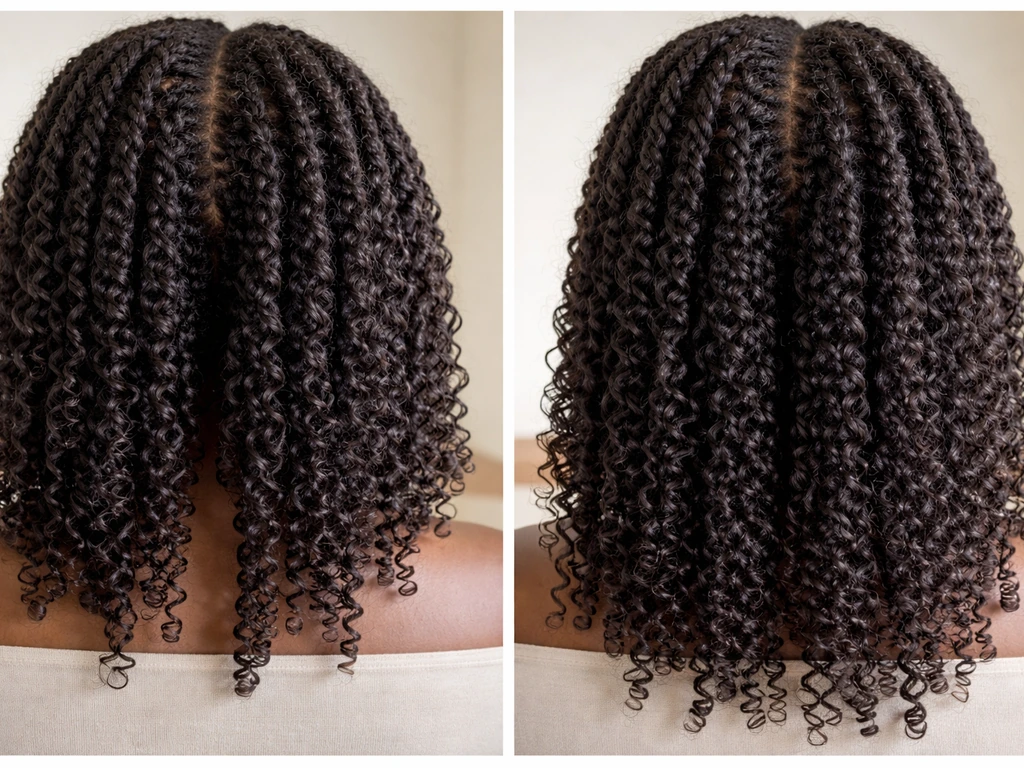
Growth vs. retention: why this difference changes everything
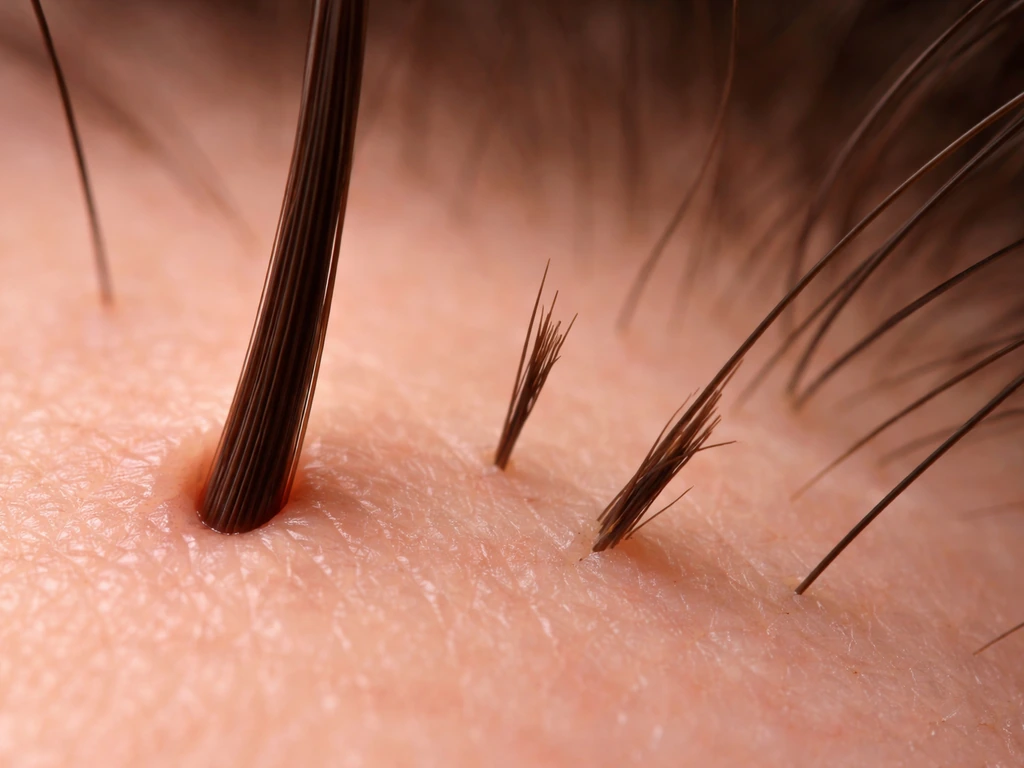
Hair grows from follicles in your scalp during what is called the anagen phase. Research confirms the rate sits around 0.3 mm per day, or about 1 cm (just under half an inch) per month. That is the biology, and it applies regardless of race or hair texture. So if your hair does not seem to be getting longer, the follicle is almost certainly doing its job. What is failing is the strand itself.
Tightly coiled hair has a curved follicle and an elliptical cross-section. Those curves create natural weak points along the strand. Published dermatology research confirms that breakage patterns and mechanical damage are a clinically significant reason Black hair does not retain length, even when growth is perfectly normal. Shrinkage compounds the perception problem: coily hair can shrink 50 to 75 percent of its actual length when dry, so hair that is six inches long can look like it is barely two. You are not imagining things, the length is there, it is just coiled up.
This is why you will hear experienced naturals talk about retention almost more than growth. No serum, oil, or supplement is going to meaningfully speed up your follicle's natural output. What you can actually control is how much of that 1 cm per month you keep. That is where your entire routine should focus.
Assess your hair before you build a routine
Before you change anything, spend a week observing what is actually happening with your hair. This gives you real data instead of guesses.
Identify your hair type and porosity
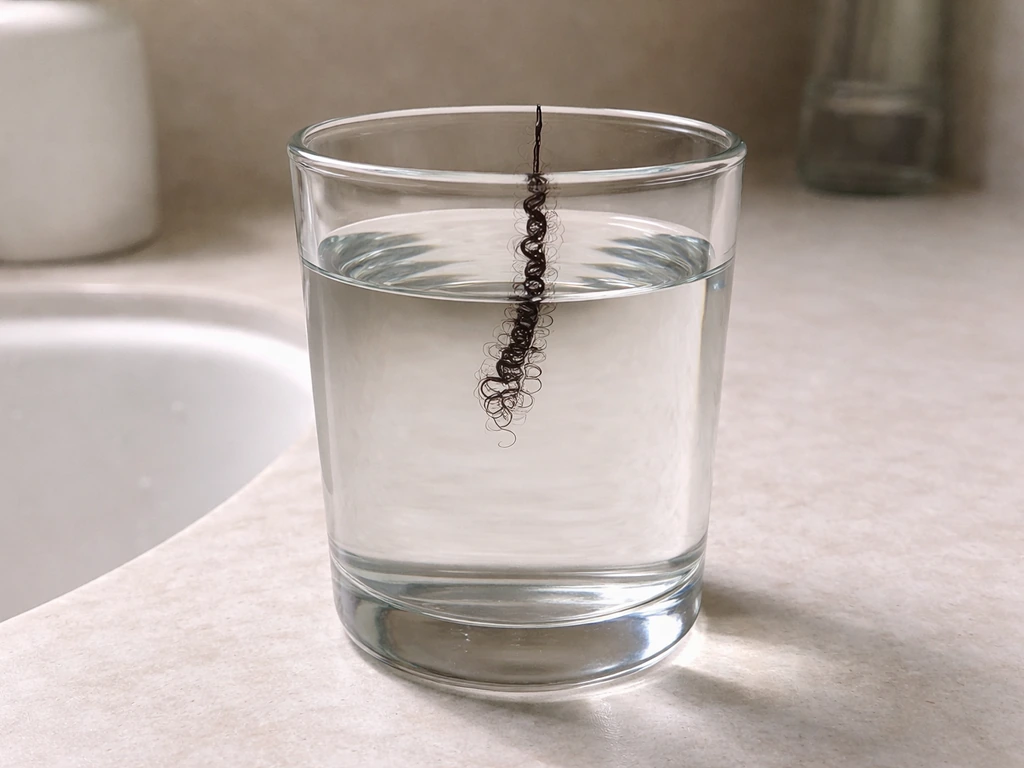
Type 4 hair (4A, 4B, 4C) is the most tightly coiled and the most common among people of African descent, though many people have more than one texture on their scalp. More practically useful than curl pattern is porosity: how well your strands absorb and hold moisture. High-porosity hair soaks up products fast but loses moisture just as quickly. Low-porosity hair repels products at first but holds moisture well once it is absorbed. You can do a rough test by dropping a clean, product-free strand into a glass of water: sinks fast means high porosity, floats for a long time means low porosity. This matters because it should dictate what products and techniques you use.
Spot your growth blockers
Check for these common culprits before assuming a product will fix things:
- Breakage at the ends: hair that splits and snaps from dryness, heat damage, or rough handling
- Breakage at the hairline or crown: often a sign of traction from tight styles or elastic bands
- Scalp buildup or flaking: product residue and seborrheic dermatitis both block healthy follicle function
- Consistent dryness: if your hair always feels brittle regardless of what you put on it, your moisture-seal routine is probably off
- Chemical overlap: relaxers applied too frequently or over previously relaxed hair cause serious structural damage
- Chronic stress, nutritional gaps, or thyroid issues: these systemic factors genuinely suppress the growth cycle
Build your core hair growth routine
There is no magic product. There is a process, and when you repeat it consistently every week or two, it is what builds long healthy hair over time. Here is the framework I recommend and actually use.
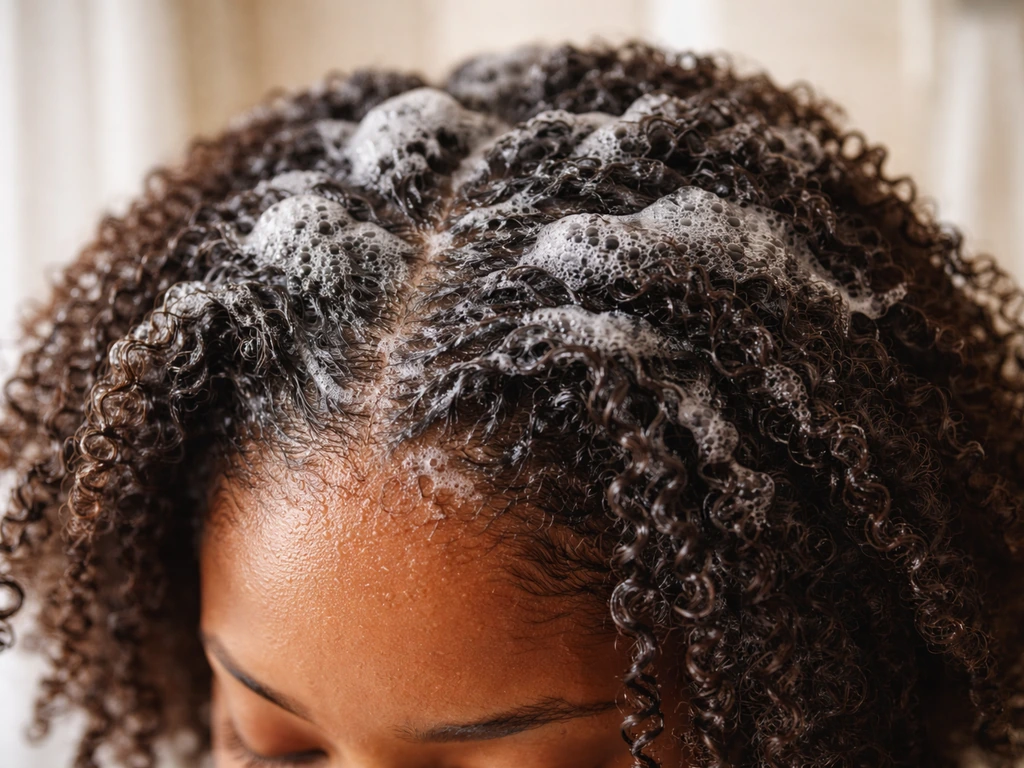
Wash: clean scalp, gentle strands
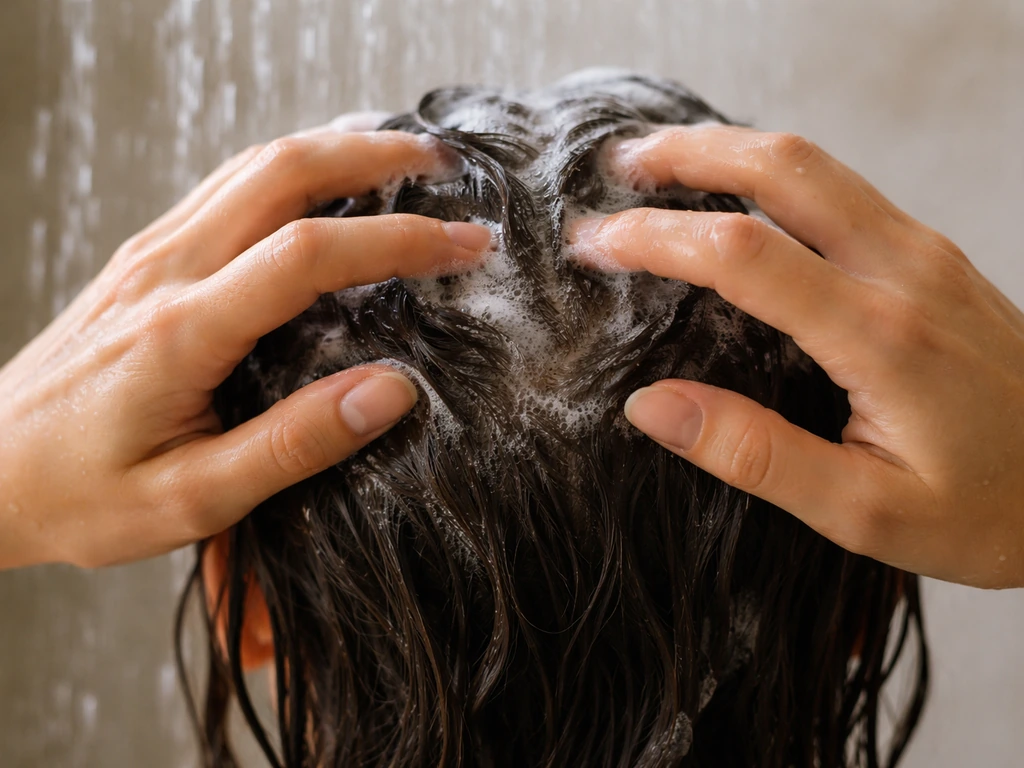
Wash your hair every 1 to 2 weeks with a sulfate-free or low-poo shampoo. A good starting point is using the best shampoo for African American hair needs, especially sulfate-free or low-poo options that support retention sulfate-free or low-poo shampoo. A good routine also includes choosing the best shampoo to support your hair’s retention needs, especially for textured African hair best shampoo to grow african american hair.
If you are wondering which shampoo works best for textured African hair, use this guide to choose the right one shampoo to grow african american hair. Sulfate-free formulas clean without stripping the natural oils your scalp produces, which coily hair desperately needs because those oils have a harder time traveling down the curved shaft. Apply shampoo to your scalp, not your ends, and rinse it through rather than scrubbing the length of your hair.
Over-washing dries coily hair out fast. Under-washing lets buildup smother follicles. Every 1 to 2 weeks is the sweet spot for most people, though active lifestyles or dry scalp conditions may shift that slightly.
Condition: deep condition every single wash
A rinse-out conditioner after every wash is non-negotiable. A deep conditioning treatment (left on for 20 to 30 minutes under a plastic cap, ideally with gentle heat) should happen at least once or twice a month. Look for ingredients like shea butter, cetyl alcohol, behentrimonium chloride, or hydrolyzed proteins. Protein treatments rebuild the structure of weathered strands, but use them sparingly, about once a month, because too much protein makes coily hair stiff and brittle.
Moisturize and seal: the LOC or LCO method
After washing, apply moisture in layers. The LOC method (Liquid, Oil, Cream) works well for high-porosity or very dry hair: start with a water-based leave-in conditioner, follow with a light oil (jojoba, argan, or grapeseed), then lock it in with a cream or butter. Low-porosity hair often does better with the LCO order (Liquid, Cream, Oil) so the lighter cream penetrates first. The goal in both cases is the same: get water into the strand and then seal it there so it does not evaporate. Re-moisturize between washes with a water-based spray and a small amount of oil or cream, especially on your ends.
Detangle: work gently from ends to roots
Detangling is where most mechanical breakage happens. Always detangle on wet, conditioned hair. Start at the ends, work out the knots section by section, and slowly work upward toward the root. Use your fingers first, then a wide-tooth comb if needed. Never yank a fine-tooth comb or brush through dry coily hair. Single-strand knots are normal in tight coils; trim them off with sharp shears rather than forcing through them. Detangling in sections of four to eight, depending on your thickness, keeps the process manageable and reduces stress on the strand.
Scalp care: the foundation everything else sits on
Hair cannot grow well from an unhealthy scalp. This part gets skipped constantly, and it shows up as stalled length and thinning edges.
Keep the scalp clean and clear
Product buildup, dead skin, and sebum accumulation can clog follicles and contribute to inflammation. If you use heavy butters or oils directly on your scalp, expect to clarify more often. A clarifying shampoo every 4 to 6 weeks removes buildup that a regular co-wash or low-poo cannot. If you notice flaking, itching, or redness that does not resolve with regular washing, that is likely seborrheic dermatitis, which needs an antifungal shampoo containing zinc pyrithione, ketoconazole, or selenium sulfide. Treating the underlying condition is more important than any growth product.
Reduce scalp irritation
Fragrance, alcohol, and certain preservatives in products can irritate your scalp and trigger inflammation around the follicle. If your scalp is sensitive, simplify your product stack and check ingredients lists before buying. Apply oils or scalp serums to the scalp sparingly, not in thick layers, since overloading the scalp with oils can be just as problematic as under-moisturizing the strands.
Support circulation
Scalp massage is the one scalp-focused technique with real evidence behind it. Studies have shown that regular scalp massage may increase hair thickness by stretching the follicle cells and improving blood flow to the area. A few minutes of gentle fingertip massage at each wash day, or a few times a week with or without oil, is worth making a habit. Rosemary oil has some promising research behind it as well, with one study comparing it favorably to minoxidil for stimulating growth, though evidence is still building. It is safe, inexpensive, and low-risk to add a few drops to a carrier oil and massage it into your scalp a couple of times a week.
Protective styles that actually help retention
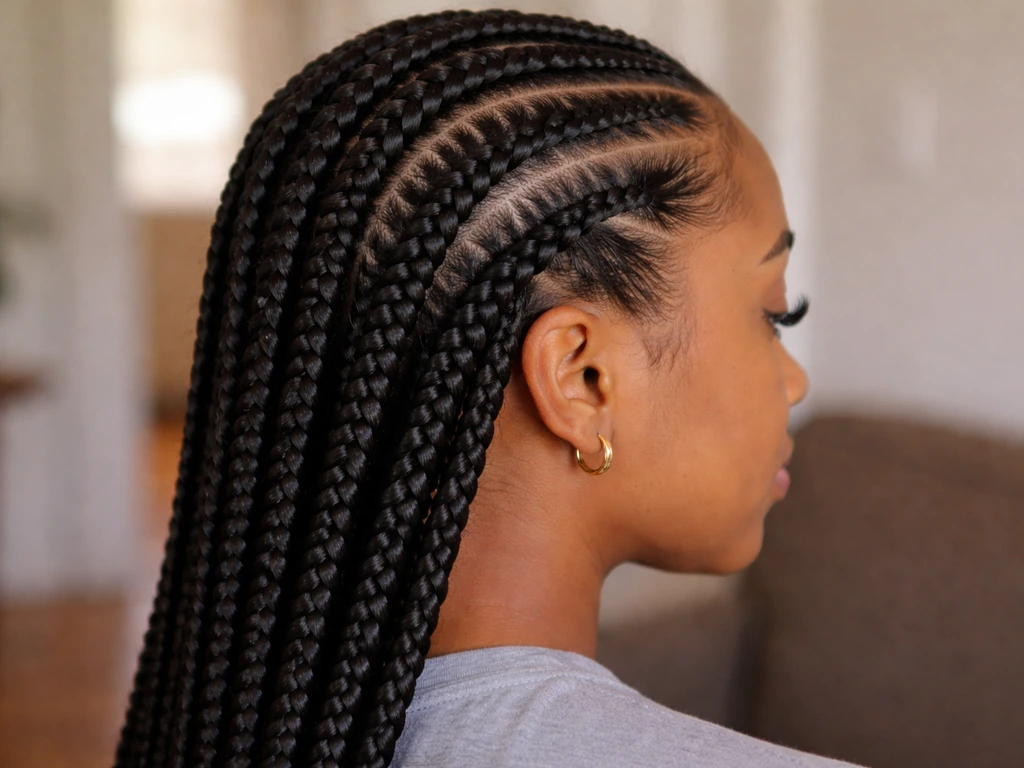
Braids, twists, locs, and weaves do not make your hair grow faster. What they do is reduce the daily manipulation, friction, and exposure to elements that cause breakage. If you are trying to get longer with coarse texture specifically, start with the approach in how to grow coarse african hair as your baseline and then tailor it to your retention blockers. When your ends are tucked away and your hair is not being combed, rubbed, or heat-styled constantly, more of what you grow each month survives to become length. That is the real mechanism, and it is genuinely powerful when done right.
Doing protective styles safely
The single biggest mistake people make with protective styles is installing them too tightly. Tension at the hairline and scalp is the direct cause of traction alopecia. Research from StatPearls confirms that early traction alopecia is often reversible if tension is removed in time, but chronic cases can lead to permanent scarring and follicle destruction. If a fresh style hurts, that is your follicles telling you the tension is too high. Here is how to use these styles safely:
- Install braids, twists, or weaves on clean, well-moisturized hair
- Make sure there is no tension at the hairline or nape, the most vulnerable areas
- Never leave a protective style in longer than 6 to 8 weeks; longer than that leads to matting, manipulation damage on removal, and scalp buildup
- Moisturize your scalp weekly even while in a protective style using a water-based spray or scalp oil
- Sleep with a satin or silk bonnet or on a satin pillowcase to reduce friction overnight
- When removing braids or weaves, take your time; rushing the takedown causes more breakage than the style itself
Locs as a long-term growth strategy
Locs are one of the most effective retention tools available because manipulation is almost zero once they are established. They do require patience in the first year and careful attention to tension at the root during retwisting. Retwist too frequently or too tightly and you risk thinning and breakage at the base. Keep the scalp clean and moisturized and let your loctician know if you feel tightness after any appointment.
What to do (and stop doing) for long healthy hair
| Do this | Stop doing this |
|---|---|
| Deep condition every 1 to 2 weeks | Skipping conditioner to save time |
| Detangle gently on wet, conditioned hair | Combing through dry, unlubricated coils |
| Sleep in a satin bonnet or on a satin pillowcase | Sleeping on cotton pillowcases that wick moisture |
| Trim split ends every 8 to 12 weeks | Avoiding trims because you want length |
| Use heat tools on the lowest effective setting with heat protectant | Flat ironing on 450°F without any protection |
| Wear protective styles with low tension | Installing braids or weaves as tight as possible |
| Keep your scalp clean and irritation-free | Layering heavy products on the scalp between washes |
| Stretch hair gently before styling (banding, threading) | Rough stretching or blow-drying without a diffuser or comb attachment |
Heat: the honest truth
Heat is not the enemy of Black hair growth, but high heat used frequently without protection absolutely is. Flat irons and blow dryers used above 400°F without a heat protectant cause protein denaturation in the strand, meaning the hair structure breaks down. Once a strand is heat-damaged, no product reverses it. Once a strand is heat-damaged, no product reverses it. You can still work on retention and regrowth goals with a focused approach like how to grow damaged african american hair. You can minimize new heat damage by using a good silicone or film-forming heat protectant, keeping your flat iron below 375°F for coily textures, and limiting direct heat to once every few weeks rather than weekly.
Hair growth tips for African American men
Men often start thinking about growing their hair out without much of a framework, and the most common issues I see are buildup from daily product use, too-frequent barbershop visits that cancel out growth, and no moisturizing routine whatsoever. The biology is the same, so the core principles apply, but a few things are worth addressing specifically.
Building a simple men's routine
If you are growing out a TWA (teeny weeny afro) or trying to get your hair past the awkward in-between stage, consistency is everything. Wash every 1 to 2 weeks with a sulfate-free shampoo, follow with a conditioner every time, and apply a light leave-in or moisturizing cream when your hair is still damp. A light oil or butter on top seals the moisture in. That is it. You do not need ten products. You need those three steps done consistently.
Common pitfalls for men growing African hair
- Getting a lineup or taper too frequently: every 2 to 4 weeks for shape is fine, but weekly cuts take away the length you are trying to keep
- Using wave grease or pomade on dry hair without any moisture underneath: this seals dryness in and causes brittleness
- Skipping conditioner because hair is short: short hair still needs moisture and conditioning to remain healthy and grow without breakage
- Wearing durag or wave cap too tightly for too long: this can create tension at the hairline over time
- Picking or combing dry coils without lubrication: use a little water or leave-in first, then pick gently from ends to roots
For men dealing with coarse texture specifically, the approach to building a routine that works is closely related to everything in this guide. Coarse strands tend to need more moisture, not less, so do not be afraid of heavier creams or butters if your hair drinks them up.
Regrowth and troubleshooting: when hair won't come back
If your hair is not growing back in a certain area, or has been noticeably thinning for months, the first thing to do is figure out what category the problem falls into. This is not the time to buy a new growth oil and hope for the best.
Most common reasons hair stops growing back
- Traction alopecia from tight styles, braids, weaves, or hair extensions worn too often or too tightly
- Telogen effluvium: a temporary, diffuse shedding triggered by stress, illness, surgery, significant weight loss, or postpartum hormonal shifts, typically appearing 2 to 4 months after the triggering event
- Chemical damage from overlapping relaxers or overprocessing with color
- Androgenetic alopecia (hormonal hair loss), which affects men and women and typically shows at the crown or temples
- Seborrheic dermatitis or scalp psoriasis causing chronic inflammation around follicles
- Nutritional deficiencies, particularly iron, zinc, vitamin D, and biotin, though biotin deficiency is actually rare in people eating a balanced diet
What you can do right now
If you suspect traction alopecia, stop all tight styles immediately. Early traction alopecia can be reversible once the tension source is removed. Give it at least 3 to 6 months of tension-free care before assessing. If you are dealing with telogen effluvium from stress or illness, address the root cause and know that this type of shedding typically resolves on its own within 6 months. Focus on scalp health, nutrition, and low-manipulation styles in the meantime.
When to see a dermatologist
See a board-certified dermatologist, ideally one who specializes in hair disorders or has experience with textured hair, if you notice bald patches with no obvious cause, a receding hairline over several months, scalp pain or burning, or hair loss that is not responding after 6 months of consistent care. A dermatologist can run bloodwork to rule out thyroid or iron issues, visually assess whether follicles are still intact and capable of regrowth, and prescribe treatments like minoxidil, platelet-rich plasma therapy, or antifungal medications if needed. Getting an accurate diagnosis early protects you from permanent follicle damage.
Realistic expectations and what to track
At 1 cm per month, you are looking at about 6 inches of growth per year under ideal conditions. StatPearls’ “Physiology, Hair” reports scalp hair grows at about 0.35 mm per day, roughly 1 cm per month (about 15 cm per year). For most people starting from a TWA or post-big-chop length, reaching bra-strap or mid-back length takes 3 to 5 years of consistent care. That is not a discouraging timeline, it is a realistic one. People who go in expecting 6 inches in 3 months end up disappointed and constantly switching products chasing a result that the biology does not support.
Track your progress by taking stretched-length photos at the same point each month, not unstretched, because shrinkage will make it look like nothing is happening even when you are retaining well. Measure from your hairline to a fixed point on a section every 4 to 6 weeks. Note changes in breakage, dryness, and how your hair feels after wash day. Those qualitative signals often tell you more than the ruler does.
The path to longer, healthier African hair is not about finding the right product. It is about building a routine that keeps the strand intact from root to tip, protects the scalp, and repeats consistently over time. If you want answers to what helps African American hair grow, focus first on the routine that prevents breakage and protects retention. If you want a focused, step-by-step routine for this goal, see how to grow thick hair for african american in the linked guide. The hair is already growing. Your job is to make sure it stays.
FAQ
How can I tell if my African hair is growing or just shedding less/breaking less?
If your hair feels drier but seems to “thicken” or look fuller after washing, that can be moisture retention plus shrinkage, not new growth you cannot keep. The best way to tell growth versus breakage is to compare monthly stretched-length photos and check how many single-strand knots you are breaking off during detangling.
Is heat really bad for how to grow African hair, or is it okay sometimes?
You can use heat occasionally, but avoid using it to “stretch” hair every week. For coily textures, limit direct heat to when you have a retention reason, use a true heat protectant on clean, detangled hair, and keep temperatures lower (around or under the mid-300s°F) to prevent structural damage that cannot be reversed.
Can I oil my scalp to grow African hair faster without causing buildup?
Yes, but only if the technique supports retention. Clarify your scalp and hair if you use heavy oils or butters, but keep oiling mostly for the ends or for sealing, not for soaking the scalp weekly. A good rule is to clarify when buildup shows up (flaking, itchy film, dull hair), then return to your regular wash schedule.
How often should I use protein treatments for African hair growth and retention?
Protein frequency depends on what your hair is actually doing. If your hair feels hard, rough, or snaps when wet, you likely overdid protein. If it feels mushy and stretches too much before detangling, it may need protein. A practical adjustment is to do deep conditioning after protein and keep protein treatments to about once a month unless your hair signals otherwise.
What should I prioritize when picking products, porosity or curl pattern?
Choose based on your scalp and porosity, not just curl type. High-porosity hair usually needs lighter, more frequent moisture control and sealing to slow evaporation, while low-porosity hair often needs better penetration (and may respond better to LCO layering). If you keep switching products, you will not learn which step is failing, so keep one routine stable for 6 to 8 weeks.
How often should I detangle if my goal is longer African hair?
You do not need to detangle daily to grow longer. Detangle less often but more gently, detangle on wet, conditioned hair, and use sectioning (4 to 8 sections) so you reduce stress per strand. If you must freshen up between washes, mist with water-based spray and a light leave-in/cream, then avoid combing the whole head.
What makes a protective style help versus hurt hair growth?
Protective styles support retention, but the key variable is tension at the roots and ongoing maintenance. If you feel headaches, tightness, or sharp pulling after installation, loosen immediately. Also plan a realistic re-twist or retightening schedule based on your hair growth and your loctician’s method, because frequent, tight redoing can thin the base.
What signs mean I should see a dermatologist instead of adjusting my hair routine?
If you have a visible bald patch, scalp pain, burning, or rapid recession over months, do not try to “grow it back” with oils alone. Stop tight styles right away if traction is possible, then book a board-certified dermatologist, ideally one experienced with textured hair, so they can check causes like traction alopecia, inflammatory scalp conditions, thyroid, or iron-related issues.
How should I measure progress for how to grow African hair if shrinkage is messing with my results?
Tracking helps most when you measure the same way each time. Use stretched-length photos at the same date interval, same lighting, and same stretching method. Measure from hairline to a fixed point on a section every 4 to 6 weeks, and record breakage and detangling difficulty, because those often reveal retention changes before length changes.
How do I find the correct wash schedule for retention with African hair?
The “right” wash frequency depends on your scalp condition and product buildup. Over-washing can increase dryness, under-washing can increase blockage, so start at every 1 to 2 weeks, then adjust based on flaking, itching, and how your hair behaves on wash day. If you have seborrheic dermatitis symptoms, you may need antifungal shampoo on a schedule rather than more frequent regular washes.
Next Article
Best Shampoo to Grow African American Hair: What Works
Find the best shampoo for Black and afro hair growth goals by boosting scalp health, reducing breakage, and keeping mois