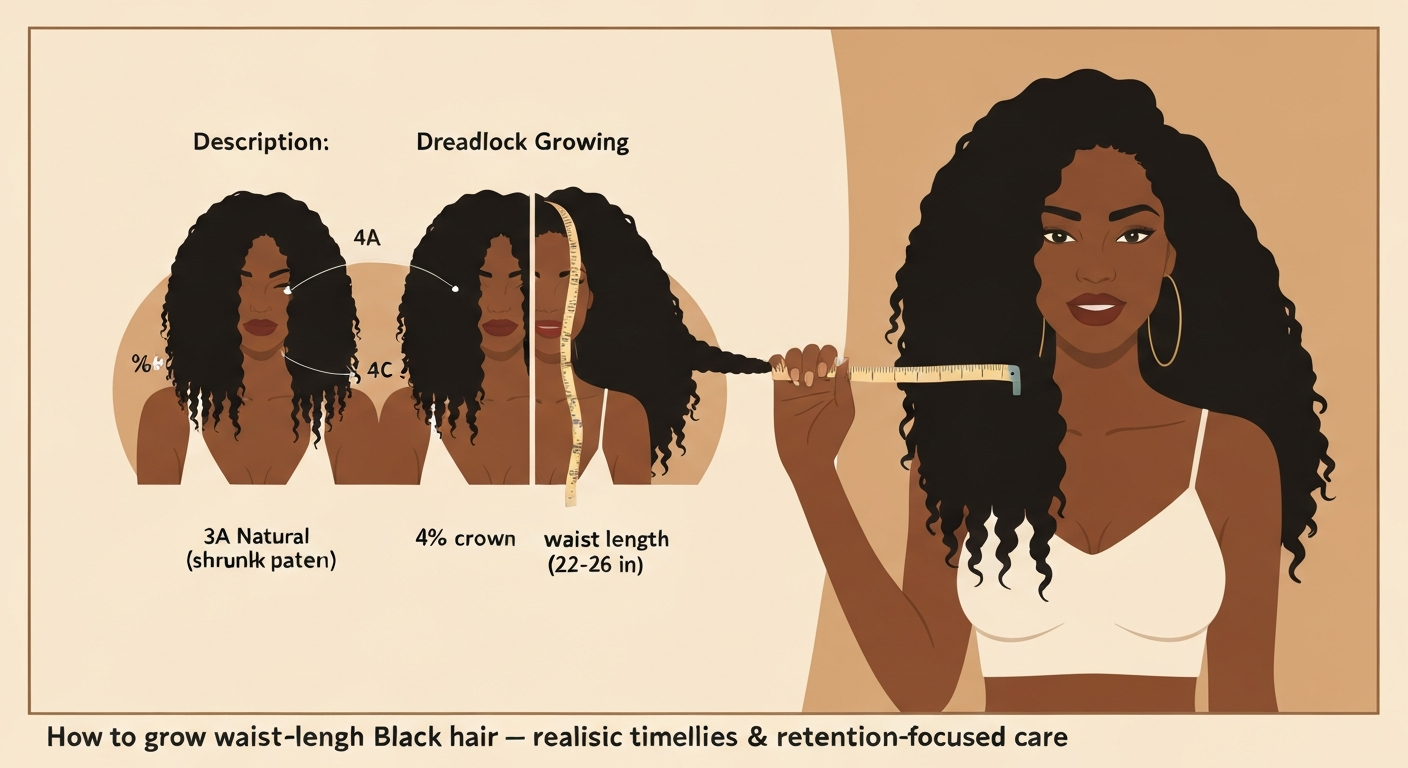
Growing curly hair longer comes down to two things: how fast your scalp produces new hair, and how much of that hair you actually keep. Most people focus entirely on the first part and ignore the second, which is where almost all the real progress happens. The truth is, your follicles grow hair at roughly 1 cm per month, and no serum, supplement, or scalp massage is going to dramatically change that number. What you can change is how much length you retain by reducing breakage, managing moisture and protein balance, and protecting your strands. That is the whole game.
How to Grow Curly Hair Longer Faster: Evidence-Based Guide

Simone Okonkwo
22 Apr 2026
Realistic expectations: what "faster growth" actually means
Let's be direct about the biology. Research consistently puts average scalp hair growth at around 1 cm per month, with a wide individual range of roughly 0.6 to 3.36 cm per month depending on genetics, age, health, and other factors. That range is real, which means some people do grow faster than others, but it is driven by your follicle biology, not a product on a shelf. Scalp hair also goes through growth cycles: an active growth phase called anagen, a transitional catagen phase, and a resting telogen phase. Healthline notes that, at any given time, about 90% of hair follicles are in the anagen phase, about 1% in catagen, and about 9% in telogen hair follicles spend most of the time in anagen, about 1% in catagen, and about 9% in telogen. How long your anagen phase lasts is largely what determines how long your hair can ultimately get, and that too is mostly genetic.
When people say they want to grow their curly hair "super fast," what they usually mean is that they want to see more length over the next few months. The honest answer is: you will see about 1 to 1.5 inches of new growth per month coming from your scalp, regardless of what you do. What you can genuinely speed up is how much of that growth survives as length, because curly and coily hair is structurally more prone to breakage than straight hair. The curl pattern creates points of stress along the strand, and once moisture is low, those points snap. So "growing faster" in practice means protecting your existing length aggressively.
A word on supplements: biotin is the most heavily marketed hair growth supplement, but clinical evidence does not support taking it if you are not deficient. StatPearls and the American Academy of Dermatology both note that biotin supplementation has not been shown in trials to improve hair quality or quantity in healthy individuals, and high doses can actually interfere with certain lab tests. Rosemary oil has some small trial evidence in hair-thinning contexts, but results are mixed and it is not proven to accelerate growth in healthy people. Save your money for products that actually help with moisture and conditioning, which we will get into.
A curly-hair length plan: growth, retention, and breakage control
Think of your length journey as three simultaneous jobs running at once: supporting new growth at the scalp, retaining the length already on your head, and preventing breakage before it happens. Neglect any one of those and you will feel stuck at the same length for years even though your hair is technically growing every single month.
For curly hair specifically, retention is the biggest challenge. Chemical stressors like dye and bleach, physical stressors like aggressive combing and heat, and environmental dryness all create structural damage: micro-cracks and holes in the cuticle that weaken the strand and make it snap under tension. This is especially relevant for textured and coily hair types, which tend to have a flatter, oval-shaped cross-section that makes the cuticle layer more vulnerable at the curves of the curl. Understanding that is liberating because it means most of the factors causing your hair not to grow longer are within your control.
- Scalp health: keep the scalp clean, well-circulated, and free of product buildup so follicles cycle properly
- Strand strength: use a balanced moisture and protein routine to prevent the mechanical weakening that leads to mid-shaft snaps
- Length retention: minimize manipulation, heat, and chemical stress so the inches your scalp produces actually stay on your head
- Trim strategy: remove split ends on a schedule to stop damage from traveling up the shaft, but avoid over-trimming and losing the growth you worked for
Moisture + protein + conditioning routine for longer, stronger curls
Curly hair needs more moisture than straight hair because the natural oils from your scalp have a harder time traveling down the spiraled shaft. If your curls feel dry, brittle, or break easily, moisture is almost always part of the problem. But moisture alone is not enough. Protein gives the hair strand its structural integrity, and without it, over-moisturized hair becomes soft and mushy and breaks just as easily. The goal is balance.
How to read what your hair needs

Do a simple stretch test on a wet strand. If it stretches a lot before breaking, or does not spring back, your hair may need protein. If it snaps quickly with almost no stretch, it likely needs moisture. Most curly hair benefits from a routine that prioritizes moisture daily and adds protein treatments every two to four weeks depending on your hair's condition and porosity. High-porosity hair, common in chemically processed or heat-damaged curls, loses moisture quickly and often needs more frequent protein support.
Building your moisture routine
The LOC or LCO method works well for most curly types: apply a liquid (usually water or a water-based leave-in), then a cream, then seal with an oil. This layering locks moisture into the strand rather than letting it evaporate. For coilier textures that lose moisture very quickly, sealing with a heavier butter like shea can make a significant difference in how long moisture lasts between wash days.
Using protein correctly
Hydrolyzed protein conditioners can temporarily restore some of the lost protein in a damaged strand and improve its strength and feel. The key word is temporarily: research on hair conditioning confirms the effect washes out and needs to be reapplied regularly. That is not a flaw, it is just how hair care works. Look for conditioners or treatments containing hydrolyzed keratin, wheat protein, silk amino acids, or rice derivatives. Use a protein treatment after clarifying or after any chemical service. Do not use heavy protein treatments every wash day, especially if your hair is not high porosity, because too much protein makes hair stiff and brittle.
Deep conditioning is non-negotiable
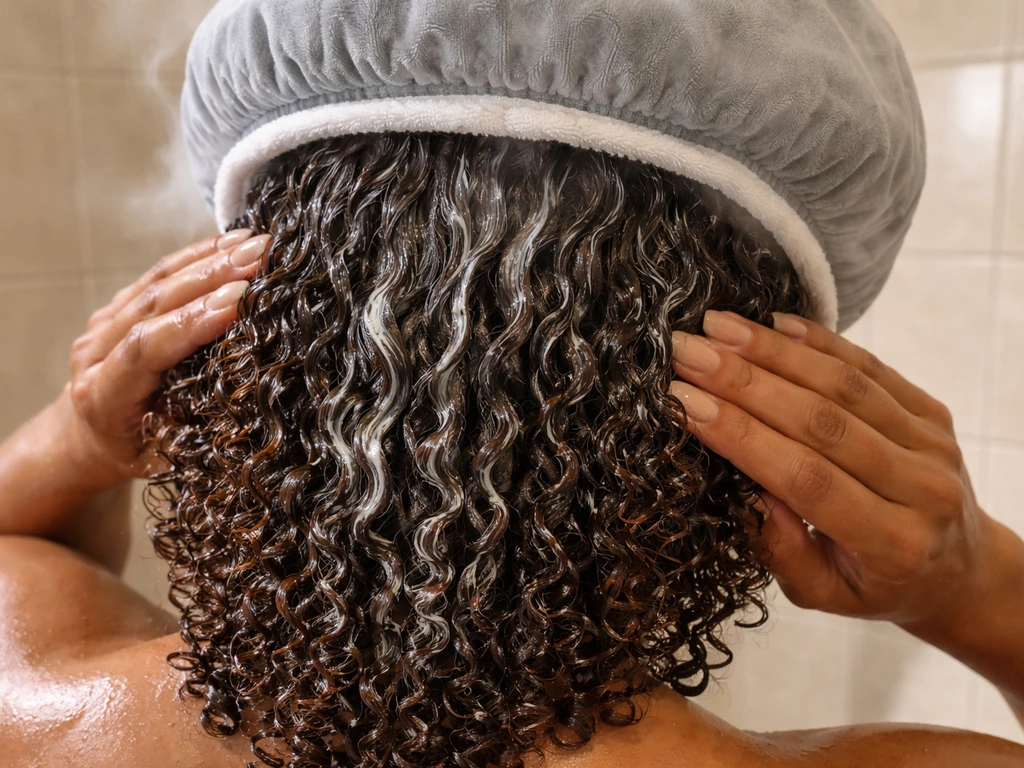
A weekly or biweekly deep conditioning session is one of the most consistent things you can do for length retention. Apply a rich, moisturizing deep conditioner, add heat with a hooded dryer or steam cap for 20 to 30 minutes, and rinse thoroughly. The heat opens the cuticle slightly, letting the conditioning agents penetrate better. This single habit, done consistently over several months, makes a measurable difference in how elastic and resilient your strands feel.
Protective styling and low-manipulation strategies (and what to avoid)
Protective styles like braids, twists, locs, and weaves are often credited with making hair grow faster, and while that is not technically accurate, they absolutely can help you retain more length. When your hair is tucked away and not being touched, detangled, or exposed to friction every day, breakage drops significantly. The growth that your scalp produces every month has a much better chance of staying on your head. That is why people often see more length after a stint in protective styles, not because the style sped up growth but because it drastically reduced the breakage that was erasing growth.
The catch is that protective styles can also cause harm when done incorrectly. Tension at the hairline and edges is the leading cause of traction alopecia, which is actual follicle damage that can lead to permanent hair loss. The British Association of Dermatologists specifically advises leaving the delicate hairs at the periphery out of tight braids to reduce the risk of traction at this common problem site. Clinical guidance also recommends choosing loose braids around the hairline rather than tight ones and avoiding styles that pull on chemically processed hair, which is already structurally weaker.
Protective styling done right

- Keep braids and twists loose, especially at the hairline and nape, where follicles are most vulnerable to tension damage
- Do not wear the same protective style for more than 6 to 8 weeks without removing, washing, and giving your scalp a rest
- Keep the scalp moisturized and clean while in a protective style using a diluted shampoo or spray and a light oil
- Avoid adding excessive synthetic hair weight, which increases the pull on your follicles
- Moisturize and seal your ends before installing, since ends are the oldest and most fragile part of your hair
Low-manipulation styles between protective styles
You do not have to be in a protective style 100 percent of the time. Wash-and-go styles, braid-outs, and twist-outs all count as lower-manipulation options when done on well-moisturized hair and without aggressive combing. The rule of thumb is simple: the less you touch your hair, the less you break it. Detangle only when hair is wet and coated with conditioner, work in sections from ends to roots, and use your fingers or a wide-tooth comb rather than a fine-tooth comb or brush on dry hair.
What to avoid
- Daily heat styling without a heat protectant, which creates micro-cracks in the cuticle that worsen over time
- Bleaching or frequent coloring, which significantly raises hair porosity and makes strands far more prone to breakage
- Tight ponytails or buns on the same spot every day, which create consistent tension stress at that point
- Combing or detangling dry, un-moisturized curls, especially coily textures
- Sleeping on a cotton pillowcase without a satin bonnet or silk pillowcase, which causes friction and snagging overnight
How to thicken curls while growing longer (volume vs breakage)
A lot of people searching for longer hair are also after thicker-looking hair, and those two goals are closely linked. The appearance of thinness in curly hair often comes from breakage creating a tapered, see-through look at the ends rather than any actual lack of hair density. So the same practices that build length, reducing breakage and improving moisture and protein balance, also thicken the look of your hair over time.
True hair density (the number of follicles on your scalp) is genetic and cannot be changed by topical products. But you can absolutely improve the appearance of thickness by keeping your strands strong and intact from root to tip. Fuller ends make a dramatic difference in how voluminous your hair looks. If your ends are consistently thin and wispy, that is breakage, and the fix is retention, not a thickening serum.
There is also a shrinkage factor to address for naturally curly and coily hair. Depending on your curl pattern, your hair may appear significantly shorter than it actually is when dry. A 4c curl pattern, for example, can shrink to as little as 25 percent of its actual stretched length. This is completely normal and is a sign of healthy, well-moisturized curls. Stretched styles like braid-outs, twist-outs, and banding show more length without the damage of heat. If your goal is to demonstrate length, think in terms of stretched styles rather than always chasing a diffused wash-and-go for length comparison.
At-home regimen: step-by-step weekly schedule and product/technique guidance
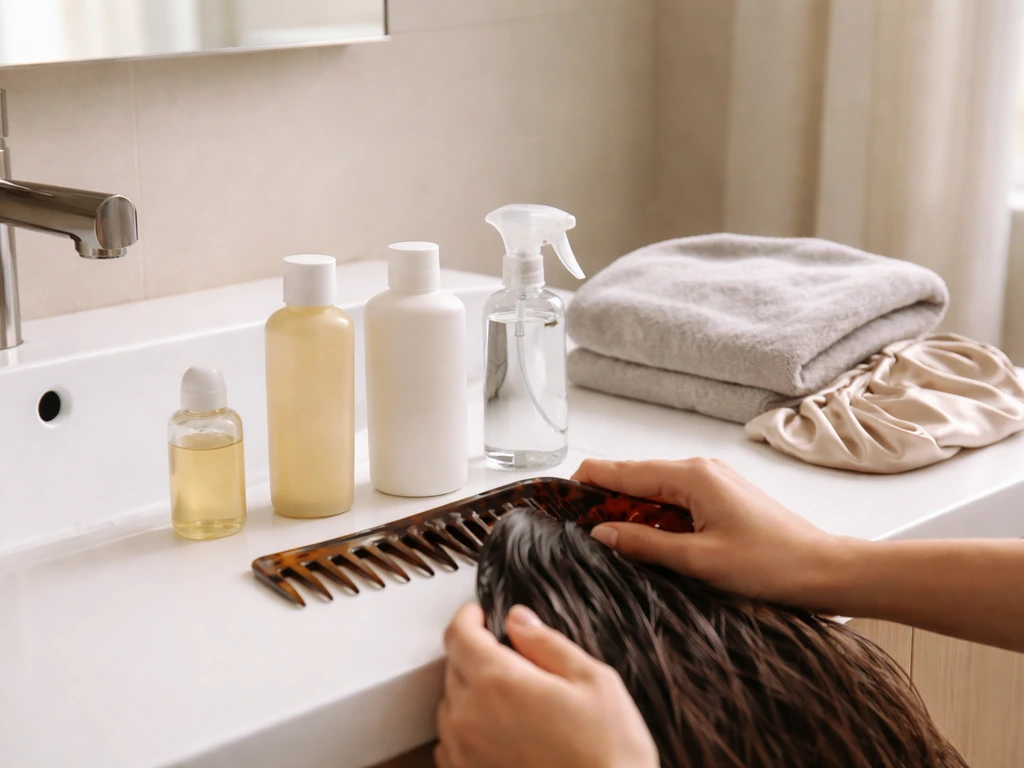
Consistency over months beats the perfect product used once. Here is a practical weekly framework you can adjust based on your schedule and hair type. This is written for someone washing once or twice a week, which is appropriate for most curly and textured hair types.
Wash day (once or twice a week)
- Pre-poo (optional but helpful for dry or high-porosity hair): apply a light oil like coconut or olive oil to dry hair 30 to 60 minutes before washing to reduce hygral fatigue and protect strands during shampooing
- Shampoo: use a sulfate-free or low-sulfate shampoo to cleanse without stripping. Clarify with a chelating or sulfate shampoo once a month to remove mineral and product buildup
- Detangle: apply conditioner generously and detangle in sections with your fingers or a wide-tooth comb, working from ends to roots while the hair is wet and slippery
- Deep condition: apply a moisturizing deep conditioner, cover with a plastic cap, and sit under a hooded dryer or steam cap for 20 to 30 minutes. Add a protein treatment in place of or alongside your deep conditioner every 2 to 4 weeks
- Rinse and apply leave-in: rinse with cool water to help close the cuticle, then apply a water-based leave-in conditioner while hair is still soaking wet
- Seal with LOC or LCO: layer a cream and then an oil (or oil then cream, depending on your porosity) to lock in moisture
- Style: braid, twist, or diffuse as desired. Avoid tight styles at the hairline
Between wash days
- Refresh daily or every other day: lightly mist hair with water and a leave-in mix, then seal with a small amount of oil or butter to keep moisture levels up
- Sleep protection every night: wrap hair in a satin bonnet, satin-lined cap, or sleep on a silk pillowcase to prevent friction breakage
- Hands off: the less you manipulate your hair between wash days, the less breakage you will see
Monthly
- Clarify with a sulfate or chelating shampoo to remove mineral deposits, product buildup, and hard water residue that can block moisture absorption
- Assess your ends: dust or trim split ends to prevent damage traveling up the strand. A small trim of 1/4 to 1/2 inch every 8 to 12 weeks is usually enough to stay ahead of splits without sacrificing significant length
- Scalp massage: a few minutes of scalp massage with a lightweight oil at least once a week supports circulation. It is not proven to dramatically speed up growth, but it is low risk, feels good, and helps distribute natural oils
Products worth using
| Product Type | What to Look For | What to Avoid |
|---|---|---|
| Shampoo | Sulfate-free for regular use; sulfate or chelating for monthly clarifying | Shampoos with heavy silicones if you are not clarifying regularly |
| Leave-in conditioner | Water-based, lightweight; first ingredient should be water | Alcohol-heavy formulas that dry out the strand over time |
| Deep conditioner | Humectants like glycerin and honey; emollients like shea and avocado | Formulas without slip that are difficult to work through the hair |
| Protein treatment | Hydrolyzed keratin, wheat, silk, or rice proteins | Overuse on low-porosity hair or hair that is already stiff |
| Sealing oil/butter | Jojoba, avocado, or shea for moisture sealing | Mineral oil or petrolatum if they cause buildup on your scalp |
Timelines: how long curly hair takes to grow out + how to track progress
At roughly 1 cm (about half an inch) of new growth per month, you are looking at around 6 inches of growth per year from your scalp. With strong retention practices, most of that growth stays. Without them, you can end up with minimal net length gain even after a full year, because breakage is erasing nearly as much as your follicles produce. That is why so many people feel stuck at a length plateau for years.
If you are growing out a short cut, expect about 3 to 4 inches of growth in the first six months with a solid retention routine. Reaching shoulder length from a short crop typically takes 1.5 to 2 years for most people. Mid-back and waist-length goals for curly hair are realistic but can take 4 to 7 years or more depending on individual growth rate, anagen phase length, and how well you retain. For people targeting longer lengths, the topic of growing curly hair to waist length deserves its own deep dive because the retention strategy at that stage is significantly different. If you are looking for a community-tested routine and tips, many people also discuss how to grow curly hair on Reddit how to grow curly hair reddit. Mid-back and waist-length goals for curly hair are realistic, but they require a tailored retention strategy how to grow curly hair to waist. If you have a 3B curl pattern and you want to know the exact retention-focused steps to maximize length over time, this guide on how to grow 3b curly hair can help you plan the routine. To learn the exact steps for coily hair, follow the rest of this guide on how to grow coily hair growing curly hair to waist length. If you want, you can also explore the best products to grow curly hair to waist length, because what works changes as your hair gets longer.
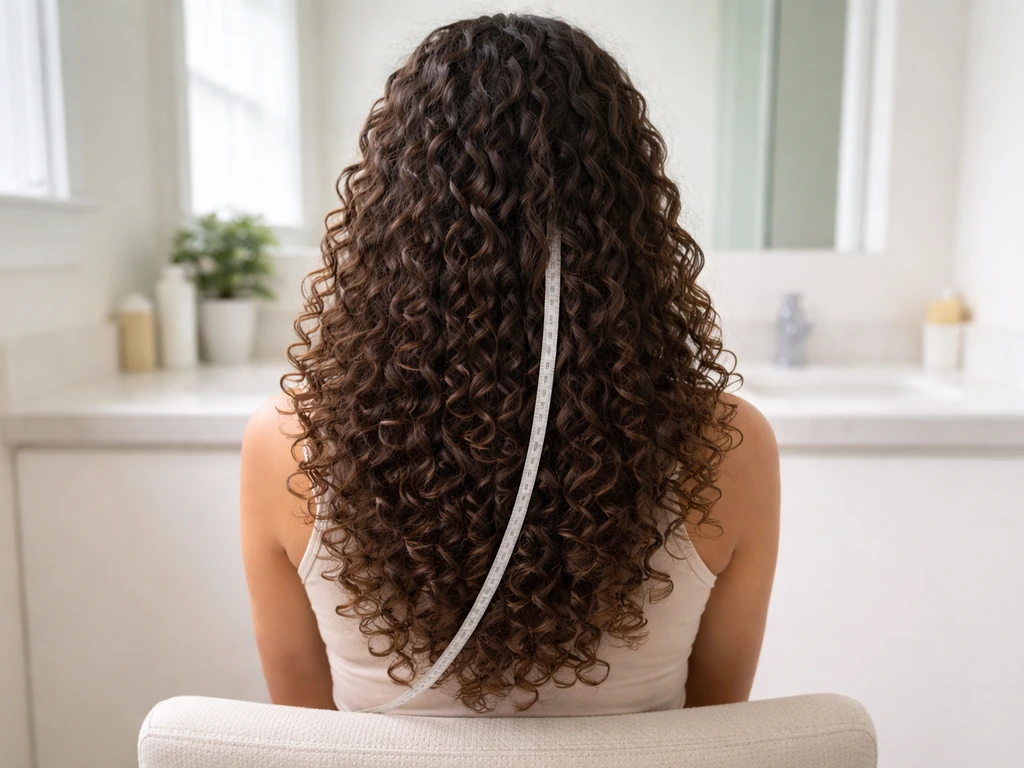
For coily hair types, shrinkage means your actual length is always more than what you see when your hair is dry. Always measure stretched length for an accurate picture of your progress, not shrunken length. You can do this by gently stretching a section of hair and placing a flexible tape measure alongside it, or by measuring a braid-out or twist-out when fully dry.
How to track your progress accurately
- Take monthly photos in the same lighting, same style (stretched or pulled straight), and same reference point (like a landmark on your back or shoulder) so comparisons are consistent
- Measure a specific section, usually the back, with a flexible tape measure while hair is stretched, on the same day each month
- Keep a simple log of your measurements so you can see actual numbers over time rather than relying on visual memory
- Note how your hair feels, not just how long it is: improved elasticity, fewer breakage hairs on your hands during styling, and less shedding on wash day are all signs your routine is working even before major length changes are visible
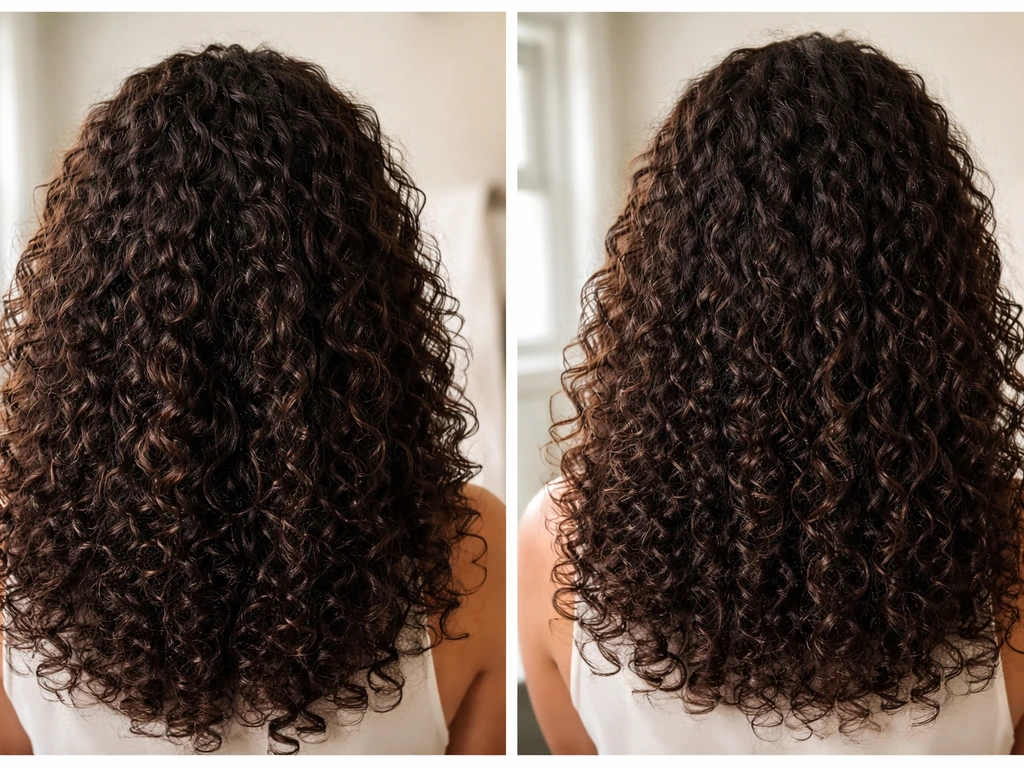
One thing that trips people up is expecting to see dramatic change month to month. Monthly measurements will usually show modest gains. The real reveal happens at the 3-month, 6-month, and one-year marks, when the cumulative effect of consistent moisture, reduced breakage, and protective styling becomes undeniable in photos. Stick with the routine for at least 90 days before deciding whether it is working.
If your hair is not growing at all, meaning you see zero new growth at the scalp, that is a different conversation than breakage. Genuine growth stalls can point to underlying health factors including nutritional deficiencies, thyroid issues, hormonal changes, or scalp conditions that warrant a visit to a dermatologist rather than a new product. Similarly, if you are experiencing significant shedding (more than 50 to 100 hairs per day over an extended period), that is a cycling disruption issue, not a retention issue, and it needs clinical evaluation. For those with damaged curls already dealing with significant breakage history, a focused recovery approach is a solid starting point before implementing a full growth regimen. If you are dealing with significant breakage, this guide on how to grow damaged curly hair can help you recover and retain length as you rebuild strength.
FAQ
How can I tell if my hair is actually growing or just breaking less?
Track two measurements: scalp regrowth (measure new growth at your part or hairline after 4 to 8 weeks) and length retention (measure stretched length from root to end). If scalp regrowth stays the same but stretched length increases, you are winning on retention, not growth speed.
What’s the best way to measure curly hair length so it isn’t misleading?
Measure on fully detangled, detangled and conditioned, stretched hair (banding, braid-outs, twist-outs, or gentle finger stretch) and record the same method each time. Dry, shrunken measurements will make progress look slower, especially for 4c coils.
Should I clarify my hair before starting a moisture-protein routine?
Often, yes, if your hair feels coated, dull, or the protein or conditioner no longer seems to “penetrate.” Clarify and then start your first protein or moisture treatment cycle, since product buildup can mimic dryness and make breakage look like a “growth” problem.
How frequently should I use protein if I’m trying to grow curly hair longer?
A practical rule is every 2 to 4 weeks when you are rebuilding strength, then back off to monthly or as-needed once your curls feel elastic again. If your hair becomes stiff, tangly, or snaps on stretch, reduce protein frequency and re-center on moisture.
Can I use oils to help my hair grow longer?
Oils usually help by reducing moisture loss and improving slip, they do not change follicle growth rate. If your routine already includes leave-in and a seal, adding more oil won’t necessarily increase length, focus on consistent application to the mids and ends.
Is rosemary oil actually worth using for longer curly hair?
If you enjoy it and tolerate it well, it can be a low-cost trial for thinning contexts, but it should not be expected to accelerate growth in healthy hair. Introduce it carefully (diluted) and judge results after about 3 to 4 months, otherwise stick to moisture and retention priorities.
What should I do if my hair stretches a lot but still breaks?
High stretch with ongoing breakage can happen when the strand is overly conditioned or not adequately coated, or when tangles are breaking it during detangling. Check your handling (detangle with slip, in sections, ends first) and consider adding a small protein boost rather than only adding more moisture.
What does “porosity” mean for growing curly hair longer, and how do I use it?
Porosity is how quickly your hair absorbs and loses water. If your hair dries fast or feels rough soon after washing, it is likely high porosity, you may need more frequent sealing and protein support. If it stays wet a long time, start lighter on protein and focus on moisture balance.
Do I need to change my routine during hot weather or winter?
Yes, humidity and dryness can change how your hair behaves, even if it is the same products. In dry or cold months, increase sealing and deeper conditioning frequency, in humid months watch for over-softness or swelling that can increase tangling and breakage.
Will heat protect my hair from damage if I want to style for length?
Heat protection reduces damage but does not eliminate it, repeated heat still increases micro-cracks over time. If you use heat, keep it occasional, lower temperatures, focus on smoothing the least amount needed, and do a deep conditioning plus protein balance treatment afterward.
How tight is too tight for protective styles at the hairline?
If you feel consistent pulling, see tension at the edges, or your hairline hairs look thinned or tufted after removal, the style is too tight. Keep braids loose at the periphery, avoid repeated tight styles, and stop if you get soreness or traction symptoms.
Can protective styles cause breakage even if they reduce daily detangling?
Yes, friction at the scalp and around the ends can still cause breakage, especially if hair is not moisturized before styling or if ends are left unsealed. Reapply leave-in and seal, and handle the style gently when washing or touching up.
What’s a safe detangling approach to improve length retention?
Detangle only when hair is wet and coated with conditioner or leave-in, work in sections, start at the ends, and use fingers or a wide-tooth comb. Detangling when dry or in-between wash days is one of the fastest ways to undo growth progress via snap and split ends.
If I see shedding, does that mean my hair is not growing?
Not necessarily. Shedding is normal in cycles, but if you notice a major increase over several weeks, or clumps that keep occurring, it may be a scalp or cycling issue rather than retention. Compare before-and-after scalp condition (dandruff, irritation, tight styles) and consider a dermatologist evaluation if it persists.
What should I do if I truly see zero new growth at the scalp?
Zero scalp regrowth usually indicates a medical or scalp problem, not a styling issue. If you truly do not see new hairs over 8 to 12 weeks, especially with itching, burning, scaling, or sudden texture changes, get assessed by a clinician rather than switching products.
Next Article
How to Grow Waist-Length Black Hair: Evidence-Based Guide
How to grow and retain waist-length Black hair: realistic timelines, routines, protective styles, and evidence-basedTips