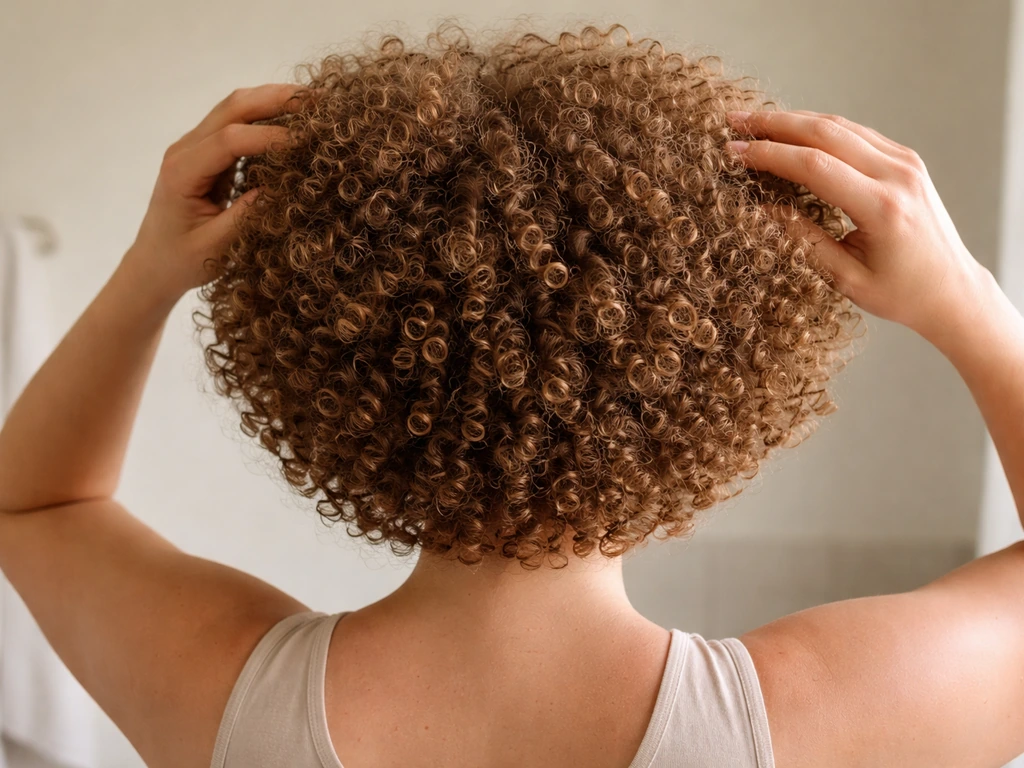
Yes, afro hair absolutely can grow long. The biology is the same as any other hair type: follicles produce a shaft, and given enough time and retention, that length accumulates. The real issue is not whether it grows, it is whether the length you are producing every month is actually staying on your head. For most people with 4C or tightly coiled hair, the problem is retention, not growth rate. Once you understand that distinction, the whole picture changes.
Can Afro Hair Grow Long? Realistic Length, Rate, and Tips

Simone Okonkwo
20 Jun 2026
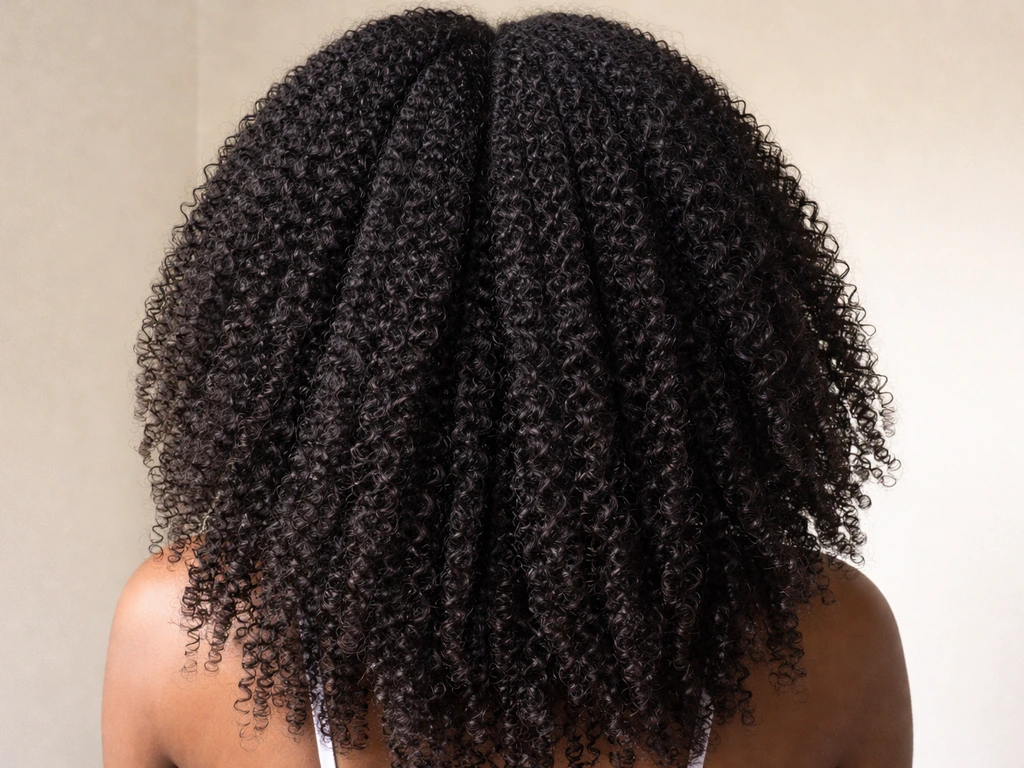
Does afro hair grow, and what does 'grow' actually mean
Hair growth happens inside the follicle, beneath the skin. The follicle cycles through three main phases: anagen (active growth), catagen (a brief regression period), and telogen (resting and shedding). On a healthy scalp, the vast majority of follicles are in anagen at any given time, with only a small fraction in catagen or telogen. This is true regardless of hair texture, curl pattern, or ethnicity.
So when someone says their afro hair 'does not grow,' what they almost always mean is that it does not seem to get longer. The follicle is usually doing its job fine. The shaft is being produced. But because tightly coiled hair is fragile at the curl bends, prone to dryness, and susceptible to breakage from friction and handling, the length that gets produced often breaks off before it gets a chance to show. Growth is happening at the root; the problem is length retention at the ends.
How long can afro hair actually get
There is no hard ceiling specific to afro or 4C hair. Length potential is largely determined by the anagen (growth) phase duration, which for scalp hair runs for several years before a follicle rests and sheds. With a multi-year growth window and a rate of roughly 1 cm per month, the theoretical maximum for most people runs well past shoulder length and into back or waist length territory over time.
In practice, most people with tightly coiled hair never see that length because of chronic breakage canceling out monthly gains. But it is not theoretical: there are well-documented examples of people with 4C hair growing to waist length and beyond. The variables that separate them from someone stuck at the same length for years are almost always retention habits, not follicle output. If you are curious about the specific products and ingredients that support that retention, that is worth exploring alongside the growth fundamentals covered here.
How fast does afro hair grow
Research consistently puts scalp hair growth at roughly 0.34 to 0.38 mm per day, which works out to about 1 cm per month or around 6 inches per year. That figure comes from phototrichogram studies and is broadly consistent across hair types. Some individuals grow a bit faster, some slower, and factors like age, nutrition, hormonal status, and genetics all play a role. But the idea that afro or Black hair grows significantly slower than other hair types is not supported by the evidence in a straightforward way. What does differ is the shrinkage, the structural vulnerability, and the moisture needs, all of which affect how much of that monthly centimeter you actually keep.
Things that can genuinely slow your growth rate include nutritional deficiencies (especially iron, protein, and B vitamins), thyroid dysfunction, chronic stress pushing follicles into the telogen phase early (telogen effluvium), and scalp conditions that interfere with follicle function. Stress can also contribute to telogen effluvium, where significant stress pushes a large number of follicles into the resting (telogen) phase chronic stress pushing follicles into the telogen phase early (telogen effluvium). These are medical issues worth taking seriously, not just styling problems.
Why afro hair grows up, shrinks, and looks shorter than it is
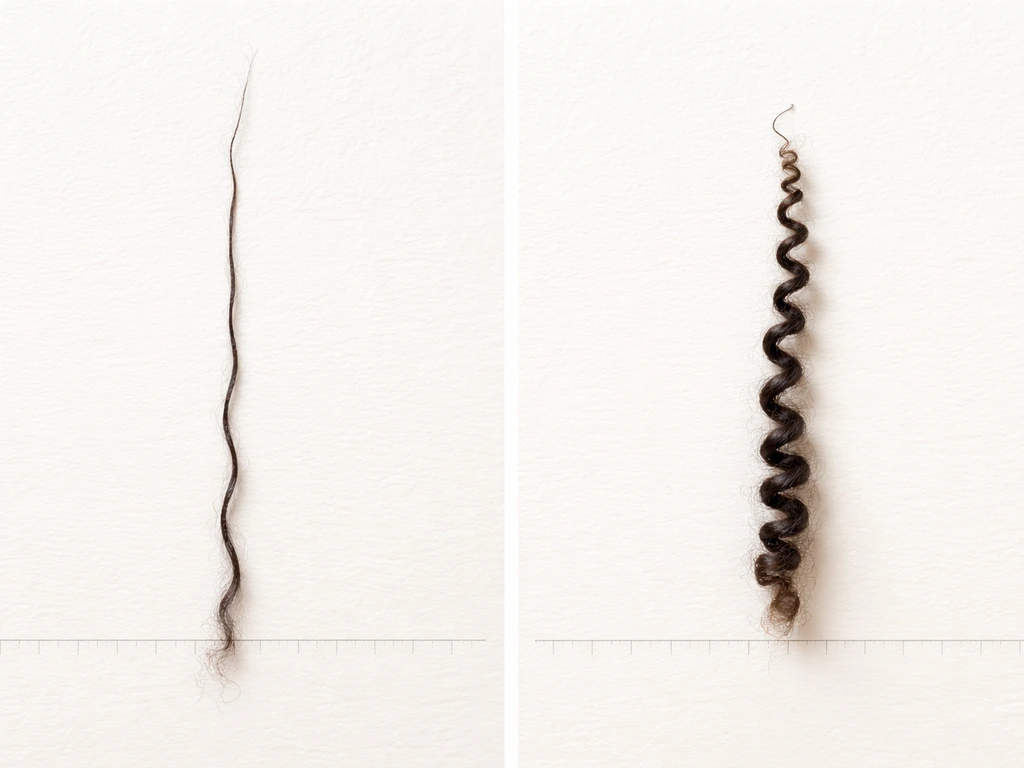
This is where the experience of growing afro hair diverges most sharply from other textures. Tightly coiled hair has a high curl-to-length ratio. A strand that is 10 cm long when stretched might only sit 3 to 4 cm from the scalp in its natural coiled state. That is shrinkage, and for 4C hair it can be extreme, sometimes 70 to 80 percent of actual strand length. So even when your hair is genuinely growing, your afro may not appear to be getting bigger or longer because the new length is coiling back into the same space.
Beyond shrinkage, a few other things create the illusion of non-growth. Coiled hair is more prone to tangling and knotting because the curl shape catches on neighboring strands. Those tangles, if handled roughly or left to worsen, cause mechanical breakage right at the point where the knot forms. Dryness compounds this: the tight curl geometry makes it harder for sebum to travel down the shaft, so the ends of 4C hair are naturally drier and more brittle.
Humidity also affects appearance, pulling already coiled strands tighter and adding to the perception of upward-only growth. None of this means your hair is not growing. If you are wondering about the practical side of it, can anyone grow an afro is often less about genetics and more about retention, shrinkage, and breakage management. It means you need a different retention strategy than someone with looser curl patterns.
How afro hair actually grows: the biology and the blockers
Every hair follicle is a small organ anchored in your scalp. The anagen phase, where active growth happens, can last anywhere from two to seven years for scalp hair. During this time, cells in the hair matrix divide rapidly, pushing the shaft upward and outward. When anagen ends, the follicle enters catagen (a short regression phase) and then telogen (resting), before shedding and starting again. On a healthy scalp, the majority of follicles are in anagen at any one time, which is why a normal person sheds 50 to 100 hairs a day without noticeably thinning.
The follicle itself does not know or care about your styling routine. Even if you are focusing on styling, traction and breakage can still prevent your afro from getting longer, so retention habits matter styling routine. But your styling routine can absolutely damage the follicle over time. Chronic traction from tight styles (braids that are too tight at the hairline, heavy extensions, repeated tension in the same direction) can cause traction alopecia.
What starts as reversible hair loss from mechanical stress on the shaft can progress to permanent follicle damage if the tension continues long enough. The follicle essentially stops being able to produce a shaft. This is one of the most common growth blockers in the afro-textured hair community and is entirely preventable.
Another significant blocker is central centrifugal cicatricial alopecia (CCCA), a scarring alopecia that is more prevalent among people of African descent. It typically starts as thinning at the crown and expands outward. Unlike telogen effluvium (which is usually temporary and resolves when the trigger is removed), CCCA involves actual follicle destruction. Early treatment matters, so if you are seeing persistent thinning at the crown with scalp changes like shininess or tenderness, that is worth a dermatologist visit, not a new growth serum.
Practical steps to actually grow afro hair longer
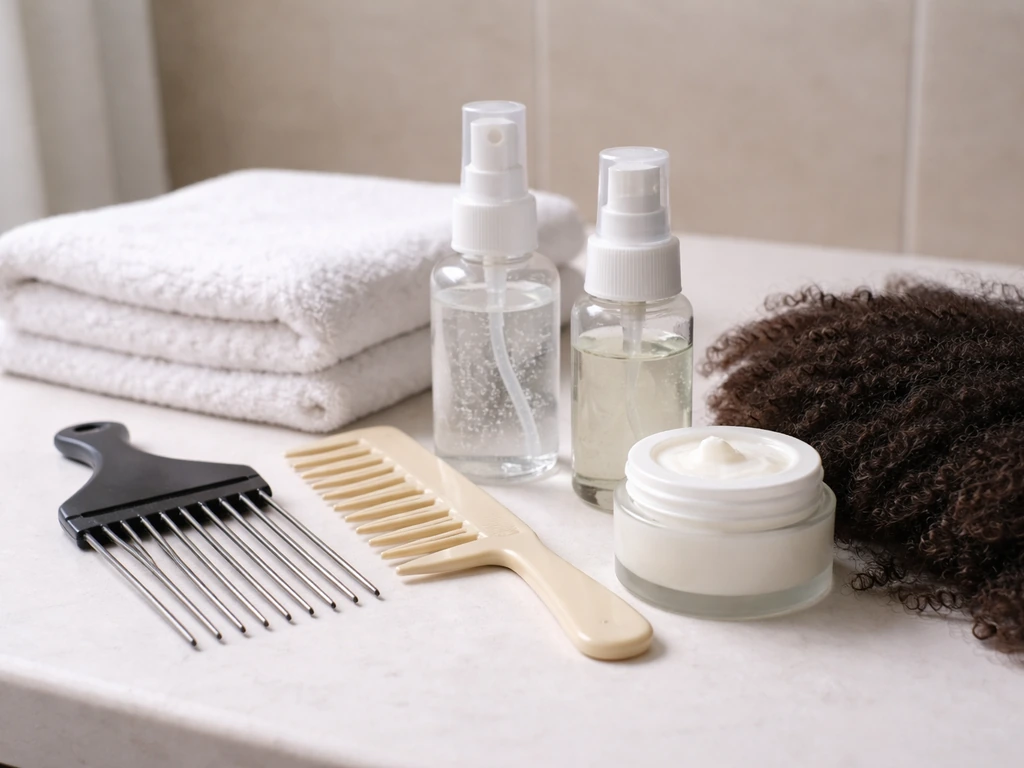
Getting length on afro hair is a two-part problem: you need your follicles producing healthy shafts, and you need those shafts surviving long enough to accumulate. Most people already have the first part handled. The second part is where the work is.
Moisture and sealing
Dry hair breaks. That is not complicated, but it is where most afro hair length retention is lost. Because sebum does not travel easily down a tightly coiled shaft, you need to supplement with external moisture regularly. A good routine for what to use to grow afro hair longer usually starts with water-based moisture, then seals it in to reduce breakage.
The standard approach is to apply water or a water-based product first, then seal with an oil or butter to slow evaporation. Leave-in conditioners are particularly useful here: they make hair easier to detangle and style while keeping the cuticle lying flat and reducing friction. Apply leave-in wherever your hair feels dry, brittle, or tangled, which for most 4C hair means the mid-lengths and ends.
Washing and conditioning frequency
The AAD recommends that thick, curly hair does not need daily washing, and suggests washing at least every two to three weeks to maintain scalp health. For most afro-textured hair, weekly or biweekly washing with a moisturizing or sulfate-free shampoo followed by a deep conditioner is a solid baseline. Skipping conditioner entirely or using a formula designed for fine, straight hair is one of the fastest ways to strip the moisture your coils need. A protein treatment every four to six weeks can help if your hair is feeling limp or over-stretched, but protein overload is also a real thing: hair that snaps immediately on stretching rather than being slightly elastic may need moisture, not more protein.
Detangling without destroying your ends
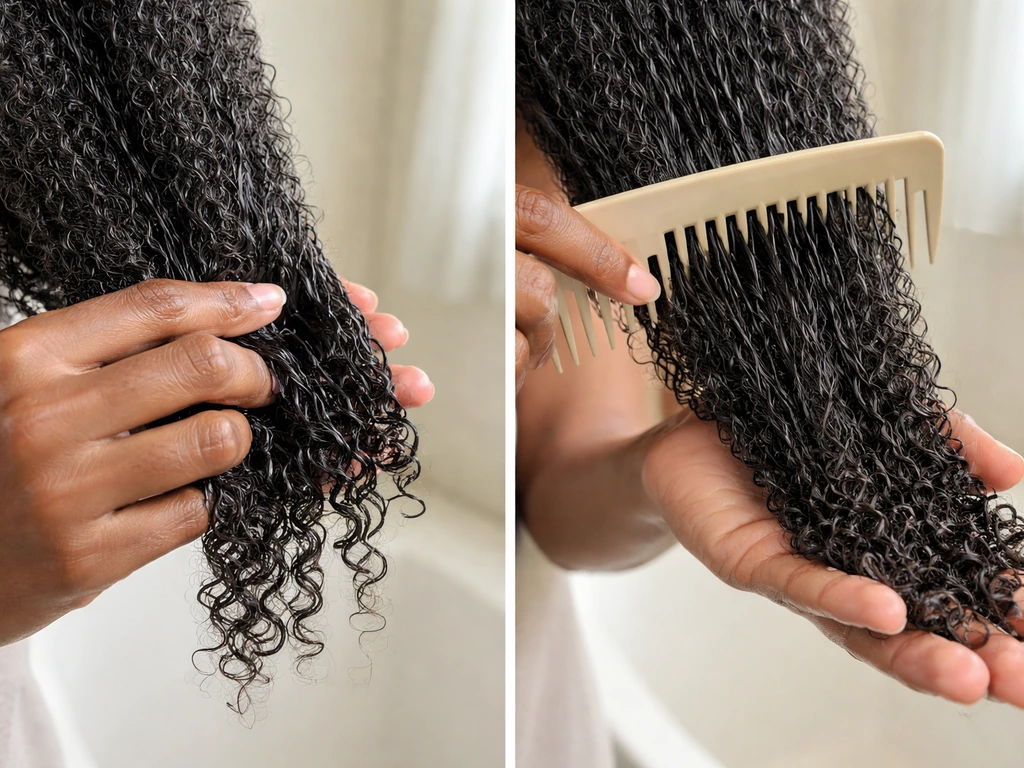
The AAD recommends detangling curly and coily hair wet, with a leave-in conditioner applied first, using your fingers initially and then a wide-tooth comb or a brush specifically designed for curls. Always work from the ends upward toward the roots, not the other way around. Dry detangling 4C hair is one of the most efficient ways to cause the kind of mechanical breakage that keeps your length stuck. Research on curly hair breakage links cuticle lifting and structural failure at curl bends directly to how that hair is handled under tension, which is exactly what aggressive detangling does.
Protective styling done right
Protective styles like braids, twists, locs, and weaves are genuinely useful for length retention because they tuck your ends away, reduce daily manipulation, and limit friction from clothing and the environment. The key word is done right. A protective style that is installed too tightly at the hairline, left in for too long without moisturizing the scalp and hair underneath, or uses extensions that are too heavy is not protecting anything. It is setting up the conditions for traction alopecia. Styles should sit comfortably without tension bumps at the hairline, and for most people, two to eight weeks is a reasonable wear period before refreshing or removing.
Nighttime protection is often overlooked but matters a lot. Cotton pillowcases pull moisture from coils and create friction that causes breakage while you sleep. Switching to a satin or silk pillowcase, or wearing a satin bonnet or scarf at night, is one of the simplest and most consistently effective retention habits you can build.
Scalp health and internal factors
A clean, healthy scalp is the foundation of everything else. Product buildup, seborrheic dermatitis, or a persistently itchy scalp can interfere with the follicle environment. If your scalp is intensely itchy without an obvious reason, that is worth getting checked by a dermatologist rather than just switching shampoos. Internally, make sure you are eating enough protein (hair is almost entirely keratin), and consider getting your iron and ferritin levels checked if you are shedding more than usual or your hair feels thinner over time. These are not glamorous interventions, but they address actual growth rate, not just retention.
What to avoid and when to get help
Myths worth dropping
- No oil, butter, or serum makes your follicles produce hair faster. Growth rate is set by your biology and internal health, not what you put on the outside.
- Braids, twists, and protective styles do not grow your hair. They reduce breakage, which lets length accumulate. If the style is too tight, it does the opposite.
- Picking or stretching your afro does not stimulate growth. It can, however, cause breakage at the ends if done on dry, brittle hair.
- Trimming your ends does not make hair grow faster. It removes split ends that travel up the shaft and cause more breakage, which helps retention. Growth happens at the follicle.
- Afro hair does not have a lower growth 'ceiling' than other hair types based on ethnicity alone. Retention habits are almost always the variable that separates long afros from stuck-length ones.
Signs you should see a professional
Some hair loss is temporary and resolves on its own. Telogen effluvium, where a stressor like illness, surgery, or significant emotional stress pushes a large number of follicles into the resting phase at once, typically reverses within several months once the trigger is gone. But some conditions do not reverse without intervention.
See a dermatologist if you notice persistent thinning or bald patches, a receding or tender hairline that does not recover after stopping tight styles, crown thinning with scalp texture changes like shininess or a smooth appearance, or shedding that significantly exceeds your normal rate for more than three months. CCCA in particular is most treatable early, before follicles are permanently scarred.
Traction alopecia at the hairline is reversible if you catch it before the tension has been chronic enough to cause permanent damage. Getting a proper diagnosis early is always the better outcome than waiting to see if it resolves.
| Issue | Likely cause | What to do |
|---|---|---|
| Hair not getting longer despite growth | Breakage canceling monthly gains | Improve moisture, seal ends, reduce manipulation |
| Hair seems shorter after washing | Shrinkage from curl pattern | Normal for coily hair; stretch with protective styles or twist-outs |
| Hairline thinning or receding | Traction alopecia from tight styles | Stop the tension immediately; see a dermatologist if it persists |
| Crown thinning, smooth or shiny scalp | Possible CCCA or other scarring alopecia | See a dermatologist as early as possible |
| Sudden heavy shedding | Telogen effluvium from stress, illness, or nutrition | Address the trigger; consult a doctor if shedding lasts over 3 months |
| Persistent scalp itch or flaking | Seborrheic dermatitis or other scalp condition | See a dermatologist for diagnosis and treatment |
The bottom line is that afro hair can and does grow long. The biology is not working against you. What works against you is a combination of moisture loss, mechanical breakage, friction, and in some cases, styling practices that create real follicle stress over time. Fix the retention side of the equation, protect your follicles from traction, and address any internal or scalp health issues, and the length will come. It takes time, it takes consistency, and it takes tuning your routine to what your specific hair needs rather than following generic advice designed for other textures. But it is absolutely possible. Can white people grow afros too, or does texture and genetics work differently absolutely possible.
FAQ
If my afro looks like it is not getting longer, how can I tell whether it is actually growing?
Measure a stretched section from root to end (or use a consistent shrinkage method) every 2 to 4 weeks. If the stretched length increases but your “natural” look stays the same, the change is mostly shrinkage or tangles, not a true growth stop. If even stretched length is flat, look at breakage, scalp health, and potential growth disruptors like stress or deficiency.
Does afro hair have a different growth rate than other hair types?
The follicle growth rate is broadly similar across hair textures, about 1 cm per month on average. The difference is what you keep, because coily hair is more vulnerable to dryness, tangling, and mechanical breakage at the bends. So “slower growth” is often a retention issue rather than a true slower follicle.
Can I grow long hair while still doing protective styles like braids or locs?
Yes, as long as they are installed without excessive tension, refreshed before dryness sets in, and you regularly moisturize the scalp and hair underneath. A common mistake is leaving styles in too long, then only adding product on the surface, which can increase dryness and breakage at the points where hair reverts into view.
How often should I wash to support length retention?
A practical baseline for many people with 4C hair is washing weekly or every two weeks, then conditioning well after. If your scalp is oily or you wear heavy product daily, you may need more frequent cleansing. If you are dealing with build-up that causes itch or flakes, that can indirectly affect follicle health, so timing should be adjusted to your scalp, not just your hair.
Is protein helpful for 4C hair growth and length retention, or can it backfire?
Protein can help when hair feels limp, stretches too far, or breaks when it stretches a lot. However, too much protein can make hair stiff and brittle, leading to more snapping during detangling or styling. A good rule is to add protein occasionally (for example every 4 to 6 weeks only when needed) and rebalance with moisture if the hair feels rough or hard.
Should I detangle daily or only when I’m styling?
Daily detangling is not required for most people, and it can increase friction and breakage. Many do better with detangling during washes, then keeping hair moisturized and protected between sessions. If you must detangle more often, do it wet with a leave-in first, use gentle finger work, and avoid forcing knots apart.
How do I reduce shrinkage so my hair actually looks longer?
Shrinkage is normal for tightly coiled hair, but you can reduce the “visual” shrink by stretching methods that do not cause tension, such as banding, braid-outs, twist-outs, or roller setting. Avoid high-tension stretching that pulls at the hairline, because the same tension risk applies to traction issues.
What signs suggest traction alopecia rather than normal shedding?
Look for thinning or recession at the hairline, visible broken hairs, scalp tenderness, or changes in how smooth or shiny the scalp looks in that area. If this happens and persists after loosening or stopping tight styles, it needs a prompt dermatologist assessment because early traction alopecia is more reversible than long-standing damage.
When should I suspect a medical issue like telogen effluvium?
Consider telogen effluvium if you notice a sudden increase in shedding after a clear trigger (illness, surgery, major stress) and it continues for weeks rather than just a day or two. It often improves after the trigger is resolved, but if shedding is heavy beyond about three months or you see clear thinning, get evaluated.
Does scalp itch or flaking affect whether afro hair can grow long?
Yes. Persistent itch, irritation, or severe build-up can disrupt a healthy scalp environment and increase inflammation-related shedding. If you have intense itching, burning, or symptoms that do not improve after changing products, it is safer to see a dermatologist than to keep swapping shampoos.
What internal factors most commonly prevent length retention in practice?
Nutrient gaps and hormonal or thyroid issues can contribute, especially iron deficiency (low ferritin), inadequate protein, and certain vitamin deficiencies. A common mistake is focusing only on oils and conditioners while ignoring bloodwork when shedding is excessive or thinning is progressing over time.
How long does it take to see real length gains in afro hair?
If breakage is controlled and your follicles are healthy, you can often see measurable change in stretched length within 1 to 3 months. Big visible milestones like reaching shoulder or collarbone typically take longer because you must accumulate length while protecting ends from friction and dryness.
Next Article
Can White People Grow Afros? A Practical Guide to Results
Learn if anyone can grow an afro-like look, plus step-by-step routine for curl, retention, and scalp health.