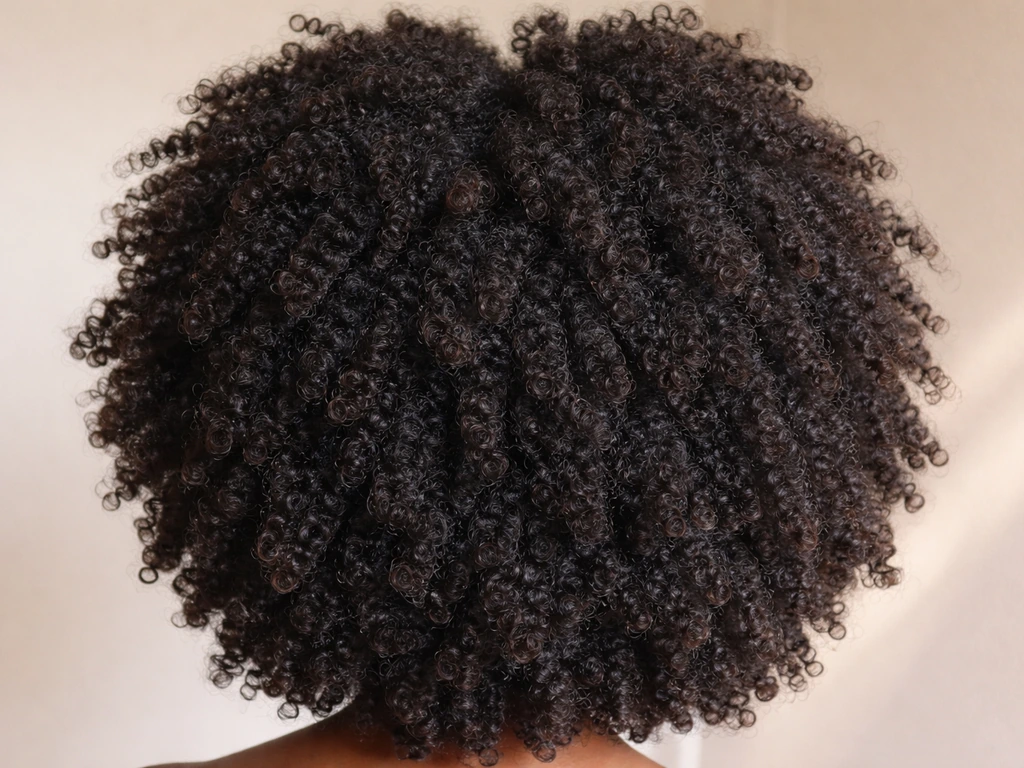
Afro and textured hair grows at roughly the same rate as any other hair type, around half an inch per month, or about six inches a year. The real challenge is not speed, it is retention. Most people with afro hair are growing plenty of hair from the scalp; they just lose it just as fast through breakage, dryness, and tension damage before it ever has a chance to show. So the fastest way to grow afro hair longer is to stop the breakage, protect what is already growing, and give your scalp and strands the conditions they need to thrive. That is not a shortcut, but it is the most honest and practical answer you will find.
How to Grow Afro Hair Quickly: Fast, Natural Steps

Simone Okonkwo
3 May 2026
What to actually expect: a realistic timeline
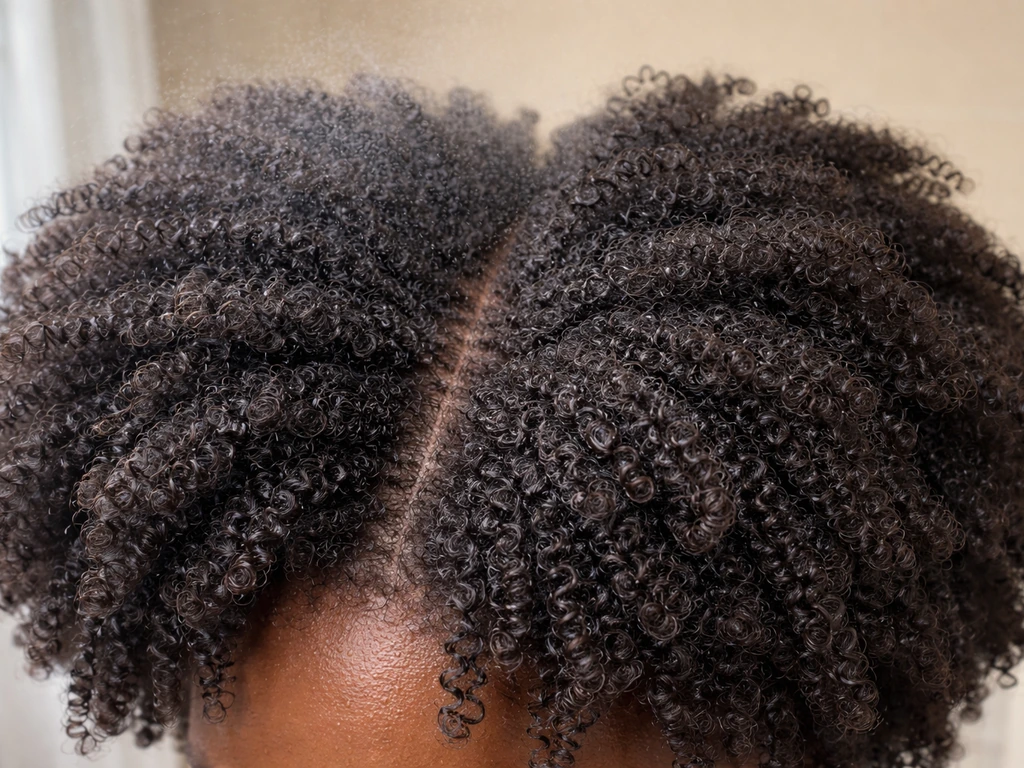
Hair growth is a biological process governed by your genetics, hormones, nutrition, and scalp health. On average, human hair grows about 0.5 inches (roughly 1.25 cm) per month. For afro and tightly coiled hair, that biological rate is no different from straight hair, but the tight curl pattern causes the strand to spiral back toward the scalp, which is why growth is often less visible. With good retention practices, most people can realistically expect to see a noticeable length increase of 3 to 6 inches over six to twelve months. Anyone promising dramatic results in weeks is selling you something.
What makes afro hair feel like it grows slower is almost always a combination of two things: shrinkage and breakage. Shrinkage is natural and not a problem in itself. Breakage is where length retention falls apart. If you are losing half an inch every time you detangle or style, you are essentially running in place no matter how healthy your scalp is.
Shrinkage vs. actual length: how to measure your real progress
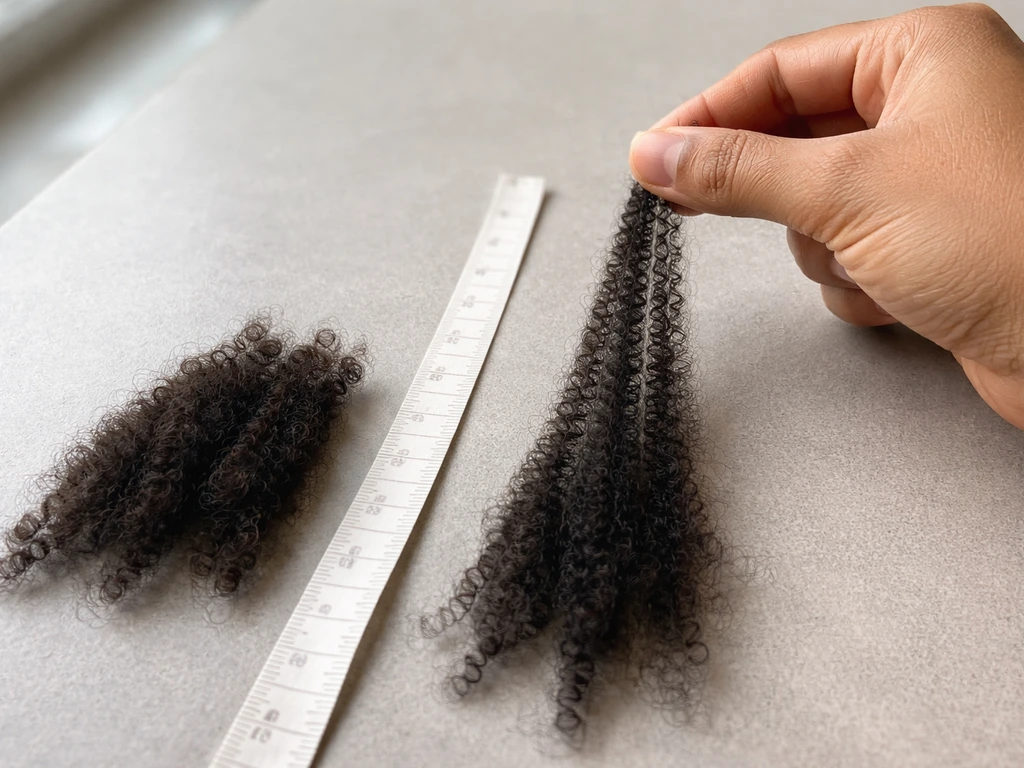
Shrinkage in 4C and tightly coiled hair can range from 50 to 75 percent or more. That means hair that is actually 8 inches long can look like it is only 2 to 4 inches when dry and in its natural state. This is not a flaw, it is a sign of healthy elasticity. But it does make it nearly impossible to track growth by looking in the mirror.
The most accurate way to measure your growth is to stretch a small section of hair gently from root to tip on wash day (when hair is wet and elongated) and measure it against a soft tape measure or a marked reference point like a doorframe. Do this on the same section of hair, in the same spot, every four to six weeks. Keep a photo log. You will start to see real progress that your day-to-day mirror check will never show you.
Protective styling and why it helps (braids, twists, locs, weaves)
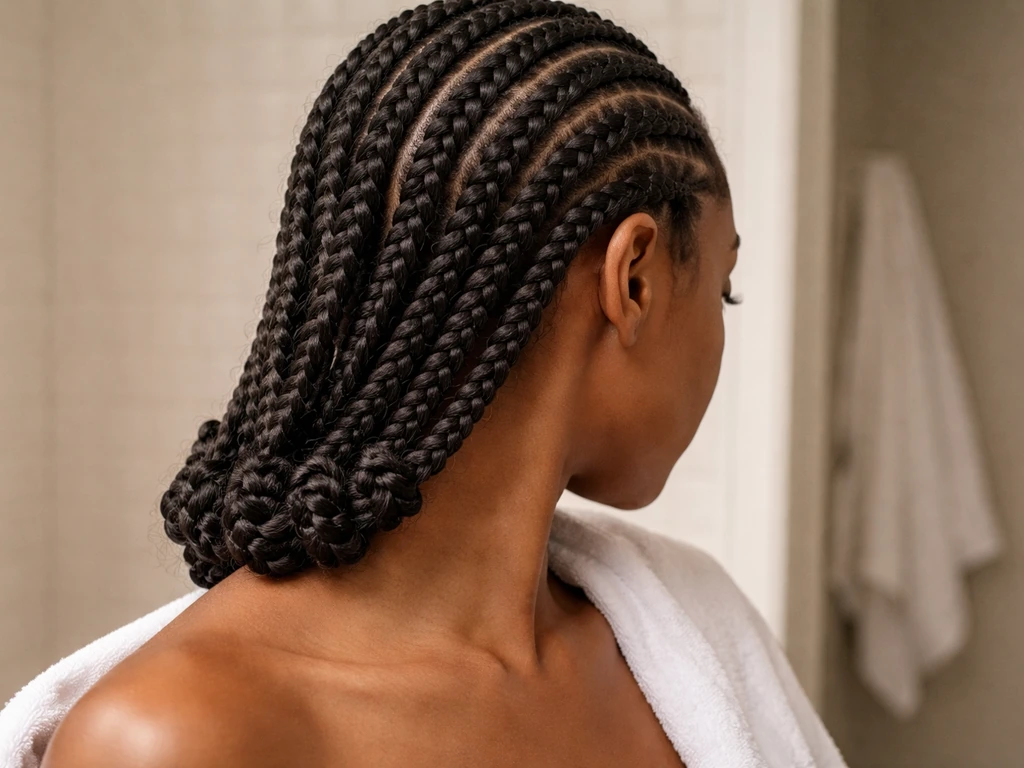
Protective styles work by tucking the ends of your hair away so they are not exposed to daily friction, manipulation, and dryness. Braids, twists, locs, and weaves all fall into this category, and when done correctly, they can meaningfully improve length retention because your hair is simply not breaking off as quickly. This is why people often notice more length when they take down a protective style after several weeks.
The key word there is correctly. A protective style that is installed too tightly is not protecting your hair, it is damaging it. The American Academy of Dermatology is clear that repeatedly wearing hairstyles that pull on hair can lead to traction alopecia, a form of hair loss caused by tension on the follicle. If your scalp hurts after an install, if you see pimples or bumps along your hairline, or if your edges feel tender, the style is too tight and needs to come out. Pain is not part of the process.
General guidance is to wear protective styles for two to four weeks at a time, with breaks in between to cleanse the scalp, moisturize, and give your follicles a rest. During the style, keep your scalp hydrated with a lightweight oil or scalp spray. When you remove the style, be slow and gentle, detangle from the ends up, and deep condition before attempting any major styling. If you are growing afro dreads (locs), the same principle applies: healthy scalp and low-tension installation matter more than how quickly you lock. If you want to learn how to grow afro dreads, focus on retention by protecting your ends, keeping your scalp comfortable, and avoiding tension.
For those growing an afro from short hair, protective styles in the early stages like two-strand twists or bantu knots can protect fragile new growth without adding tension. The goal in those early months is simply to minimize manipulation.
Heat, relaxers, and extensions: what the evidence says
Heat styling on high settings weakens the protein bonds in the hair shaft over time, making strands more prone to breakage. If you use a flat iron or blow dryer regularly, always use a heat protectant, keep temperatures at or below 350 degrees Fahrenheit for textured hair, and never apply high heat more than once a week if you can help it. The damage is cumulative, and heat-weakened hair breaks before it can retain length.
Chemical relaxers alter the structure of the hair shaft permanently to reduce curl. They can be part of a hair care routine if managed carefully, but they do increase the risk of breakage, especially at the line of demarcation where relaxed and natural hair meet. StatPearls research also identifies chemical relaxers as a risk factor that compounds traction alopecia when combined with tight styles or extensions. If you are relaxed and trying to grow longer, spacing out touch-ups to every 10 to 12 weeks instead of every 6 is one practical way to reduce cumulative damage.
On keratin treatments and Brazilian blowouts: the FDA has flagged that some hair smoothing products release formaldehyde when heated, which is classified as a human carcinogen at high or prolonged exposure levels. OSHA has specifically named products like Brazilian Blowout as examples of treatments that release formaldehyde during the application process. If you use these treatments, ensure the salon is well-ventilated, limit frequency, and factor in that they can soften the hair in ways that change how it responds to moisture and styling.
Extensions and weaves, when installed without excessive tension and with your natural hair properly prepped and moisturized underneath, can be genuinely useful for length retention. The problems arise from tight sew-ins along the hairline, heavy attachment without adequate support, and leaving extensions in too long. Stick to the two-to-four-week rotation advice, keep the hair and scalp underneath moisturized, and always have a professional remove styles that feel difficult to take out.
How to grow afro hair faster naturally: scalp care, moisture, and sealing
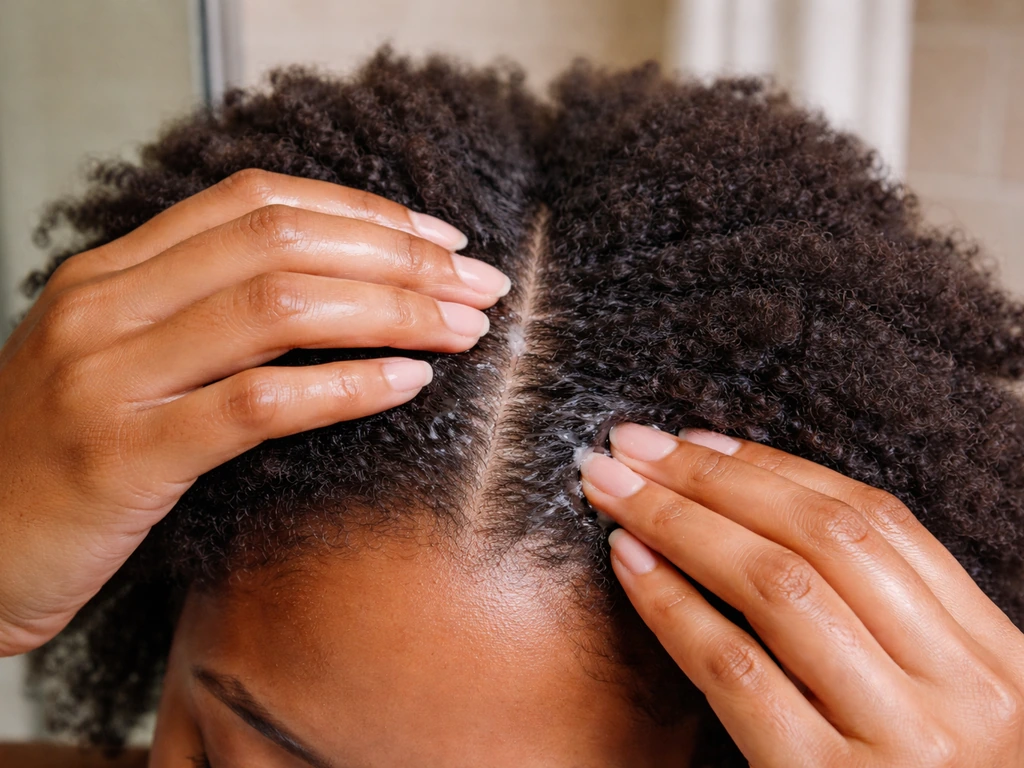
Your scalp is where all growth begins, so caring for it is not optional. If you are specifically trying to grow an afro in South Africa, you can follow the same growth and retention basics while adjusting your routine for local climate, water quality, and product availability. A clean, well-circulated, balanced scalp produces healthier strands. Aim to cleanse your scalp every one to two weeks with a sulfate-free shampoo or a gentle clarifying wash if you use a lot of product. Buildup from oils, leave-ins, and styling products can clog follicles and create an environment that is not ideal for growth. Do not skip washing just because you fear dryness. Instead, follow up with the right conditioning routine.
Scalp massage is one of the few techniques with reasonable evidence behind it. A 2016 study found that four minutes of standardized scalp massage daily over 24 weeks led to increased hair thickness. If you want a step-by-step guide to how to grow curly afro hair, focus on retention first: gentle detangling, consistent moisture, and low-tension protective styles. You do not need a fancy tool. Use your fingertips in small circular motions across your scalp for three to five minutes a few times a week. Do it dry, or apply a light oil like castor oil or peppermint-infused carrier oil during the massage. Some people swear by peppermint oil for scalp stimulation, and early research does suggest it may increase follicle activity, though results vary.
Moisture is the foundation of afro hair health. Tightly coiled hair has a harder time moving natural sebum (scalp oil) down the hair shaft because of its curl pattern, which makes it inherently drier than straighter hair types. The LOC or LCO method (Liquid, Oil, Cream in either order) is a practical layering approach that many people with textured hair find effective. Start with a water-based leave-in or simply water to hydrate the strand, then seal with an oil (jojoba, argan, or olive oil all work), and optionally layer a cream or butter on top to lock it all in. Finding your correct order often takes a little experimentation because it depends on your specific curl porosity.
High-porosity hair (often the result of heat or chemical damage) absorbs moisture quickly but loses it just as fast. Low-porosity hair repels moisture initially but holds it well once it penetrates. Knowing your porosity helps you decide whether you need lighter or heavier products and whether you should apply products to soaking wet versus damp hair.
What you eat actually matters: diet, protein, and supplements
Hair is made of keratin, a protein, and your body will not prioritize hair production when it is nutritionally deficient in the basics. The most common nutritional factors linked to hair thinning and slow growth are low iron (especially in menstruating women), low protein intake, zinc deficiency, and low vitamin D. Before you spend money on supplements, get a basic blood panel done. Supplementing iron when your ferritin levels are already normal does not accelerate growth and can cause other issues.
Biotin is the most marketed supplement for hair growth, and while it is true that severe biotin deficiency causes hair loss, most people eating a varied diet are not biotin-deficient. Supplementing extra biotin if your levels are normal has not been shown to grow hair faster. Where biotin does matter is if you have a genuine deficiency. More broadly useful supplements include vitamin D (if you are deficient), iron (if your ferritin is low), zinc, and omega-3 fatty acids from sources like fish oil, all of which support the cellular environment your follicles need.
Protein in your diet matters directly for hair structure. Aim to get at least 50 to 70 grams of protein per day from whole food sources like eggs, legumes, fish, meat, or dairy. Hydration also plays a role in scalp condition and overall skin health. Eight cups of water a day is a reasonable baseline, though your needs vary with activity level and climate.
| Nutrient | Why it matters for hair | Good food sources |
|---|---|---|
| Protein | Hair is made of keratin; low intake slows growth | Eggs, lentils, chicken, fish, Greek yogurt |
| Iron | Carries oxygen to follicles; deficiency causes shedding | Red meat, spinach, lentils, fortified cereals |
| Zinc | Supports the hair growth cycle and oil gland function | Pumpkin seeds, chickpeas, beef, cashews |
| Vitamin D | Linked to follicle cycling; deficiency correlates with hair loss | Fatty fish, egg yolks, fortified milk, sunlight |
| Omega-3s | Reduce scalp inflammation, support hair density | Salmon, sardines, flaxseed, walnuts |
| Biotin | Required for keratin production; deficiency causes hair loss | Eggs, almonds, sweet potato, sunflower seeds |
A simple regimen plan for faster results
The best regimen is the one you will actually follow consistently. Here is a practical weekly and monthly framework that works for both women and men with natural afro or textured hair, and can be adapted for relaxed or loc'd hair with minor adjustments.
Weekly routine
- Cleanse the scalp once a week (or every 10 to 14 days if your hair is very dry) with a sulfate-free shampoo. Focus the shampoo on your scalp, not the length of your hair.
- Follow with a moisturizing conditioner. Apply from mid-shaft to ends, leave on for 5 to 10 minutes, then rinse.
- Deep condition every one to two weeks using heat (a shower cap plus a warm towel) for 20 to 30 minutes to improve penetration. Look for ingredients like shea butter, hydrolyzed proteins, and aloe vera.
- On clean, damp hair, apply your leave-in conditioner, then seal with an oil of your choice. If your hair is low-porosity, use lighter oils like argan or grapeseed rather than heavy butters.
- Detangle gently using a wide-tooth comb or your fingers, always starting from the ends and working toward the root. Never detangle dry afro hair.
- Style and protect. If wearing a wash-and-go, braid-out, or twist-out, keep manipulation minimal once styled. If installing a protective style, ensure it is low tension.
- At night, use a satin or silk bonnet or pillowcase to prevent friction and moisture loss while you sleep.
Monthly routine
- Do a clarifying wash once a month to remove product buildup from the scalp and strands.
- Measure your length on wash day using the stretched measurement method.
- Assess your ends. Trim split or broken ends as needed, roughly every 8 to 12 weeks. Trimming does not grow hair, but it stops splits from traveling up the shaft and causing more breakage.
- If wearing protective styles, rotate out of them at the two-to-four-week mark, give your scalp a rest wash, then re-install if desired.
Product types by hair porosity
| Hair Type / Porosity | Leave-in | Sealing Oil | Deep Conditioner |
|---|---|---|---|
| Low porosity (coily/4C) | Light, water-based spray | Argan, grapeseed, or jojoba | Heat-assisted, protein-light formula |
| High porosity (heat/chemically damaged) | Rich cream or milk | Castor oil, olive oil, or shea butter | Protein-rich + moisture blend |
| Medium porosity (natural 3C/4A) | Cream or liquid hybrid | Coconut or avocado oil | Balanced moisture and protein |
| Relaxed hair | Light leave-in to prevent dryness at demarcation | Light oil blend | Protein treatment every 4 to 6 weeks |
Common mistakes that slow your progress
Most people who feel stuck at the same length are making one or more of these mistakes without realizing it. The good news is every single one is fixable.
- Over-manipulating hair daily: every time you comb, brush, or re-style tightly coiled hair without proper moisture and care, you are causing mechanical breakage. Less is more.
- Skipping deep conditioning: a regular moisturizing conditioner is not enough for most afro hair types. Deep conditioning with heat is what rebuilds elasticity and softness.
- Installing protective styles too tightly: tight braids or weaves on your edges and temples are one of the fastest paths to permanent traction alopecia. If it hurts, it is too tight.
- Not moisturizing between wash days: afro hair needs moisture added every few days at minimum, not just on wash day. A water-based spritz or leave-in refresh mid-week makes a significant difference.
- Relying on oils alone for moisture: oils seal moisture in, they do not add it. Applying oil to dry hair without a water base just seals in dryness.
- Neglecting the scalp: buildup, dryness, and inflammation at the scalp level directly affect follicle health. Do not skip cleansing because you are protective styling.
- Protein overload: too many protein treatments back to back can make hair stiff and brittle. Balance protein with moisture. If your hair snaps without stretching at all, dial back the protein.
- Changing products too frequently: hair does not adapt to products in the way some people think, but constant switching means you never get a baseline to know what is actually working.
When breakage is actually hair loss: signs you need a dermatologist
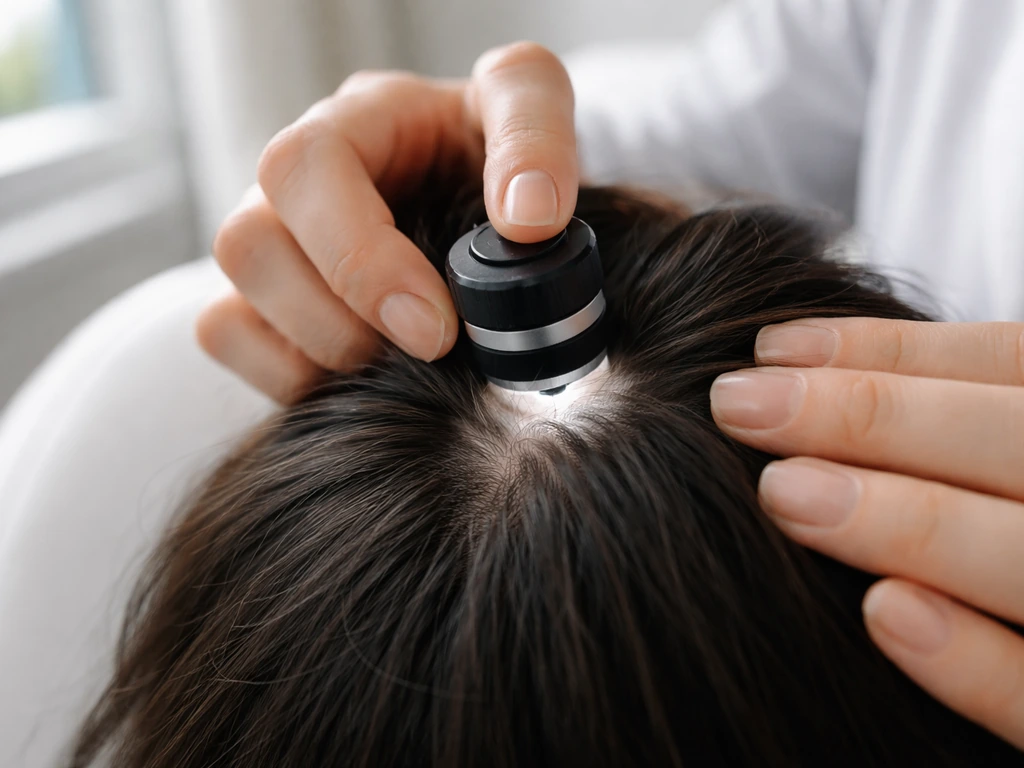
Breakage and hair loss are different things, and knowing which one you are dealing with matters. Breakage produces short, jagged pieces of hair when you detangle or style, and it happens along the length of the strand. Shedding is the natural release of hair from the root (you will see a small white bulb at the end), and losing 50 to 100 hairs a day is completely normal. Hair loss, or alopecia, is when the follicle itself is affected, and regrowth may be slowed or halted.
Traction alopecia is particularly relevant for people who wear tight braids, weaves, or extensions regularly. It typically starts with hair thinning along the temples and edges, sometimes accompanied by small bumps or scalp tenderness. StatPearls research is clear that traction alopecia can progress to irreversible scarring if the damaging style patterns continue. Catching it early and stopping the tension-causing styles gives the follicle a chance to recover. Waiting does not.
See a dermatologist (ideally one with experience in textured or Black hair) if you notice any of the following:
- Patches of hair loss or significant thinning, especially along the hairline or crown
- Scalp that is persistently itchy, scaly, inflamed, or sore regardless of product changes
- Hair loss that seems to be accelerating rather than stabilizing
- No regrowth after releasing a tight protective style for several weeks
- Visible scalp with no hair follicles present in the area (smooth, shiny patches)
- Excessive daily shedding (significantly more than 100 hairs) lasting more than two to three months
Conditions like central centrifugal cicatricial alopecia (CCCA), alopecia areata, and androgenetic alopecia all require diagnosis and often medical treatment. No amount of deep conditioning or protective styling will reverse a follicle-level condition, and the sooner you get a proper diagnosis, the more options you have. Your hair deserves that level of attention.
FAQ
If growth is only about half an inch per month, how long should it realistically take to see “fast” results on afro hair?
Think in terms of retention. With good moisture, low tension, and less breakage, many people notice more obvious length within 3 to 6 months, even though the biological growth rate is steady. If you only measure by how your hair “looks” stretched versus dry, shrinkage can mask real growth for weeks.
How can I tell whether my problem is shrinkage or actual breakage?
Do a quick test after washing and air-drying. If you see short, jagged pieces along the length, especially after detangling, that points to breakage. If the ends feel smooth and intact but the hair looks shorter when dry, that is usually shrinkage, not loss of length.
What is the best way to measure progress so I do not get misled by shrinkage?
Measure the same hair section each time, on wash day when strands are wet and elongated. Stretch gently from root to tip, then compare to a marked point using a soft tape measure. Take photos from the same angle, lighting, and style every 4 to 6 weeks to avoid “false progress” from different styling.
How often should I detangle afro hair to avoid breakage while still keeping my scalp healthy?
Aim for detangling when your hair is properly conditioned and slippery, not dry. Many people do it during wash days only, then use gentle finger detangling between washes if needed. If your hair sheds a lot only during detangling, that usually signals dryness, tangles you are forcing apart, or insufficient conditioning.
Protective styles help, but how tight is “too tight” beyond just scalp pain?
Pain and tenderness are the clearest signs, but watch for other cues like a visible indentation along the hairline, persistent bumps that worsen day by day, or edges that feel “pulled” even after the style has settled. If you need to keep re-tightening frequently, the installation tension is likely too high.
How long should I leave in braids, twists, or locs if I am trying to grow fast?
A practical rule is 2 to 4 weeks for most protective styles, then take a break to cleanse and moisturize. Extensions and weaves follow the same rotation concept, because leaving them longer often increases tangling, dryness underneath, and traction along the perimeter.
Is it safe to use gel or heavy butters on afro hair if I want faster length?
It can be, but heavy products often increase the risk of buildup if you do not cleanse regularly. If your hair feels coated, looks dull, or your scalp gets itchy or bumpy, reduce product weight and clarify on a consistent schedule that matches how much styling product you use.
What should I do if I experience shedding with a white bulb, but I am also losing length?
A few hairs with a white bulb can be normal shedding. Length loss usually comes from breakage, so focus on reducing manipulation, improving conditioning slip, and protecting ends. If shedding spikes suddenly or you notice widening parts, patchiness, or scalp irritation, get evaluated rather than only adjusting routine.
How can I reduce breakage when I am switching from loose hairstyles to protective styles?
Prepare your hair before installation, keep the ends moisturized, and detangle gently from ends upward. When you remove the style, do not rip through tangles, instead soak or use conditioner to reintroduce slip, then deep condition before styling again.
Do I really need scalp massage, and what is the safest way to do it?
If you tolerate it well, 3 to 5 minutes a few times per week is a reasonable approach, using fingertips in gentle circular motions. Do not scrub aggressively, especially if you have irritation, active bumps, or a tight style that is already stressing the scalp.
How do I choose an oil or cream for the LOC or LCO method without causing buildup?
Use lighter layers if you are prone to buildup or have low-porosity hair that resists moisture penetration. If you use thicker butters or heavy oils, plan your cleansing frequency accordingly and consider rotating products so you are not relying on the same heavy combination every wash.
My hair is high porosity, it dries fast, and it breaks easily. Should I change the moisture routine?
Yes. High-porosity hair absorbs quickly but loses moisture faster, so prioritize sealing after moisturizing, and avoid overwashing with harsh products. Also, be cautious with frequent high heat and aggressive protein changes, since damage can worsen dryness and brittleness.
Should I take biotin to grow afro hair quicker?
Only if you are truly deficient. For most people with a varied diet, extra biotin has not been shown to speed growth. If you suspect deficiency or hair thinning is significant, get labs first rather than starting high-dose supplements on speculation.
When should I stop trying to “fix it at home” and see a dermatologist?
If you notice scalp tenderness, worsening bumps, progressive thinning at the temples or hairline, or any pattern that looks more like loss of follicles than breakage, book an appointment. Early traction-related signs can become scarring if tension continues, and other alopecias need diagnosis to treat correctly.
Next Article
How to Grow an Afro: Bigger, Longer, Healthier Hair Steps
Step-by-step, evidence-based routine to grow a fuller, longer afro: timelines, moisture, scalp care, protective styles,