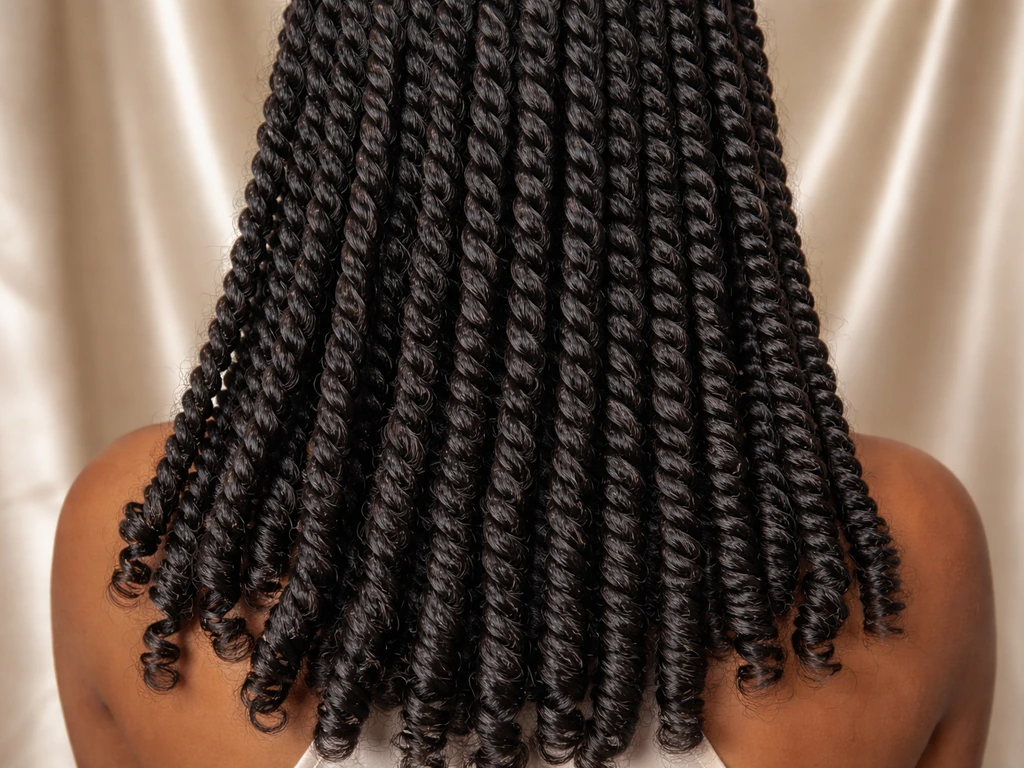
Barrel twists do not make your locs or dreads grow faster in a biological sense. Your scalp grows hair at roughly 1 centimeter per month no matter what style you're wearing, and no twisting technique changes that rate. What barrel twists can do is help you retain the length you're already growing by reducing breakage, speeding up the locking process in starter locs, and keeping your strands compressed enough that new growth doesn't just snap off or unravel. If you want to grow twists faster, focus on retention first by minimizing breakage and keeping your twists compressed between maintenance. That distinction matters a lot, because the difference between 'my hair isn't growing' and 'my hair isn't retaining length' changes everything about how you should handle your routine.
Do Barrel Twist Help Dreads Grow Faster? A Practical Guide

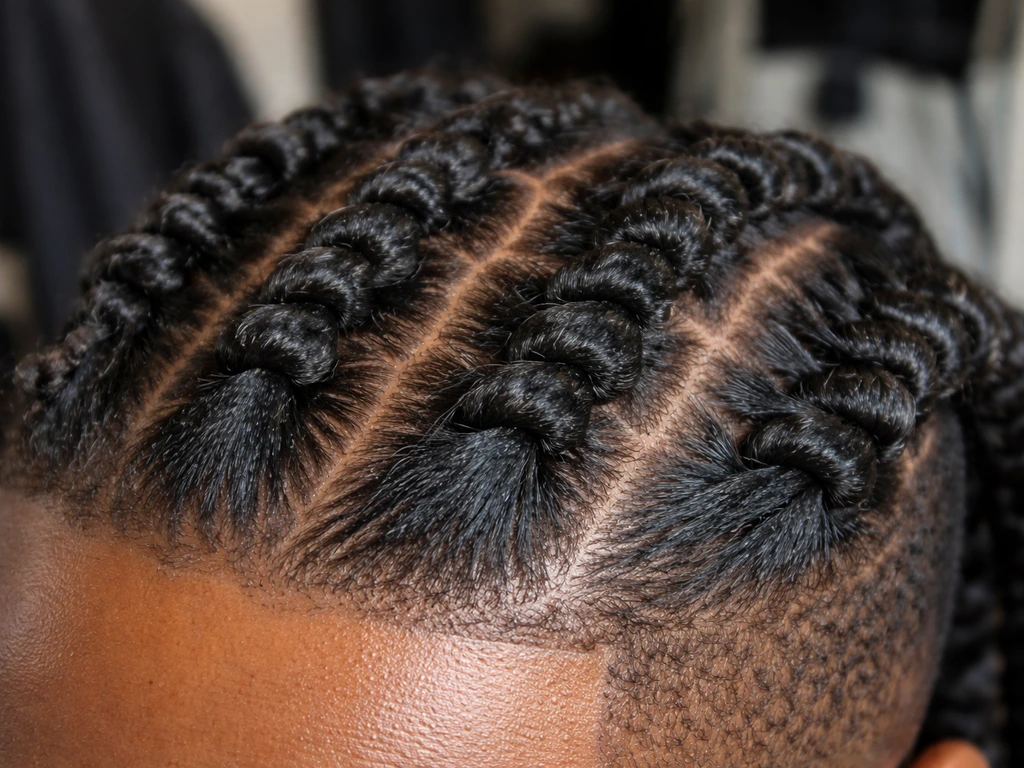
Barrel twists vs locs: what we're actually talking about
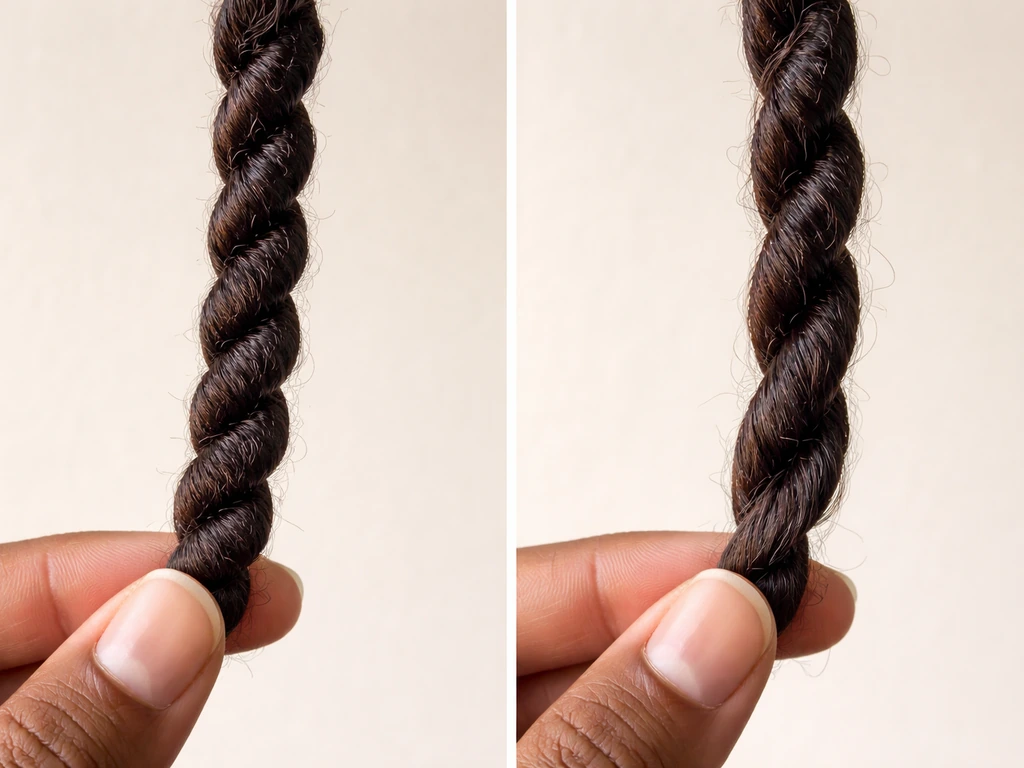
A barrel twist in a loc context is not the same as a flat two-strand twist. The 'barrel' describes the cylindrical, rope-like shape you create when you wrap and turn a section of hair so it tightens into a thicker, rounded column rather than staying flat. Think of it as giving your section a barrel or drum shape. When done on starter locs, the goal is to get the strand to coil around itself tightly enough that the natural loc-forming process (the hair matting and meshing together) has a clean shape to work with. It sits in the same family as palm rolling, which dermatologists and loc educators both describe as a compression technique meant to help knots tighten and create a more uniform round shape over time.
If you're starting locs with two-strand twists, barrel twisting is often the next step: you install the twists in a consistent direction (most educators recommend a clockwise rotation to keep things uniform), then compress each one into that barrel shape. As the hair begins to bud and mesh during the early loc stages, the barrel shape gives the section structure. It's a maintenance move, not a growth move, and understanding that framing will save you a lot of frustration. If you are specifically using two strand twists to start your locs, the same retention basics apply.
Does barrel twisting actually support loc growth? Growth vs. retention
Hair biology is pretty straightforward here. The anagen (growth) phase of your hair cycle is regulated by your follicles, and things like nutrition, hormones, scalp inflammation, stress, and vitamin levels influence how long those follicles stay in an active growth phase. A twisting technique cannot push a follicle into faster production. What it can do is reduce the mechanical damage that costs you length before it has a chance to accumulate.
For someone in the early stages of locking, unraveling and re-twisting repeatedly means the ends are constantly being manipulated. Ends are the oldest, most fragile part of any strand. Barrel twisting reduces that constant handling by giving each loc a stable, compressed shape that holds together between maintenance sessions. Less unraveling means less friction on fragile ends, which means more of your monthly centimeter of growth sticks around long enough to become visible length. That is the 'growth' benefit people notice, and it is completely real. It just isn't what most people imagine when they hear 'helps it grow.'
The same logic applies to two-strand twist-based starter locs, which share a lot of overlap with barrel twists in terms of the retention benefits. The real variable is always how well you're managing breakage, scalp health, and tension, not which specific twisting technique you picked.
How to do barrel twists safely for locs
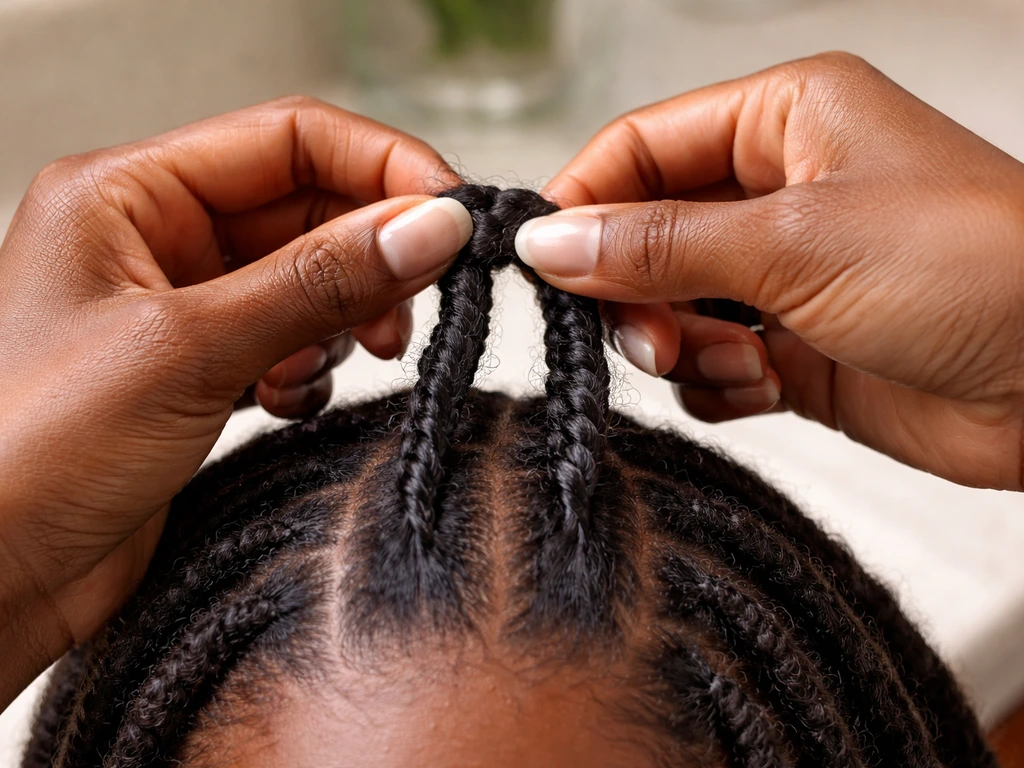
The biggest mistake people make with barrel twisting is pulling too hard at the root trying to get a 'clean' look. Clean roots are not worth traction damage. Here's a step-by-step approach that prioritizes both the locking process and your scalp health.
- Start with clean, slightly damp hair. Barrel twists grip and hold better with a small amount of moisture, but soaking wet hair is too slippery and puts more stress on the strand when manipulated.
- Section your hair cleanly using a rat-tail comb or your fingertips. Sections that are too small will create thin, fragile locs prone to breakage. Sections that are too large will take longer to lock and can feel heavy. A reasonable starting size is roughly a square no smaller than 1x1 inch; 1.5x1.5 inches gives you a medium loc.
- Apply a small amount of a lightweight loc gel or loc butter to each section. You want hold without heavy wax, which causes buildup. Less is more.
- Divide each section into two strands and two-strand twist them in a consistent direction (clockwise works for most people). Twist all the way to the ends.
- Once twisted, place the section between both palms and roll it in one direction, applying moderate, even pressure along the entire length. This is the barrel compression. You're shaping it into a round column, not grinding it into your palm.
- The pressure at the root should be the lightest pressure in the whole process. Your root is where live follicles live. If you feel pulling, stinging, or tension at the scalp, ease off immediately.
- Clip or pin sections lightly if they tend to unravel while drying, and let them air dry completely before any significant manipulation.
One consistency rule that loc educators repeat constantly: twist in the same direction every single time. Switching directions between sessions essentially undoes the previous twist's progress and slows down the locking process significantly.
What timeline to expect, honestly
Loc formation is time-dependent, and no technique, including barrel twisting, shortens that significantly. Most starter locs go through a loosely defined sequence of stages: a starter phase where the twists look intentional but can still unravel, a budding phase where knots and texture start forming inside the twist, a teen phase where locs are fuzzy and irregular, and a mature phase where they're strong, compact, and fully locked. The entire journey from starter twists to mature locs typically takes anywhere from 12 months to over 3 years, depending on your hair texture, care consistency, and health.
In terms of visible length, you're looking at roughly 6 inches of new growth per year at the average rate. During the early stages of locking, locs can appear to shrink because of the contraction that happens as strands mesh together. This is normal and expected, and it can be alarming if you're not prepared for it. Barrel twisting can help maintain a cleaner shape during these phases, which makes the journey feel more controlled, but the timeline itself is mostly set by your biology.
A practical way to think about it: if your barrel twists are staying formed between maintenance sessions and your scalp feels healthy, you're doing well. Patience here is not optional.
Mistakes that slow growth or cause thinning
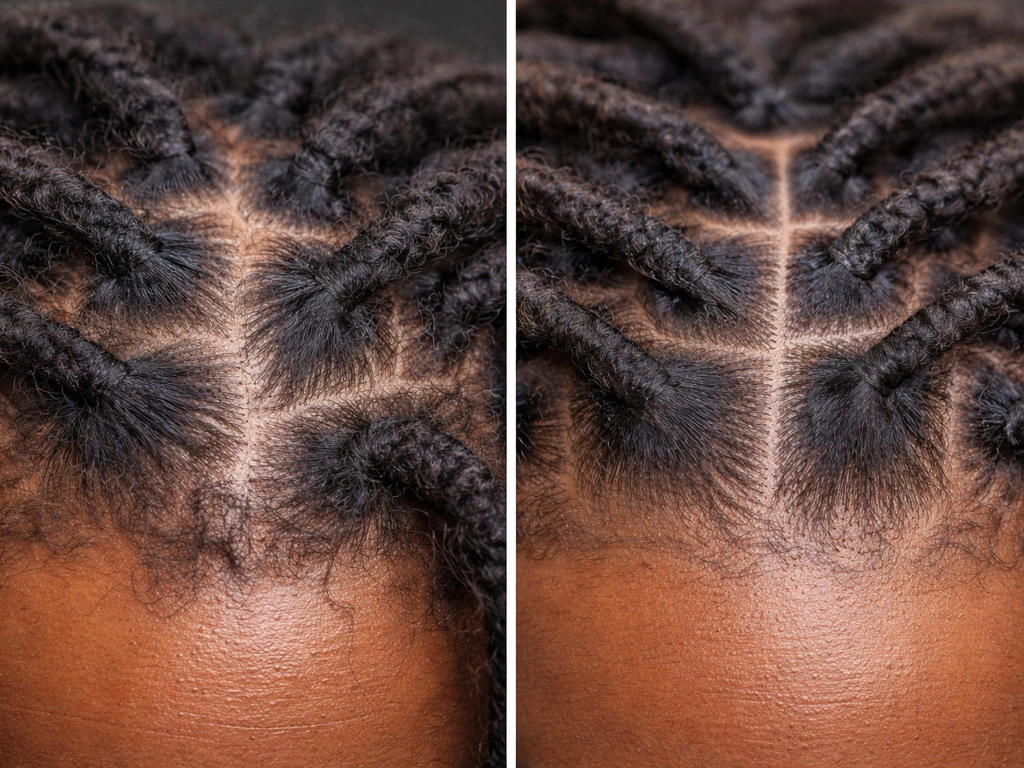
Most of the damage I see with barrel-twisted locs comes down to a handful of repeated errors. Understanding these is more valuable than any step-by-step technique.
- Retwisting too frequently: Loc care educators and specialists are consistent on this point. Retwisting more than once every two weeks during the starter phase is a real risk for root thinning and breakage. The root area experiences the most tension, and repeated manipulation before it has healed from the last session causes cumulative damage.
- Too much tension at the root: Tight roots look neat but the mechanical stress on follicles adds up. Medical research is clear that repetitive pulling on follicles can lead to traction alopecia, including in loc styles. A clean, gentle twist at the root is always better than a tight, painful one.
- Heavy product buildup: Thick waxes and butters feel like they add definition but they trap debris, prevent locs from locking cleanly, and can cause the kind of buildup that makes locs smell, weigh down, and become harder to maintain. Starter locs need light products.
- Skipping scalp cleansing: Dirty, buildup-filled scalps are prone to inflammation, which is one of the actual biological threats to your hair's growth phase. Inflammation shifts follicles out of active growth. A loc routine that skips cleansing is counterproductive.
- Ignoring dryness: Locs that are constantly dry are locs with brittle, breakage-prone strands. Moisture is not optional, even in a loc.
- Improper palm rolling mechanics: Rolling too hard or too fast causes friction damage to the strand itself, especially at vulnerable spots like the mid-shaft and ends.
The care routine your twisted locs actually need
Moisturizing and sealing
Locs lose moisture faster than loose hair because the dense structure makes it harder for water to penetrate and easier for it to escape once it does. A light water-based moisturizer or a few spritzes of water with aloe vera a few times a week keeps the strand hydrated without adding heavy product weight. Follow with a light oil (jojoba, argan, or sweet almond oil) to seal that moisture in. A thin layer on the length and a gentle massage on the scalp is all you need.
Washing frequency and cleansing
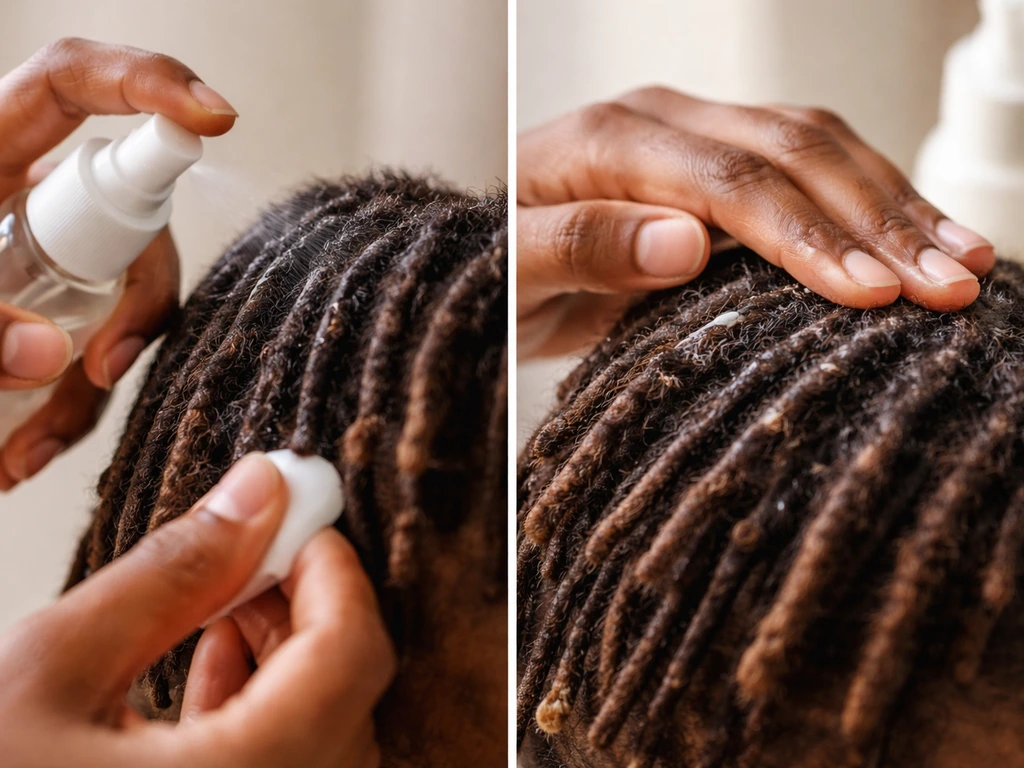
Most people with starter or maturing locs do well washing every 2 to 3 weeks. This keeps the scalp clean enough to avoid inflammation while not stripping the natural oils that keep locs supple. Use a residue-free shampoo specifically formulated for locs, or a diluted clarifying shampoo occasionally. The danger with clarifying too often is that it dries out both the scalp and the locs themselves, which leads to more breakage, not less. A practical approach: use a regular loc-friendly shampoo for most washes and bring in a clarifying wash only when you notice buildup, roughly every 4 to 6 weeks depending on your product use.
Managing product buildup
Buildup inside locs is a real problem because it does not just sit there. It can ferment, cause odor, prevent the loc from tightening properly, and create a scalp environment that promotes inflammation. The fix is choosing products wisely up front: no heavy waxes, no thick creams as your primary styling product. When you do a barrel-twist maintenance session, use the minimum amount of product that still gives you hold and definition. If you're already dealing with buildup, an apple cider vinegar rinse or a residue-removing cleanse can help, but make sure to rinse thoroughly and follow with moisture.
Scalp health between maintenance sessions
Do not scratch your scalp with your nails. I know that sounds obvious, but it is one of the most common things people do when their scalp is itchy, and it creates microscopic tears that invite bacteria and inflammation. Use the pads of your fingers for any scalp massage or itch relief. A few drops of diluted tea tree oil or peppermint oil in a carrier oil can help manage scalp itch between washes without causing damage.
When to switch methods or see a professional
There are clear signs that your barrel-twist routine is causing more harm than good, and you should not push through them hoping they resolve on their own. Traction alopecia is a real risk with any loc style, and the research is unambiguous: if the tension continues after symptoms appear, the condition can progress to permanent scarring alopecia. Healthline also notes that traction alopecia is hair loss caused by repeated pulling or tension from tight hairstyles, including those that pull on the hair roots traction alopecia is a real risk.
Stop your current style and reassess immediately if you notice any of the following:
- Pain, stinging, or burning at the scalp, especially along the hairline or at root areas
- Tenting (the scalp skin being visibly pulled upward by the twist or loc)
- Pimples, crusting, or pustules at or near the base of locs
- Noticeably reduced density at your hairline or temples compared to a few months ago
- Broken hairs at the root or mid-shaft with no clear product or dryness cause
- Locs that feel significantly looser at the root than they used to after the same interval
If changing to a looser install and reducing retwist frequency does not resolve the symptoms within a few weeks, see a dermatologist. Early traction alopecia is treatable. Scarring alopecia is not. A board-certified dermatologist can evaluate what's happening at the follicle level and tell you whether what you're seeing is mechanical damage, inflammation, or something else entirely.
A loc specialist (not just a general stylist) is also worth consulting if your locs are not progressing the way you expect or if you keep dealing with unraveling despite consistent technique. They can assess whether your section size, product choice, or retwist method needs adjustment. Sometimes the issue is something as simple as sections that are too small for your hair type, which creates fragile locs from the start. Getting that feedback in person early saves months of frustration.
Your practical next steps
If you're starting locs with barrel twists or adding barrel-twist maintenance to an existing loc routine, here's the short version of what to actually do: twist in a consistent direction, keep root tension gentle, wait at least two weeks between retwists, use lightweight products, wash every two to three weeks with a residue-free shampoo, and moisturize regularly. Two-strand twists are another related option to consider if you are comparing whether different methods help hair hold length versus truly accelerating growth. If you want the specific method, start with a step-by-step guide for how to grow 2 strand twist, then adapt the technique to your loc sections. That routine will support the best retention possible while keeping your scalp healthy enough to stay in an active growth phase. If you’re wondering whether Senegalese twist will help your hair grow, focus on retention and scalp health so growth can stay in an active phase your locs stay in active growth phase. The biology takes care of the growth. Your job is to get out of its way by avoiding the things that cause breakage and inflammation.
If you're also exploring how other twist styles affect locking and length retention, the relationship between two-strand twists and loc formation covers a lot of the same ground and is worth understanding as a comparison. The underlying principles of retention, tension management, and scalp health apply across all of them.
FAQ
How soon will barrel twisting make my locs look more “locked” or fuller?
You may notice a tighter, more uniform shape within the first few weeks if your technique is consistent and your locs are staying compressed between maintenance. True locking, though (budding, then teen, then mature), still depends mostly on time, hair texture, and how often you avoid manipulating the ends.
Can I barrel twist at the root to hide new growth faster?
It can backfire. Root-focused tightening often increases traction because you are pulling at your most sensitive, anchored follicles. If you want a cleaner look, prioritize maintaining the twist length and using gentle retwist tension, rather than adding extra force at the scalp.
Does twisting in the clockwise direction actually matter, or is it just a preference?
Most educators recommend using the same rotation consistently because consistent coil direction helps the loc formation process stay uniform session to session. Switching directions can create a “reset” effect, increasing unraveling and the need to re-handle the hair.
What if my barrel-twisted locs keep unraveling even though I retwist the same way every time?
Unraveling usually points to retention issues, not a growth issue. Common causes include sections that are too large or too small for your hair type, overly heavy product, insufficient compression, or retwisting too frequently. If it persists after a couple of routine adjustments, a loc specialist can check your sectioning and technique in person.
How long should I wait between retwists for barrel twists if I have fine or soft hair?
Fine hair often needs longer intervals to reduce breakage from repeated handling. If unraveling is not extreme and your scalp is healthy, try spacing retwists at least two weeks, and consider extending if your locs stay compressed. If you retwist too often, you can lose length even when the hair is growing.
Is it better to add more product or use less to help barrel twists “hold” longer?
Use less, but enough for definition. Heavy waxes and thick creams are more likely to cause buildup inside the locs, which can lead to odor, odor-related irritation, and difficulty forming a stable coil. If you need frequent re-application, it’s often a sign your product choice or compression method needs adjusting.
Can barrel twists make my locs shrink, and should I worry?
Some shrinkage during early locking is normal, because strands contract as they mesh and mature. Worry more if you are also losing a lot of length rapidly, feeling burning or soreness at the roots, or noticing thinning. Those can be signs of mechanical damage or traction.
What’s the safest way to moisturize barrel-twisted locs without loosening them?
Aim for light, water-based spritzes or a small amount of leave-in moisturizer, then seal lightly with a thin layer of oil on the length. Focus on keeping the hair supple, avoid saturating the roots with heavy residues, and let the locs dry fully to reduce musty buildup.
How do I know if my tension is too tight with barrel twists?
Watch for scalp soreness that lasts beyond the first day or two, itching that escalates quickly after retwists, visible thinning at the hairline or part areas, or a consistent “stringy” breakage at the ends. If symptoms don’t improve after switching to looser installs and reducing retwist frequency, get evaluated by a dermatologist.
Should I use clarifying shampoo for buildup in barrel-twisted locs, and how often is too often?
Use clarifying only when you notice buildup, usually around every 4 to 6 weeks depending on your product load. Over-clarifying can dry out both scalp and locs, which increases breakage. After clarifying or an apple cider vinegar rinse, follow with proper moisture to support retention.
Does barrel twisting help with dandruff or scalp flakes?
Not directly. Flakes are often driven by scalp inflammation, product buildup, or dryness. If your scalp is itchy, you may need a cleanser and a lighter product plan, plus gentle itch relief using diluted essential oils only if your skin tolerates them.
My barrel-twisted locs feel hard or crunchy. Does that mean they are healthy?
Not always. Crunchiness can come from product buildup or insufficient moisture rather than strong loc formation. If the texture is getting progressively stiff and you notice odor, reduced tightening, or more unraveling, switch to lighter products and clarify as needed, then re-balance with moisture and a light oil seal.
Do Two-Strand Twists Help Hair Grow? Truth and Tips
Do two-strand twists grow hair? Learn how they boost length retention by reducing breakage, plus safe tips and timelines