Your locs are going to grow at roughly the same biological rate no matter what you do. That is not a pessimistic opener, it is actually useful information, because once you understand it, you stop chasing myths and start doing the things that genuinely move the needle. The honest answer to 'how do I grow dreadlocks faster' is this: you probably cannot dramatically speed up how fast new hair comes out of your scalp, but you absolutely can retain more of that growth, reduce breakage, lock up your starter locs sooner, and make your locs look and feel thicker and longer. That is what this guide is about.
How to Grow Dreadlocks Faster: Length, Thickness, Timeline

Simone Okonkwo
21 Apr 2026
What to realistically expect from dreadlock growth
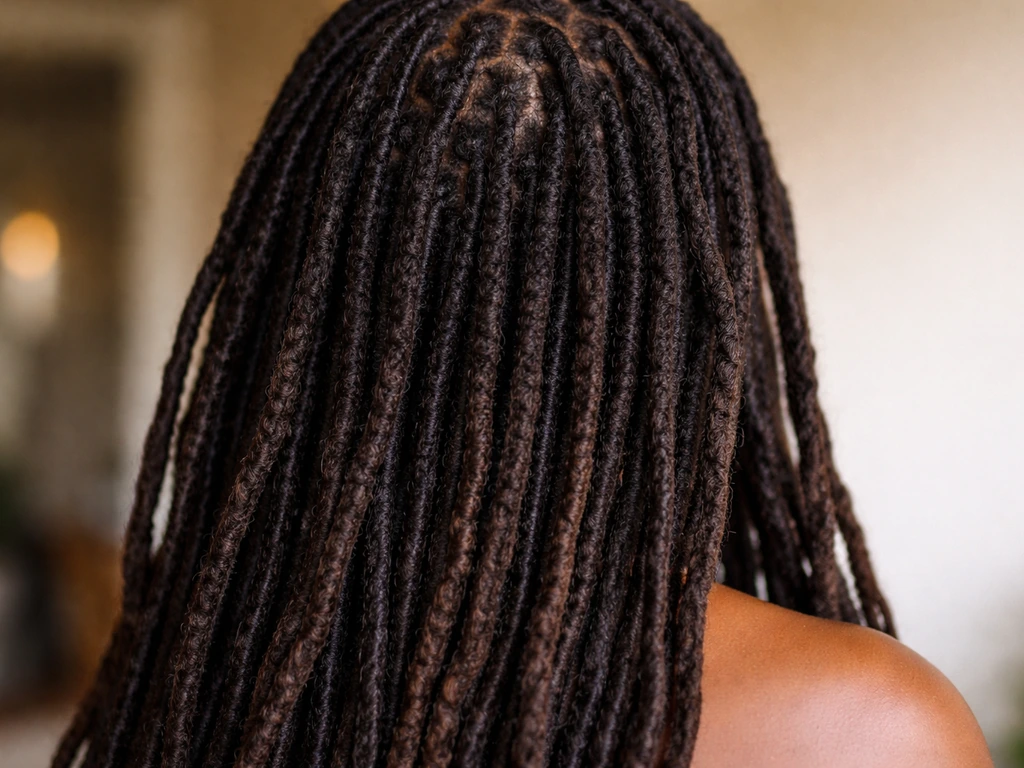
Scalp hair grows at an average of about 1 cm (roughly half an inch) per month. Research puts the full range somewhere between 0.6 and 3.36 cm per month depending on the individual, their genetics, health, and hormones. That translates to about 6 inches of new growth per year for most people, with some getting as little as 3 inches and others getting closer to 13. No product, oil, or technique is going to move you from one end of that range to the other. What does move you is genetics, diet, stress levels, scalp health, and your overall health status.
Where locs complicate the picture is shrinkage. In the early months, your locs shrink and coil up as they lock. A loc that has 3 inches of biological growth may only appear half an inch longer because the coiling absorbs the length. This is normal and temporary, but it is the main reason people feel like their locs are not growing when they actually are. Managing that expectation from day one saves a lot of frustration.
How hair growth actually works inside your locs
Hair grows from follicles in the scalp in a cycle: anagen (active growth), catagen (transition), and telogen (rest). During anagen, the hair shaft extends at that ~1 cm/month rate. During telogen, growth stops and the strand eventually sheds. You have somewhere between 100,000 and 150,000 follicles on your scalp, and roughly 10 to 15 percent are resting at any given moment. This cycling is why healthy people shed 50 to 100 hairs per day.
Inside a loc, those shed hairs do not fall out the way loose hair does. They get caught in the matrix of the loc and eventually felt into it. This is actually one of the reasons many people feel their locs are 'growing' in thickness over time, which is partly true. But true length gains still come entirely from the root, from new anagen hair pushing out of each follicle.
Nothing you apply to the shaft of the loc makes the root grow faster. Nothing you apply to the shaft of the loc makes your root grow faster, so dreadlocks will only grow faster if your scalp and follicles are healthier. What you can do is keep those follicles healthy so they spend more time in anagen, and keep the loc strong so the new growth does not snap off before it adds to visible length.
Because dreadlocks can help you retain more length through better breakage control, people often notice their locs seem to grow faster than loose hair dreadlocks make your hair grow faster.
This distinction matters a lot for the 'grow dreads faster' goal. Most of what people mean when they say faster is really better retention: less breakage, less shrinkage pulling length back, less thinning at the roots, and for starter locs, faster locking so the shrinkage phase ends sooner. If you are wondering whether interlocking can make dreads grow faster, the key point is that interlocking mostly affects how well you retain length, not how much new growth your roots produce interlocking make dreads grow faster. Those are all achievable. A dramatic increase in the biological rate of shaft production is not.
Starter locs vs established locs: the approach is different
If your locs are brand new or under 6 months old
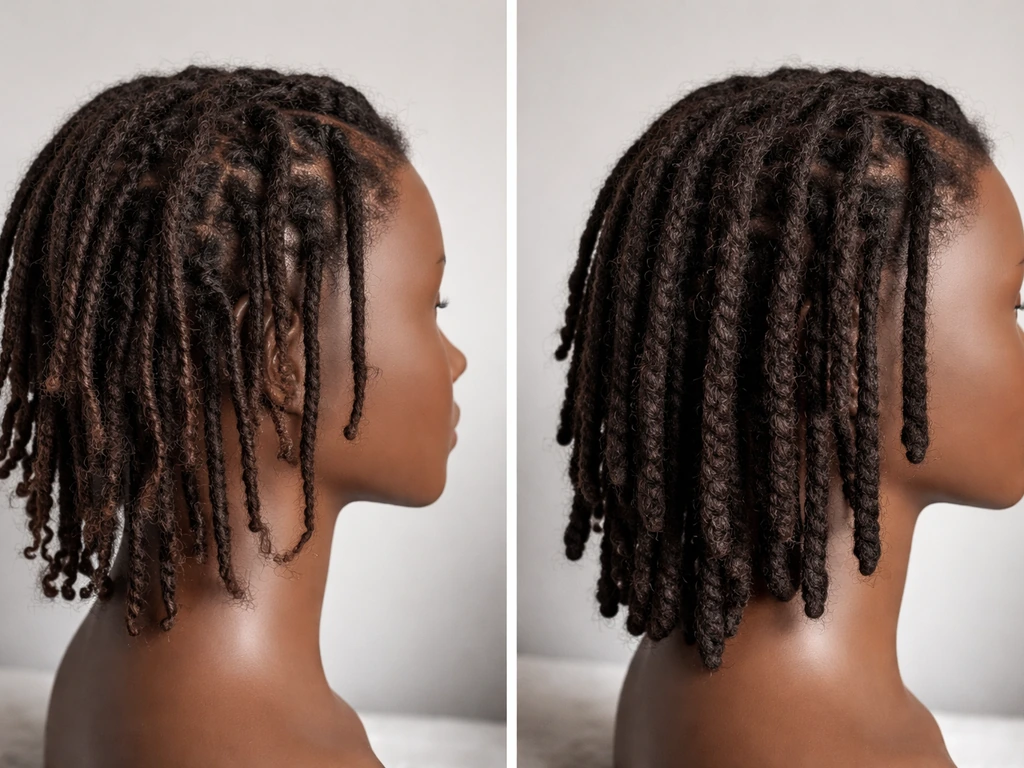
The biggest priority in the starter phase is not length, it is getting your locs to actually lock. Unformed, loose locs are fragile. The hair coils and recoils on itself, and during this phase you will see significant shrinkage. Trying to rush length at this stage by manipulating locs too often or using heavy products backfires fast. Focus on keeping the scalp clean and healthy, moisturizing the locs without overloading them with product, and retwisting only when genuinely needed (typically every 3 to 4 weeks, not weekly). The locking process for most textured hair types takes anywhere from 3 to 12 months depending on your texture, method, and maintenance approach.
During this phase, protective styling is your friend. Sleeping on a satin or silk pillowcase or wearing a satin bonnet reduces friction that can unravel forming locs and cause breakage. Avoid styles that put tension on your new roots. Be patient with the shrinkage: it will reverse once the locs start to mature and elongate.
If your locs are established (6+ months in)
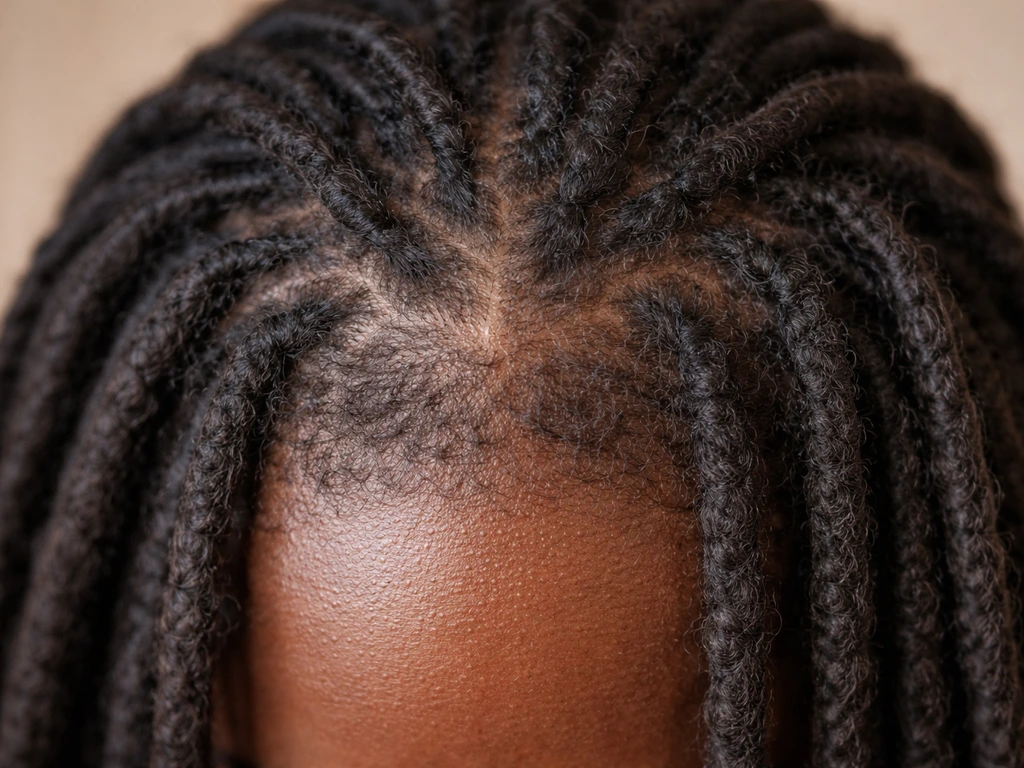
Once your locs are locked and you can see consistent new growth at the root, the goal shifts to retaining as much of that growth as possible. This means keeping the locs moisturized (especially the tips, which are the oldest and most fragile part), maintaining good scalp health to support strong roots, and being strategic about retwisting and styling. Established locs can handle a bit more in terms of products and styling, but the same rules about tension and buildup apply just as much as they did in the starter phase.
Techniques that actually help your locs grow longer
Length retention is the real game here. Your hair is growing. The question is whether that growth is surviving long enough to show up as visible length. Here is what genuinely helps.
- Keep your scalp clean: buildup from products, dead skin, and sebum can clog follicles and create an environment that slows growth and causes shedding. Wash your locs every 1 to 2 weeks with a residue-free shampoo.
- Moisturize regularly: dry locs are brittle locs. Daily or every-other-day light moisturizing (water-based sprays work well) keeps the hair shaft flexible and less prone to snapping.
- Protect your ends: the tips of established locs are the most vulnerable. Sealing them with a light oil after moisturizing helps prevent splitting and crumbling.
- Reduce manipulation: the more you touch, twist, and style your locs, the more opportunity for mechanical damage. Less is genuinely more for length retention.
- Sleep protected: satin bonnets or satin/silk pillowcases reduce friction significantly overnight. This one change alone can make a noticeable difference in how much breakage you see.
- Scalp massages: gentle scalp massage increases blood circulation to follicles. There is some research suggesting regular scalp massage may support hair density over time. Even 3 to 5 minutes a few times a week is worth doing.
- Eat for your follicles: protein, iron, zinc, biotin, and vitamins D and B12 all support healthy hair growth cycles. If your diet is deficient, your growth will reflect that regardless of what you put on your scalp.
How to make your dreads grow thicker
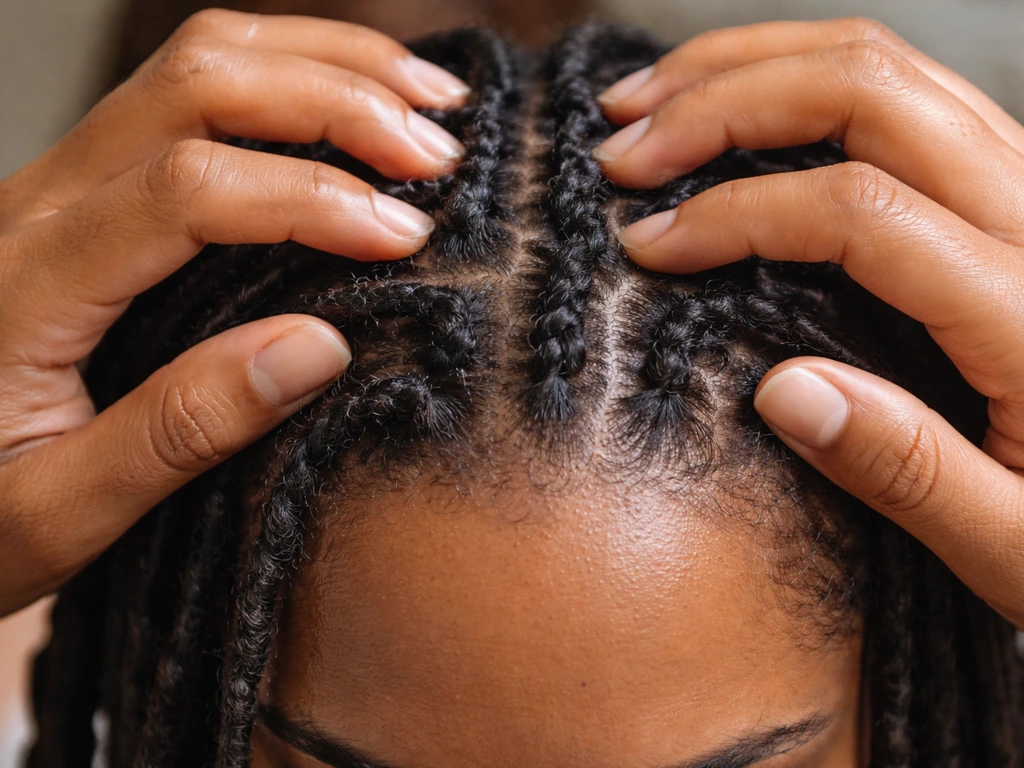
Thickness in locs comes from a few different places: the density of hair in each individual loc, the health of the follicles producing that hair, and how much of the shed hair gets successfully incorporated into the loc matrix rather than causing thinning. Here is how to work on each.
First, avoid over-retwisting. Frequent, tight retwisting is one of the most common causes of thinning locs. When you retwist too often or too tightly, you put repeated mechanical stress on the same roots in the same direction, which can cause traction alopecia over time. Signs that your retwisting routine is causing damage include thinning at the root, scalp tenderness after retwisting, and small bumps or folliculitis around the root area. Extending your retwisting interval to every 4 to 6 weeks and keeping tension gentle makes a real difference for long-term thickness.
Second, scalp health drives follicle output. Conditions like seborrheic dermatitis (dandruff that is more than just dry scalp) can cause inflammation that suppresses follicle function. If you have significant flaking, itching, and redness, that is worth addressing directly. Medicated shampoos containing ketoconazole 2% are a dermatologist-recommended treatment for seborrheic dermatitis, and there are formulations safe to use on locs. Getting scalp inflammation under control can noticeably improve the thickness of your new growth.
Third, keep the ends intact. Split, crumbling loc ends make locs look and feel thinner, and if they break off they reduce apparent length too. Sealing tips with a light oil or loc butter after every wash session helps maintain end integrity. If a loc tip is already badly frayed, tucking and pinning it temporarily while it heals is better than leaving it to unravel further.
Natural methods vs products: what to use and what to look for
You can get genuinely good results with a very simple, natural routine. Water is actually the best moisturizer for your locs. A simple spritz of water daily, followed by a small amount of a light oil to seal the moisture in, covers the basics. Carrier oils like jojoba, sweet almond, and grapeseed are lightweight and absorb without leaving heavy residue. Heavier oils like coconut oil work well for some people but can be difficult to rinse out of locs over time, contributing to buildup.
If you want to use products, here is what to look for and what to avoid.
| Category | Good options | What to avoid |
|---|---|---|
| Moisturizer | Water-based loc sprays, aloe vera juice mists | Creams with heavy waxes or petrolatum |
| Oil/sealant | Jojoba, sweet almond, argan, grapeseed | Heavy greases, petroleum-based pomades |
| Shampoo | Residue-free, sulfate-free or clarifying shampoos labeled for locs | Shampoos with heavy conditioning agents that coat the hair and cause buildup |
| Scalp treatment | Tea tree oil diluted in a carrier oil, ketoconazole shampoo for dandruff/seborrheic dermatitis | Products with heavy wax bases applied directly to scalp |
| Gel/hold product (starter locs) | Aloe vera gel, flaxseed gel, water-based twisting gels | Wax-based locking gels (notorious for buildup that never fully washes out) |
One practical note on wax: loc wax is one of the most discussed products in the loc community, and it is also one of the most commonly regretted. Wax coats locs and can prevent them from locking properly, traps dirt and lint, and is extremely difficult to remove once it builds up. A water-based twisting gel or aloe vera gel will hold your starter locs in place during the early formation phase without any of those downsides.
Mistakes that are quietly slowing your loc growth
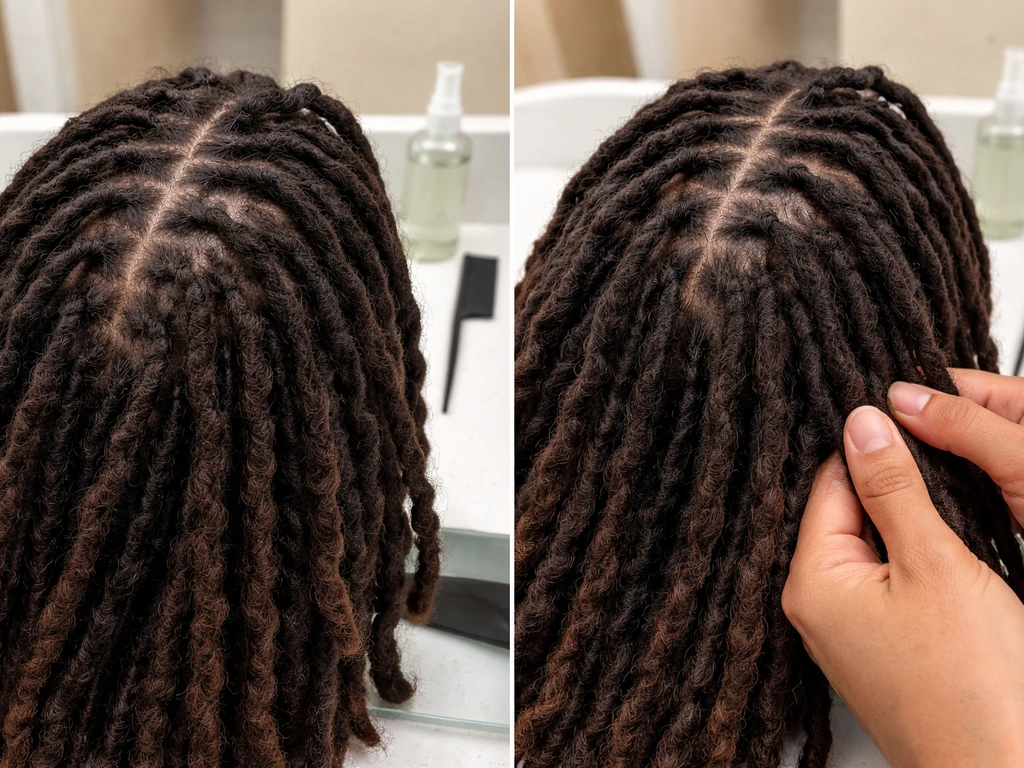
A lot of people doing everything 'right' are still making one or two of these mistakes, and they tend to cancel out everything else. These are the most common culprits.
- Retwisting too often or too tightly: this is the number one cause of thinning roots and traction alopecia in loc wearers. More frequent retwisting does not mean better locs. It means more tension on the same follicles, more often.
- Not washing often enough: some people believe washing locs disrupts the locking process or causes unraveling. In reality, a dirty scalp is a less healthy scalp. Residue, sebum, and dead skin build up quickly and can suppress follicle function. Washing every 1 to 2 weeks is the sweet spot for most people.
- Using wax or heavy buildup-causing products: buildup inside locs creates an environment for mold and mildew (yes, really), attracts lint, and can actually prevent locking. It is also nearly impossible to fully remove without essentially destroying the loc.
- Neglecting moisture: dry, brittle locs break. Breakage is lost length. Daily or every-other-day moisturizing is not optional if you want to retain the growth you are producing.
- Tight hairstyles and constant tension: updos, ponytails, and styles that pull the locs tight at the root are a slow but consistent source of damage, especially around the hairline. Give your hairline specific attention and avoid styles that pull it repeatedly.
- Not protecting hair at night: skipping the bonnet or satin pillowcase means hours of friction against cotton every night. Over weeks and months, that friction is a real source of breakage.
- Ignoring scalp issues: flaking, persistent itching, and tenderness are not just cosmetic annoyances. They are signs of inflammation that can directly affect how well your follicles produce hair. Address scalp issues proactively rather than waiting them out.
A practical routine and timeline to actually track your progress
Consistency matters more than any single product or technique. Here is a straightforward routine organized by frequency, followed by a realistic timeline of what to expect at each stage.
Daily
- Spritz locs lightly with water or a water-based moisturizing spray, focusing on any sections that feel dry or brittle.
- Apply a very small amount of lightweight oil to seal moisture in, especially on the ends.
- Wear a satin bonnet or sleep on a satin/silk pillowcase every night without exception.
Weekly
- Check your scalp for any buildup, tenderness, or flaking. Address issues early rather than waiting.
- Do a 3 to 5 minute scalp massage (with or without a diluted oil) to support circulation.
- If any loc ends look frayed or dry, give them extra moisture and a small seal of oil.
Every 1 to 2 weeks
- Wash your locs with a residue-free shampoo. Focus on the scalp. Let locs air dry fully before covering or putting them in an updo (damp locs trapped in a bun can develop mildew).
- After washing, do a thorough moisturize-and-seal session while the locs are clean and absorbing well.
Every 4 to 6 weeks
- Retwist new growth if desired, using gentle tension and a light hold product. Do not retwist on a rigid schedule just because time has passed. Retwist when there is enough new growth to work with.
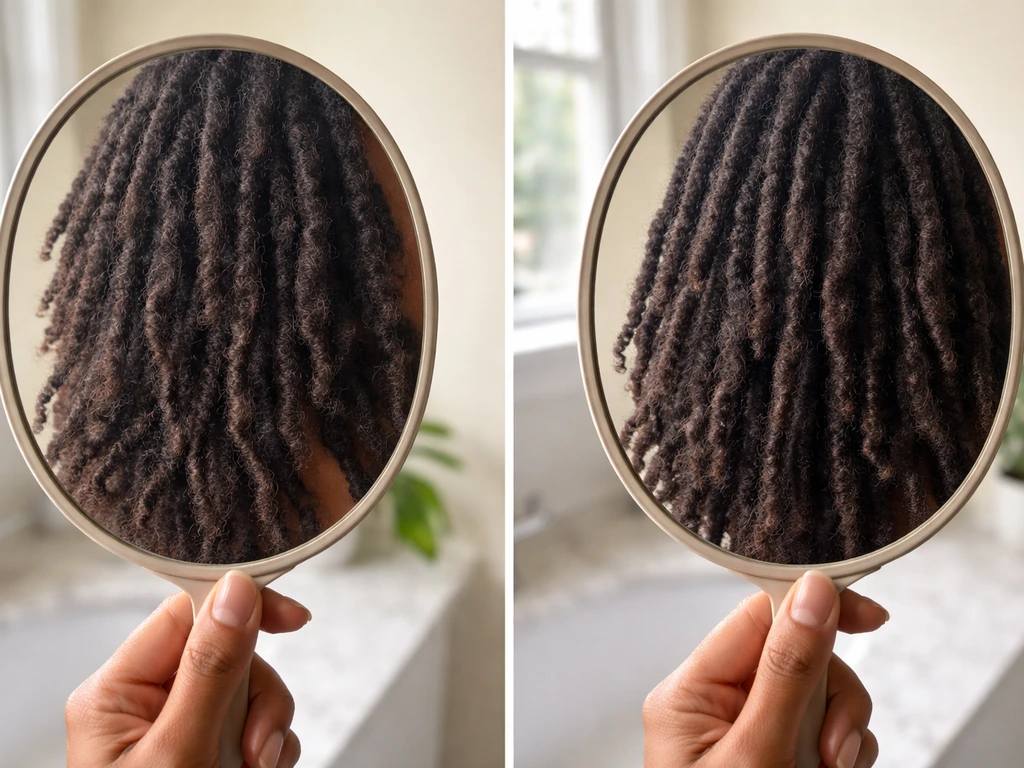
- Take a progress photo from the same angle and lighting. Monthly photos are the most honest way to track growth and retention.
What to expect month by month
| Stage | What is happening | What to focus on |
|---|---|---|
| Months 1 to 3 (starter locs) | Locs are forming, significant shrinkage is normal, locs may feel loose or fuzzy | Scalp health, gentle moisturizing, limited manipulation, protective sleep |
| Months 3 to 6 | Locs begin locking more consistently, some sections may be further along than others, shrinkage peaks then starts to ease | Consistent wash routine, retwisting intervals of 4 to 6 weeks, address any scalp issues now |
| Months 6 to 12 | Most locs are locked or nearly locked, new growth at roots is more visible, some length gains become apparent | Retention focus kicks in fully, moisturize ends diligently, take monthly photos to track progress |
| Year 1 and beyond (established locs) | Length gains become consistent and visible, locs may thicken as shed hairs incorporate, shrinkage is largely resolved | Maintain scalp health, stay consistent with moisture, avoid tension, keep ends protected |
One thing worth noting: people who follow a freeform approach (minimal or no retwisting) often see length retention just as strong as, or sometimes better than, those who retwist frequently, because they are simply subjecting the roots to less mechanical stress. The question of how much to manipulate your locs is worth thinking through honestly for your own goals and hair type. There are real trade-offs between a very groomed look and the health benefits of lower manipulation.
The bottom line is that growing dreadlocks longer and making them look fuller comes down to protecting the growth you are already producing. Your scalp is doing its job at roughly 1 cm per month. Wikipedia commonly cites an average scalp-hair growth rate of blank" rel="noopener noreferrer">about 1 cm per month, but real growth varies by factors like age, sex, ethnicity, and the hair cycle. Your job is to keep the scalp healthy, keep the locs moisturized, handle them gently, and get out of the way. If you are doing freeform dreads, focusing on healthy retention and letting time lock and mature your locs is what will determine your actual timeline. That is genuinely the fastest path to longer locs.
FAQ
How often should I retwist if my goal is faster-looking length, but I do not want thinning?
A good target is to base retwisting on how loose the roots actually are, not the calendar. If your locs are still fuzzy at the root or you see significant unraveling, a later retwist can still be appropriate, but keep it gentle and avoid “tightening” the same strand repeatedly. If your scalp gets tender, itchy, or bumpy after retwists, extend the interval again and focus on scalp comfort rather than appearance.
Can switching to interlocking make my dreadlocks grow faster in real time?
Yes, but expect it to affect retention more than true growth. Interlocking can help the loc structure stay together, reducing breakage and helping you keep more visible length. If your locs are already locking well, switching methods usually will not change the root growth rate, so measure success by fewer flyaways, less loosening, and more consistent length gain at the root over months.
How frequently should I wash my locs to support length retention?
For many people, washing every 1 to 2 weeks is a practical starting point, then adjust based on buildup and scalp sensitivity. The key is preventing product and oil buildup that can worsen flaking or follicle inflammation, while also keeping the locs clean enough that the root area stays comfortable. If you are using a lot of oil, you may need more frequent cleansing to avoid heaviness and residue.
If sealing my ends helps, why do my locs still look like they are not growing?
Do not rely on a tip seal alone. Even if you seal the ends, heavy buildup near the roots can still create shedding, thinning, or irritation that reduces healthy growth. Aim for light, minimal product on the shaft, and prioritize scalp health (cleaning well, addressing flaking or redness) so the roots can keep producing new hair.
What signs mean my current loc routine is damaging my roots, even if I am seeing length shrinkage?
You should stop and reassess if you notice persistent redness, increasing tenderness, itching that does not settle after a routine change, or widening thinning patches around the roots. Occasional bumps can happen during formation, but folliculitis or scalp inflammation can reduce retention and potentially affect density. In that case, loosen your manipulation, reduce product, and consider getting scalp-specific guidance from a dermatologist or experienced trichology clinician.
How can I tell whether my locs are actually growing during the early shrinkage phase?
Length changes can be misleading in the early months because coiling and shrinkage can hide growth. Track progress by marking the root area and checking the new growth zone monthly, then compare “new root length” rather than overall length alone. Once mature, you should see elongation reduce the shrinkage effect, and your visible growth will catch up.
What should I do if I think loc wax is preventing my starter locs from locking?
Wax can be a problem specifically because it blocks proper formation in starter locs and makes buildup easier. If you suspect wax residue (hard, sticky feel, lots of lint, locs that feel stiff and slow to lock), remove it thoroughly with repeated gentle washes and consider switching to a water-based twisting gel or aloe gel for the next formation phase.
Why does my dreadlock shrinkage look extreme compared to others with the same timeline?
If your hair is very curly or coily, your shrinkage can be more dramatic even with normal growth. That means your “visible length” timeline might look slower than someone with straighter texture, even though the root growth rate is similar. Focus on retention strategies that reduce breakage and maintain root health, then evaluate progress by consistent new growth at the scalp over several months.
Is it normal to lose hair even though my hair is in locs, and does that stop growth?
Losing hairs during the anagen cycle is normal, and shed hairs getting felt into the loc can contribute to a fuller look over time. You should still watch for excessive breakage at the ends or noticeable thinning at the roots. If you are shedding a lot from the root area with scalp irritation, that is a retention problem to address, not a sign that your roots are not growing at all.
How do I adjust my moisturizing routine if my locs are either too dry or too buildup-heavy?
If your locs feel dry and rough but not shedding heavily, prioritize water-based moisturizing first (light spritz on clean hair, then a small amount of light oil to seal). If they feel gummy, heavy, or hard to rinse, reduce oil quantity and increase cleansing frequency to prevent residue. In most cases, the “faster” fix is less buildup and more consistent moisture control rather than adding stronger products.
Next Article
How to Grow Waist-Length Black Hair: Evidence-Based Guide
How to grow and retain waist-length Black hair: realistic timelines, routines, protective styles, and evidence-basedTips