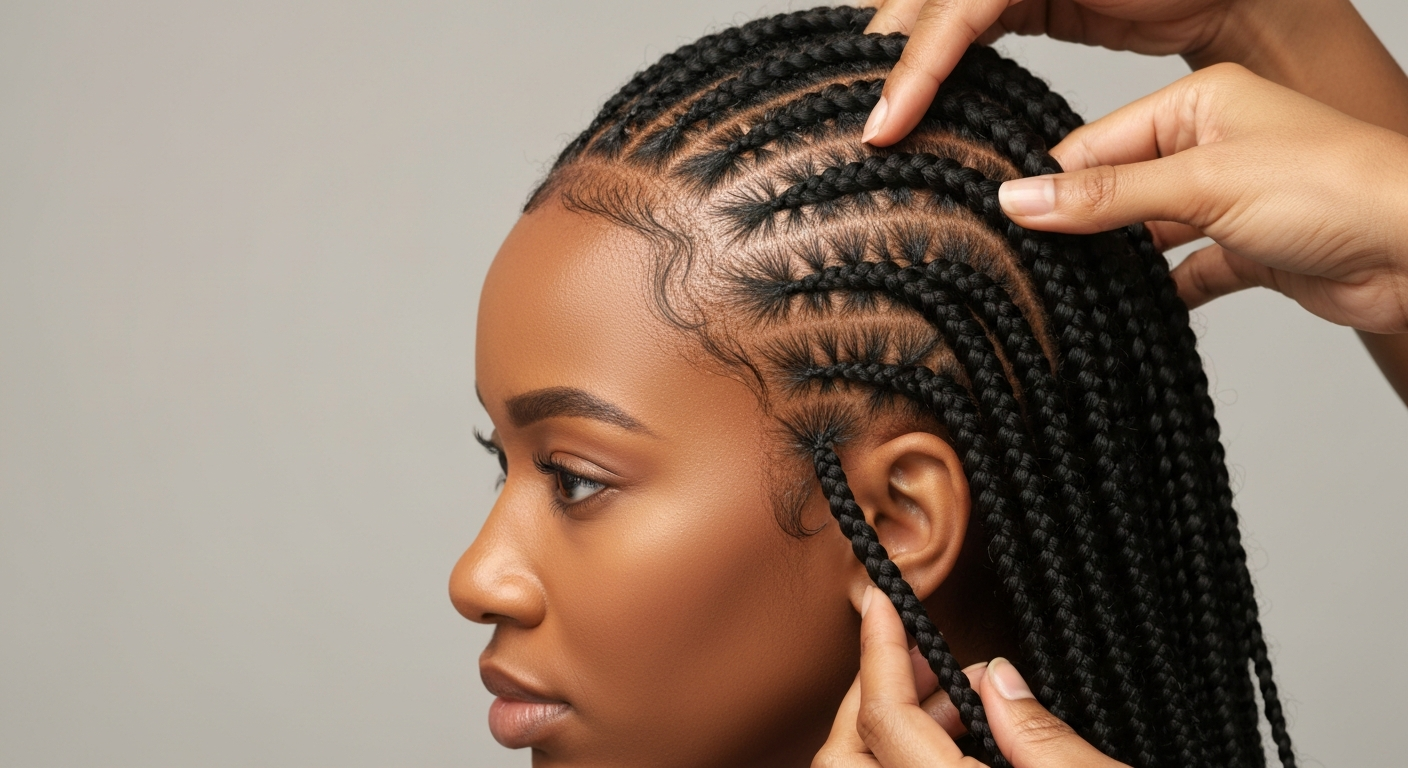
Bantu knots do not make your hair grow faster. The art of prevention: It’s too tight, Loosen up and let your hair down (review, PMC) notes that Practical, evidence‑informed dermatology recommendations compiled in review articles advise: do not tolerate pain during installation (pain = excessive tension), leave high‑tension styles in for as short a period as possible (several weeks rather than months for tight braids), and give the scalp regular rest between prolonged installations to reduce traction risk. (Clinical 'art of prevention' guidance.) The art of prevention: It’s too tight—Loosen up and let your hair down (review, PMC). Your follicles grow hair at a rate set by your biology, roughly 0.6 to 1.3 centimeters per month, and no hairstyle changes that. What bantu knots can do, when installed correctly, is protect the hair you already have so it breaks off less and stays on your head longer. That difference between growth and retention is everything, and it is the reason so many people swear protective styles 'grew their hair' when what really happened is they finally kept the length they were already producing.
Do Bantu Knots Make Hair Grow? Evidence-Based Guide

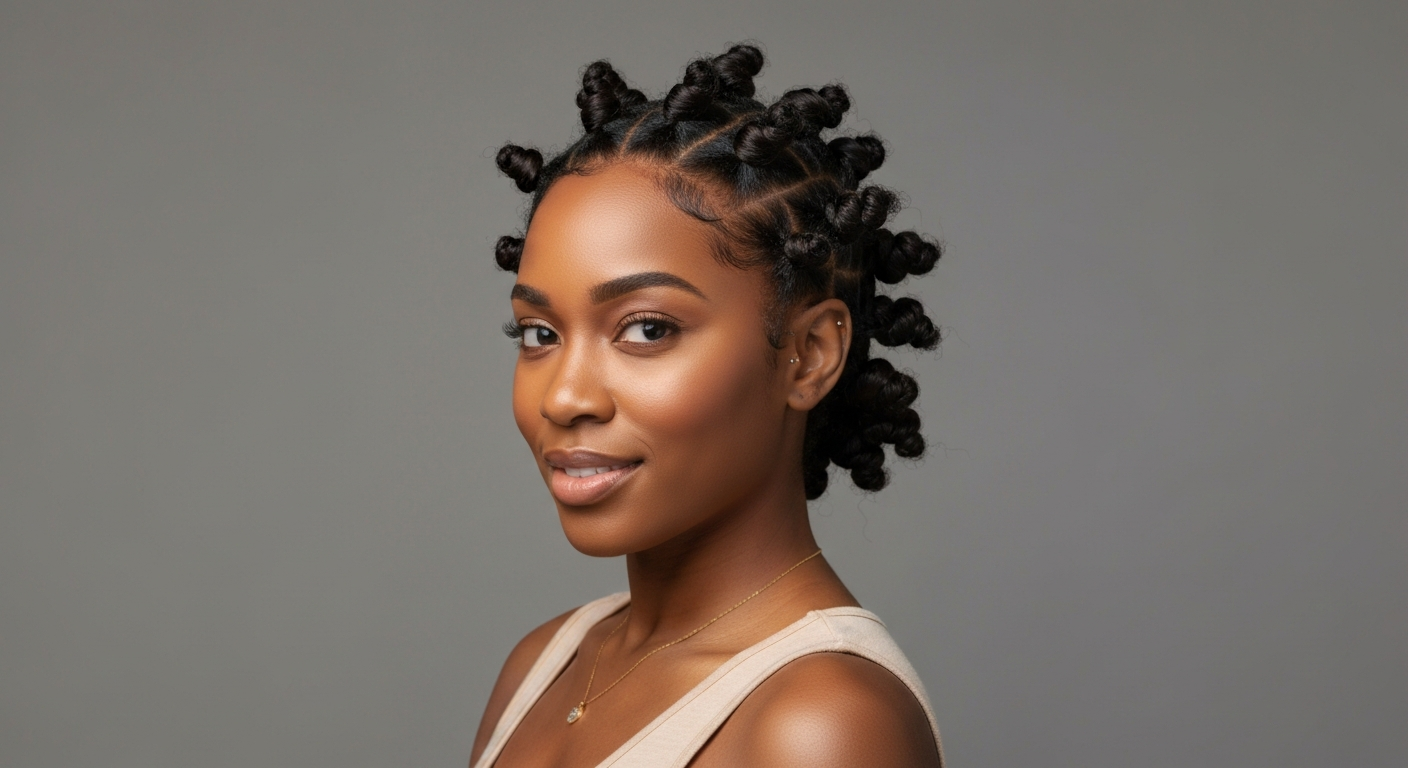
Growth vs. retention: the real reason styles seem to work
Hair growth happens inside the follicle, entirely below the scalp surface, and goes through three phases: anagen (active growth), catagen (transition), and telogen (rest and shed). The anagen phase typically lasts two to seven years and is what determines your potential maximum length. Nothing you apply topically or do to your hair externally alters how long your follicles stay in anagen. That timeline is governed by genetics, hormones, and overall health, not your styling routine.
Textured and Afro-type hair is not inherently slow-growing. Research has consistently shown that grooming-related mechanical breakage, not reduced follicle activity, is the main reason many people with type 4 hair struggle to see length gains. Combing, detangling, friction from cotton pillowcases, and rough manipulation all cause cuticle damage that leads to mid-shaft splits and breakage. The hair grows, it just breaks off before it gets long enough to notice. Protective styles like bantu knots attack that problem, not the growth rate itself.
Do bantu knots stimulate follicles or just reduce breakage?
To be direct: there is no clinical or lab evidence that bantu knots stimulate follicle activity, extend anagen, or increase the biological rate of hair production. None. The benefit is mechanical and behavioral. By coiling the hair into small knots, you tuck the ends away from friction, reduce daily combing and manipulation, and lower exposure to environmental dryness. Those things reduce breakage, which in turn allows more of the hair your follicles are already growing to accumulate on your head as visible length. That is a genuinely valuable outcome, it just is not the same as making hair grow.
How bantu knots actually support length retention
There are four specific mechanisms at work when bantu knots are done well, and understanding them helps you use the style intentionally rather than just hoping for the best.
- Reduced manipulation: Once hair is knotted, you are not combing, stretching, or detangling it daily. Every comb pass generates mechanical stress on the cuticle, so fewer passes means less cumulative damage.
- Moisture sealing: The coiled structure slows evaporative moisture loss from the hair shaft, especially at the ends, which are the oldest and most fragile part of each strand. Drier ends are more brittle and prone to snapping.
- Low tension (when done correctly): Unlike styles that pull constantly at the follicle, a properly made bantu knot sits on itself rather than pulling the root. Low tension means no traction stress on the follicle opening.
- Protected ends: The tips of each section are folded into the center of the knot and tucked away from friction surfaces, pillowcases, clothing, and environmental abrasion, which are major contributors to split ends and breakage.
Cosmetic science research on hair tribology backs this up: cuticle integrity, surface lubrication, and reduced fiber-to-fiber friction are the main mechanical factors controlling breakage. Any style or routine that addresses those factors will help retention. Bantu knots, when paired with good product use and nighttime protection, check most of those boxes.
Prep work: what to do before you install
How you prep your hair before bantu knots determines how much retention benefit you actually get. Skipping prep is probably the single biggest mistake I see, and it causes dryness, tangling, and breakage during both installation and removal.
- Wash on a clean scalp: Start with a sulfate-free or low-poo cleanser. Product buildup left under knots can cause scalp irritation and odor over time. Clean hair also takes up moisture better.
- Deep condition: A 20 to 30 minute deep conditioning treatment restores elasticity before you handle the hair extensively. Elastic hair stretches rather than snaps during coiling.
- Detangle in sections while wet: Work in 4 to 8 sections depending on your density. Use a wide-tooth comb or your fingers from ends to roots, with a generous amount of slippery conditioner. Rushing this step creates knot-on-knot tangles that cause real breakage during removal.
- Assess your protein-moisture balance: If your hair feels mushy, stretches a lot, and has no snap, it needs a light protein treatment before you knot it. If it feels stiff, brittle, or snaps without stretching, it needs moisture. Installing over compromised hair amplifies the problem.
- Apply your leave-in on damp, not dripping hair: Excess water slows drying inside the knot and can cause mildew smell in tighter styles. Damp is the sweet spot.
Step-by-step technique: size, tension, and how long to keep them in
How to install safely
- Section the hair: Decide on knot size before you start. Larger sections (roughly 2 by 2 inches or bigger) produce looser coils, less definition, and are quicker to do. Smaller sections give tighter curl definition but take longer and involve more manipulation. For retention purposes, fewer larger sections mean less handling.
- Apply leave-in to each section: Work product through thoroughly before twisting. Do not apply a heavy buttery product at this stage; save those for sealing after.
- Twist the section from root to tip: Twist in one direction (typically away from the face) creating a two-strand twist first. This controls the hair and makes the knot easier to form.
- Coil the twist into a flat knot: Wrap the twisted section around its own base in a circular motion, staying close to the scalp but not pulling at the root. The knot should lie flat on the head with no tugging sensation.
- Tuck the end under the coil: Secure the tip by tucking it under one of the loops of the knot. If you need to secure with a pin or band, use a soft snag-free elastic and do not wrap it tightly.
- Tension check: After each knot, gently tug it away from the scalp. You should feel the weight of the hair, not pain. If your scalp stings, whitens, or shows bumps at the hairline, the knot is too tight. Redo it looser immediately.
How long to keep bantu knots in
Bantu knots are generally best worn for one to two weeks at a stretch. They are a relatively low-tension style compared to tight braids or cornrows, which gives you a little more flexibility, but they are not a set-and-forget style the way crochet braids or box braids can be. After two weeks, the hair inside the knots begins to shed and tangle around itself, making removal progressively more damaging. Dermatology guidance on protective style duration consistently advises removing and redoing styles before matting or significant new growth causes tension at the root. If you want the retention benefits over a longer period, consider removing, refreshing your moisture, and reinstalling after two weeks rather than leaving a single install in for a month.
Night care and maintenance while wearing bantu knots
The work does not stop at installation. Nighttime is when a surprising amount of breakage happens, through friction against cotton pillowcases and the physical pressure of sleeping on hair. The fix is straightforward but non-negotiable if you are serious about retention. The American Academy of Dermatology recommends using a satin or silk bonnet or pillowcase and periodic moisturization while wearing protective styles to reduce friction and dryness and minimize breakage American Academy of Dermatology recommends satin or silk bonnets/pillowcases and periodic moisturization..
- Sleep with a satin or silk bonnet or on a satin pillowcase every single night. Satin dramatically reduces the fiber-to-fiber and hair-to-fabric friction that lifts cuticles and causes breakage overnight. This is backed by both cosmetic science tribology research and AAD patient guidance for textured hair.
- Re-moisturize every 2 to 3 days: Lightly mist the knots with water or a water-based refresher spray, then follow with a small amount of a light oil on the exposed sections and scalp if it feels tight. You do not need to saturate; the goal is preventing the dehydration that makes hair brittle.
- Do not retwist more than once per week: Constantly fussing with the knots defeats the manipulation-reduction benefit. If edges are frizzy, smooth them with a light edge control and leave the actual knots alone.
- Keep your scalp clean: If you notice buildup, itchiness, or flaking at the two-week mark, do not push through. Apply diluted shampoo or a scalp oil with tea tree to the roots, gently massage, and rinse carefully without fully unraveling the knots. Some people can stretch to three weeks with careful scalp care; most should aim for two.
Products to use and avoid with bantu knots
Getting the product selection right matters more than most people realize. The wrong products under bantu knots can cause buildup, dryness, or even breakage. Here is how I break it down.
What to use
- Water-based leave-in conditioner: Look for water as the first ingredient. Humectants like glycerin and panthenol help the hair shaft hold onto moisture, which is critical for pliability and reducing breakage.
- Light sealing oil: Jojoba, argan, sweet almond, or grapeseed oil applied after the leave-in helps lock in moisture and smooth the cuticle without sitting heavy on the hair. These oils also reduce inter-fiber friction.
- Hydrolyzed protein treatment (used strategically): If your hair feels overly stretchy or weak before installation, a light protein treatment (hydrolyzed keratin, hydrolyzed silk) can increase tensile strength and reduce mid-shaft breakage. Use it in your prep, not daily inside the install.
- Light, water-soluble stylers: Aloe vera gel or a light curl cream used during installation helps the twist hold without weighing it down or causing buildup.
What to skip
- Heavy butters and thick pomades: Shea butter and petroleum-based products used as your base layer inside the knot trap buildup, attract lint, and can suffocate the scalp over days. They are also very hard to rinse out without extensive manipulation.
- Products with high concentrations of drying alcohols: Ingredients like SD alcohol, ethanol, or isopropyl alcohol high on the ingredient list strip surface lipids and dehydrate the shaft. These appear in some sprays and holding products labeled for textured hair, so check the label.
- Excessive protein over already stiff hair: If your hair already feels brittle or has low elasticity, adding more protein will make it worse. Over-proteinated hair snaps easily at the curl points, exactly where bantu knots put repeated stress.
- Thick gels that flake and dry hard: These create residue that tangles into the hair inside the knot, making removal more damaging.
Managing protein-moisture balance over time
Protein and moisture work together: protein strengthens the strand structure, moisture keeps it flexible. You need both. A strand that is only moisturized without adequate protein stretches past its limit and breaks. A strand loaded with protein but no moisture becomes rigid and snaps under the coiling pressure of the knot itself. The simple test: take a single strand and stretch it. Healthy hair with good balance stretches a little, then returns without breaking. Too much stretch before breaking means moisture overload. No stretch before a snap means protein overload. Adjust your next wash-day treatment accordingly.
Risks to know: traction, breakage, and scalp irritation
Bantu knots are lower tension than most braided styles, but low tension is not zero tension, and mistakes during installation or extended wear can cause real damage.
- Traction alopecia: Repeated pulling at the follicle, especially at the hairline and temples, causes inflammation that can permanently damage follicles over time. Clinical dermatology reviews document this clearly. The early sign is small bumps or pimples along the hairline, then gradual thinning.
- Mechanical breakage during removal: Removing knots dry, fast, or without detangler causes massive breakage. Always dampen hair and work knot-by-knot with your fingers before any comb touches it.
- Scalp irritation from buildup: Leaving product-laden knots in for three or more weeks without cleansing the scalp creates conditions for bacterial or fungal overgrowth, folliculitis, and itching.
- Matting and tangling: Shed hairs that cannot naturally fall out accumulate inside the knot. After two to three weeks, these can mat together, and removing a matted knot causes the kind of breakage that sets retention back significantly.
Warning signs and when to see a professional
- Pain at the root that does not resolve within an hour of installation: Remove and redo looser immediately.
- White or red bumps forming along the hairline within the first few days: This is early-stage follicular stress. Remove the style.
- Noticeable thinning or a receding hairline at the temples after repeated installs: See a board-certified dermatologist. Early-caught traction alopecia can often reverse if the tension source is removed, but prolonged traction can cause permanent scarring.
How to measure and track your growth while wearing protective styles
Tracking actual growth while your hair is in knots takes a little planning but is genuinely useful for understanding what is working. See our guide on how to know if your hair grow in braids for step‑by‑step measurement and tracking tips. The most reliable method is to pick a consistent reference point, a specific curl or section at the top or back of the head, stretch it carefully to its full length, and measure from root to tip before you install. Photograph it with a ruler in frame. After your install period is over and the hair is detangled, measure the same section again. Expect to see roughly 1 to 2.5 centimeters of new growth over a four to six week period if your follicles are healthy. The goal is that your measured length after removal is greater than it was when you installed, meaning your retention exceeded breakage.
What you should not do is measure while the hair is in the knot or compare styled length to unstretched natural length. Both give misleading readings. Consistency in your measurement method matters far more than precision on any single measurement. Tracking over three to six months tells you whether a style and routine combination is actually working for your retention.
Realistic timeline: what to expect
If your follicles are healthy and you are consistent with your routine, you can realistically retain most of the approximately 1 centimeter of monthly growth your scalp produces. Over six months, that is roughly 6 centimeters of accumulated length, assuming minimal breakage. That is a meaningful amount on textured hair, which coils and shrinks significantly, making gains hard to see week to week. Most people who adopt protective styling with proper care see visible length retention within three to four months of consistency, but the style does not shortcut the biology. The follicle delivers what it delivers; your job is to not break it off.
Bantu knots vs. other protective styles
Bantu knots are one of several protective options for textured hair, each with different tension profiles, wear durations, and retention benefits. Here is how they compare on the factors that matter most for retention and scalp health.
| Style | Tension Level | Typical Wear Duration | Manipulation Required | Main Retention Risk |
|---|---|---|---|---|
| Bantu Knots | Low to moderate | 1–2 weeks | Low after install | Matting if left too long |
| Box Braids | Moderate to high | 4–8 weeks | Very low after install | Traction at hairline, weight stress |
| Knotless Braids | Low to moderate | 4–8 weeks | Very low after install | Length/weight stress over time |
| Crochet Braids | Low at base | 4–8 weeks | Low after install | Cornrow base tension |
| Two-Strand Twists | Low | 1–3 weeks | Low after install | Dryness, unraveling |
| Locs (starter/mature) | Low (mature) | Ongoing | Very low | Early-stage tension, buildup |
Box braids and knotless braids can be worn for longer periods, which reduces cumulative manipulation over time and may offer stronger retention gains per install. For detailed, step‑by‑step guidance on how to grow hair in knotless braids, see our dedicated guide on how to grow hair in knotless braids (internal resource 4c65dbda‑bbc0‑44d0‑81fb‑0c1f58736580). For specifics on retention rates and wear-time tradeoffs, see how much does your hair grow in box braids. The tradeoff is that added extension hair increases tension and weight at the root, especially at the hairline. Understanding how long to keep braids in for the best retention outcomes, and how much growth you can realistically expect inside a box braid install, are worth knowing if you rotate between styles. Similarly, if you have experienced hairline thinning from previous installs, the approach to regrowing a damaged hairline from braid tension is a distinct process worth addressing separately.
Crochet braids sit on a cornrow base, which concentrates tension on the foundational braids rather than distributing it the way bantu knots do. They can be excellent for retention if the base braids are not too tight. Twists are the closest relatives of bantu knots in terms of technique and tension, and many people use them interchangeably depending on whether they want a defined coil or a stretched twist-out after removal. For people wanting to grow natural hair with braids of any kind, the consistent thread is low tension, good prep, adequate moisture maintenance, and timely removal. For a focused guide, see a practical article on how to grow your natural hair with braids that covers low-tension installation, moisture maintenance, and timely removal.
The bottom line: what bantu knots can and cannot do
Bantu knots are a legitimate, culturally grounded protective style that can meaningfully improve length retention for people with textured hair when used with the right technique and maintenance routine. They do not grow hair. Nothing external does. But by reducing the manipulation, friction, and mechanical stress that cause textured hair to break faster than it accumulates, they help you hold onto what your follicles produce. Done with low tension, proper moisture, satin nighttime protection, and timely removal, they are one of the lower-risk protective options available. Done sloppily, with tight roots, skipped moisture, and left in too long, they create exactly the breakage and traction risk you are trying to avoid. The style itself is neutral. The technique and consistency are what determine the outcome.
FAQ
Do bantu knots make hair grow?
No — bantu knots do not change the biological follicle growth rate (anagen length). Follicles determine how fast hair is synthesized. Bantu knots can, however, support visible hair length by reducing breakage and improving length retention when used correctly.
What’s the difference between hair growth and length retention?
Hair growth is the rate at which the follicle produces new shaft (driven by the hair cycle: anagen/catagen/telogen). Length retention is how much of that grown hair remains unbroken and on the head. Protective styles like bantu knots affect retention (less breakage, less manipulation), not the intrinsic follicular growth rate.
How do bantu knots help retain length (mechanisms)?
Bantu knots support retention by: 1) tucking ends away to reduce friction and environmental wear; 2) lowering daily handling and combing cycles (less mechanical stress); 3) helping maintain moisture when used with proper leave‑ins/sealants; and 4) reducing tangles and snagging during sleep when paired with satin protection. These reduce mechanical breakage rather than increase follicle output.
Do bantu knots stimulate follicle activity or hair production?
There’s no evidence that styling with bantu knots stimulates follicle mitotic activity or lengthens anagen. Any apparent faster growth is usually better retention (fewer broken ends) or perceived because hair is protected and shaped.
How to make bantu knots safely: step‑by‑step technique
1) Start on clean, detangled, damp hair. 2) Section hair into the desired size (smaller = more defined curl, larger = chunkier knot). 3) Apply a water‑based leave‑in on damp hair, smoothing each section. 4) Twist or coil section toward the scalp, wrap into a knot that sits flat — do not pull tightly at the root. 5) Secure with a soft pin or tucked end; avoid rubber bands that cut into hair. 6) Sleep with satin/silk bonnet or pillowcase. 7) Remove gently by uncoiling, not pulling; detangle ends lightly if needed.
How tight should knots be and how long can you keep them in?
Knots should be snug enough to stay in place but never painful or causing scalp stinging. Pain = excessive tension and risk of traction. For low‑tension bantu knots, typical safe wear time is 1–4 weeks depending on scalp health and maintenance; limit repeated back‑to‑back installs without scalp rest. If you feel pain, numbness, or see inflamed bumps, loosen or remove them promptly.
How to Grow Hair with Crochet Braids: Protect & Promote Length
How to grow hair with crochet braids: evidence-based prep, low-tension install, scalp care, wear-time, removal & regrowt