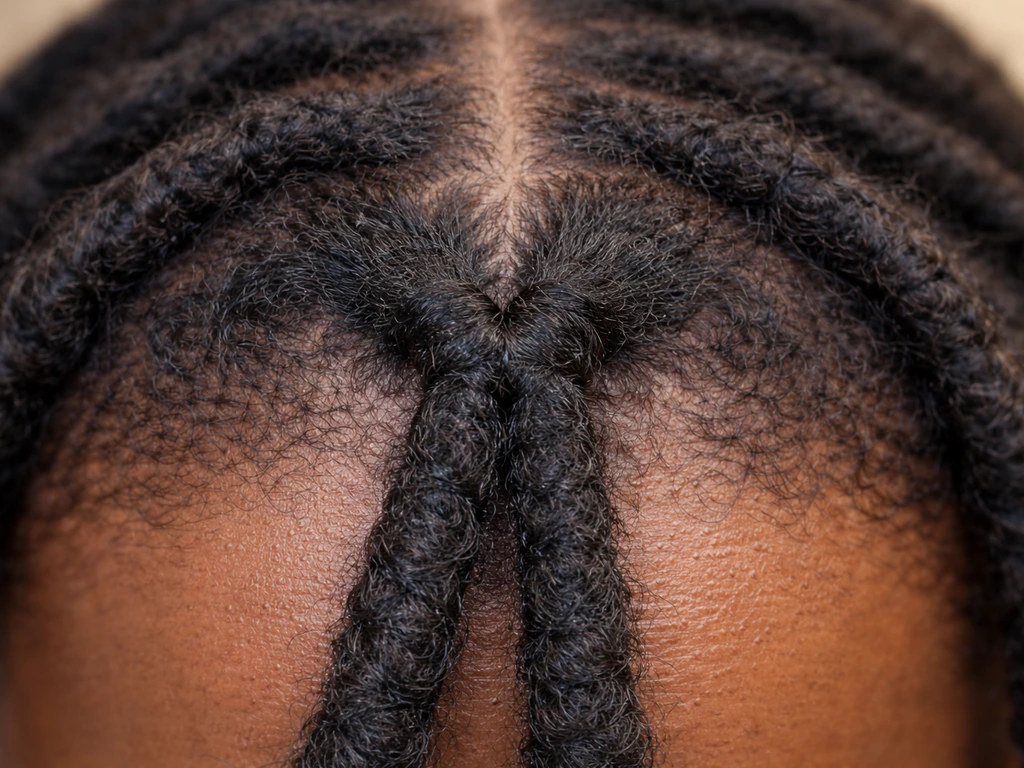
Locs do not make your hair grow faster on a biological level. If you are wondering how much faux locs change hair growth versus how much they improve retention, the same rule applies: the follicle growth rate is basically the same, but reduced breakage can make your hair seem to grow faster do faux locs grow hair. Your follicles produce new hair at roughly the same rate no matter what style you're wearing, averaging about 1 centimeter per month. What locs can do, and what makes them feel almost magical for length retention, is dramatically reduce the daily breakage that steals that growth before you ever see it. So yes, locs can absolutely help your hair get longer, but the mechanism is retention, not accelerated follicle output.
Does Locs Grow Your Hair Faster? The Truth on Length

Simone Okonkwo
21 May 2026

Hair growth vs. hair retention: the distinction that changes everything
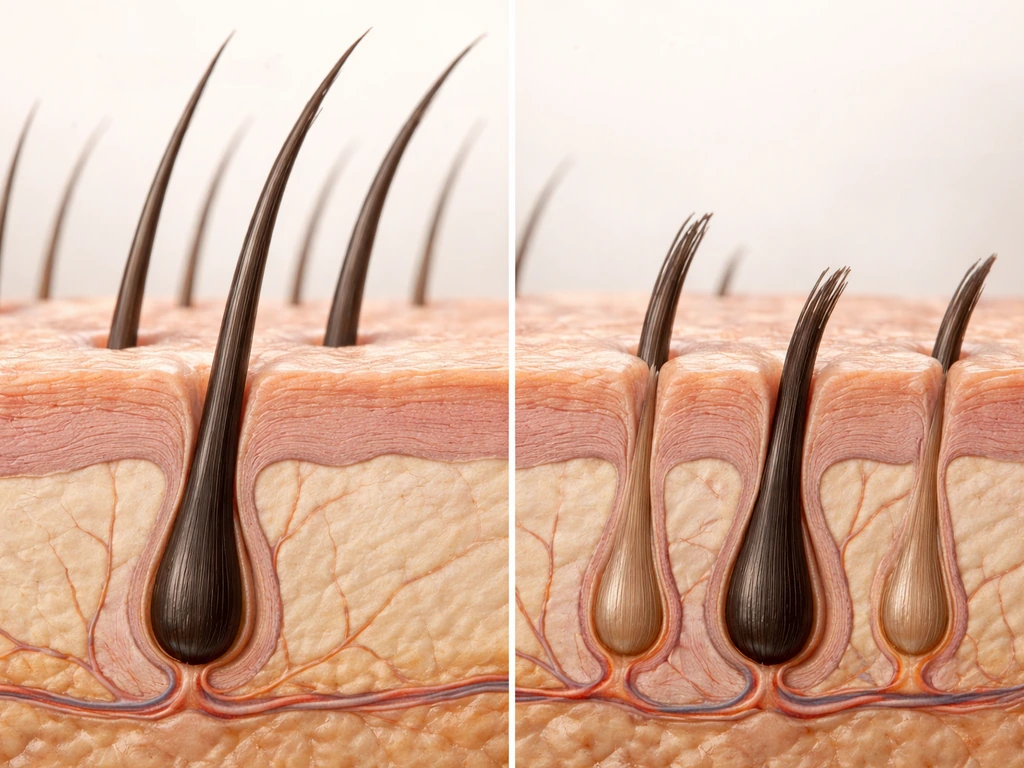
This is the core concept worth understanding before anything else. Hair growth is a biological process happening inside your scalp. Each follicle cycles through three phases: anagen (active growth), catagen (regression), and telogen (rest). The anagen phase on your scalp can last anywhere from two to six years, and that duration, not your styling choices, is what ultimately caps how long your hair can get. Hormones, age, nutrition, and overall health influence these phases far more than any style ever will.
Hair retention is entirely different. It describes how much of the hair your follicles already grew actually stays on your head. This is where styling choices, including locs, have real power. Loose natural hair, especially tightly coiled textures, is prone to tangling, friction, and breakage during detangling, washing, and everyday manipulation. Every centimeter that breaks off at the end of a strand is a centimeter your body already grew that you simply never see in your length measurements. Locs reduce that manipulation dramatically. Once your hair is locked, there is no daily detangling, no pulling through knots, and far less friction against clothing and pillowcases. That preservation adds up fast.
What locs actually do to your hair day to day
The everyday reality of locs is genuinely protective for most people, but it is not automatically protective just because the style exists. A few specific things determine whether your locs are working for or against your hair.
Breakage
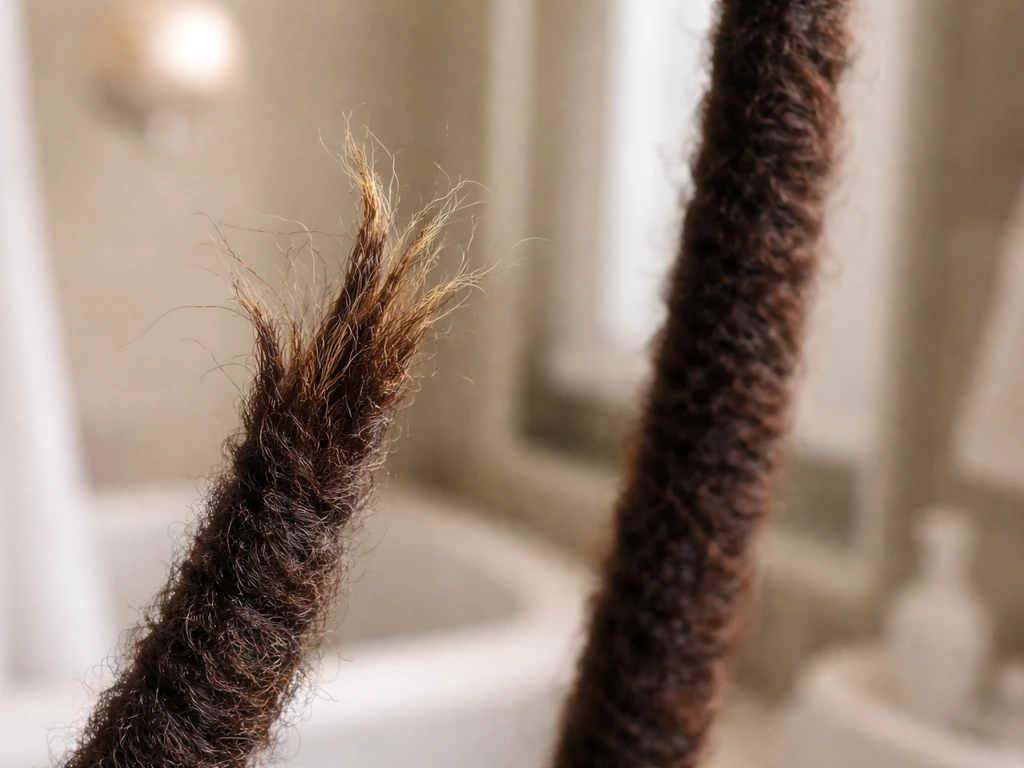
Established locs virtually eliminate the single largest cause of breakage in textured hair: manipulation. You are not running a comb through your hair every morning, and you are not spending hours detangling on wash day. That alone can stop a significant amount of breakage that was quietly robbing your length.
Shrinkage
Locs, particularly in the early stages, still shrink when wet. Many people are surprised by how much length disappears after washing. As your locs mature and become denser, this shrinkage becomes less dramatic, and the visual length you see stays more consistent. This is one of the underrated benefits of mature locs: your actual length is more visible because the hair is no longer contracting into tight coils every time it gets damp.
Tension
This is where locs can cause real damage if you are not careful. Aggressive retightening, especially with interlocking or crochet methods done too frequently, places repeated mechanical stress on the root. Over time, that tension can lead to traction alopecia, a form of hair loss caused by persistent pulling at the follicle. Thin edges, receding hairlines, and soreness at the root after retwisting are all warning signs you should take seriously.
Dryness
Locs can be significantly drier than loose natural hair. The loc structure makes it harder for the scalp's natural sebum to travel down the hair shaft, and product buildup inside the loc can create a barrier that prevents moisture from penetrating. Dry, brittle locs break. Keeping moisture in is not optional if you want to see growth results.
What actually determines your results with locs
Not everyone who gets locs experiences the same retention benefits. A few key variables make the difference.
| Factor | How it affects growth outcomes |
|---|---|
| Starter hair type and texture | Finer or more fragile hair needs lighter products and gentler retightening to avoid breakage at roots |
| Loc size | Smaller locs have a higher surface area ratio and tend to dry slower, increasing buildup and breakage risk; larger locs are more forgiving but can create tension at the scalp if heavy |
| Retightening frequency and method | Too frequent or too tight retightening is the leading cause of traction alopecia in loc wearers; every 4 to 6 weeks is a common recommendation |
| Moisture routine | Regular moisturizing (water-based products, light oils) prevents brittleness and internal dryness that leads to breakage |
| Product use | Heavy butters and waxes build up inside locs over time, weighing them down and creating a residue layer that traps dryness and debris |
| Scalp care | An unhealthy or congested scalp slows down the follicle environment; regular gentle cleansing matters more with locs than without them |
Do locs make hair grow faster? What 'faster' really means
When people say their hair grew faster after getting locs, what they almost always mean is that their hair got longer faster. That is a real and valid experience. If your hair was breaking off at a rate that kept your length stuck at the same point for years, and then you got locs and stopped breaking, your hair can appear to grow several inches in a year even though the follicle rate never changed. That is the retention effect working exactly as it should.
blank" rel="noopener noreferrer">True acceleration of follicle output, meaning actually speeding up the anagen phase or increasing the rate at which new cells are produced at the follicle, is not something any hairstyle does. The biology just does not work that way. blank" rel="noopener noreferrer">Anagen duration is influenced by hormones, nutrition, age, and genetics. A style worn on top of your scalp does not reach down into the follicle and change those variables. If someone tells you locs activated their hair growth, what actually happened is that their hair finally had a chance to retain the length it was already producing.
It is worth noting that similar conversations come up around other protective styles. The same retention logic applies when people ask whether faux locs, soft locs, or butterfly locs grow hair: the style itself does not accelerate growth, but the reduction in manipulation can meaningfully improve length retention depending on how the style is installed and maintained.
Best practices to support growth while wearing locs
If your goal is maximum length retention and overall hair health inside your locs, here is what actually moves the needle.
Scalp care first
Your follicles live in your scalp, so scalp health is hair growth health. Wash your scalp regularly with a residue-free or clarifying shampoo designed for locs. Buildup from products, sweat, and dead skin cells can clog follicles and create an environment that slows healthy hair cycling. Aim to wash every one to two weeks depending on your activity level and scalp type. If you deal with scalp itch or flaking, address it directly rather than ignoring it. A congested, irritated scalp is not an optimal environment for hair growth.
Moisturize consistently
The most effective approach for loc moisture is water first, then seal. Use a light water-based moisturizer or even plain water misted onto your locs and scalp, then follow with a light oil like jojoba, argan, or almond oil to seal that moisture in. Avoid heavy butters and petroleum-based products because they sit on the outside of the loc without penetrating and contribute to buildup over time.
Space out your retightening
Resist the urge to retwist too often. Most loc stylists recommend retightening every four to six weeks, not every week or two. Letting new growth accumulate before tightening reduces the tension placed on each individual follicle. When you do retwist, make sure you or your stylist is not pulling aggressively at the root.
Protect your locs at night
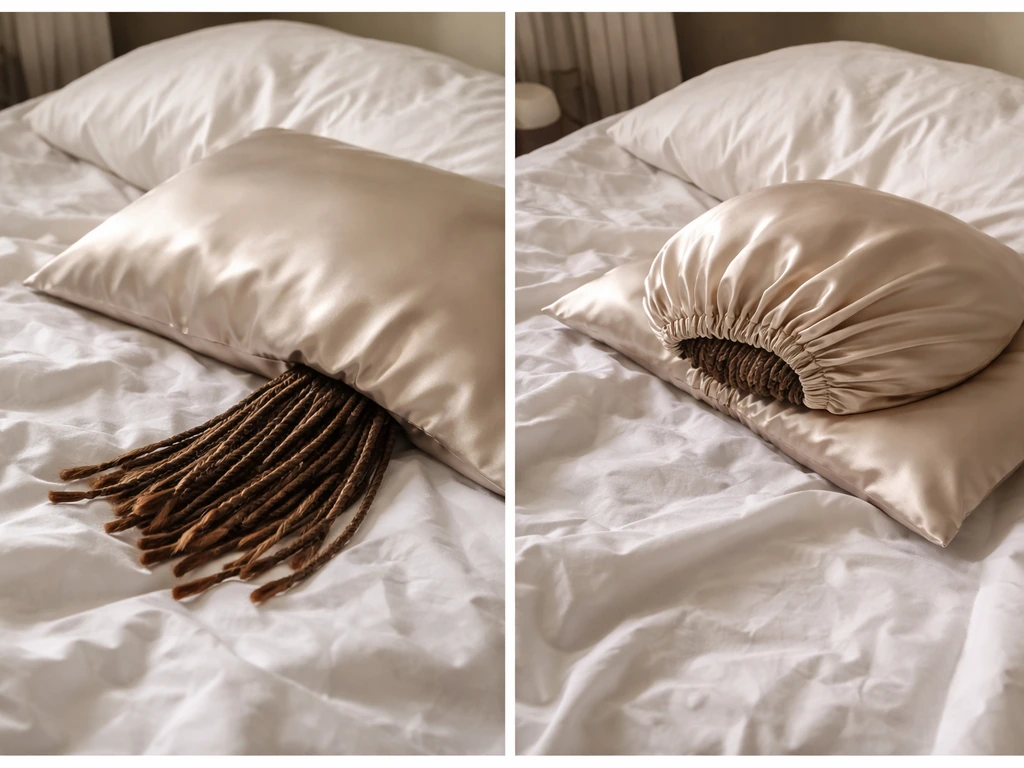
Sleep on a satin or silk pillowcase, or tie your locs in a satin or silk scarf or bonnet. Cotton pillowcases create friction and absorb moisture from your locs overnight, both of which contribute to dryness and frizzing at the roots over time.
Support growth from the inside
Remember that anagen phase duration is influenced by nutrition, hormones, and overall health. Eating enough protein, staying hydrated, and managing chronic stress are not glamorous recommendations, but they are the most evidence-supported ways to support the biology driving your hair growth rate. Iron deficiency, vitamin D deficiency, and thyroid issues are among the most common nutritional and hormonal culprits when hair growth slows or shedding increases, so if you suspect something systemic is going on, a conversation with your doctor is worth it.
When locs are not helping: how to troubleshoot
Locs are not automatically a protective style just because they exist on your head. If you are not seeing length retention gains, or worse, if your hair seems to be thinning or breaking, here is how to diagnose what is going wrong.
Thinning or receding edges
This is almost always a tension problem. If your locs are being installed or retightened too tightly around the hairline, or if you are wearing them in updos or buns that pull at the edges, you are risking traction alopecia. The fix is immediate: reduce tension, avoid tight updos, ask your stylist to leave your edges looser, and stop interlocking if it is causing soreness. Caught early enough, traction alopecia is reversible. Left untreated, the follicle damage can become permanent.
Breakage inside or at the tip of locs
If your loc ends are thinning or snapping off, dryness is almost certainly the cause. Step up your moisture routine immediately. Also check whether your locs are fully dry after washing before you cover them. Locs that stay damp inside for extended periods can develop mildew or internal weakening that causes breakage from the inside out.
Product buildup
Locs can accumulate product residue, lint, and debris over time, especially if you have been using heavy waxes or butters. Buildup makes locs heavy, dull, and difficult to moisturize properly because product residue prevents water from reaching the hair shaft. A deep cleanse with a clarifying or apple cider vinegar rinse can help clear buildup. Going forward, switch to lighter, water-soluble products specifically formulated for locs.
Scalp issues that are not resolving
Persistent scalp itch, flaking, soreness, or visible redness that does not clear up with a consistent washing routine warrants a visit to a dermatologist. Seborrheic dermatitis, scalp psoriasis, and folliculitis can all affect loc wearers and, if untreated, can create a scalp environment that disrupts the hair growth cycle directly. This is not something to push through with more product.
The bottom line with locs and growth is that the style puts your hair in the best possible position to retain what your follicles are already producing. Get the maintenance right, protect against tension and dryness, and keep your scalp healthy, and most people with locs do see meaningful length over time. The biology has not changed, but when breakage stops stealing your progress, the results can feel transformative.
FAQ
If locs do not speed up growth, how can I tell whether I am actually retaining more length?
Track length on the same days each month from a consistent reference point (for example, above the same knuckle area or at a crown-to-end marker). Also compare end thickness or the amount of snapping over time. If shedding increases but ends stay firm, it is often normal shedding, while visible end thinning usually points to dryness or buildup causing breakage.
Do sister locs or other extensions change the answer to “does locs grow your hair”?
Sister locs and standard locs follow the same biology, the style does not increase follicle output. The difference is usually in maintenance demands: if extensions use heavier locking products or add weight, they can increase dryness, lint buildup, or tension at the roots, which can reduce retention instead of improving it.
Can I wash my locs less often and still get length retention benefits?
Washing frequency depends on your scalp and activity, but going too long can increase buildup from sweat, dead skin, and product, which can affect scalp comfort and clog the environment around follicles. If your scalp is not flaking or irritated, many people still do best washing every 1 to 2 weeks, using a residue-free or loc-friendly clarifying approach.
How often should I moisturize locs if they already feel dry?
Moisture is about staying consistent, not just treating once. Use a water-first approach, mist or apply water-based moisture to the scalp and locs, then seal lightly, especially focusing on areas that feel crunchy or frayed. If locs are drying within a day or two, you likely need a lighter, more frequent routine rather than heavier products that cause buildup.
What’s the fastest way to reduce breakage in locs without over-retwisting?
First, check tension and timing, retwisting too early is a common breakage trigger. Then address dryness and internal wet-time, make sure locs fully dry after washing and use water-first moisturizing. Finally, reduce friction by using silk or satin at night and avoiding tight styles that pull at the hairline.
Is it normal for locs to feel shorter after washing due to shrinkage?
Yes, shrinkage after washing is common, especially for younger or less mature locs. What is not normal is persistent end snapping or heavy odor that suggests they are staying damp inside. If shrinkage is extreme but ends remain intact, it is usually a visual effect, while snapping indicates dryness or incomplete drying.
How can I tell if my thinning is traction alopecia or just normal shedding?
Traction alopecia tends to show soreness, tenderness, or receding along the edges or hairline, often with progressive thinning at the root where tension is highest. Normal shedding is usually more diffuse and temporary, without consistent pain or a specific pattern tied to retightening or tight updos. If you have soreness or patchy thinning, reduce tension immediately and consider seeing a dermatologist.
Will interlocking or crochet locs increase the risk of damage?
They can, mainly when they are done too frequently or too aggressively at the root. The method itself is not automatically harmful, but repeated mechanical stress can contribute to tension issues. If you experience root soreness after maintenance, ask for a looser approach and longer retightening intervals.
How do I handle product buildup in locs if I wear a lot of oils and loc gels?
If your locs feel heavy, dull, or hard to re-moisturize, you likely need a deep cleanse using a clarifying or loc-appropriate rinse. After cleansing, switch to lighter, water-soluble products so water can reach the hair shaft. Also pay attention to how long you leave any waxy sealants in, they often contribute to residue over time.
Do locs still help with growth retention if I keep them loose instead of retwisting regularly?
They can, but uneven maintenance often leads to more slippage, frizz, and tangling at the surface, which can increase breakage. If you keep them too loose, you may lose the protective benefit. The goal is a balance, keep tension low and maintain enough structure so you are not constantly manipulating loose sections.
Is there any situation where locs can make my hair grow slower?
The style cannot change the follicle’s biological growth rate directly. However, locs can make things feel slower if they cause higher breakage, ongoing tension, scalp irritation, or prolonged moisture issues inside the locs. In those cases, your hair appears to grow less because less of the growth stays attached.
Next Article
Do Reattached Locs Grow? What to Expect and How to Help
Do reattached locs grow? Get timelines, what to expect, aftercare tips, and warning signs for failed reattachment.