Curl La La does not directly cause new hair to grow from your scalp. It is a curl-defining custard, not a follicle activator, and no cosmetic styling product can do what minoxidil or finasteride do at the follicle level. What Curl La La can do is reduce breakage, improve moisture retention, and make textured hair easier to manage, which means the hair you are already growing is more likely to stay on your head long enough to show as length. That is real and worth caring about, but it is not the same thing as stimulating new growth.
Does Curl La La Grow Hair? Evidence, Use, Results

Simone Okonkwo
7 Jul 2026
What Curl La La actually is
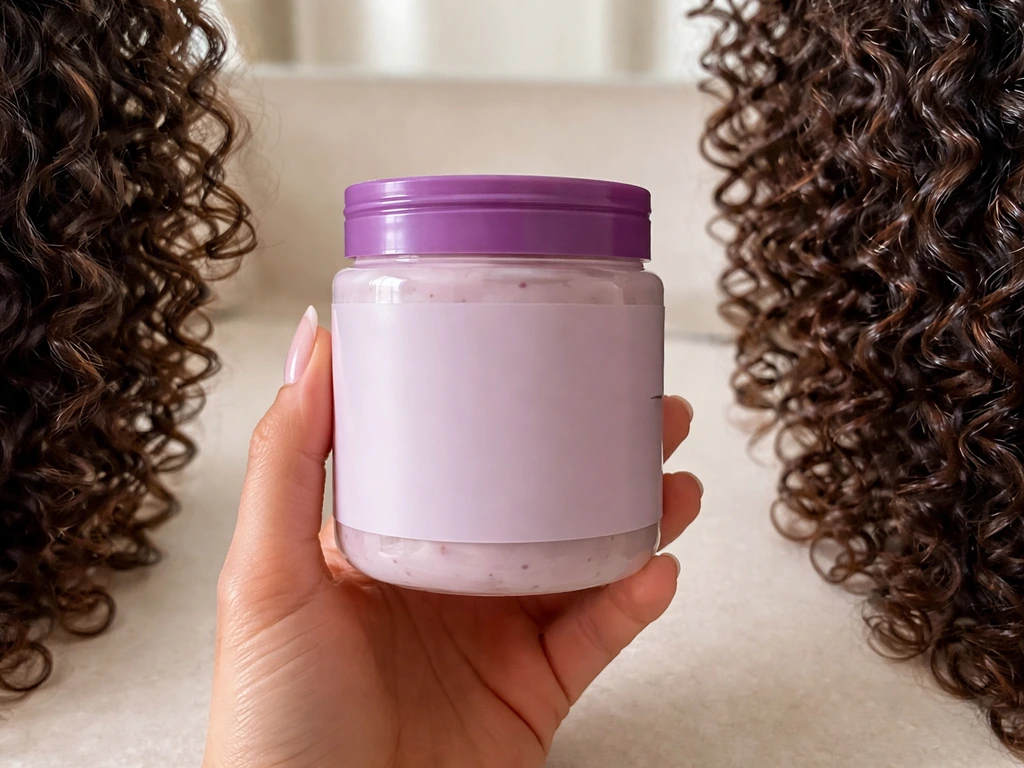
Curl La La is Aunt Jackie's Curl La La Defining Curl Custard, a cream-textured styling product marketed primarily for curls, coils, waves, and braid outs. The brand describes it as delivering "definition" while keeping hair "soft, moisturized and frizz-free," and they include a softer claim that it "potentially stimulates hair growth" and "soothes an itchy scalp." That word "potentially" is doing a lot of heavy lifting there, and I will get into why in a moment.
Looking at the ingredient list, this is a conditioning custard built around water, propylene glycol, glycerin (a humectant), shea butter, soybean oil, olive oil, and cetyl alcohol as the main moisturizing and emollient players. It also contains Polyquaternium-37 and Dimethicone, which are film-forming polymers and silicones that give the product its hold and slip. Hydrolyzed quinoa adds some protein conditioning. Fragrance (parfum) and several fragrance allergens including limonene, linalool, citronellol, and hexyl cinnamal round out the formula. There are no prescription-level follicle actives like minoxidil, finasteride, or even well-studied botanicals like saw palmetto in therapeutic concentrations. This is a styling and conditioning product. If you are wondering does care free curl grow hair, the honest answer is that it is not a follicle activator like minoxidil or finasteride.
Does Curl La La actually grow new hair?
Here is the honest breakdown. "Growing hair" can mean two very different things, and mixing them up is how product marketing gets away with so much.
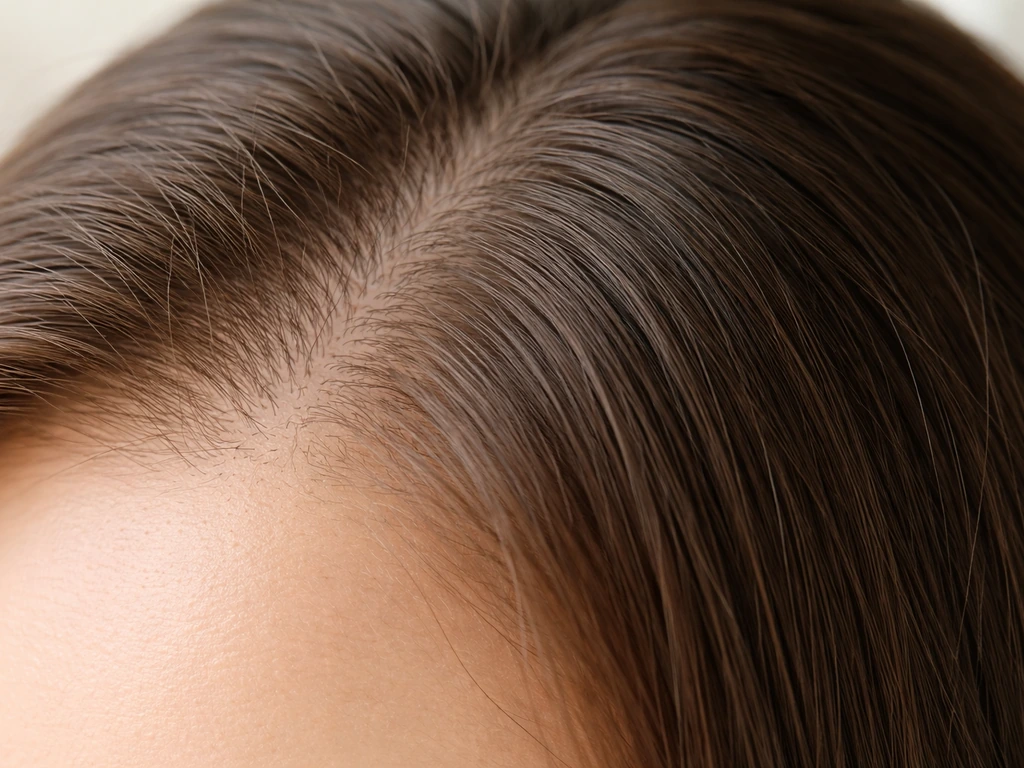
True hair growth means your follicles are producing new strands during the anagen (active growth) phase. For that to happen at a meaningfully faster rate, something needs to change at the follicle level: blood flow to the dermal papilla, signaling molecules that push a follicle from telogen (resting) back into anagen, or reversal of miniaturization in cases of androgenetic alopecia. A review in PMC explains that androgenetic alopecia is represented physiologically by progressive miniaturization of terminal hair follicles, transforming them into vellus and leading to atrophy blank" rel="noopener noreferrer">reversal of miniaturization in cases of androgenetic alopecia. blank" rel="noopener noreferrer">Androgenetic alopecia involves progressive hair follicle miniaturization due to androgen actions in genetically susceptible follicles, which helps explain that genuine new terminal hair growth requires reversal of that miniaturization. The drugs we know do this (minoxidil, finasteride) have actual clinical data on follicle biology behind them. A styling custard does not have that data, and Aunt Jackie's does not claim it does. The phrase "potentially stimulates" is not a clinical promise.
Length retention is the other kind of "growth," and this is where Curl La La can genuinely help. If you are wondering, “will my curly hair grow down,” the biggest factor is keeping the hair you already grow from snapping off. Your scalp grows hair at roughly 0.5 to 1.7 centimeters per month on average. For many people with textured and Black hair, the issue is not that the hair is not growing, it is that it is breaking off at the ends at nearly the same rate it grows at the roots. If a product helps you retain that growth by keeping hair moisturized, reducing friction during detangling, and cutting down on mechanical breakage, your hair will appear to grow longer even though the follicle speed has not changed. That is a legitimate benefit, and it is probably what most people experiencing "growth" from Curl La La are actually noticing.
What actually drives hair growth (the real factors)
If length is your goal, knowing what genuinely moves the needle helps you spend your effort in the right places.
- Scalp health: A clean, well-circulated scalp with minimal inflammation gives follicles the best environment to stay in anagen. Buildup, chronic scalp conditions like seborrheic dermatitis, or persistent irritation can disrupt this.
- Follicle activity: Follicles cycle through anagen, catagen, telogen, and exogen phases. Anything that shortens anagen or prolongs telogen (stress, nutritional deficiencies, hormonal shifts) reduces the length you can achieve. No styling product reverses this.
- Moisture and elasticity: Dry, brittle hair snaps under normal manipulation. Keeping hair moisturized improves elasticity so strands bend rather than break.
- Protective styling and low manipulation: Styles that minimize daily friction and keep ends tucked away reduce the mechanical damage that causes breakage and split ends.
- Protein-moisture balance: Too much protein without moisture makes hair stiff and prone to snapping. Too much moisture without protein leaves hair weak and stretchy. Finding that balance matters especially for high-porosity textured hair.
- Diet and overall health: Iron, zinc, biotin, and adequate protein intake all support the follicle's ability to produce strong strands. Deficiencies show up in your hair before most other places.
No styling product, including Curl La La, addresses most of these factors directly. What it can do is contribute to moisture retention and easier detangling, which supports the breakage-reduction side of length retention.
How to use Curl La La safely and get the most from it
Before you start: patch test
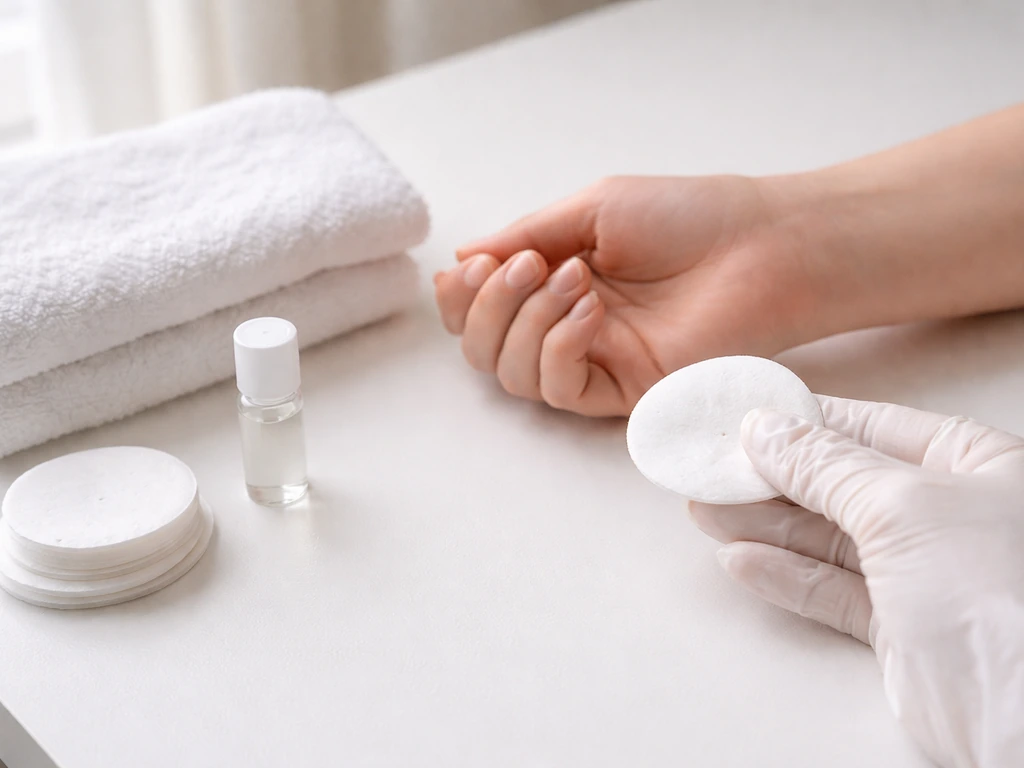
Curl La La contains fragrance allergens (limonene, linalool, citronellol, hexyl cinnamal) that are known contact dermatitis triggers for sensitive individuals. Before applying it to your whole head, dab a small amount on the inside of your wrist or behind your ear, leave it for 24 to 48 hours, and check for redness, itching, or swelling. If anything feels off, skip it. The FDA is clear that you should stop using any cosmetic and report it if you experience a rash, redness, or burning sensation.
Application: roots to ends, not scalp treatment
Brand directions describe working the product from roots to ends on damp or wet hair. This makes sense for a curl-defining custard. You are coating and defining the strand, not treating the scalp. Because Curl La La is not a scalp treatment and does contain Dimethicone (a silicone) plus hold polymers, I would not load it directly onto your scalp in large amounts. Focus on mid-lengths to ends for moisture and definition, and if you do work it near the roots, use a light hand.
Frequency and buildup prevention
Because Curl La La has hold from its polymer system, daily use will cause buildup on most hair types. Community feedback consistently flags this: one thread described the product as making hair "limp and greasy-looking" with repeated use, and another Reddit user directly warned that using it daily causes buildup because of the hold component. Use it on wash day or style refresh days, not every single day. Clarify or use a sulfate shampoo periodically to clear product residue, especially if your scalp tends toward flakiness or itching. Buildup on the scalp interferes with the healthy environment your follicles need.
Track your results realistically
Give any product three to four months before judging it for length results. Hair grows slowly (remember, 0.5 to 1.7 cm per month), and breakage reduction takes time to show as visible length. Take a photo of your stretched hair length every four weeks under the same lighting. Track whether your ends look healthier, whether you lose less hair during detangling, and whether your hair feels more manageable. These are the signals that Curl La La is earning its place in your routine. If you are still shedding heavily or your scalp is itchy and irritated, that is a sign something else is going on and a product swap or dermatologist visit is the right next step.
Where Curl La La genuinely helps textured and Black hair
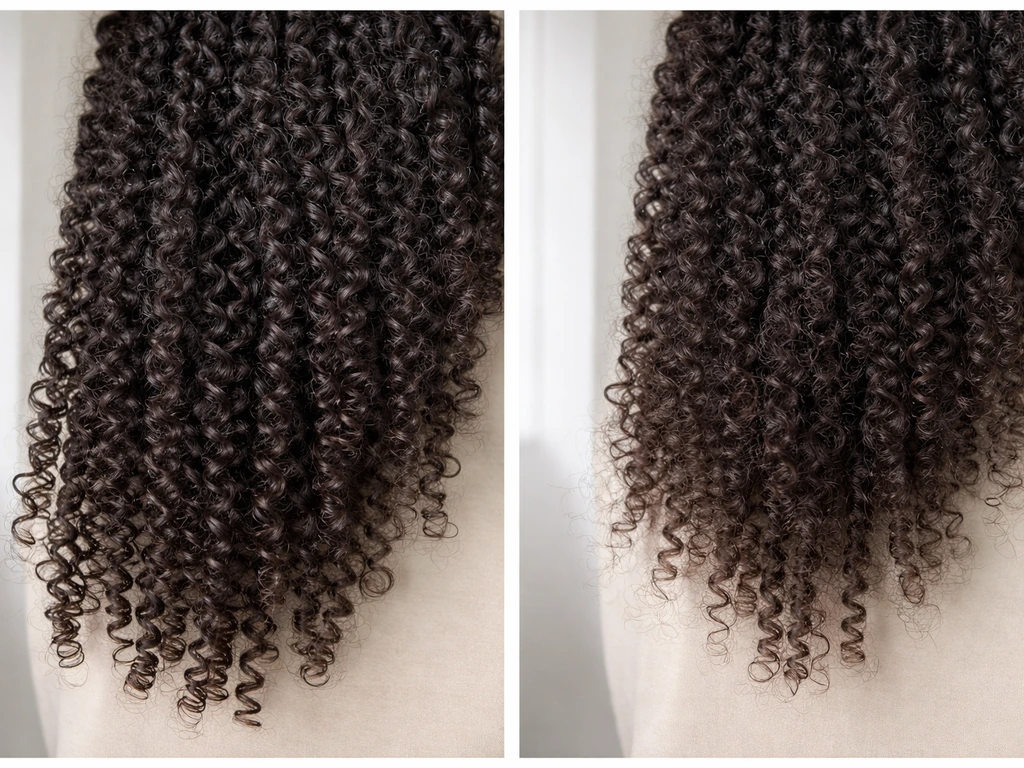
For tightly coiled, 4a to 4c type hair, moisture retention is one of the most persistent challenges. The natural curl pattern slows the travel of sebum from scalp to ends, which means the ends dry out faster and become prone to breakage and split ends. Curl La La's combination of glycerin (a humectant that draws moisture from the air), shea butter, soybean oil, and olive oil provides real emollient and occlusive support that helps lock moisture into the strand.
The slip from Polyquaternium-37 and Dimethicone also makes detangling easier on damp hair, which is a genuine benefit. Rough or forced detangling on dry, tangled coils causes significant mechanical breakage, especially at the ends and at knots (single-strand knots are extremely common in tight coils). A product that reduces that friction during the detangling process directly reduces one of the major causes of length loss in textured hair. So while Curl La La is not regrowing your edges or activating dormant follicles, it can be a useful tool in a breakage-reduction routine.
For braid outs and twist outs specifically, Curl La La's custard consistency gives definition and some hold without (when used correctly) making hair feel crunchy. This means you can stretch the time between manipulation-heavy styling sessions, which also contributes to retention. Less daily manipulation equals less breakage over time.
Potential downsides and who should think twice
| Concern | Who it affects most | What to do |
|---|---|---|
| Fragrance allergens (limonene, linalool, citronellol, hexyl cinnamal) | Anyone with fragrance sensitivity or contact dermatitis history | Patch test first; if you react, choose a fragrance-free alternative |
| Silicone buildup (Dimethicone) | People who co-wash only or use low-lather cleansers | Use a sulfate or clarifying shampoo periodically to remove silicone deposits |
| Product buildup from hold polymers | Anyone using it daily or in high amounts | Limit to wash/style days; clarify every 1-2 weeks |
| Heaviness and limpness | Fine-stranded textured hair or low-porosity hair | Use a very small amount; consider a lighter curl cream instead |
| Scalp irritation from preservatives or fragrance | Sensitive scalp, scalp conditions like psoriasis or dermatitis | Avoid applying directly to scalp; stop use if itching worsens |
| Unrealistic growth expectations | Anyone buying it expecting follicle-level new growth | Understand it supports retention, not follicle activation |
If you have an active scalp condition (seborrheic dermatitis, scalp psoriasis, or a diagnosed fungal issue), I would not use this product near the scalp at all until that condition is treated. The fragrance components and heavy emollients can make those conditions worse, and a more irritated scalp environment is not helping your hair growth situation. See a dermatologist for the scalp issue first, then reassess your product lineup.
People dealing with significant shedding or thinning (not just breakage) should also not expect Curl La La to address the root cause. Diffuse shedding is usually tied to something systemic: telogen effluvium from stress or illness, iron deficiency anemia, thyroid dysfunction, or androgenetic alopecia. A styling custard does not treat any of these. If you are consistently finding more than 100 to 150 hairs per day in your brush or shower drain, that conversation belongs with a dermatologist or trichologist, not a product shelf.
The bottom line on Curl La La and growth
Curl La La is a solid curl-defining custard with a good moisture profile for textured hair. It can reduce breakage and improve manageability, which means your hair retains more of the length it is already growing. That is a real and practical benefit. What it is not is a clinically proven hair growth treatment. If you are wondering whether growing your hair out makes curls show up more, focus on how your current curl pattern forms as the hair gets longer rather than expecting a product to change the follicles will my hair get curly if i grow it out. The brand's own phrasing says "potentially stimulates" rather than making a hard growth claim, and that is honest. If length retention is your goal, Curl La La can be one useful piece of a complete routine built around scalp health, protective styling, low manipulation, and proper moisture-protein balance. Just do not make it the whole plan.
If you are exploring whether your hair type or curl pattern affects how and when length shows up, questions like whether curly hair grows down over time or whether growth patterns differ by hair texture are worth understanding alongside any product decision. The product choice matters less than getting your overall routine right, and getting the routine right starts with knowing what actually drives growth versus what supports retention.
FAQ
If Curl La La does not regrow hair, will it still help me keep my edges or prevent thinning?
Curl La La cannot replace a real hair-growth treatment if you are trying to fix thinning at the scalp. If your goal is more follicles producing thicker new strands, you need something that targets follicle biology, not a moisturizing custard. For length, it can help by reducing snap and friction, but it does not change the rate of new hair coming from the root.
How can I tell whether Curl La La is helping with length retention or if I am just noticing less breakage?
To check whether you are seeing length retention versus shedding, track two things: how many hairs you lose during wash day (shedding) and how often you see shorter regrowth that breaks at the same spots (breakage). If you see heavy shedding continuing week to week, that is not a product issue, it is a root-cause issue like telogen effluvium or nutrient and hormone problems.
What happens if I use Curl La La daily, and could buildup make my hair look like it is not growing?
Yes, buildup can look like hair growth problems because hair feels weighed down, tangles sooner, and can shed more during detangling. A practical approach is to use Curl La La mainly on wash day, and if you refresh between washes, use a lighter amount only on mid-lengths to ends. If your scalp is flaking or itchy, consider a periodic clarifying wash (not every day).
Is the brand’s “potentially stimulates hair growth” claim enough for me to expect regrowth?
The “potentially stimulates” phrasing does not mean the product is proven to activate follicles, so results, if any, would likely come from better conditioning and less breakage. If you are expecting visible new growth from the scalp, set expectations lower and focus on consistent breakage reduction for 3 to 4 months.
How reliable is a patch test with Curl La La, and what symptoms mean I should stop?
If you have contact sensitivity, you may react even if you patch test once, because fragrance allergens can still bother you over time or with higher exposure. Re-do a patch test whenever you switch products or if you change how much you apply (for example, moving closer to the scalp). Stop immediately if you get burning, swelling, or a spreading rash.
Where should I apply Curl La La if my scalp gets oily, itchy, or flaky?
For oily scalps or people prone to flaking, avoid placing the product directly on the scalp and keep the heaviest coverage on the hair shaft. When you do touch near the roots, use a very small amount and rinse thoroughly during the next wash. If you already have seborrheic dermatitis, scalp psoriasis, or suspected fungal issues, hold off until the scalp is treated.
If my hair is not growing longer, could it be shrinkage instead of breakage, and how should I measure?
If your curl pattern tends to shrink, your “length” in photos can mislead you. To compare fairly, use the same method each time, like stretched length from a consistent technique (banding, comb-out stretch, or consistent blow-dry settings). Measure or photograph under the same lighting so you can separate shrinkage from actual breakage.
What is the best way to combine Curl La La with a real routine for length retention?
Curl La La may be useful, but it should be part of a plan that includes moisture, protein balance, gentle detangling, and protective styling. If you are also dealing with thinning from diffuse shedding, you may need medical evaluation rather than changing conditioners and custards. Think of it as support for retention, not the main driver.
I want to refresh styles often, should I reapply Curl La La or wash and start over?
Be cautious with frequent re-styling on dry hair. If you refresh with too much custard without washing out older residue, you can increase tangling and friction, which leads to more breakage during detangling. If you need frequent resets, use water-based re-wetting and apply only a small amount to ends, then do full cleansing on a regular schedule.
Next Article
How to Grow Waist-Length Black Hair: Evidence-Based Guide
How to grow and retain waist-length Black hair: realistic timelines, routines, protective styles, and evidence-basedTips