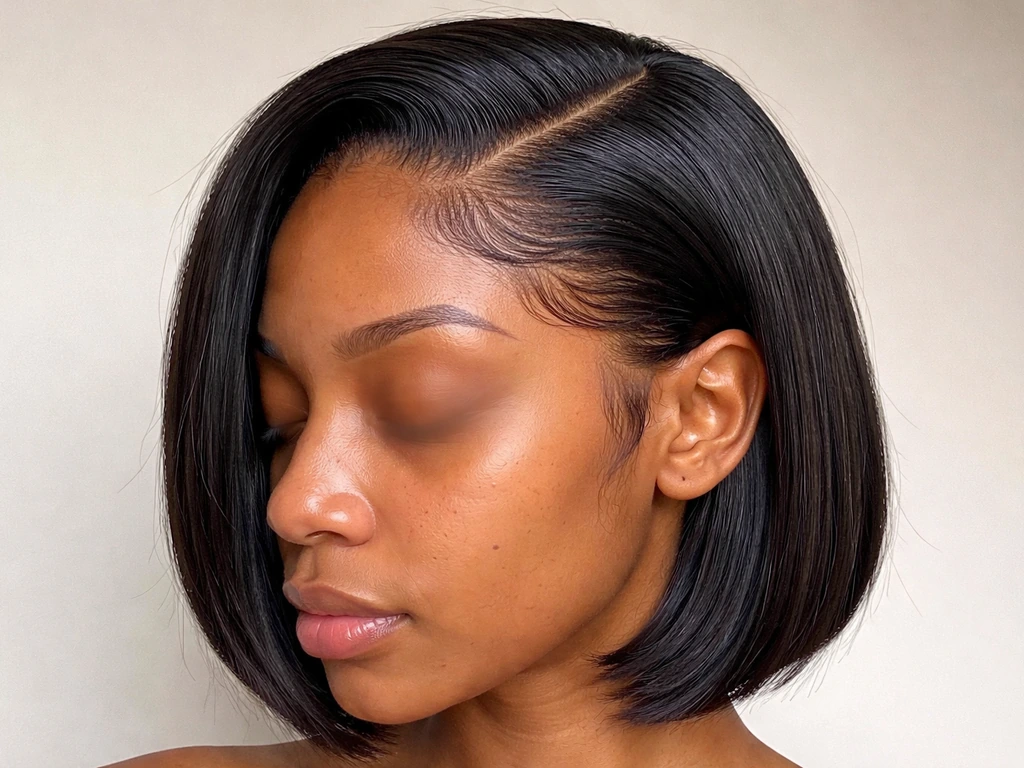
Sew-ins don't actually grow your hair. Your follicles do that on their own, at a rate of roughly half an inch per month regardless of what style you're wearing. What sew-ins can do is help you keep the length your hair is already producing by shielding your ends from daily manipulation, friction, and breakage. That's a meaningful difference, and it's worth understanding before you book your next install.
Can Sew Ins Grow Your Hair? Evidence-Based Guide

Simone Okonkwo
5 May 2026
Growth vs. retention: why the distinction actually matters
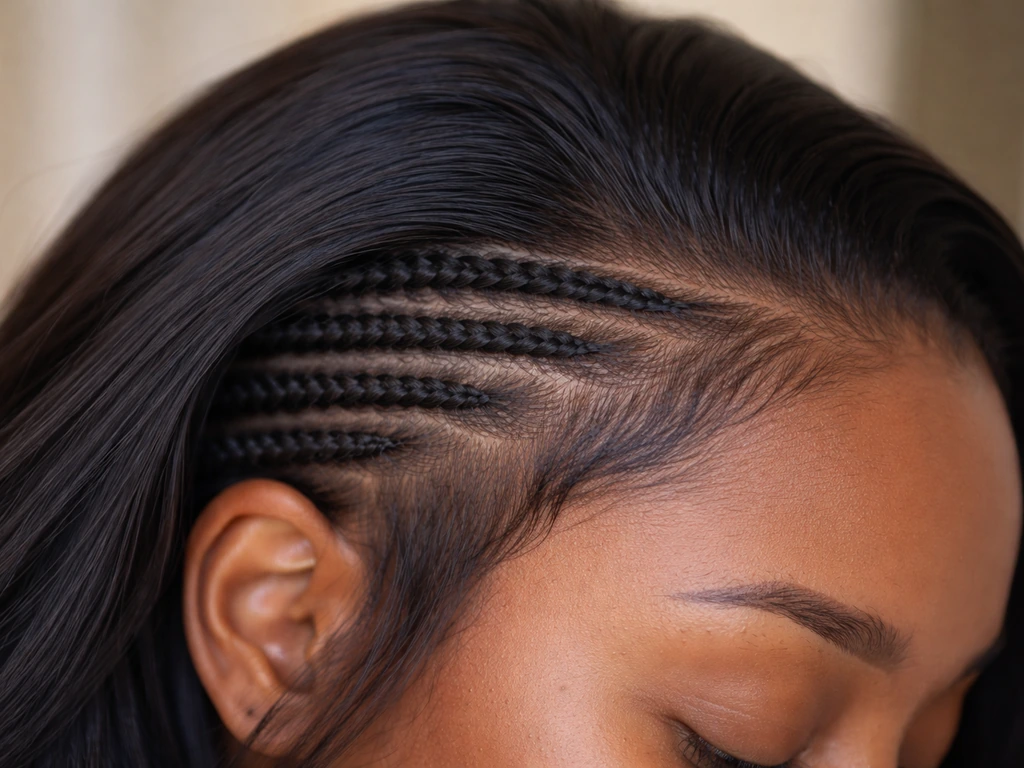
Hair growth happens at the follicle, underneath your scalp. Nothing you put on top of your head changes that rate in any significant way. What determines whether your hair appears to get longer over time is how much of that growth you actually retain. If your hair grows half an inch a month but breaks off half an inch every month from dryness, tension, or rough handling, your length stays flat. Sew-ins, when done right, reduce the daily sources of breakage by tucking your natural hair away under a weft and minimizing how often you're manipulating it. That's retention at work, not growth acceleration.
This is the same principle behind braids, twists, and locs as protective styles. The style itself isn't pushing length out of your scalp faster. It's reducing loss. If you've heard someone say a sew-in 'made their hair grow,' what they almost certainly experienced was a period of reduced breakage that allowed them to actually see the growth their follicles had already been producing all along.
What actually determines your results
Not every sew-in is a protective style. Whether yours actually helps you retain length depends heavily on a handful of factors, and each one can swing the outcome in either direction.
Tension and braid pattern
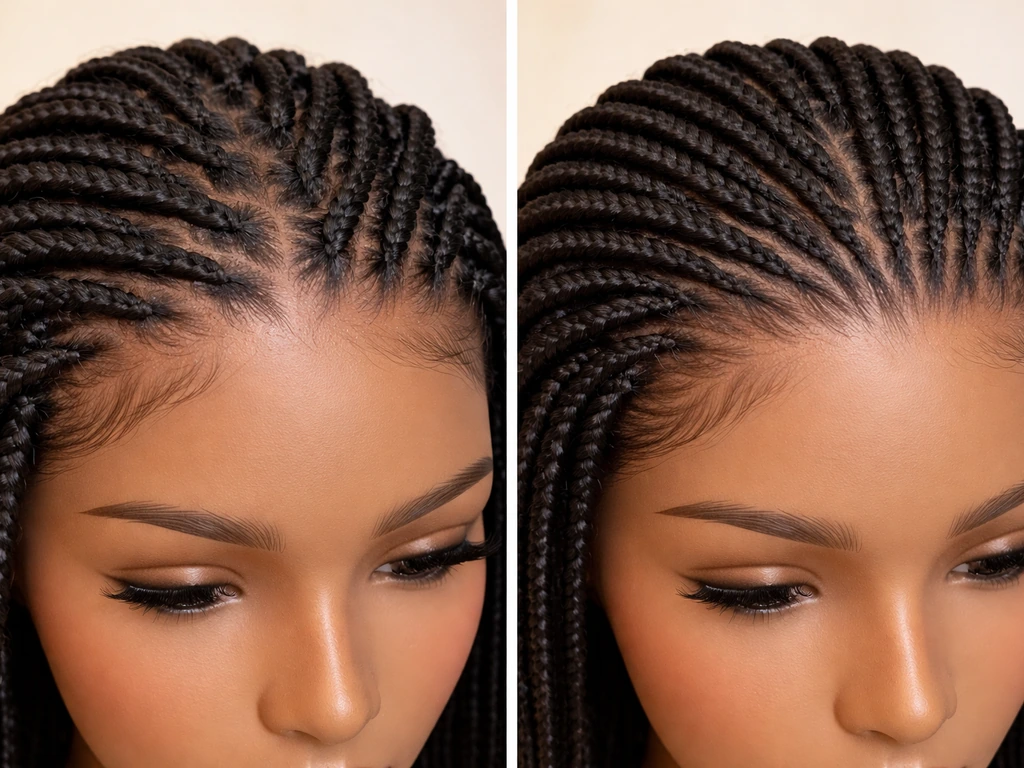
This is the single biggest variable. The American Academy of Dermatology has flagged weaves and extensions as a known cause of traction alopecia, the form of hair loss caused by chronic pulling at the roots. WebMD also notes that hairstyles that pull on the scalp, including weaves or extensions and cornrows or braids, can contribute to traction alopecia over time weaves and extensions as a known cause of traction alopecia. When your cornrow base is too tight, or when the weft is sewn so close to the root that it pulls constantly, you're putting your follicles under stress every day the style is in. Research published in JAMA Dermatology confirms that early traction alopecia can be reversed if you catch it, but prolonged tension can lead to permanent scarring of the follicle. Once a follicle scars, the hair it used to produce is gone for good. Tight does not mean secure. A well-executed braid pattern can hold a sew-in firmly without pulling.
Install quality and the stylist's technique
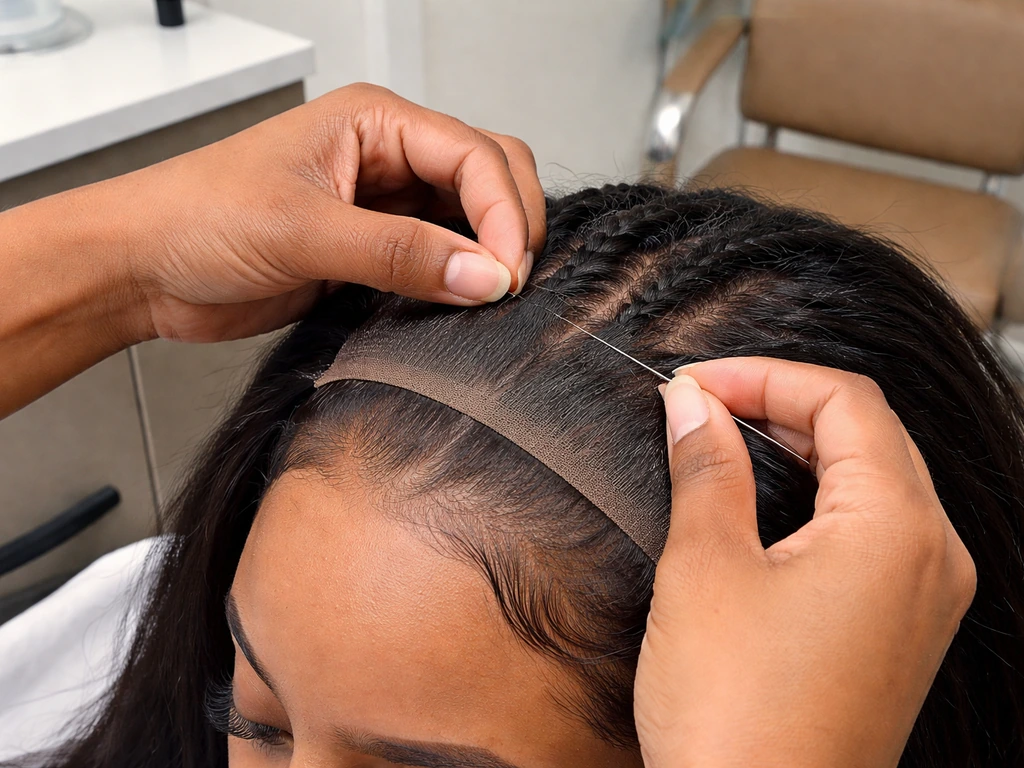
A sew-in weave, sew-in extensions, and what people just call a basic sew-in are essentially the same category of install: your natural hair is cornrowed, and wefts are sewn onto those braids with a needle and thread. The term you use matters less than how it's executed. A stylist who parts and braids evenly, leaves appropriate space between rows, and sews wefts at a comfortable distance from your scalp is doing very different work than one who rushes the base or packs wefts in tightly. Ask to see their work on clients with a similar hair density and texture to yours before you commit.
Closure type and how your leave-out is handled
If you're wearing a sew-in with a leave-out section around the perimeter or on top, that exposed hair is still vulnerable to heat, manipulation, and weather. Closures and frontals that eliminate leave-out remove that weak point. If you prefer leave-out, treat that section with the same care you'd give your natural hair in any other style: moisturize it, minimize heat, and protect it at night.
Hair texture and porosity
Relaxed hair, which has had its protein bonds chemically altered, is more fragile under tension than natural hair. The AAD specifically calls this out, noting that extensions on relaxed hair carry heightened traction alopecia risk. If your hair is chemically processed, you need looser installs, lighter wefts, and more frequent checks. Natural 4C hair is incredibly strong at the strand level but has a tightly coiled structure that can be prone to dryness and breakage if moisture isn't maintained during the wear period.
How to get the most length out of a sew-in
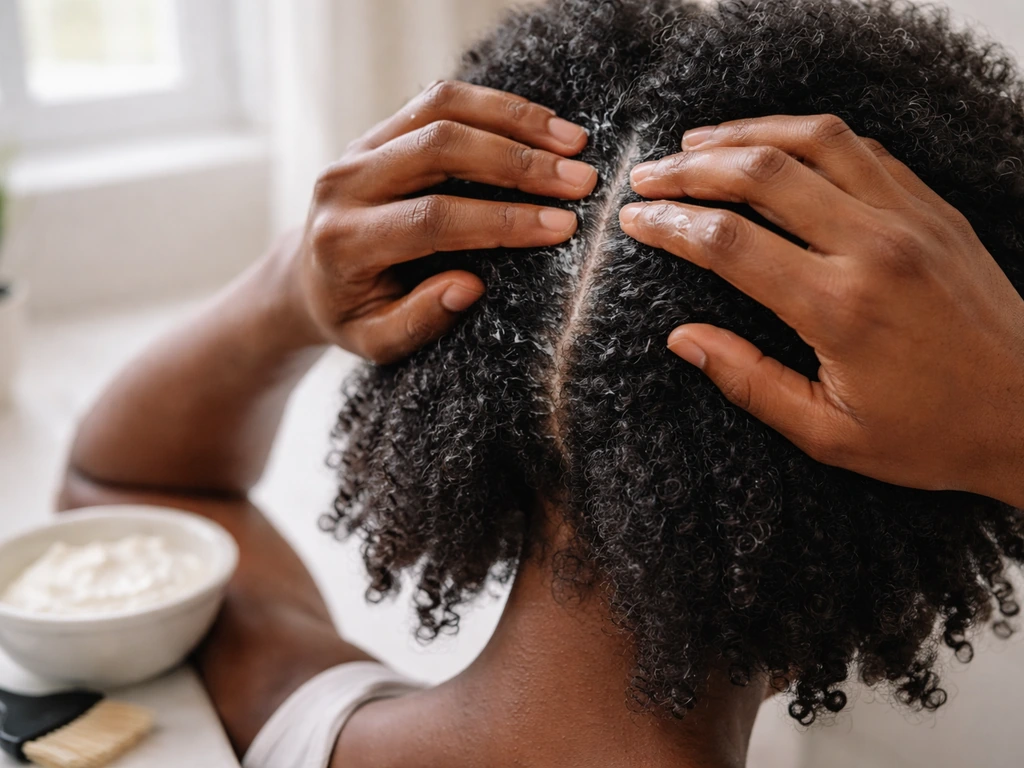
If you're serious about using sew-ins as a length-retention tool, the protective styling checklist below is where to focus your energy. If you want a practical guide on how to grow hair with weave, focus on retention first and make sure your install and maintenance protect your ends sew-in. These aren't optional extras. Skipping even a few of them is often what separates people who thrive in sew-ins from people who remove them to find thinner, shorter hair than when they started.
- Deep condition and protein-treat your natural hair before the install. You're about to put it in a low-manipulation environment for weeks, so it should go in as strong and moisturized as possible.
- Communicate clearly with your stylist about tension. Ask them to braid with firm but comfortable pressure. If anything hurts during the install, speak up immediately.
- Choose a braid pattern appropriate for your density. Thin or fragile edges need lighter cornrow sections, not tighter ones.
- Moisturize your natural hair through the wefts weekly. A light leave-in or diluted conditioner applied with a spray bottle keeps your cornrowed hair from drying out and snapping.
- Seal moisture in with a light oil, especially along your hairline and any exposed sections. Castor oil, jojoba, and sweet almond oil work well without clogging the scalp.
- Keep your scalp clean. Use a sulfate-free shampoo or a diluted apple cider vinegar rinse every one to two weeks to remove product buildup without stripping moisture.
- Sleep in a satin or silk bonnet or on a satin pillowcase to reduce friction on the wefts and your hairline overnight.
- Avoid heavy tension on the hairline. Avoid tight ponytails or buns that pull the sew-in's weight onto your edges.
- Skip heat on both the wefts and any leave-out as much as possible during the wear period.
- Do a gentle check every few weeks: feel for any areas of soreness, tightness, or itching that won't resolve with cleaning.
Warning signs the sew-in is hurting your hair
Sew-ins stop being protective the moment they start putting your hair and scalp under harmful stress. Learn these signs and take them seriously, because traction alopecia caught early is reversible. StatPearls also describes traction alopecia as having an early, nonscarring phase that may be reversible, while chronic traction can progress to permanent scarring traction alopecia caught early is reversible. Ignored, it isn't.
| Warning Sign | What It Likely Means | What to Do |
|---|---|---|
| Pain or tenderness at the roots during or after install | Install is too tight; roots are under traction stress | Remove or loosen immediately; do not wait it out |
| Pimples, bumps, or pustules along the hairline or scalp | Folliculitis or early traction irritation (a sign flagged in clinical literature) | See a dermatologist; remove style if worsening |
| Visible thinning or shorter hairs at the edges or temples | Early traction alopecia; follicles under chronic stress | Stop the style; consult a board-certified dermatologist |
| White or yellow casts around individual hair shafts (hair casts) | Sign of scalp and follicle distress associated with traction | Remove style and assess damage with a professional |
| Excessive shedding when style is removed | May reflect normal shed hair accumulating in cornrows, but paired with other signs warrants attention | Compare to your typical shed amount; seek advice if significantly more |
| Persistent itching, flaking, or odor that won't resolve with washing | Product buildup, scalp infection, or inflammation | Clean and assess; remove style if it persists |
The AAD's guidance is clear: if you feel pain or irritation, remove the style immediately. Don't try to push through it or assume it'll 'loosen up.' Sometimes it does, but often the damage is accumulating every day you keep it in.
How long to keep a sew-in and how to care for it while it's in
Most stylists and dermatologists recommend keeping a sew-in for six to eight weeks at the upper end, and removing or refreshing it no later than three months. The longer it stays in, the more your natural hair sheds and tangles within the cornrows, which makes removal more traumatic and increases breakage risk. If you're washing, moisturizing, and scalp-caring regularly, a six-to-eight-week install is very manageable. Pushing past ten to twelve weeks without proper maintenance is where a lot of people run into trouble.
During the wear period, your wash routine matters more than most people realize. Every one to two weeks, wet your scalp and cornrows with a diluted shampoo, work it in gently with your fingertips (not your nails), and rinse thoroughly. Follow with a light conditioner or leave-in focused on your scalp and cornrow sections. Let the style air dry fully before sleeping, because a damp scalp trapped under wefts is a perfect environment for mildew and odor. Between washes, a scalp oil or serum applied with a dropper directly to parts keeps the scalp from drying out and flaking.
Removal matters as much as install
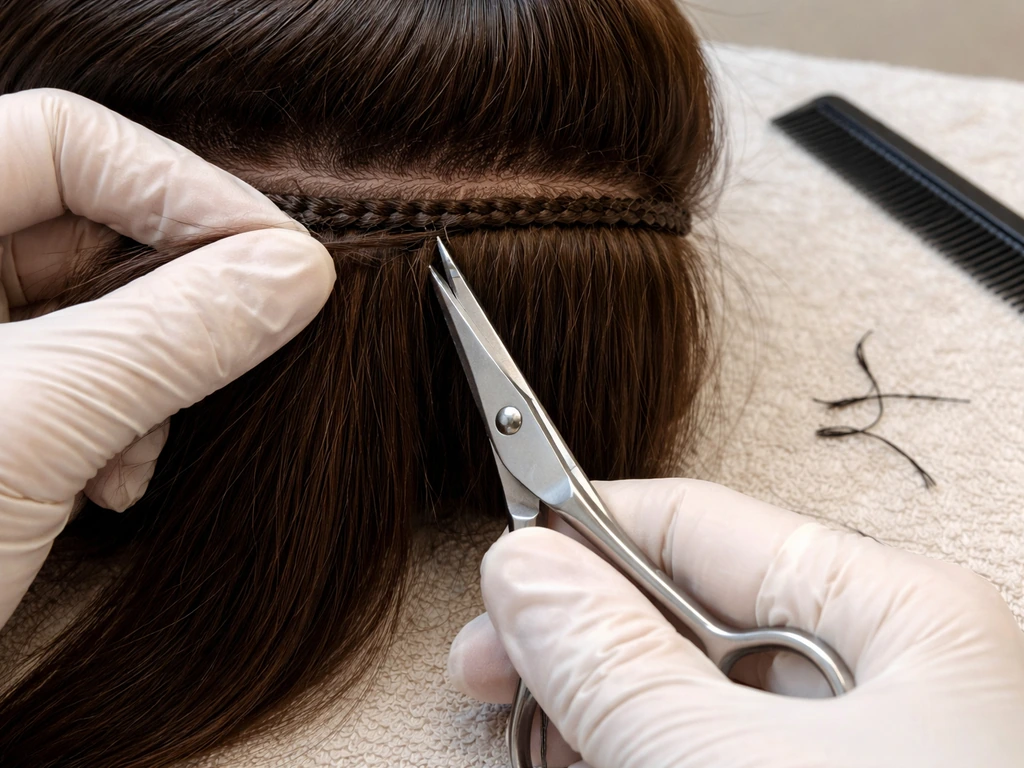
Removal is where a lot of hair loss actually happens, not because the style itself failed but because it's rushed. Use sharp shears to carefully cut the thread, working section by section. Don't pull wefts off. Once the wefts are out, apply a generous amount of conditioner or detangling product to each cornrow before you start unraveling, and work from the ends up. If you've accumulated a lot of shed hair in the braids (normal, since you haven't been able to shed freely), detangle slowly with your fingers first before reaching for a comb.
Other protective styles and what supports your growth goals
Sew-ins are one tool in a larger toolkit. If you've had repeated bad experiences with sew-ins, whether from thinning edges, breakage, or scalp irritation, it's worth exploring whether a different protective style might suit your hair better, or whether the issue is installation quality you can fix.
Box braids, twists, and faux locs operate on the same length-retention logic as sew-ins. They work best when tension is appropriate, they're not left in too long, and your natural hair is moisturized throughout. Locs are a longer commitment but many people with locs see significant retention precisely because the hair is so rarely manipulated. Quick weaves (which use adhesive rather than sewing) involve bonding agents that can stress the hair at removal, making them generally higher risk for the scalp and edges compared to a sewn install.
Beyond the style itself, what you're doing internally and with your overall hair regimen makes a real difference. Hair is made of keratin protein, and it grows from follicles fed by your blood supply. Adequate protein intake, iron, zinc, biotin, and hydration are all well-documented factors in healthy hair growth and reduced shedding. If your follicles are nutrient-deficient, even a perfectly installed sew-in won't deliver the length retention you're hoping for. Think of the sew-in as reducing external damage while your internal regimen supports what's happening at the root. Where wavy caps grow depends on the specific environment, but you can still support your natural hair growth with good protection and a solid care routine.
Between installs, give your natural hair a real rest period, at least two to four weeks. Use that time to deep condition, do a protein treatment if needed, trim any split ends, and assess your hair's current health before going back into a protective style. People who stack protective style after protective style without any recovery time often find their hair is weaker, not stronger, over time.
The bottom line on sew-ins and hair growth
A sew-in won't speed up how fast your hair grows. Nothing applied externally reliably does that. But a well-installed, well-maintained sew-in can absolutely help you hold onto the growth you're already generating, which is what actually produces longer hair over time. The key word in all of that is 'well.' Tension is the enemy, installation quality is everything, and your scalp care during the wear period is what separates a protective style from a damaging one. If you've been wearing sew-ins and not seeing length, it's almost always one of those three factors worth revisiting first.
FAQ
How soon after getting a sew-in will I see new growth?
You generally will not see faster growth, because the style cannot change follicle speed. If you notice length gains, they usually come from less shedding and less breakage, which can show up after a full wear cycle (often 4 to 8 weeks).
Will a sew-in make my edges grow back if they’re thinning?
Not directly. Edge hair can thin from traction, chemical damage, or inflammation, and regrowth depends on reversing the cause early enough. If you have pain, bumps, or widening part lines, stop wearing tight installs and get a scalp assessment rather than trying to “wait it out.”
What’s the difference between “secure” and “too tight” for a sew-in?
Secure means the braid base is stable without pulling, discomfort, or visible “blanching” or redness along the hairline. Too tight often feels sore within 24 hours and worsens when you move, wash, or tie your hair up, even if the stylist says it is fine.
Can I wash a sew-in like normal, and how do I avoid matting?
Yes, but focus on the scalp and cornrow sections rather than scrubbing the wefts. Use diluted shampoo, fingertip massage, and rinse thoroughly, then air dry completely. Skipping rinsing steps or leaving product buildup can increase tangling and shedding during removal.
Is it safe to sleep with a wet sew-in or uncovered scalp?
Sleeping with a damp scalp under the weft increases odor and mildew risk. Plan to fully air dry (or use a low-heat blow-dryer on the scalp area with care) and protect with a satin bonnet or scarf to reduce friction.
How do I tell if my sew-in is causing traction alopecia early?
Look for persistent tenderness, itching that intensifies over time, small bumps, sudden shedding at the edges, or a widening part/temple thinning pattern. Early traction can be reversible, but prolonged tension can scar follicles, so act as soon as symptoms start.
Do I need to moisturize the hair under the wefts?
You can’t fully moisturize inside the weave, so your goal is scalp hydration and moisture to any leave-out or perimeter hair you can access. Use a lightweight scalp serum or oil on parts as recommended, and avoid heavy greases that can cause buildup and itching.
Should I choose leave-out or closure if I’m trying to retain length?
If retention is your main goal, closure or frontal styles usually reduce the amount of exposed natural hair that faces heat and friction. If you prefer leave-out, treat that portion as you would your natural hair, with minimal heat and nightly protection.
How long should I keep a sew-in if I’m low-maintenance but worried about thinning?
A common safe window is 6 to 8 weeks, with removal or refresh no later than around 3 months. If you know you will not wash, monitor tension, or schedule timely removal, err toward the shorter end to reduce tangling and buildup.
Does my natural hair type change how I should wear a sew-in?
Yes. Coarser, tightly coiled hair often needs extra attention to moisture and dryness around the perimeter, while relaxed or chemically processed hair has higher fragility and traction risk. For relaxed hair, choose looser installations and lighter wefts, and monitor scalp comfort closely.
Is a “quick weave” always worse than a sewn sew-in?
Often yes for scalp and edge risk because adhesives and removal chemistry can be harsher, especially if bonding is strong and removal is rushed. If you use quick weave, request a removal plan that minimizes tugging and prioritize professional removal.
What should I do if my hair sheds a lot right after removal?
Some shed is normal because hair would have shed while it was being held in place. However, shedding that comes with pain at the root, patchy thinning, or rapid edge loss is a red flag. If you see gaps or ongoing scalp symptoms, stop protective styles temporarily and consider a dermatologist evaluation.
How much recovery time do I actually need between sew-ins?
At least 2 to 4 weeks is a helpful baseline, especially if you noticed shedding, tenderness, or buildup. Use the break to deep condition, assess split ends, and confirm your scalp feels calm before you reinstall.
Next Article
Can Quick Weaves Grow Your Hair? Growth, Risks, and Safe Tips
Learn if quick weaves grow hair or just boost retention, plus risks, safe install tips, and aftercare checklist.