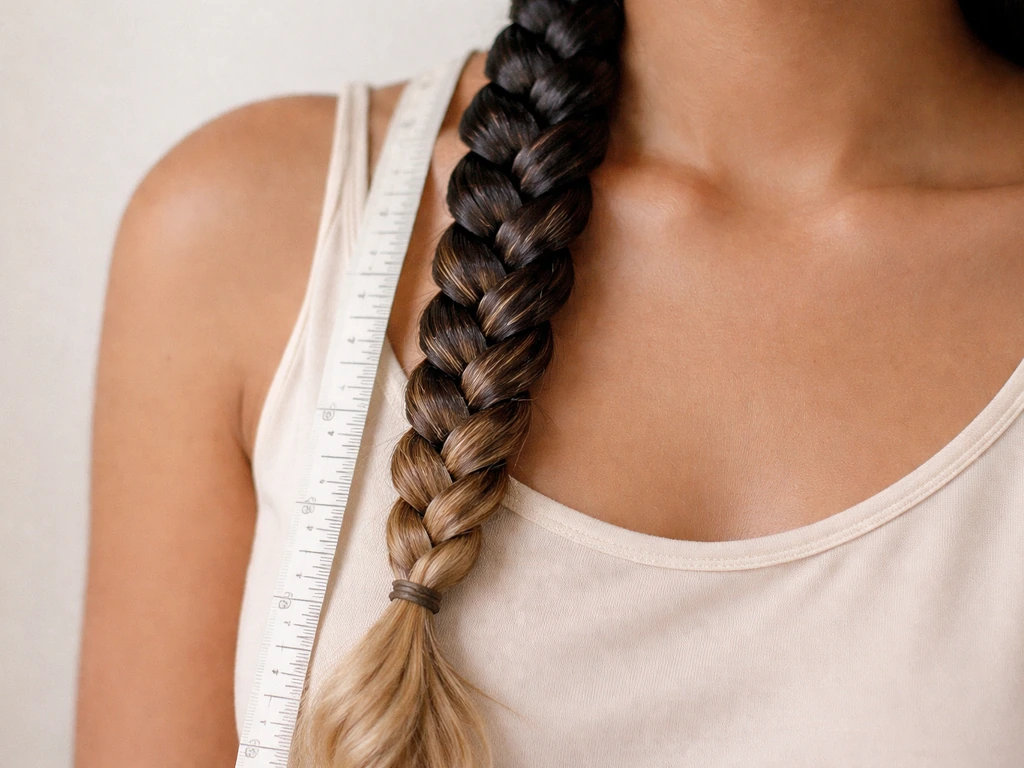
Box braids do not make your hair grow faster on their own. Your hair grows from the follicle, and that process is almost entirely biological. What box braids can do is help you keep more of the length you're already growing by reducing daily manipulation, friction, and breakage. That distinction matters a lot, because if you install braids incorrectly or leave them in too long, you can actually end up with less hair than when you started.
Does Box Braids Grow Your Hair Faster? What to Expect

Simone Okonkwo
7 May 2026
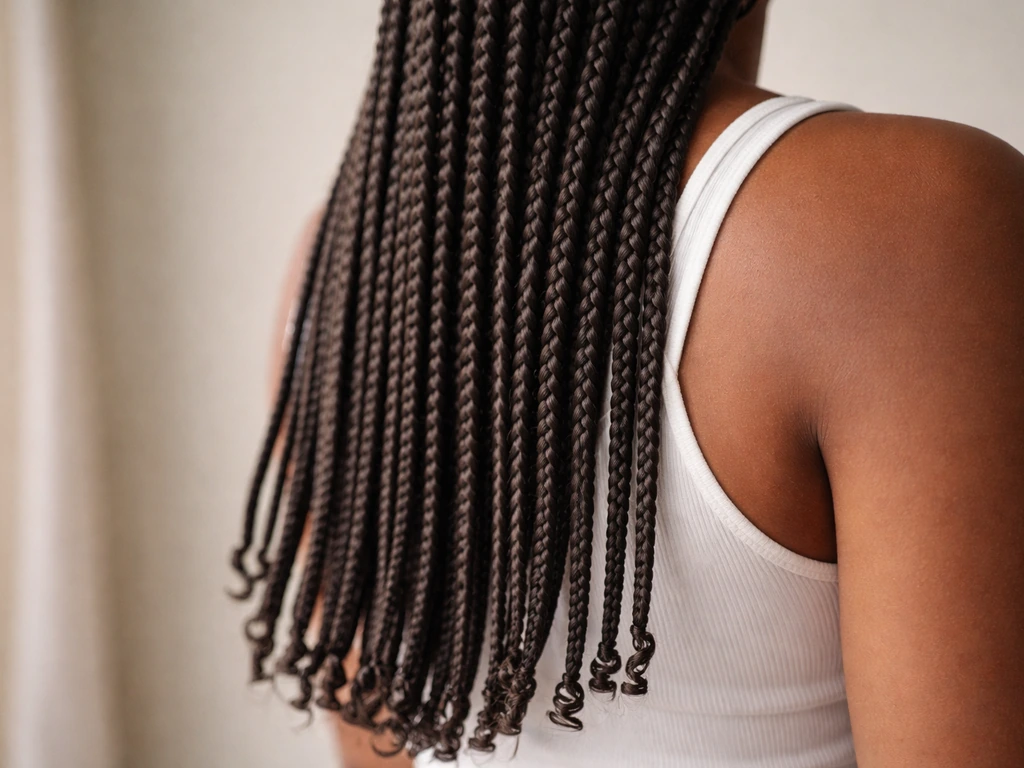
Do box braids grow your hair or just protect it?
This is probably the most common misconception in the protective styling space, so let's be direct about it. Box braids protect your hair. They do not grow it. The growth still comes from your scalp, from follicles that are doing their thing whether you're braided up or not. What changes with box braids is how much of that growth survives to become visible length. When your hair is loose, it tangles, rubs against clothes and pillowcases, gets manipulated daily with combs and fingers, and breaks at the ends. All of that breakage quietly cancels out new growth. Box braids dramatically reduce that cycle. So after eight weeks of braids, you may look at your hair and think it grew a ton. It did grow, but it probably grew at the exact same rate it always does. You just kept more of it this time.
How hair growth actually works (and what braids can and can't change)
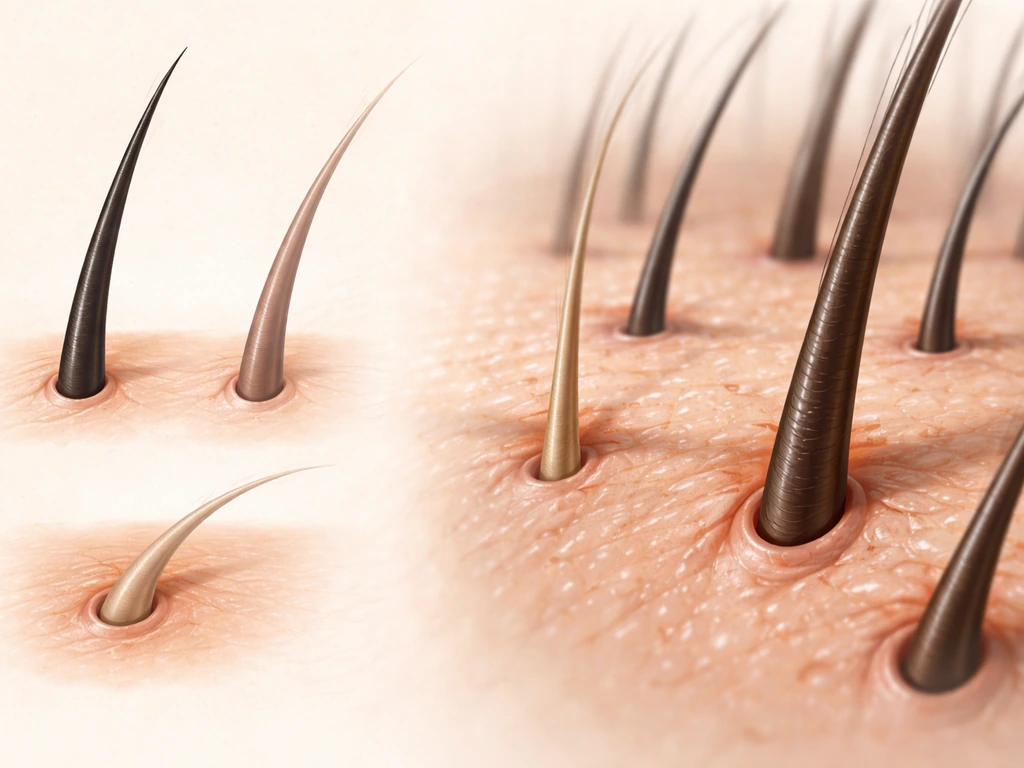
Hair grows from follicles embedded in your scalp. Each follicle cycles through active growth (anagen), a transitional phase (catagen), and a resting phase (telogen) on its own biological schedule. At any given time, roughly 80% of your hair is in the active growth phase. The average rate of scalp hair growth is about half an inch per month, though this varies by genetics, age, nutrition, and hormonal health. None of those factors are meaningfully affected by whether you have box braids installed.
What braids can influence is the environment your hair shaft lives in between that follicle and your ends. When hair is sealed inside a braid and not being manipulated, it's protected from mechanical damage. It retains moisture better when you seal it properly. And the ends, which are the oldest and most fragile part of each strand, get tucked away instead of rubbing against fabric. That's not a small thing. For many people with textured hair, the difference between protective styling and wearing hair out is the difference between significant breakage and meaningful length retention.
Retention vs. growth: why this difference actually matters
Think of it like a leaky bucket. Your follicles are constantly filling the bucket (growing new hair), but if the bucket has holes (breakage), the water level never rises. Box braids plug a lot of those holes. Less combing means fewer mechanical breaks. Less friction means fewer split ends. Lower exposure to the elements means less dryness and less snapping. When the bucket stops leaking as fast, the water level rises, and that looks and feels like accelerated growth even though the input rate never changed.
This is why retention is the real goal for most people trying to grow longer hair. If your hair grows half an inch per month but you're losing a quarter inch to breakage every month, you'll gain six inches a year on paper but only three inches in reality. Cut breakage significantly with a protective style and you can realistically double your visible length gain without changing anything about your biology.
Warning signs that your box braids are hurting your hair
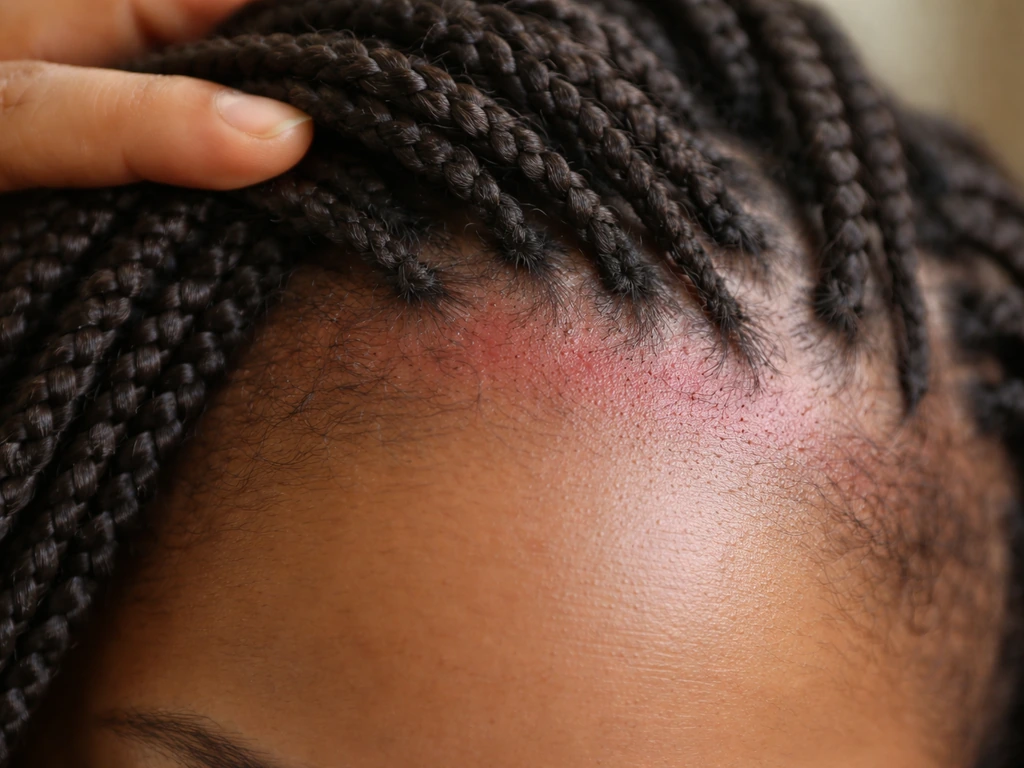
Box braids are only protective if they're done and maintained correctly. Installed too tight, left in too long, or done too frequently without adequate breaks, and they can cause real damage, including permanent hair loss. The American Academy of Dermatology notes that tight hairstyles and repeated stress from the scalp can contribute to traction alopecia and that dermatologists recommend stopping the tight style that stresses the hair follicles permanent hair loss. Traction alopecia is a well-documented condition caused by repeated mechanical tension on the hair follicle. It starts with inflammation and miniaturization of follicles and, if the pattern continues, can result in permanent follicle damage and bald patches, especially along the edges and temples.
Here are the red flags to watch for during or after a box braid install:
- Pain at the scalp during or immediately after installation (some mild discomfort on day one is normal, but sharp or persistent pain is not)
- Bumps, pustules, or folliculitis around the braid roots, which signal inflammation and possible infection
- Thinning or broken hairs along your hairline, temples, or the nape of your neck
- Small white or clear bumps at the base of braids, which can indicate the follicle is under stress
- Significant shedding when the braids come out, beyond the typical shed you'd expect from not combing for weeks
- Itching, flaking, or odor at the scalp that doesn't improve with cleansing, suggesting product buildup or fungal irritation
If you're experiencing hairline thinning or persistent scalp inflammation, stop getting tight braids and see a dermatologist. Traction alopecia caught early is reversible. Caught late, after follicles have scarred over, it often isn't.
How to install box braids that actually support length retention
The details of your installation matter more than most people realize. Here's what to think about before you sit in the chair or start braiding yourself.
Braid size
Smaller braids mean more tension points across your scalp and more stress per follicle. They're also heavier when extensions are added. Micro box braids in particular concentrate a lot of pull on fine or thin sections of hair. If you are specifically asking, do micro braids grow your hair, the answer is similar: they do not change follicle growth, they mainly affect retention micro box braids. Medium or jumbo box braids are generally gentler on the scalp, especially for people who are new to protective styling or who have a sensitive hairline. If smaller braids are your preference, make sure the sections aren't too thin and the tension is kept low.
Tension
This is the biggest factor in whether your braids help or hurt. The braid should feel secure but not tight. If your scalp is being pulled away from your skull, the tension is too high. Experienced braiders know how to create a neat braid without yanking the root. If you're getting braids done and they hurt during installation, say something. A good braider will adjust. Never let anyone convince you that pain is just part of the process.
Duration and break periods
Six to eight weeks is the sweet spot for most people. Some stylists say up to twelve weeks is fine if your scalp stays clean and the braids haven't frizged up to the point of causing tangles at the root. Beyond that, new growth at the root starts to loc together with the extension hair, and removal becomes traumatic. Give your hair a break of at least two to four weeks between installs so your scalp can breathe and your edges can recover.
Section spacing
Clean, even sections protect your scalp and distribute weight evenly. Messy or uneven parting means some follicles carry more stress than others, and that's often where breakage starts. Ask for or use a rat-tail comb to create precise parts, and make sure the sections near your hairline and edges are slightly larger than sections elsewhere, since those areas are thinner and more vulnerable.
Your care routine while braided
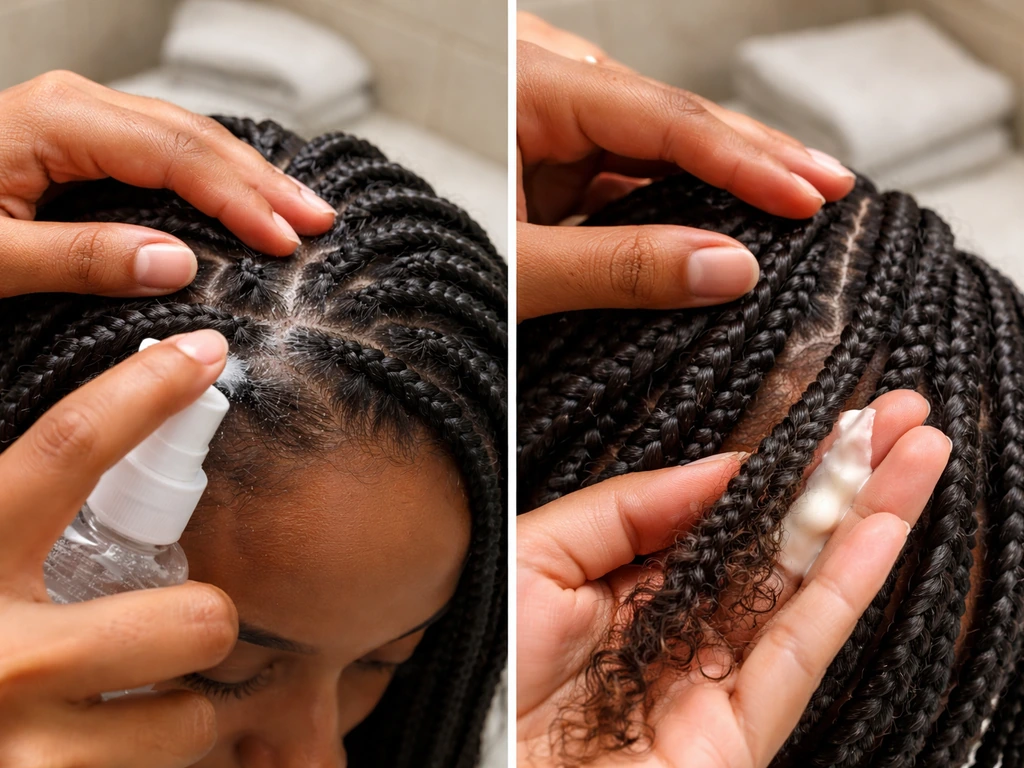
Putting hair in braids and leaving it completely alone for two months is not protective styling. It's just neglect with extra steps. The scalp still produces sebum, dead skin cells still accumulate, and your hair still needs moisture. Here's a practical routine to follow.
| Care Step | How Often | What to Use / Tips |
|---|---|---|
| Scalp cleansing | Every 2 to 3 weeks | Diluted shampoo or a scalp-specific rinse applied directly with a nozzle applicator; massage gently, rinse thoroughly, and let braids fully air dry |
| Scalp moisturizing | Every 3 to 5 days | Lightweight oils like jojoba, rosehip, or sweet almond applied to the scalp (not the extension hair), avoid heavy greases that cause buildup |
| Sealing braid ends | At installation and monthly | Dip ends in hot water to seal synthetic extension braids; add a light oil or braid sealer to prevent fraying |
| Moisturizing hair underneath | Weekly | Water-based leave-in spritzed lightly over braids and at the roots; seal with a light oil to slow moisture loss |
| Nighttime protection | Nightly | Satin or silk bonnet, pillowcase, or scarf; this reduces friction and frizz at the roots significantly |
One thing I want to flag specifically: don't skip scalp cleansing because you're afraid of frizz. Product buildup and a chronically dry or irritated scalp will cause more damage long-term than a little frizz from a wash. There are plenty of ways to cleanse without wrecking your style, and your scalp health is more important than your braid aesthetic staying pristine for twelve weeks.
When you'll see results and when to take them out
If your hair grows about half an inch per month and you keep braids in for eight weeks with good retention, you should realistically see close to an inch of new length when you take them out, maybe more if you were losing a significant amount to breakage before. People who start protective styling after years of high-manipulation wear sometimes see what feels like dramatic growth in the first few months. That's real, but it's really retention catching up, not the braids accelerating your biology.
Take your braids down if you notice persistent scalp pain, visible inflammation at the roots, or if the braids are older than eight to ten weeks and showing a lot of new growth that's tangling into the extensions. Trying to push past that point to save the style almost always costs more in breakage than it gains in length retention.
If box braids aren't working for you, whether because of tension sensitivity, allergies to synthetic extension fiber, or a scalp condition that flares up with extended wear, there are other protective styles worth exploring. Knotless braids reduce tension at the root because the extension hair is fed in gradually instead of anchored at the base. Twists are gentler still. Feed-in braids can be low-tension if done correctly. Feed-in braids can offer a similar low-manipulation benefit, but learn how they affect wear time and tension so you can protect your progress Feed-in braids can be low-tension. Goddess braids use larger sections with less individual pull. Each style comes with its own trade-offs around durability and protection level, but the retention principle is the same across all of them.
The realistic takeaway
Box braids are a legitimate, culturally significant protective style that can genuinely support length retention when done correctly. They won't change how fast your follicles produce hair, but they can absolutely change how much of that growth you keep. The key is low tension, the right duration, a real scalp care routine, and honest attention to any warning signs that the style is working against you instead of for you. Get those things right, and box braids can be one of the most effective tools in your length retention toolkit.
FAQ
If box braids are supposed to protect, how long should I wear them to avoid losing length from damage?
For most people, aim for about 6 to 8 weeks, then take them down even if the look still seems “fine.” If you notice tangling at the roots, increasing tightness, or new growth starting to merge with the extension hair, that’s a sign your retention is turning into breakage risk (especially around the hairline and edges).
Will box braids make my hair grow faster if I don’t get breakage now?
No, the growth rate from your follicles does not change. If you already maintain good detangling habits and low breakage, the main benefit of braids will be that you may simply preserve the length you would have kept anyway, rather than creating extra growth. In that case, track “length at take-down,” not just how your hair looks during wear.
Do micro box braids help grow hair, or are they worse for retention?
Micro braids still do not change follicle growth, but they can increase tension points across the scalp. They may reduce friction, yet the smaller sections can be heavier (especially with extensions) and more stressful if the parts are too thin. If you choose micro braids, ask for low tension at the root and slightly larger sections near the hairline and temples.
Can tight box braids stunt growth or cause permanent hair loss?
Tension can cause traction alopecia, which is not “temporary stunted growth,” it is follicle damage from repeated pulling. If you get persistent pain, burning, or visible thinning at the edges or temples, loosen or remove the braids and get medical guidance promptly, since early cases have the best recovery odds.
How often should I wash my scalp while wearing box braids?
You still need scalp cleansing, even if the braids look like they need to stay untouched. A practical approach is to cleanse at least every 1 to 2 weeks (adjust for oiliness), focus on the scalp, and avoid soaking the braids for long periods. Do not rely on “sprays only,” buildup can keep the scalp irritated and increase shedding.
What’s the best way to moisturize my hair when it’s braided?
Moisturize the hair and scalp without over-saturating the braid lengths. Lightly apply a moisturizer or sealant to the roots and braids as needed, then make sure the scalp and hair are dry before going to bed. Heavy product buildup can create residue that contributes to tangles and thinning at the base of the braids.
Can I sleep with box braids to protect my length, and does it matter?
Yes, sleep protection directly affects breakage and frizz at the ends. Use a satin or silk bonnet or scarf, and consider a satin pillowcase, too. Also keep hair from rubbing inside the braid by loosely tying or wrapping, since friction during sleep can undo the retention benefits.
If my braids start frizzing, should I keep wearing them or take them down?
Frizz at the surface is not automatically a problem, but frizz that leads to tangles at the root is. When new growth and extension hair start matting together, removal becomes more traumatic and breakage risk rises. If you’re approaching the 8 to 10 week window and frizz is causing tangling at the base, plan a take-down.
How can I tell whether I’m seeing real growth versus just better retention?
Compare your length at take-down to your starting point and your usual pre-braid trimming habits. If you typically shed and break during loose wear, the first few months of protective styling can feel like fast growth because you kept more strands than usual. Real growth still follows your biological schedule, but retention determines what you can actually measure.
Do box braids work differently depending on my hair texture or density?
They can. People with finer, thinner, or more fragile hair often experience higher tension stress, and edges may be more sensitive, so the section size and tension become even more important. If your hair is very dense, you might also feel more weight from extensions, so ask your stylist to balance durability with scalp comfort.
Next Article
Do Braids Grow Your Hair? Growth vs Length Retention Guide
Learn if braids grow hair or mainly retain length, plus how to wear them safely to protect textured hair and reduce brea