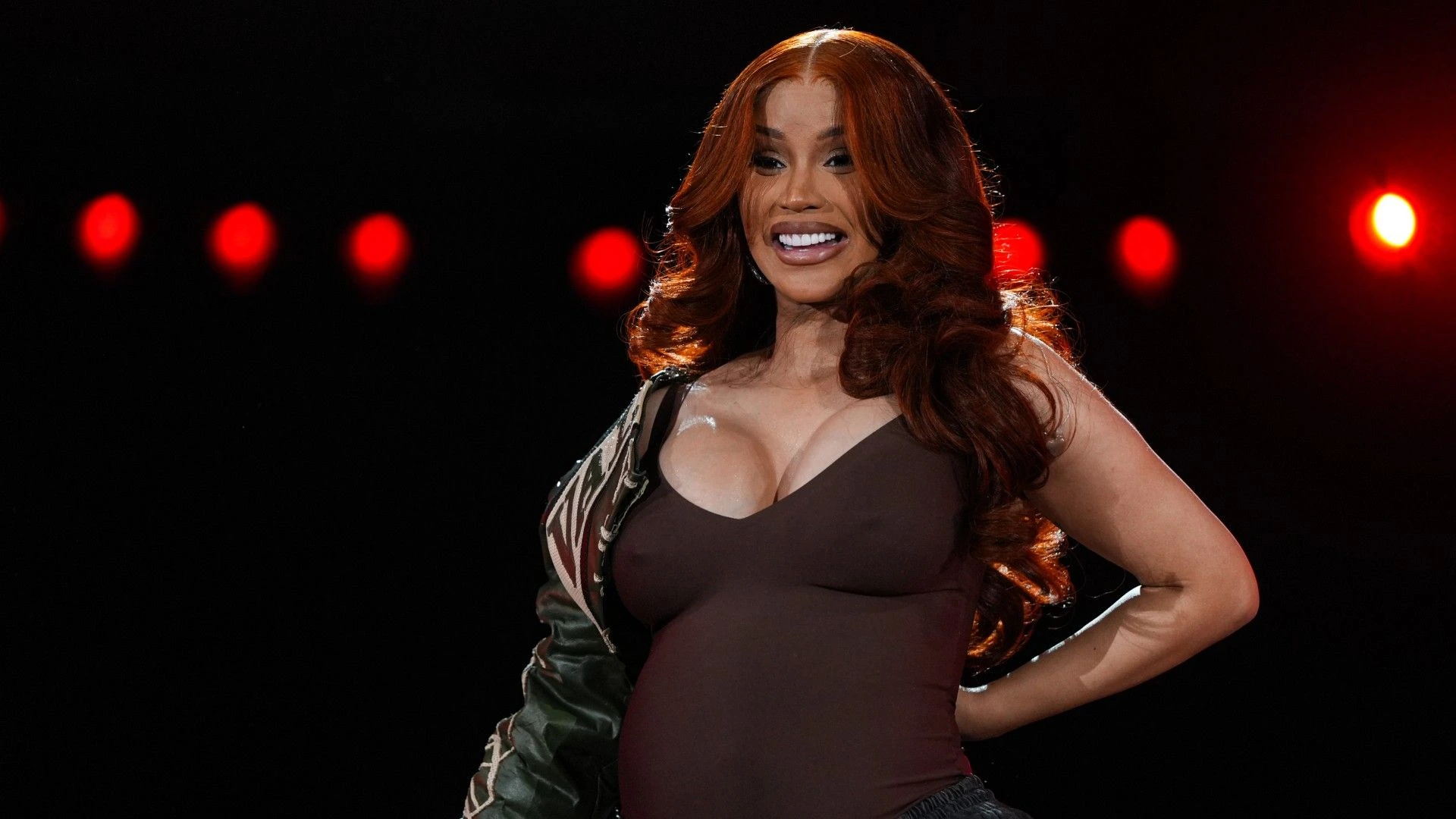
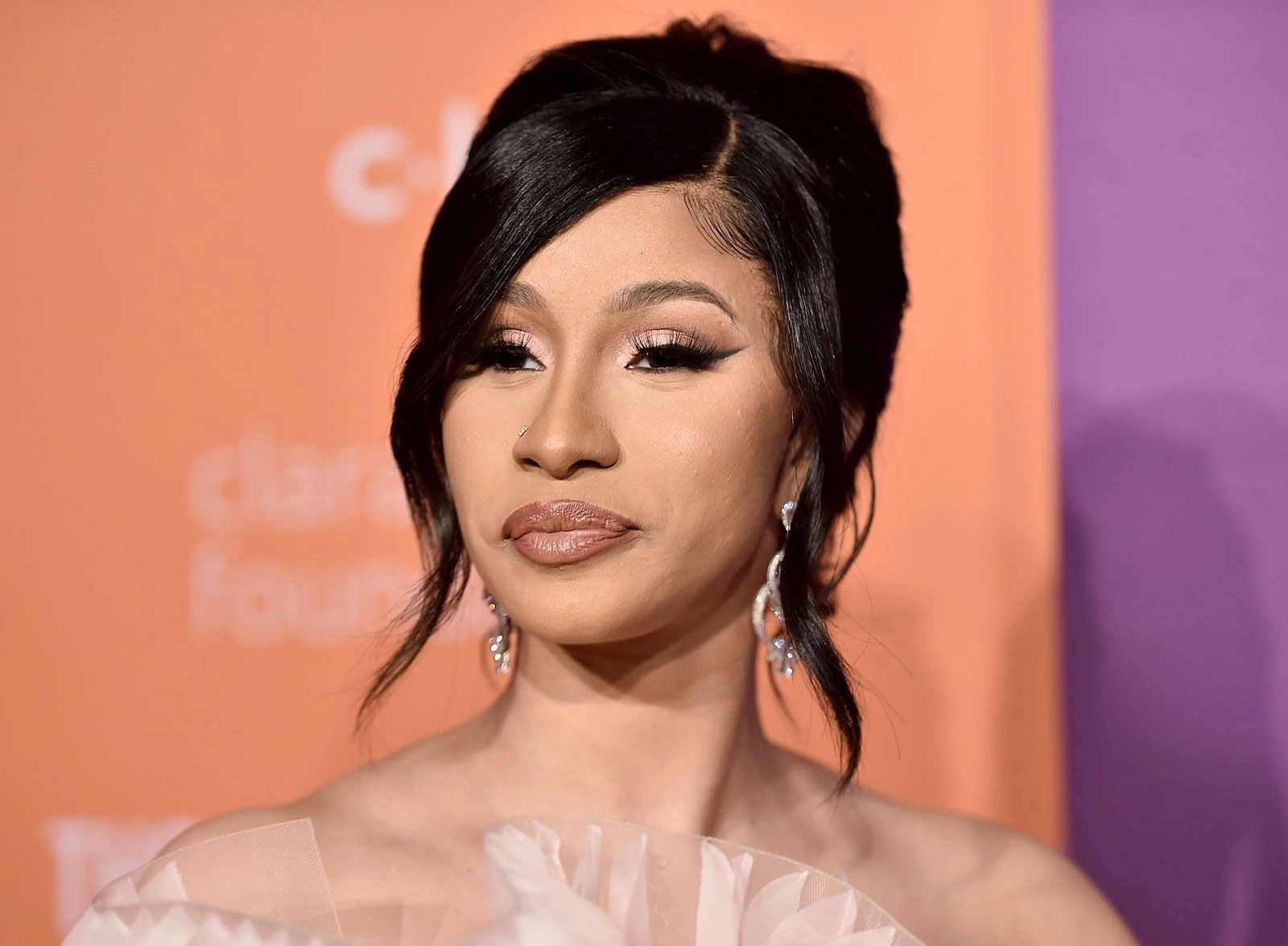
Cardi B grew her hair by doing what most long-hair success stories actually come down to: protective styling, consistent moisture, and keeping her hands (and heat) out of her hair long enough for it to retain length. She said it herself in a promotional video, it took her from 2016 to grow out her hair to where it is now. That's years of retention work, not a magic product. The good news is that her core strategy is completely replicable, and this guide breaks down exactly how to apply those same principles to textured and Black hair, without the guesswork.
How Did Cardi B Grow Her Hair A Practical Guide for Retention

Simone Okonkwo
30 May 2026
Hair growth vs. hair retention: why this distinction changes everything
Here's the thing most people miss when they search for celebrity hair secrets: no one, not Cardi B, not Beyoncé, not anyone, can dramatically speed up how fast their hair grows from the follicle. And while she has her own hair journey, the same retention principles about preventing breakage and protecting length apply to her too Beyoncé. Johns Hopkins Medicine and the Cleveland Clinic both put the number at about half an inch to one centimeter per month. That's your biology. It's largely determined by genetics, hormones, and overall health, none of which a shampoo bottle changes.
What celebrities with visibly longer hair have usually figured out is retention: keeping the hair that grows from breaking off before it can accumulate length. The anagen (active growth) phase of your hair cycle can last anywhere from two to six years, which means some people have a biological ceiling that's naturally higher than others. But most people never reach their ceiling because breakage chews through length faster than it can build. That's the real problem to solve.
The American Academy of Dermatology notes that shedding 50 to 100 hairs a day is completely normal, that's your hair cycle doing its job. Shedding about 100 hairs per day is considered normal because each follicle cycles independently. What you're trying to minimize is breakage mid-shaft, split ends, and mechanical damage that snaps healthy strands before they ever get to contribute to your length. When you see Cardi B's hair grow noticeably between public appearances, that's retention at work.
How to read "what does Cardi B use" without wasting your money
Let me be honest with you about the product claims floating around online. Many of the specific products tied to Cardi B's name are actually credited to her hairstylist, Tokyo Stylez, who used brands like Joico for her 2021 Grammys look and TRESemmé with Dyson tools for her 2022 Met Gala style. Those are event-day styling choices made by a professional for a specific aesthetic result, they have nothing to do with Cardi's personal growth or retention routine at home.
What Cardi herself has actually spoken about is returning to homemade masks and Dominican beauty rituals, which she described as part of her hair-health approach. She has also publicly discussed launching a haircare brand rooted in helping hair "grow good", a phrase that clearly reflects her own experience rebuilding her hair's health. If you want to grow good hair cardi b-style, focus on moisture-first routines like deep conditioning, scalp care, and protective practices that reduce breakage. That's the stuff worth paying attention to: deep conditioning, scalp care, and traditional moisture-first practices, not a $40 serum her stylist used on a red carpet.
When you see a product linked to a celebrity, ask two questions: did the celebrity herself say she uses this as part of her routine, or was it credited to a professional stylist for a single event? And does that product category (a deep conditioner, a scalp oil, a protein treatment) make sense for your hair's actual needs? Category matters far more than brand when you're building a retention routine.
The product categories that actually move the needle for textured hair
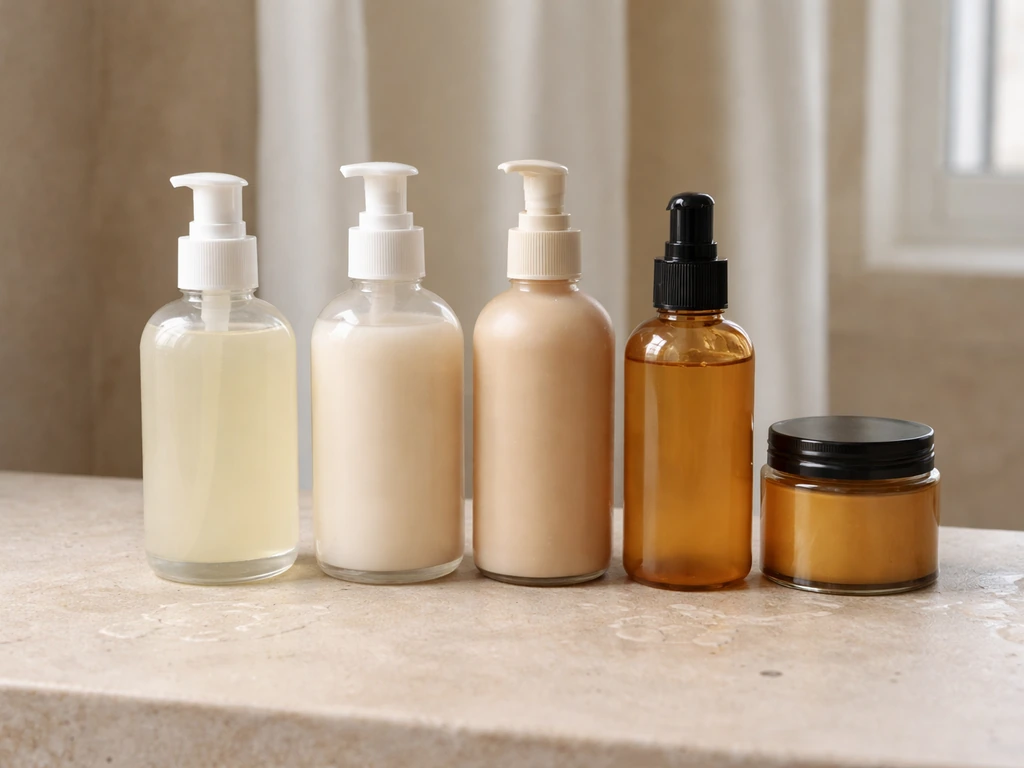
Rather than chasing a specific product Cardi may or may not have used, focus on covering these four functional categories consistently. This is where the science of textured hair retention actually lives.
| Category | What it does | What to look for |
|---|---|---|
| Cleanse | Removes buildup from scalp without stripping moisture | Sulfate-free or low-poo shampoos, co-wash for very dry hair |
| Moisturize | Restores water content to the hair shaft and cortex | Water-based leave-ins, conditioners with humectants like glycerin or aloe |
| Seal | Locks moisture into the cuticle to slow water loss | Butters (shea, mango), heavier oils (castor, avocado) for high-porosity hair |
| Treat | Addresses protein-moisture balance and structural damage | Deep conditioners, protein treatments, scalp-focused oils or serums |
The protein-moisture balance piece is worth slowing down on. Textured hair that's too protein-heavy can feel brittle and snap easily; hair that's too moisture-heavy loses elasticity and also breaks. A simple stretch test (pull a strand and watch whether it snaps immediately, stretches before breaking, or just goes limp) gives you a rough read on which direction you need to correct. If your hair feels mushy or gummy, it needs protein. If it snaps with no stretch at all, it's craving moisture. Most people with textured hair need both on a rotating basis.
Dominican hair culture, which Cardi B has specifically referenced, has long centered deep conditioning as a weekly or biweekly ritual. That's not a coincidence, Dominican blowout culture involves significant heat, so the tradition built in intensive conditioning to compensate. The science backs this up: research published in an MDPI study on textured hair confirms that chemical and heat exposure causes structural damage to the hair fiber, increasing breakage. Deep conditioning is how you fight that.
Protective styling done right: the difference between retaining length and losing it
Protective styling is one of the most powerful tools for length retention in textured hair, but it only works when it's done correctly. Braids, twists, weaves, and loc-style installs protect your ends (the oldest, most fragile part of your hair) from manipulation, friction, and environmental damage. When Cardi B has worn braids, box braids, or extensions publicly, that's real retention strategy in action. But the installation and takedown matter just as much as the style itself.
How long to keep protective styles in
The American Academy of Dermatology recommends wearing braids for no longer than six to eight weeks. Healthline puts the practical sweet spot at two to four weeks for most protective styles. The University of Iowa Health Care suggests two to three weeks as a safe range. What all of these agree on: leaving any tension-based protective style in too long is one of the leading causes of traction alopecia, a form of hair loss caused by prolonged pulling on the follicle. If your scalp feels sore or you can see white bumps at the hairline, that's tension telling you to take the style down.
Installation habits that protect instead of damage
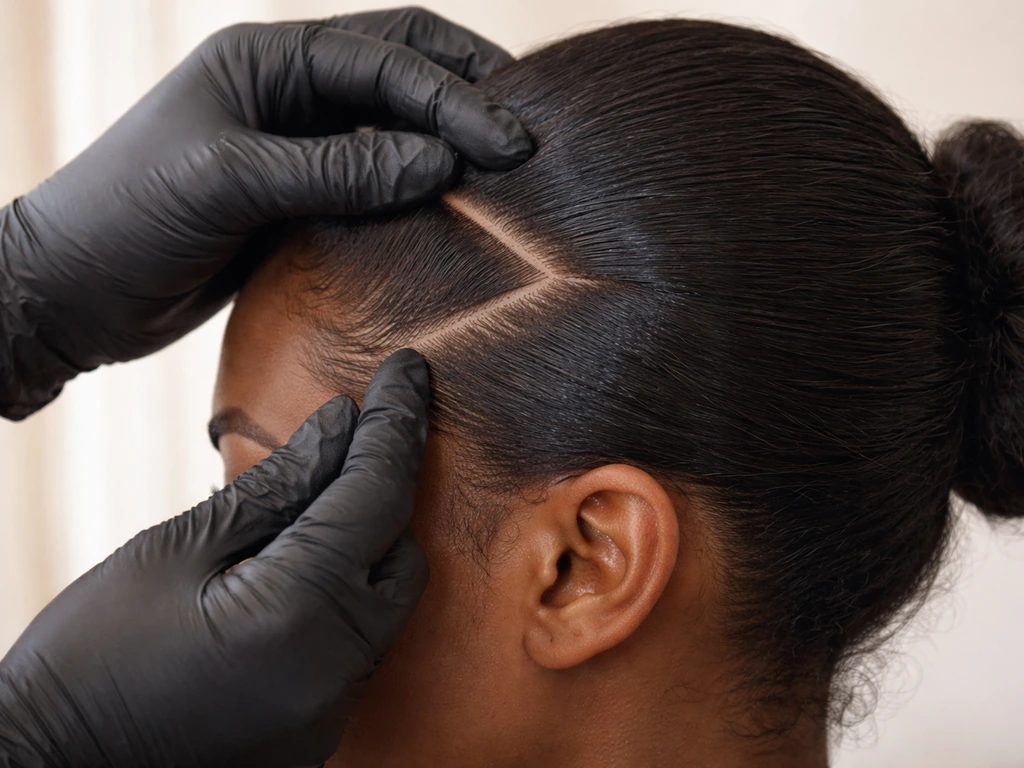
- Ask your stylist to install without excessive tension at the roots, especially around the edges and nape — these areas are most vulnerable to traction alopecia
- Moisturize and seal your natural hair before installation, not after, so your strands go in hydrated
- For weaves and sew-ins, make sure the leave-out is cared for separately and not ignored under the install
- Plan a takedown day with slip-heavy conditioner or detangling product on hand — rushed takedowns cause more breakage than the style itself in many cases
- Give your hair a full recovery week between back-to-back protective styles, especially if you used extensions
Cardi B working with Tokyo Stylez for major looks is actually a good model here, professional installation reduces the risk of improper tension. If you're doing your own protective styles at home, err on the side of looser rather than tighter and prioritize scalp comfort over a flawless part.
Heat, styling habits, and what actually prevents breakage
Heat is the most common way people undermine their own retention progress without realizing it. Research using scanning electron microscopy shows that elevated heat exposure causes cuticle loss and dramatically increases breakage. A scanning electron microscopy study of heat-protectant use and heat exposure reports total loss of cuticle and increased breakage under extreme heating conditions. The cuticle is the outer protective layer of your hair shaft, once it's gone, the inner cortex is exposed and the strand is much more likely to snap. This is why heat protectant is not optional, and why constantly flat ironing without it is one of the fastest ways to stall your length goals.
That said, heat itself is not the enemy. Dominican hair culture, which Cardi has embraced, uses blow dryers regularly, the difference is in how heat is applied (temperature, tool quality, protectant use) rather than whether it's used at all. If you're going to use heat, use a quality tool with adjustable temperature settings, keep the heat at the lowest effective setting, always use a heat protectant beforehand, and limit heat sessions to once a week or less during active retention periods.
Mechanical breakage is the other half of the equation. Detangling textured hair is a high-stakes activity, curly hair is structurally more prone to tangling and snapping during combing. Always detangle on wet or damp hair with plenty of slip (a conditioner or detangling product), work from ends to roots, and use your fingers or a wide-tooth comb rather than a fine-tooth comb or brush on dry hair. These habits alone can make a visible difference in how much hair you're losing at the sink.
Building your routine based on where your hair actually is right now
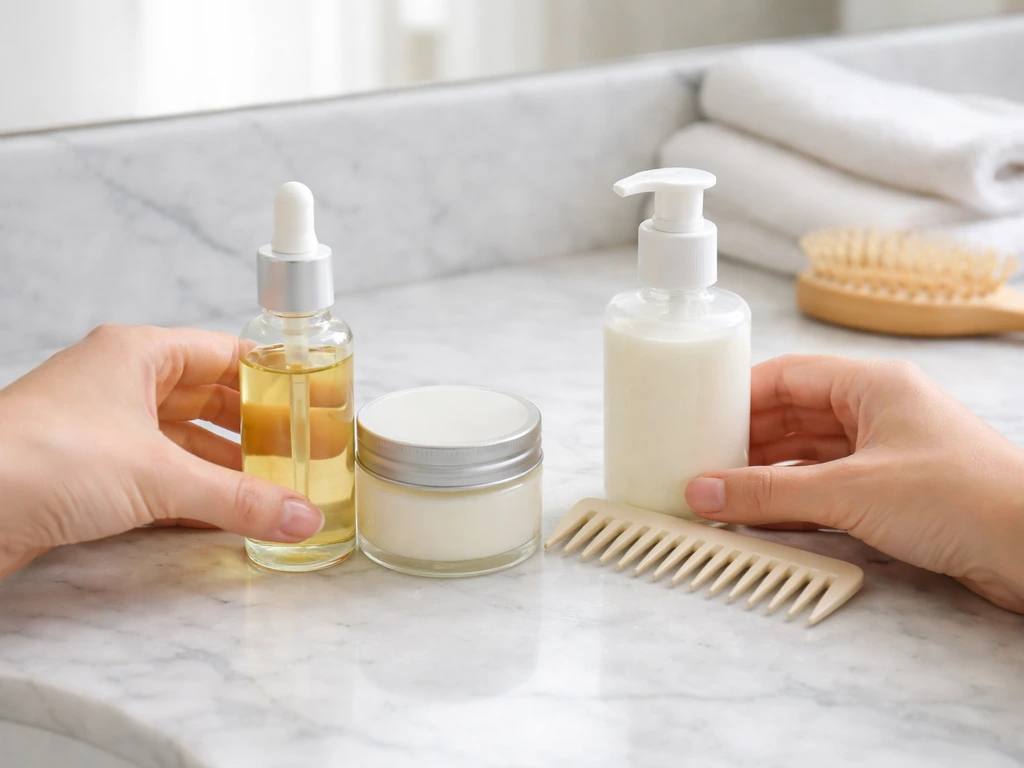
Your starting point changes which pieces of the routine to prioritize. Natural hair and relaxed/chemically treated hair have genuinely different needs, and porosity (how easily your hair absorbs and holds moisture) shifts the product strategy significantly.
Natural hair (no chemical processing)
If your hair is fully natural, your biggest retention risks are usually dryness, mechanical breakage during manipulation, and tension from tight styles. A weekly or biweekly deep conditioning session is non-negotiable, this is the most consistently supported practice for keeping natural textured hair strong. Focus on the LOC or LCO method (liquid, oil, cream in some order depending on your porosity) to build moisture that actually stays in. High-porosity natural hair loses moisture fast and benefits from heavier sealants like shea butter or castor oil. Low-porosity natural hair needs heat to open the cuticle during conditioning (a hooded dryer or steam cap) so that moisture can actually penetrate.
Relaxed or chemically treated hair
Chemical relaxers alter the protein bonds in your hair permanently, which means relaxed hair is structurally more fragile and more vulnerable to breakage, especially at the line of demarcation where new growth meets processed hair. If you want “how did a2 grow her hair” to be the takeaway, the key is focusing on retention by reducing breakage at the line of demarcation. Research from StatPearls confirms that chemical relaxers increase traction alopecia risk when combined with tight styling. If you're relaxed, protein treatments become even more important because you're reinforcing a compromised structure. Space your relaxer applications to minimize overlap, keep heat use low between touch-ups, and prioritize reconstructing (protein) treatments monthly and moisturizing (hydrating) deep conditioners weekly.
Transitioning hair
If you're transitioning from relaxed to natural, the line of demarcation between your two textures is where the hair is most likely to snap. Protective styles are your best friend during this period because they reduce manipulation of that vulnerable zone. Keep both textures well-moisturized, trim off the relaxed ends gradually, and be exceptionally gentle during detangling sessions.
A starter plan you can begin today
You don't need Cardi B's hairstylist or her exact product lineup to start improving your retention this week. If you're also wondering how did Nicki Minaj grow her hair, the same retention-focused principles apply, with attention to moisture, breakage control, and protective styling. Viola Davis has also shared that the way she grows out and maintains her hair relies on consistent care and protective habits. Oprah’s approach also focuses on protecting and conditioning her hair so it retains length over time. SZA’s hair growth journey is usually explained the same way: focus on retention by protecting your ends, moisturizing consistently, and minimizing heat and breakage SZA hair growth journey. Here's a simple framework to begin immediately.
- Audit your current breakage: for the next two wash days, pay attention to how much hair you're losing in the shower and during detangling. Normal shedding is 50 to 100 hairs a day — if clumps are coming out mid-strand (not at the root), that's breakage, not shedding, and it needs to be addressed
- Add a deep conditioning session this week: apply a moisturizing deep conditioner to clean, damp hair, cover with a plastic cap, add heat for 20 to 30 minutes, and rinse. Do this every one to two weeks from here forward
- Evaluate your last protective style: was it in longer than six weeks? Did your scalp hurt? If yes, give your hair a break this month and focus on moisturizing before going back into a protective style
- Check your heat frequency: if you're applying direct heat more than once a week, pull that back. Use air drying, twist-outs, or braid-outs as low-manipulation alternatives on non-heat days
- Pick one sealant to try: if your hair dries out within a day or two of washing, you're likely not sealing moisture in effectively. Try a butter or heavier oil after your leave-in and see if your moisture retention improves over two weeks
What to track over the next 90 days
- Breakage amount during detangling sessions (less over time = routine is working)
- Scalp comfort during and after protective styles (soreness = too much tension)
- Moisture retention between wash days (how long does your hair stay soft?)
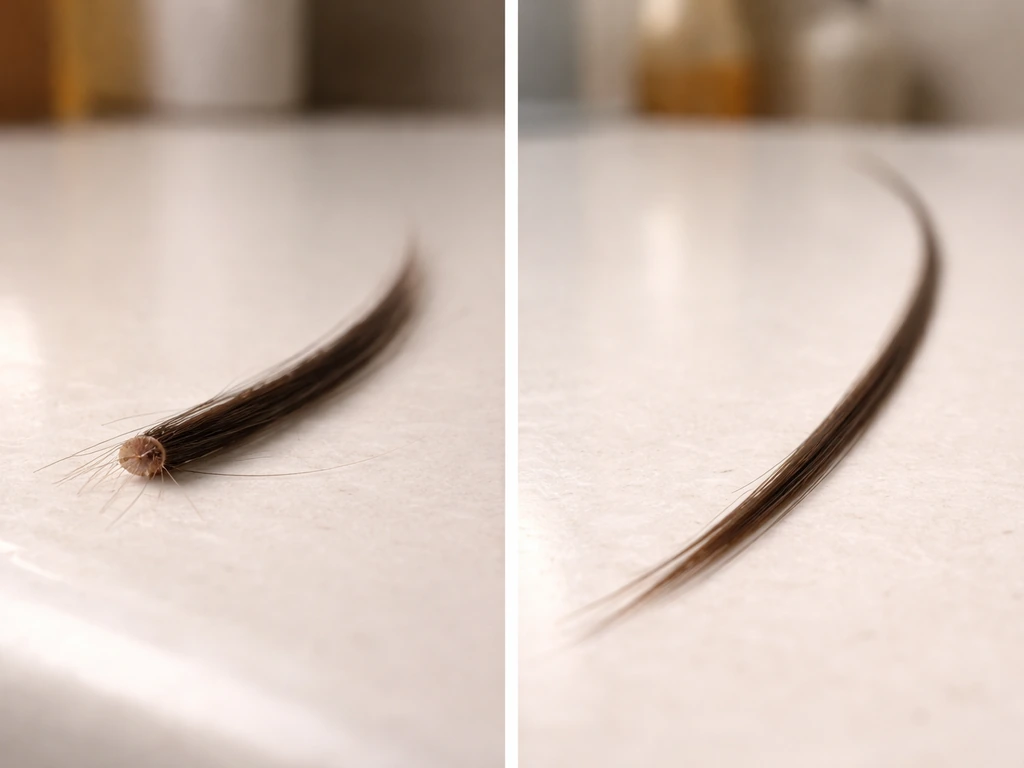
- Shed hair vs. broken hair (root bulb present = normal shed; no bulb = breakage)
- Length at a fixed point, like your collarbone or shoulder, every four to six weeks
Cardi B said it took her years to grow her hair out, and that timeline is actually realistic for most people. At roughly half an inch of growth per month, reaching significant length is a patience game more than a product game. The people who win it are the ones who stop breaking off what grows. Build a routine that reduces damage consistently, and the length follows. That's the real secret, and it's one you can start using today.
FAQ
How long would it realistically take to grow my hair using the same retention principles as Cardi B?
If you are averaging about 0.5 to 1 cm per month, visible length goals usually take several months to a year, but retention makes the difference between “growing” and “keeping.” Track growth by measuring from root to end every 4 weeks, then adjust your routine based on whether the ends are thinning or staying full.
If celebrity posts show long hair fast, does that mean their hair actually grew faster?
Not necessarily. Many long-hair transformations look faster because of reduced breakage, better sealing and detangling, and fewer tension or heat exposures around the time of photos. A helpful check is whether their routine changed (more protective styling, fewer flat-irons) at the same time, rather than which product was mentioned.
Can I do protective styles for length even if my scalp gets sore easily?
Yes, but you need a stricter tension rule. Choose lighter-weight installs, take breaks (for example, rotate between styles instead of stacking them back-to-back), and watch for early warning signs like soreness at the hairline or tiny bumps. If your scalp stays tender for more than 24 to 48 hours after installation, loosen or switch methods.
What’s the safest way to remove braids or twists without losing a lot of length?
Detangle slowly while your hair is damp or has plenty of slip from conditioner, start at the ends, and finger-comb first before using a comb. Avoid yanking knots because that creates mid-shaft snap and makes your length appear to “stall,” even if your growth rate is normal.
How often should I deep condition if I’m trying to retain length?
A weekly or biweekly schedule is a strong starting point for most natural and textured routines, but adjust based on how your hair behaves after washing. If your hair feels dry, tangled, or straw-like within 3 to 7 days, increase frequency or add a stronger conditioner with more conditioning agents, not just fragrance.
Do I need protein if my hair is shedding or feeling weak?
Maybe, but use the “mushy versus snaps” stretch test as a guide. If strands stretch a lot before breaking or feel gummy, you likely need more protein or a strengthening conditioner. If hair snaps immediately with little stretch, that often means you need more moisture and fewer harsh drying steps.
Is heat ever helpful for hair retention, or does it always cause damage?
Heat can be part of retention when it is controlled. Use the lowest effective temperature, apply heat protectant every time, and limit frequency during active growth phases (many people do best with once per week or less). If your ends are already thin, reduce heat first, because damage shows up later at the oldest areas.
How do I know whether my detangling is causing retention problems?
Look at where the most breakage happens. If you see lots of short broken pieces after detangling or your ends feel more sparse over time, reduce friction by detangling on damp hair with slip, detangle in sections, and never detangle completely dry. Also check tools, a fine-tooth comb on textured strands often increases snap.
What should I do if my protective style keeps making my hairline thin?
That pattern suggests traction at the edges. Take the style down earlier than your planned timeline, give your scalp a recovery wash day with gentle detangling, and consider smaller changes next time, like looser tension, different parting/placement, or shorter wear duration.
I’m transitioning from relaxed to natural, what’s the biggest retention risk at the demarcation line?
The transition zone is where textures have different strength and moisture behavior, so it snaps more easily during manipulation. Focus on keeping the zone moisturized consistently, minimizing combing through it, using protective styles to reduce friction, and gradually trimming off the weakest relaxed ends rather than hoping they blend without breakage.
Next Article
Grow Good Hair Like Cardi B: Evidence-Based Steps
Get Cardi B style hair goals with evidence-based steps for textured hair: less breakage, healthier scalp, and growth tra