
Victorian women grew their hair long mostly because they did very little to damage it. No chemical relaxers, no high-heat styling tools, low manipulation, protective updo habits, and consistent scalp care meant their hair could retain length over years and decades. The 'secret' wasn't a magic oil or a special diet, it was the absence of the things that break hair off before it can grow long. That lesson is just as useful today, especially for people with textured hair, where retention (not growth speed) is the real bottleneck to length.
How Did Victorian Women Grow Their Hair So Long

Simone Okonkwo
5 Jun 2026
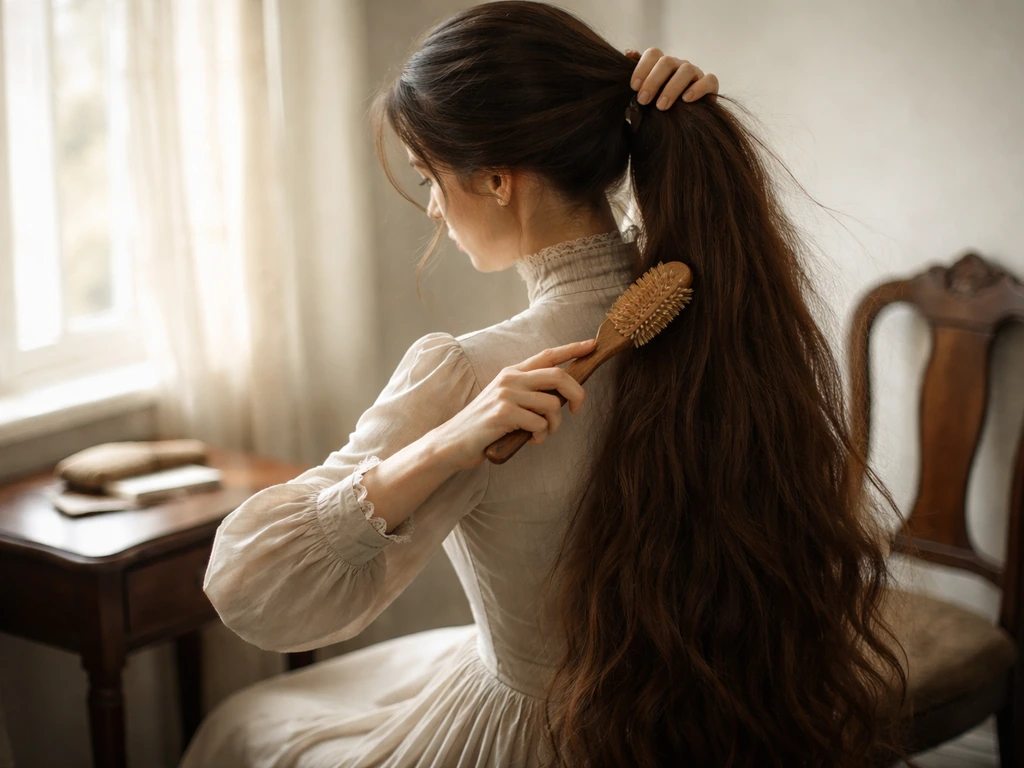
Victorian long hair: what was real and what's a myth
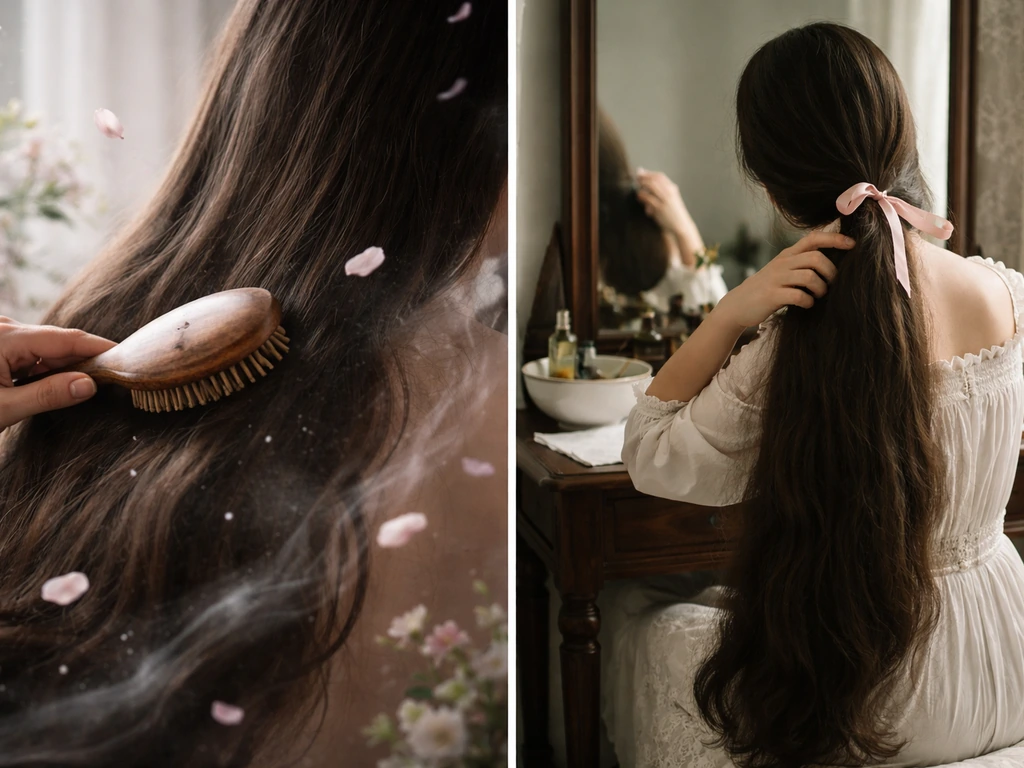
There's a version of Victorian hair lore that gets passed around online, that women brushed their hair 100 strokes a night with mysterious botanical oils and somehow unlocked supernatural growth. That's mostly romanticism. Human hair grows at a fairly fixed biological rate of about half an inch per month regardless of the era. What Victorian women actually had going for them was time and low damage, not a secret formula.
The myth also ignores class and access. The famous floor-length hair of Victorian paintings and photographs represents wealthy women with the time and resources for daily grooming rituals. Working-class women often kept their hair covered and simply managed, which, ironically, may have helped it retain length through low manipulation. Not every woman in 1880 had waist-length hair, but the conditions of the era did create fewer opportunities to damage it.
What is true: Victorian women generally avoided the things that cause modern hair breakage. No flat irons, no bleach, no sulfate-heavy daily shampoos, no rubber bands at the hairline. The hair was worn up and covered frequently, reducing environmental friction. Breakage was lower, so length accumulated over time. That's the real story.
Growth vs. retention: knowing the difference changes everything
Your hair is almost certainly already growing. If you’re wondering how did a2 grow her hair, focus on retention first: minimize breakage so the length you produce can actually stay on your ends growth. The average person produces about 6 inches of hair per year from the scalp. If you're not seeing that length show up on your ends, it's not a growth problem, it's a retention problem. If you are trying to understand a specific hair-length journey like how did Beyonce grow her hair, start by distinguishing growth from retention and track where breakage is happening. The hair is breaking off somewhere along the strand before you ever get to appreciate it.
This distinction matters because most products marketed for 'faster growth' are targeting the wrong end of the equation. There is no topical product proven to significantly increase your growth rate above your genetic baseline. But there is a lot you can do to stop the breakage that erases the length you're already producing. Victorian women, unknowingly, were masters of retention. That's what we need to replicate.
For textured and coily hair, retention is an even bigger factor. Coily strands have more points of natural curl along the shaft, and each of those curves is a potential weak point under tension or dryness. Add shrinkage into the mix, some 4C hair shrinks up to 75% of its actual length, and it's easy to underestimate how much hair you've actually grown. Retention strategies for textured hair have to account for moisture, gentle handling, and end protection in ways that straight-hair Victorian routines simply didn't need to.
What Victorian women were actually doing (the routines that helped)
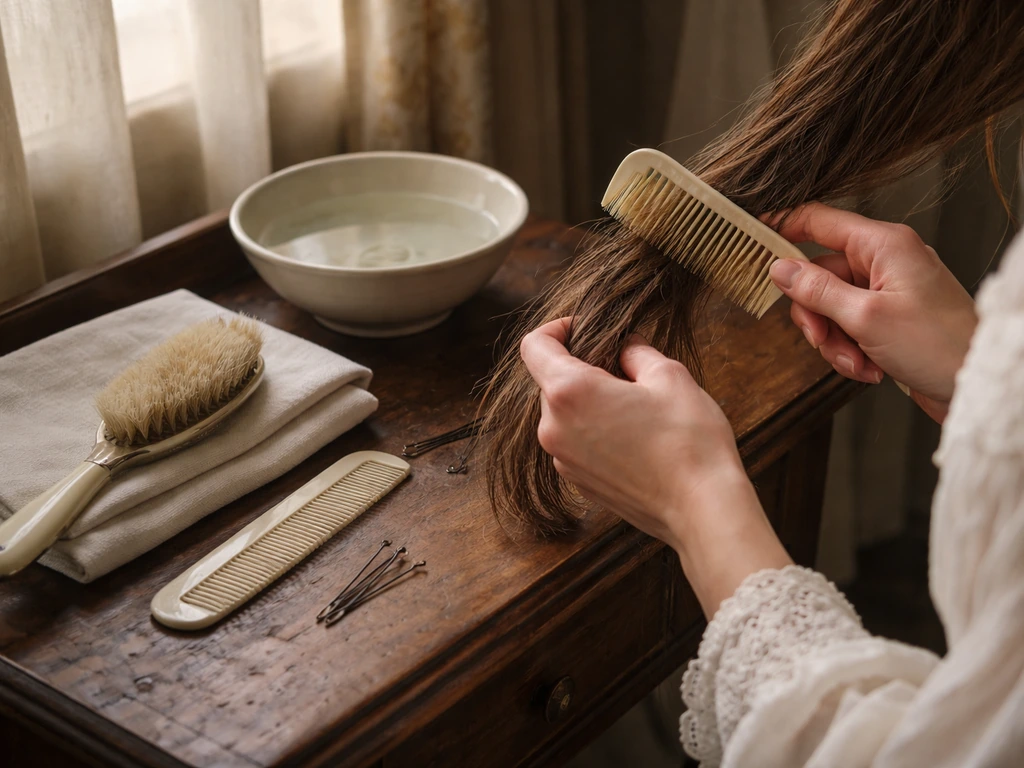
Looking at actual Victorian household guides from the 1880s, the routines were more practical than mystical. Cassells Household Guide, for example, recommended drying the hair thoroughly, then applying a scalp pomade or grease in partings across the scalp by hand, and brushing through to distribute it evenly to prevent excessive moisture evaporation. In The Lady’s Dressing-Room, Victorian etiquette advice similarly describes applying pomade or grease in partings across the scalp as part of hair care. That's essentially a primitive version of sealing, applying an occlusive agent to lock moisture in.
Brushing itself was more nuanced than the '100 strokes' myth. The same Victorian sources distinguished between brush types: a soft brush for removing dust from the hair and a stiffer brush for stimulating the scalp. The scalp stimulation piece has some merit, gentle massaging increases blood flow to follicles, which can support healthy hair growth. What they weren't doing was aggressively brushing dry, tangled hair with one stiff brush from root to tip, which is where modern misapplication of that advice causes damage.
Cleanliness of tools mattered, too. Victorian household guides stressed that 'the greatest cleanliness is necessary' for combs and brushes used for hair dressing. Dirty tools transfer buildup and bacteria back onto the scalp and strands. That's still true, a dirty brush or comb re-deposits oils, product residue, and debris that can clog follicles or weaken strands over time.
Washing was infrequent by modern standards. Hair might be washed once a week or even less often. This sounds alarming now, but the upside was less stripping of the scalp's natural sebum. Frequent washing with harsh soaps or sulfates removes the oils that keep the cuticle smooth and the strand protected. If you are trying to understand how SZA grew her hair, the key is the same: focus on retention by minimizing breakage rather than chasing faster growth. Less frequent washing, combined with scalp grease application, kept the hair in a more consistently moisturized and protected state.
Hair was worn up and often covered. Updo styles, bonnets, and head coverings kept ends tucked away and shielded from friction, sun exposure, and environmental dryness. This is essentially what we now call protective styling, and it's one of the most evidence-backed strategies for length retention.
The modern version of protective styling and breakage prevention
Protective styling today does the same job Victorian updos and bonnets did: it keeps the ends of your hair tucked, reduces daily manipulation, and cuts down on friction against clothing and pillowcases. For textured hair, this includes styles like braids, twists, locs, buns, and wigs, all of which reduce how often you're handling and exposing your most fragile, oldest hair (your ends).
The key word is 'protective,' and that means the style itself can't become the source of damage. Braids installed too tightly, extensions that are too heavy, or styles that create constant tension at the hairline don't protect, they cause traction alopecia and breakage at exactly the points you're trying to preserve. A properly installed protective style sits comfortably, doesn't pull at the scalp, and lets you go several weeks between manipulation.
Satin and silk pillowcases and bonnets are a direct modern equivalent to the Victorian bonnet habit. Cotton pillowcases create friction and absorb moisture from the hair while you sleep. Switching to satin or silk, or wrapping your hair before bed, reduces mechanical damage by a meaningful amount over weeks and months of cumulative nights.
Low manipulation in general is the throughline. The less you comb, brush, or handle your hair daily, the fewer opportunities for breakage. This doesn't mean neglecting your hair, it means choosing styles and routines that don't require you to touch it constantly.
Adapting Victorian lessons for textured and Black hair
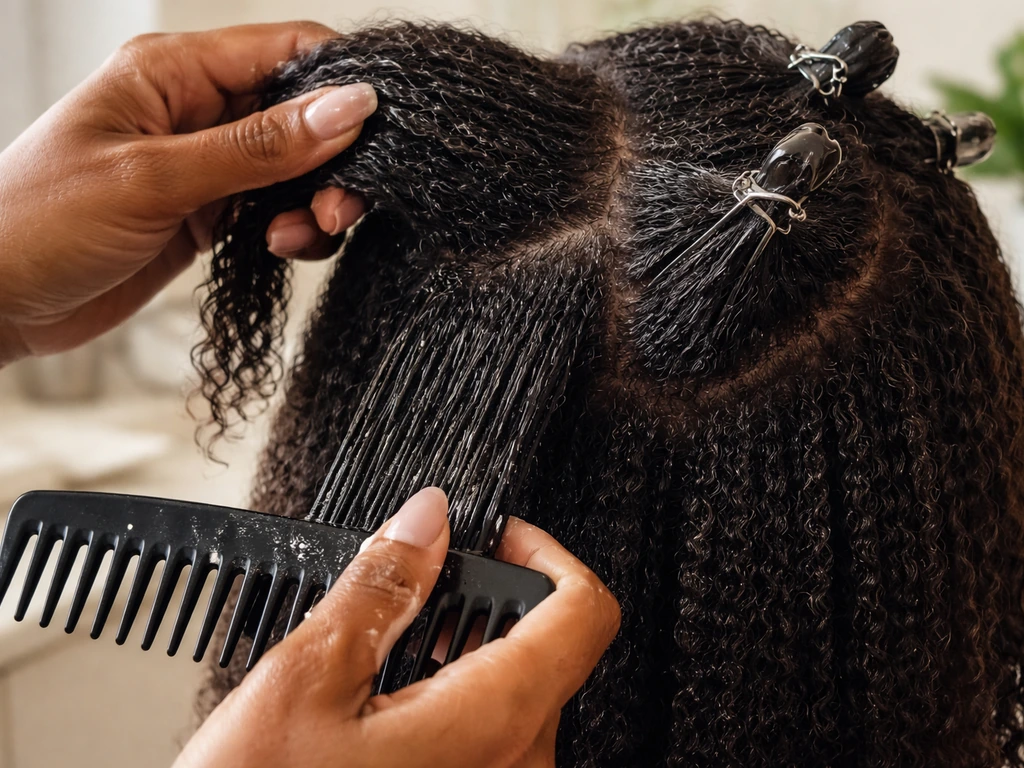
The Victorian routines were designed for straight, European hair that produces more sebum and distributes it down the shaft more easily. Coily and kinky hair textures have a different relationship with moisture: the curl pattern makes it harder for scalp oils to travel down the strand, which means textured hair tends toward dryness faster and needs external moisture more consistently. The Victorian 'seal with grease' approach is actually relevant here, but it needs to follow the LOC or LCO method (liquid, oil, cream or liquid, cream, oil) rather than grease alone on a dry scalp.
Detangling is where the most damage happens for textured hair, and Victorian brushing advice needs to be seriously modified. A stiff brush through coily hair is a breakage machine. For textured hair, detangling should always happen on wet or damp hair, saturated with conditioner or a slip product, working section by section from ends to roots with a wide-tooth comb or your fingers. This is the gentlest way to get through tangles without snapping the curl at its weakest points.
Shrinkage is a retention illusion that can be discouraging. If your hair shrinks 60 to 75% when dry, you might think you've grown nothing over six months when you've actually grown three inches that are coiled up near your scalp. Measuring stretched length periodically, on wet, freshly washed hair, gives you a much more accurate picture of your actual growth and helps you stay motivated.
End care is especially critical for textured hair because the ends are the oldest part of your hair and the most prone to dryness and split ends. Victorian women's updo habits kept their ends protected and away from friction. The modern equivalent is keeping ends moisturized with a butter or oil, trimming split ends regularly (not constantly, but consistently, every 8 to 12 weeks as needed), and keeping them tucked into protective styles when possible.
The mistakes that will stop your length no matter what era you live in
- High heat on already dry or fragile strands: flat irons and blow dryers above 350°F (175°C) cause direct protein damage to the hair shaft. If you use heat, use a protectant and keep the temperature as low as effective. Victorian women had no access to this kind of sustained high heat, and their hair benefited.
- Tight tension styles: braids, ponytails, or styles that pull at the hairline or temples consistently cause traction alopecia, which is a real, progressive form of hair loss. 'Neat' does not have to mean 'tight.'
- Chemical overprocessing: overlapping relaxers, frequent bleaching, or combining chemical services without adequate recovery time weakens the protein structure of the strand significantly. Victorian women had no chemical relaxers — that absence alone was a major advantage.
- Product buildup on the scalp: heavy greases or silicones applied directly to the scalp without regular cleansing clog follicles and can inhibit healthy hair growth over time. The Victorian advice to clean combs and brushes applies here — clean scalp, clean tools, clean slate.
- Rough handling of wet hair: wet hair is at its most elastic and vulnerable. Aggressive combing, rubbing with a terry cloth towel, or pulling through tangles causes significant breakage. Microfiber towels and gentle detangling are non-negotiable.
- Skipping moisture maintenance: going weeks without re-moisturizing textured hair leads to brittleness and snapping at the ends and mid-shaft. Consistency beats intensity — a simple routine done regularly beats an elaborate one done rarely.
A modern routine that actually retains length
This routine pulls from what worked in the Victorian era and updates it with what we know now about textured hair biology. It's not complicated. Consistency is what makes it work.
- Wash weekly or bi-weekly with a sulfate-free or gentle shampoo. Focus the shampoo on your scalp, not your ends. Cleansing matters — buildup from products and sebum needs to go — but you don't need a harsh cleanser to do it. If your scalp tends to be dry or sensitive, a co-wash (conditioner wash) between shampoo sessions can help maintain moisture balance.
- Deep condition every wash day. This is non-negotiable for textured hair. A moisturizing deep conditioner under heat (a hooded dryer or a shower cap with body heat) for 20 to 30 minutes restores softness, elasticity, and slip to the strands. This replaces the Victorian pomade-and-brush approach with something that actually penetrates the cortex.
- Detangle gently before or during conditioning. Work in sections, from ends to roots, with a wide-tooth comb or your fingers. Never pull through dry tangles.
- Apply moisture in layers after washing. Start with a water-based leave-in conditioner, then layer a cream or butter, then seal with a light oil. For coily hair, the LOC method (leave-in, oil, cream) or LCO (leave-in, cream, oil) both work — test which gives you better softness and hold.
- Apply scalp care. A lightweight scalp oil (jojoba, peppermint-infused, or rosemary oil) massaged into the scalp for 3 to 5 minutes stimulates blood flow to follicles. This is the evidence-based version of the Victorian scalp brush stimulation. Rosemary oil in particular has clinical data suggesting it performs comparably to minoxidil for some users.
- Install a protective style or low-manipulation set. Twists, braids, a bun, bantu knots, or a wig are all valid. Keep ends moisturized inside the style. Don't leave any protective style in for longer than 6 to 8 weeks without refreshing and checking your scalp.
- Sleep on satin or silk, or wear a satin bonnet. Every night. This is one of the highest-return, lowest-effort changes you can make.
- Trim split ends as needed, roughly every 8 to 12 weeks. You do not need to trim on a rigid schedule — you need to trim when you see splits or single-strand knots clustering at the ends. Trimming removes damage that would otherwise travel up the shaft and cause more breakage.
- Track your growth on stretched, wet hair every 6 to 8 weeks. Take a photo, measure from root to end. This keeps you honest about progress and lets you adjust your routine if something isn't working.
What Victorian women can't teach you
Victorian routines were built for one hair type, one climate model (indoor, low-humidity European homes), and a completely different relationship with hair products and tools. They didn't know about the hair growth cycle, protein-moisture balance, or the specific porosity challenges of high-curl patterns. They also had no solutions for scalp conditions like seborrheic dermatitis or alopecia beyond rudimentary remedies.
The lesson to take from the Victorian era is philosophical, not literal: minimize damage, handle gently, protect the ends, and let time do the work. The same framework applies whether you have 4C coils, 3B curls, or anything else, but the specific techniques need to match your actual hair. Following a Victorian brushing routine on coily hair would cause more damage than it prevents.
If you're looking at celebrity hair journeys, from Viola Davis embracing her natural hair after years in the industry, to various artists who've documented their length retention journeys publicly, the pattern is consistent: less chemical damage, more protective handling, and attention to scalp health. Many people also want to grow good hair, and Cardi B’s approach fits the same retention-focused habits discussed here celebrity hair journeys. That's not a Victorian secret.
If you’re wondering how Nicki Minaj grew her hair, the same idea applies: minimize damage and focus on retention and protection Victorian secret. Oprah’s hair growth story follows the same retention-and-protection approach: minimize damage, handle gently, and keep the ends safeguarded. It's just hair biology, applied consistently. If you're wondering how Cardi B grew her hair, the same retention principles apply: minimize breakage, protect your ends, and use gentle handling how did cardi b grow her hair.
FAQ
If Victorian women washed their hair only once a week or less, how should I adjust that if my scalp gets oily or itchy?
Start by splitting the difference. If you get buildup or irritation, you can wash more often but keep it low-stripping (gentle shampoo, focused on the scalp) and still protect the ends with conditioner afterward. The key goal is retention, so avoid overwashing that leaves hair tangly and brittle, and stop immediately if your scalp condition worsens.
Do Victorian “grease on the scalp” routines work today, or can they clog follicles?
They can, depending on your hair and scalp. Use light application in partings rather than heavy coating every day, and watch for flakes, itch, or sudden shedding that coincides with a new product. If you’re prone to seborrheic dermatitis, choose scalp products that hydrate and soothe without turning into persistent buildup.
How can I tell whether I have a growth problem or a retention problem (breakage vs slow growth)?
Track length on freshly washed, fully detangled, stretched hair (or measure from the root to a consistent point on wet hair) every 4 to 6 weeks. If the stretched length increases but your final style length does not, breakage or shrinkage/handling is the issue. If stretched length also stops changing, reassess overall health, protein-moisture balance, and scalp inflammation.
What’s the safest way to detangle if I’m tempted to use a stiff brush like the “stimulate the scalp” advice?
Don’t stiff-brush through dry tangles. Use damp or wet hair with conditioner or a high-slip detangler, detangle in sections, and work from ends toward roots with fingers or a wide-tooth comb. Gentle scalp massage can still be helpful, but keep the brushing action off the hair shaft.
How do I protect ends like Victorian updos without creating traction or tension?
Make the style secure but not tight, especially at the hairline and edges. If you feel soreness, see thinning at the edges, or notice lots of short broken hairs, loosen the style and reduce frequency. Protective styles should sit comfortably and allow you to go longer between manipulation without pulling.
Can satin or silk actually make a noticeable difference, or is it mainly marketing?
It helps because it reduces friction and moisture absorption at night, which is exactly what causes end wear over many sleep cycles. The biggest payoff usually comes when paired with end protection during the day (tucked or styled) and minimizing rough detangling in the morning.
How often should I trim split ends if my goal is long hair?
Don’t trim constantly, trim consistently based on what you see. Many people do best every 8 to 12 weeks if they’re prone to splits, then extend the interval if splits stop appearing. If you’re already using protective handling and gentle detangling, you may be able to trim less frequently.
What if my hair is very coily or 4C and my “growth” looks like shrinkage, what should I measure?
Measure stretched length, on wet or freshly washed hair, using the same method each time (for example, from root to tip while gently stretching a small section). Also compare photos in the same state of hair (same dampness and styling method), because dry photos exaggerate shrinkage and hide real length gains.
Are there any Victorian practices that you should not copy for modern hair types?
Yes. Avoid aggressive root-to-tip brushing on dry, tangled hair, avoid harsh daily heat or chemical processing, and avoid overly tight protective styles that create traction. Victorian guidance also assumed a different climate and more sebum distribution, so a direct copy can backfire on textured hair that dries faster.
How do I build a retention routine in practice (what should I do first)?
Start with a simple order: protect ends, reduce daily handling, use gentle detangling when you must detangle, then stabilize moisture and seal appropriately for your texture. If breakage is your bottleneck, don’t add new “growth” products first, remove the damage sources and track stretched length for 1 to 2 cycles before changing strategy again.
Next Article
How Did Cardi B Grow Her Hair A Practical Guide for Retention
Learn what Cardi B likely did for long hair, focusing on retention, protective styles, moisture, scalp care, and a simpl