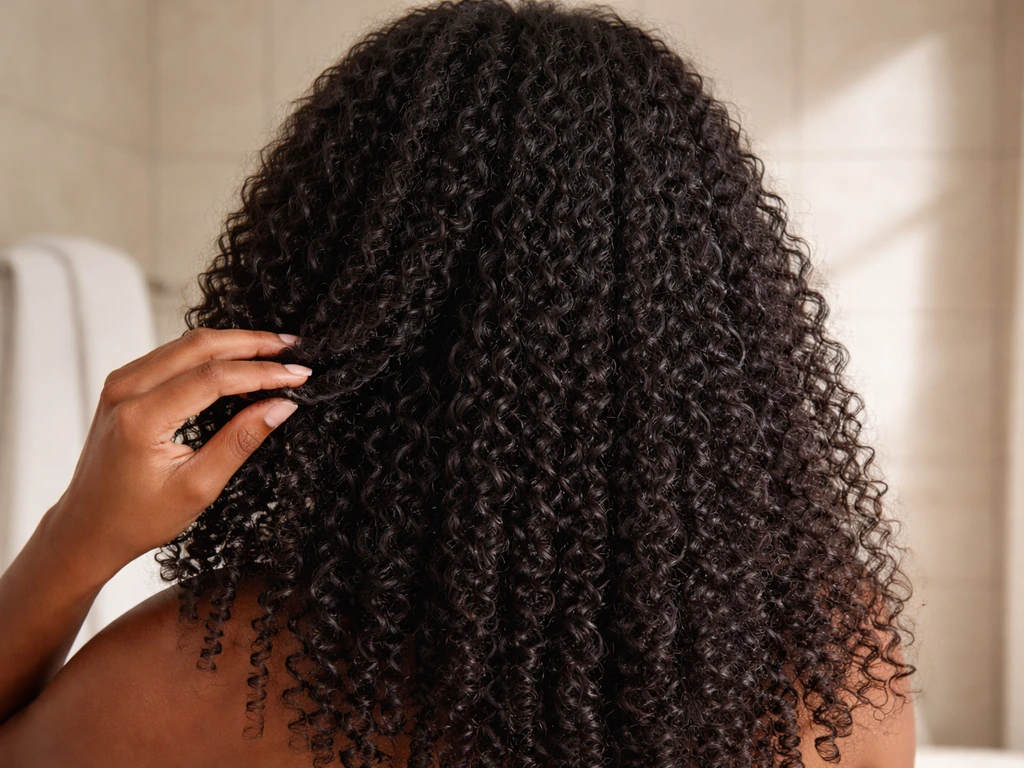
African American hair grows at roughly the same rate as any other hair type, about half an inch per month on average. The real issue is keeping that growth on your head. Kinky and coily hair is structurally fragile at the curl bends, which makes it prone to breakage before you ever see the length. So when people ask what helps African American hair grow, the honest answer is: a consistent routine that protects your strands, keeps your scalp healthy, and reduces the breakage that steals the length you're already growing. If you want the best shampoo to grow African American hair, focus on gentle cleansing that supports a healthy scalp and avoids unnecessary stripping.
What Helps African American Hair Grow: Growth vs Length

Simone Okonkwo
17 May 2026
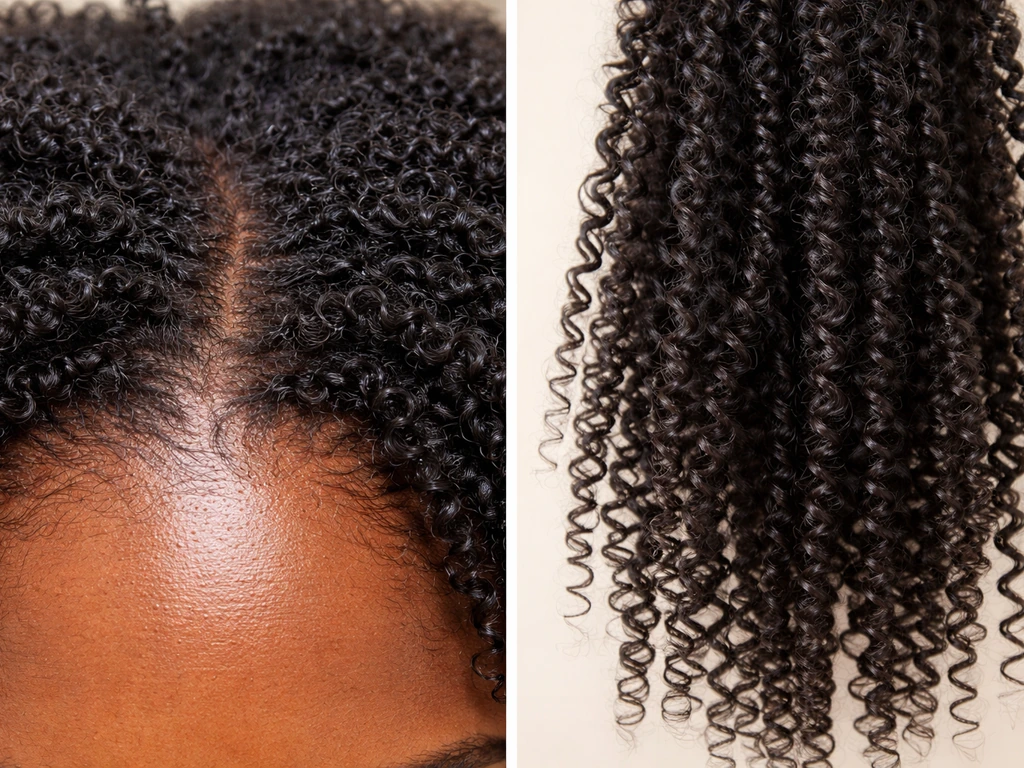
Growth rate vs. retention: what's actually happening
Your hair follicles are producing new hair constantly. Research puts average growth at about 0.5 to 1.7 cm per month, with the commonly cited figure landing around half an inch (13 mm) per month. That's real growth, regardless of your hair texture. The problem is that tightly coiled hair has more points of structural weakness along each strand. Every twist in the curl is a potential breaking point, especially when the hair is dry, manipulated roughly, or under tension. When breakage matches or outpaces growth, your length stays flat even though your follicles are doing their job. This is why "retention" is the word you need to care about most. Growing hair and retaining length are two different things, and most of the practical advice in this article is aimed at the second one.
What actually makes hair grow: scalp health, inflammation, and nutrition
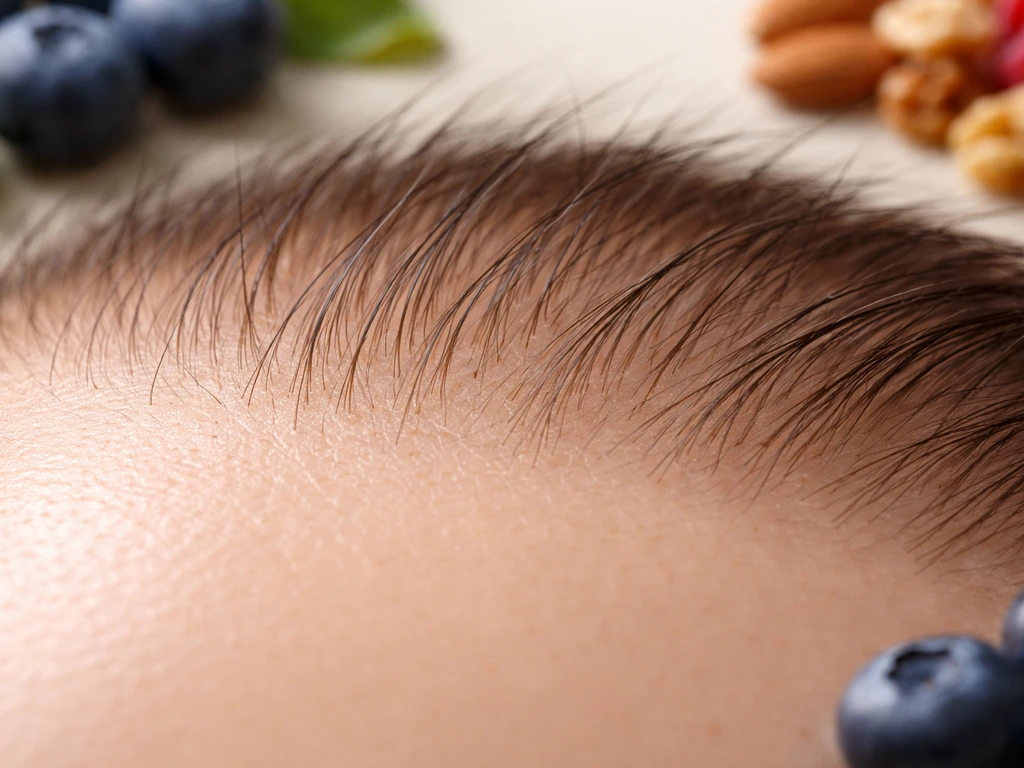
Hair growth starts at the follicle, which sits in your scalp. A healthy scalp with good circulation and low inflammation gives follicles the environment they need to stay in the active growth phase (anagen) longer. Chronic scalp inflammation, from conditions like seborrheic dermatitis, product buildup, or even tight styles worn too long, can disrupt that cycle and lead to thinning or shedding over time.
Nutrition matters too, though it's rarely the exciting magic people want it to be. Iron deficiency is one of the most documented contributors to excessive shedding, and vitamin D levels have also been linked to hair cycle health. If your diet is consistently low in protein, iron, or key B vitamins, your follicles will notice. You don't need expensive supplements if your diet is solid, but if you're shedding more than usual and can't figure out why, a blood panel checking ferritin, vitamin D, and thyroid function is worth asking your doctor about. A clean scalp, good blood flow, and adequate nutrition are the unglamorous foundation that every trendy "growth serum" is built on top of.
For scalp circulation specifically, regular scalp massages (a few minutes a few times a week) are low-risk and have some evidence behind them. They don't require any product. Rosemary oil has shown promising results in a few small studies as a topical that may support follicle health, and it's low risk to try. Minoxidil (Rogaine) is the most evidence-backed topical for hair growth and is worth discussing with a dermatologist if you're dealing with actual thinning rather than just retention issues.
Moisture and conditioning: the backbone of length retention
Dry hair breaks. It's that simple. Coily and kinky hair has a structure that makes it harder for natural scalp oils (sebum) to travel down the curl shaft, which is why African American hair tends to be drier than straighter hair types even when produced in the same amounts. Your routine has to compensate for this actively, not occasionally.
The LOC or LCO method (liquid, oil, cream or liquid, cream, oil) is a practical framework that works for most coily textures. Start with a water-based leave-in conditioner or just water as your liquid base, layer a light oil to help seal moisture in, and follow with a cream or butter for lasting hydration. The order matters depending on your porosity: if your hair is high porosity (absorbs moisture fast but loses it just as fast), LCO works better because the cream seals the cuticle over the oil. Low porosity hair generally responds better to LOC.
Deep conditioning is non-negotiable. Use a protein-free deep conditioner weekly or bi-weekly if your hair feels soft and mushy (over-moisturized), or add a light protein treatment monthly if it feels weak and snaps easily. Ingredients to look for in conditioners include slip agents like cetyl alcohol and behentrimonium chloride, humectants like glycerin and aloe vera, and emollients like shea butter and avocado oil. Avoid anything with lots of sulfates as leave-in products, and be cautious with heavy mineral oil or petroleum as your only sealant since they can create buildup without adding moisture.
Protective styles done right: what actually retains length
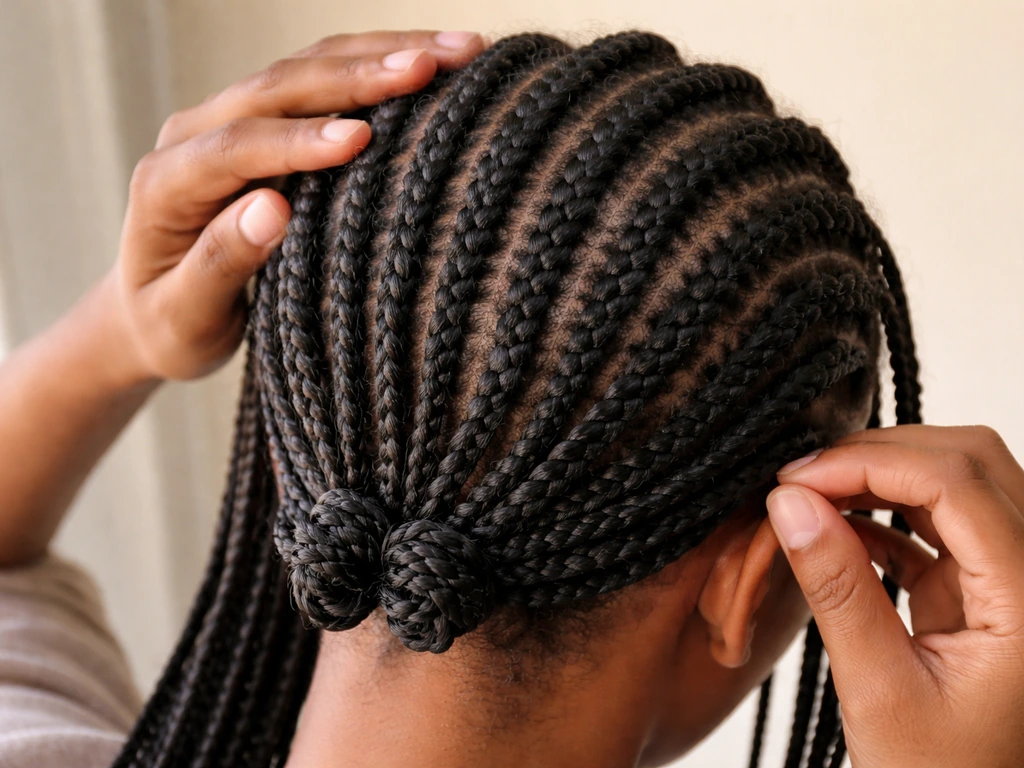
Braids, twists, locs, and weaves have a long cultural history and serve a real functional purpose for length retention. African threading is a protective style, so the main factor is whether it causes breakage or traction that can limit length retention Braids, twists, locs, and weaves. The key phrase is "done right." A protective style keeps your ends tucked away from friction and manipulation, reducing daily breakage. But a style that's too tight, installed on dry hair, left in too long, or pulled on heavy extensions can cause more damage than going without.
Traction alopecia, the hair loss caused by repeated tension on the hairline and edges, is a real and documented condition in the Black hair community. It often shows up first at the temples and edges, exactly where braids and weaves pull the hardest. The fix is straightforward even if it's not always easy: don't install styles that hurt, give your edges a break between styles, and choose lower-tension options like twists or flat twists over tight cornrows if your edges are already compromised.
For weaves and wigs: these can be excellent protective styles if your natural hair is properly moisturized underneath and the install doesn't create constant tension on your leave-out or hairline. A wig worn on a breathable wig cap is generally lower risk than a sewn-in with tight braided cornrows underneath. For locs: the loc journey itself can be a retention powerhouse once the locs are mature, but the starting phase requires patience and gentle care to avoid thin, weak locs that break at the root.
General rules that make any protective style work for you instead of against you:
- Moisturize and condition your hair before installing, not after
- Never install on severely tangled or single-strand knotted hair
- Keep styles in for no longer than 6 to 8 weeks maximum (braids and twists), then give your scalp a break
- Cleanse your scalp while in a protective style using a diluted shampoo or scalp rinse, at least every 2 to 3 weeks
- Avoid styles that require you to sleep on tight parts or cause pain within 24 hours of installation
- Seal your ends with oil or a light butter before and during the style
Washing, detangling, and managing shedding without making things worse
How often you wash depends on your scalp, not a rule someone made up. If you have a dry, low-sebum scalp, washing every one to two weeks is reasonable. If you sweat heavily, work out regularly, or use heavy products, weekly washing keeps buildup from suffocating your follicles. Using a sulfate-free or gentle clarifying shampoo every few weeks is smart to clear buildup without stripping your natural oils every time.
Detangling is where a lot of breakage happens, and most of it is avoidable. Always detangle on wet, conditioner-coated hair, never dry. Work in sections, starting from the ends and working upward toward the root with a wide-tooth comb or your fingers. Never yank through a knot. Single-strand knots (fairy knots) are common in coily hair and often need to be trimmed, not ripped through. If you're finding a lot of them, it's usually a sign your hair needs more moisture and less friction during daily handling.
Shedding up to about 50 to 100 strands a day is normal. You'll notice shed hairs have a white bulb at the root end, which means the follicle released them naturally. Breakage, by contrast, produces shorter pieces without a bulb. If you're seeing a lot of short broken pieces after detangling, that's a moisture and strength problem to address in your routine. If you're seeing unusually high full-strand shedding (handfuls), that can point to something systemic worth investigating.
What to avoid: heat, chemicals, tension, and the myths that waste your time
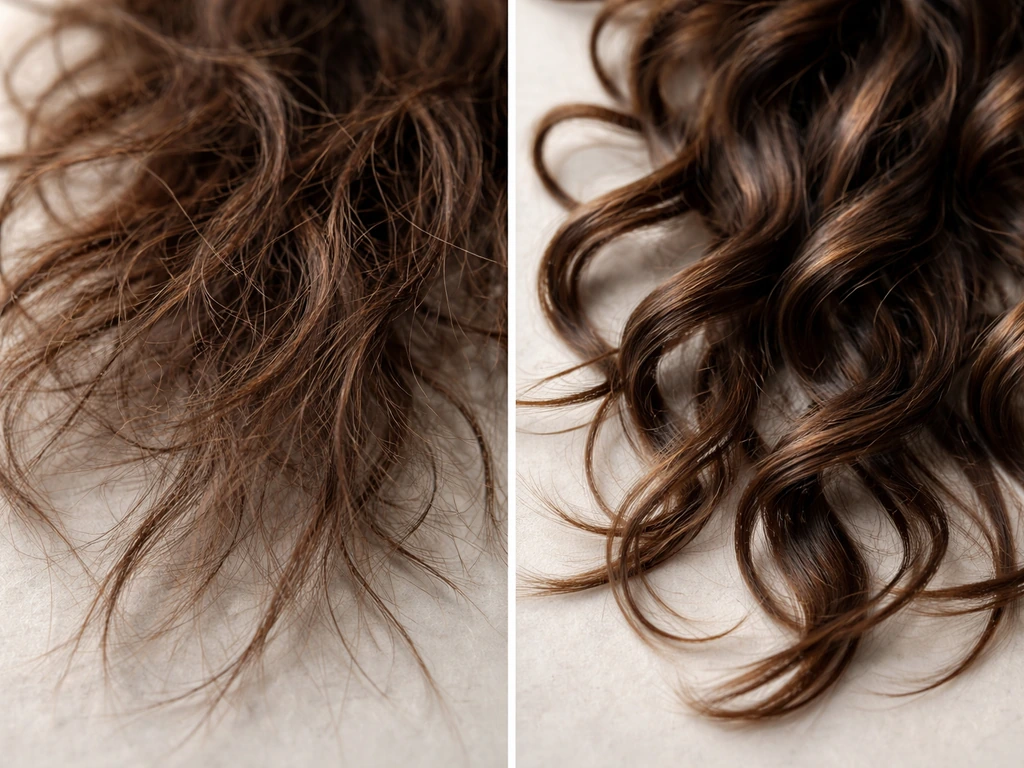
Heat is the most common culprit for structural damage in textured hair. High-heat flat ironing, especially without a heat protectant, can permanently alter the disulfide bonds in your curl, causing what's called heat damage. Heat-damaged hair loses its curl pattern and tends to break at the transition zone between damaged and healthy hair. If you use heat, keep it under 400 degrees Fahrenheit, use a quality heat protectant every single time, and limit it to a few times a year if possible.
Chemical relaxers change the protein structure of your hair permanently, making it straighter but also more fragile at the processing points. This doesn't mean relaxed hair can't grow long, but it does mean your routine has to account for the added vulnerability. Over-processing (relaxing too frequently or over the recommended time), applying relaxer to already-relaxed hair, and combining relaxers with other chemical treatments is where the real damage happens. Coloring already-relaxed hair needs extra protein care and conditioning.
Now for the myths. No topical product "makes your hair grow faster" in any clinically meaningful way beyond addressing deficiencies or scalp conditions. Castor oil does not make your follicles produce new hairs. Biotin supplements help if you have a deficiency; otherwise, there's little evidence they do much for people with adequate levels. Trimming your hair does not make it grow faster from the root, but it does remove split ends that would otherwise travel up the shaft and cause more breakage. Scalp massage won't double your growth rate, but it's still a useful low-risk habit for scalp health.
Natural vs. relaxed hair: tailoring your routine to where you are
Natural hair and relaxed hair are not competing choices, but they do need different care strategies, especially around how you handle manipulation and moisture.
| Factor | Natural (Kinky/Coily) | Relaxed |
|---|---|---|
| Main breakage risk | Dryness and mechanical manipulation at curl bends | Over-processing, overlapping relaxer, and fragile bonds |
| Moisture needs | High: needs consistent sealing and deep conditioning | High: protein-moisture balance is critical |
| Heat use | Limit; use low heat and protectant | Limit; already chemically altered, further heat adds risk |
| Detangling approach | Finger detangle first, then wide-tooth comb on wet hair | Gentle comb on damp or wet hair, avoid pulling |
| Protective styling | Very effective; wide range of options | Effective but avoid tight tension on already-fragile strands |
| Trimming frequency | Every 3 to 4 months or as needed for split ends | Every 8 to 12 weeks around touch-up schedule |
If you're transitioning from relaxed to natural, the line where the two textures meet (the line of demarcation) is the most vulnerable point on every strand. Handle it with extra care: keep it moisturized, avoid tension right at that point, and consider protective styles that reduce daily manipulation during the process. This is one area where patience and gentleness pays off more than any product.
When breakage isn't the problem: recognizing real hair loss
Most of the time, "my hair isn't growing" is actually a retention problem, and the advice in this article applies. But sometimes the issue is genuine hair loss from the follicle level, and that's a different conversation. Signs that point toward a medical cause rather than just a routine problem include thinning across the top or crown that wasn't there before, bald patches, visible scalp where there used to be density, significant shedding that doesn't slow down after a few weeks, or shedding that follows a major stressor like illness, surgery, childbirth, or sudden weight loss.
blank" rel="noopener noreferrer">Telogen effluvium is a common type of temporary hair shedding that often shows up two to three months after a major physical or emotional stressor. It can be alarming because a lot of hair sheds at once, but it's usually self-limiting. Clinicians sometimes recommend blank" rel="noopener noreferrer">counting shed hairs every week or two to track whether shedding is slowing down. Blood tests checking ferritin, thyroid hormones, and vitamin D are typically part of the workup.
Traction alopecia from chronic tight styling, central centrifugal cicatricial alopecia (CCCA, a scarring condition more common in Black women), and androgenetic hair loss are all conditions that benefit from early dermatologist involvement. If you're catching traction alopecia early, stopping the tension and focusing on scalp health can allow recovery. Scarring alopecias are harder to reverse once established, which is exactly why seeing a dermatologist sooner rather than later matters. If your edges haven't come back after six months of gentler styling, or if you notice any scalp tenderness, scaling, or itching alongside shedding, get it checked.
Your practical starting point: what to do this week
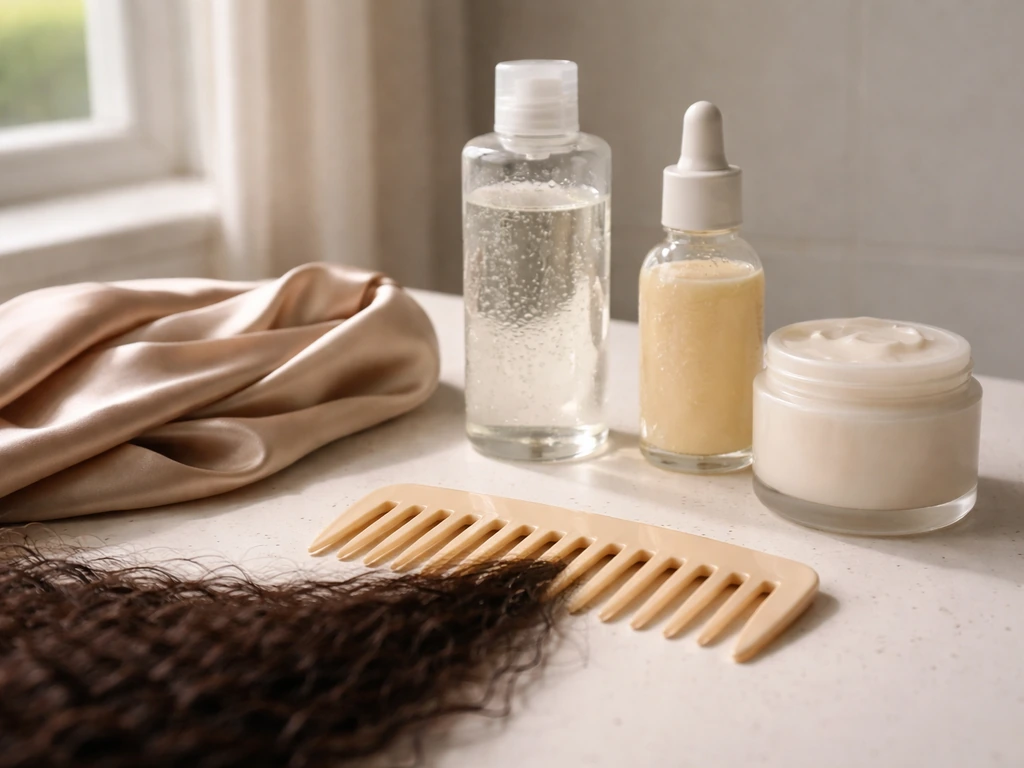
You don't need to overhaul everything at once. The biggest gains in visible length usually come from a few consistent changes rather than a dozen new products. If you're starting from scratch or resetting a routine that hasn't been working, here's a reasonable order of priority:
- Clarify your scalp: do one clarifying wash to remove buildup, then follow with a deep conditioner
- Commit to a moisture routine: pick a leave-in, a lightweight oil, and a cream or butter and use them consistently after every wash
- Reduce manipulation: choose a style that lets you go several days without touching or detangling your hair
- Check your tension: if any style hurts or pulls your edges, it's too tight, remove or loosen it
- Limit heat to special occasions, and always use a heat protectant at or below 400 degrees
- Give it 90 days: hair growth and retention changes take time to show up; a three-month consistent window is the minimum to evaluate what's working
If you want to go deeper on any part of this, the topics of growing thick hair, managing coarse hair, recovering damaged hair, and choosing the right shampoo all connect directly to what we've covered here, and each has its own set of practical nuances worth knowing for your specific texture and goals. If you want a more detailed routine for how to grow coarse African hair, focus especially on moisture, gentleness, and retention practices managing coarse hair. If you're aiming to grow thick, healthy African American hair, focus on retention first so less breaks as your follicles do their part growing thick hair.
FAQ
My hair feels like it’s growing, but I’m not seeing length. What should I check first?
If your scalp itches, flakes, or feels inflamed, you should treat the scalp first and not only focus on growth products. Persistent seborrheic dermatitis, heavy buildup, or recurring irritation can keep follicles from staying in a healthy growth phase, so a gentle anti-dandruff routine (and sometimes a prescription) often helps more than changing moisturizers.
How can I tell whether I’m dealing with breakage or slow growth?
Track length changes alongside breakage. If ends look rough, shed pieces are short without a white bulb, or you see lots of single-strand knots, that points to retention problems. Taking monthly photos in the same lighting and avoiding frequent detangling breaks during the assessment week can help you separate true growth from breakage.
Does the LOC or LCO method change if my hair is high or low porosity?
Yes, but it has to be consistent with your curl’s moisture needs. If your hair is high porosity, you may need faster-feeling-seals like LCO with a cream that helps lock in moisture, and you may benefit from more frequent light hydration rather than heavier oil-only sealing that can cause buildup.
How do I know whether I need protein or I’m overdoing it?
Protein “overuse” often shows up as hair that feels dry, stiff, or rough, and it can lead to more snapping. A practical approach is to deep condition protein-free weekly or bi-weekly, then add protein monthly only if your hair is weak and snaps easily, not if it already feels balanced and flexible.
Will castor oil or other oils make my hair grow faster if I apply them often?
Be cautious with oil frequency if you use oils alone to seal. Oil can reduce moisture loss, but it does not add moisture by itself. For many coily textures, the mistake is applying heavy oil to dry hair, which can trap dryness. Use water-based leave-in first, then seal with a light oil or butter appropriate for your porosity.
How often should I wash if my goal is growth and length retention?
Not usually. Shampoo supports growth indirectly by keeping the scalp healthy, but frequent stripping can worsen dryness and breakage, especially on textured hair. If you wash every week or two, choose a gentle cleanser and add conditioning afterward, reserving clarifying for “every few weeks” when buildup is actually present.
Is blow-drying or flat ironing worse than other heat for African American hair growth?
Yes, heat can impact growth indirectly by damaging the curl pattern and increasing breakage. If you use heat, prioritize a reliable heat protectant, keep temperatures lower (often well under 400°F for textured hair), and limit how often you heat-straighten, especially on the same hair section.
How do I choose protective styles that won’t harm my edges?
On natural hair, over-tension during installation can be as damaging as the style length. A good rule is that your edges should not be pulling, your scalp should not feel numb or sharply painful, and the style should not be installed on very dry hair. If your tight style causes recurring edge soreness, switch to lower-tension options sooner.
How long can I keep braids, twists, locs, or a weave before it becomes harmful?
Don’t rely on a set “months” rule alone, use your scalp comfort and maintenance schedule. If you notice tenderness, bumps, increased shedding from the roots, or thinning at the hairline, it’s time to remove or loosen the style and reassess your installation tension and moisturization plan.
What’s the difference between normal shedding and breakage in coily hair?
If shedding is heavy but full strands are intact and you’re seeing a white bulb, that can be normal shedding rather than breakage. If you see lots of short broken pieces with no bulb, focus on moisture, detangling technique, and reducing friction rather than assuming a medical issue right away.
Should I take supplements to help my hair grow, or get labs first?
Yes, but the “right” supplement depends on bloodwork. If you suspect iron deficiency, vitamin D insufficiency, or thyroid issues, discuss testing (for example ferritin, vitamin D, and thyroid function) before starting supplements, since unnecessary supplementation may not help and can sometimes complicate symptoms.
When is “hair not growing” actually a medical issue I should get checked?
Consider medical causes when shedding is sudden, widespread, or doesn’t slow down after a few weeks of routine stabilization. Red flags include new scalp pain or burning, bald patches, visible scalp where density used to be, or shedding tied to illness, surgery, childbirth, or major weight loss (which can suggest telogen effluvium).
Next Article
How to Grow Long Hair for African American Natural Hair
Step-by-step routine for how to grow long hair in African American natural hair using moisture, scalp care, and breakage