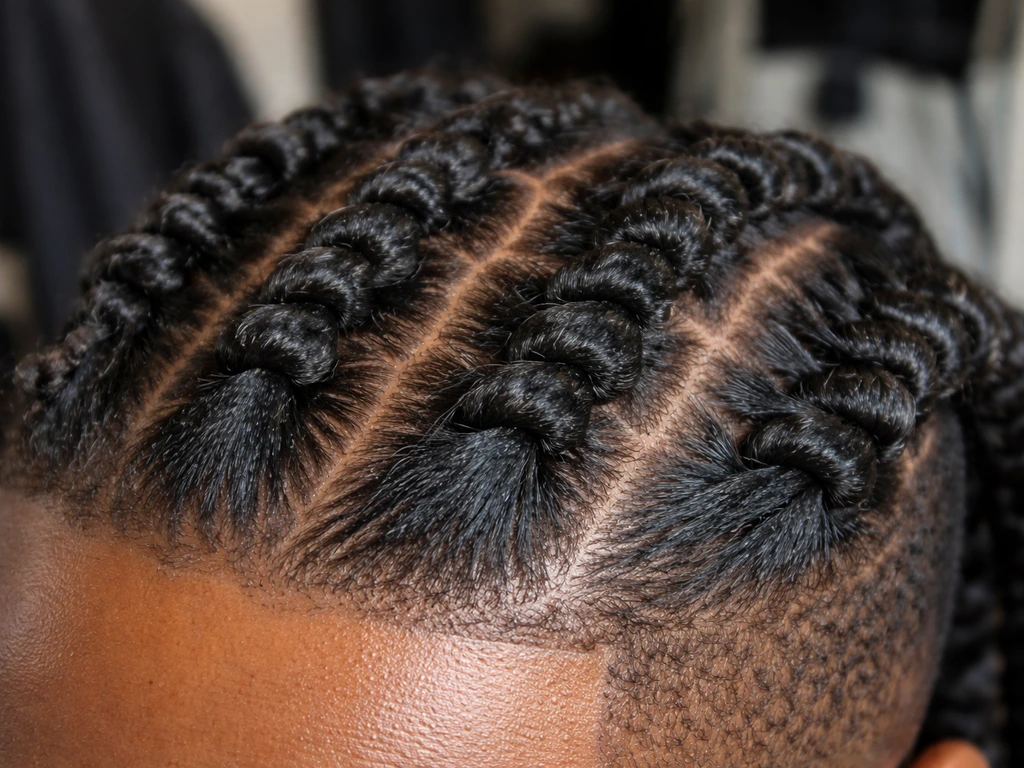
2-strand twists do not make your hair grow faster. Nothing you put on your head from the outside changes how fast your follicles produce hair, which is set biologically at around 0.35 mm per day (roughly 1 cm per month) regardless of your style. What twists can do is help you keep more of the hair you're already growing by protecting strands from breakage, friction, and over-manipulation. That difference, growth versus length retention, is the whole game, and once you understand it, you can actually build a routine that gets you the length you're after.
Do 2 Strand Twist Grow Hair? Growth Tips and Mistakes

Simone Okonkwo
23 May 2026
Growth vs. length retention: why the distinction actually matters
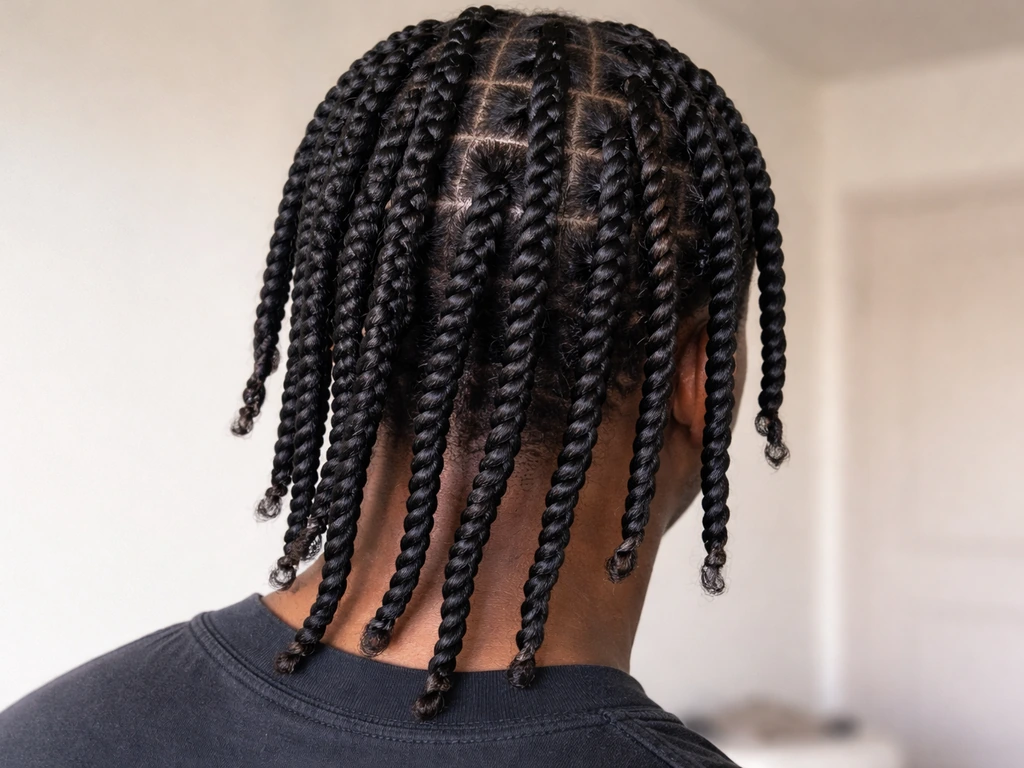
Your follicles are producing about a centimeter of hair every month whether you're wearing twists, braids, or nothing at all. The reason a lot of people feel like their hair "grew" while in twists isn't because the follicle sped up. It's because the style reduced the number of times those strands were combed, stretched, exposed to friction from clothing, or handled roughly. Less handling, less breakage. Less breakage, more length retained at the ends. That's the mechanism.
The flip side is just as real: if your twists are too tight, left in too long, or installed on dry, brittle hair, they can cause more damage than going without a style at all. Traction alopecia, which is hair loss caused by repeated or prolonged tension on the follicle, is a direct consequence of protective styles done wrong. Healthline explains that [traction alopecia is hair loss caused by repeated or prolonged tension on the follicle](https://www. healthline.
com/health/traction-alopecia), and it can occur when protective styles are done too tightly or left in too long. Mechanical stress on the dermal papilla (the structure at the base of the follicle that drives growth) can literally damage the follicle itself, which means retention fails and growth potential is compromised. So twists aren't a passive win. They're a net positive only when the technique and maintenance are right.
Technique essentials: how to install twists that actually support retention
Parting and section size
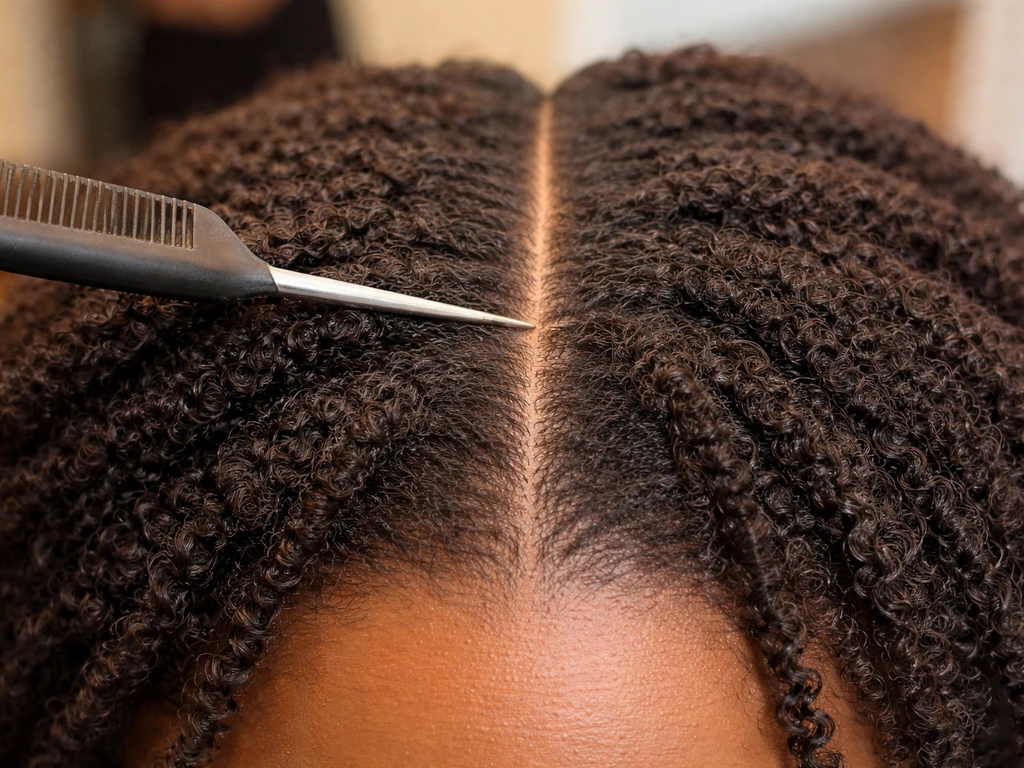
Clean, even parts matter more than most people realize. Uneven parts create tension at odd angles, which adds stress to specific follicles consistently. Use a rat-tail comb and work in sections, keeping partings as straight and consistent as you can. For twist size, medium twists (roughly pencil-width to finger-width) are the sweet spot for most textured hair types. Very small twists increase the tension per strand and take much longer to install, both of which increase manipulation. Very large twists don't interlock as well and can unravel faster, which means more re-twisting and more friction over time.
Tension: the thing most people get wrong
There's a clear line between snug and too tight. Your twists should hold without pulling at the scalp. If you feel a headache within a few hours, if your scalp is tender to the touch, or if you can see tension bumps along your hairline, the style is too tight. The American Academy of Dermatology is direct about this: scalp pain and tenderness are warning signs that the style is causing the kind of traction that can, over time, damage follicles permanently. Loosen it. If a stylist installed them and they're painful, say something before you leave the chair.
How long to keep twists in
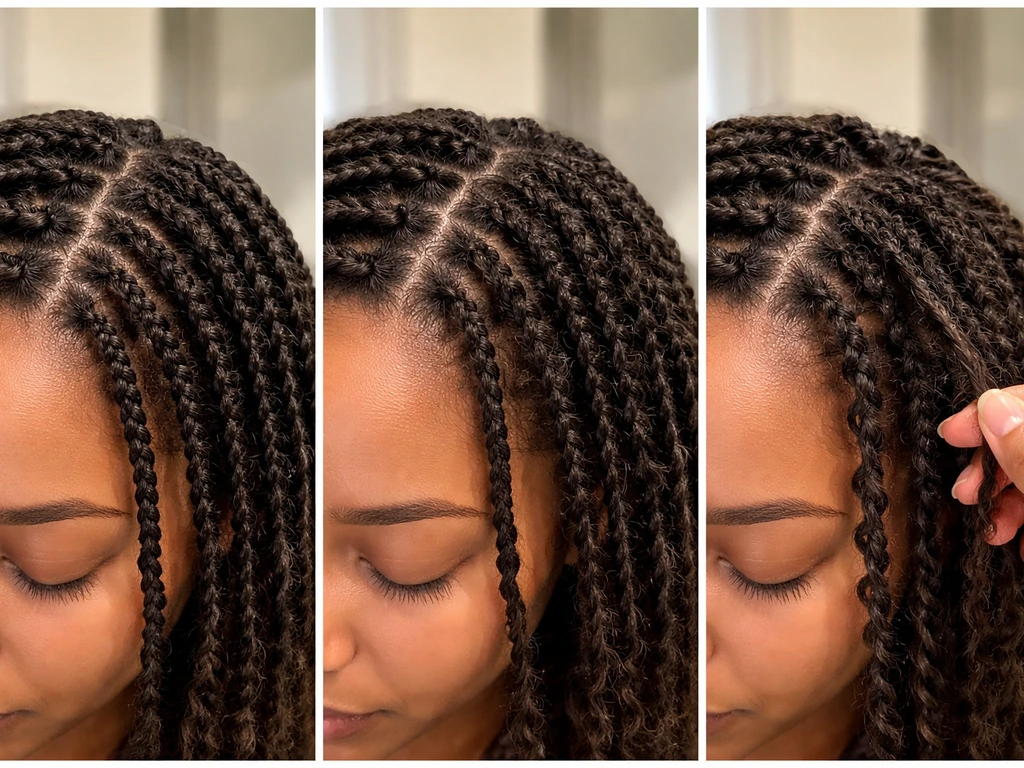
The general guidance from dermatologists who work with protective styles is a maximum of about eight weeks before you take the style down. Four to six weeks is a more comfortable range for most people, and it's honestly where you get the best balance of protection and scalp health. The longer twists stay in, the more product, shed hair, and debris accumulate, and the harder (and more damaging) the takedown process becomes.
Taking them down the right way
Takedown is where a surprising amount of breakage happens. Apply a generous amount of a slippery detangling conditioner or oil to each twist before you unravel it, section by section. Unravel slowly, never rip. Once untwisted, finger-detangle from the ends upward before ever introducing a comb or brush. Rushing takedown is one of the fastest ways to lose the length you protected for weeks.
Keeping twists moisturized, conditioned, and scalp-safe
This is where a lot of twist journeys stall. People install the style, do nothing for six weeks, and then wonder why their hair is dry and breaking at the ends when they take it down. Twists still need moisture and scalp attention throughout the entire wear period.
For the scalp, plan on cleansing at least once a week. You don't need to fully undo the twists. A diluted sulfate-free shampoo applied directly to the scalp with a bottle applicator tip, worked in gently with your fingertips, and rinsed thoroughly does the job. If you use a lot of heavy oils, butters, or gels, consider a clarifying shampoo once a month to clear the buildup. The AAD specifically recommends clarifying before moisturizing shampoo when you regularly use products like pomades or heavy creams because that residue blocks moisture from reaching the shaft.
For the hair itself, a lightweight leave-in conditioner or a water-based moisturizing spray applied every few days keeps strands from drying out and becoming brittle. Pay extra attention to your ends, since those are the oldest, most fragile parts of each strand. Sealing with a light oil (jojoba, sweet almond, argan) after moisturizing helps slow moisture loss, especially in dry or cold climates. At night, either tie your twists down with a satin scarf or use a satin pillowcase. Cotton pillowcases create friction and pull out moisture, both of which work against retention.
Mistakes that slow your growth and eat your length
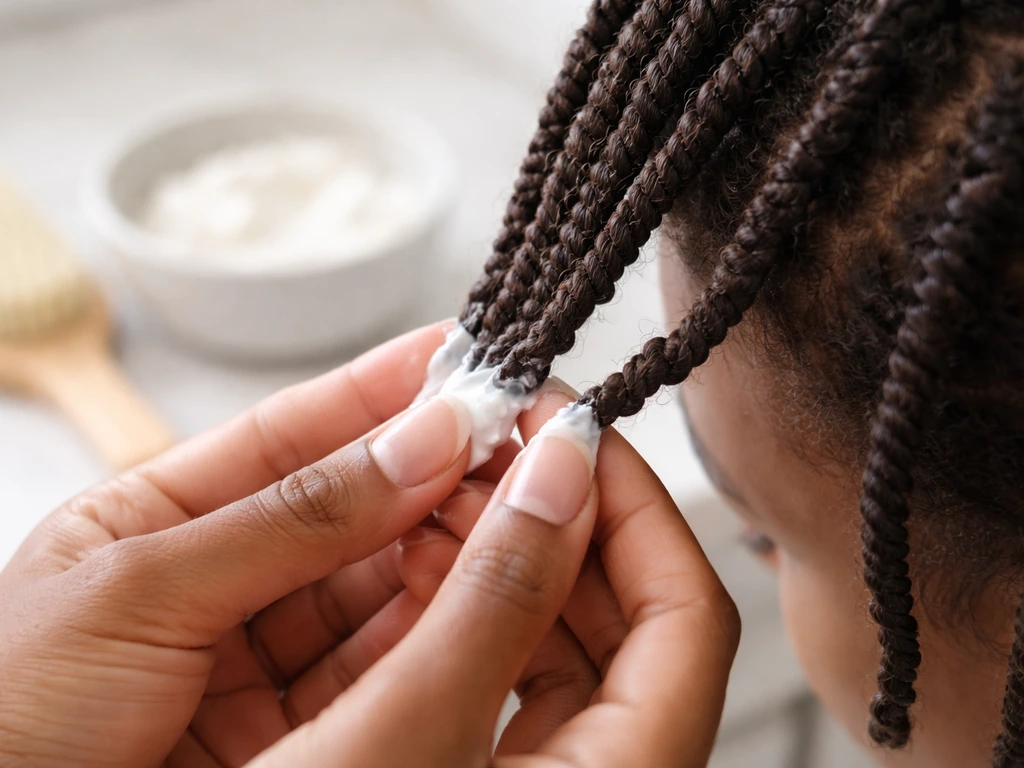
- Installing twists too tight: this is the single most common mistake and the most damaging. Tight styles cause traction, and traction can scar follicles over time, making hair loss permanent in affected areas.
- Leaving twists in past eight weeks: the longer they stay in, shed hair tangles with the style and creates matting near the roots. That matting is almost impossible to remove without breakage.
- Neglecting the ends: your ends are the oldest and driest part of the strand. Skipping end moisture almost guarantees breakage at the tips, which is length you grew and then lost.
- Installing on dry, unconditioned hair: twists on brittle hair will snap at the first sign of tension. Always start with clean, deep-conditioned, fully moisturized hair.
- Skipping scalp care during wear: product buildup and excess sebum can clog follicles, cause itching that leads to scratching, and create inflammation. None of that supports retention.
- Rough takedown without pre-lubrication: dry unraveling causes massive friction breakage. Always pre-treat before takedown.
- Re-twisting loose sections constantly: every re-twist adds manipulation. If your style is constantly unraveling, the size or product isn't right, not a signal to re-twist daily.
- Using heavy, film-forming products that don't penetrate: thick butters and waxes sitting on the hair shaft block moisture. Layer products properly and clarify when buildup builds up.
When to expect results and how to track what's actually happening
At roughly 1 cm of growth per month, you're looking at about 2 to 3 cm of new growth after a typical 6 to 8 week protective style period. That's real, measurable length, but it's subtle enough that you won't see it just by looking in the mirror. You also can't use shed hair as a proxy for whether things are working. Losing 100 to 200 hairs per day is within the normal range of the hair cycle. Seeing shed hairs when you take down twists doesn't mean your hair isn't growing.
The best way to track progress is to measure. Before you install your next set of twists, take a small section at the back or crown, stretch it gently, and note the length. Take a photo. Do the same section after takedown. If your retained length is increasing over multiple style cycles, the approach is working. If you keep measuring the same length cycle after cycle, something is breaking at the same rate it's growing, and you need to troubleshoot your moisture routine, tension, or takedown process.
Watch for these signs that something needs to change: scalp tenderness or itching that doesn't resolve, thinning at the temples or hairline (a classic early traction alopecia signal), or feeling like your hair is the same length after months of protective styling. Any persistent scalp pain or tenderness is a red flag to take the style down and give your hair a break before reinstalling.
What to do if twists alone aren't cutting it
2-strand twists are one tool, not the only one. If you’re wondering whether two-strand twists grow dreads, the key is that your retention depends on keeping the twist size, tension, and maintenance right so you minimize breakage. If 2-strand twists are helping your hair retain length, that retention can make it seem like your dreads are growing faster, even though the growth rate stays biologically similar.
If you want to know whether a barrel twist specifically helps your dreads grow, focus on the same retention basics: gentle tension, less breakage, and consistent moisture and upkeep 2-strand twists. If you've been consistent with your twist routine for three or four months and you're still not retaining length, it's worth stepping back and looking at the full picture. Are you deep conditioning before every install? Is your protein/moisture balance right for your hair's porosity?
Are you washing your scalp regularly enough to prevent buildup? Those factors will override any style choice.
Some people find that combining twists with other practices gets them further. A weekly or biweekly scalp massage (done gently, not aggressively) keeps circulation going and is one of the few externally applicable practices with some evidence behind it for scalp health. Pairing that with a solid moisture-and-seal routine and consistent protective styling is the most evidence-supported path to retaining length for textured hair.
If you're interested in transitioning from twists into locs, it helps to know that loc development and growth retention work on the same basic principle as protective styling: less manipulation, less breakage, and length that accumulates over time rather than being lost to friction. The same traction rules apply, and the same scalp care principles (weekly cleansing, avoiding buildup) carry over directly. Questions about whether styles like braids or Senegalese twists produce different retention outcomes are worth exploring too, since technique and installation tension matter just as much for those styles as they do here. Questions about whether styles like braids or Senegalese twists help you grow your hair are worth exploring too, since tension and maintenance still matter most.
If you're considering other styles alongside or instead of twists, the comparison below gives a quick look at how they stack up on the factors that matter most for retention.
| Style | Manipulation level | Traction risk | Moisture accessibility | Ideal wear time |
|---|---|---|---|---|
| 2-strand twists | Low during wear | Low to moderate (depends on tension) | Good (can mist easily) | 4 to 6 weeks |
| Box braids | Low during wear | Moderate (especially with extensions) | Moderate (scalp accessible) | 6 to 8 weeks |
| Senegalese twists | Low during wear | Moderate to high (often installed tight) | Moderate | 4 to 6 weeks |
| Locs (early stage) | Very low during wear | Low (if not installed too tightly) | Moderate (less penetration) | Ongoing, wash weekly |
| Wash-and-go | Moderate (each styling session) | Low | Excellent | Reset as needed, typically weekly |
The bottom line: 2-strand twists are a genuinely useful retention tool when done correctly, but they require real maintenance throughout the wear period and a careful installation to avoid the traction pitfalls that turn a protective style into a damaging one. Start with clean, well-conditioned hair, keep the tension gentle, moisturize your ends every few days, cleanse your scalp weekly, take the style down before the eight-week mark, and measure your length at each cycle.
If your goal is how to grow twists faster, use that measurement to spot whether your tension, moisture, or take-down timing needs adjustment right away measure your length at each cycle. That's the routine that actually builds length over time. If you want a simple, step-by-step plan, follow these tips for how to grow 2 strand twists while protecting your length.
FAQ
How long should I keep 2-strand twists in if I’m trying to maximize length retention without risking traction?
If you tend to get scalp tenderness or your parts start to look “pulled” at the hairline, aim for 4 to 6 weeks. Even if eight weeks seems possible, longer wear increases buildup and makes takedown more stressful, which can erase your retention gains.
Do 2-strand twists work better for growth if I start with stretched hair or natural shrinkage?
Starting with well-prepped, detangled hair matters more than whether it’s stretched. If you stretch with aggressive tension (for example, tight banding or rough blow-dry), you can add stress before the twists even go in. Choose gentle detangling and let shrinkage happen naturally if your scalp is sensitive.
How often should I re-moisturize 2-strand twists if my ends keep drying out?
A few days is a good baseline, but adjust based on dryness. If your ends look dull or stiff within 48 hours, switch to a lighter water-based spray more frequently, then seal lightly afterward. Heavy oils can trap residue, so use sparingly and watch how your scalp responds.
Can I wash my scalp while keeping 2-strand twists in, and what’s the safest method?
Yes. Use a bottle applicator for targeted scalp cleansing, massage with fingertips only, and rinse thoroughly so product and shed hair do not accumulate. Avoid scrubbing the twist strands themselves, since that increases friction and frays the ends.
What product buildup signs mean I should clarify even if it’s not “time” yet?
If your twists feel coated, your scalp looks shiny, or you notice flaking that doesn’t improve with your usual wash, clarify earlier. Built-up pomades and butters can block moisture from reaching the shaft and make takedown harder.
Should I retwist at the root or fully take down each cycle?
Retwisting small sections can help maintain neatness, but it also means repeated tension at the same spots. If you’re noticing thinning at the temples or persistent itching, prioritize full take down and reinstall with gentler tension rather than repeatedly tightening the same areas.
How can I tell if my twists are too tight before they cause damage?
Watch for early, practical signals: scalp tenderness that starts soon after installation, “tension bumps” along the hairline, or visible pulling where parts meet the scalp. If you can press the twist roots and it hurts, loosen immediately and avoid increasing tension over time.
Is it normal to lose hair when I take down 2-strand twists?
Yes, some shedding during takedown is normal because you’re removing shed hairs that were already in the hair cycle. The key is whether you see steady breakage (short, uneven pieces) versus mostly full-length shed hairs. Gentle detangling and slow unraveling reduce breakage.
What’s the best way to prevent breakage during takedown?
Do it in sections, apply a slippery conditioner or oil before you unravel, and finger-detangle from ends upward. Ripping through tangles is the biggest mistake. If knots are stubborn, re-apply slip and loosen gradually rather than using a comb immediately.
How should I measure progress so I know my twists are helping retention?
Measure the same small section each cycle (back or crown), stretch gently (not to pain), and record a photo in the same lighting. If the stretch is inconsistent, you may misread “growth,” so keep your method repeatable and compare cycle to cycle.
Do 2-strand twists help locs grow faster, or is it only an illusion from retention?
Locs do not grow faster biologically, but twists can improve retention by reducing friction and handling while your locs form and mature. If your locs’ length isn’t increasing over multiple cycles, the issue is usually moisture balance, buildup, or tension at the root.
What do I do if my hair stays the same length after several twist cycles?
Treat it like a troubleshooting checklist: confirm gentle installation tension, ensure weekly scalp cleansing, moisturize ends every few days, and use slip during takedown. Also review protein-moisture balance, because overly hard or overly soft hair tends to snap during manipulation.
Next Article
Do Barrel Twist Help Dreads Grow Faster? A Practical Guide
Learn if barrel twists speed loc growth, reduce breakage, and get a step-by-step, loc-friendly twist and care routine.