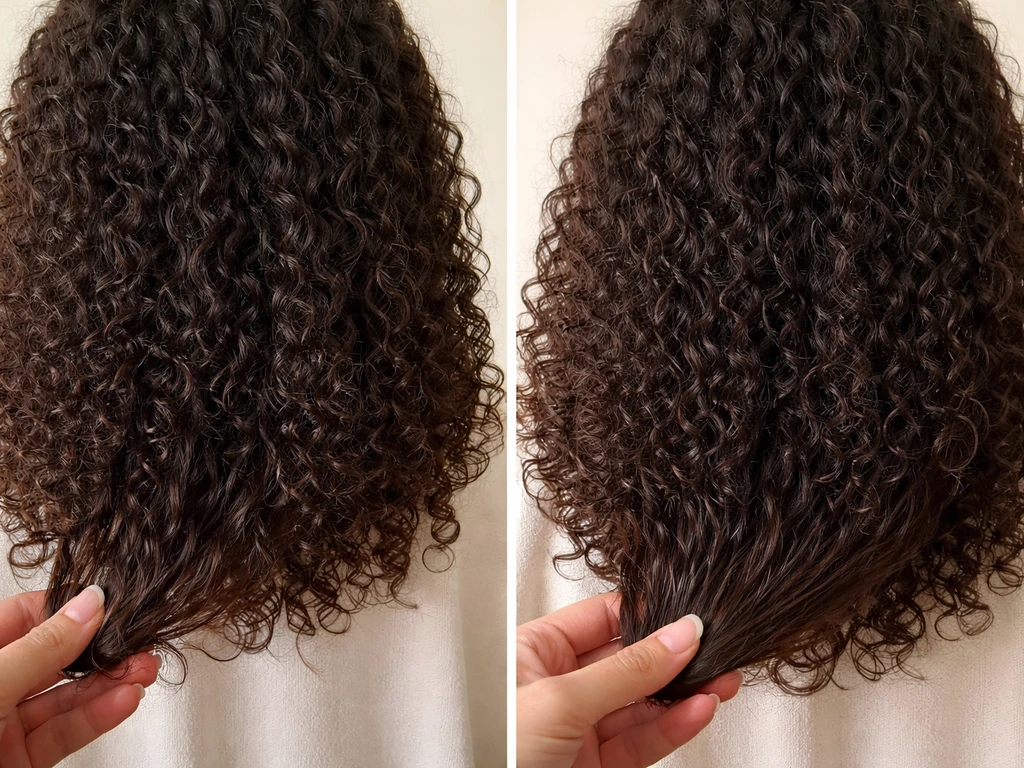
Growing dreadlocks is not one single thing. It is two things happening at the same time: your hair grows from the scalp at whatever rate your biology allows, and your locs mature, tighten, and thicken as the hair interlocks over months and years. Most people searching for how to grow dreadlocks are actually asking about both, and confusing the two is what leads to disappointment. This guide separates them clearly, then gives you a practical routine and realistic timeline so you know exactly what to do and what to expect.
How to Grow Dreadlocks: Natural Growth, Thickness & Care

Simone Okonkwo
24 Mar 2026
What it actually means for dreadlocks to grow
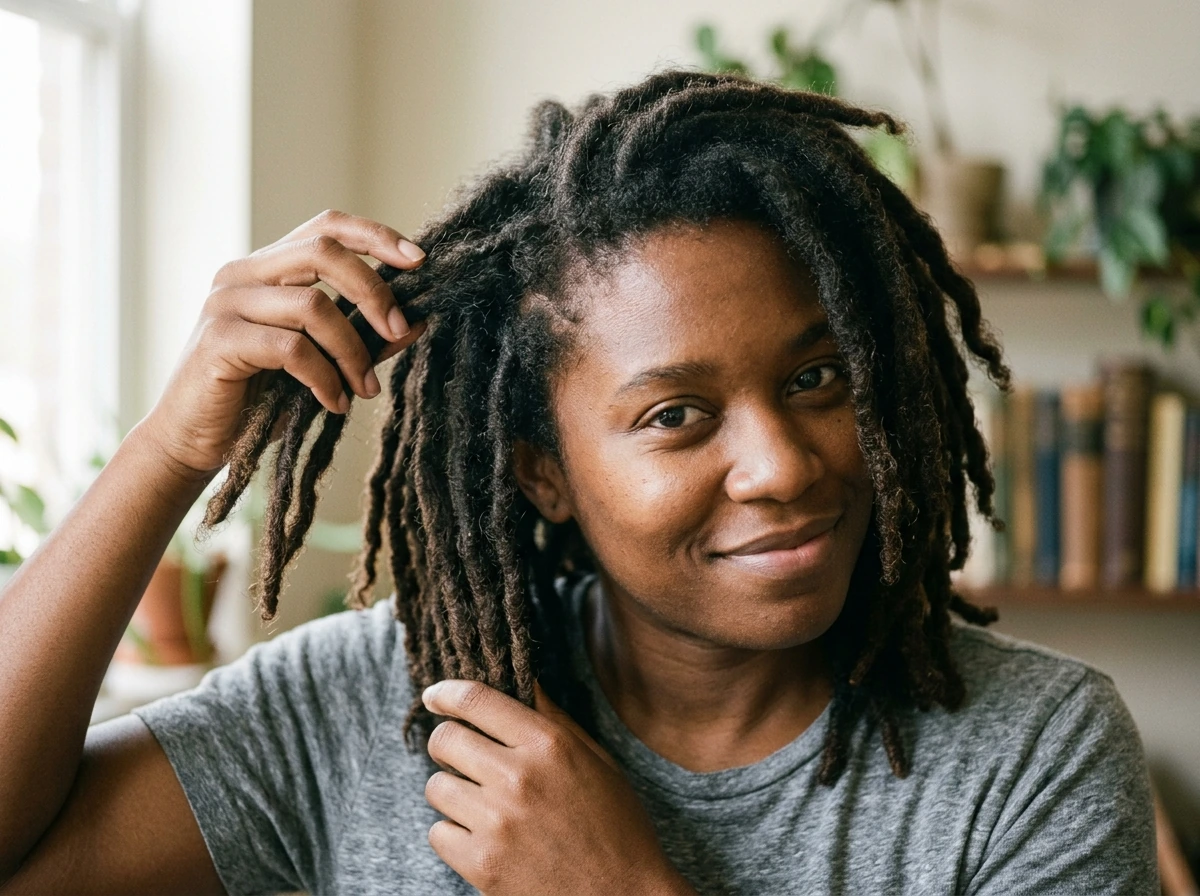
Your hair grows from the follicle regardless of whether it is in locs or loose. On average, scalp hair grows roughly 1 to 1. 25 cm per month, or about 15 cm per year. For kinky and tightly coiled hair, measured growth rates average around 256 micrometers per day, compared to about 396 micrometers per day for straight European-textured hair.
That is a real biological difference, and it matters for setting expectations. But here is the part that does not get said enough: biological growth rate is not the same as length retention. Your hair could be growing perfectly on schedule and still look like it is not getting longer, because dryness, breakage, or shrinkage is eating that growth before you ever see it. how do i grow dreads
For locs specifically, there is a second growth process happening: maturation. When people say their dreads are not growing, they usually mean one of three things: new hair at the root is not locking in, the locs are not getting longer as fast as they expected, or the locs are not getting thicker. All three have different causes and different fixes.
How to start dreadlocks: choosing your method as a beginner
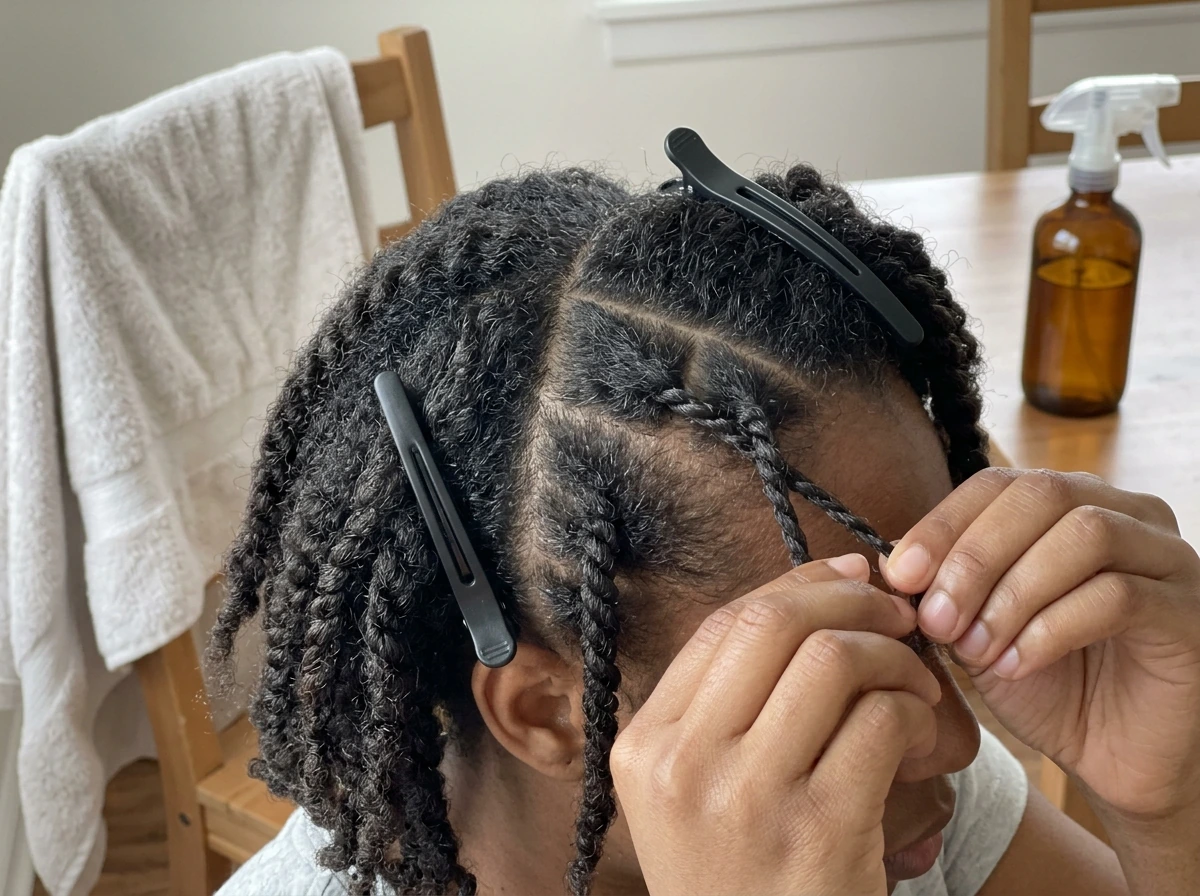
The starting method you choose shapes everything that follows, including how long your locs take to lock up, how much maintenance they need in the first year, and how much control you have over the final look. There is no single best method for everyone, but there are better choices depending on your hair type, lifestyle, and patience level.
The main starting methods
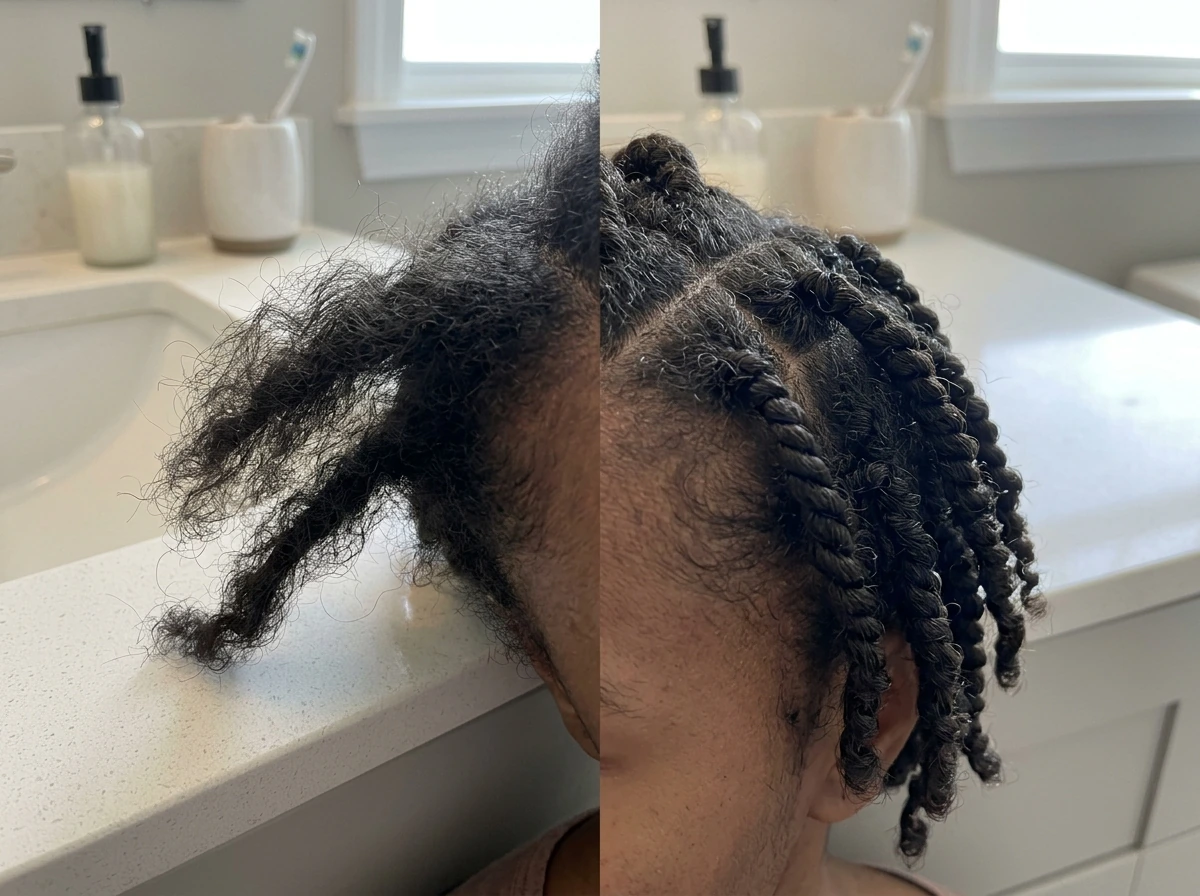
- Two-strand twists or coils: The most common starting point for tightly coiled (4A/4B/4C) hair. You section hair, twist each section, and let them loc over time. Easy to do at home, gentle on the hair, and works well without much product.
- Backcombing: Works well on looser curl patterns (2C to 3C range). You tease hair backward toward the scalp to create a tangle knot, then palm roll it into shape. Requires at least some length to work with.
- Palm rolling: Best used to shape and maintain locs rather than start them from scratch. Lion Locs notes you generally want at least 6 inches of hair before palm rolling is effective as a starter method.
- Crochet method: A hook is used to pull loose hair into the loc body, speeding up the knotting process. Creates very tidy-looking starter locs quickly, but requires some skill to avoid breakage from the hook.
- Freeform: You stop combing, section occasionally or not at all, and let your hair loc on its own. The most natural approach, least manipulation, but the least predictable in terms of size, shape, and direction. Great for those who want a more organic result or who want to minimize product use entirely.
A practical note on wax: skip it. Non-water-soluble waxes are notorious for accumulating inside the loc core over time, creating buildup that traps moisture, invites mildew, and is nearly impossible to remove fully once it is in there. Residue-free is always the right call from day one.
A quick comparison of starter methods
| Method | Best hair type | Control level | Beginner-friendly | Time to lock up |
|---|---|---|---|---|
| Two-strand twists/coils | 4A, 4B, 4C (tightly coiled) | High | Yes | 6–18 months |
| Backcombing | 2C, 3A, 3B, 3C (wavy to curly) | High | Moderate | 12–18 months |
| Palm rolling | 3C, 4A (with length) | Moderate | Moderate | 12–18 months |
| Crochet | Most types | Very high | Requires practice | 6–12 months |
| Freeform | All types, especially 4C | Low (intentional) | Yes | Variable, 12–24+ months |
The growth and maturity timeline: what to expect month by month
Here is an honest, stage-by-stage picture of what happens. Individual timelines vary based on hair type, method, and maintenance habits, but this gives you a realistic framework.
Stage 1: Baby locs (roughly weeks 1 through 6 months, sometimes up to 18 months)
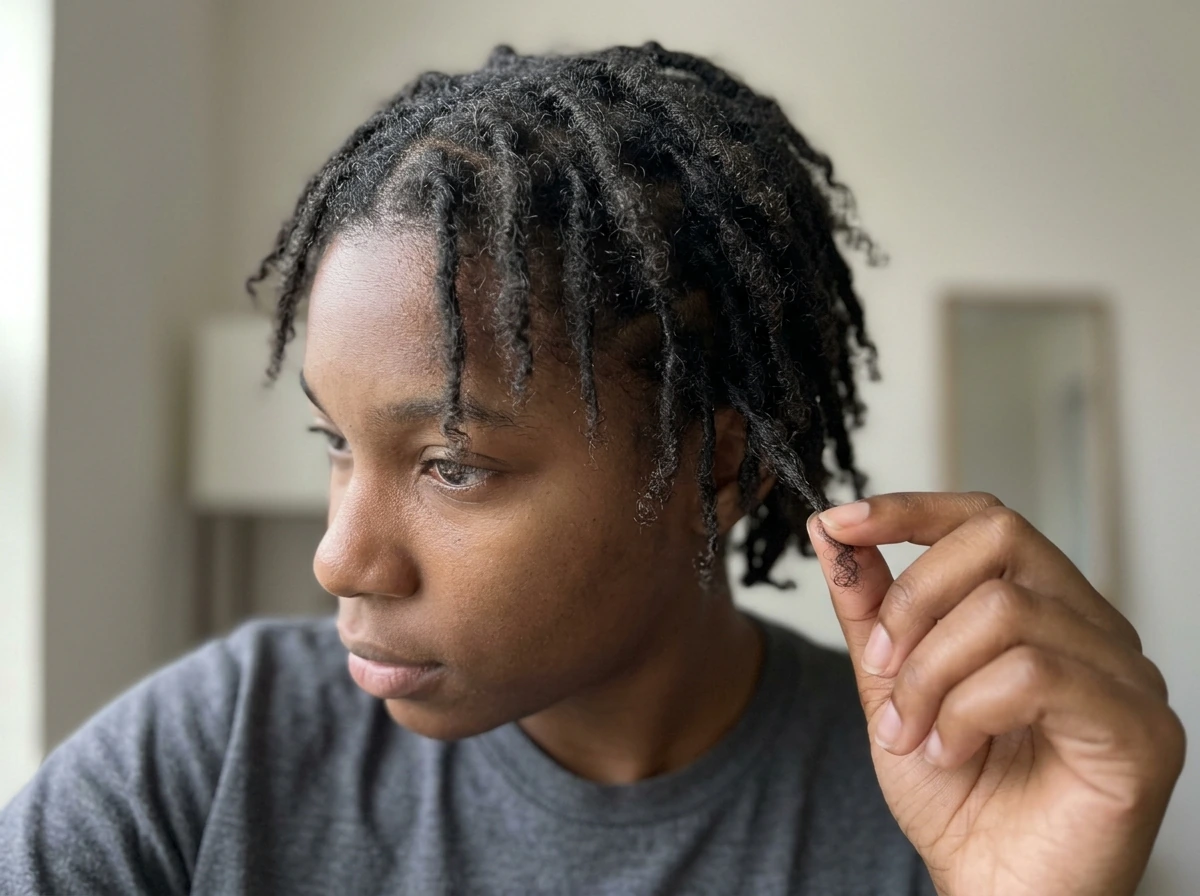
Your locs are fragile, unraveling frequently, and not yet locked. This is the stage most people get frustrated and give up on. Resist the urge to over-manipulate. After the first month, you can wash gently and retwist when the hair is damp, which helps the hair dread up more readily. The key during this stage is consistency and patience, not product.
Stage 2: Budding or teenage locs (roughly months 6 through 12)
The knots inside each loc start to establish themselves. Locs may look uneven, lumpy, or shrink slightly as the internal structure tightens. This is normal. The roots at this stage actually hold tighter than they will in full maturity, which affects how you should handle retwisting.
Stage 3: Maturing locs (roughly months 12 through 24)
For most people with tightly coiled textured hair and a manual starting method, this is when locs are considered mature: the internal structure is well established, locs feel firm and tightened throughout, and frizz at the root becomes more manageable. Expect maturity somewhere after the first year, with some people reaching it closer to two years. Hair type plays a large role here: thicker, straighter hair types can take up to two to three years to fully mature.
Stage 4: Rooted/fully mature locs (several years in)
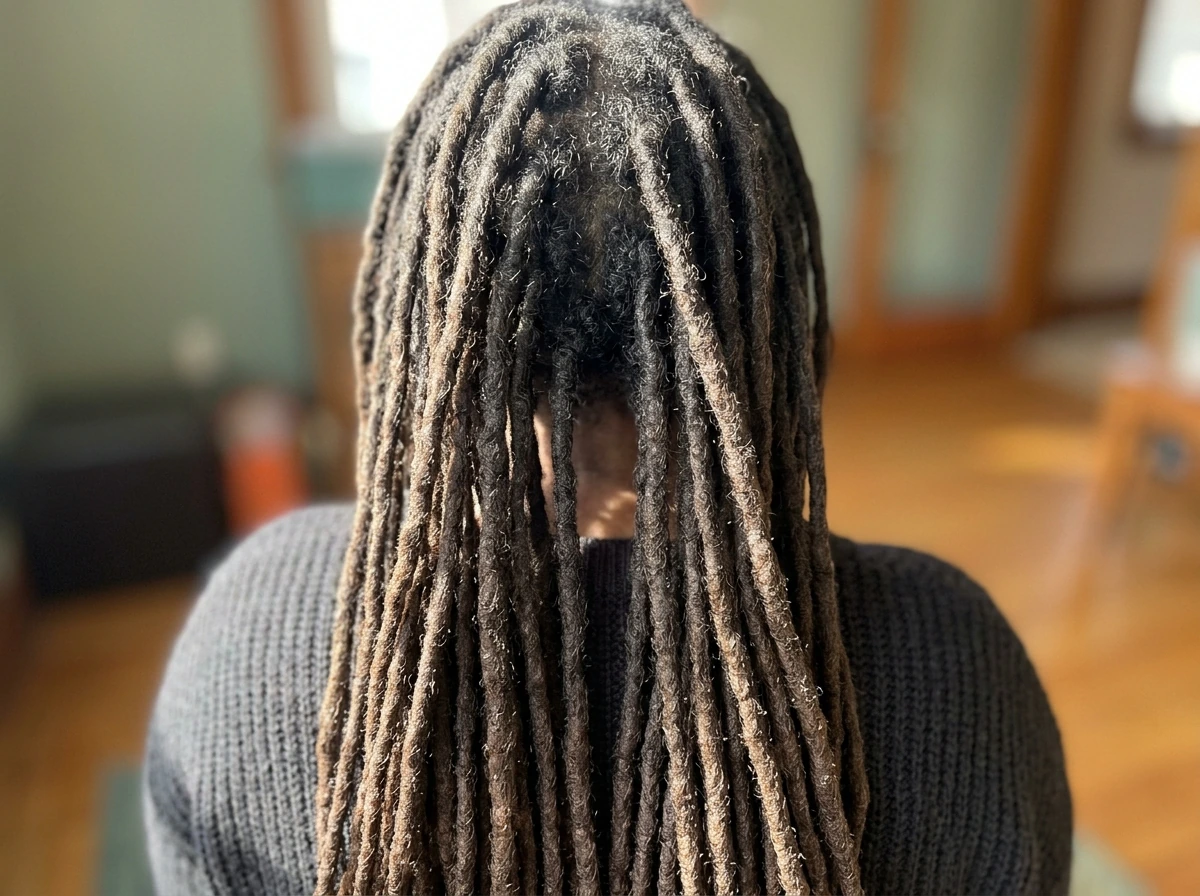
At this stage, locs are dense, strong, and largely self-maintaining. Length is visible and retained. Maintenance needs drop significantly. This is the stage most people are picturing when they imagine long, thick locs.
A natural-friendly maintenance routine to keep locs healthy
Maintenance is where most people either protect their progress or quietly undo it. The routine below is built around keeping locs clean, moisturized, and free of the two biggest enemies of loc health: residue buildup and trapped moisture.
Washing
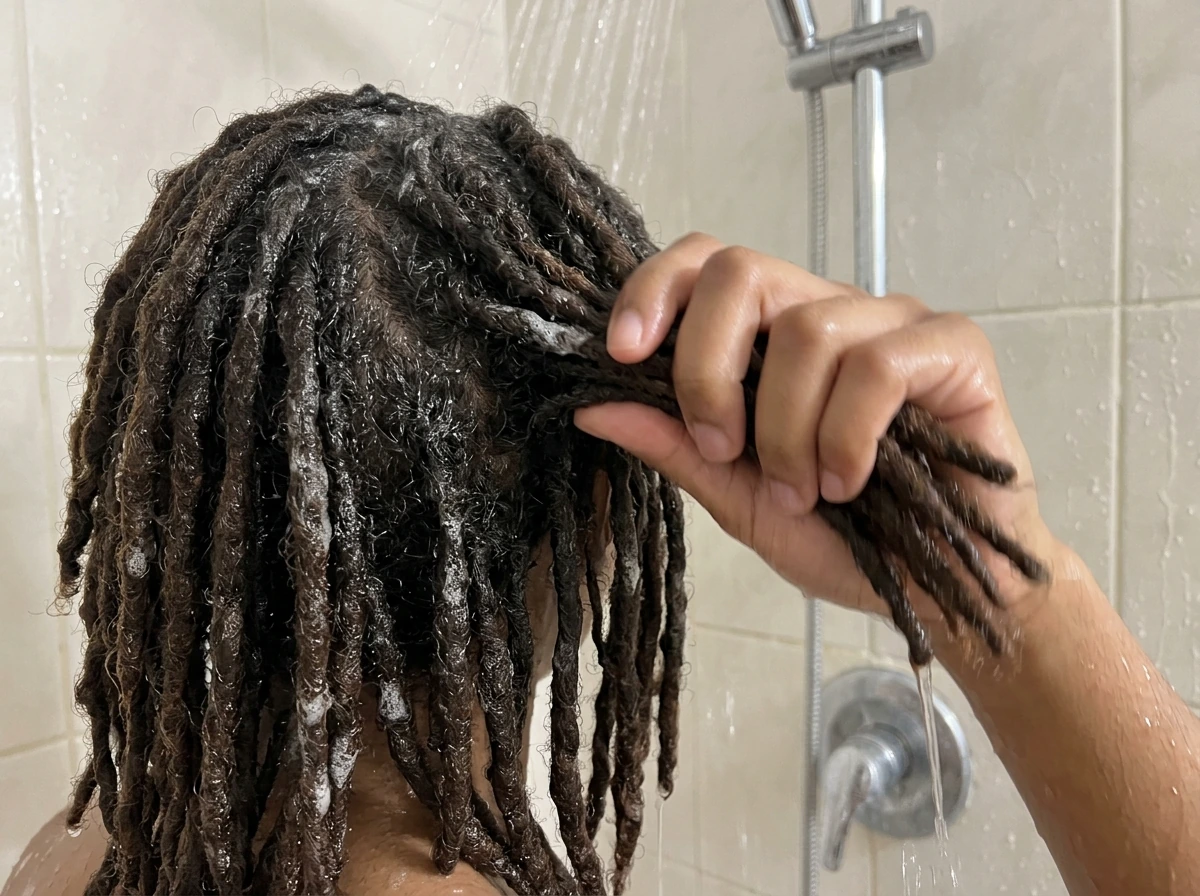
Use a residue-free shampoo formulated for locs. Regular conditioners are a hard no: they are designed to smooth and coat the hair shaft, which interferes with the locking process and can trap moisture inside the loc, creating the exact conditions mildew needs. When washing, rinse for a minimum of five minutes to make sure no shampoo residue is left inside. Squeeze excess water out thoroughly after rinsing. If your scalp is oily, wash more frequently because excess oil can loosen knots and slow the locking process. A general starting frequency of once a week or every ten days works for most people, but adjust based on your scalp.
Drying: the non-negotiable
Going to bed with wet locs is one of the most reliably damaging habits in loc care. Moisture trapped inside the loc core with no air circulation creates mold and mildew, which causes persistent odor that is very hard to eliminate. Towel dry first to remove as much surface water as possible, then air dry with locs spread open, not piled on top of each other. In cooler or humid climates, a hooded dryer or a hair dryer on a low heat setting can help ensure locs are fully dry before you sleep. This applies at every stage, not just when locs are new.
Retwisting and reshaping
During the baby and budding stages, retwisting every four to six weeks is a reasonable starting point. As locs mature, they need reshaping less often, and many people drop to every eight to twelve weeks or even less. Over-manipulation is a real risk: the more you work the hair, the more you stress the loc structure and the root, which increases breakage. Interlocking is a good alternative to retwisting for finer-textured hair, active lifestyles, or people who find retwisting unravels their progress quickly. It tends to require less frequent touch-ups and is more water-resistant.
Moisturizing
Light, water-based sprays work better than heavy oils for daily or every-other-day moisture. Be cautious with oils: certain oils can bind with minerals in hard water and create residue buildup inside the loc, which is genuinely difficult to remove and can affect long-term health. NCCIH (NIH) explains that essential vitamins and minerals include iron and zinc, and it provides an evidence-navigation framework for supplement use minerals in hard water and create residue buildup inside the loc. A light jojoba or aloe-based spray is generally safer than heavy butters or petroleum-based products. Less is more, especially in the first year.
How to grow thick dreadlocks: density, curl pattern, and reducing breakage
Thickness in locs comes from two sources: the density and diameter of your natural hair strands, and how well you preserve the hair that grows. Curl pattern matters here because tightly coiled hair (4B/4C) naturally interlocks more aggressively, which can create very dense locs over time. Looser curl patterns tend to produce locs that are less tightly packed internally, which affects perceived thickness.
The most controllable factor in thickness is preventing breakage. Breakage is especially common at the root and at the tips. At the root, over-manipulation during retwisting (pulling too tight, retwisting too frequently, or using rubber bands that cut into the hair) causes traction stress that weakens the strand at its most vulnerable point. At the tips, dryness and friction from rough pillowcases or scarves cause split ends that travel up the loc. Sleeping on a satin or silk pillowcase, or wrapping locs in a satin-lined bonnet, makes a measurable difference in tip integrity over time.
Section size at the start also determines thickness potential. Larger sections at the beginning become larger, thicker locs. If you want naturally thicker locs, start with sections sized accordingly, keeping in mind that very large sections (wicks) follow their own distinct journey. If you are interested in growing wicks dreads, that is a specific path worth researching separately.
How to grow dreadlocks faster naturally: retention-focused strategies and honest expectations
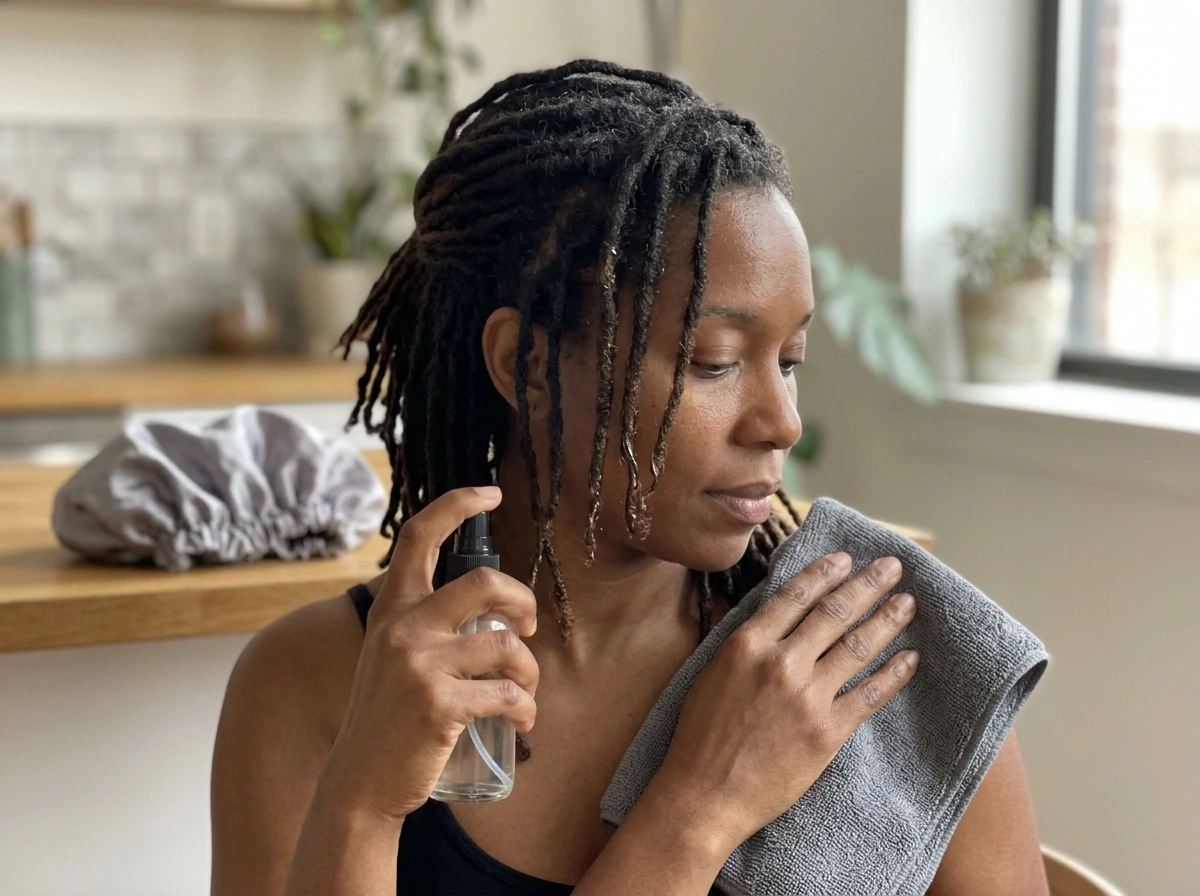
Let me be direct: no product, technique, or routine makes your hair grow faster than your biology allows. What you can do is retain more of the growth that is already happening. For most people, the gap between how fast hair is growing and how fast locs appear to lengthen is a retention problem, not a growth problem. That is actually good news because retention is something you can control.
These are the highest-impact retention strategies, ranked by how consistently they show up in the evidence:
- Keep locs moisturized: dry hair is brittle hair, and brittle hair breaks before you ever see length. Consistent, lightweight moisture is one of the most direct ways to reduce breakage and keep the length you are growing.
- Minimize mechanical stress: every unnecessary retwist, every rough towel scrub, every tight rubber band is a small withdrawal from your hair's structural bank account. Space out manipulation and be gentle when you do it.
- Protect tips: the ends of your locs are the oldest, driest part of the hair. Tucked styles, satin coverings at night, and regular light oiling of tips protect them from the friction and dryness that cause breakage.
- Keep your scalp healthy: a clean, well-circulated scalp is a productive scalp. Scalp massage during washing increases blood circulation to follicles, which supports healthy follicle function even if it does not dramatically change your growth rate.
- Eat and hydrate for hair health: protein, iron, biotin, zinc, and adequate water intake support the anagen (growth) phase of the hair cycle. Deficiencies in any of these can slow the growth phase or push more hairs into the shedding phase.
- Avoid heat damage: excessive heat dries out locs and weakens the hair structure over time, creating breakage that cancels out growth.
Realistic expectation: if you are retaining all of your growth, you should see roughly 6 to 15 cm of new length per year depending on your biology. For tightly coiled hair, shrinkage means locs will often appear shorter than they actually are until they become heavy enough to elongate. Patience here is not a platitude, it is genuinely part of the process.
Common mistakes that slow growth (and how to fix them)
Most loc growth problems come down to a handful of recurring mistakes. Here is what to watch for and what to do instead.
| Mistake | Why it hurts growth | Fix |
|---|---|---|
| Using wax or heavy residue products | Builds up inside the loc core, traps moisture, causes mildew and odor, impossible to fully remove | Switch to residue-free, loc-specific products only |
| Sleeping with wet locs | Traps moisture inside the loc, causes mildew, persistent odor, and internal loc damage | Always fully dry locs before sleeping; use a dryer if needed |
| Over-manipulating or retwisting too often | Stresses root area, causes traction alopecia and breakage at the shaft | Stretch retwists to every 4–6 weeks minimum; mature locs need even less |
| Skipping conditioner but using wrong moisturizers | Heavy oils or butters coat the loc and cause mineral buildup in hard water | Use light water-based sprays; avoid heavy silicone or petroleum products |
| Not rinsing shampoo fully | Residue builds up inside loc, disrupts pH, causes itching and odor | Rinse for at least 5 minutes; squeeze locs while rinsing to flush interior |
| Tight styling or rubber bands at roots | Creates traction stress, weakens follicle, causes thinning and breakage at the root | Use loose accessories; avoid rubber bands directly on the loc base |
| Giving up during the budding/teenage stage | This is when locs look their worst but are actually establishing structure; quitting here wastes months of progress | Stay consistent, trust the timeline, reduce manipulation during this stage |
Growing out dreadlocks and keeping them growing long-term
Growing out your locs, meaning transitioning toward longer, fully matured locs over the long term, is mostly about compounding good habits rather than doing anything dramatically different. Once locs are mature, the maintenance burden actually drops. You wash less frequently if your scalp allows it, retwist every couple of months or even less, and focus mostly on moisture and protection.
If you are transitioning to locs from relaxed hair, be aware that the line of demarcation where relaxed and natural hair meet is a fragile point. Avoid heavy manipulation at that junction, keep it moisturized, and let the relaxed ends eventually shed naturally rather than forcing them. If you are growing out locs from a very short starting length, the first six to twelve months are mostly about establishing the loc structure, and length will become more visible once the hair has enough weight to hang and elongate.
For long-term retention at the mature stage, the same core habits apply: protective sleep routine every night, residue-free products, consistent moisture, and giving your scalp and roots a break from tension. Mature locs that are well cared for can grow very long over years without thinning or breaking, because the loc itself acts as a kind of protective structure around the hair shaft. That is the real payoff of doing this properly from the start.
One more thing worth saying: there is no single correct path here. Freeform locs, naturally started locs, retwisted locs, interlocked locs all can thrive long-term. The method matters less than whether you are consistently addressing moisture, cleanliness, and minimizing damage. Get those three things right and the length will follow. Iron plays a role in normal body functions such as oxygen transport, and deficiency can contribute to health problems, so getting enough iron matters when assessing blank" rel="noopener noreferrer">nutrient adequacy.
FAQ
If my hair grows but my locs don’t look longer, is that normal?
Yes, but you will usually see length slower than you expect because your locs need time to lock and mature before they can “hold” length without snapping. Focus first on consistent washing, full drying before sleep, and avoiding tight retwists, then judge progress by root firmness and reduced frizz rather than immediate centimeters.
My roots are thick but my locs still look like they are not growing, what should I troubleshoot first?
Start by checking whether new growth at the root is actually joining the loc. If the root hair is staying loose, reduce how tight you retwist, stop frequent “fixing” of budding sections, and make sure your locs are fully dry after washing so the locking structure can set.
What should I do if my locs smell musty even after I towel dry?
Do a careful “scalp dry” check after washing. If your scalp feels damp or smells musty even after drying, you likely need to increase drying time, spread locs more while drying, and review your product choice for residue. Persisting mildew odor often means trapped moisture is reappearing, not just surface wetness.
Can I retwist immediately after washing?
Avoid retwisting on soaking-wet hair and avoid heavy manipulation in the first weeks. Instead, wash gently, remove surface water, then retwist only when the hair is damp enough to reform but not dripping, and keep the tension mild so you do not stress the root.
My locs look uneven and lumpy, should I fix them right away?
If you do not have the look you want in the first year, it can still be early. Many people experience uneven budding and slight shape changes as internal knots tighten. What you should change quickly is technique, like retwisting too tight, but cosmetic reshaping too often usually increases breakage.
How can I tell if my locs are on track during the first 3 to 6 months?
Most people should not expect visible length in the same way they did with loose hair during the baby stage. A better metric is new hair at the root and overall firmness. Use the year timeline to guide decisions, and reduce maintenance frequency if you notice thinning or thinning at the tips.
What’s the best way to protect my locs at night if I keep getting frizz or flat spots?
Use a light, breathable protection plan at night, like a satin bonnet or satin-lined wrap, and keep locs separated enough to dry. If you frequently wake up with flattened or damp sections, you may need more thorough drying after washing and a better-fitting cover so your locs are not smushed against fabric.
How often should I wash if I have oily scalp but also want strong locs?
It depends on your scalp oiliness and how humid your environment is, but most issues come from either washing too rarely (buildup) or not drying fully (mildew). If you are getting residue, flaking, or odor, increase frequency slightly and confirm complete drying, rather than adding more product.
Is interlocking a better choice than retwisting for my hair type?
Yes, but it changes the maintenance strategy. Interlocking often lets you touch the loc less frequently, and it can be more suitable for finer textures that unravel with retwists. Still, keep tension gentle and ensure thorough drying after any water exposure to prevent trapped moisture.
How do hard water and product residue affect loc growth and thickness?
Hard water can make buildup more likely even with “light” products. If your locs feel coated or soap never seems to rinse cleanly, consider adjusting product amounts, rinsing longer, and using a targeted chelating routine occasionally (following the product directions), because buildup can block moisture.
Why did my locs stop getting thicker, and what can I realistically change?
If thickness stalls, the biggest lever is breakage prevention, especially at the root and tips. Check for traction from retwisting style (tightness and rubber bands), harsh friction from bedding, and dryness at the ends. Also confirm your section size at the start, because you cannot fully “add” diameter later if the early sections were too small.
Can heavy oils help locs grow thicker, or will they hurt?
It can, but do not rely on oils to “fix” dryness if they are causing buildup. If your locs become harder to rinse, smell off, or feel coated, switch to lighter water-based moisturizing sprays and keep oil use minimal. For long-term thickness, tip integrity matters more than frequent heavy coating.
What’s the safest approach when starting locs from relaxed hair?
If you are transitioning from relaxed hair, the demarcation line needs gentle handling. Keep it moisturized, avoid tight retwisting right at that junction, and let the relaxed ends shed naturally instead of forcing them to merge quickly. Expect the first 6 to 12 months to be slower visually while structure forms.
Once my locs mature, what changes in my routine to keep length retention high?
If your goal is long, mature locs, the priority changes from styling frequency to retention. That usually means longer intervals between retwists, fewer reshapes, and staying consistent with residue-free cleansing and nightly protection. After maturity, you are mostly maintaining rather than building the structure.
Next Article
How to Grow Black Women’s Hair: Length and Growth Guide
Step-by-step guide to grow and retain Black women’s hair, boost length via breakage control, and avoid traction damage.