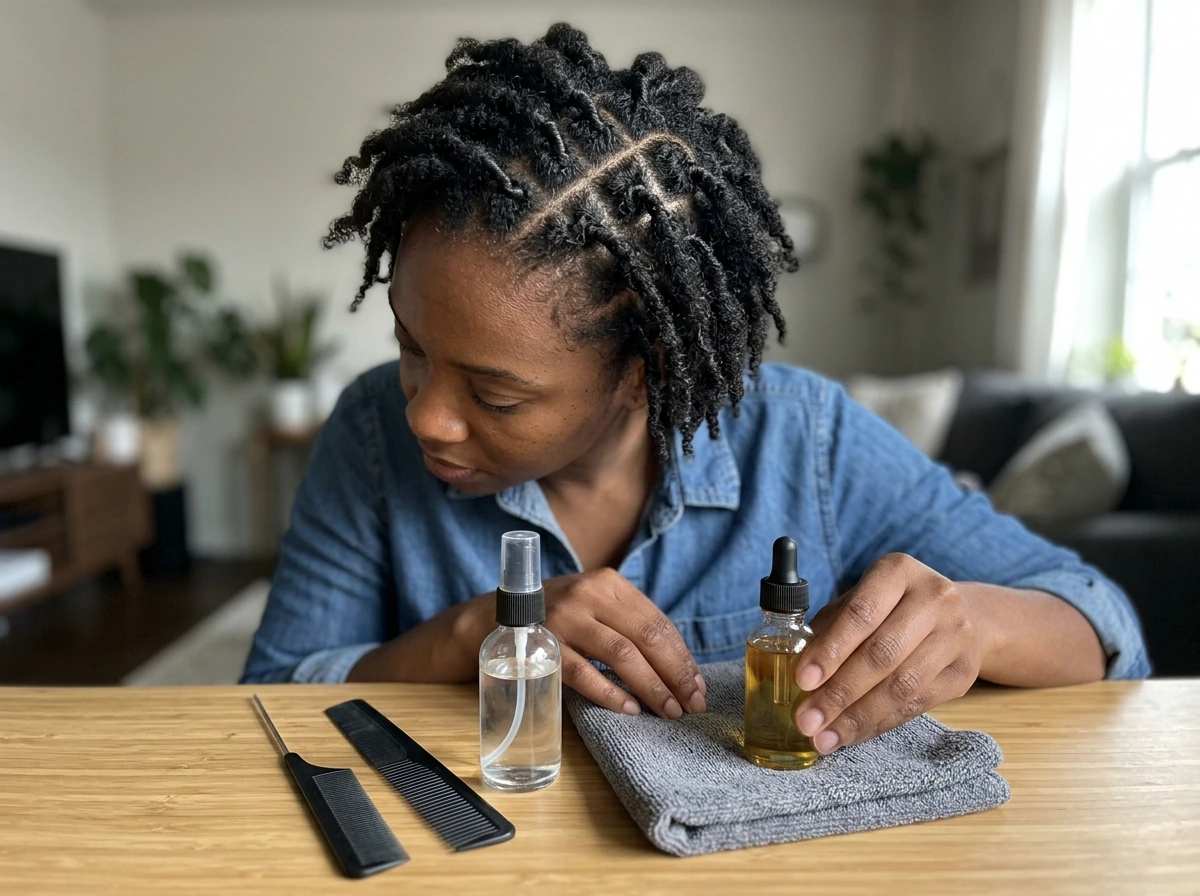
You can <a>grow natty dreads naturally without chemicals, heat straightening, or heavy wax products. The process is simple in concept but takes patience in practice: you start with clean, product-free hair, form your sections using a low-manipulation method, then get consistent with a wash-and-separate routine while your hair does what textured hair does best, which is lock up on its own. This guide walks you through every stage, from day one to mature locs, with real timelines and a routine you can start this week.
How to Grow Dreads Naturally: Natty Locs Starter to Mature

Simone Okonkwo
24 Mar 2026
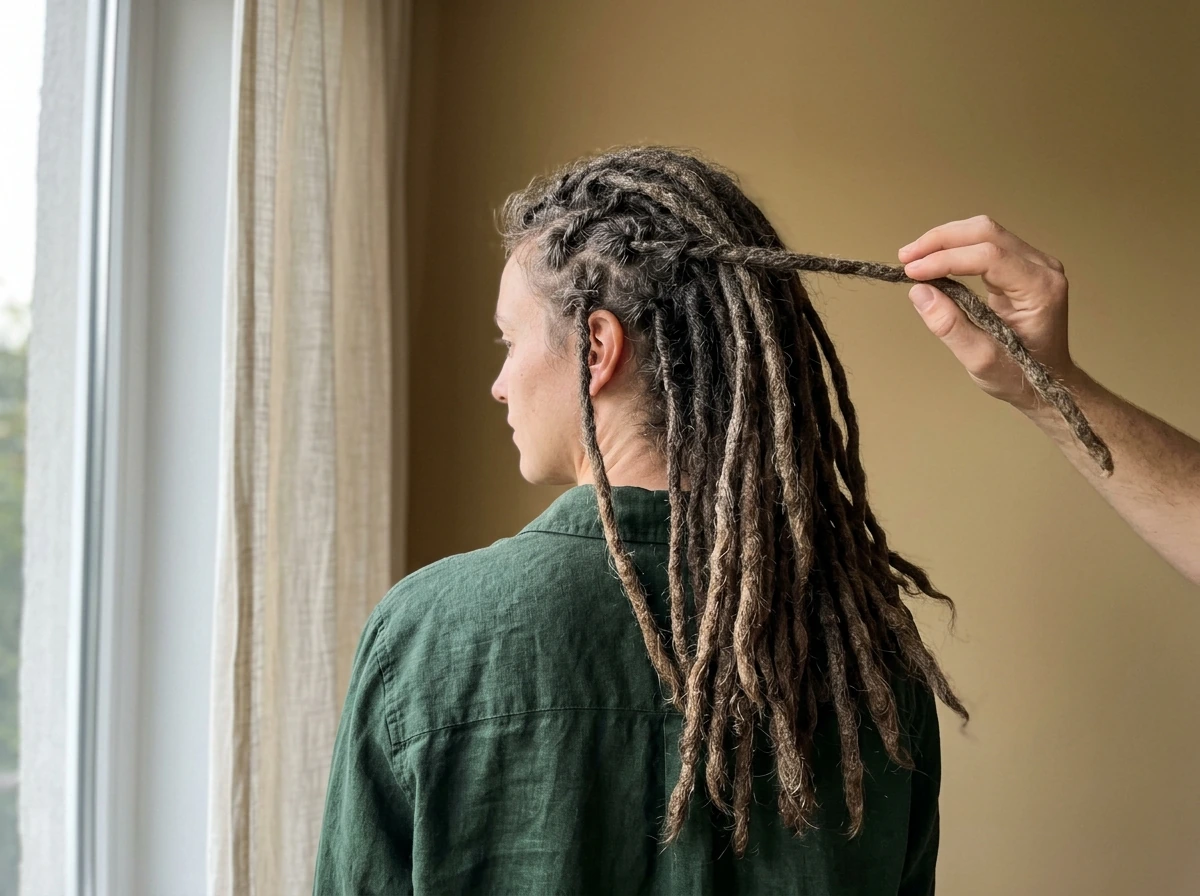
What 'natty dreads' actually means and who they're best suited for
Natty dreads, short for natural dreadlocks, refers to locs that form without chemical processing, synthetic wax, or any method that artificially forces the hair to lock. The term is rooted in Rastafarian culture, where growing locs naturally is a spiritual and physical commitment to letting hair develop on its own timeline without manipulation or chemical interference. In the broader natural hair community today, it's often used interchangeably with 'starter locs' or 'freeform locs,' which aligns with a true no-sectioning approach like freeform locs development for those wondering how to grow freeform dreads. If you're specifically learning how to grow freeform dreads, focus on a no-sectioning approach and letting your hair lock on its own timeline.
Natty dreads are best suited for people with naturally coily or kinky hair (Type 3c through 4c on the hair typing scale). These textures lock relatively efficiently because the tight curl pattern creates natural friction and interlocking as strands coil around each other. That said, looser curl patterns can also form locs, they just typically take longer and may benefit from slightly more intentional starter methods. If your hair has been chemically relaxed, you'll need to transition to natural growth first, since chemically altered strands lack the structural coil needed to lock reliably.
The honest answer to 'are natty dreads for me?' comes down to two things: your commitment to a consistent maintenance routine, and your patience with the awkward budding and teenage stages that happen in the first six to eighteen months.
How dreads actually form and how long each stage takes
Dreadlocks form through a process of tangling, coiling, and compressing. When textured hair grows and is left without combing or brush-detangling, individual strands naturally begin to wrap around each other following the curl pattern. Over time, friction from normal activity, sleeping, and washing causes these coils to condense into denser units. No magic, no product, just physics and hair structure doing their thing.
The timeline breaks into three fairly predictable stages, though the pace varies depending on your hair's density, porosity, and how much manipulation you apply.
| Stage | Timeframe | What's Happening | What It Looks Like |
|---|---|---|---|
| Starter (budding) | 0 to 6 months | Hair begins coiling and tangling at the ends; roots are still loose | Fluffy, soft sections with undefined shape; lots of frizz |
| Teenage | 6 to 18 months | Locs contract, loop, and look uneven or unkempt; significant shrinkage | Shorter, bumpy, inconsistent locs; can look 'messy' before maturing |
| Mature | 18 months to 3+ years | Locs fully condense and seal; roots loc quickly; length becomes visible | Cylindrical, uniform locs; noticeable length retention; less frizz |
One thing that surprises a lot of people is the shrinkage in the teenage stage. Your locs can actually look shorter at 12 months than they did at 3 months. This is normal. The hair is compressing internally, and length becomes visible again as the loc matures and weight pulls it down. Understanding this prevents a lot of people from giving up right when they're closest to the payoff.
Starting natty dreads step by step, without chemicals or wax
There are a few legitimate chemical-free methods for starting locs. The right one depends on how much initial definition you want and how comfortable you are with the freeform look early on. Here's how each works, followed by the universal prep steps that apply to all of them.
Step 1: Start with clean, buildup-free hair

Wash your hair with a clarifying or residue-free shampoo before you start. Any silicone, heavy conditioner, or wax left on the strands will interfere with the locking process by coating the cuticle and reducing friction. Use warm water and work the shampoo into your scalp thoroughly. Do not use a conditioning treatment before starting your locs. You want a clean slate. Let your hair fully air dry before sectioning.
Step 2: Part and section your hair
Decide on your section size before you begin, because it directly determines your loc thickness at maturity. Small sections (about the size of a pencil eraser) produce thin, rope-like locs. Larger sections (about the size of a grape) produce thicker locs. Use a rat tail comb to create a grid pattern across your entire head, securing each section with a hair clip or band as you go. Even sections matter because uneven parting leads to locs that merge or thin unevenly later.
Step 3: Choose your starting method
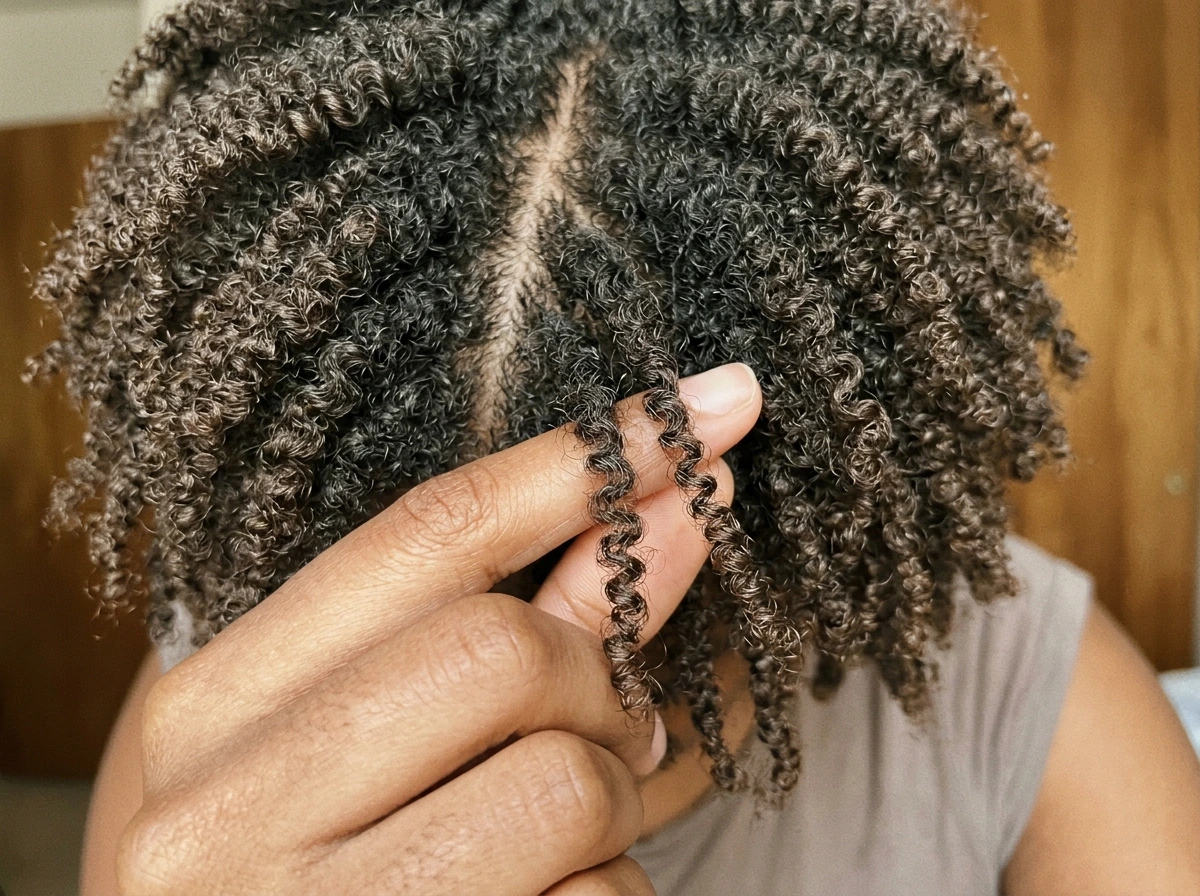
- Two-strand twists: The most popular starter method for 4a to 4c hair. Divide each section into two strands and twist them around each other from root to tip. As the hair grows and is washed, the twists gradually mat and loc from the ends inward. This method gives the most uniform early shape.
- Coils (finger coils): Best for tighter curl patterns. Use your finger to wrap each section into a coil from root to tip. This creates a tighter, more defined starter loc and locks relatively quickly.
- Freeform (no sectioning): Simply stop combing and let the hair tangle and loc freely. This produces organic, often thicker, varied locs and is the most 'natty' in the traditional sense. Separation is still necessary to prevent all locs from merging into one large mat.
- Interlocking: A method where new growth is pulled through the loc using a latch hook tool. This is more manipulative and not truly freeform, but it is chemical-free and produces very neat roots. Use with caution as over-interlocking increases tension at the root.
Step 4: Leave them alone
This is where most people struggle. After starting your locs, the most important thing you can do is minimize touching and re-twisting. Every time you re-twist a starter loc before it has budded, you're essentially resetting the clock. Let the method do its work. The first real intervention you'll make is at wash day, which brings us to maintenance.
Maintenance routine for retention: washing, separating, and moisturizing
Consistency here is what separates locs that thrive from ones that stall, break, or develop scalp problems. A basic weekly or biweekly routine covers three core actions: washing, separating, and moisturizing.
Washing your locs properly
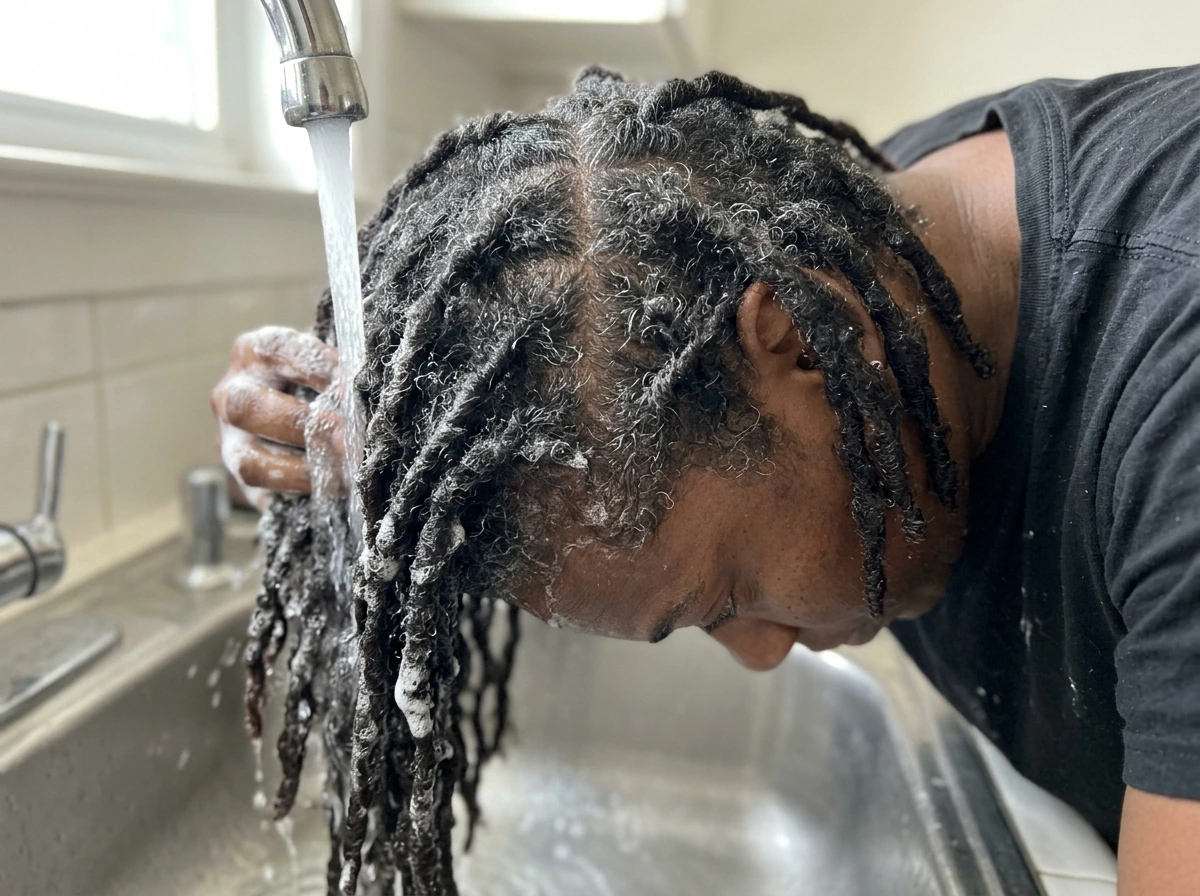
Wash your locs at least every 1 to 2 weeks. Skipping washes to 'protect' your locs is one of the most persistent myths in the loc community and it creates real problems: buildup, scalp odor, seborrheic dermatitis, and clogged follicles. American Family Physician describes [seborrheic dermatitis](https://www. aafp.
org/pubs/afp/issues/2025/0800/seborrheic-dermatitis. html) as a common, chronic, relapsing condition that typically requires appropriate medical therapy rather than one-off hygiene changes. None of those support healthy growth. Use a diluted residue-free shampoo or a shampoo formulated for locs.
Apply it directly to your scalp, not just the loc bodies, and work it in with your fingertips using a gentle massaging motion. Rinse thoroughly and squeeze (don't wring) water through the locs. Incomplete rinsing is one of the primary causes of buildup and odor.
After washing, let your locs air dry as much as possible. Sitting under a hooded dryer on a low setting is fine, but avoid wrapping wet locs tightly in a towel or going to bed with them fully wet. Moisture trapped inside a dense loc for hours creates mildew and that distinctive sour smell some people notice. If your schedule requires washing at night, use a dryer or a microfiber wrap loosely, and make sure they're at least mostly dry before you cover them.
Separating to prevent merging
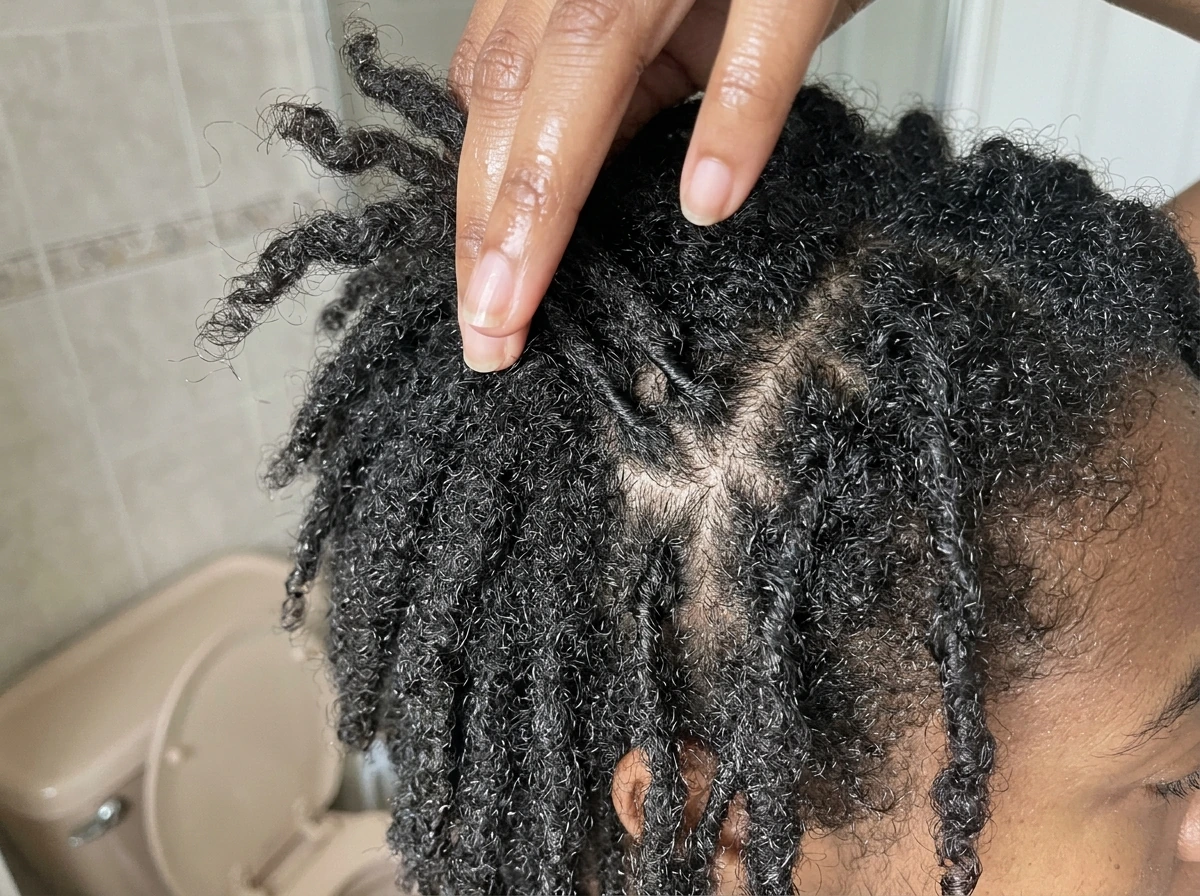
After every wash while your locs are still wet, go through and gently pull apart any locs that are beginning to fuse at the roots. This is especially important in the starter and teenage stages. Once locs merge, separating them later can cause significant breakage. A few seconds at wash day prevents a problem that can take months to correct. As locs mature, root separation becomes less urgent since the loc bodies are more defined, but still check every wash day.
Moisturizing without creating buildup
Textured hair needs moisture to stay flexible and resist breakage, but heavy products are the enemy of healthy locs. Avoid butters, thick creams, beeswax, and petroleum products. These coat the loc, prevent drying from the inside out, and create buildup that clogs follicles over time. Instead, use a lightweight water-based leave-in spray or diluted aloe vera juice on your scalp and the outer surface of your locs 2 to 3 times per week. If your scalp runs dry, a small amount of lightweight oil (jojoba, grapeseed, or sweet almond) applied directly to the scalp (not the loc body) helps without suffocating the hair.
Growing actual length while your locs are developing
Hair grows from the scalp at roughly half an inch per month for most people, regardless of hairstyle. Locs don't make your hair grow faster. What they can do is retain length that would otherwise be lost to breakage and mechanical damage, and that's a genuinely big deal for people with highly textured hair that is prone to single-strand knots and dryness. The key to getting that retention benefit is keeping the scalp healthy and the hair flexible.
Scalp health is your real growth lever
A healthy scalp equals consistent growth cycles. If your follicles are clogged from product buildup, inflamed from seborrheic dermatitis, or stressed from tension, your hair's growth rate and density both suffer. Scalp massages during washing stimulate circulation and help clear buildup around the follicle openings. Keep your scalp clean and your products light.
If you notice persistent flaking, redness, or itch that doesn't resolve with regular washing, this could be seborrheic dermatitis. The American Academy of Dermatology notes that antifungal treatments and medicated shampoos are effective for seborrheic dermatitis, so see a dermatologist rather than self-treating with random oils and hoping it clears.
The American Academy of Dermatology describes treatment for seborrheic dermatitis that includes medication such as topical medicines and medicated shampoos, and notes that these treatments can control the condition antifungal treatments and medicated shampoos are effective for seborrheic dermatitis.
Conditioning strategy for loc wearers
Traditional deep conditioners are mostly off the table for people with locs, because they're designed to penetrate and soften strands, which actively disrupts locking. What you can do instead is focus on moisture from the inside out. Drink enough water. Eat adequate protein (hair is largely keratin, a structural protein). Use a light steam or warm water rinse on your locs periodically to hydrate without conditioning agents. Some people with mature locs use a very diluted apple cider vinegar rinse (about 1 part ACV to 4 parts water) once a month to remove light buildup and restore the hair's pH without unraveling the loc structure.
Managing split ends on locs
Locs can develop split and frayed ends, especially in the early stages before the tip fully seals. Frayed ends are not the same as split ends on loose hair, but they do signal dryness and fragility at the tip. Keep loc ends moisturized with a light water-based spray. If an end is severely frayed, trimming it back to a healthy point is better than leaving it, because frayed ends catch on things and cause the loc to unravel upward.
Common problems and how to fix them
Frizz
Frizz on locs is normal and does not mean your locs are failing. In the starter and teenage stages, the outer strands of each loc haven't fully incorporated into the loc body yet. Some frizz is just part of the process. If frizz is extreme, check whether you're washing too aggressively (scrubbing instead of pressing), or whether your locs are drying out between washes. Light re-twisting of the root area at wash day can help tighten new growth but do it gently and not more than every 4 to 6 weeks. Over-manipulation is a bigger problem than frizz.
Thinning at the roots
Thin spots at the base of a loc are a red flag. This is often a sign of traction alopecia, which is hair loss caused by sustained tension on the follicle. Research published in JAMA Dermatology identifies dreadlocks as one of the styles associated with traction alopecia risk, particularly when locs are heavy and pulling on thinner root sections, or when they're styled tightly against the scalp.
Early signs, described in StatPearls, include reduced hair density at the temples, small broken hairs, and sometimes folliculitis around the tension area. If you notice thinning at the root, lighten that loc immediately: either split it into two thinner locs to reduce weight, avoid styles that pull it tight, and give the scalp a break from tension. Caught early, traction alopecia is reversible. Left alone, it isn't.
Breakage in the loc body
Breakage mid-loc usually comes from one of three things: chronic dryness, mechanical stress (rough handling, sleeping without a satin scarf), or over-interlocking that creates a weak point. Address dryness with more frequent light moisturizing. Sleep with a satin or silk bonnet or on a satin pillowcase every night. If you're interlocking, reduce the frequency to once every 6 to 8 weeks at most, and make sure the latch direction alternates each session to avoid creating a single point of weakness.
Odor and itch
Odor inside locs comes from moisture trapped during drying, product buildup, or microbial growth on an unwashed scalp. The fix is almost always washing more frequently and drying more thoroughly. Itch is usually either a dry scalp, product buildup at the follicle opening, or the beginning of seborrheic dermatitis. If washing every 1 to 2 weeks and keeping products light doesn't resolve persistent itch within a few weeks, get a scalp check. Mayo Clinic notes that seborrheic dermatitis often requires a targeted treatment approach rather than home remedies alone, and it can worsen significantly if untreated.
Locs merging or conjoining
This happens when neighboring locs lock together at the root before you separate them after washing. The solution is prevention: separate at every wash day while hair is still wet. If two locs have already partially merged and you want to keep them separate, you can carefully work a rat tail comb through the joined section using oil to reduce friction. The longer you leave merged locs, the more trauma separating them causes, so deal with it early.
The myth vs. evidence breakdown: do dreads actually grow your hair?
This is probably the most important distinction to understand, and it's one a lot of people mix up. Dreadlocks do not grow your hair. Your scalp grows your hair. Follicles produce new hair at a rate determined by genetics, nutrition, hormonal health, and scalp condition. No hairstyle changes that fundamental biology.
What locs (and other low-manipulation protective styles) can do is help you retain the length your scalp is already producing. Highly textured hair is structurally fragile at the curve points of each coil. It breaks easily from combing, friction, dryness, and rough handling. When hair is locked into a loc, those vulnerable points are protected from daily manipulation, which means less breakage and more of the growth your scalp produces actually shows up as visible length over time. That's real and significant, but it's retention, not accelerated growth.
The flip side is also true: locs worn with poor technique or without proper maintenance can actively cause hair loss. Heavy locs putting tension on fine root sections, locs worn too tight against the scalp, over-manipulation at the roots, and chronic buildup all undermine the protective benefit and can cause traction alopecia or follicle damage. Johns Hopkins-reported research on traction alopecia specifically notes that dreadlocks are among the styles associated with increased risk, particularly when combined with chemically treated hair at the base.
| Claim | Reality |
|---|---|
| Dreads make hair grow faster | False. Growth rate is set by follicle biology, not style. |
| You shouldn't wash starter locs | False. Regular washing prevents buildup, odor, and scalp disease. |
| Wax helps dreads form faster | False. Wax traps dirt, prevents drying, and causes buildup. |
| Locs protect hair and help retain length | True, when done with low tension and proper moisture. |
| Dreads always cause hair loss | False. Hair loss occurs from tension, not locs per se. |
| Frizz means your locs are failing | False. Frizz is normal in early stages and doesn't indicate a problem. |
Your practical starting point: what to do this week
If you're ready to start natty dreads today, here's exactly what to do to set yourself up well from the beginning.
- Clarify your hair this week with a residue-free or clarifying shampoo. No conditioner after. Let it fully air dry.
- Decide on your section size and method (two-strand twists are the most beginner-friendly for 4a to 4c hair). Part your hair into even sections using a grid pattern.
- Form your starter locs and then leave them alone. No re-twisting for at least 4 weeks.
- Set a wash day every 7 to 14 days using a diluted, residue-free shampoo. Massage the scalp, squeeze through the locs, rinse completely, and dry thoroughly.
- After every wash, separate any locs that are beginning to join at the root while hair is still wet.
- Apply a light water-based moisturizing spray to your scalp and loc surface 2 to 3 times per week. Nothing heavy.
- Sleep on satin every night from day one.
- Check your roots every month for thinning, tenderness, or folliculitis. If you notice any of those, reduce tension immediately.
- Accept the teenage stage. Plan to evaluate your progress at 18 months, not 6.
The people who have the best results with natty dreads are the ones who commit to the routine more than the aesthetics. The looks come with time. The health of your scalp and the integrity of your hair are what you can actually control right now. Get those right, and the length will follow.
FAQ
How long should it take before I know natty dreads are actually forming?
If you have very straight or low-density hair, “natty” locs may take much longer or may never fully mat into stable locs. Consider testing with a small section (one to two inches square) using the same prep and wash-and-separate approach for several months, then decide whether to continue or switch to another starter method that better matches your curl pattern.
What if I accidentally used conditioner, oil, or a silicone product right before starting?
Don’t start locs on freshly deep-conditioned, silicone-treated, or oil-heavy hair. If you already used a mask or heavy leave-in, do a clarifying wash first, then wait until the hair is fully air-dry before sectioning. Otherwise, the cuticle coating reduces friction and makes the roots fuse loosely instead of locking cleanly.
Can I re-twist my locs to speed up the process?
If you’re tempted to tighten frequently, choose a wash-based rule instead: separate any fusing roots at every wash while wet, but avoid re-twisting the starter locs until you see clear budding structure. A common mistake is “fixing” early weakness by re-twisting too often, which can stall forming and increase breakage.
Is it okay to wear a scarf or bonnet at night if I wash at night?
Yes, but do it for support, not compression. Use a satin bonnet or scarf that allows airflow, then make sure you aren’t sleeping with soaking-wet locs. Tight wraps that trap moisture can create mildew odor even if your locs feel “cool” rather than wet.
Where should I apply moisture, scalp or loc ends?
Lightly spritzing the length is usually less important than keeping the scalp flexible. Many people over-mist the loc bodies and under-hydrate the scalp, which leads to dryness, itch at the follicle opening, and slower budding. Focus your water-based leave-in on the roots and outer surface, then stop when locs look damp, not dripping.
Do frayed loc ends mean I should trim right away?
When you feel dryness at the tips, use a tiny amount of lightweight moisture on the ends, and only trim after you’ve tried to rehydrate. If the end is severely frayed, trimming prevents snagging and upward unraveling, but if the problem is new dryness, consistent light moisturizing and gentler handling can stabilize the tip.
My locs keep unraveling after I wash. What’s the most likely cause?
If your locs are separating after washing because they are not yet budding, that usually indicates too much product residue or too much friction loss from overly slick hair. Re-check your clarifying step, avoid conditioning treatments before starting, and keep your wash-day handling gentle (press, don’t scrub).
How do I tell the difference between normal loc itch and seborrheic dermatitis?
Itch that resolves quickly after washing is often just dry scalp or leftover residue. If itch and flaking persist beyond a few weeks of your normal wash-and-separate routine, don’t keep changing random oils or remedies, book a scalp check for seborrheic dermatitis or follicle inflammation, since targeted treatment works faster and protects growth.
What signs mean it’s time to adjust or remove product buildup?
Product buildup can happen even with “natural” ingredients like heavy butters or thick oils. If you notice dullness, odor that returns quickly, or a rough coating near the roots, scale back to lightweight water-based products, and consider a cautious monthly ACV rinse only if your locs are already mature enough to handle it without excessive frizz.
What should I do if I notice thinning near the roots?
If a loc base looks thinner or you see sudden shedding around the roots, stop any style that pulls tight against the scalp and reduce loc weight. You can split a heavy loc into two smaller ones to reduce tension at the follicle, and monitor closely, traction alopecia is most treatable when caught early.
What if my locs are merging at the root, and I didn’t separate them in time?
Merging at the root can cause traction and breakage later if left unattended. The fastest way to fix it is prevention: separate at each wash while the hair is wet, then only attempt combing through merged sections when they have partially fused, use a little oil for slip, and be gentle to minimize trauma.
Can I wash less often if my locs feel okay in between washes?
Build your routine around your hair’s behavior, not the calendar. If your scalp gets oily fast or you sweat a lot, you may need washing closer to every week rather than every two weeks, as long as you dry thoroughly and keep products light.
Next Article
How Do I Grow Dreads: Step-by-Step Guide to Healthy Locs
Step-by-step guide to growing healthy dreadlocks from scratch, boosting root growth, preventing breakage, and maintainin