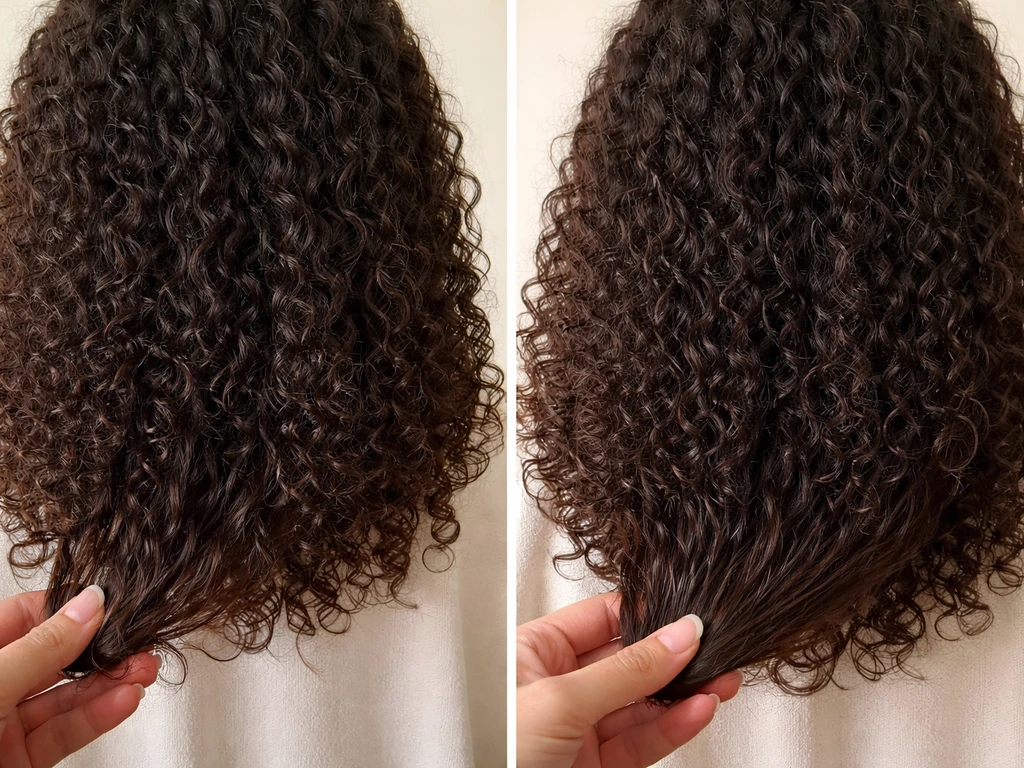
Jay-Z grew his locs around the 4:44 album era, and while he has never released a detailed personal manifesto about it, the evidence points to a mix of personal expression, a deliberate image shift, and the kind of freedom that comes with not caring what a grooming expectation says you should look like. His lyric from 'What's Free', 'My hair free, care-free', is the closest thing to a direct statement, and it lines up with what a lot of Black men describe when they stop cutting and start loc'ing: shedding a performance of respectability for something that feels more authentically theirs.
Why Did Jay-Z Grow Dreads? The Real Reasons and Tips

Simone Okonkwo
19 Jun 2026

What Jay-Z has actually said about his hair
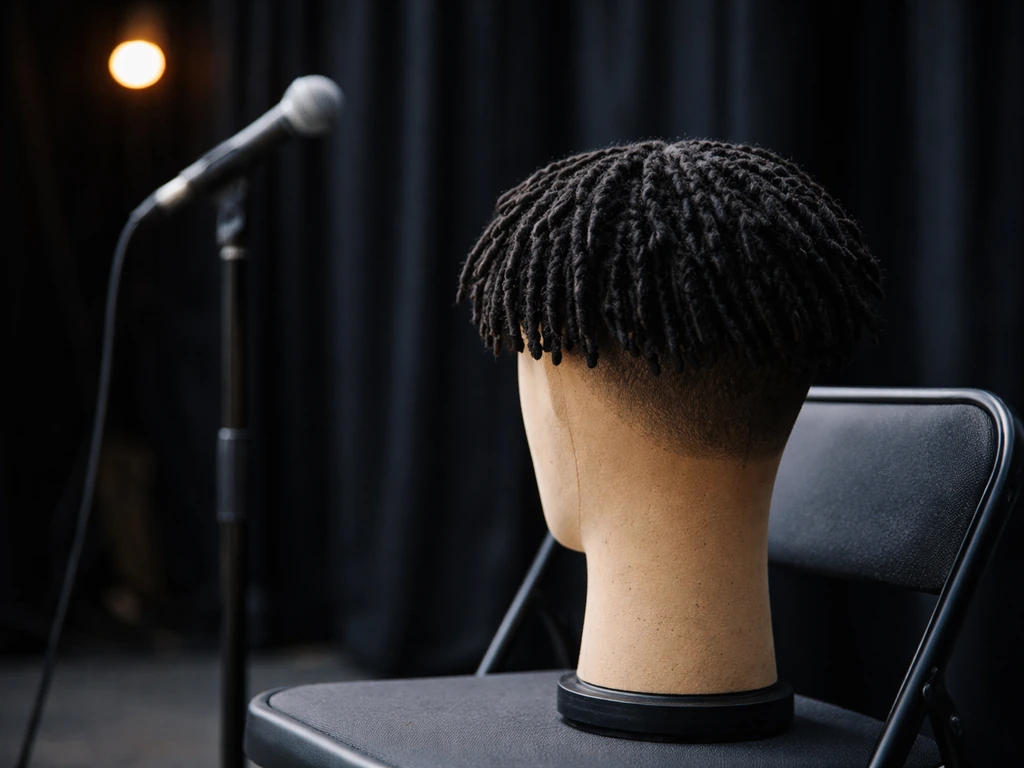
Jay-Z has not sat down and given a long interview explaining his decision to grow locs. What we have is a paper trail of public appearances and one lyric. GQ documented his freeform locs as a signature look tied to major appearances during the 4:44 era, and Cosmopolitan later reported on the professional breakdown of those locs when a loctician spent six days and eight bottles of conditioner combing them out to create his afro for the Roots Picnic. GQ reports that his freeform locs became an iconic signature during his public appearances around the 4:44 album era GQ documented his freeform locs as a signature look tied to major appearances during the 4:44 era. That alone tells you something: his locs were established enough to require that level of work to undo. These were not a casual style experiment.
The 'What's Free' lyric, 'My hair free, care-free… With the hair piece?', is worth taking seriously as a statement. He contrasts 'hair free' with 'hair piece,' which reads as a rejection of manufactured or performed image-making. For someone who spent decades in an industry that demands a highly controlled public face, letting his hair grow on its own terms is a visible, intentional act. Whether it is spiritual, political, or simply personal comfort, the through-line is the same: autonomy over his appearance.
The deeper cultural context: what locs mean for Black men
Locs (or dreadlocks, though many people prefer 'locs' because the 'dread' prefix carries baggage connected to the transatlantic slave trade and colonial fear of African natural hair) have roots in Rastafari and go back even further in various African and South Asian traditions. Britannica notes that their mainstream visibility in American culture grew alongside prominent Black cultural figures wearing them publicly, and Jay-Z's locs fit squarely into that lineage. When one of the most commercially successful artists in American history lets his hair grow naturally and calls it freedom, that signals something beyond grooming.
For Black men specifically, hair is rarely just hair. There is a long history of being told that natural Black hair is unprofessional, untidy, or unacceptable in mainstream spaces. Choosing to loc, especially visibly and without apology, pushes back on that. It also connects to a broader conversation about what health, identity, and self-determination look like on your own terms. So when readers land on this question wondering why Jay-Z made this choice, the honest answer is: it likely meant something to him, even if he keeps what specifically that is to himself.
Do locs actually make your hair grow? Let's be honest here
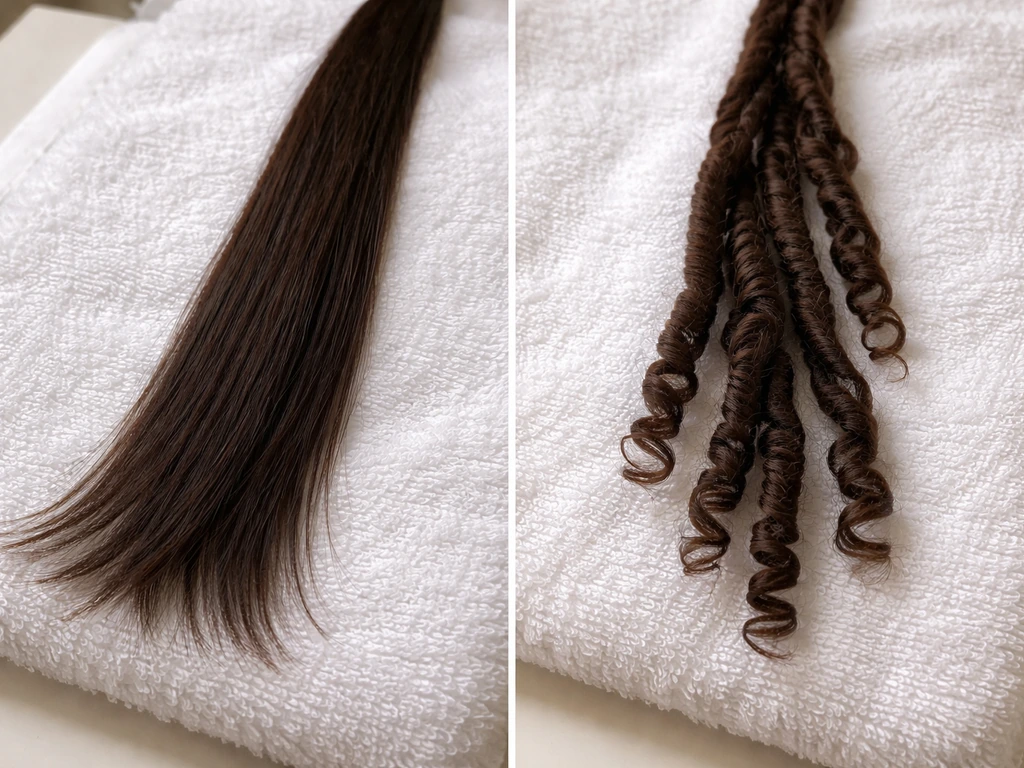
This is where I need to be direct, because this question gets muddled constantly. Locs do not grow your hair faster. Your scalp produces new hair at roughly the same rate regardless of what style you are wearing, typically around half an inch per month for most people, though genetics and health factors shift that number. What locs do, and this matters enormously, is reduce the manipulation and mechanical stress that cause breakage. That is called retention, and it is the actual reason people with locs often see more length over time.
Think about it this way: if your hair grows an inch and breaks off half an inch from brushing, detangling, heat, and friction, you are gaining almost nothing in visible length. Locs, once established, minimize that cycle. The hair is bundled together, protected from daily manipulation, and less exposed to the kinds of mechanical damage that shorten natural hair. The growth is the same; the retention is what changes.
That said, locs are not automatically protective. Poorly maintained locs, particularly ones started or maintained with too much tension, can cause traction alopecia. JAMA Dermatology and StatPearls both define traction alopecia as hair loss caused by prolonged or repetitive tension on the follicle, and it commonly appears at the temples and hairline. Tight locs, especially near the edges, can cause this. So 'I got locs' is not a guarantee of length; how you maintain them is everything. As your dreads grow out, keep tension low, wash and dry properly, and maintain your scalp and roots to protect retention how you maintain them is everything.
The real drivers of hair growth and retention for Black and textured hair
Before diving into the how-to, it helps to know what actually moves the needle on hair health, because these fundamentals apply whether you are growing locs or any other style.
- Scalp health: The follicle lives in your scalp, and a healthy scalp — clean, well-circulated, free of chronic inflammation or buildup — supports consistent hair production. Buildup from products, sebum, or residue can clog follicles and slow things down.
- Breakage reduction: For tightly coiled or kinky hair textures, the curl pattern creates natural weak points along the hair shaft. Minimizing manipulation, especially dry manipulation, reduces the snapping that steals length.
- Moisture and protein balance: Textured hair tends toward dryness because the scalp's natural oils have more distance to travel down a curly or coiled shaft. Dryness leads to brittleness and breakage. Keeping hair moisturized (not just coated) is critical.
- Tension awareness: Styles that pull at the edges, the nape, or the crown consistently are the single most documented cause of preventable hair loss in Black women and men. Chronic tension equals follicular damage over time.
- Nutrition and internal health: Hair is produced from protein (keratin), so diet and overall health contribute. Iron deficiency, low protein intake, and chronic stress are all documented contributors to shedding and thinning.
How to start and maintain locs safely if you want length
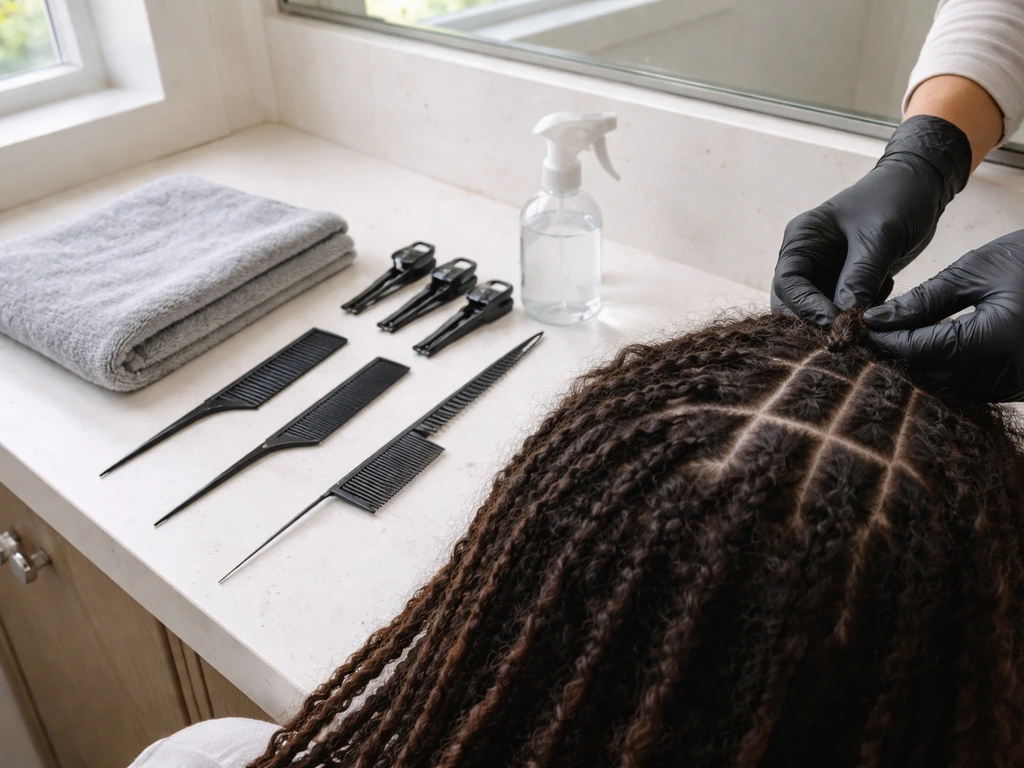
If Jay-Z's look inspired you and you are thinking about starting locs, here is how to do it in a way that actually supports healthy hair and retention rather than setting you up for problems down the line. If you want the best results, follow the steps below for starting and maintaining locs safely for length starting locs.
Step 1: Choose your starting method
The most common starter methods for locs are two-strand twists, comb coils, interlocking, and freeform (just washing and letting hair coil naturally without manipulation). Two-strand twists are popular because they work well with most kinky and coily textures and give some control over loc size. Freeform is the most low-manipulation option and is what Jay-Z's locs appear to have been, organic, unforced, and reflecting the natural movement of his hair. Each method has trade-offs in terms of uniformity, time investment, and how quickly the hair begins to lock.
Step 2: Keep tension low from day one
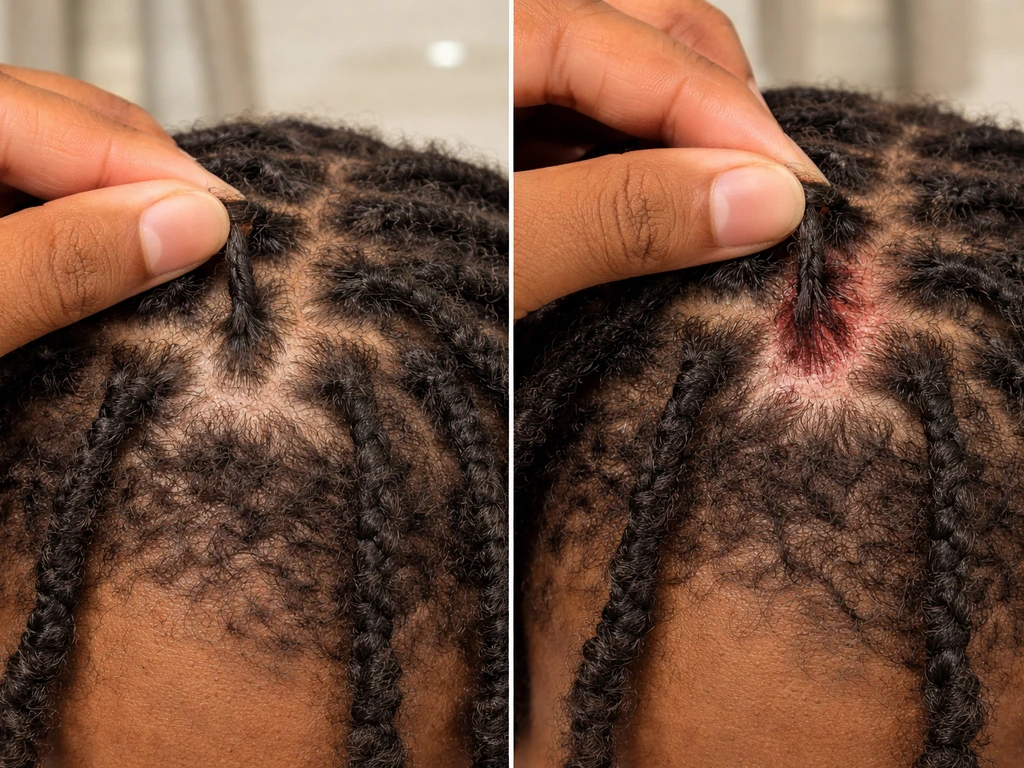
This cannot be overstated. Whether you go to a loctician or do it yourself, starter locs should not pull at your scalp. If you feel tightness at the root or see redness at the hairline after a fresh retwist or interlocking session, that tension is too high. Repeated tension on the same follicles over months is exactly the mechanism that leads to traction alopecia. Loose, consistent maintenance is safer than tight, infrequent sessions.
Step 3: Wash your scalp regularly
One of the biggest mistakes new loc wearers make is avoiding washing because they are afraid of undoing their starter locs. Your scalp still produces sebum and collects debris, and buildup left on the scalp over weeks creates the conditions for irritation, itchiness, and potentially inflammation. Wash every one to two weeks, focus the shampoo on your scalp rather than scrubbing the locs themselves, and rinse thoroughly. Residue left behind causes its own set of problems. After washing, dry your locs completely before tying them up or covering them, undried locs can develop mildew inside the loc itself, which is an odor and health issue.
Step 4: Moisturize the scalp, not just the locs
Use lightweight oils or leave-in sprays targeted at the scalp and the roots of your locs. Heavy butters and waxes are common culprits for buildup inside locs, which is very hard to remove once it accumulates. If you would not want to see the product sitting on your scalp two weeks later, do not put it on your locs.
Step 5: Retwist or interlock at an appropriate interval
How often you retwist depends on your texture and how quickly your new growth loosens. Many people do well on a four-to-six-week schedule. More frequent retwisting on the same new growth means more tension on the same follicles, more often. Less frequent can work if your hair holds well between sessions. Find your rhythm and stick to it, consistency matters more than frequency.
How long it actually takes to see real length in locs
Realistic timelines help, because a lot of people start locs expecting rapid visible length and get frustrated in the early stages. Here is a rough framework based on how locs typically progress.
| Stage | Approximate Timeline | What It Looks Like |
|---|---|---|
| Starter | 0 to 3 months | Freshly formed twists, coils, or free sections — not yet locking |
| Baby / Budding | 3 to 9 months | Hair begins to mat and coil internally; locs feel softer and may unravel at ends |
| Teenage | 9 to 18 months | Locs are locking but may look frizzy or uneven; some shrinkage is common |
| Mature | 18 to 36 months | Locs are fully locked, defined, and showing real length retention |
| Rooted | 36+ months | Locs are dense, long, and fully established |
Two-strand twist locs can take roughly six months to two years to fully lock, and looser curl patterns (like type 3 curls) can take closer to 18 to 24 months because the hair does not coil tightly enough to mat quickly. Tighter coil patterns like 4c tend to lock faster. The budding stage alone can stretch from about six to twelve months depending on your texture, how you maintain, and your individual hair behavior. The main thing to know is that the teenage stage is genuinely awkward and unpredictable, and most people who give up do so right here. Push through it.
Also worth knowing: locs are not permanent. Cosmopolitan's coverage of Jay-Z's afro transformation shows that even well-established locs can be combed out with enough time, conditioner, and a skilled loctician. That might feel irrelevant right now, but knowing that the door is not completely closed makes it easier for some people to commit to starting.
Mistakes that will slow your progress or damage your hair

I see these same issues come up repeatedly, and they are all avoidable once you know what to look for.
- Chronic tension at the edges: Tight starter locs, too-frequent retwists, or sleeping without a satin bonnet or pillowcase all add friction and pull to the most fragile parts of your hairline. This is the most direct path to traction alopecia.
- Skipping washes to 'protect' your locs: Your scalp does not pause its sebum production because you have locs. Buildup causes itching, inflammation, and follicle disruption. Wash on schedule and rinse well.
- Using heavy wax or butter products: These build up inside the loc over time and are nearly impossible to fully remove. They also attract lint and debris. Stick to lightweight oils and water-based moisturizers.
- Not drying locs fully after washing: Moisture trapped inside a loc that does not dry completely can lead to mildew. Air drying works but can take hours; a hooded dryer or diffuser speeds the process, especially in the early stages.
- Over-manipulating during the teenage stage: This is when locs are most fragile and prone to slipping apart. Resist the urge to pull, separate, or restyle them constantly. Let them do their work.
- Ignoring scalp symptoms: Persistent itching, flaking, or soreness are not just inconveniences. They are signals of inflammation, buildup, or tension damage. Address them early rather than pushing through.
- Starting with a method that does not suit your texture: Comb coils that work beautifully for 4c hair may slip out of 3b hair within days. Match your starter method to your actual texture, not just what looks good on someone else.
What Jay-Z's locs can actually teach you about hair health
The reason this question is worth unpacking beyond celebrity curiosity is that Jay-Z's loc journey is a useful case study in how locs work in real life. He wore them through a major creative period, they became a recognized part of his public image, they were established enough to require professional breakdown over six days to undo, and he has publicly tied his hair to ideas of freedom and authenticity. That is not a story about a magic growth formula. It is a story about what happens when you stop fighting your hair and let a low-manipulation protective style do what it is designed to do.
If you are interested in growing length and keeping it, the principles here apply whether you are going full locs, exploring high top locs, or looking into how different textures, including those not typically associated with this style, approach the loc journey. If you are wondering how a white person can grow dreads, the basics are the same: start with a method that fits your curl pattern, keep tension low, and focus on scalp health and low manipulation. The mechanics of retention, tension management, and scalp health are consistent. What changes is the timeline, the starter method, and the maintenance rhythm. Get those right and the length follows.
FAQ
If locs do not make hair grow faster, what should I measure to know I am actually gaining length?
No. Locs do not increase the rate your scalp produces hair. The advantage is retention, less breakage from daily brushing, heat, and friction once the hair is bundled. If you want to estimate your progress, track new growth at the roots and watch for thinning or snap, because tight styles can cancel out retention by causing traction.
How do I know if my locs are getting too tight and risking traction alopecia?
Be extra cautious if you have a sensitive hairline or have ever had thinning at the temples. Start with looser tension, avoid repeated retwisting on the same exact spots, and monitor for redness, tenderness, or shedding at the edges. If you notice progressive thinning, pause new tightening and consult a dermatologist familiar with hair loss.
How often should I wash my locs if I am starting them, and does sweat change the schedule?
Wash frequency depends on scalp oil production and lifestyle, but many people do well every 1 to 2 weeks. If you sweat a lot, use more product, or live in a humid environment, you may need more frequent cleansing. The key is thorough scalp rinsing and fully drying before you cover or tie them up.
What is the biggest mistake after washing locs, and how can I prevent mildew or odor?
Drying is crucial. If locs are not completely dry, moisture can stay trapped inside and lead to persistent odor or scalp issues. Use good airflow, squeeze out excess water gently, and wait until the inside feels dry before you sleep with them styled or covered.
Can I use oil or leave-in products on locs, or will it ruin my progress?
Not necessarily. Heavy butters, waxes, and thick oils can create buildup that irritates the scalp and is hard to remove later. If you do use products, apply sparingly to the scalp and keep the amounts light enough that your hair does not feel tacky or leave residue after a day or two.
Is there a “best” retwist schedule, or should it depend on my hair type?
Retwisting too often is a common problem, especially when new growth is still delicate. Many people do well around every 4 to 6 weeks, but if your curls swell, loosen, or you feel scalp tension, adjust the timing rather than following a calendar. Loose, consistent maintenance is safer than frequent tightening.
Why do my locs look worse before they look better, and how long does the awkward phase usually last?
Yes, especially in the first year. Starter locs can look messy or uneven during the budding stage, and that can be temporary even with good maintenance. When in doubt, prioritize scalp health and minimal manipulation over making them look perfect right away.
Are locs actually permanent, and what happens if I want to take them out later?
Locs can be combed out, but it is labor-intensive and can be uneven depending on how mature the locks are. If you think you might remove them later, keep good records of your starter method and maintain without extreme tightening so the breakage risk is lower during any future comb-out.
How do weather and humidity affect loc locking and day-to-day maintenance?
High humidity usually slows drying, increases frizz, and can make budding stages feel longer. In wet climates, focus on complete drying after wash and be careful with product amounts so buildup does not compound. For tighter coil patterns, the style may swell then stabilize over time.
Next Article
How to Grow Black Women’s Hair: Length and Growth Guide
Step-by-step guide to grow and retain Black women’s hair, boost length via breakage control, and avoid traction damage.