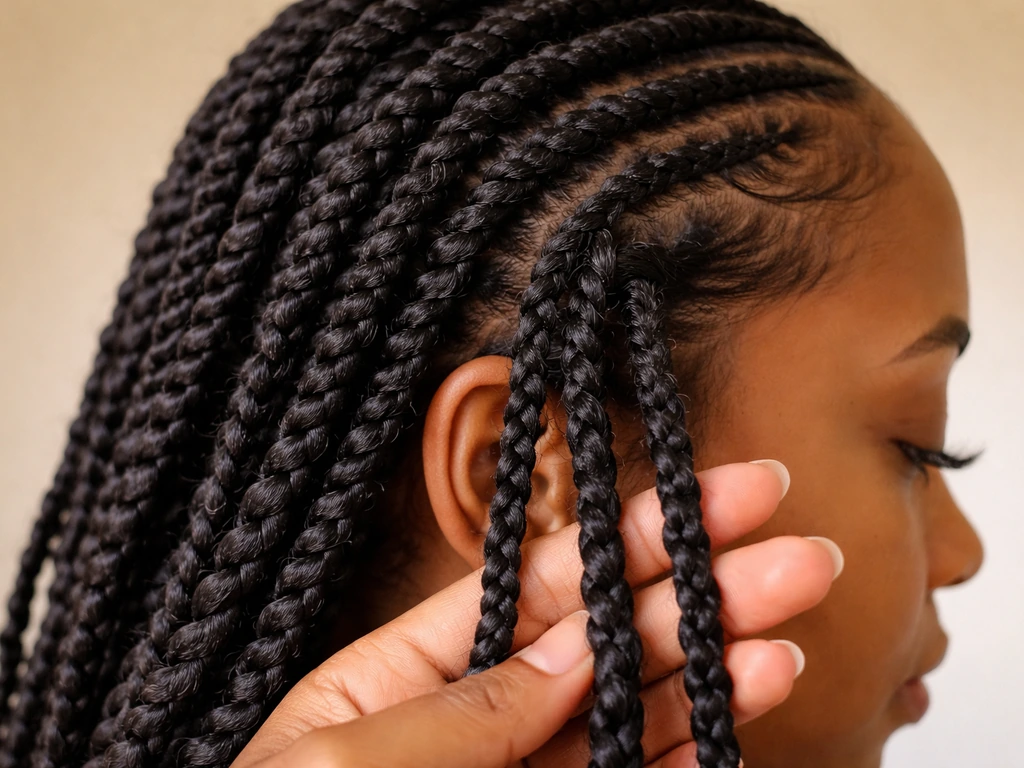
Mini twists don't make your hair grow faster. Your scalp grows hair at roughly the same rate no matter what style you're wearing, averaging about half an inch per month for most people. What mini twists actually do is help you keep more of that growth by reducing the daily manipulation, friction, and breakage that quietly steal your length. That distinction matters a lot, because if you go into mini twists expecting a growth miracle and come out six weeks later without dramatically longer hair, you'll think the style failed you. It didn't. The goal was always retention, not acceleration.
Do Mini Twists Grow Your Hair? Evidence and Safe Tips

Simone Okonkwo
28 May 2026
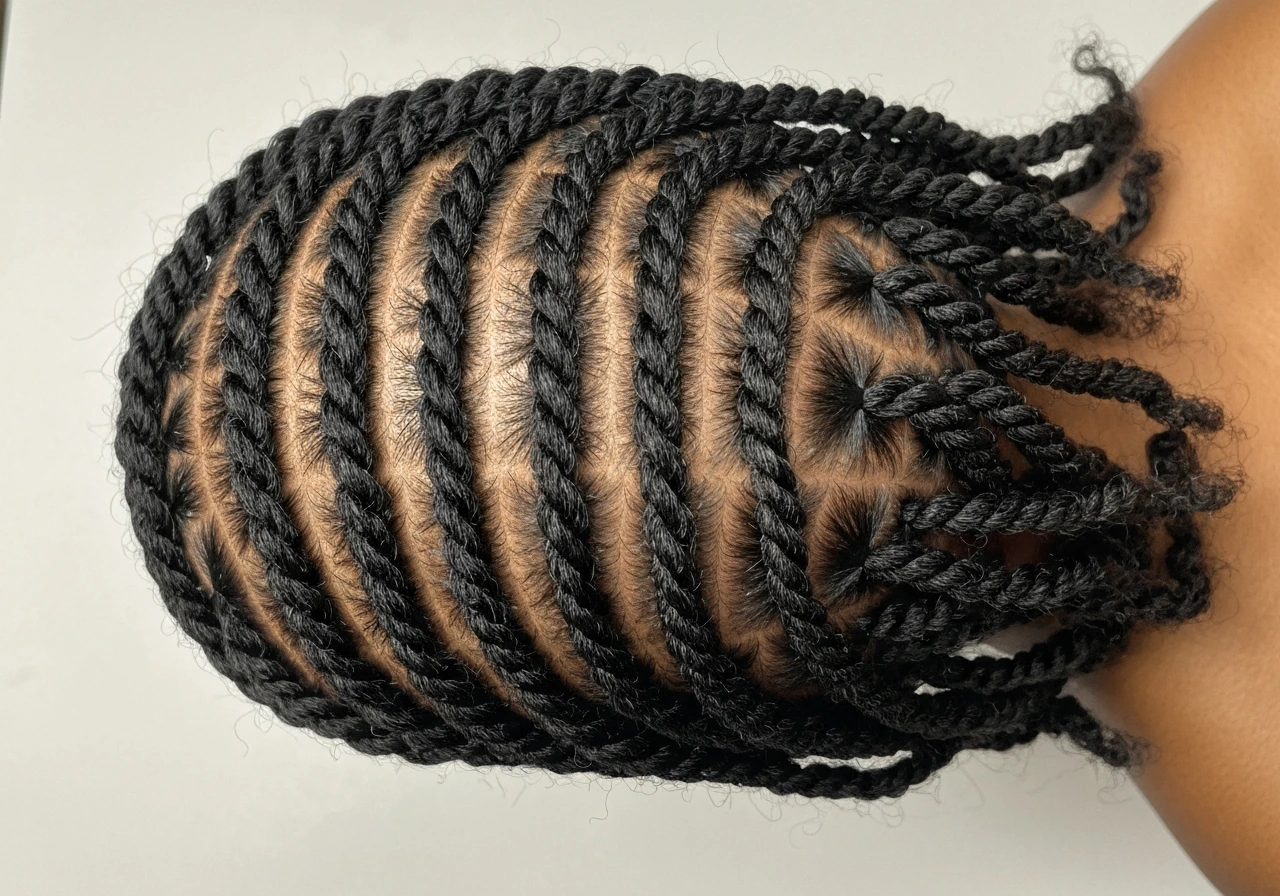
Growth vs. retention: what mini twists actually do
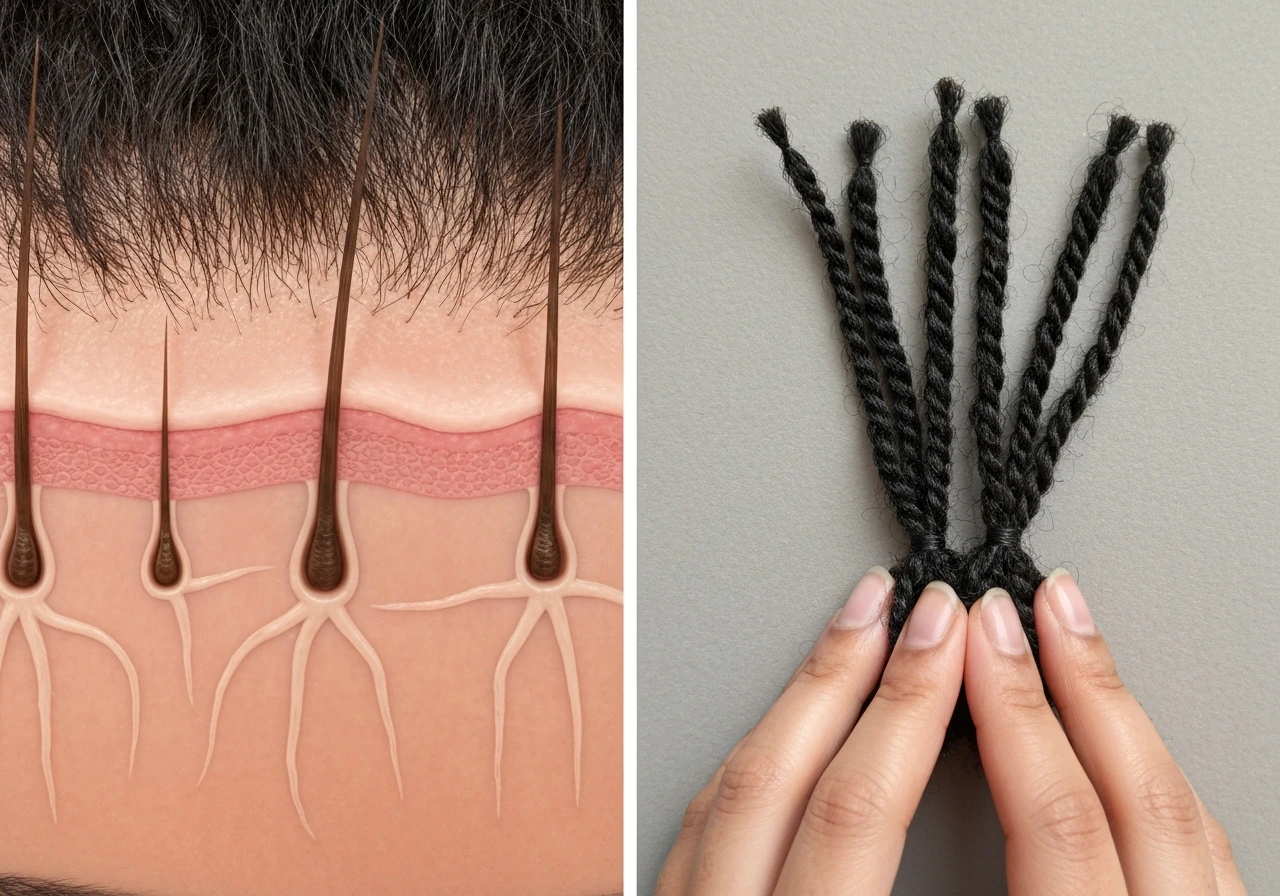
Hair growth happens at the follicle, under your scalp. No hairstyle changes that. What protective styles like mini twists change is how much of that growth survives long enough to show up as length. Textured and coily hair is structurally more vulnerable to breakage than straight hair because the tight curl pattern creates natural stress points along the strand, especially at bends and curves. Every time you comb, brush, re-style, or sleep on loose hair without protection, you risk snapping strands at those points. Mini twists minimize all of that.
When your hair is tucked into small, defined twists, the ends are protected, the strands aren't rubbing against each other or your clothing, and you're not re-detangling every day. That reduced manipulation adds up. Over the course of four to eight weeks in a healthy install, the difference between wearing mini twists versus constantly re-styling loose hair can mean retaining noticeably more length. That's the real benefit, and it's a genuinely meaningful one. But it only works if the install itself isn't creating a different kind of damage.
What changes when you add extensions
Mini twists done with extensions (usually kinky or coily extension hair) are a popular option because they give instant length and fullness, and they can protect your natural hair underneath. If you’re specifically using kinky twist extensions, remember that the visible length is mostly the extensions, while your real hair still grows from your scalp normally kinky twists. But it's important to understand what part of the finished style is actually your hair.
The visible length is mostly extension hair. Your natural hair is the base that those extensions are wrapped around or twisted with. So while you're wearing the style, your real hair is still growing from your scalp at its normal rate. The length you see when you take them out is your natural growth plus whatever it was before the install, not the extension length.
The bigger concern with extensions is weight and tension. More hair at the base means more pulling on the follicle, especially as the twists mature and loosen over time. The American Academy of Dermatology is direct about this: blank" rel="noopener noreferrer">tight styles that put repeated stress on the follicle can cause traction alopecia, and in some cases the hair loss becomes permanent. If your mini twist install with extensions feels tight at the scalp immediately after the style is done, that's a red flag, not something to push through. Pain, tenderness, small bumps, or little white flakes at the root all signal too much tension. Ask for them to be loosened, or take them down.
Extensions also make moisture and scalp access harder. You can't reach your scalp as easily, product can build up at the base faster, and washing becomes more complicated. None of that is a reason to avoid them entirely, but it does mean you have to be more intentional about care when you're wearing them.
The mistakes that stop you from seeing results

Most people who don't see improvement from mini twists aren't wearing the wrong style. They're making one or more of these common errors, often without realizing it.
- Installing too tight: Tension at the root is the single fastest way to undo all the protective benefits. Tight installs cause breakage at the hairline and temples, which are already the most fragile areas. If it hurts when it's fresh, it will damage your hair.
- Going too long without washing: Mini twists are not a wash-free style. Skipping washes for more than three to four weeks allows product buildup and sweat to clog follicles and weaken strands at the root. Clean scalp, healthy growth.
- Neglecting moisture: Twists can create a false sense of security. Because the hair looks neat, it's easy to forget it's still drying out underneath. Dry hair is brittle hair, and brittle hair breaks. If you're not moisturizing and sealing every few days, you're losing length even while wearing a 'protective' style.
- Rough unraveling: How you take mini twists down matters as much as how you put them in. Rushing the removal process, pulling apart dry twists, or detangling without enough slip causes serious breakage. All the length you retained can snap off in the takedown if you're not careful.
- Making the twists too small: Tiny twists put more tension per strand and are harder to keep moisturized. They also take longer to install, which can mean your stylist or you are working each section more aggressively. There's a sweet spot in sizing.
- Ignoring the ends: Ends are the oldest, most fragile part of your hair. If they're not tucked, moisturized, and protected within the twist, they're still at risk for split ends and breakage even while you're in a protective style.
Your hair-growth support plan while wearing mini twists
Think of this as your active maintenance routine. The style does the protective work, but you still have to show up for your hair while it's installed.
Washing
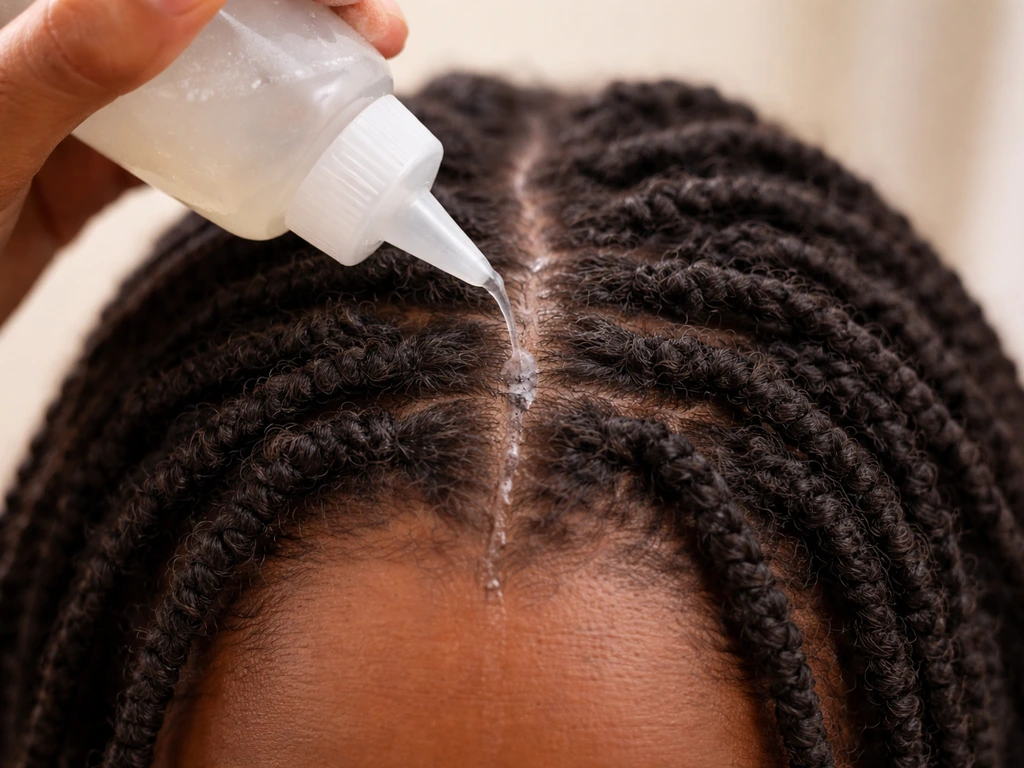
Wash your scalp every two to three weeks at minimum, even with extensions in. Use a diluted shampoo or a scalp-focused cleanser in a squeeze bottle so you can direct the product exactly where you need it without disturbing the twists. Focus on your scalp, not the length of the twists. Rinse thoroughly. Buildup left on the scalp weakens new growth coming in, and neglecting to wash is one of the top reasons people see thinning instead of growth while in protective styles.
Moisturizing and sealing
Every two to three days, lightly mist your twists with water or a water-based leave-in conditioner, then follow with a light oil or butter to seal that moisture in. Lighter oils like jojoba, argan, or sweet almond oil work well for this because they don't cause heavy buildup. Focus especially on the mid-shaft and ends. The LOC or LCO method (liquid, oil, cream, or liquid, cream, oil depending on your hair's porosity) works well here. High porosity hair tends to lose moisture faster, so you'll likely need to moisturize more frequently.
Scalp care
Your scalp deserves attention even between washes. Use a lightweight scalp oil (tea tree, peppermint diluted in a carrier oil, or a dedicated scalp serum) applied directly to your parts two to three times per week. Gently massage it in with your fingertips, not your nails. Scalp massage supports circulation, and a healthy, clean scalp is the foundation of healthy hair growth. If you notice itching, flaking, or tenderness that doesn't resolve within a few days of a wash, take your twists down rather than push through it.
Products to keep on hand
- Diluted clarifying or scalp shampoo in a squeeze bottle
- Lightweight water-based leave-in conditioner
- Light sealing oil (jojoba, argan, or sweet almond)
- Scalp oil or serum for between-wash care
- Wide-tooth comb and detangling spray for takedown day
- Satin or silk scarf or bonnet for nighttime
Realistic timelines and when to adjust or take them out
If you install mini twists with a healthy technique and maintain them consistently, you can realistically expect to keep them in for four to eight weeks depending on your hair type and how quickly your hair sheds and builds up at the base. The American Academy of Dermatology notes that shedding of about 50 to 100 hairs per day can be normal, while shedding above that is different from typical hair shedding how quickly your hair sheds. Fine or looser-textured natural hair may start slipping and looking fuzzy sooner, around four weeks. Thicker, tightly coiled hair often holds a clean install for up to six to eight weeks with proper moisture and scalp care.
At the end of a full wear, you should see the growth that happened during that period, usually half an inch to an inch of new growth from the scalp. Over several consistent installs with good retention, that adds up to noticeable length. The people who see real length gains from mini twists are the ones who treat it as a sustained practice, not a one-time fix. Three to six months of consistent protective styling, healthy scalp care, and minimal manipulation is usually when the results start to look undeniable.
Take your mini twists out earlier than planned if you notice any of the following.
- Persistent scalp pain, tenderness, or bumps that don't resolve after washing
- Visible thinning or breakage at the hairline or temples
- Significant matting or tangling at the roots that feels like it's getting worse
- Severe dryness or brittleness throughout the twists even after moisturizing
- Scalp irritation, persistent itch, or signs of buildup you can't resolve with washing
When it's time to take them down, set aside a full session for it. Work in sections, apply a generous amount of conditioner or detangling oil to each twist before gently unraveling it, and finger-detangle before you ever touch a comb. The takedown is just as important as the install for preserving all the length you worked to protect.
How mini twists compare to other twist styles
Mini twists sit in a middle ground compared to other twist-based styles. Larger two-strand twists are faster to install and easier to moisturize but offer less consistent end protection. Kinky twists with extensions share many of the same retention benefits and risks as mini twists with extensions. The retention and growth-support principles are essentially the same across all twist styles: low tension, consistent moisture, clean scalp, and careful takedown. The size and weight of the style affects how much tension is placed on the follicle and how easy maintenance is, but no twist style makes hair grow faster than another. It always comes back to how well you protect what's already growing.
| Style | Ease of moisture access | Tension risk | Typical wear time | Best for |
|---|---|---|---|---|
| Mini twists (no extensions) | Moderate | Low to moderate | 4–6 weeks | Fine to medium natural hair, easy maintenance |
| Mini twists (with extensions) | Harder | Moderate to high | 4–8 weeks | Fuller look, length camouflage, needs more care |
| Large two-strand twists | Easy | Low | 2–4 weeks | Beginners, quick styles, high shrinkage hair |
| Kinky twists (extensions) | Harder | Moderate to high | 4–8 weeks | Similar to mini twists with extensions |
The bottom line is that mini twists are a genuinely effective tool for length retention when they're done well and maintained properly. They won't speed up your biology, but they can absolutely make the growth you're already producing visible over time. Do twists grow your hair? They do not make your follicles produce faster growth, but they can help more of your existing growth stay long enough to show as length. Do them with low tension, keep your scalp clean, moisturize consistently, and take them down gently. That's the whole game.
FAQ
How long should I wear mini twists before I expect to notice growth, and what’s a normal amount?
A common window is 4 to 8 weeks, with many people seeing about half an inch to an inch of new growth from the scalp. If you measure, compare from the same reference point each time (like from root to end on a consistently parted section), because frizz at the ends can make hair look longer or shorter than it really is.
Will mini twists help if my hair is thinning or shedding, or could they hide a problem?
They can improve retention, but they do not fix underlying shedding causes. If you have persistent shedding, scalp pain, heavy itching, or patchy thinning that doesn’t calm after cleansing, take the twists down and reassess your routine or consult a professional, because tension, buildup, or inflammation can worsen the situation.
Do mini twists work better for my hair type, or are they a one-size-fits-all style?
They can work for most hair textures, but maintenance needs change. Tighter coils often hold installs longer, while looser hair can start looking fuzzy sooner around the 4-week mark. If your twists start slipping early, you may need a tighter base, smaller sections, or a different duration target.
If my ends are still breaking during mini twists, what part of my routine should I change first?
Start with moisturization and sealing at the ends. Lightly mist with water or a water-based leave-in, then seal with a lighter oil or butter, focusing on mid-shaft to ends. Also avoid daily re-twisting or combing through the twists, because that increases snagging at bends and curves.
Can I wash my scalp without ruining the mini twists?
Yes, by directing product to your scalp and using minimal disturbance. Use a squeeze bottle for diluted shampoo or a scalp cleanser, rinse thoroughly, and let the twists dry completely to prevent odor or scalp irritation. If you notice dampness lingering at the roots, extend drying time before covering your hair again.
How often should I re-moisturize while my mini twists are in, especially if I have high porosity hair?
For many people, every 2 to 3 days is enough, but high porosity hair often needs more frequent moisture because it loses water faster. If your twists feel dry, stiff, or shrink quickly after misting, switch to a slightly more frequent schedule and keep the sealant light to reduce buildup.
Are there signs my mini twists are too tight, even if they look neat?
Yes. Watch for scalp tenderness, small bumps, persistent itching, white flakes at the root that increase over time, or headaches that start after installation. If any of these show up and don’t ease within a few days, loosen the style or take it down early, because pushing through can increase traction risk.
If I’m using kinky twist extensions, how can I tell whether the weight is an issue for my scalp?
After a day or two, pay attention to how the base feels when you move your head. If you feel constant pulling, tenderness around your parts, or you see rapid fuzzing and scalp buildup, the install may be too heavy or too tight. A better approach is to request gentler tension and ensure the base isn’t overstuffed.
What’s the biggest mistake that makes mini twists seem like they don’t grow hair?
Treating them as a “growth hack” instead of a retention strategy. People often expect longer hair quickly, but results mostly reflect keeping existing growth intact. The fastest way to improve outcomes is consistency, low tension, clean scalp, and careful takedown rather than changing only the twist style.
How should I take mini twists down so I don’t lose the length I protected?
Do it in sections with conditioner or detangling oil applied generously, then finger-detangle before using a comb. Going from twist to comb too quickly can cause tangles to snap off, especially at the ends. Plan a full session, since rushing usually costs the most length.
Can I wear mini twists for longer than 8 weeks safely?
Sometimes, but it depends on how fast your scalp builds up and how the base holds tension as the weeks pass. If you’re still comfortable, not experiencing itching or tenderness, and your scalp is staying clean, you might stretch it, but if the roots start to loosen and tug, take them down. Longer isn’t automatically better if it increases traction.
Do smaller mini twists always mean better retention?
Smaller can improve end protection, but they also increase installation time and the density that can raise weight and buildup risk. If your scalp gets irritated sooner with smaller twists, you may get better retention by using a slightly larger size that you can maintain cleanly and comfortably.
Next Article
Do Twists Grow Your Hair Faster? Evidence and Tips
Twists do not speed hair growth, but protect strands to boost length retention. Learn tension, timing, and takedown tips