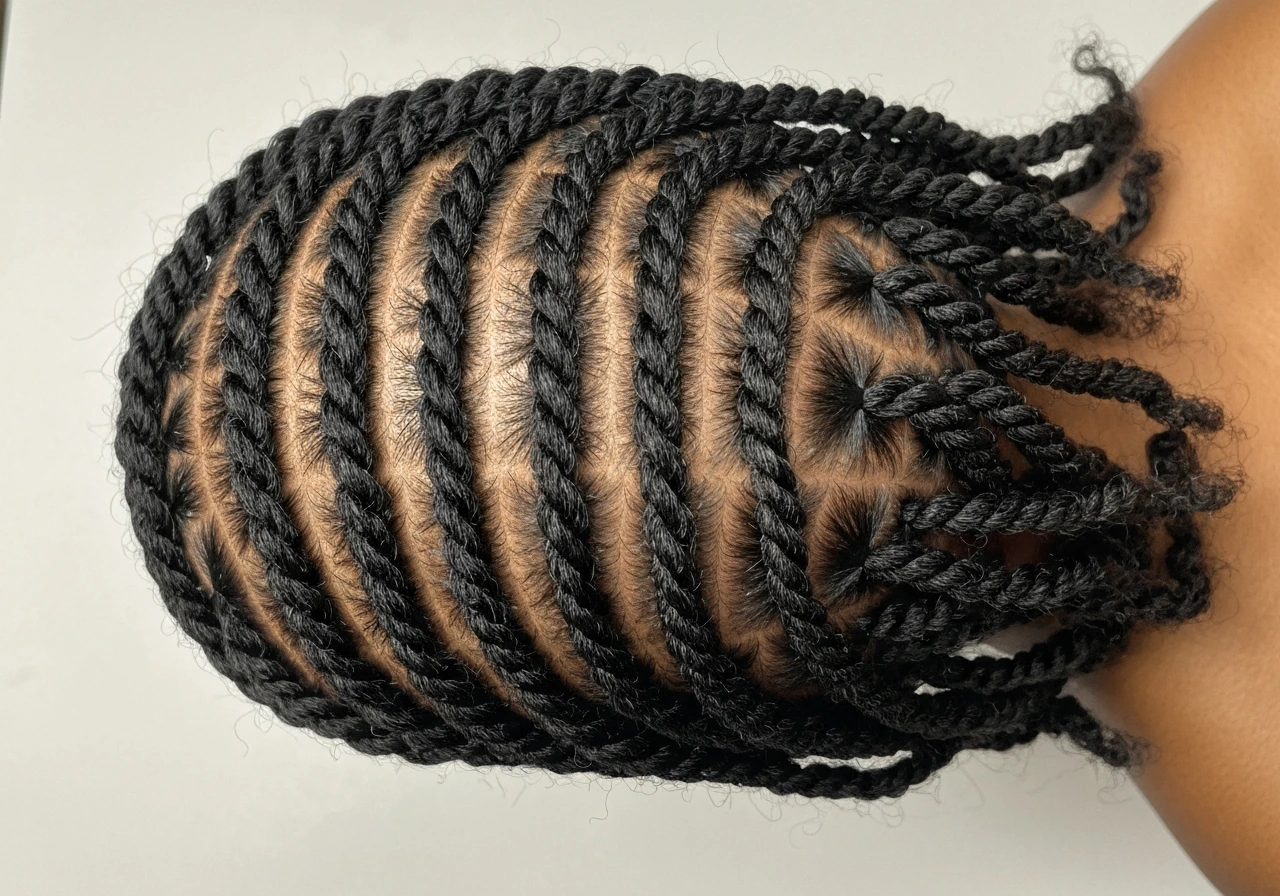
Mini twists do not grow your hair from the scalp. Your follicles do that on their own, at roughly half an inch per month regardless of what style you're wearing. What mini twists can do is help you keep the length you're already growing by reducing daily manipulation, friction, and breakage. That distinction matters a lot, because if you go in expecting a style to speed up growth, you'll be disappointed. But if you go in knowing that retention is the goal, mini twists are genuinely one of the better tools for natural hair.
Does Mini Twist Grow Natural Hair? Realistic Results

Simone Okonkwo
27 Jun 2026
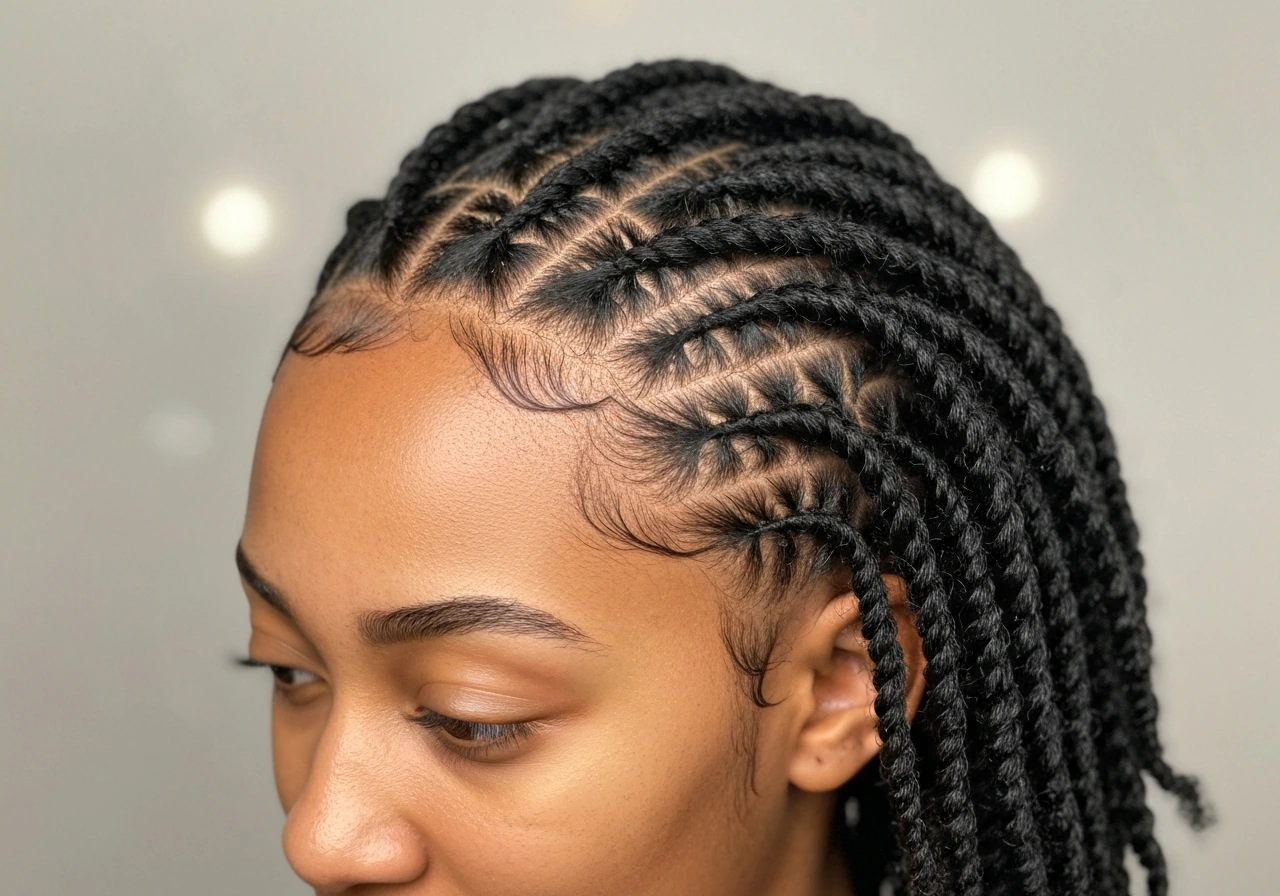
Quick yes/no: do mini twists make hair grow
No, mini twists do not make your hair grow faster. Hair growth is a biological process that happens at the follicle level, driven by genetics, hormones, scalp health, and nutrition. No hairstyle changes that. What mini twists can do is dramatically reduce the amount of length you lose to breakage, which makes it look and feel like your hair grew more while in the style. That appearance of growth is real and meaningful, it just comes from the retention side of the equation, not the growth side.
So the honest answer is: install them correctly, keep them moisturized, take them down gently, and you will likely see more length over time. Skip any of those steps and mini twists can actually damage your hair. The style is a vehicle, not a magic solution.
Growth vs retention: what changes you'll actually see
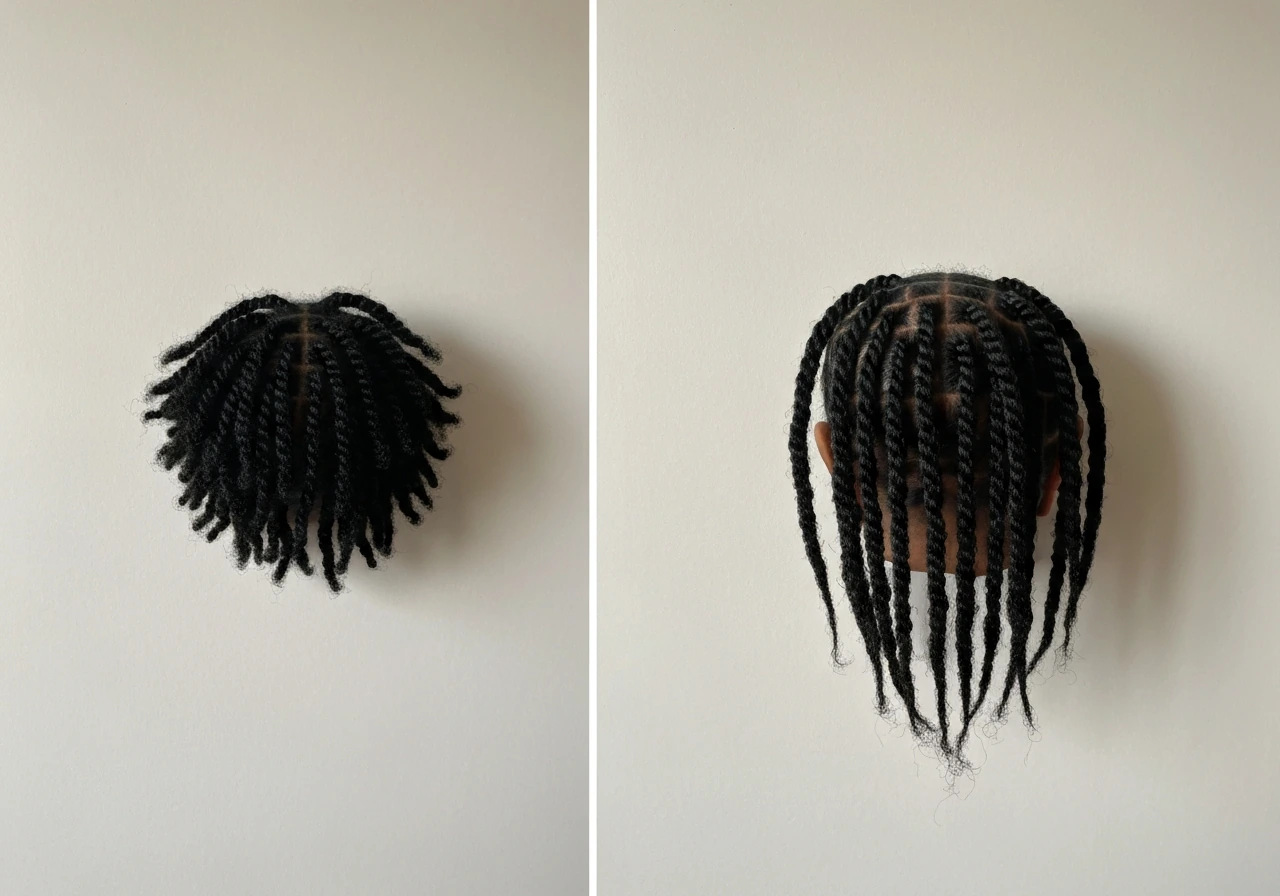
This is the part that trips people up most. When someone says 'mini twists grew my hair,' they usually mean one of two things: they saw length they hadn't seen before, or their hair felt thicker and fuller after takedown. If you want results like that, make sure you pair your twist routine with consistent moisture and gentle handling to improve retention mini twists grew my hair. Both of those outcomes are real, but they come from retention, not accelerated growth.
Here's why that matters in practice. If your natural hair grows half an inch per month but you're losing nearly that much to breakage, dryness, and manipulation, you'll see almost no length gain over several months. Put that same hair in mini twists with a solid moisture routine, and you reduce the breakage significantly. Now you're retaining most of what grows. Over three months, that could mean an inch and a half of visible new length instead of nearly nothing. Do mini twists grow your hair, or is it mostly retention that makes the length show up? The follicles were doing the same work the whole time.
What actually changes with protective styling is the environment around your strands. Less combing means fewer split ends and snapped pieces. Less exposure to friction from clothing and pillowcases means less cuticle damage. Ends are tucked away or contained, which is where most breakage happens. The growth rate stays constant. The retention rate goes up.
How mini twists can help (and what really reduces breakage)
Mini twists have a real advantage over larger twists when it comes to versatility and gentle tension. Because they're smaller sections, they distribute weight more evenly across the scalp and are less likely to pull heavily at any single point. They also allow you to moisturize in sections without fully detangling or re-styling, which is a huge advantage for keeping natural hair hydrated between wash days.
The main ways mini twists support retention come down to a few practical mechanisms. First, they reduce daily manipulation dramatically. You're not picking through tangles every morning or detangling in the shower multiple times a week. Second, they keep your ends contained and protected from environmental damage. Third, they allow moisture to be sealed in consistently without disturbing the hair's structure.
- Less daily manipulation means fewer mechanical breakage points
- Ends are protected and less exposed to friction and dryness
- Moisture can be applied regularly without full detangling sessions
- Scalp stays accessible for oiling and washing without disturbing the style
- Twist pattern can help preserve curl definition during and after takedown
The real breakage reducers are moisture and gentle handling, not the style itself. Mini twists just create a framework that makes both of those easier to maintain consistently. If you install them and then do nothing for six weeks, you'll undo most of the benefit.
Risk factors: tension, scalp health, dryness, and traction
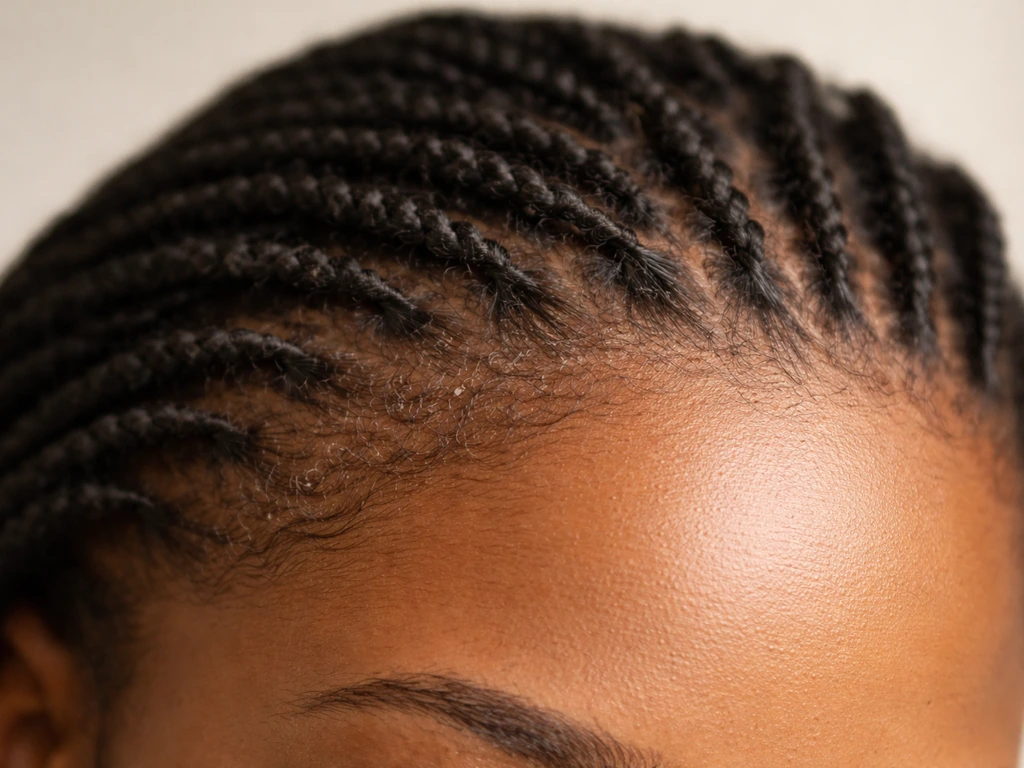
Mini twists get a reputation as a low-risk style, and compared to tightly pulled cornrows or heavy box braids, they are. But they still carry real risks if you're not paying attention. The biggest one is traction, especially at the hairline and edges.
The American Academy of Dermatology has been clear on this: if your hairstyle causes pain, it's too tight. If your hairstyle causes pain, the American Academy of Dermatology notes that it is too tight and can contribute to traction-related hair loss blank" rel="noopener noreferrer">if your hairstyle causes pain, it's too tight.. That sounds obvious, but a lot of people dismiss scalp soreness as normal after installation. It's not normal, it's a warning sign. blank" rel="noopener noreferrer">Traction alopecia is hair loss caused by repeated or prolonged tension on the follicle, and the hairline is almost always the first place it shows up because those hairs are finer and more vulnerable. Early signs include redness around follicles, hair breakage along the edges, and a gradual thinning of the hairline. Caught early, traction alopecia is reversible. Left alone, it can progress to permanent scarring of the follicle.
Dryness is the other major risk. Natural hair, especially tightly coiled textures, loses moisture faster than straighter hair types because the curl pattern makes it harder for sebum to travel down the shaft. When hair inside twists dries out and becomes brittle, it snaps, usually mid-shaft or at the ends. That's the opposite of retention. Neglecting moisture inside a protective style is one of the most common ways people end up with more damage, not less.
Buildup is worth mentioning too. Heavy products, sweat, and shed hair accumulate on the scalp over weeks and can create an environment for irritation, itching, and even fungal issues. A buildup-heavy scalp also affects follicle health, which is where growth actually happens. Ignoring this in the name of 'keeping the style fresh' costs you more than a wash day would.
How to install and maintain mini twists for hair retention
Installation tips that protect your hair
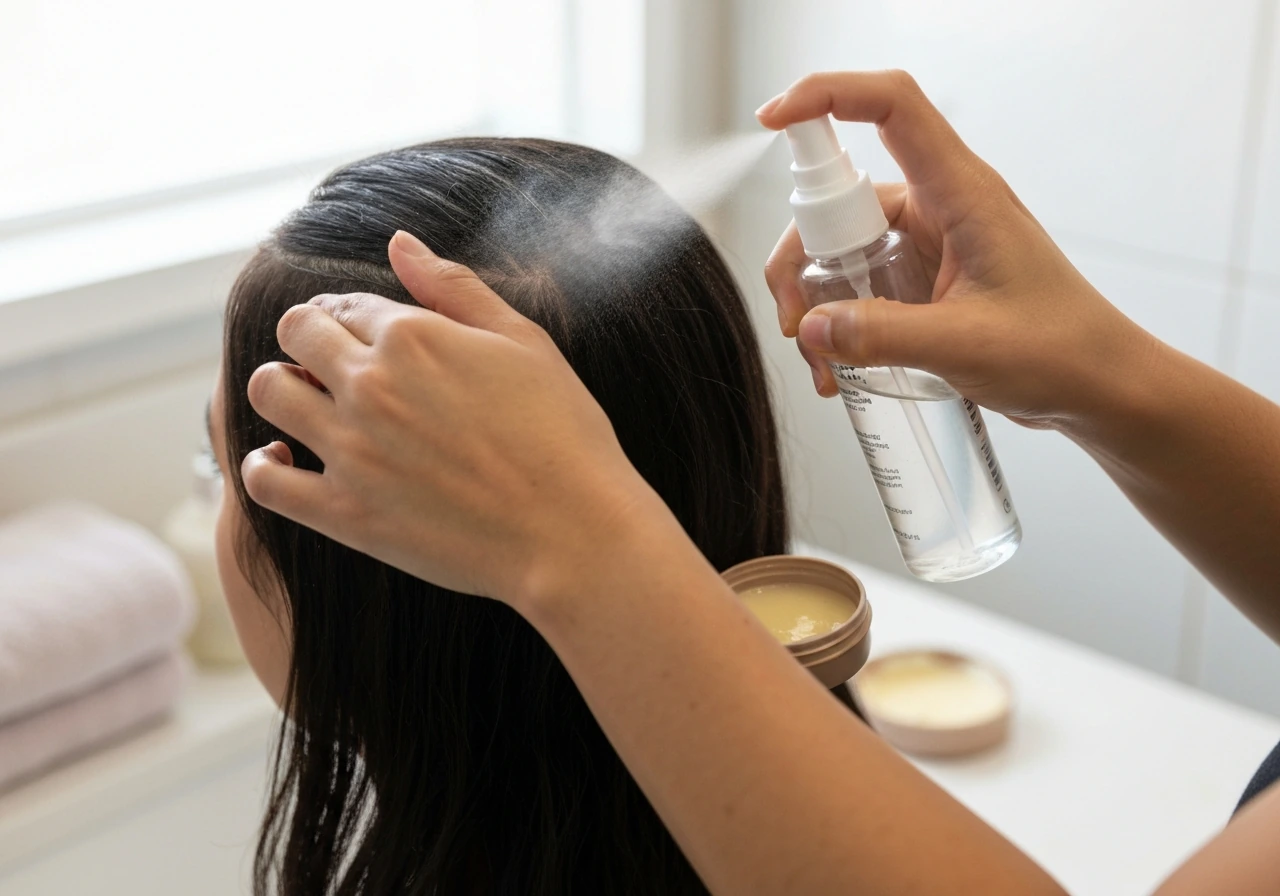
- Start on freshly washed, detangled, and deeply conditioned hair. Trying to install on dry or previously manipulated hair increases breakage before you've even started.
- Work in small sections and keep tension at the root light. Your fingers should be able to move easily along your scalp. If you feel pulling, loosen the section.
- Do not twist too tightly, especially near the edges and nape. These are the most vulnerable areas for traction damage.
- Use a light holding product that keeps the twist together without stiffening the hair. Heavy butters can cause buildup; a light cream or gel works better for most textures.
- Avoid twisting extremely short or freshly trimmed ends too tightly, as they're more prone to unraveling and to breakage when forced into a tight pattern.
- Keep edge tension minimal. If you're pulling your hairline to get a cleaner look, it's already too tight.
Maintenance routine while the style is in
Moisturizing every two to three days is realistic for most natural hair textures. Use a water-based leave-in first, then seal with a light oil or butter. You don't need to saturate the twists, just work through them in sections and focus on the length and ends. For the scalp, a lightweight oil like jojoba or sweet almond applied directly to the parts helps prevent dryness without heavy buildup.
Washing the scalp while in mini twists is possible and recommended every one to two weeks. Use a diluted shampoo or a co-wash applied directly to the scalp with a squeeze bottle or applicator tip. Rinse thoroughly, squeeze excess water out gently, and let twists air dry or use a hooded dryer on low. Skipping washes entirely for the whole duration of the style increases buildup and scalp irritation.
At night, use a satin or silk bonnet or pillowcase. This reduces friction and moisture loss while you sleep and extends the life of the style without adding stress to the hair.
How long to keep them + how to take them down safely
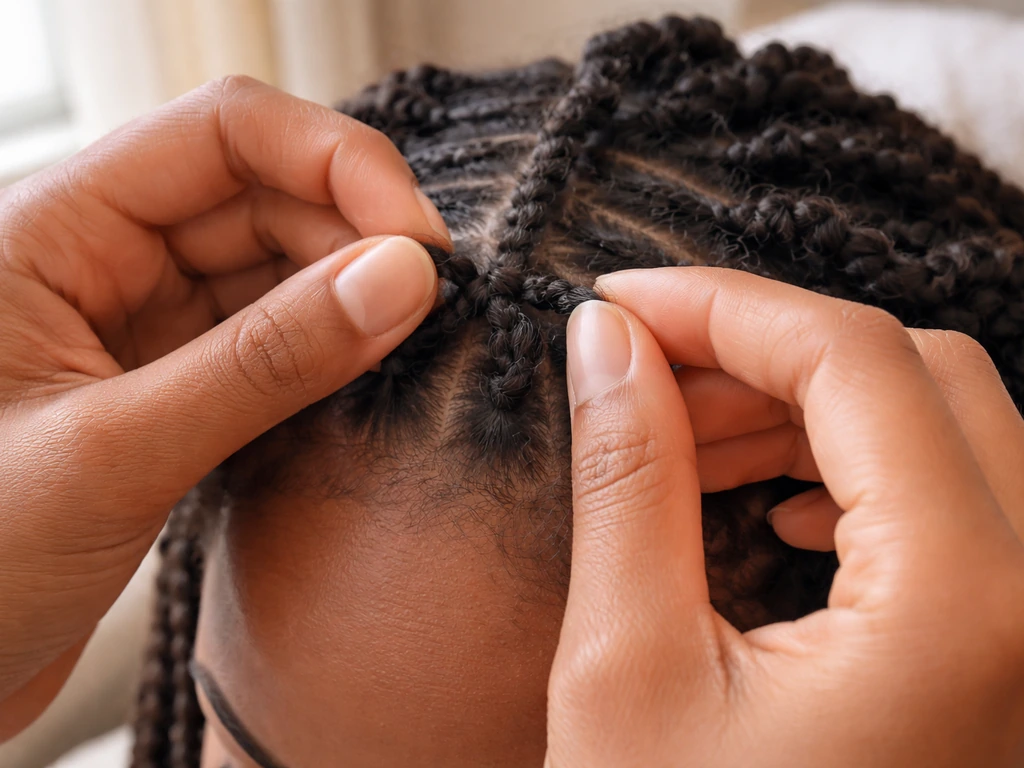
Four to six weeks is the general sweet spot for mini twists. You can push to eight weeks if the style still looks clean, your scalp feels healthy, and you've been maintaining moisture and doing light wash days. Beyond eight weeks, you're more likely dealing with significant matting, excessive shed hair tangled in the twists, and product buildup that makes takedown harder and more damaging.
Takedown is where a lot of people accidentally undo months of retention work. Rushing through it or pulling out twists without proper preparation causes serious breakage. Here's a process that minimizes damage:
- Apply a generous amount of a slippery conditioner or detangling oil to each twist before unraveling it. This softens the hair and reduces friction.
- Unravel each twist slowly and finger-detangle from the bottom up before moving to a wide-tooth comb.
- Do not try to rush through several twists at once. Work section by section.
- Once all twists are unraveled, do a full clarifying wash to remove product buildup, followed by a deep conditioning treatment.
- Detangle again after the deep conditioner while hair is still saturated and slippery.
- Give your scalp and hairline a break of at least one to two weeks before reinstalling the same style.
Troubleshooting: itch, buildup, thinning at the edges, and breakage signs
| Problem | Likely Cause | What to Do |
|---|---|---|
| Persistent scalp itch | Product buildup or dry scalp | Diluted shampoo wash at the scalp; switch to lighter products |
| Flaking and white residue | Buildup from heavy products or dandruff | Clarifying wash; switch to water-based moisturizers |
| Thinning or receding at edges | Too much tension at the hairline | Take the style down immediately; rest edges for 2–4 weeks; see a dermatologist if it persists |
| Pain or scalp soreness after installation | Twists installed too tightly | Loosen or remove immediately; pain is a traction warning sign |
| Breakage at mid-shaft when taking down | Hair dried out inside twists | Increase moisture frequency during wear; use more conditioner at takedown |
| Matting or excessive tangling on removal | Kept style in too long or shed hair not addressed | Remove earlier next time; use a detangling oil generously before takedown |
Thinning at the edges deserves special attention because it's the most serious issue on that list. If you notice your hairline looking thinner, sparser, or further back than it was before a style, that's a sign of traction damage. Dermatology research is clear that early-stage traction alopecia can reverse if you catch it and reduce tension, but it can progress to permanent follicle scarring if the traction continues. Don't wait to see if it 'grows back on its own' while continuing the same tight styles.
Best next steps: building a natural-hair growth routine with/without twists
If you want to use mini twists as part of a real retention-focused growth plan, the style itself is just one piece. The actual growth work happens at the scalp level through nutrition, low-stress living, and keeping your scalp environment healthy. The retention work happens through protective styling, consistent moisture, gentle handling, and smart takedowns.
A realistic routine looks something like this: wear mini twists for four to six weeks with moisture applied every two to three days and a light scalp wash every one to two weeks. Take them down with a conditioner-heavy detangling session. Follow with a deep conditioning treatment and give your hair one to two weeks loose before reinstalling. During loose weeks, focus on deep conditioning, protein treatments if your hair feels weak, and protective styling that doesn't require tight tension, like loose buns or pineapple styles.
For people with finer edges or higher density hair, the tension risk is real enough that you might get better results alternating mini twists with other low-manipulation styles rather than using them back to back. Two-strand twists in slightly larger sections have a similar retention benefit with even less root tension, and kinky twist styles with extensions can give you the length and versatility of a protective style without manipulating your natural hair as intensely.
Pay attention to your hair's response over time. If you consistently see edge thinning, breakage at the root, or scalp irritation after wearing mini twists, that's data worth acting on. The goal is retaining healthy hair, not preserving a specific style. Any style that causes recurring damage is not a protective style for your particular hair, regardless of what it's called.
- Moisturize every 2–3 days inside the style; don't skip it because the hair is 'put away'
- Wash your scalp every 1–2 weeks even while the style is in
- Keep installation tension light, especially at the hairline and nape
- Take the style down at 4–6 weeks maximum under normal conditions
- Always detangle with conditioner before and after the style, not dry
- Give your hair rest time between installs
- Watch your edges every week and act immediately if you see thinning
- Back up mini twists with a solid nutrition and scalp health routine
Mini twists are a genuinely useful tool for natural hair retention when they're done right. They're not a shortcut to longer hair, but they create the right conditions for you to keep what your follicles are already producing. Combine them with good moisture habits, realistic expectations, and a gentle takedown process, and they can make a real and visible difference in your length over time.
FAQ
If I want growth, how do I know mini twists are working for me (retention) and not just hiding breakage?
Track your hair at the same spots every month (for example, measure from a consistent landmark like your brow or jawline down to the same point on the twist). Also watch for shed length, if you see lots of “short” pieces during takedown or your edges feel rough and thinner right after removal, that suggests breakage is still happening.
Can mini twists help with shrinking or stretching my hair texture, and does that count as growth?
They can make hair look longer because twists stretch the curl pattern, but the actual strand length from follicles does not change. If your hair springs back to its usual shrinkage once the twists come down, that length increase was mostly temporary styling or reduced friction, not new growth.
How tight should mini twists be to avoid traction, especially at the hairline?
Use the pain rule as a guide: if installation or wear causes soreness that lingers, the tension is too high. Aim for secure, not pulled, and check the hairline daily for redness, itching focused on the roots, or new baby hairs turning into short snapped pieces.
What’s the safest way to moisturize mini twists without causing buildup or itch?
Moisturize the lengths in sections, using a water-based leave-in and sealing lightly, then keep product off the scalp except for a small amount of lightweight oil on the part lines. If your scalp feels coated, smells different, or you see thick flakes at takedown, reduce product amount and switch to lighter formulas.
Do mini twists work better on certain natural hair textures or thicknesses?
They often work best as retention styles on hair that is already prone to tangling and breakage, but finer edges can be more vulnerable to root tension. If you have fine hair or lower density at the hairline, consider slightly larger sections, looser installation, and not wearing them back to back.
How often should I wash and what if my scalp gets itchy quickly?
Plan on washing the scalp every 1 to 2 weeks while the twists are in, using diluted shampoo or a co-wash applied directly to the scalp. If itch starts within a week, you likely need a lighter product regimen, more thorough rinsing, or shorter wear time, not longer neglect.
Is it okay to use gel, mousse, or heavy creams in mini twists?
You can use styling products, but avoid heavy, long-lasting buildup near the roots. If you want definition or frizz control, use small amounts on the twist surface only, and schedule a clarifying or deeper cleanse before takedown if you notice product residue.
How do I prevent matting and big tangles so takedown does not undo my retention?
Before removing, fully saturate with conditioner, then unravel gradually starting at the ends and work upward. Detangle with your fingers, not a hard pull, and expect to do extra time at the crown and nape where twists clump together most.
Can mini twists cause hair loss even if they do not hurt?
Yes. Some people get irritation or follicle stress from buildup, excessive moisture imbalance, or tension that feels “just snug” rather than painful. If you notice edge thinning, more breakage at the root, or a persistent increase in shedding after takedown, discontinue the style and reassess tension and scalp routine.
How long should I wear mini twists for the best balance of retention and scalp health?
A common sweet spot is 4 to 6 weeks. If you see scalp irritation, increased itch, or the twists start to look fuzzy and clumped, that’s your cue to take them down even if you’re earlier than 6 weeks.
What should I do after takedown to keep the retained length?
Do a conditioner-heavy detangle, then follow with deep conditioning. For 1 to 2 weeks after removal, focus on strengthening if your hair feels weak (many people benefit from a protein treatment if they notice mushiness or excessive shed), and protect your ends with low-tension styles.
Next Article
Do Mini Twists Grow Your Hair? Evidence and Safe Tips
Learn if mini twists truly grow hair or mainly improve length retention, plus safe, low-tension tips and timelines.