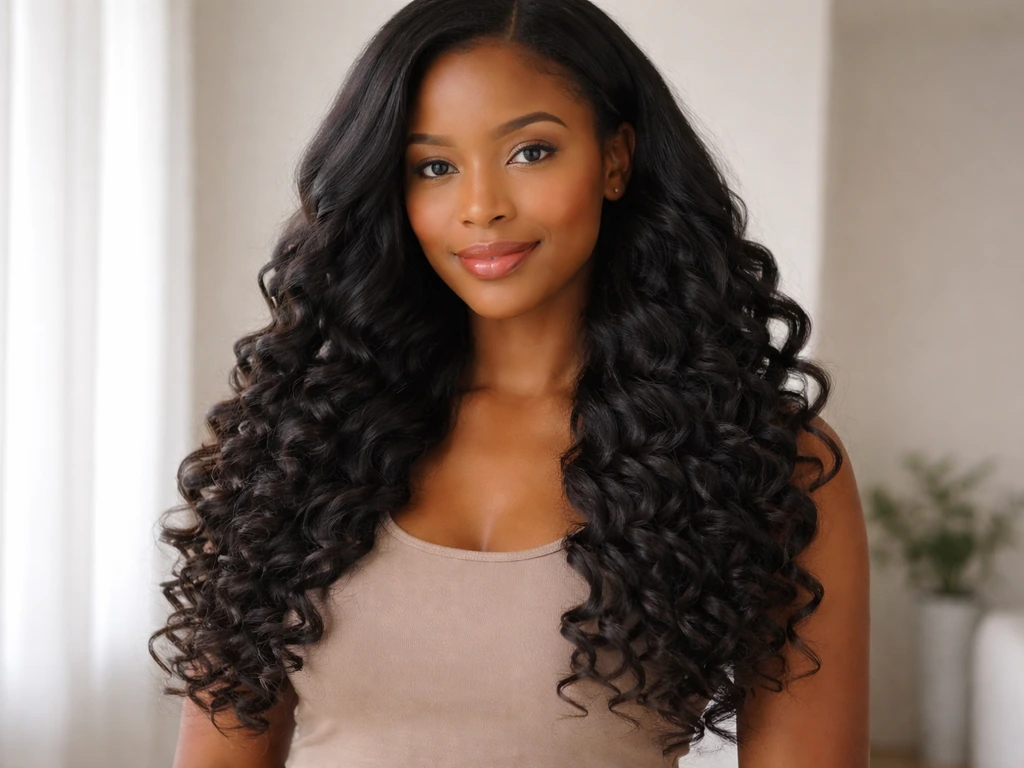
Black women's hair does grow. The follicles are active, the scalp is producing new hair every single month, and the biology is essentially the same as anyone else's: blank" rel="noopener noreferrer">roughly 1 centimeter of new growth per month during the active growth phase. The real problem, almost every time, is not that hair isn't growing. It's that hair is breaking off at roughly the same rate it's coming in, so length never accumulates. That's a retention problem, not a growth problem, and those two things need completely different fixes. Yes, can black people grow long hair depends less on whether hair grows and more on retention. Even so, the key question behind whether can black women's hair grow long is how well length is retained after new growth comes in.
Why Black Women’s Hair Doesn’t Seem to Grow and How to Fix It

Hair growth basics for Black and textured hair
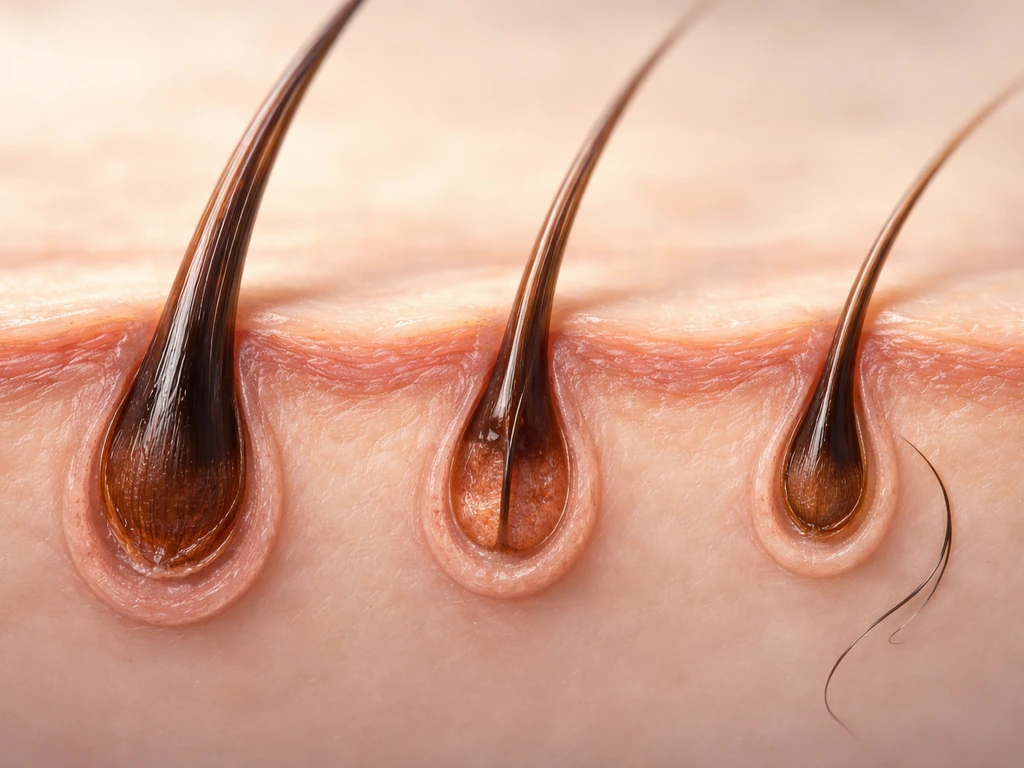
Every strand on your head goes through a cycle: anagen (active growth), catagen (transition), and telogen (rest and shedding). During anagen, the follicle is producing new hair at roughly 1 cm per month. That phase lasts anywhere from 2 to 6 years depending on genetics, and that duration is what determines your maximum potential length before the follicle rests and the strand sheds naturally. After shedding, the follicle regenerates and starts the cycle again.
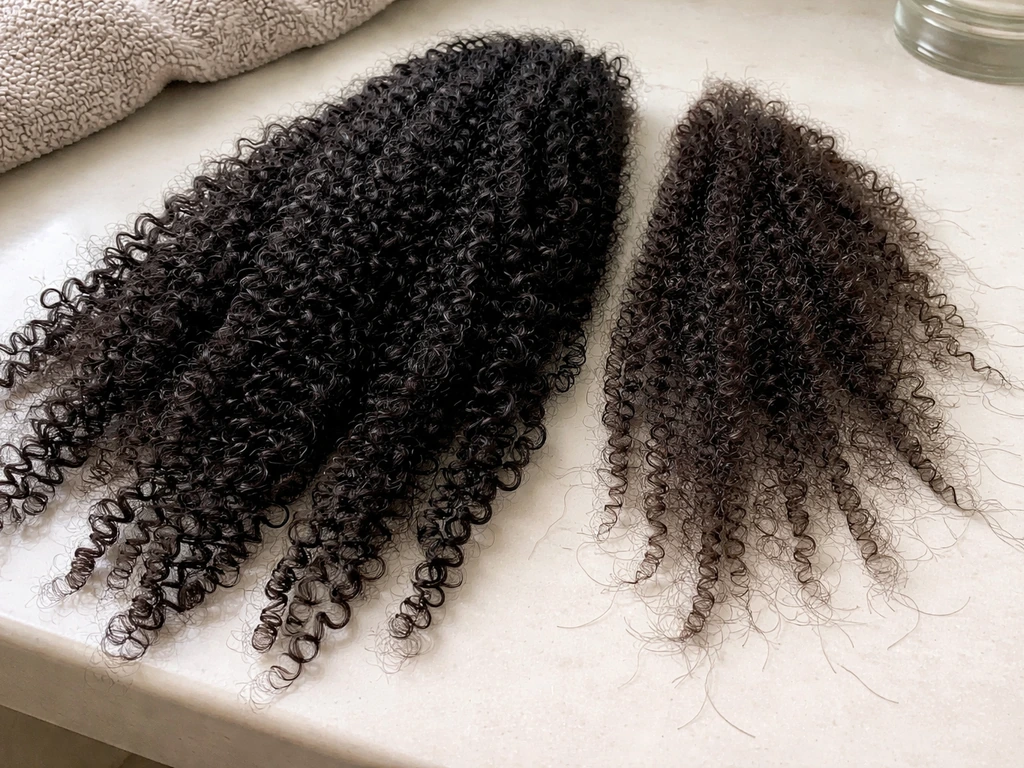
For Black and textured hair, the follicle itself is typically curved or elliptical rather than round, which is what produces the coiling and curl pattern at the shaft. That curl pattern is beautiful, but it also means the hair strand bends sharply at multiple points along its length, making those points structurally weaker and more prone to splitting or snapping when tension or dryness is involved. The tight coiling also means that even hair that is genuinely growing several inches can appear much shorter because it's shrinking toward the scalp. A 4 inch stretch of hair at a Type 4C curl pattern might only look like 1 to 1.5 inches when fully contracted. So 'my hair isn't growing' is often 'my hair is growing but I can't see it, and it keeps breaking before I can feel it.'
Why it can seem like hair isn't growing (growth vs. retention)
This distinction matters so much that it's worth spending a moment on it before anything else. Growth is what happens at the follicle level: the shaft being produced and pushed up through the scalp. Retention is how much of that length you actually keep over time. If your hair grows 1 cm a month but consistently breaks off at 1 cm a month, your length stays exactly the same no matter how many growth-boosting supplements you take. The follicle is doing its job. The strand isn't surviving long enough to matter.
You can usually tell which problem you have by looking at what you find in your comb, brush, or on your bathroom floor. Hairs with a white bulb at the end are shed hairs that completed their full cycle. That's normal. Hairs that are short, fuzzy little pieces without a bulb, or strands that snap mid-shaft when you gently stretch them, those are breakage. If most of what you're losing is breakage rather than full shed hairs, your growth is probably fine and your retention is the bottleneck.
The most common reasons hair isn't retaining length
Dryness and moisture imbalance
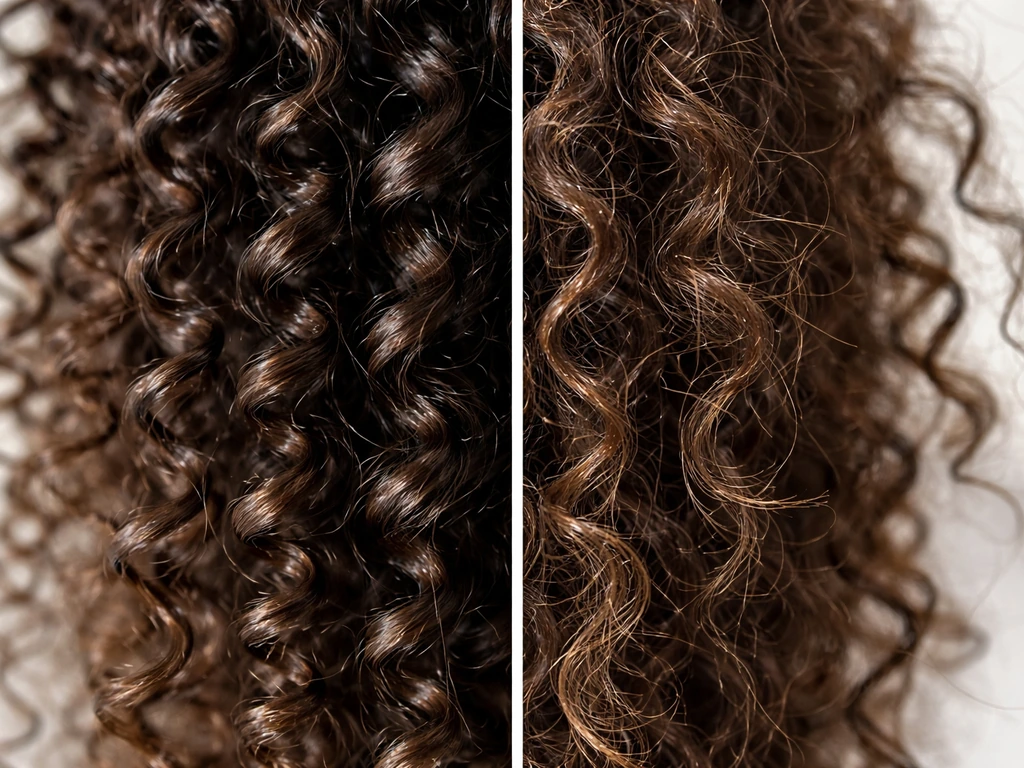
Textured hair, especially tighter curl patterns, has a harder time distributing natural scalp oils (sebum) down the length of the shaft because the coiling shape interrupts that flow. The result is that the ends of natural hair, which are the oldest part of the strand, can become chronically dry and brittle. Dry hair is fragile hair. When it's dry enough, routine things like detangling, sleeping on a cotton pillowcase, or wearing a ponytail holder cause snapping. Moisture retention is genuinely the foundation of length retention for most textured hair types.
Breakage from manipulation and detangling
Over-manipulation is one of the most common and most underestimated causes of stagnant length. Daily combing, aggressive detangling on dry hair, frequent restyling, rough towel drying, and sleeping without any protection all add up to a lot of mechanical stress on strands that are already structurally vulnerable at every bend point. The more you touch your hair, the more opportunity there is for breakage, especially at the ends.
Traction and tension from styles
Tight braids, particularly those installed along the hairline, tight ponytails, and weaves sewn in with a lot of tension can cause traction alopecia over time. This starts as repeated pulling on the follicle and can progress to permanent follicle damage if the tension is applied chronically. You'll often notice it first as thinning or recession at the temples and edges. This is one case where the problem is actually at the growth level, not just retention, because the follicle itself is being damaged.
Heat damage
Frequent use of flat irons, especially at high temperatures without a heat protectant, permanently alters the protein structure of the hair shaft. Heat-damaged hair loses its curl pattern, becomes porous, breaks easily, and cannot be fully repaired by any product. If you're using heat weekly or at high temperatures regularly, the damage accumulates faster than new healthy hair can grow in to replace it. The fix here is reducing heat frequency and temperature, not finding a better deep conditioner.
Chemical processing: relaxers, color, and bleach
Relaxers chemically break the disulfide bonds that give hair its curl, which also makes the processed sections permanently weaker. The line of demarcation, where relaxed hair meets new natural growth, is a notorious breakage point because you have two different textures with different elasticity pulling against each other. Bleach and color, especially processes that require bleach on darker hair, compromise the hair's protein structure similarly. None of this means you can't have chemically processed hair and also have length, but it does mean the margin for error with dryness and tension is much smaller.
Scalp health and inflammation
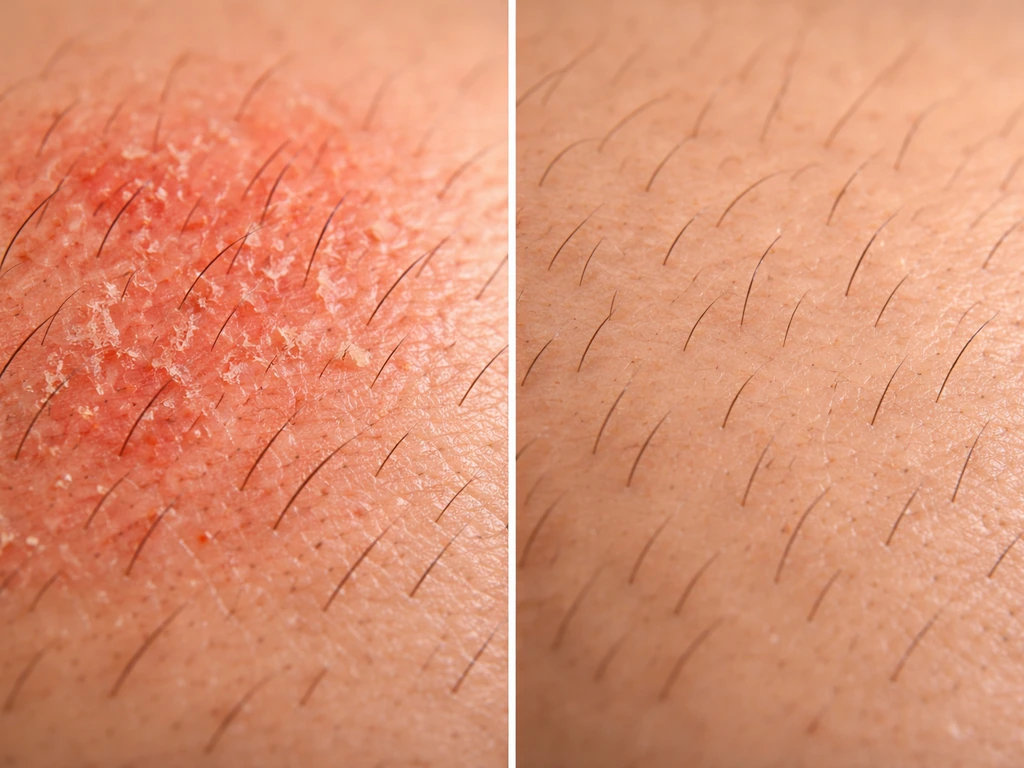
An inflamed or unhealthy scalp can impair the follicle environment. Conditions like seborrheic dermatitis, psoriasis, scalp folliculitis, and central centrifugal cicatricial alopecia (CCCA) are all more commonly diagnosed in Black women and can cause thinning, shedding, and in advanced cases, permanent hair loss. If your scalp is consistently itchy, flaky, tender, or you're noticing patchy thinning, especially at the crown, that's a signal to see a dermatologist rather than buy more products.
How to figure out what's actually going on with your hair
Before you change your whole routine, it helps to do a quick audit so you're solving the right problem. Work through these questions honestly:
- What does your shedding look like? Mostly full hairs with bulbs, or mostly short broken pieces? Short broken pieces without bulbs point to a retention and breakage issue.
- How often are you applying heat? More than twice a month with a flat iron, especially above 380°F, is a common culprit for cumulative damage.
- What's your chemical history? Recent relaxer, bleach, or color within the last 6 months means you need to be extra gentle with the processed sections.
- How are you detangling? Detangling dry hair, or starting from the root down instead of the tips up, causes a huge amount of mechanical breakage.
- How often do you wash? Infrequent washing can lead to product buildup and scalp issues; washing too aggressively with sulfate shampoos can strip moisture on an already dry hair type.
- What protective styles do you wear, and how tight are they installed? Tension you can feel at the follicle during or after installation is too much tension.
- Is your scalp symptomatic? Itching, pain, flaking, or visible thinning at the crown or edges needs a professional look, not a DIY product fix.
- What does your hair look and feel like at the ends? Dry, split, or gummy ends that stretch and snap rather than spring back are telling you the ends need more care or trimming.
If your answers point mostly to breakage, dryness, and manipulation, that's actually good news because those are very fixable. If your answers point to tight styles over years, scalp symptoms, or a family history of hair loss, make a dermatology appointment alongside any routine changes.
What actually makes Black hair grow and retain length
There's no product that speeds up your follicle beyond its biological rate. What you can do is support a healthy growth environment and dramatically reduce the breakage that's stealing your length gains. Here's what the evidence actually supports:
- Consistent moisture: Use a water-based leave-in conditioner regularly, seal with a light oil or butter (such as jojoba, avocado, or shea butter), and deep condition with a penetrating conditioner (look for protein and humectant ingredients) at least every 1 to 2 weeks.
- Low-manipulation styling: Styles you can leave in and not touch daily are protective by default. The fewer times you manipulate the hair, the less breakage occurs.
- Gentle detangling: Always detangle on wet or well-conditioned hair, work from ends up to roots, and use your fingers first before a wide-tooth comb.
- Scalp care: A clean, healthy scalp is the foundation. Wash regularly enough to prevent buildup (every 1 to 2 weeks for most natural hair types, more frequently if you have scalp conditions), and massage the scalp to support circulation.
- Trim damaged ends: Holding onto split ends doesn't help your length. Splits travel up the shaft and cause more breakage. A light trim of half an inch every 8 to 12 weeks removes the oldest most damaged sections.
- Protein balance: Hair is made of keratin. Protein treatments (hydrolyzed keratin, rice water treatments, or strengthening masks) help rebuild damaged areas, but too much protein without moisture causes stiffness and snapping. Balance is key.
- Reduce or eliminate heat: If you use heat, use a quality heat protectant and keep temperatures at or below 350 to 380°F for textured hair. The less frequently you use heat, the less cumulative damage accumulates.
- Nutrition and overall health: Hair growth is supported by adequate iron, zinc, biotin, vitamin D, and protein from food. Deficiencies in any of these are a real cause of increased shedding. Blood work with your doctor is the most direct way to find out if something is low.
- Protect hair at night: A satin or silk bonnet or pillowcase dramatically reduces friction breakage while you sleep, especially for loose natural styles.
Protective styles: what they actually do (and what they don't)
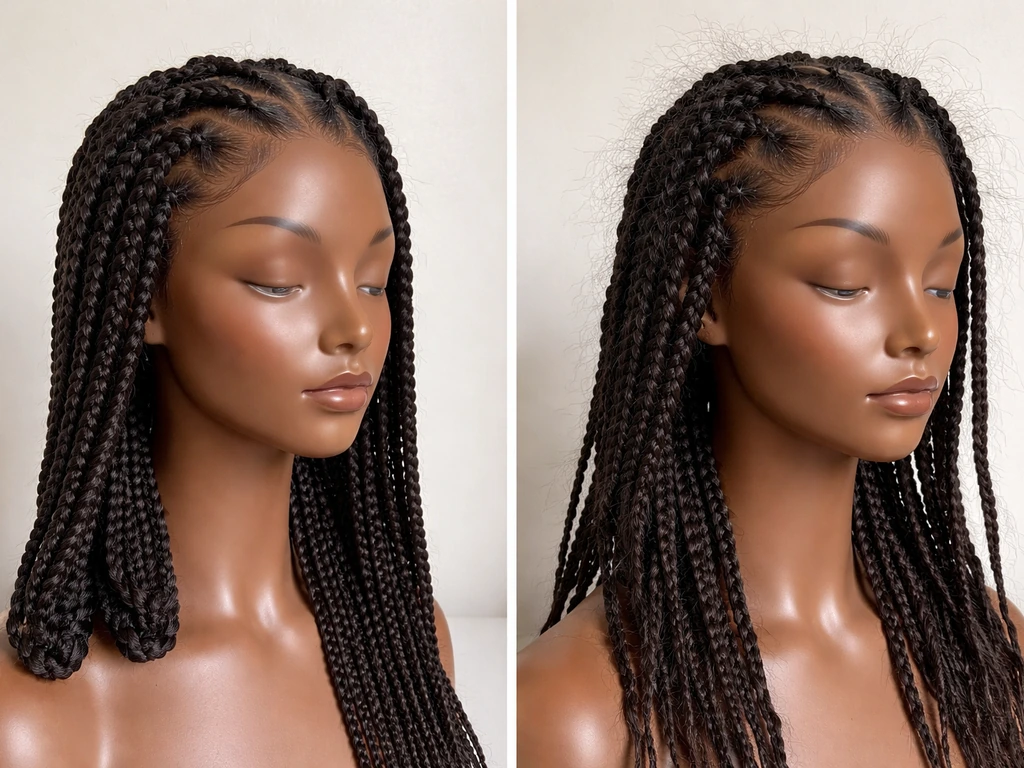
Protective styles, meaning braids, twists, locs, weaves, and similar styles where the ends are tucked away and daily manipulation is minimized, are genuinely useful for length retention. The reason they work is simple: your hair is being left alone. Less manipulation means less breakage, and less breakage means the length your follicles produce actually accumulates over time. That's why many people notice more length after a period of protective styling. The style itself isn't growing the hair faster; it's just preventing it from breaking off.
Braids and twists
Box braids, Senegalese twists, cornrows, and similar styles can be very effective for retention if installed correctly and maintained well. The critical issues: installation tension (tight braids at the hairline cause traction alopecia over time), how long you leave them in, and whether you're moisturizing your scalp and the hair underneath while the style is in. Most stylists recommend keeping braided styles in for 6 to 8 weeks maximum, not 3 to 4 months. After that, the new growth at the root becomes matted and the risk of breakage during removal goes up significantly.
Locs
Locs are a permanent style where the hair intentionally mats and coils into consolidated strands. They are low manipulation by nature and many people with locs do retain significant length over time. The main considerations are scalp health (buildup can be a problem if locs aren't washed regularly), tension at the roots during retwisting (same traction risk as braids if done too tightly), and understanding that starting locs means committing to that structure long-term or cutting them out.
Weaves and extensions
Sew-in weaves and extensions give your natural hair a full break from manipulation and environmental exposure, which can be great for retention. The risks are tension from the sew-in, neglecting the natural hair underneath (dryness, buildup, and matting can occur if you don't maintain the hair under the weave), and leaving the style in too long. A typical sew-in should come out after 6 to 8 weeks. Neglecting the natural hair underneath is a very common mistake that leads to significant breakage at takedown.
| Style | Retention benefit | Main risks | Recommended duration |
|---|---|---|---|
| Box braids / twists | High, when done correctly | Traction if too tight, breakage if left in too long | 6 to 8 weeks |
| Cornrows | Moderate to high | Scalp tension, especially at hairline | 4 to 6 weeks |
| Sew-in weave | High, if hair underneath is maintained | Dryness and matting under the weave, tension | 6 to 8 weeks |
| Locs | High long-term | Scalp buildup, root tension from retwisting | Permanent style, retwist every 4 to 6 weeks |
| Wigs (on natural hair) | Very high, minimal tension | Low, as long as the wig doesn't pull edges | Flexible, low risk |
What to do in the next 8 to 12 weeks
If you want to see a real difference in your length over the next couple of months, the most impactful changes you can make right now are focused on stopping breakage, not chasing faster growth. Start with a moisture reset: deep condition this week, start using a leave-in consistently, and seal with a light oil. Reduce heat to once a month at most. If you're going into a protective style, make sure the installation is comfortable with zero pulling at the roots. Commit to a low-manipulation style for at least 6 to 8 weeks and maintain your scalp underneath. When you take the style down, detangle gently with conditioner and do a light trim of any damaged ends before assessing your growth.
If you're relaxed, focus extra attention on the line of demarcation. Keep it moisturized and avoid putting tension directly on that transition zone. If you're natural and have been heat styling frequently, consider a stretch from heat for 3 months and see how your hair responds. And if you have any scalp symptoms that don't resolve with regular washing and a gentle routine, see a board-certified dermatologist who specializes in textured hair. The sooner you address a scalp condition, the better the outcome. The hair that's already growing is already doing its part. Your job is to keep it.
FAQ
How can I tell if my black women’s hair isn’t growing or if it’s just breaking off?
Look for the difference between fully shed hairs (often with a white bulb at the end) and mid-shaft snapping (short, rough pieces without a bulb). If you see mostly snapped pieces and very little long shed hair, the follicle is likely fine and retention is the issue.
Why does my hair feel like it grows slower even when I’m natural or using a lot of products?
Coily hair dramatically shrinks when it’s contracted, so “growth” can be visually delayed. Measure on stretched hair (band it for a few days, or stretch gently with conditioner and finger detangling) to track real length changes over time.
Can supplements make black women’s hair grow faster than the normal 1 cm per month?
No supplement reliably increases follicle output beyond the biological growth rate. If your ends are breaking at the same pace, vitamins may help overall health but they will not create net length without fixing moisture, handling, and protective habits.
What’s the fastest practical way to test whether dryness or manipulation is my main problem?
Do a 2-week “touch reduction” experiment: stop daily detangling and daily combing, deep condition once, use a leave-in daily or every other day, seal lightly, and keep hair protected (like twists or a bonnet at night). If breakage drops quickly, manipulation and dryness were the drivers.
Is it normal that my ends look shorter than my roots, or does that always mean breakage?
Some length variation is normal because older sections are more exposed to friction and dryness. But if you notice consistent bluntness, thinning at the ends, or continual shedding of short strands that snap when gently stretched, it usually signals active breakage rather than just normal age-related wear.
How often should I clarify or wash if I wear protective styles like braids or locs?
Wash often enough to prevent buildup under the style, typically every 1 to 2 weeks depending on product use and scalp oiliness. If your scalp itches more, smells, or flakes heavily, buildup may be stressing the scalp and increasing shedding.
What’s a safer timeframe to leave in braids, twists, or weaves to avoid breakage at takedown?
A common sweet spot is 6 to 8 weeks. Beyond that, new root growth can mat, and removal detangling stress increases, which often creates the illusion that your hair “stopped growing” even though it grew at the root.
Can tight hairstyles actually cause hair loss, and what signs should I watch for?
Yes, chronic traction can contribute to traction alopecia. Watch for thinning or recession at the temples, edges, or hairline, scalp tenderness, and worsening shedding that does not improve when you loosen the style.
If I use heat (flat iron or blow dryer), what’s the realistic “damage ceiling” for seeing length?
Heat weekly or at high temperatures regularly tends to accumulate damage faster than healthy hair can replace it. A practical rule is reducing to about once per month and prioritizing heat protectant plus lower temperature, because damaged hair breaks even if growth is normal.
Does relaxing or bleaching permanently ruin the chance of having long hair?
Not permanently, but the “margin for error” gets smaller. The transition line between relaxed and natural growth is a frequent breakage zone, so consistent moisture, gentle handling, and careful styling at that line are more important than trying to find a single repair product.
When should I see a dermatologist instead of changing my hair routine?
If you have persistent scalp symptoms (itching, tenderness, flaking that keeps returning), patchy thinning (especially at the crown), or you suspect cicatricial alopecia, get evaluated. Early treatment can protect follicles before permanent hair loss occurs.
What detangling method reduces breakage for textured hair during style take-down?
Detangle in sections with plenty of slip using conditioner, detangle from ends first, and use gentle finger detangling before adding a brush or comb. If you have to “force” knots apart, that’s a sign the hair is too dry or the product amount is too low, and breakage risk rises.
Can Black People Grow Long Hair? Growth and Retention Guide
Debunks the myth, explains Black hair growth, and shares practical routines to retain length and prevent breakage