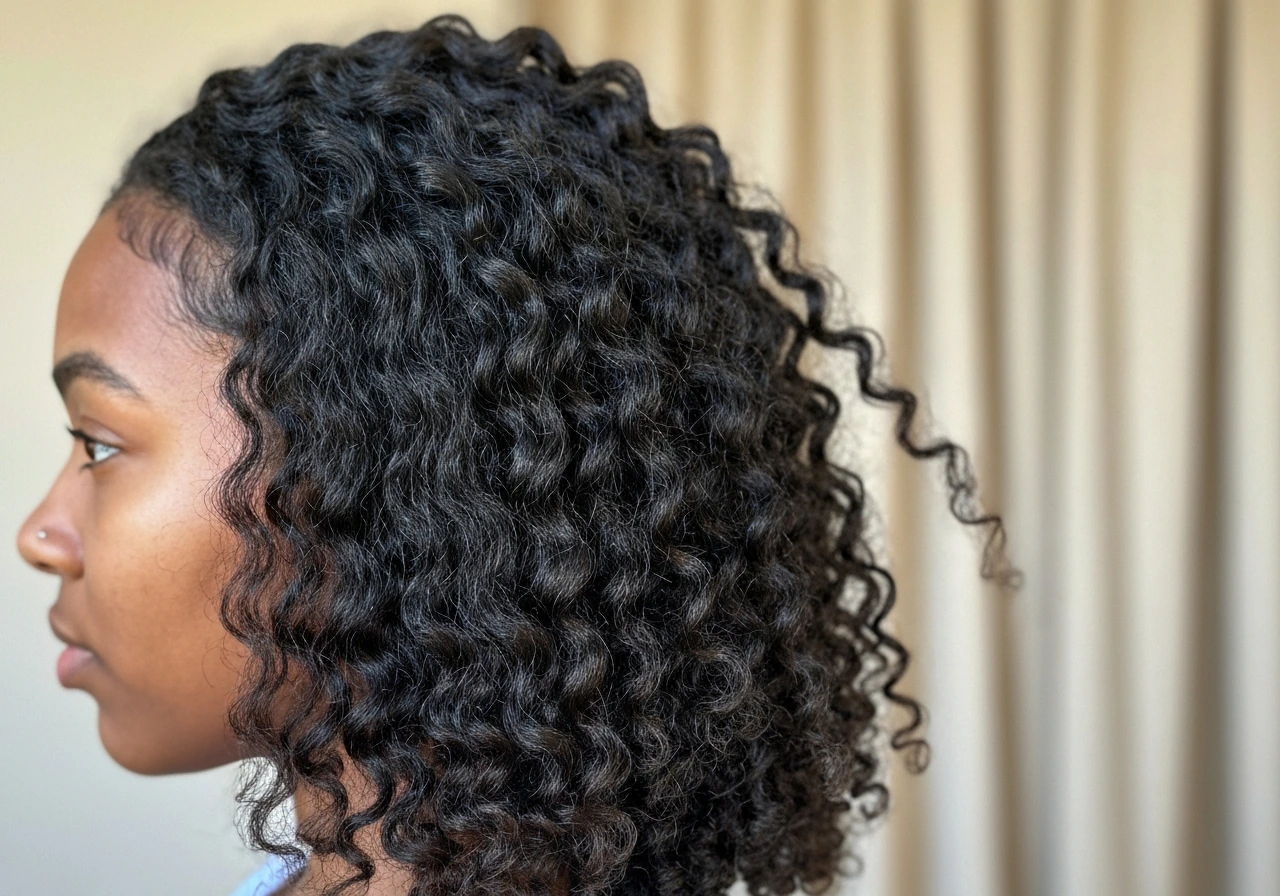
No single product makes your curly hair grow faster. Hair grows from your scalp at roughly 1 cm per month regardless of what you put on it. What the right products actually do is protect the hair you already have from breaking off before it can reach your goals. That's the real game: retention, not acceleration. If you want curly hair longer, the fastest way is to focus on retention and breakage control rather than looking for a single growth trick growing curly hair longer. The best products for growing curly hair are those that keep your scalp healthy, keep your strands moisturized and strong, and reduce the daily friction and tension that snaps curly hair off before you ever notice length.
Best Products to Grow Curly Hair: Starter Set + Routine

Simone Okonkwo
17 Jun 2026
What 'growing curly hair' really means
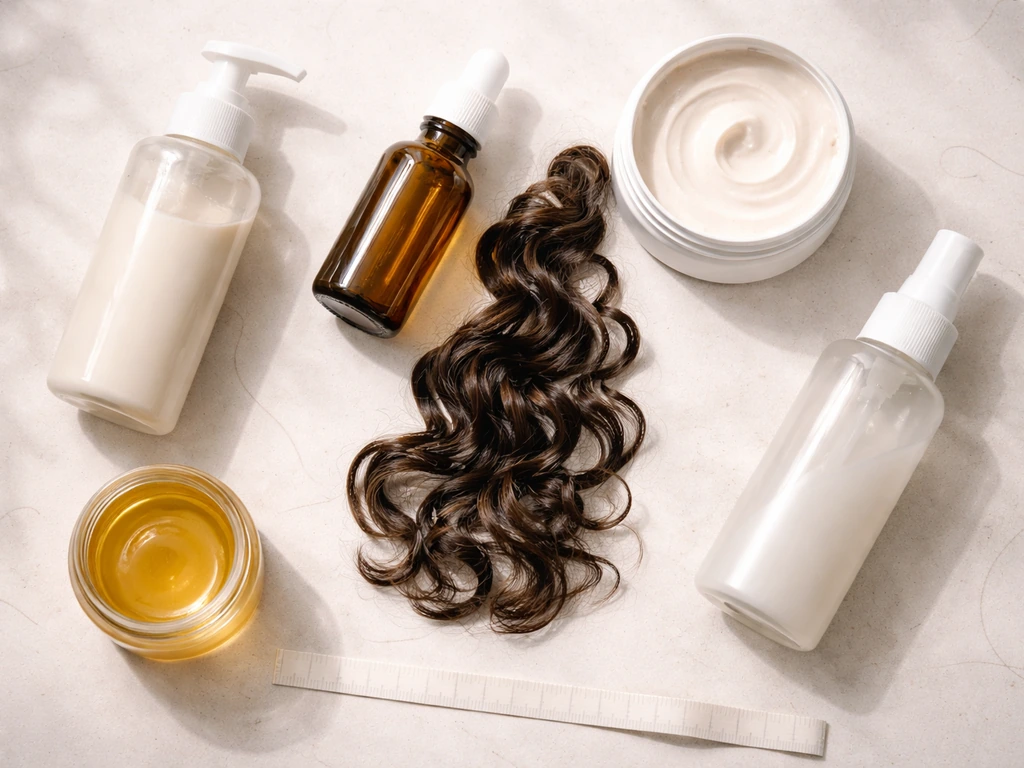
Your hair follicles are already doing the work. Research consistently puts scalp hair growth at about 0.3 to 0.4 mm per day, which adds up to roughly half an inch per month. An educational resource on dermatology.org notes scalp hair growth is about 0.5 mm per day, which can help explain growth versus retention over time 4 mm per day. That rate is mostly set by your genetics, hormones, and overall health. No shampoo, oil, or growth serum is going to meaningfully change it for most people.
What products can change is how much of that growth you actually keep. Curly and coily hair has a tightly bent structure that makes it harder for the scalp's natural oils to travel down the strand. That leaves the hair prone to dryness, tangling, and mechanical damage every time you comb, detangle, or style. Add in manipulation from tight protective styles or rough towel drying, and you can be losing a centimeter of growth per month to breakage without even realizing it. That's why so many curly-haired people feel like their hair "never grows" even though their follicles are humming along just fine. Growth is happening. Retention is the problem. When you focus on retention and breakage prevention, you'll actually see more visible results for how to grow coily hair.
Understanding this distinction changes how you shop. You stop chasing products with "growth" in the name and start looking for products that solve the actual problems: scalp health, moisture, protein balance, and low-manipulation styling. Everything in this guide is built around those four pillars.
The core starter set: best product categories for curly hair
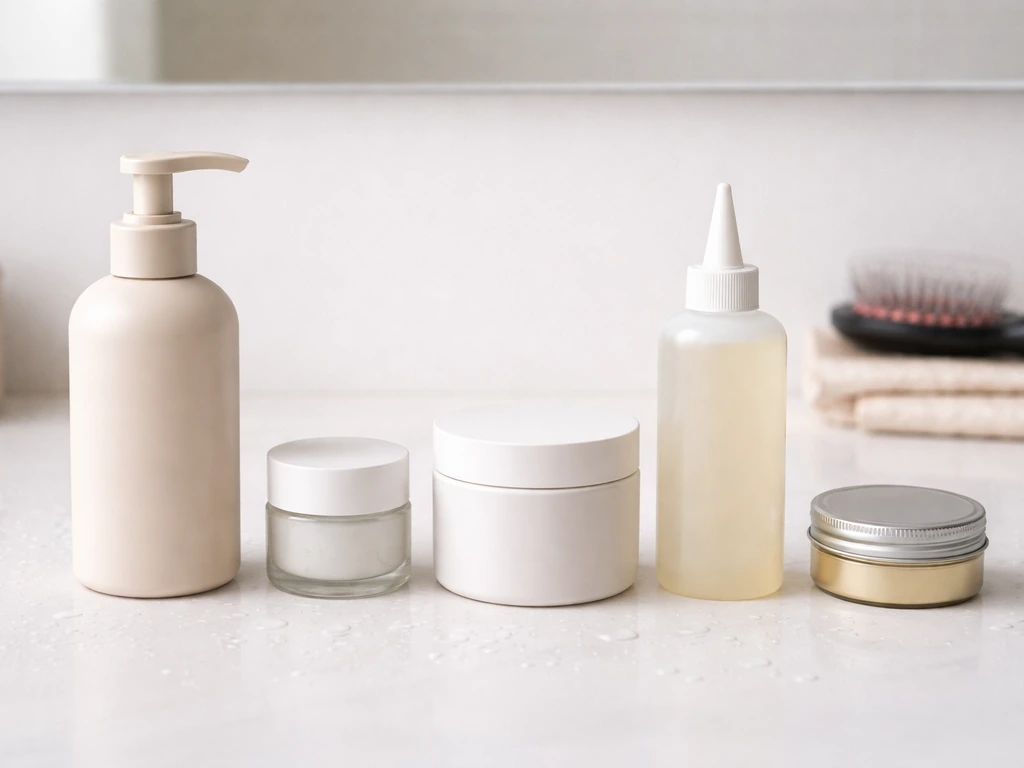
You don't need a shelf full of products to see results. A focused starter set hits every major retention need without overwhelming your budget or routine. Here's what the set looks like and why each piece matters.
Sulfate-free or low-sulfate clarifying shampoo
Your cleanser sets the foundation for everything else. Buildup from products, hard water minerals, and sebum can sit on the scalp and strand, dulling hair, increasing friction, and feeding flaky scalp conditions. But harsh sulfates like sodium lauryl sulfate (SLS) strip too aggressively for most curly types, and research shows they can worsen scalp irritation especially if you're prone to seborrheic dermatitis. A sulfate-free or low-sulfate shampoo gives you a clean slate without stripping the moisture you worked to build. A lot of people discuss what actually helps with growing curly hair on Reddit, but the best tips still come down to consistent scalp health and moisture routines sulfate-free or low-sulfate shampoo. Plan for a clarifying wash (a stronger cleanser used occasionally) every two to four weeks to clear stubborn buildup, and a gentler co-wash or sulfate-free shampoo for regular wash days in between.
Scalp treatment (for scalp health, not just shine)
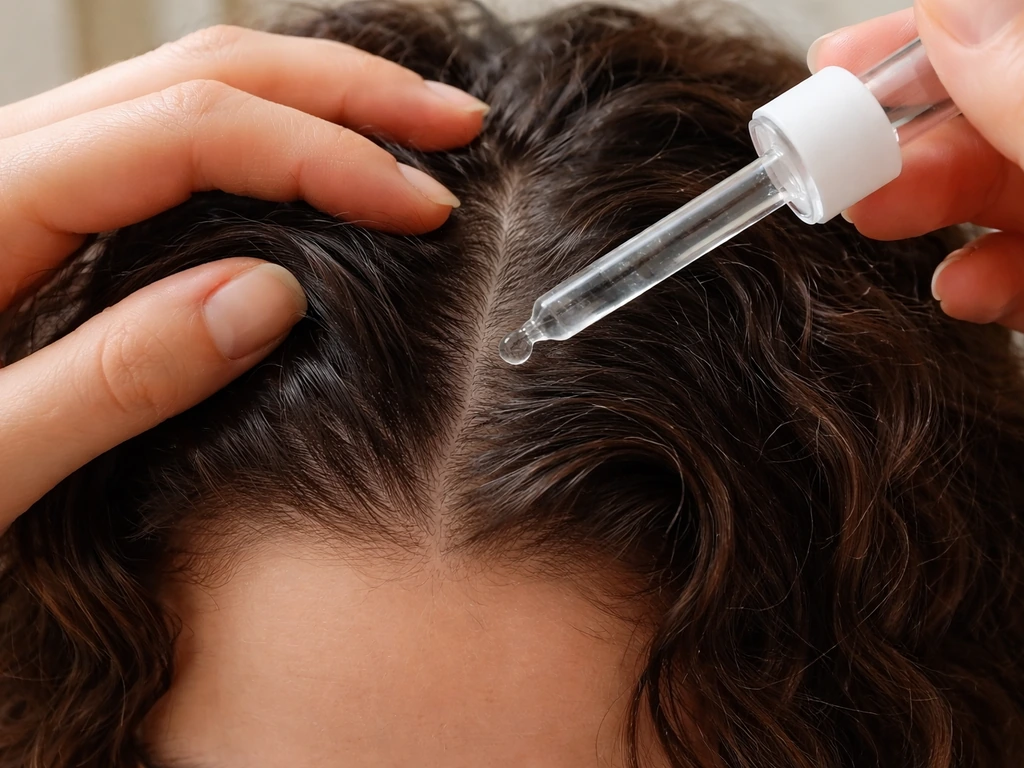
If your scalp itches, flakes, or feels tight, your hair growth environment is compromised. Scalp inflammation and seborrheic dermatitis are common in curly and textured hair communities, partly because less frequent washing (needed to preserve moisture) allows sebum and fungal overgrowth to build. Clinical evidence supports zinc pyrithione and ketoconazole as effective active ingredients for controlling dandruff and seborrheic dermatitis. Salicylic acid is useful for breaking down flaky buildup. If you're dealing with these symptoms, a medicated shampoo with one of these actives used on an as-needed basis is more useful than a "scalp growth serum" with no evidence behind it.
Deep conditioner with humectants and protein
This is the workhorse of your moisture routine. A good deep conditioner should do two things: pull moisture into the strand (via humectants like glycerin, panthenol, or hyaluronic acid) and temporarily rebuild structural integrity (via hydrolyzed proteins like keratin, wheat protein, or collagen peptides). Research on hydrolyzed keratins in textured hair shows that mid-to-high molecular weight peptides can partially restore tensile strength in damaged strands. That means fewer snaps during detangling. The balance matters though: hair that's already protein-sensitive can get stiff and brittle from too much protein, so pay attention to how your hair feels after use and adjust frequency accordingly.
Leave-in conditioner
Leave-in conditioner is your daily moisture baseline. It creates a light barrier on the strand, adds slip that reduces friction during detangling, and keeps hair pliable enough to style without snapping. For looser curl patterns (3a to 3c), a lightweight liquid leave-in is usually enough. For tighter coils (4a to 4c), a creamier leave-in or a layered approach (liquid leave-in followed by a cream moisturizer) tends to hold moisture better.
Sealing oil or butter
Occlusives seal in the moisture from your leave-in by reducing water loss from the strand surface. Petrolatum is one of the most effective occlusives studied, but lighter oils like jojoba, argan, or avocado work well for fine or looser curl types that would feel weighed down by heavier butters. Heavier occlusives like shea butter or castor oil suit thicker, coilier strands that need more hold and sealing power. Apply after your leave-in, not instead of it. Oil on a dry strand locks in nothing.
Optional add-ons
- Chelating shampoo: useful if you live in a hard-water area and notice product buildup that a regular clarifying shampoo doesn't clear. Look for EDTA or citric acid in the ingredient list.
- Protein treatment or bond-repair product: a step up from a protein-enriched conditioner for hair that has significant mechanical or chemical damage.
- Scalp oil or serum with niacinamide or peppermint: there's limited but emerging evidence for scalp circulation support, though results vary and these are secondary to the core routine.
- Satin or silk hair accessories: technically not a product you apply, but a satin bonnet, pillowcase, or scrunchie is one of the highest-return investments for reducing overnight friction and breakage.
How to choose products for your scalp and curl type
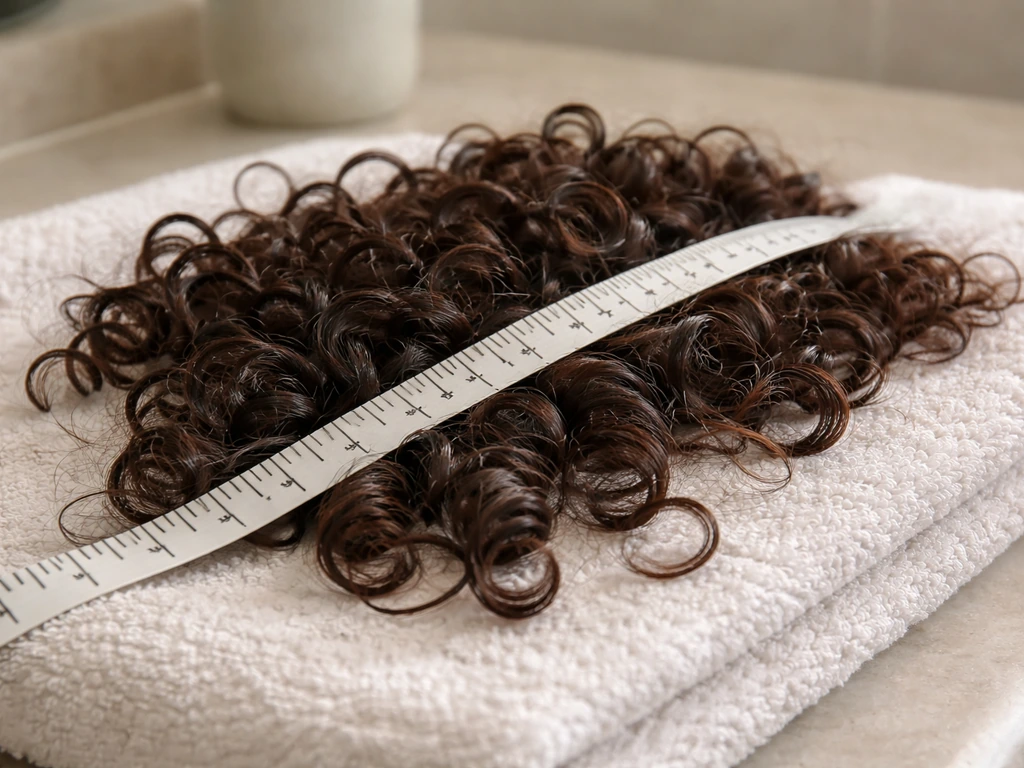
Curl pattern is a starting point, not a rulebook. Two people with 4c hair can have completely different porosity levels, scalp conditions, and product needs. That said, pattern and texture together do give you useful starting signals.
| Curl Type | Common Needs | Cleanser | Moisture Focus | Occlusive Weight |
|---|---|---|---|---|
| 3a–3b (loose curls) | Frizz control, lightweight moisture | Low-sulfate shampoo, clarify monthly | Liquid leave-in, light humectants | Light oil (argan, jojoba) |
| 3c–4a (medium coils) | Moisture retention, detangling ease | Sulfate-free shampoo, clarify every 2–3 weeks | Creamy leave-in, glycerin-based products | Medium oil or light butter (avocado, shea blend) |
| 4b–4c (tight coils) | Intense moisture, low manipulation, scalp health | Sulfate-free co-wash weekly, clarify every 2–4 weeks | LOC or LCO method (liquid, cream, oil) | Heavier butter or castor oil blend |
Porosity matters as much as pattern. High-porosity hair (common after heat or chemical damage) absorbs moisture quickly but loses it just as fast. If your curls are damaged, focus on retention strategies like moisture, gentle handling, and a routine that repairs weakened strands before you worry about faster growth how to grow damaged curly hair. It benefits from richer conditioners and heavier occlusives applied while hair is soaking wet. Low-porosity hair (common in fine, tightly coiled strands) resists moisture absorption, so warming your deep conditioner slightly or applying it in thinner layers helps ingredients penetrate. If products consistently sit on top of your hair or your curls feel crunchy even after rinsing, low porosity is likely your situation.
For scalp type: if you have a dry, sensitive, or flaky scalp, avoid heavy product buildup on the scalp itself and prioritize scalp-focused cleansing. If you're prone to seborrheic dermatitis, steer clear of products with alcohol denat (which Mayo Clinic specifically flags as aggravating) and opt for fragrance-light formulas. Natural hair that has not been relaxed or color-treated tends to have more intact cuticles and may need less aggressive protein repair, while chemically processed hair usually benefits more from regular bond-strengthening treatments.
Step-by-step routine from wash day to daily maintenance
Wash day (every 1–2 weeks for most curly types)
- Pre-poo (optional but helpful): Apply a light oil or conditioner to dry hair in sections before washing. This reduces the stripping effect of shampoo and makes detangling after washing easier.
- Shampoo in sections: Divide hair into four or more sections. Apply shampoo primarily to the scalp, massage gently with fingertips (not nails), and let the suds rinse through the length. Avoid piling hair on top of your head, which creates tangles.
- Clarify or chelate as needed: Once a month (or every 2–3 weeks for heavy product users or hard-water households), swap your regular shampoo for a clarifying or chelating formula on this step.
- Deep condition: Apply deep conditioner from roots (avoiding scalp if protein-sensitive) to ends on soaking wet hair. Cover with a plastic cap and leave for 20–30 minutes. Heat from a hooded dryer or a warm towel over the cap helps penetration, especially for low-porosity hair.
- Rinse and apply leave-in while dripping wet: Don't towel-dry before applying leave-in. The moisture already in the hair is what you're sealing in. Use a microfiber towel or an old t-shirt to gently scrunch out excess water first.
- Seal with oil or butter: Apply your occlusive in a thin, even layer over the leave-in. Less is more here. Using too much makes hair feel heavy and attracts lint.
- Style: Add gel, mousse, or styling cream as needed for your chosen style. Detangle with a wide-tooth comb or fingers, always starting from the ends and working toward the roots.
Between wash days (daily and weekly)
- Refresh daily with water and a small amount of leave-in or a water-based refresher spray. This is especially important in dry climates or heated indoor air.
- Seal ends first since ends are the oldest, most fragile part of the strand and most prone to split ends and breakage.
- Sleep in a satin bonnet or on a satin pillowcase every night. Cotton pillowcases pull moisture from hair and create friction that causes breakage overnight.
- Weekly: Check your protective styles for tension and new growth buildup. Gently moisturize and seal any exposed hair or edges.
- Every 2–4 weeks: Clarify or chelate to reset, especially before re-doing a protective style.
Protective styles, low-manipulation, and length retention
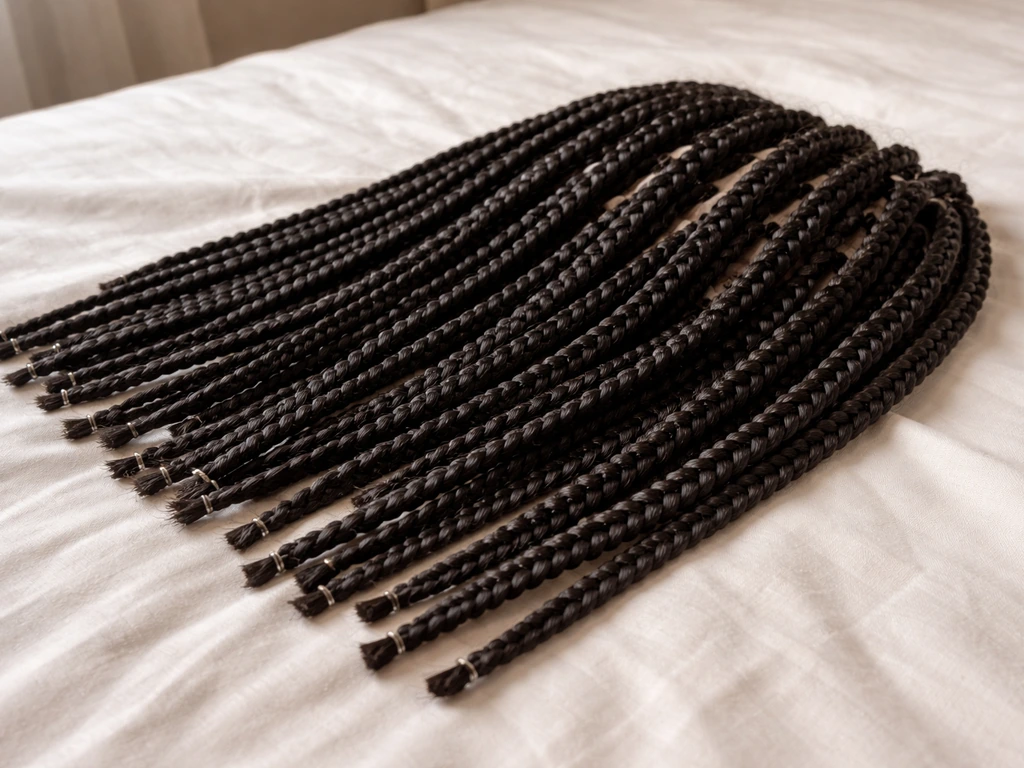
Protective styles like braids, twists, locs, and weaves can be powerful length-retention tools when done right. They reduce daily manipulation (which is one of the main causes of breakage in curly hair) and tuck ends away from friction and environmental exposure. Many people in the curly and natural hair community genuinely retain more length while in protective styles because the hair simply isn't being touched as much.
But protective styles only protect if the tension is managed carefully. Traction alopecia, a form of acquired hair loss caused by prolonged pulling on the hair follicle, is directly linked to tight braids, tight ponytails, and extensions installed too close to the scalp. Research and clinical guidance from dermatologists including the American Academy of Dermatology are consistent on this: repeated high tension can cause permanent, scarring hair loss over time, especially along the hairline and temples. If tight styling continues for years (some data points to a risk window of ten-plus years for children as well as adults), the damage can become irreversible.
The practical rule is simple: if a style hurts when it's installed or in the first few days after, it's too tight. Pain is your follicles telling you something is wrong. Protective styles should feel snug, not painful. They also shouldn't be left in for so long that new growth tangles and mats at the base, which causes its own set of breakage problems when you take the style down. Most stylists and evidence-based guidelines recommend leaving braids or twists in for no longer than six to eight weeks.
Between protective style installations, give your scalp and hairline a break of at least one to two weeks. Moisturize your natural hair, gently detangle, and assess for any thinning or scalp irritation before going back in. Product use during protective styles should focus on scalp health: a light scalp oil, diluted leave-in applied to exposed roots and edges, and a consistent nightly bonnet routine.
What to avoid and how to prevent breakage and buildup
Some products and habits actively work against your retention goals. Here's what to cut or limit.
- Alcohol denat (denatured alcohol) near the top of an ingredient list: It speeds up drying but can compound dryness in hair that's already moisture-deficient. If you see it in a leave-in or styler you use daily, that product may be contributing to brittleness.
- Harsh sulfates (SLS, SLES) used too frequently: Fine for the occasional clarifying reset, but weekly use strips the moisture barrier from already-dry curly or coily hair. If your scalp is sensitive or prone to seborrheic dermatitis, even occasional use may be too irritating.
- Heavy occlusives applied without moisture underneath: Sealing oils and butters are great, but applied to dry hair with no humectant layer under them, they just coat dryness. The order of application matters.
- Over-proteining hair that doesn't need it: Signs of protein overload include stiff, straw-like, crunchy hair that snaps instead of stretching. If you're using a bond-repair product, protein conditioner, and protein-enriched leave-in all at once, you may be going too far. Scale back to one protein source per wash day.
- Tight styles on already-thinning or irritated edges: If you're seeing thinning along the hairline, the worst thing you can do is install another tight style. Give those follicles a full rest while using a gentle scalp treatment if inflammation is present.
- Skipping clarifying washes: Buildup from conditioners, silicones, and styling products can accumulate and dull hair, increase tangling, and interfere with moisture absorption. A periodic clarifying or chelating wash is not optional, it's maintenance.
- Rough towel drying or finger detangling dry hair: Wet hair is more elastic and manageable. Detangle only when saturated with conditioner or leave-in, always starting from the ends. Aggressive handling of dry curls causes significant mechanical breakage.
How to track your progress and adjust over 4–12 weeks
Hair grows slowly and responds to products even more slowly. Four weeks gives you a first read; twelve weeks gives you a real picture. Going in with a systematic approach saves you money and frustration because you won't end up scrapping a routine that was actually working just because you didn't give it enough time.
Set a baseline before you start
Take photos of your hair from the front, sides, and back on wash day before you start a new routine. Note the length at a consistent landmark (collarbone, shoulder, chin). Also note scalp condition (any flaking, itching, or thinning areas), how much shed and broken hair you find in your comb, and how your hair feels after detangling (stretchy and pliable versus snapping and crunchy). These are your data points. Normal daily shedding is about 50 to 100 hairs. If you're consistently pulling out much more than that, or if most of what you're losing has no white bulb at the root (meaning it's breakage, not shed), that's what you're targeting.
4-week check: moisture and manageability
By week four, your hair's moisture balance should be noticeably better if you've been consistent. You should see less breakage during detangling, fewer knots, and improved definition after styling. If hair still feels rough or brittle, reassess your protein-to-moisture balance. If you added a protein conditioner and hair got worse, reduce protein frequency. If hair still feels limp and mushy, it may need more protein to rebuild structure.
8-week check: scalp and retention
Compare your hair length to your baseline photo. Any scalp symptoms (flaking, itching) should be better if you've been using an appropriate scalp treatment. If they're not, consider whether you've been consistent with wash frequency and whether you need to step up to a medicated shampoo with zinc pyrithione or ketoconazole. Also check your edges and hairline. If you've been in protective styles, look for any new thinning or tension-related hair loss and adjust your styling practices accordingly.
12-week check: length and full routine evaluation
By week twelve, hair growing at roughly 1 cm per month should have produced about 3 cm (a little over an inch) of new growth from the scalp. You can also apply these same growth, retention, and scalp-care principles specifically to how to grow 3b curly hair without relying on miracle serums. If your retained length has increased closer to that number compared to your pre-routine baseline, your retention is improving. If it hasn't, look hard at breakage sources: manipulation frequency, product buildup, sleep protection, and tension from styles. The goal at twelve weeks isn't to have dramatically longer hair; it's to have noticeably less breakage, a healthier scalp, and a routine you can sustain. Length follows consistency over months, not weeks.
If you're also working on specific sub-goals like growing your hair to waist length, growing out heat or chemical damage, or navigating a specific curl type like 3b or 4c coils, the same core principles apply but the timelines and product tweaks differ. The foundation you build with this starter routine translates directly into those longer journeys.
FAQ
Can I use a hair growth serum even if the article says products cannot speed up growth?
Yes, but treat growth serums as optional, not essential. If a serum does not address scalp health, moisture balance, or friction control, it is unlikely to change the outcome because your follicles control growth rate. If you try one, monitor for scalp irritation and only keep it if it improves comfort, flaking, or breakage after 8 to 12 weeks.
How do I know if I am dealing with breakage versus normal shedding?
Check the root of shed hairs. Shed tends to have a white bulb, breakage often does not. Also compare hair condition after detangling, if it snaps or feels rough quickly, that points to breakage. If you are consistently losing far more than about 50 to 100 hairs per day, that is a signal to address scalp inflammation, product buildup, or handling issues.
How often should I clarify if I do not use heavy styling products?
The two to four week clarifying schedule in the guide is a starting point. If you do not use gels, oils, or silicones often and your scalp is not flaking, you may clarify closer to every four weeks or even less frequently. If you notice dullness, increased shedding, or your products seem to sit on top of hair, clarify sooner.
What if my scalp flares when I wash less often, but I do not want dryness?
For many people with seborrheic dermatitis tendencies, preserving moisture does not mean skipping scalp care. Use a medicated shampoo with zinc pyrithione or ketoconazole as needed for symptoms, then follow with gentle cleansing on other days using a sulfate-free or low-sulfate option. You can also keep conditioners off the scalp and focus them on lengths to reduce buildup on the scalp.
Should I apply leave-in conditioner to my scalp?
Usually no, unless your scalp specifically tolerates it. Leave-in products are mainly for slip and moisture on the strand, and they can worsen flaking or clogging if applied too close to the scalp, especially for seborrheic-prone hair. A safer approach is to apply leave-in to mids and ends, and use only a light amount on exposed edges if needed.
How do I choose the right protein and avoid getting stiff or brittle hair?
Use a small decision rule: if your hair feels stiff, straw-like, or tangles worse after protein, reduce frequency or switch to a lower protein dose. If your hair feels limp and mushy, increase protein slightly. Because “more protein” can backfire, adjust based on how hair feels the day after washing and how it detangles, not just on whether curls look tighter.
What is the best way to apply occlusive products for moisture retention?
Apply occlusives after your leave-in on damp hair, so the occlusive seals in existing water-based moisture. If you apply to fully dry hair, the occlusive can trap dryness instead of hydration. For finer or looser curl types, start with a thin layer and increase only if hair feels too dry or frizzy within 24 to 48 hours.
My hair gets crunchy after using conditioner, what does that usually mean?
Crunchy and coated hair after rinsing often indicates low porosity buildup, too much product, or insufficient water penetration. Try thinner layers, ensure hair is thoroughly saturated before conditioning, and rinse well. If the issue persists, reassess clarifying frequency and check whether too many heavy oils or butters are being used on top of leave-in.
Can protective styles help growth if they sometimes cause traction?
They can help retention, but only if tension stays low. Protective styles should feel snug, never painful, and you should not see new thinning at the hairline or temples. Keep installations within about six to eight weeks, take a one to two week break after removal, and avoid styles that require pulling hair tight to “hold.”
How do I prevent matting and breakage at the roots after wearing braids or twists?
Matting happens when the base stays dry or product accumulates without being refreshed. During the style, focus on light scalp-focused care, rinse or cleanse the scalp when needed, and moisturize exposed roots with diluted leave-in or a light, non-greasy option. When removing, detangle carefully rather than forcing knots apart, because that is a common breakage moment.
What timelines should I expect for results, and what is a realistic first sign?
By week four, you should usually see less breakage, fewer tangles, and better detangling feel if the routine is aligned with your moisture and scalp needs. By week twelve, you may see around a few centimeters of potential new growth if retention improved, but the more reliable success metric is reduced snapping, improved scalp comfort, and measurable length compared to baseline photos.
How should I adjust the routine if I am trying to grow past a shoulder length plateau?
First, confirm you are actually retaining new growth by comparing baseline photos and checking for high breakage during detangling. If retention is the issue, reduce manipulation frequency, improve sleep protection (bonnet or satin pillow), manage product buildup with targeted clarifying, and review protective style tension. Plateau fixes are usually mechanical and retention-based, not growth-serum-based.
Next Article
How to Grow Coily Hair: A Routine for Length and Growth
Actionable routine to grow coily hair faster with moisture, gentle washing, detangling, and low-tension protection for l