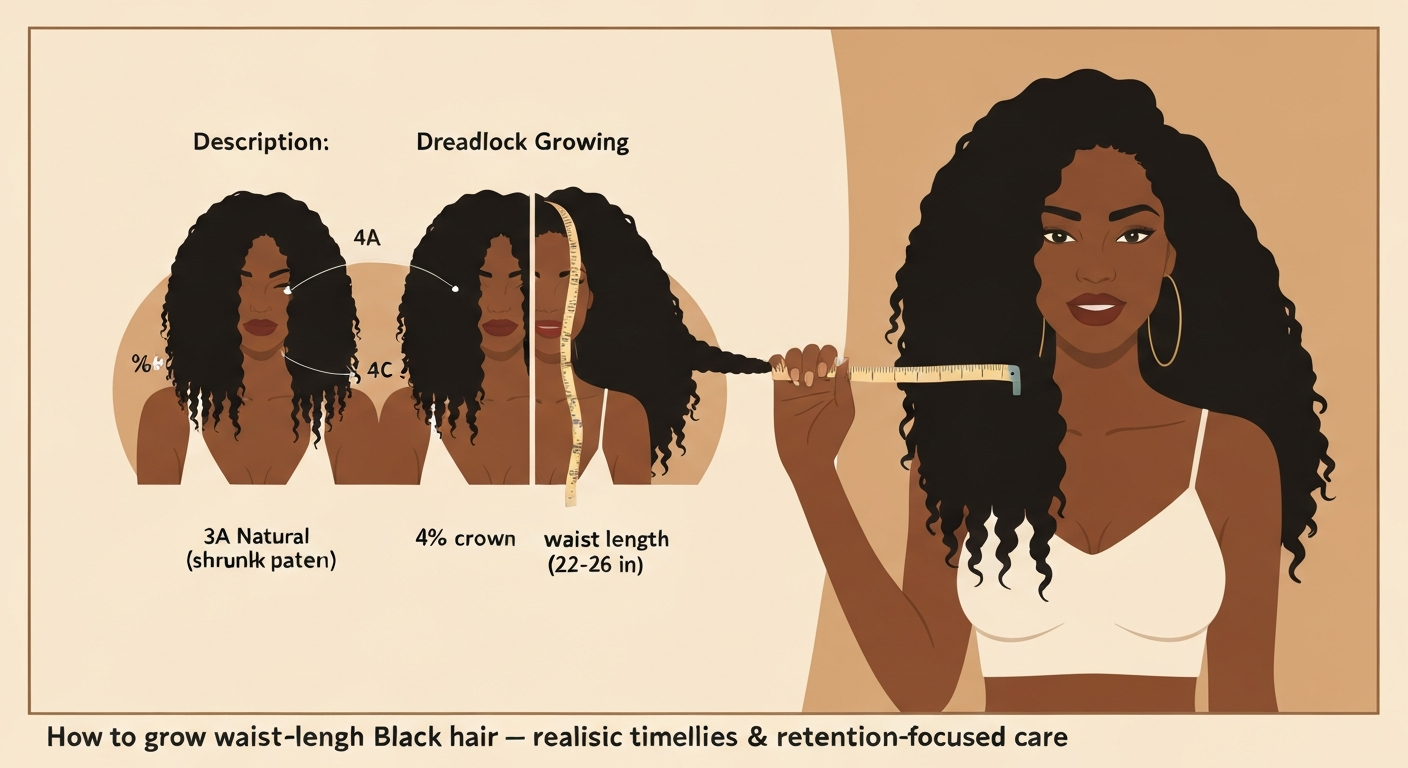
Crochet braids do not make your hair grow faster. Your follicles grow hair at a genetically set rate, roughly half an inch per month for most people, and no hairstyle changes that. What crochet braids can do is help you hold onto the length you are already growing by reducing daily manipulation, shielding your ends, and giving your strands a break from constant styling. That is the real promise of protective styling, and it is a legitimate one when you do it right.
Do Crochet Braids Grow Your Hair? Retention vs Growth

Simone Okonkwo
4 Jun 2026
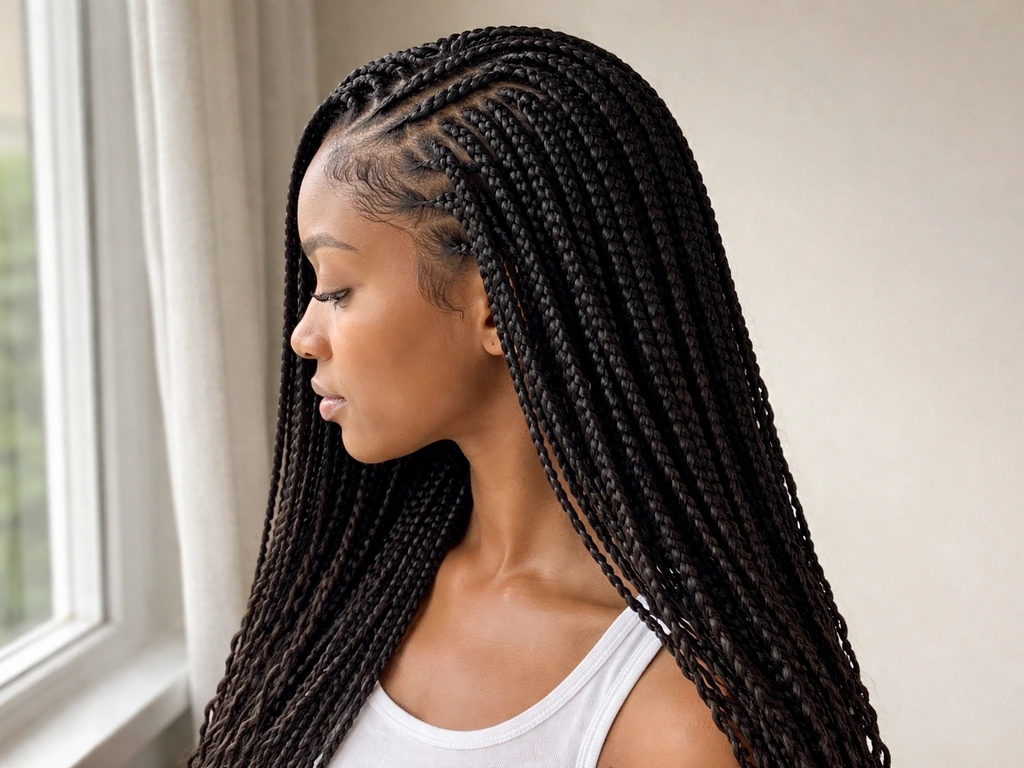
Growth vs. retention: why the distinction actually matters
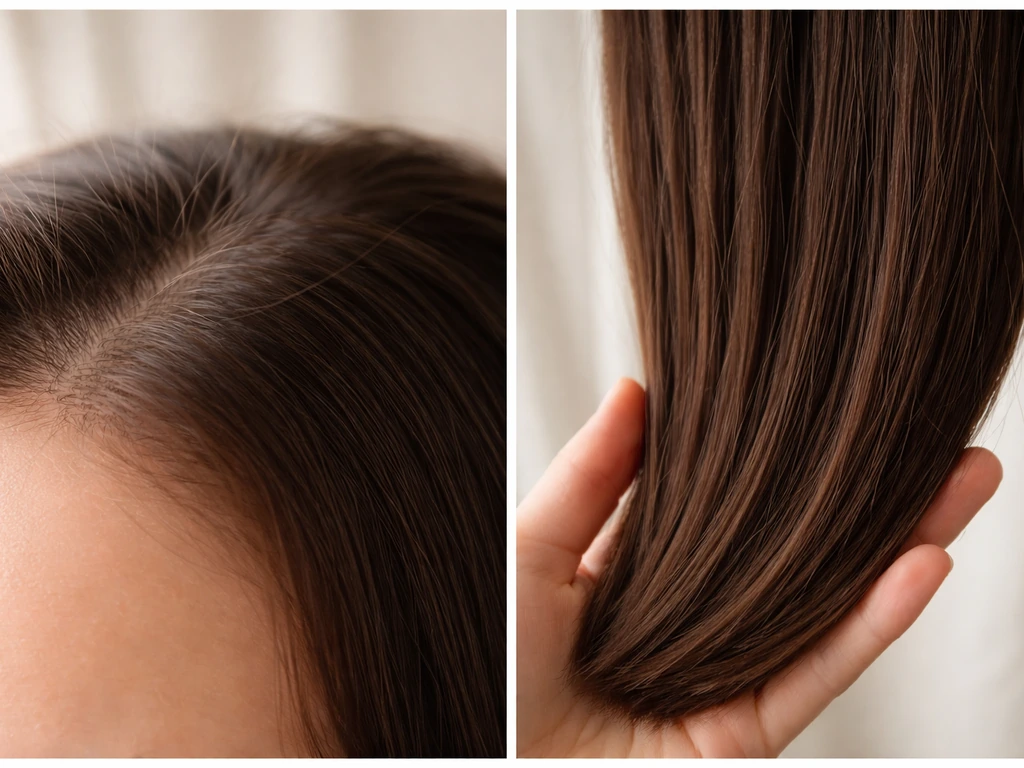
Hair growth and hair length retention are two completely different things, and mixing them up is where most of the confusion starts. Protective styles like crochet braids do not make hair grow faster, but they can help you retain more of your existing African American hair length by reducing breakage do braids grow african american hair.
Growth happens at the scalp, inside the follicle, and nothing you put on top of your hair changes how fast new strands come out. Retention is about how much of that grown hair you keep before it breaks off. For people with naturally dry, tightly coiled, or chemically processed hair, retention is the bigger challenge.
Afro-textured hair has a curved follicle shape that makes it harder for natural scalp oils to travel down the strand, so the hair tends to be drier and more prone to breakage at fragile points. The BAD patient information leaflet notes that textured (including Afro) hair is more prone to dryness and breakage because scalp oils have a harder time traveling down the strand [Afro-textured hair has a curved follicle shape](https://cdn. bad. org.
uk/uploads/2023/07/19174038/Caring-for-Afro-textured-hair-PIL-July-2023. pdf). A style like crochet braids can reduce the number of times those vulnerable points are stressed by combing, heat, and manipulation, which means more of what grows stays attached long enough for you to see and feel a length difference. That is not the same as growing more hair.
It is keeping more of the hair you already grew.
What crochet braids actually do for your hair
The benefits are real, but they come with real risks too. Here is an honest look at both sides.
The genuine benefits
- Low daily manipulation means fewer opportunities for your natural hair to snap at the ends or mid-shaft.
- Your real hair is tucked away, protected from friction against clothing and environmental dryness.
- You can skip heat styling almost entirely while wearing them, which is one of the biggest causes of damage for textured hair.
- A well-installed set can last several weeks, giving your hair a genuine rest period.
- Compared to some other extension methods, crochet braids do not require glue, bonding agents, or sewing onto a weft, which removes a layer of potential mechanical damage.
The real risks you need to know
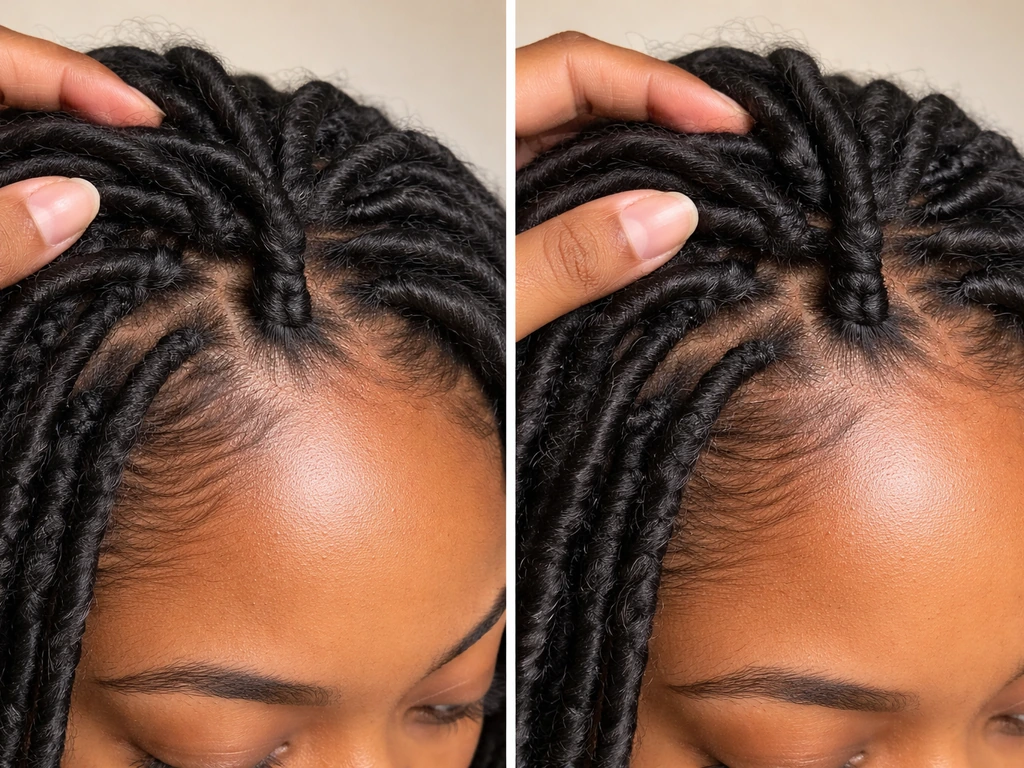
- Tight installation at the root is the number one threat. Dermatologists at Johns Hopkins specifically flag traction at the hair root from tight braiding and extensions as a major cause of hair loss in Black women.
- Traction alopecia is not theoretical. It is a well-documented, preventable condition caused by prolonged or repeated tension on the follicle. Early signs include nonscarring hair loss patches along the tension line, and the longer the stress continues, the worse the prognosis.
- The 'fringe sign,' where shorter or thinner hairs appear along your hairline and temples, is a classic early warning that tension has been too high for too long.
- Dryness and buildup accumulate under braids quickly. Without regular cleansing, this leads to a flaky, irritated scalp, increased dandruff risk, and eventually hair loss when buildup clogs follicles.
- Removal can cause significant breakage if your hair has been left in too long and tangled tightly around the braid base.
How to install crochet braids for maximum retention
Installation is where most people either set themselves up for success or accidentally cause the damage they were trying to avoid. The single most important thing is tension. If your scalp hurts after installation, if you get a headache, or if the skin along your hairline looks raised or bumpy, the braids are too tight. Dermatologists are clear that scalp tenderness and pulling during wear are signs of excessive tension that can translate into follicle damage over time. You should be able to gently wiggle each section at the root with a little give.
- Choose a braider who understands low-tension technique. Ask them specifically not to pull the edges or nape, as these are the most vulnerable zones for traction alopecia.
- Opt for medium-sized braiding sections rather than very small ones. Micro braids packed tightly together create more cumulative tension and are harder to cleanse properly.
- Avoid braiding all the way to the very tip of your natural hair before attaching the crochet hair. Leaving a small amount loose at the end reduces stress on those strands.
- Do not let anyone braid your hairline or temples extra tightly to create a 'clean' look. A neat edge is not worth follicle damage.
- If the style is still painful after 24 to 48 hours, loosen what you can or take it out. Pain is not a normal adjustment period.
Protecting your hair while you sleep
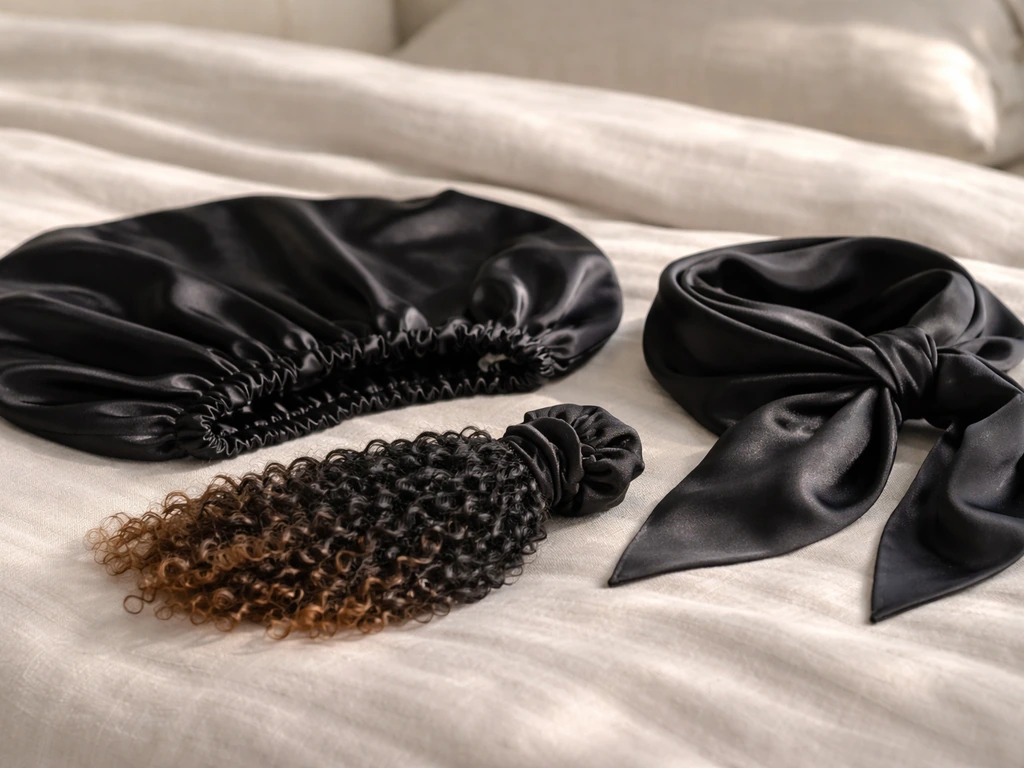
Sleep protection matters more than most people realize. Cotton pillowcases create friction and absorb moisture from both your natural hair and the crochet extensions, which accelerates dryness and frizz. Switch to a satin or silk pillowcase, or wrap your hair in a satin bonnet or scarf before bed. Pineappling your crochet braids loosely at the top of your head before covering them helps preserve the style shape and keeps your hairline from being compressed against fabric all night.
Scalp care and product routine while wearing crochet braids
This is the part that gets skipped most often, and it is honestly the most important maintenance step for your actual hair health. Dermatologist Naana Boakye recommends cleansing the scalp at least once a week during braided protective styling to remove product buildup and keep the scalp breathing properly. Neglecting this leads to dandruff, dryness, and in worse cases, follicle irritation that can actively cause hair loss, the opposite of what you were going for.
- Dilute a gentle, sulfate-free shampoo or clarifying shampoo with water and apply it directly to your scalp using a spray bottle or applicator nozzle. Work it in with your fingertips, not your nails.
- Rinse thoroughly and squeeze (do not rub) the braids to remove all product. Residue left behind causes buildup and a musty smell.
- Dry your braids completely before covering them. Damp braids held against the scalp for hours create a breeding ground for bacteria and mold. Use a hooded dryer or sit under a fan, and do not put on a bonnet until your hair is fully dry.
- Between wash days, use a lightweight scalp oil or serum applied directly through the parts to keep the scalp from drying out. Avoid heavy butters on the scalp itself, as they trap buildup.
- For your natural hair under the braids, a light leave-in conditioner or diluted moisturizer spritzed along the braided sections a few times a week helps combat dryness without weighing the style down.
- Protect your edges with a light oil, such as jojoba or sweet almond oil, and lay them gently without pulling. Avoid heavy edge-control products with alcohol as a main ingredient, as they dry out the hairline over repeated use.
How long to wear them and when to take them out
University of Iowa Health Care guidance is specific: only leave braids in for two to three weeks. Most hair professionals stretch crochet braids a bit longer, to four to six weeks, but the general principle holds. The longer the style stays in, the more your natural hair sheds and tangles around the braid base without being combed out, and the more likely removal becomes traumatic. Going past eight weeks is where you start gambling with serious breakage and traction damage.
There are also signs that mean take them out now, before your planned removal date. Do not push through any of these:
- Persistent scalp tenderness, burning, or stinging that does not resolve in the first day or two after installation
- Intense itching or visible bumps, rashes, or crusting along the scalp or hairline
- Noticeable thinning, shorter hairs, or bald patches appearing along the temples, edges, or nape
- Pain when you move or toss your head, which signals that the roots are still under serious tension
- Any visible signs of infection, such as pus, swelling, or open sores on the scalp
The AAD is clear that when a hairstyle causes these symptoms, the style and products need to change immediately. Damaged follicles may not recover if the stress continues. WebMD echoes this: if you have pain, stinging, or crusting, change the hairstyle right away, because follicles that sustain too much damage may stop producing hair permanently.
Removing crochet braids without destroying your progress

Removal is just as important as installation. Saturate the braid base with a lightweight oil or conditioner before you start cutting and unraveling. Work in small sections, detangle gently with your fingers before reaching for a wide-tooth comb, and never yank through knots. Aggressive combing at removal is one of the main ways a protective style undoes all the retention work it was supposed to do.
Who tends to see the best results (and who needs to be more careful)
Crochet braids work for a wide range of people, but the results vary a lot depending on your starting point. Here is how different factors affect your experience.
| Hair Profile | What to Expect | Key Consideration |
|---|---|---|
| Natural, type 4 hair | Strong candidates for length retention; this hair type benefits most from reduced manipulation | Dryness management is critical; prioritize weekly scalp cleansing and moisture |
| Natural, type 3 curl pattern | Good retention potential; generally lower breakage risk than tighter coils | Tangling at the braid base can still be significant; do not exceed six weeks |
| Relaxed hair | Moderate retention potential, but higher baseline fragility at the line of demarcation where relaxed meets new growth | Extra gentle tension is essential; relaxed hair is chemically weakened and more prone to snapping under stress |
| Transitioning hair | Highest breakage risk during crochet braids; the two-texture point is the weakest part of the strand | Keep installation very loose and limit wear to four weeks maximum |
| Low-density or fine hair | Less room for error; fine strands can be overwhelmed by the weight of crochet extensions even without tight braiding | Choose lightweight extensions and check the hairline closely for thinning signs |
| Healthy scalp baseline | Best outcomes; retention is easiest to maintain when there is no pre-existing inflammation or damage | Focus on keeping the scalp clean and maintain regular scalp checks |
| History of traction alopecia | High risk; existing follicle stress means any additional tension can tip into permanent damage | Consult a dermatologist before installing; may not be the right style for this phase |
If you have a history of traction alopecia or notice the early fringe sign (where your hairline hairs are noticeably shorter or sparser than the rest of your hair), crochet braids with a low-tension cornrow base may still be an option, but you need a very experienced stylist and a shorter wear window. JAMA Dermatology describes traction alopecia as hair loss from prolonged or repetitive tension, and it notes that it is largely preventable when hairstyle tension is modified. This is not the style to tough out if your hairline is already showing stress.
Cutting through the myths
The idea that braids 'grow' your hair is one of the most persistent myths in natural hair communities, and it comes from a real observation that is just being interpreted incorrectly. People take out a protective style after six weeks and see noticeably longer hair. The hair did grow, at its normal rate, about three quarters of an inch in that time. But because they were not heat-styling, combing daily, or breaking off the ends, they retained more of that growth than they typically would. The style did not accelerate growth. It reduced the loss. That is still genuinely valuable, but it is important to understand the mechanism so you know what levers you actually control.
Similarly, the myth that longer wear equals more growth is backwards. Leaving crochet braids in for twelve weeks does not give you more length than six weeks. It gives you more tangles, more buildup, more tension damage, and a much harder removal that can wipe out weeks of retained length in one bad detangling session. Wear time is about protecting your hair, not maximizing it.
If you are curious about how other styles compare, the research on mini braids, yarn braids, and traditional braids for hair growth follows the same logic: the style itself does not change your growth rate, but tension, maintenance, and wear time determine whether you retain or lose length. The principles here apply across the board.
Your practical starting point
If you want to use crochet braids for real length retention, start with these steps before your next installation: find a stylist who specifically understands low-tension technique and has experience with traction-alopecia prevention, plan your maintenance routine in advance so you are not improvising scalp care mid-wear, set a removal date of four to six weeks and actually stick to it, and do a scalp check every week to catch any early warning signs before they become serious. Done right, crochet braids are a legitimate tool for keeping your hair healthy and building visible length over time. You might also wonder whether cotton yarn used for crochet braids grows after blocking, but the growth rate of your hair is still driven by your scalp and follicles, not the yarn does cotton yarn grow after blocking. The key word is done right.
FAQ
If my hair does not grow faster, how will I know crochet braids are actually helping my length?
Look for retention markers, not new growth. After removal, compare how much of your natural ends are still intact, whether you have less shedding from the root, and if your ends feel less rough or see-through than during your usual routine. You should also notice fewer tangles at the surface, because the style reduces daily combing friction.
Can crochet braids make my hair appear longer even if they did not change growth?
Yes. Length can look different because braids are stretched and held in place, and some breakage that normally shortens strands is reduced. However, if your hairline looks blunter or your baby hairs are noticeably sparse, that can be a tension signal rather than a retention win.
How tight is “too tight” during installation or while wearing crochet braids?
Use a comfort test at the root. You should be able to gently move the braid base a little with your fingers without pain. If you feel pulling, burning, throbbing, or your hairline bumps become raised or tender, loosen the style or remove it, because those are early traction indicators.
What maintenance routine should I follow to protect my scalp without unraveling the whole style?
Plan for scalp care that does not require heavy wetting or constant detangling. Focus on cleansing the scalp at the recommended frequency, use lightweight products, and keep the braid bases moisturized without saturating so much that buildup accelerates. If you need to refresh, spritz the scalp or braid roots lightly and blot dry instead of soaking.
Do crochet braids stop working if I keep them longer for a “bigger growth” payoff?
Usually they stop paying off at the retention level. Past the common 2 to 3 week guideline, shedding and tangling around the braid base increase, and removal becomes harder. That can undo retained length through aggressive detangling, even if your scalp is not obviously hurting.
How often should I wash my scalp during crochet braids?
A practical target is at least once a week, focusing on the scalp rather than trying to shampoo the length aggressively. Use a method that gets the scalp clean while keeping the braid pattern intact. If you develop flakes, itching, or a film on the roots, you may need more frequent cleansing or a lighter product routine.
Is satin or silk bedding enough, or do I still need a bonnet or wrap?
Silk or satin helps reduce friction, but a bonnet or scarf often adds extra protection, especially for cornrow edges and the hairline. Wrap the style loosely, avoid flattening the front against fabric, and re-tie or re-adjust after you wake up if the bonnet shifts.
What are the best early warning signs that I should remove crochet braids immediately?
Treat pain, stinging, crusting, or persistent tenderness as immediate stop signs. Also remove early if your scalp becomes increasingly sore day by day, if you see thinning that progresses quickly along the hairline, or if you notice significant loose shedding at the braid base that does not improve with gentler care.
How should I remove crochet braids to avoid losing the retention I gained?
Do not cut and yank. Saturate the braid base first with a lightweight oil or conditioner, unravel in small sections, and detangle with fingers before using a wide-tooth comb. If knots form, pause and work them out gradually, because rushing removal is one of the biggest causes of breakage after protective styles.
Are crochet braids a good idea for someone with traction alopecia risk?
They can be possible, but only with a low-tension installation and a shorter wear window. If you have a history of traction alopecia or early hairline thinning, choose an experienced stylist who specializes in traction prevention, and be ready to remove sooner than the usual schedule if any scalp stress appears.
Do the extensions or yarn used for crochet braids affect hair growth or shedding?
The yarn or hair does not change your follicle growth rate, but it can affect friction and tangling, which influences how much you break or shed during wear. Choose textures and styling that do not create constant snagging, and keep the braid bases clean to prevent buildup-driven tangles.
Next Article
How to Grow Waist-Length Black Hair: Evidence-Based Guide
How to grow and retain waist-length Black hair: realistic timelines, routines, protective styles, and evidence-basedTips