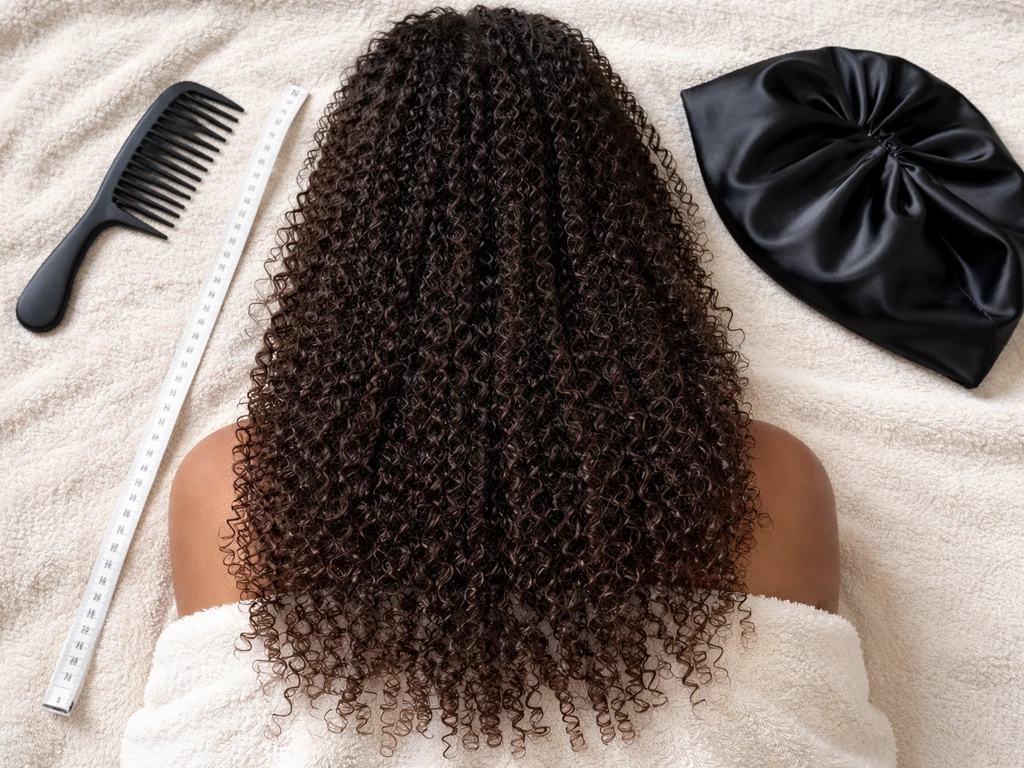
Biracial hair grows at roughly the same rate as any other hair, about half an inch per month. The real challenge is keeping that growth on your head. Most people searching for how to grow biracial hair are actually dealing with a retention problem, not a growth problem. If you are also wondering how to grow afro Caribbean hair, focus on retention by preventing breakage and keeping your scalp and strands well moisturized. Hair is breaking off at the ends almost as fast as it grows at the roots, so length never seems to accumulate. Fix the breakage, keep the scalp healthy, and the growth that was always happening will finally show up as actual length.
How to Grow Biracial Hair: A Step-by-Step Routine

Simone Okonkwo
23 Jun 2026
Understanding biracial hair before you do anything else
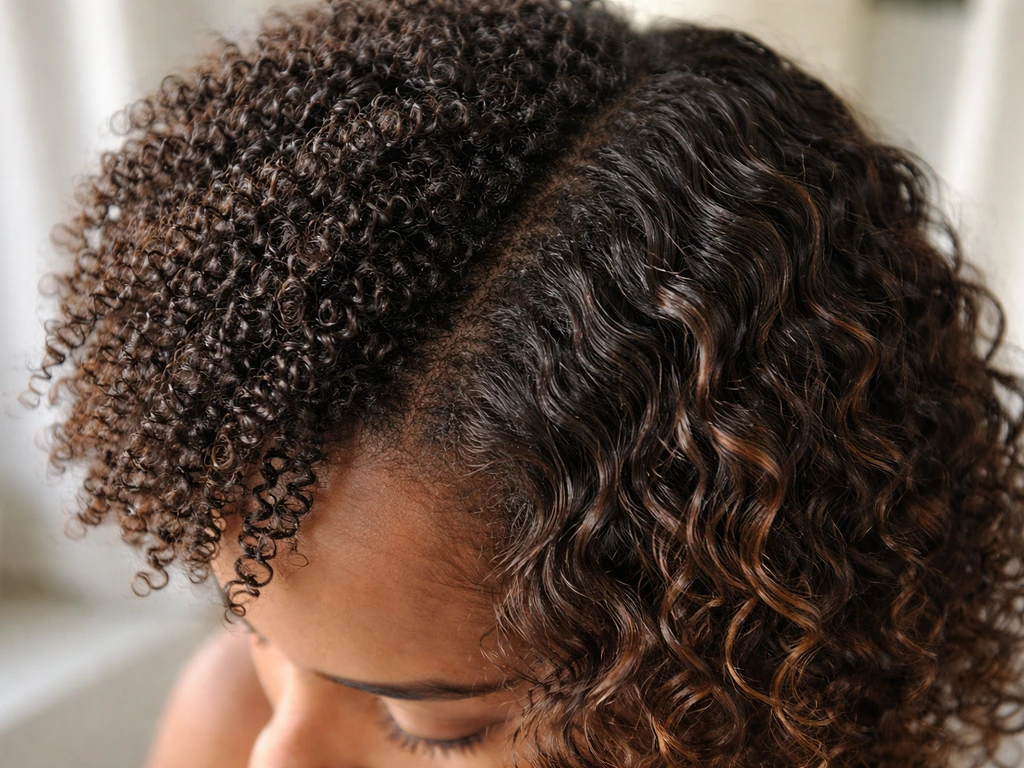
Biracial and mixed-heritage hair tends to combine characteristics from two or more hair types, which sounds simple but creates some genuinely tricky situations. You might have looser waves at the nape, tighter coils at the crown, and something else entirely at the temples. That variability means one approach rarely works evenly across your whole head. The curlier sections tend to be the driest because sebum from the scalp has a harder time traveling down a spiral strand than a straight one, and dry hair is brittle hair.
Here is the distinction that changes everything: hair growth happens at the follicle, under the scalp. The strand you can see is already dead. Science puts average growth at about 0.3 mm per day, or roughly a centimeter per month. Your follicles are almost certainly doing their job. What determines whether you actually gain length is retention, meaning how much of that grown hair survives long enough to be measured. To support healthy growth, focus on retention by reducing breakage and keeping your scalp and hair well-moisturized how indians grow their hair. Normal shedding of 50 to 100 hairs a day is completely healthy and expected. What is not normal is breakage, which is structural snapping of the hair shaft itself, often mid-strand or at the ends.
Why biracial hair seems like it won't grow
Before building a routine, it helps to diagnose what is actually working against you. For most people with biracial or textured hair, the culprit is one or more of the following. If you want a more step-by-step plan for length retention, see how to grow mixed race hair for routines tailored to multiple textures one or more of the following.
Dryness and chronic moisture deficit
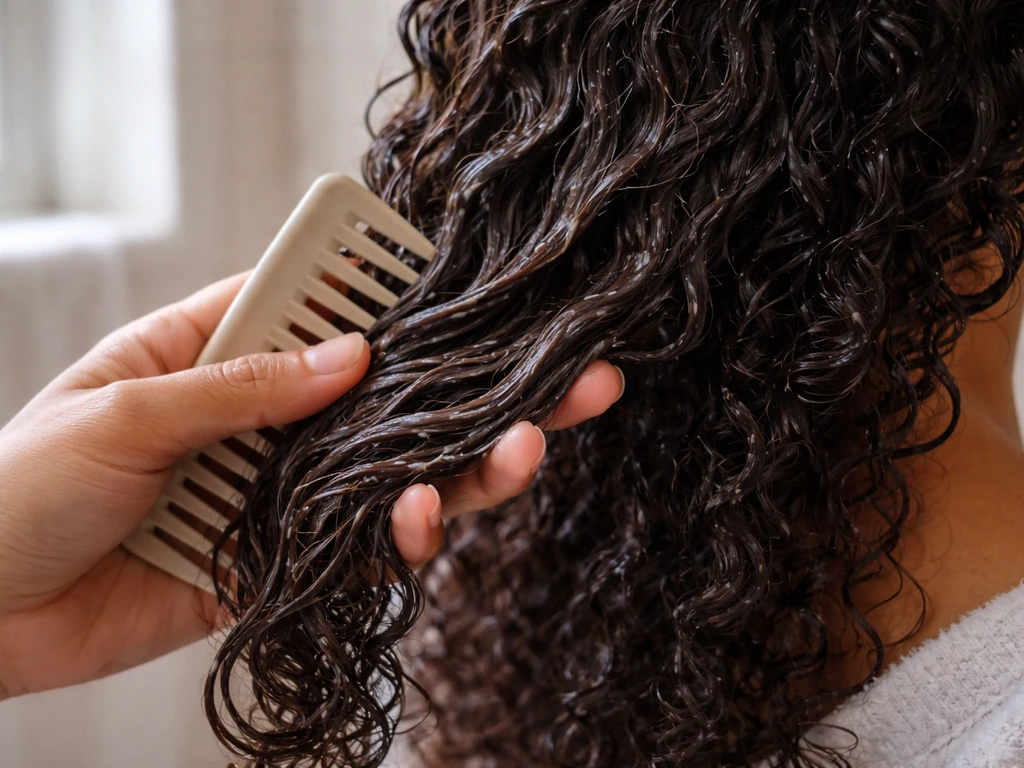
Curly and coily strands have a cuticle layer that sits less flat than straight hair, which makes moisture escape faster and makes the hair feel rough and brittle. If your mixed daughters hair struggles with moisture, it can also make it harder to get growth because breakage outpaces length retention moisture escape faster. If your hair is consistently dry to the touch between wash days, this is probably your number one issue. Dry hair breaks. It is that direct.
Mechanical damage from detangling and friction
Research on curly hair breakage has identified a specific failure pattern: the cuticle slides, separates from the cortex underneath, and then a crack forms and spreads until the strand snaps. That process is accelerated by aggressive combing, brushing dry hair, sleeping on cotton, or wearing styles with a lot of friction at the edges. Biracial hair with multiple textures is especially vulnerable because one section might be fine and fragile while another is coarser, and treating the whole head the same way damages the more delicate parts.
Heat damage
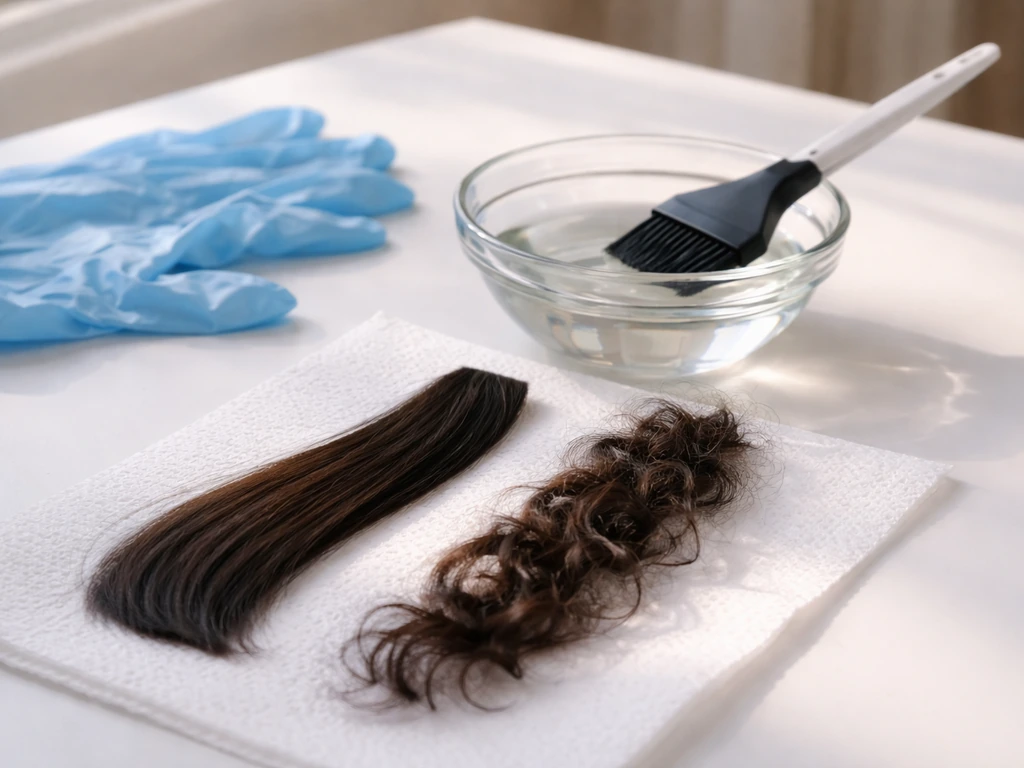
Frequent blow-drying and flat ironing can make hair fragile and prone to breakage even at moderate temperatures. The damage is cumulative, meaning it builds up over months of regular use before you suddenly notice your curl pattern has changed or your ends are snapping off constantly. If you are using heat tools more than once or twice a week without strong heat protection, this is likely contributing to your length plateau.
Chemical processing
Relaxers, which are alkaline straighteners based on sodium hydroxide, calcium hydroxide, or guanidine systems, break disulfide bonds in the hair shaft to permanently alter curl pattern. When used correctly by a skilled professional they can be managed, but they do weaken the structural integrity of the strand. Research is clear that chemical straighteners cause cuticle and structural damage, and that risk compounds when heat styling is added on top. If your hair is relaxed and you are also using flat irons regularly, your ends are taking a double hit.
Building a growth-friendly routine from scratch
Wash frequency
There is no single right answer here, but the research is useful. Studies show that increasing wash frequency can actually improve scalp conditions and hair satisfaction, especially if you have been washing infrequently and letting sebum and product residue build up. For biracial hair, washing every 7 to 14 days tends to work well for coilier textures, while wavier sections might need slightly more frequent washing. The goal is a clean, healthy scalp without stripping the moisture your hair needs. Use a sulfate-free or gentle low-lather shampoo rather than skipping shampoo entirely.
Co-washing (washing with conditioner only) is popular in textured hair communities, and it can help reduce dryness between wash days. But research is honest that there is limited scientific evidence proving co-washing alone prevents breakage, and it can be less effective for maintaining a clean scalp if you have oilier roots or use a lot of styling products. A practical middle ground: alternate a proper shampoo wash every two to four weeks with co-washes in between.
Scalp care
Your scalp is where growth starts, so it deserves real attention. Keep it clean enough that follicles are not clogged with buildup, but not so stripped that it overproduces oil. Scalp massages are worth doing, not because they magically accelerate growth, but because they keep circulation going and help you notice early signs of irritation, flaking, or traction stress before they become bigger problems. If you want practical guidance on growing native American hair, focus on moisture balance, gentle detangling, and protective styling tailored to your strands grow native American hair. If you are consistently experiencing flaking, itching, or inflammation, see a dermatologist rather than just layering more oil on top.
Moisture balance
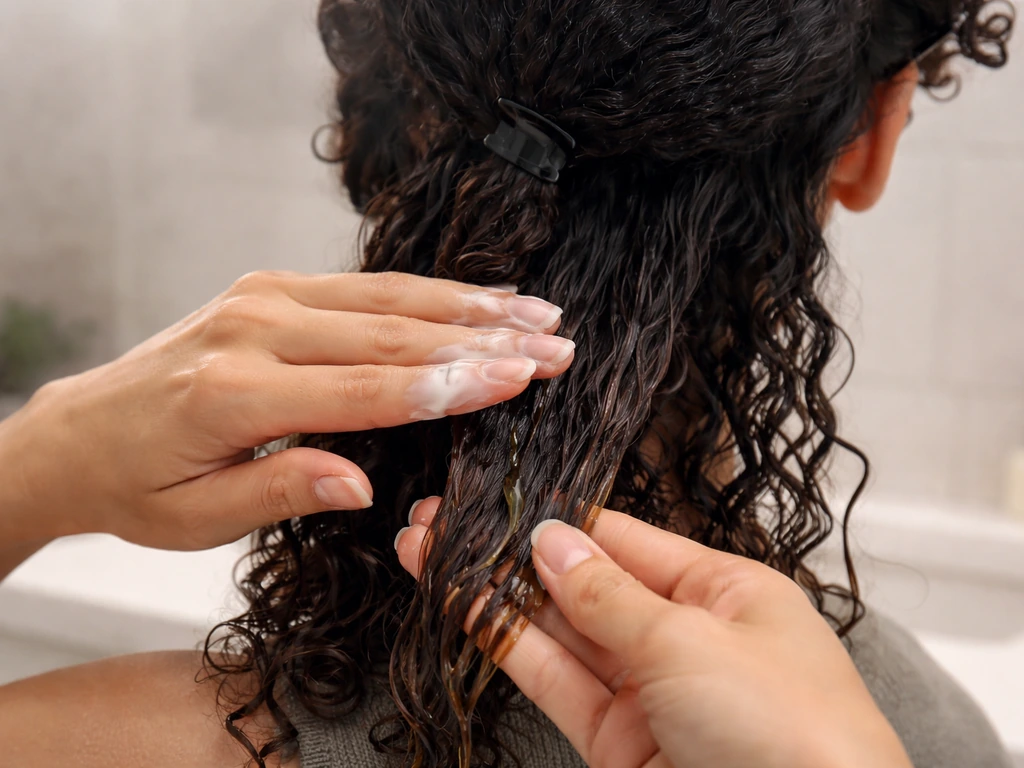
The LOC or LCO method (liquid or leave-in, oil, cream, in different orders depending on your hair's porosity) is a practical way to build and seal moisture. Apply a water-based leave-in conditioner first, then seal with an oil or butter. High-porosity hair, which tends to have gaps in the cuticle and loses moisture quickly, often does better with heavier butters as the last step. Lower-porosity hair can get weighed down by heavy products, so lighter oils work better. If you are not sure which you have, try a simple test: a clean strand in a glass of water will sink quickly if porosity is high, float for a while if it is low.
Protective styles that actually help (and what to watch out for)
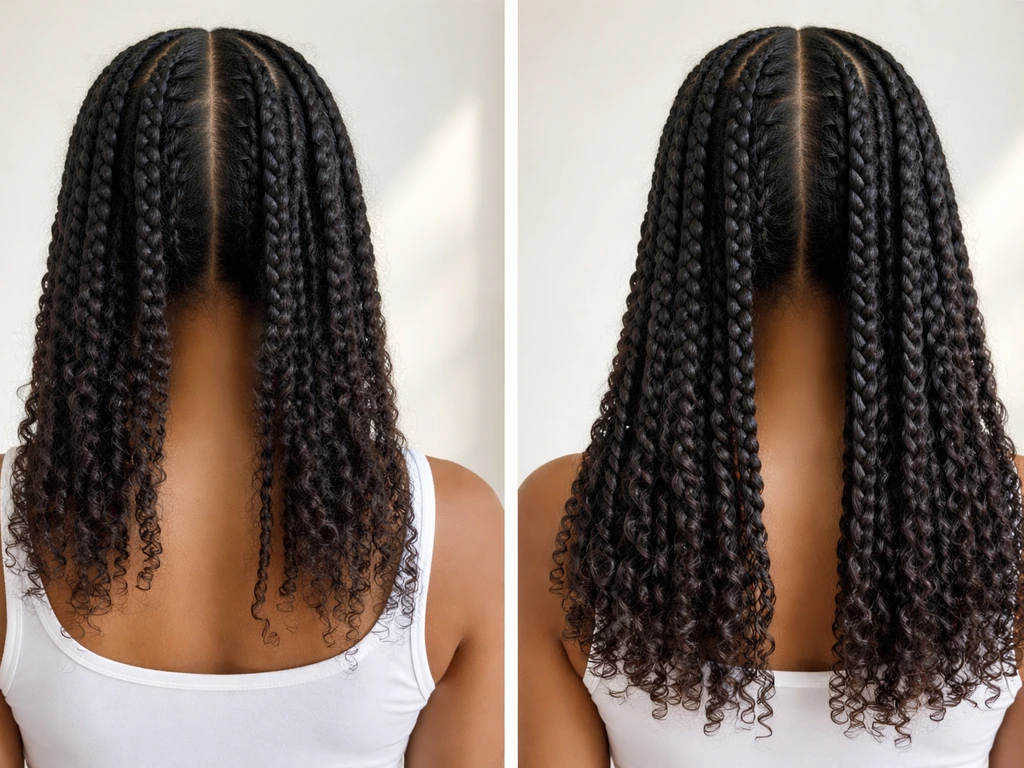
Protective styles like braids, twists, locs, and weaves can genuinely support length retention by keeping your ends tucked away, reducing daily manipulation, and minimizing friction. The key word is can. The same styles that protect length when done correctly can cause traction alopecia when done wrong. Traction alopecia is hair loss caused by repeated pulling on the follicle, and research confirms its prevalence is high in communities that practice tight braiding, especially when chemical relaxers are also involved. StatPearls notes additional traction alopecia risk factors such as chemical relaxers and heat styling, which can increase susceptibility to damage from tension traction alopecia is hair loss caused by repeated pulling on the follicle.
The warning signs are simple: if a style hurts during installation, if you see bumps or crusting along the hairline, or if your edges look thinner after taking a style down, the tension is too high. Tight cornrows, heavy box braids with a lot of extension hair, and high-tension locs during the initial locking phase are the highest-risk styles for traction damage. AAD recommends avoiding tight hairstyles and repeated stress on the scalp, since this can lead to traction alopecia, and a dermatologist can suggest lower-risk alternatives like looser braids and reducing heat and product buildup traction alopecia can result from high-tension styles. Loose braids, two-strand twists you do yourself, and styles that do not pull on the hairline are much safer options.
- Ask your stylist to braid or install extensions with less tension, especially around the perimeter
- Avoid adding extension hair that is heavier than your natural hair can comfortably support
- Keep protective styles in for no longer than 6 to 8 weeks, then take them down and assess your scalp and edges
- Never re-braid or re-install immediately without a rest period of at least a few days
- Sleep with a satin or silk bonnet or use a satin pillowcase to reduce friction even while in a protective style
Detangling, conditioning, and styling without breaking your hair
Detangling is probably the single biggest source of mechanical damage in textured hair routines, and it is mostly avoidable. The safest approach is to detangle after applying a generous amount of conditioner or leave-in to wet or damp hair, working from the ends up toward the roots in small sections. Using a wide-tooth comb or your fingers is gentler than a brush for most biracial textures. Wet hair is more elastic but also more vulnerable to snapping under force, so slow and gentle is the rule.
Deep conditioning is not optional if your hair is chronically dry or damaged. A weekly or bi-weekly deep conditioner with heat (even just a warm towel wrapped around your head for 20 to 30 minutes) helps restore moisture and temporarily smooth the cuticle. If your hair is chemically processed or heat damaged, look for deep conditioners with protein alongside moisture, since compromised hair needs structural support too. But avoid overloading on protein if your hair feels stiff and rough after use, which is a sign of protein overload.
For styling, the less manipulation the better on a daily basis. Styles that let you go several days without touching your hair, like twist-outs, braid-outs, or simply moisturizing and pinning up, give your hair time to retain moisture and avoid daily mechanical stress. When you do use heat, use the lowest effective temperature, always apply a heat protectant first, and try to limit heat styling to no more than once a week at most.
Products and ingredients worth using
You do not need an expensive arsenal, but the right ingredients make a real difference. Here is what to look for and what to skip.
| Category | Look For | Why It Helps | What to Avoid |
|---|---|---|---|
| Leave-in conditioner | Water as first ingredient, glycerin, aloe vera, panthenol | Hydrates and provides slip for detangling | Heavy alcohols like SD alcohol or alcohol denat as main ingredients |
| Oils | Jojoba, argan, avocado, sweet almond, castor (edges/scalp) | Seals moisture, reduces friction, adds sheen | Mineral oil and petroleum as primary ingredients (can block moisture) |
| Butters | Shea butter, mango butter, cocoa butter | Heavier seal for high-porosity or very dry hair | Using on low-porosity hair without warming first (can sit on top) |
| Deep conditioner | Hydrolyzed protein, ceramides, fatty alcohols (cetyl, stearyl) | Restores moisture and structural integrity | Overusing protein-heavy formulas if hair already feels stiff |
| Shampoo | Sulfate-free or low-sulfate formulas | Cleanses without stripping natural oils | Harsh sulfates (sodium lauryl sulfate) used every wash if hair is dry |
Scalp oils like peppermint or rosemary oil diluted in a carrier oil have some supportive research behind them for scalp health, though they are not miracle growth accelerators. Some Jamaicans also use scalp oils to support healthy growth conditions peppermint or rosemary oil. Use them as a scalp treatment during massage if your scalp tends to be dry or flaky, but keep them off the length of your hair if you have fine or low-porosity strands that get weighed down easily.
Natural vs. relaxed biracial hair: does it change the approach?
The core routine is largely the same, but relaxed biracial hair needs a few extra considerations. Relaxed strands are structurally weaker at baseline, so the breakage risk from heat, tension, and rough handling is higher. Stretching time between relaxer touch-ups and focusing on deep conditioning and protective styling during the grow-out phase helps reduce damage at the line of demarcation, which is where relaxed meets new growth and where the strand is most fragile. If you are transitioning from relaxed to natural, two-strand twists and braid-outs are your best friends for managing both textures at once without constant heat.
Your starting point for right now
If you want concrete next steps to start today, here is the honest short list. Address dryness first because it is the root cause of most breakage in biracial hair. Detangle gently with conditioner in small sections. Sleep with a satin bonnet or pillowcase every night starting tonight. Assess whether your current protective styles are tight enough to be causing traction stress. And give yourself at least two to three months of consistent routine before judging results, because hair growth and retention are slow, cumulative processes. If you are also exploring how these principles apply across different mixed and textured hair types, the approaches for growing mixed race hair or Afro-Caribbean hair follow much of the same logic with some useful texture-specific differences worth reading about alongside this guide. You can use the same retention-focused approach to work through how to grow ethnic hair fast without sacrificing scalp health or increasing breakage how to grow biracial hair.
- Switch to a gentle sulfate-free shampoo and commit to washing every 7 to 14 days depending on your scalp's oil production
- Start deep conditioning weekly for the first month to address any existing moisture deficit
- Detangle only on damp hair with conditioner or leave-in, using your fingers or a wide-tooth comb from ends to roots
- Apply a leave-in and seal with a light oil or butter after every wash
- Sleep on satin or silk every night
- Evaluate your current hairstyles for tension, especially at the hairline and edges
- Limit heat to once a week maximum, always with heat protectant
- Take progress photos every four weeks rather than checking daily
FAQ
How long should it take to actually see length when I start a retention-focused routine?
Expect visible change in 8 to 12 weeks, but final confirmation usually takes 2 to 3 months because breaks often come from gradual dryness and handling damage. Track growth from root to end on the same day each month using the same sectioning so you are measuring retention, not just how your hair looks.
What if my biracial hair feels moisturized but still tangles and breaks at the ends?
That often means moisture is present, but slip and detangling mechanics are missing. Increase conditioner slip during detangling, detangle on wet or damp hair only, and reduce brush use, especially near the ends. Also check whether your ends are becoming over-processed (heat or relaxer/chemical touch-ups) since fragile ends can snap even when the rest feels soft.
Is it better to detangle less often or detangle more frequently to prevent breakage?
Detangle as needed, not on a strict calendar. If knots form into tight tangles, trying to remove them later usually causes more breakage. Many people do best detangling in smaller sections during wash days, then doing light finger detangling or refreshing with leave-in between washes.
My hair sheds, but I am worried it means I am not growing. What is normal?
Some shedding is normal (most commonly 50 to 100 hairs per day). The key sign is breakage, not shedding: shedding looks like whole strands with a small white bulb at the end, while breakage looks like shorter pieces or snapping mid-shaft. If you see short broken fragments, prioritize cuticle moisture, gentle detangling, and friction reduction.
How do I know if I need more protein or more moisture?
If your hair feels mushy, stretches a lot, or does not bounce back after stretching, add moisture. If it feels stiff, dry, or rough after conditioning, you may be getting too much protein. A simple pattern many follow is moisture-heavy deep conditioning most weeks, then protein-containing deep conditioner occasionally for chemically processed or heat-damaged hair.
Can I use the LOC or LCO method on all parts of my head if my textures differ?
You usually need to customize by texture. The curlier, drier sections often need a heavier sealant, while wavier or lower-porosity sections may get weighed down by the same products. A practical approach is to apply the first “water-based leave-in” to all sections, then seal the curlier parts heavier and the looser parts lighter.
Is co-washing actually safe for my scalp if I get oily at the roots?
If your scalp gets oily or you use a lot of styling products, co-wash-only periods can make buildup more likely and may lead to flaking or irritation. Use a gentle shampoo often enough to reset your scalp, then use conditioner cleansing only in the “in-between” window. The goal is a clean scalp balance, not skipping shampoo indefinitely.
What are the most common protective-style mistakes that cause breakage even when my ends are tucked?
Two big ones are high tension and product buildup at the scalp. Avoid styles that hurt during installation, check for bumps or crusting, and do not keep extensions or tight styles longer than your scalp tolerates. Also clarify gently after heavy styling product accumulation, especially around the parting and edges.
How often can I wear heat tools without causing a length plateau?
A conservative guideline is no more than about once per week, and only at the lowest effective temperature with heat protectant every time. If you are using heat more frequently, your ends may start to snap before you notice a major texture change. Consider building protective styles or air-dry routines on non-heat days.
What pillowcase or bonnet should I choose, and does “satin” matter if I keep getting frizz?
Use satin or silk for the hair-length contact surface, and make sure it covers hair fully so edges and the nape do not rub on cotton. If frizz persists, check that your hair is properly sealed at night (light leave-in plus moisturizer as needed) and that you are not re-manipulating the hair excessively in the morning.
If I am transitioning from relaxed to natural, how do I protect the line of demarcation?
Treat the line as your most fragile zone. Focus on deep conditioning, minimize heat, and use protective styles that do not pull at the boundary between relaxed and new growth. Increase stretching time between relaxer touch-ups if you are still relaxing, and be extra cautious with detangling because the demarcation area often tangles differently.
Should I apply scalp oils to promote growth, or focus only on my lengths?
For most people, scalp oils are best as scalp treatments for comfort (dryness, flaking) rather than a direct growth booster. Dilute properly, massage briefly, and avoid getting oil on the lengths if your hair gets weighed down easily, especially for lower-porosity textures.
Next Article
How to Grow Mixed Race Hair Longer Faster Without Breakage
Step-by-step plan to grow mixed race hair longer faster with less breakage using porosity care, protein moisture, and pr