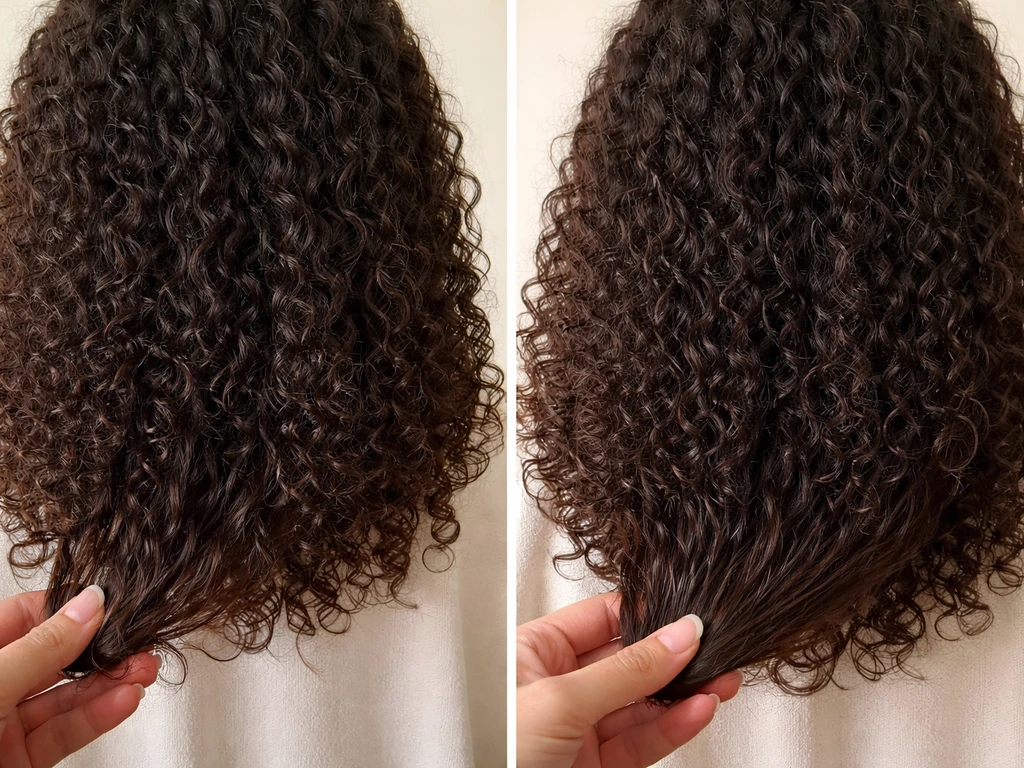
Your hair is almost certainly already growing. The real problem is that it's breaking off at roughly the same rate it grows, so length never accumulates. If you're wondering how to get my mixed daughters hair to grow, the first step is usually stopping breakage that offsets growth stop breakage. For most people with textured or Black hair, the fastest path to longer hair is not finding a magic growth serum, it's stopping the breakage that's quietly erasing every inch of progress. Fix retention first, and the growth you already have starts showing up.
How to Grow Ethnic Hair Fast: Growth and Retention Plan

Simone Okonkwo
16 Jun 2026
What to realistically expect from ethnic hair growth
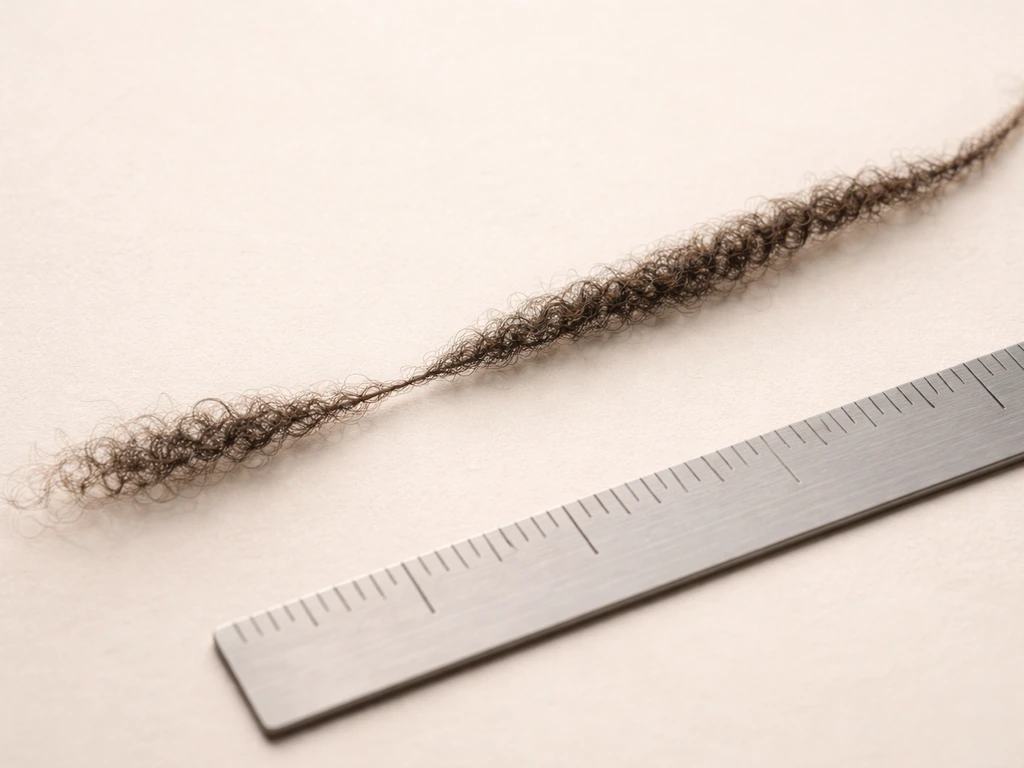
Human scalp hair grows at roughly 0.35 mm per day, which works out to blank" rel="noopener noreferrer">about 1 cm (just under half an inch) per month. That's the broadly accepted biological average. Here's the nuance: blank" rel="noopener noreferrer">research does show that African hair tends to grow at a measurably slower rate than Caucasian or Asian hair, with studies pointing to structural differences like smaller fiber diameter and a more elliptical follicle shape as contributing factors. So while the 1 cm/month figure is a useful benchmark, your personal rate may be a bit lower, and that's completely normal, not a problem to fix.
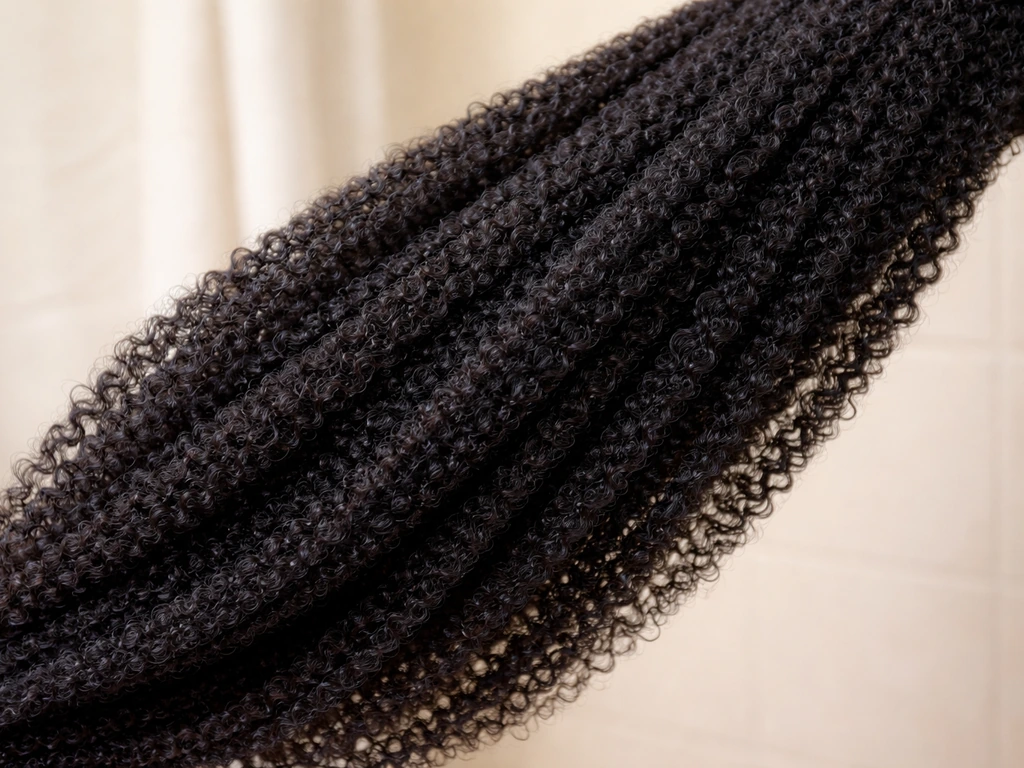
What this means practically: if your hair is in good health and experiencing zero breakage, you could reasonably expect to see 1.5 to 3 inches of new length every six months. Most people with tightly coiled or kinky hair never see that accumulate because shrinkage hides it and breakage removes it. Shrinkage alone can make 4C hair appear 50–75% shorter than its actual length. Setting realistic expectations from the start prevents the frustration that makes people abandon good habits too early.
Hair growth basics: what actually makes hair grow
Hair grows from follicles embedded in your scalp, and each follicle cycles through three main phases: anagen (active growth), catagen (transition), and telogen (rest and shedding). Anagen lasts roughly 3 to 5 years for scalp hair, and during this phase your follicle is actively producing new hair. Catagen is brief, just a couple of weeks. Telogen lasts about 2 to 4 months, then the hair sheds and a new anagen phase begins. At any given time, roughly 85–90% of your hair is in anagen, which is why you don't go bald every telogen cycle.
The length of your anagen phase is largely genetic and determines your maximum potential length. You cannot significantly extend it through products. What you can influence is the health of your follicle environment (scalp circulation, nutrition, hormones) and, crucially, how much of the hair that's already grown you manage to keep on your head. That second part, retention, is where almost all practical intervention happens.
Why ethnic hair seems to grow slowly (it's mostly breakage)
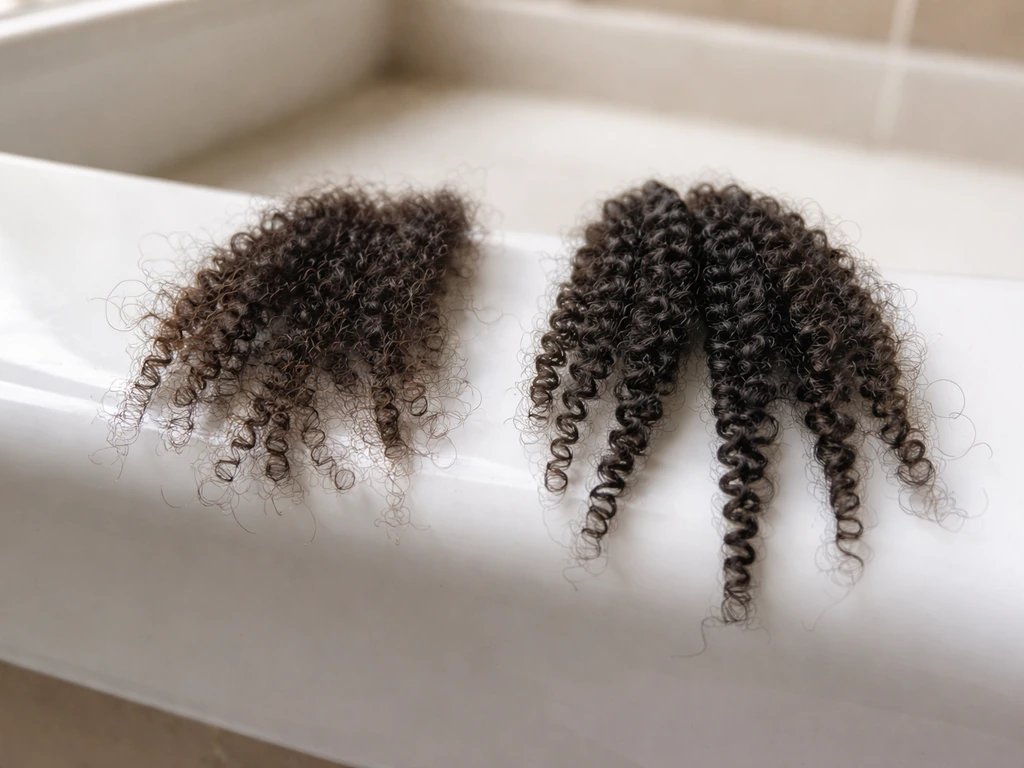
Tightly coiled and kinky hair is structurally more prone to dryness and mechanical damage than straighter hair types. The coil shape means that natural scalp oils have a harder time traveling down the hair shaft, and each bend in the curl is a point of physical stress. That doesn't mean it's weaker, it means it needs more deliberate moisture and handling care. Here are the most common culprits behind hair that doesn't seem to grow:
- Breakage from over-manipulation: detangling too aggressively, styling daily, or constantly touching and pulling at hair causes mid-shaft and end breakage that removes length faster than it grows.
- Chronic dryness: without adequate moisture and sealing, hair becomes brittle and snaps — especially at the ends, which are the oldest and most fragile part.
- Traction and tension: tight braids, weaves sewn in too snugly, high-tension ponytails, and heavy extensions pull on follicles chronically and can cause traction alopecia, a form of hair loss that becomes permanent if ignored.
- Heat and chemical damage: frequent use of flat irons, relaxers, and texturizers weakens the internal protein structure of the hair shaft, making breakage almost inevitable over time.
- Friction from cotton pillowcases and rough towels: cotton fibers snag and rough up the cuticle, causing tangles and breakage overnight or during drying.
- Infrequent or harsh cleansing: product buildup can clog follicles and compromise scalp health, while sulfate-heavy shampoos strip natural moisture and leave hair more brittle.
It's also worth noting that some slower growth or shedding can have medical causes: thyroid dysfunction, iron deficiency anemia, polycystic ovary syndrome, and prolonged stress (telogen effluvium) can all slow growth or increase shedding. If you're losing hair in patches, noticing a receding hairline around the edges, or experiencing dramatic shedding over several months, those are signals to see a dermatologist rather than just adjust your routine.
Protective styling: what actually helps and what can backfire
Protective styles, braids, twists, locs, weaves, and wigs, are a cornerstone of length retention for textured hair, and the cultural traditions around them are valid and important. Many Jamaican hair-care routines focus on reducing breakage through protective styles and consistent moisturizing and sealing. When done correctly, they reduce daily manipulation and protect fragile ends. But "protective styling" done wrong can be the main cause of hair loss, not prevention of it. The style itself isn't the issue, the installation tension and the maintenance neglect are.
Braids and twists
Box braids, cornrows, Senegalese twists, and similar styles work well for retention when the tension is low at the root, the extensions are not excessively heavy, and the style is worn for no longer than 6 to 8 weeks. Beyond that window, new growth becomes tangled with the braid base, making removal more damaging. The biggest mistake I see is tight installation, if your scalp hurts after braiding, follicles are under stress. Pain is not normal and is a warning sign.
Locs
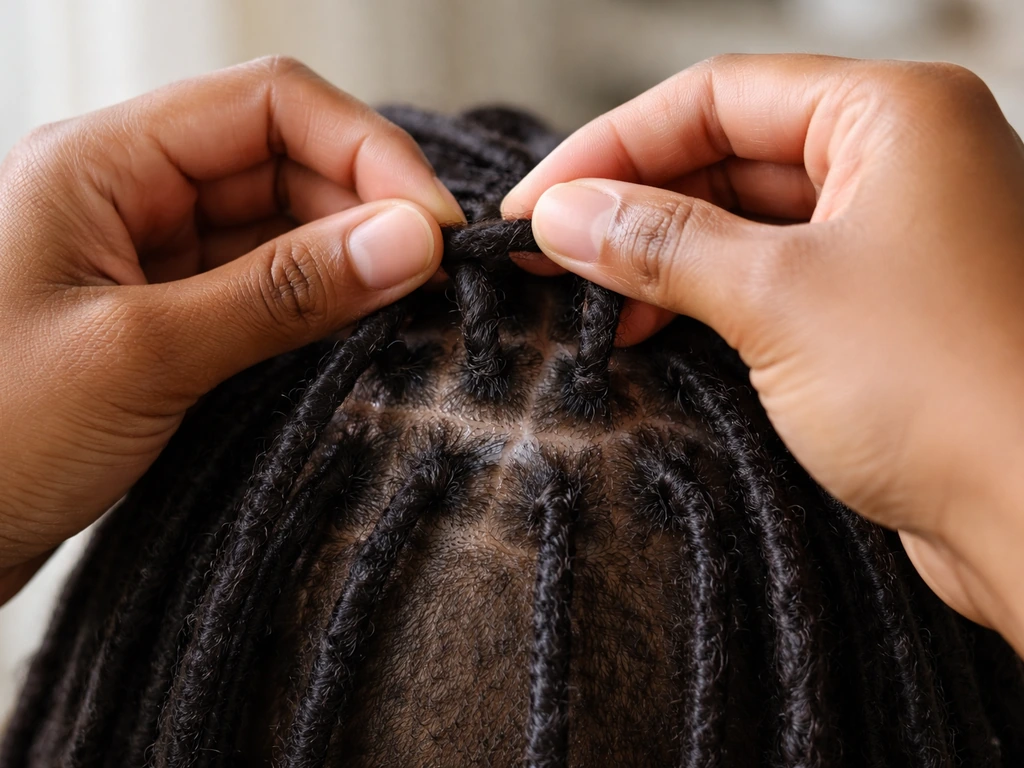
Locs are one of the most retention-friendly styles when maintained properly because they keep the hair in one piece and minimize manipulation. They do require regular moisturizing (which can be harder since product can build up inside the loc) and careful retwisting, over-retwisting at the roots causes traction that leads to thinning at the temples and hairline. Keep retwisting to every 4 to 6 weeks and use lightweight oils rather than heavy waxes or butters that cause buildup.
Weaves and wigs
Sew-in weaves and wig units are excellent for retention as long as your natural hair is cared for underneath. The leave-out hair in sew-ins often takes the most damage because it's exposed and frequently heat-styled to blend. Wigs installed over braided natural hair with no leave-out and a breathable wig cap are arguably the gentlest option. Glued wigs and weaves create their own set of issues: adhesive can cause scalp reactions and hairline damage. Net weaves sewn in tightly for months without washing underneath create a scalp environment that's unhealthy for follicles.
| Style | Growth/Retention Benefit | Main Risk | Optimal Wear Time |
|---|---|---|---|
| Box braids / twists | High — low daily manipulation | Tension at root, heavy extensions | 6–8 weeks max |
| Cornrows | Moderate — good base for wigs | Very tight installation common | 4–6 weeks max |
| Locs | Very high when maintained well | Over-retwisting, product buildup | Ongoing — retwist every 4–6 weeks |
| Sew-in weave | High — if leave-out is minimal | Neglected hair underneath, tight tracks | 6–8 weeks max |
| Wig (over braids) | Very high — hair fully protected | Scalp moisture neglect under cap | As desired with regular removal |
How to actually care for ethnic hair to maximize retention
A solid routine is the foundation. There's no product, supplement, or style that compensates for the basics done consistently. If you want to grow native American hair, focus first on retention and scalp health so the hair you grow is kept and not lost to breakage. Here's what that looks like in practice: For more specific steps on mixed race hair routines, you can follow guidance tailored to your hair pattern and texture.
Cleansing
Wash your hair every 1 to 2 weeks. Going longer than two weeks without cleansing allows product buildup and sebum to accumulate around follicles, which can impede healthy growth and create an itchy, inflamed scalp. Use a sulfate-free or low-sulfate shampoo, not a co-wash alone, to actually cleanse the scalp. Co-washing (conditioner washing) is fine between shampoo sessions but doesn't replace a proper cleanse. If you have a scalp condition like dandruff or seborrheic dermatitis, you may need a medicated shampoo containing zinc pyrithione, ketoconazole, or selenium sulfide.
Deep conditioning
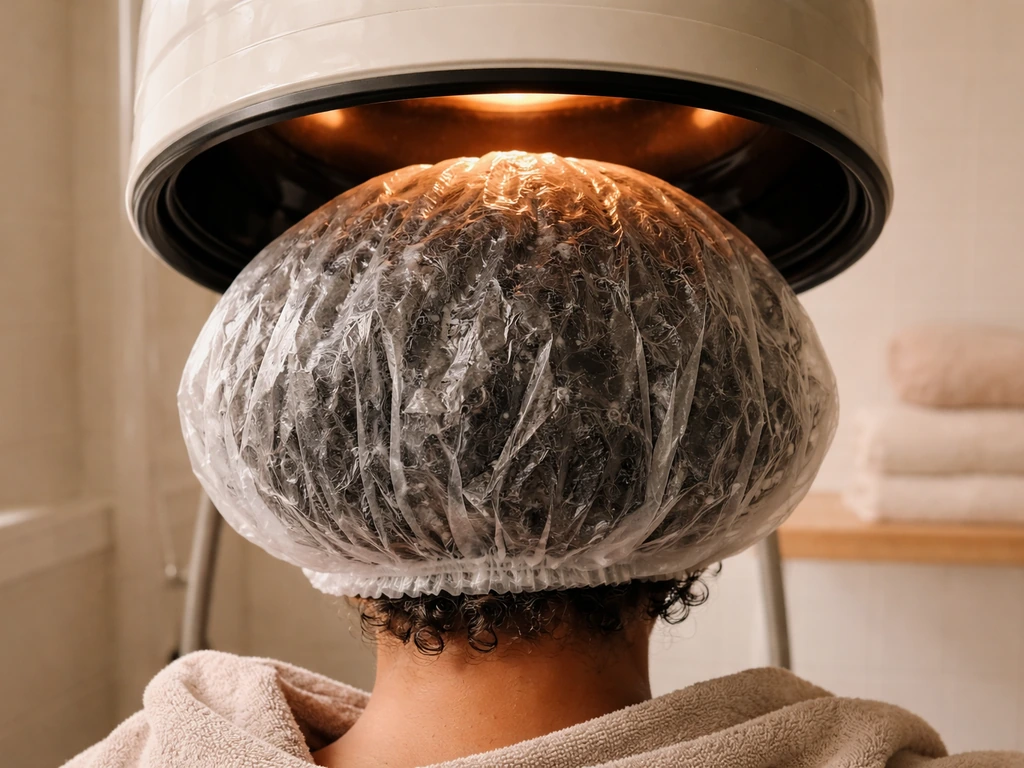
Deep condition with heat every wash day. A good deep conditioner applied under a plastic cap for 20 to 30 minutes with gentle warmth (a hooded dryer or a warm towel) allows the product to penetrate the cortex and restore elasticity. Hair with good elasticity stretches without snapping, that's the goal. Protein treatments (products with hydrolyzed keratin, rice protein, or wheat protein) are useful once a month to strengthen hair that's prone to breakage, but overusing protein on already-strong or low-porosity hair can make it stiff and more prone to snapping.
Moisturizing and sealing
Textured hair needs moisture added back regularly between washes. The LOC or LCO method works well for most: apply a Leave-in conditioner, then an Oil, then a Cream sealant (or swap oil and cream order depending on your porosity). High-porosity hair tends to absorb moisture quickly but lose it just as fast, so a heavier butter or cream sealant on top helps lock it in. Low-porosity hair repels moisture initially, so use lighter products and apply to damp hair with heat to open the cuticle. Avoid layering too many heavy butters and oils if your hair stays greasy or feels weighed down, that's a sign of over-sealing.
Detangling
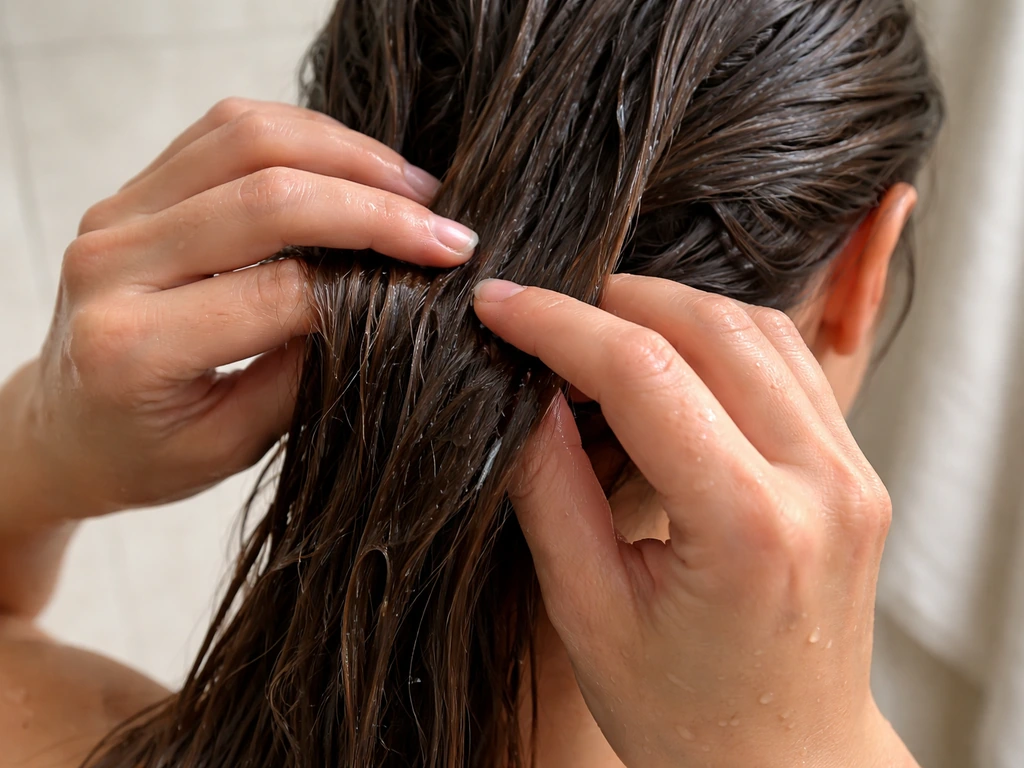
Always detangle on damp or wet hair with a generous amount of conditioner or detangling product. Work in sections, start at the ends and work up to the roots, and use your fingers first before introducing a wide-tooth comb. Dry detangling textured hair is one of the most common causes of breakage. Never rush detangling, if you're snapping through knots, you're losing length.
Scalp health and gentle handling
Sleep on a satin or silk pillowcase, or wrap your hair in a satin bonnet. The difference in friction compared to cotton is significant and one of the cheapest upgrades you can make. Use a satin-lined hat in winter. When drying, blot or squeeze with a microfiber towel or cotton T-shirt rather than rubbing. Massage your scalp for 5 to 10 minutes a few times a week to stimulate circulation to follicles, there's modest evidence from small studies that consistent scalp massage increases hair thickness over time, and it's low-risk and free.
Scalp treatments, nutrition, and when to see a doctor
Topical treatments worth considering
Minoxidil (Rogaine) is the most evidence-backed topical for stimulating hair growth and is FDA-approved for androgenetic alopecia. The 5% foam version is now available over the counter and has been studied in women as well. It works by prolonging the anagen phase, and results take at least 3 to 6 months to be visible. If you're dealing with genuine hair thinning rather than just retention issues, it's worth discussing with a dermatologist. Rosemary oil has gained traction in recent years, and one small study compared it favorably to 2% minoxidil for androgenetic alopecia over 6 months, it's worth trying as a scalp massage oil, but it's not a replacement for medical treatment if thinning is significant.
Nutrition and supplements
Hair is made of protein, so eating enough is foundational. Deficiencies in iron, ferritin (stored iron), zinc, vitamin D, and biotin are all associated with hair shedding and slowed growth. The catch is that supplements only help if you're actually deficient. Taking biotin when your levels are already fine won't make your hair grow faster, and high-dose biotin can interfere with thyroid lab results.
Get bloodwork done first. If you're found to be deficient in iron or vitamin D (both common, especially in people who experience heavy periods or live in lower-sunlight climates), correcting those deficiencies can make a meaningful difference in growth and shedding. A diet rich in lean protein, leafy greens, eggs, and fatty fish covers most of your bases without needing a complex supplement stack.
When to see a dermatologist
See a board-certified dermatologist (ideally one experienced with textured hair) if you notice: a receding hairline especially at the temples or edges, hair loss in patches, significant shedding that lasts more than 3 months, scalp pain, scaling, or inflammation that doesn't clear with antifungal shampoo, or if your hair suddenly stops growing or snaps at the root rather than the ends. Conditions like traction alopecia, central centrifugal cicatricial alopecia (CCCA, which disproportionately affects Black women), and alopecia areata require medical treatment and can cause permanent loss if caught late.
Your 30–90 day plan to grow ethnic hair faster
This plan is about building the habits that produce results over time, not chasing quick fixes. If you are wondering how to grow Afro-Caribbean hair, focus on retention, gentle handling, and a routine that prevents breakage before chasing new products grow ethnic hair faster. Do this consistently for 90 days before judging whether it's working.
Days 1–7: Set your baseline
- Do a length check on dry, stretched hair. Take a photo or measure with a tape measure from root to tip in several spots. Write it down.
- Assess your current breakage: look at the hair that sheds — is it long hairs with a white bulb at the end (normal shedding) or short pieces without bulbs (breakage)? Mostly short pieces means your retention is the issue.
- Audit your routine for the biggest offenders: tight styles, daily heat, cotton pillowcase, infrequent washing, or skipping conditioner.
- Switch to a satin bonnet or pillowcase immediately — this is a same-day change.
- If you haven't had bloodwork recently and are experiencing shedding, make an appointment with your doctor to check iron, ferritin, vitamin D, and thyroid.
Weeks 2–4: Lock in the core routine
- Wash every 7 to 14 days with a sulfate-free shampoo, followed by a deep conditioning treatment with heat.
- Moisturize mid-week using the LOC or LCO method on damp hair.
- Install a low-tension protective style (loose twists, braids, or a wig unit) if you don't already wear one — the goal is to minimize daily touching and manipulation.
- Begin scalp massage 3 to 4 times per week for 5 to 10 minutes using a lightweight oil (jojoba, peppermint-infused, or rosemary oil are good choices).
- Trim any severe split ends or damaged ends — holding onto damaged ends causes breakage to travel up the shaft, causing you to lose more length long-term.
Days 30–60: Monitor and adjust
- Do a second length check on the same stretched, dry sections. Don't panic if the difference is small — 1 to 1.5 cm in a month is real progress.
- Check whether breakage has reduced. Less short hair in the drain and on your hands during detangling is the first sign the routine is working.
- Adjust moisture balance if needed: if hair still feels dry after sealing, move to a heavier cream or butter. If it feels weighed down and greasy, lighten up.
- If you're wearing a protective style, schedule a takedown by week 6 to 8. Gently remove and do a full wash and deep conditioning before reinstalling.
Days 60–90: Build the long game
- Do your third length check and compare all three measurements. By now, if you've been consistent, you should see 1.5 to 3 cm of new retained length.
- Identify which parts of the routine you're actually keeping up with and which you're skipping — double down on the kept habits and simplify anything that feels too complicated.
- Consider whether your protective styles are truly low tension. If your edges or hairline look thinner than when you started, immediately switch to looser styles or fully remove tension for 4 to 6 weeks.
- If you started any supplements based on bloodwork results, check in with your doctor at the 90-day mark and retest if recommended.
What to actively avoid during the 90 days
- Any style that causes pain or visible scalp tension at installation
- Daily or weekly heat styling — if you must use heat, use a heat protectant and keep temperatures below 375°F (190°C)
- Chemical relaxers or texturizers during this period if you're trying to assess your natural growth and retention
- Rough towel drying or dry detangling
- Wearing a protective style past 8 weeks without a wash and re-install
- Comparing your progress to people with different hair types or genetics — your hair's growth rate is unique
Growing ethnic hair fast is really about growing it consistently, and consistency comes from a routine simple enough to actually do. People with tightly coiled hair, Afro-Caribbean hair, biracial or mixed-texture hair, and even those who follow traditional methods from Jamaican, Indian, or other cultural hair care traditions are all essentially trying to solve the same equation: enough moisture, low manipulation, a healthy scalp, and patience. The biology is the biology. The habits are where you have control.
FAQ
How can I tell if my ethnic hair is actually growing, not just shrinking?
Track length in a consistent way, measure from the same reference point (for example, from root to end on stretched hair) every 2 to 4 weeks. If you only judge by shrinkage, you can mistake “normal curl behavior” for lack of growth.
Can I speed up growth by washing more often and using more products?
Yes, but expect slower progress. If your hair is low porosity or prone to buildup, you may need a light heat approach for conditioners (brief warmth at the scalp and mid-lengths) and a clarifying shampoo occasionally, otherwise the product can sit on the hair and prevent moisture from getting in.
How do I know whether I should be using protein more or less often?
Aim for consistency, not intensity: deep condition with heat every wash day as described, then adjust how often you use protein based on how your hair responds. If your hair feels hard, rough, or tangles more after protein, scale back and focus on moisture for a few weeks.
What should I do if I have itching or flakes but my hair still feels dry?
Try this decision rule: if your scalp feels itchy, looks flaky, or you see dandruff-type buildup even after washing, switch to a medicated shampoo for a cycle and do not rely on co-washing alone. If your scalp is calm but hair ends feel dry, keep your main strategy moisturizing and sealing, not medicated products.
Does minoxidil make textured hair grow faster, or is it only for thinning?
Not exactly. Minoxidil can help some thinning patterns, but it is not a substitute for fixing traction, breakage, or scalp inflammation. If you are seeing edge recession or widening part lines, talk to a dermatologist before you start and do not treat it like a quick fix.
What are the warning signs that a protective style is harming my hairline?
Low tension during installation matters more than the style name. If your scalp hurts, you see redness that lasts, or you feel throbbing after braiding, remove or loosen the style and let your scalp rest, because persistent tension can trigger traction loss.
How long can I keep braids or twists in without losing length?
For retention, a “how long” window plus scalp maintenance matters. If you keep box braids, twists, or similar styles longer than about 6 to 8 weeks, the base can tangle with new growth and removal can cause more breakage than letting the hair breathe.
How do I prevent damage to leave-out hair in sew-ins?
If you use leave-out in sew-ins, it is usually the most fragile area because it gets heat and blending stress. Reduce heat, keep the leave-out moisturized, and consider minimizing the amount of leave-out or choosing a wig system that avoids daily styling.
How long should I stick with a routine before I judge whether it is working?
For most people, 90 days is enough to evaluate retention habits, but hair “catch-up” may look uneven because curl patterns and shrinkage change what you see. Reassess using breakage and elasticity signs (less snapping, better stretch, easier detangling) in addition to length.
Do I need supplements to grow ethnic hair fast, or can diet handle it?
Yes, especially with certain diets or after illness. If you have heavy shedding, fatigue, dizziness, or dietary restriction, ask for bloodwork and do not start high-dose supplements blindly, because unnecessary iron or biotin can complicate labs or worsen side effects.
What tests should I ask for if I suspect my hair growth is slow due to health issues?
Bloodwork is particularly useful if you have irregular periods, a history of anemia, low sun exposure, or symptoms like hair shedding that lasts beyond 3 months. Ask specifically for ferritin, vitamin D, iron studies, and thyroid-related tests if appropriate, then adjust only based on results.
What does it mean if my hair stops growing or snaps at the root?
If hair is snapping at the root, not just the ends, treat it as a sign of a medical or mechanical problem rather than a normal “growth” phase. Sudden changes, patchy loss, scalp pain, or rapid shedding for months need a dermatologist evaluation.
Next Article
How to Grow Black Women’s Hair: Length and Growth Guide
Step-by-step guide to grow and retain Black women’s hair, boost length via breakage control, and avoid traction damage.