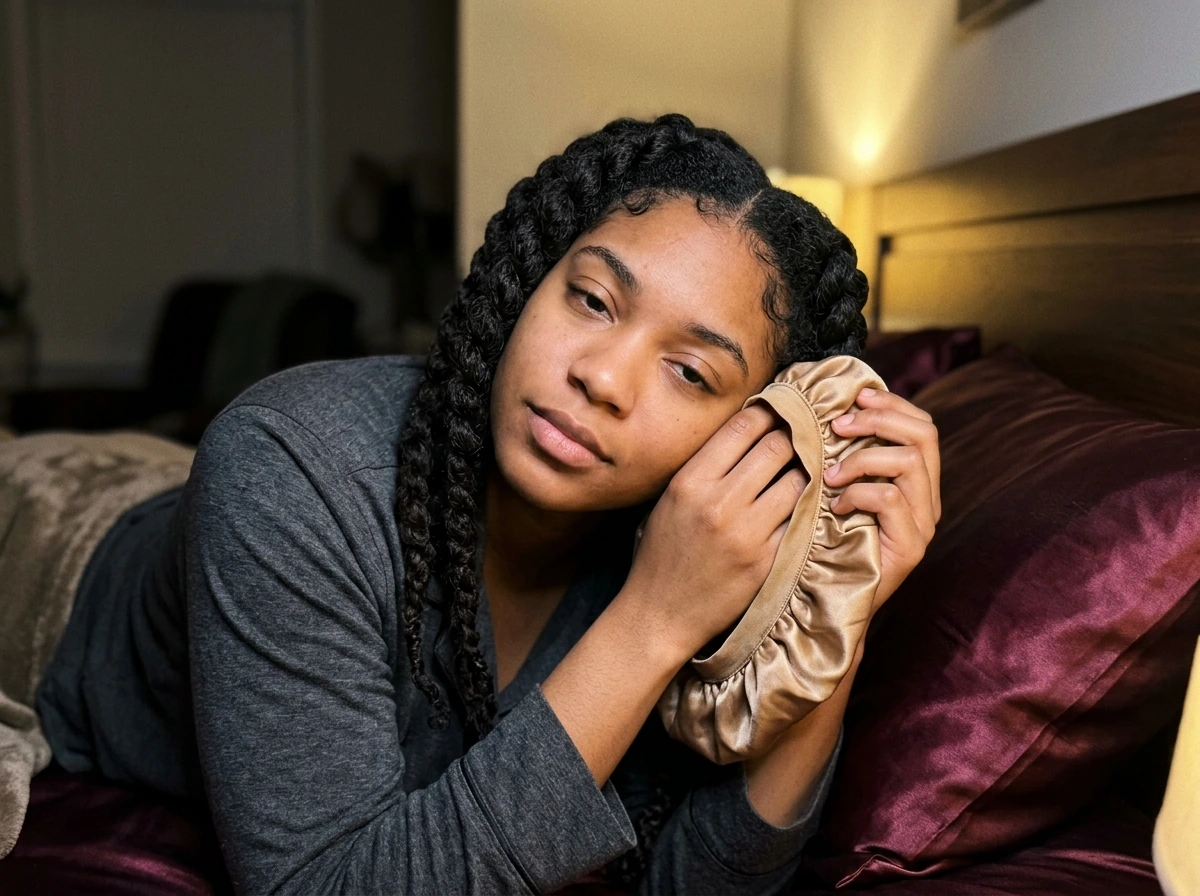
Short answer: no, braiding black hair does not make it grow faster. Your follicles are going to produce roughly 1 centimeter of new hair per month regardless of what style you put on top. What braids can genuinely do is help you keep more of that growth by reducing the daily breakage that quietly steals your length before you ever notice it. That distinction matters a lot, because it changes how you use protective styles, what you expect from them, and how you avoid the real risks that come with doing them wrong.
Does Black Hair Grow Faster When Braided? Facts and Care Tips

Simone Okonkwo
24 Mar 2026
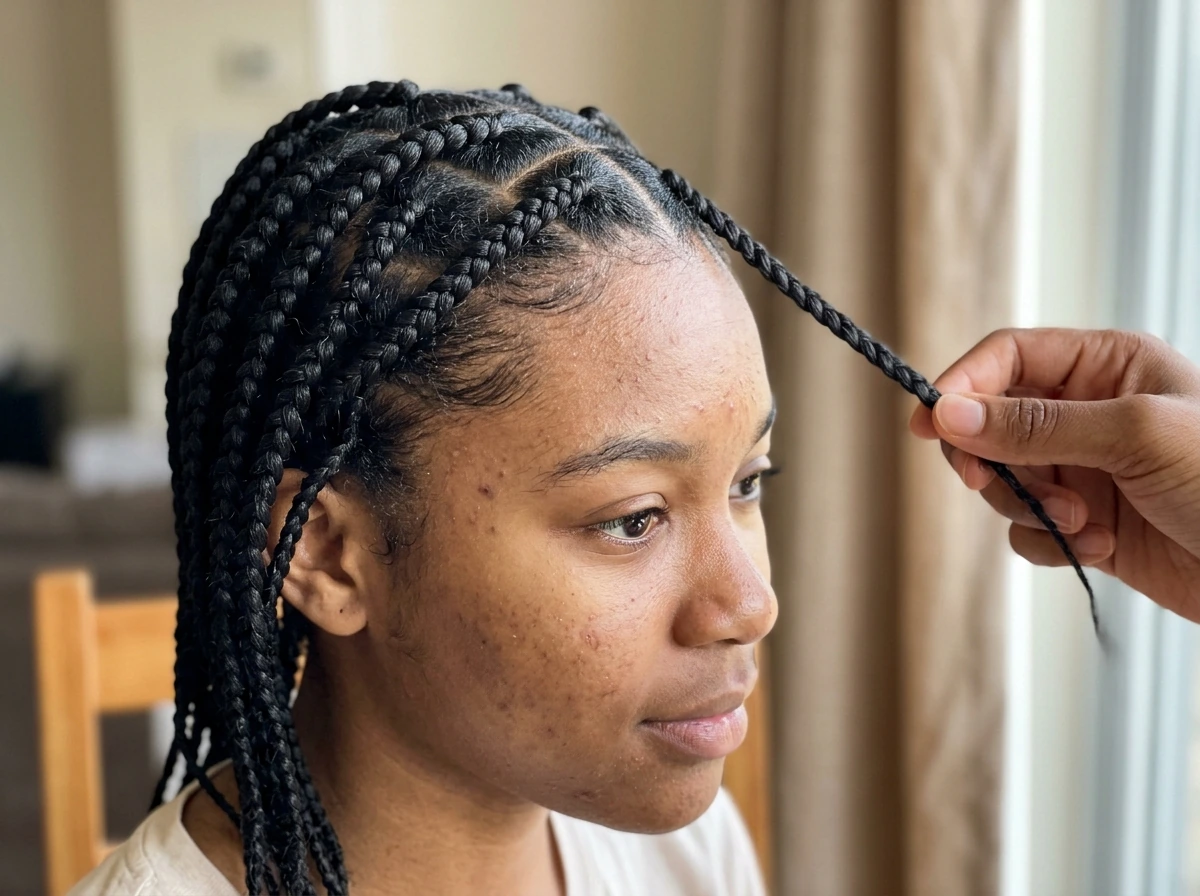
Does braiding change actual hair growth rate
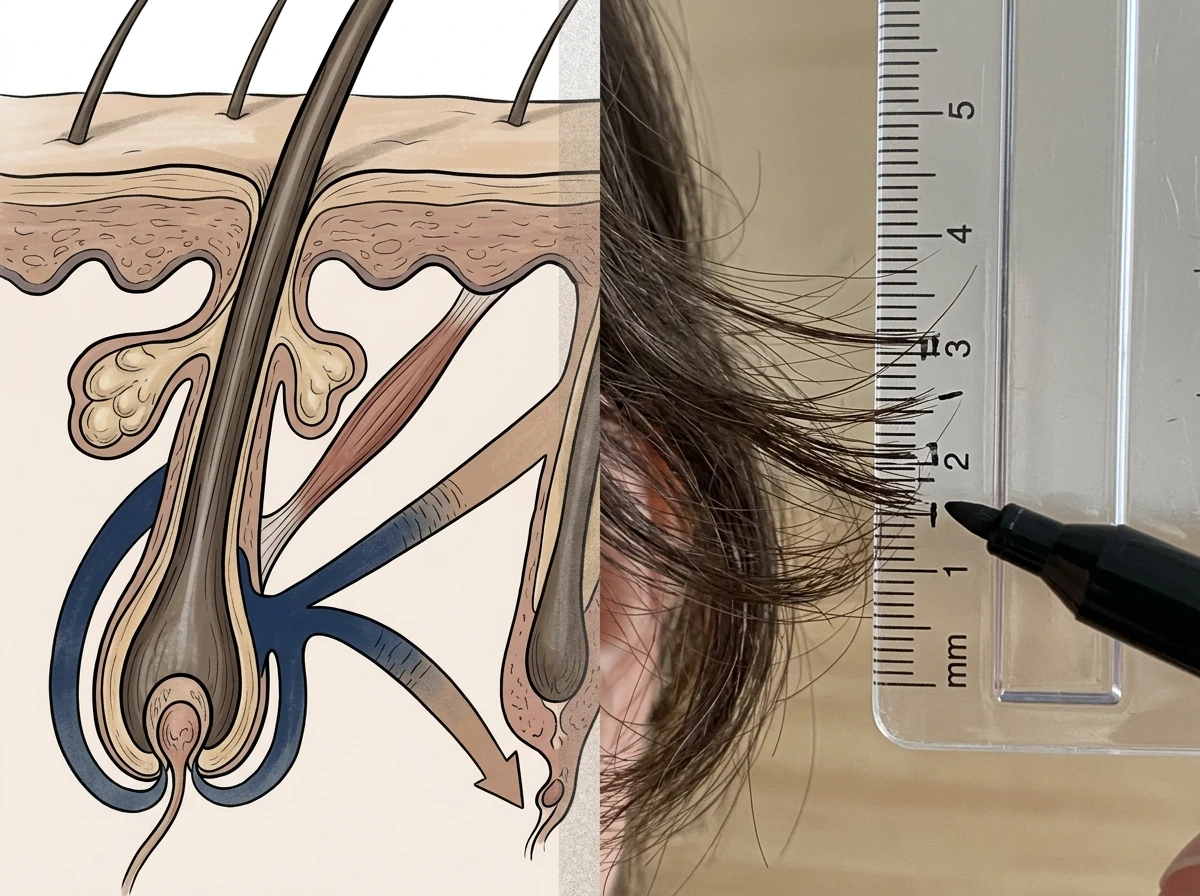
Hair growth is driven by what happens inside the follicle, not on the surface of your scalp. Each follicle runs through a cycle: anagen (active growth), catagen (regression), and telogen (rest). How long your anagen phase lasts determines how long your hair can grow, and that duration is set by your genetics, age, hormones, and overall health. No external styling choice, including braiding, has been shown to reach down into that cycle and extend it.
The numbers back this up. Scalp hair grows at roughly 0.3 to 0.4 mm per day, which works out to about 1 cm per month. That rate applies whether your hair is braided, loose, in a bun, or completely unstyled. What changes with braiding is how much of that growth you actually get to see at the end of the month, because breakage can erase new growth before you ever measure it. So when someone says their hair grew so much faster in braids, what they almost always mean is that their hair broke less, and they finally got to see the length that was always being produced.
What braids do for retention (breakage vs shedding)
There are two ways hair leaves your head, and they are not the same thing. does braids help your hair grow Shedding is normal: a hair completes its cycle and releases from the follicle with a small white bulb attached. You lose roughly 50 to 100 hairs per day this way, and braiding does not change that number. Breakage is different. It happens mid-shaft when a strand snaps from dryness, friction, tension, or rough handling. A broken hair has no bulb. Breakage is the silent length thief, and it is the one thing braids can actually address. do braids make your hair grow faster black male
When your hair is braided, it is not rubbing against your collar, getting caught in your fingers during absentminded touching, or going through a daily detangling session. Coily and kinky hair textures are especially prone to single-strand knots and tangles that, when worked through with a comb or brush, cause massive mid-shaft breakage. A braid eliminates most of that friction and handling, so braids at night can help you retain more of your length rather than speeding up growth. The ends, which are the oldest and most fragile part of each strand, stay tucked and protected instead of catching on everything around them. That protection is real, and over weeks and months it adds up to visibly longer hair. But the follicle did not speed up. You just stopped losing what it was already making.
African American and textured hair: growth vs shrinkage
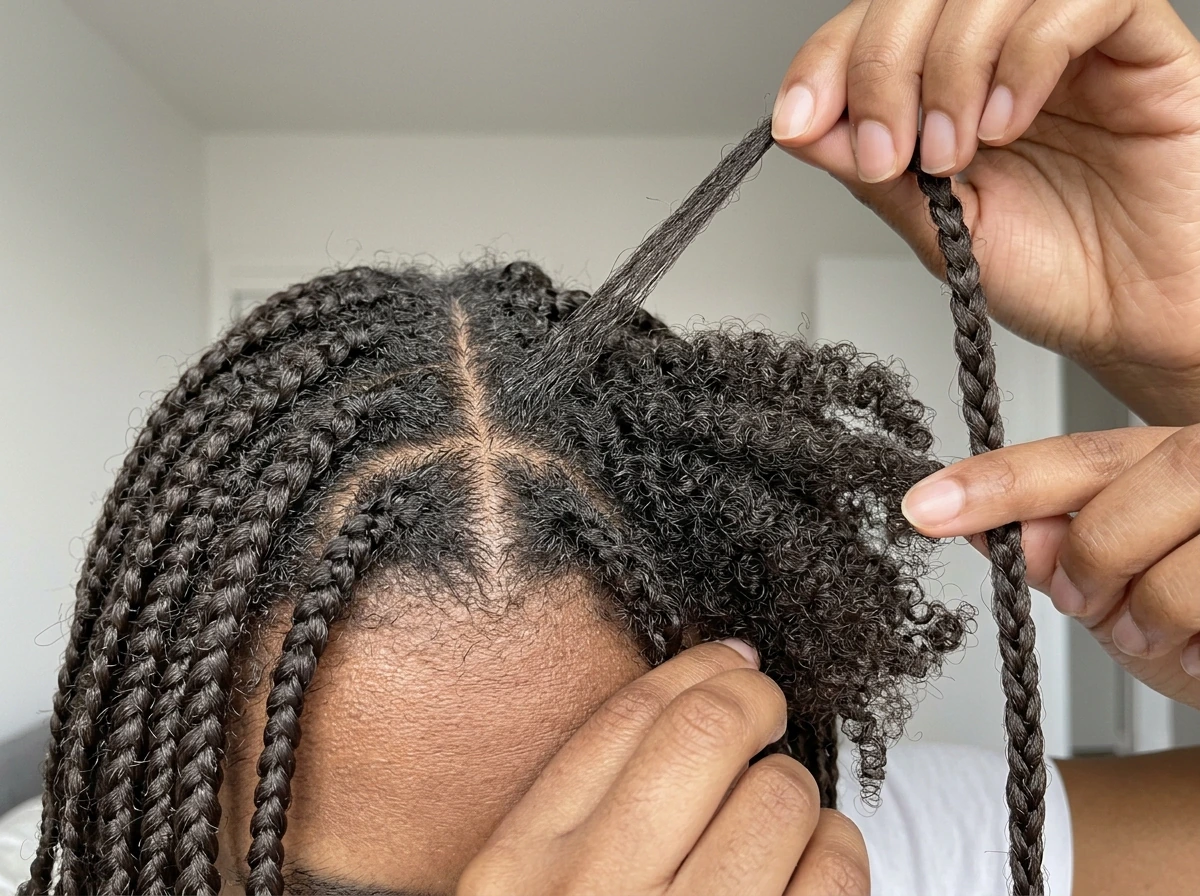
There is a geometry issue that makes this conversation even more layered for people with tightly coiled hair. Afro-textured hair has a curl pattern so tight that the strand spirals back on itself repeatedly. A strand that measures 6 inches in actual length might only appear to be 2 or 3 inches long when it is sitting in its natural coiled state. That is shrinkage, and it is completely normal, but it creates a perception problem.
Braids stretch and reposition those coils. When you take down a style after several weeks, the hair hangs longer than it did before you put it in. That visual change is not new growth happening. It is the same strands now in a more elongated geometry. This is one reason the belief that braids accelerate growth is so persistent: the before-and-after difference looks dramatic, but a significant portion of it is simply shrinkage being reduced. Real length gains from retention are in there too, but the shrinkage factor inflates how big the change appears.
When braids can backfire: traction, tension, and scalp issues
This is the part of the conversation that gets skipped too often. Braids are not automatically safe just because they are called a protective style. When the tension is too high, or the style is left in too long, braids can cause traction alopecia, which is hair loss driven by prolonged mechanical pulling on the root. The follicle is not growing at a changed rate here. It is being damaged.
Traction alopecia tends to show up first along the hairline and edges, because those fine, short hairs are the most vulnerable to tension. It often starts subtly: a little thinning above the temples, a slightly higher forehead over time, some pimples or flaking near the roots. Dermatologists describe a pattern sometimes called the fringe sign, where a line of shorter, thinner hairs develops at the margin of the hairline. By the time someone notices a visible bald patch, the damage has usually been building for a while.
The good news is that traction alopecia caught early is often reversible. Removing the tension and giving follicles time to recover can result in regrowth within months. But if tight styles are worn repeatedly for years before the problem is addressed, the follicles can scar and the loss can become permanent. This is a real risk, not a theoretical one, and it is exactly why knowing how to braid safely matters more than just knowing whether to braid at all.
Symptoms to take seriously include pain or stinging at installation or shortly after, redness, swelling, small bumps or pimples along the hairline, crusting around braids, or any new hair loss. If any of these appear, the right move is to loosen or remove the style immediately, not to wait and see if it goes away.
How to braid for best results
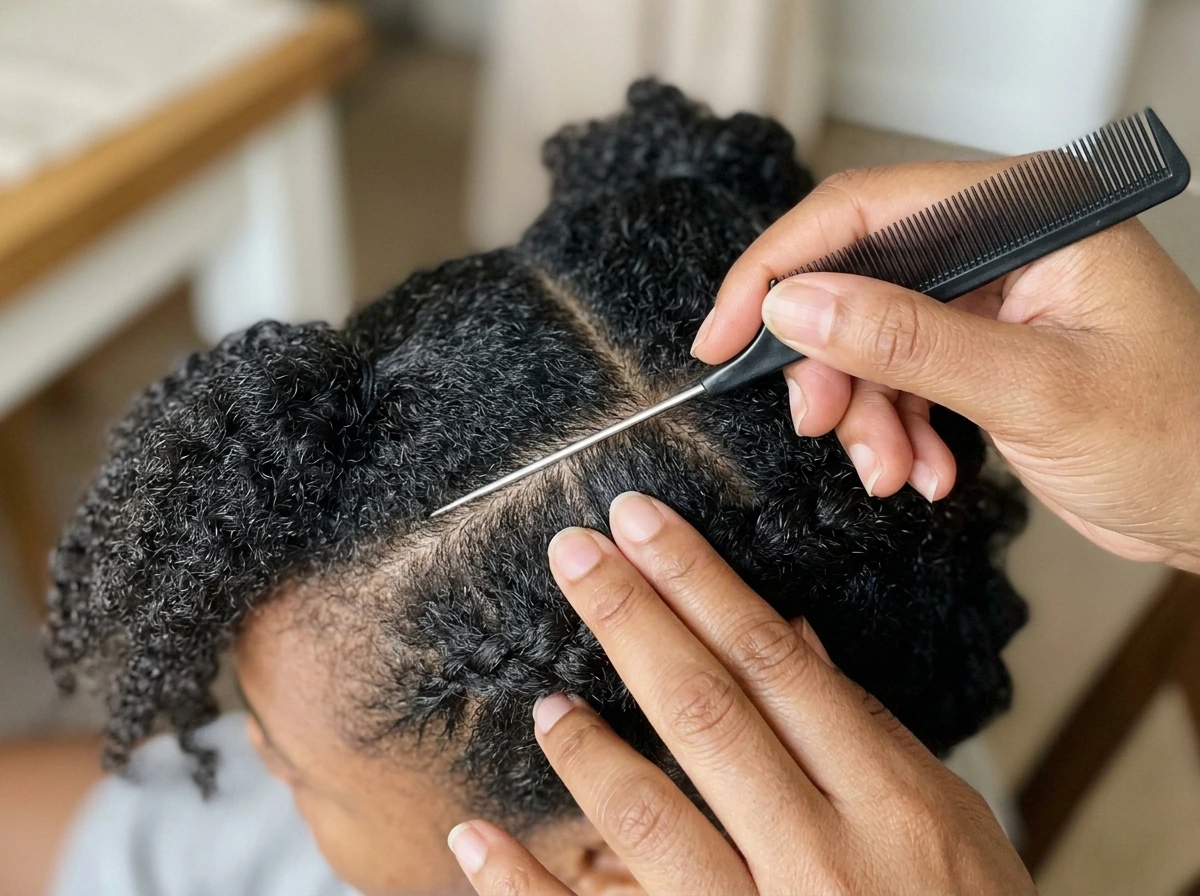
Tension and tightness
The braid should feel secure but not painful. There should be no pulling sensation on the scalp, no bumps from the roots being stretched, and definitely no redness along the part lines or hairline immediately after installation. A good rule of thumb: if the style hurts at the chair, it will still hurt tomorrow, and something needs to change. Ask the stylist to loosen it before you leave, especially along the edges. Clinical guidance specifically recommends loosening the proximal ends of frontal hairline braids to reduce tension on the hairline if you plan to wear the style up.
How long to keep braids in
There is a range of guidance here depending on the source. University of Iowa Health Care recommends leaving braids in for no longer than 2 to 3 weeks on the conservative end. A clinical review published in a peer-reviewed journal puts the outer limit at 2 to 3 months for braided styles. A reasonable middle ground for most people is 4 to 8 weeks per install, with a break of at least 1 to 2 weeks between styles to let the scalp breathe and recover. Extensions and hairpieces, which add weight and additional tension, warrant shorter wear windows, closer to 6 to 8 weeks at most.
Spacing and style choices
Leave your edges out or ask for them to be braided loosely. Avoid styles that pull the braid into a tight updo or high ponytail unless the frontal hairline tension is specifically managed. Reduce the volume and length of added extension hair where possible, because heavier extensions create more downward tension on each follicle. Vary the location of your parts from style to style so the same follicles are not under consistent tension every time.
Aftercare and scalp maintenance
Braids do not mean your hair maintenance stops. Moisture loss continues under a protective style, and dry hair is brittle hair. Use a light water-based moisturizer or a diluted leave-in conditioner on your scalp and the visible portions of your braids every few days. Seal that moisture with a light oil (jojoba, grapeseed, or argan work well without being heavy). Cleanse your scalp every 1 to 2 weeks with a diluted shampoo or a gentle scalp spray, rinsing carefully without disturbing the braids too aggressively. Sleep on a satin or silk pillowcase or wrap your hair in a satin scarf to reduce friction against the braid surface overnight.
Realistic expectations: timeframes and how to measure progress
If you start a healthy braiding routine today, here is what a realistic timeline looks like. In the first month, your main job is monitoring: watch for tension symptoms, keep the scalp moisturized, and take note of your starting length. After one full wear cycle (4 to 8 weeks in braids, then a break to assess), you should be able to compare your length to where you started. At 1 cm of growth per month, you might expect 4 to 8 cm of new growth from the follicle over two months. Whether you see all of that depends on how much breakage you have been preventing.
Measuring hair in coily textures requires stretching the strand gently before measuring, or measuring immediately after washing and air drying in a stretched state. Taking a photo from the same angle each time you take down a style gives you a reliable comparison over months. Tracking the circumference of a ponytail or bun (if your hair is long enough) tells you about density, which is a different signal than length but equally important for overall health.
Track these things consistently over three to six months before making any conclusions about whether your current routine is working. Hair growth is slow enough that a single before-and-after comparison after one braid install can be misleading. A six-month trend gives you real data.
| What you're tracking | What it tells you | How to measure it |
|---|---|---|
| Hair length | Total retention over time | Stretched measurement from root to tip; same method each time |
| Breakage | How much mid-shaft snapping is occurring | Check for short hairs without a bulb in your sink/pillow after style removal |
| Shedding | Normal cycle loss (not a style problem unless very high) | Count strands with white bulbs; expect 50 to 100 per day as normal |
| Scalp comfort | Whether tension or inflammation is present | Note any pain, bumps, redness, or flaking at installation and during wear |
| Hairline and edges | Early traction alopecia signal | Compare photos at the same angle across installs; watch for thinning or recession |
| Density | Overall follicle health over months | Measure ponytail circumference or observe fullness in photos |
The bottom line is this: braiding black hair does not make it grow faster, but done correctly it can absolutely help you retain significantly more of the growth that is already happening. The people who see the most length gains from protective styling are the ones who prioritize scalp health, keep tension low, give their hair regular breaks, and stay consistent with moisture and gentle cleansing between installs. That is not a magic trick. It is just letting your follicles do their job while keeping the rest of the hair safe enough to stick around long enough to show it.
FAQ
If braids do not speed up growth, why do people’s hair look longer after taking them down?
It is possible to see length changes quickly after installing braids because braids reduce daily handling and can temporarily hide or reduce shrinkage by stretching your coils. But true follicle growth still follows the same monthly pace, so use a timeline (for example, compare after one full wear cycle plus a 1 to 2 week break) and expect real changes to show over at least 2 to 3 months if retention is improving.
Can braid type or braid size make it seem like growth is different?
Yes, heavy styling and added weight can affect retention even if it does not change the growth rate. Extensions, large braid size, and high updos increase pulling on the root and can raise the risk of breakage and traction alopecia, so choose lighter hair, avoid very tight parts, and manage front tension when you wear styles up.
What are early signs that my braids are reducing retention instead of improving it?
If you are noticing short hairs, broken pieces, or frizz that never seems to settle, it can mean the braid is too tight, the hair is too dry, or the braid has too much friction where it meets clothing or your fingers. A quick fix is to reduce tightness at the edges and add moisture more consistently, then reassess after the next 1 to 2 week break.
When should I remove braids because they are too tight?
Loosening often reverses irritation, but do not wait for it to fully “go away” if you have tension symptoms. Pain, stinging, redness, swelling, crusting around the roots, or new hair loss are stop signs, remove or loosen immediately, and give the scalp time to recover before your next install.
Is a satin pillowcase enough, or do I need a bonnet or scarf with braids?
Sleep friction matters even with braids. Satin or silk helps reduce surface rubbing, but you should also keep the braids from getting crushed at the crown by using a bonnet, adjusting your wrap so the ends do not drag, and avoiding sleeping face-down when possible.
How can I remove braids to prevent losing more hair than I gained?
Take-down technique can change how much length you keep. Plan to detangle gently at the scalp first, use a light conditioner or slip during removal, and avoid aggressive combing through dense braid buildup. The goal is to separate without snapping mid-shaft hairs.
How should I measure hair growth with shrinkage so my tracking is accurate?
For very coily hair, measure in a way that accounts for shrinkage. Compare length the same way each time, ideally after washing and air drying in a stretched state, or measure immediately after stretching the strand gently. Photos should be taken from the same angle and distance for consistency.
Are braids with extensions riskier for growth and retention?
Extensions and hairpieces can add tension and friction, so the safest approach is shorter wear windows than you would use for your natural hair braids, lighter weight, and less bulk at the root. Also make sure the base is installed flat, with no pulling at the part lines or edges.
What is the best way to moisturize and cleanse while wearing braids?
Even if you moisturize the hair lengths, scalp dryness can still worsen brittleness and itching, which can lead to more friction and picking. Use a light, water-based moisturizer or diluted leave-in on the scalp and visible braids every few days, and cleanse the scalp on a schedule that matches your sweat and product buildup.
How do I know whether my protective styling routine is actually helping me keep length?
If your goal is length retention, the biggest decision is usually tension management and breakage prevention, not changing the growth rate expectation. Pick a routine that includes low-tension installs, regular breaks between styles, moisture maintenance, and tracking over 3 to 6 months before concluding it “doesn’t work” for you.
Next Article
Does Sleeping in Braids Help Hair Grow? What to Expect
Learn if sleeping in braids grows follicles or mainly prevents breakage, plus safe tips on tension, moisture, and rebrai