
Sleeping in braids does not make your hair grow faster, but it can help you keep more of the length your hair is already growing. What it can do is help you keep more of the length your hair is already growing. That distinction matters a lot, and once you understand it, you can use braids strategically overnight instead of just hoping for a miracle. The short version: braids protect your hair from the friction, tangling, and mechanical damage that cause breakage while you sleep. Less breakage means more length over time. But your follicles are doing the same amount of work either way.
Does Sleeping in Braids Help Hair Grow? What to Expect

Simone Okonkwo
24 Mar 2026
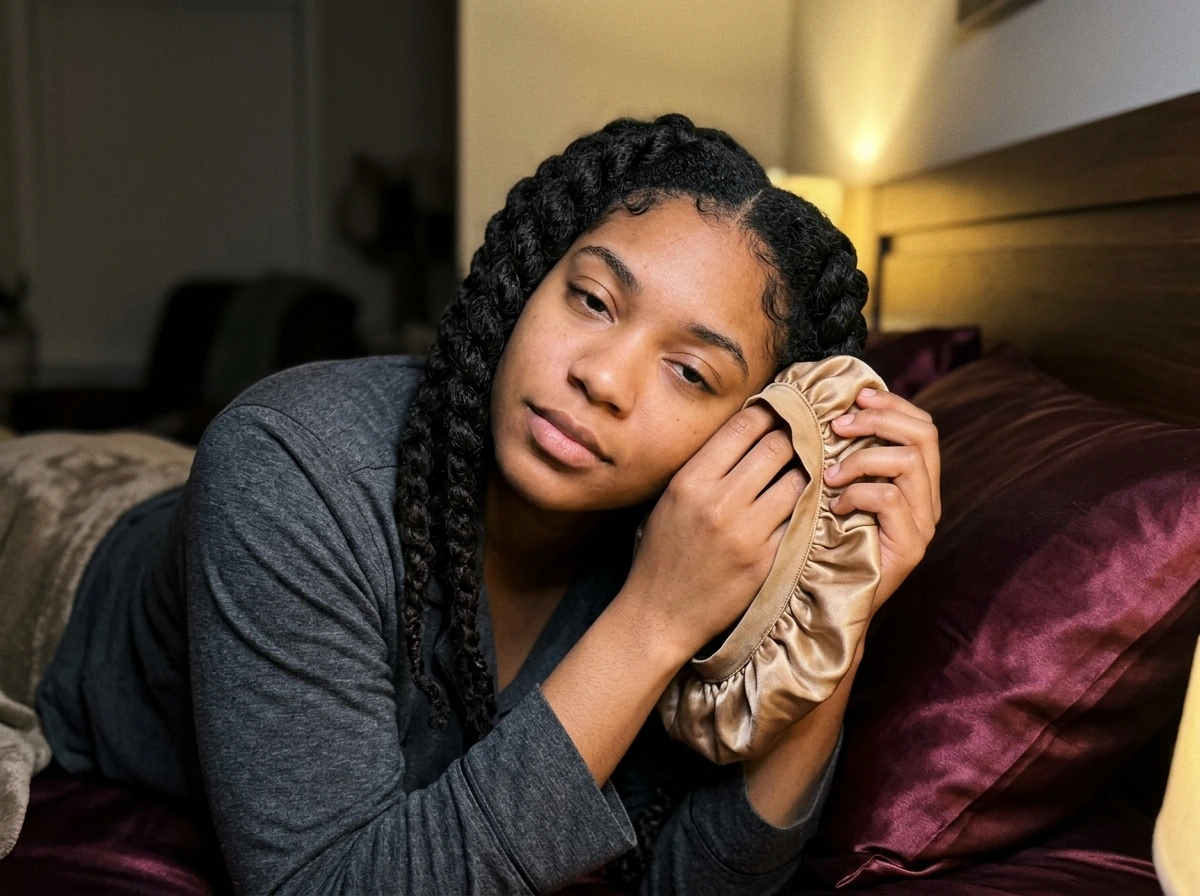
How braids affect the hair shaft and scalp
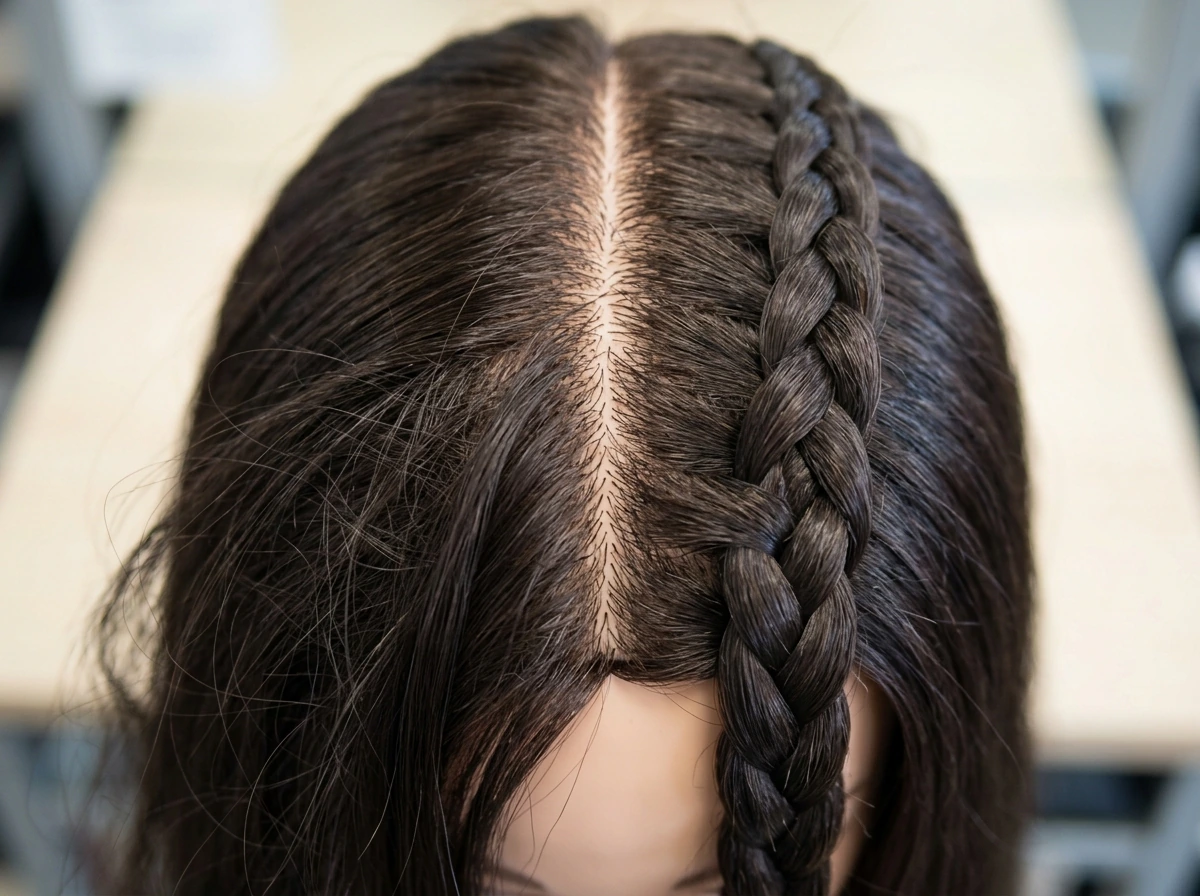
When you braid your hair before bed, you are essentially bundling the strands together so they move as a unit rather than rubbing against each other, your pillow, or your sheets all night. For textured and coily hair in particular, this matters more than it might seem. Research published through MDPI on textured hair structure confirms that Afro-ethnic hair is structurally more prone to mechanical damage than straight hair types. The tight curl pattern creates more points of contact along the shaft, and those points are where breakage tends to start.
At the scalp level, braids create a different picture entirely. A well-constructed, comfortable braid with appropriate tension has a neutral effect on the scalp overnight. But a braid that pulls at the roots, especially around the edges and nape, applies continuous traction. That traction is not neutral. It stresses the follicle, and over time, repeated stress in the same direction can damage the follicle's ability to produce hair. This is the tension side of braiding, and it is the side that gets glossed over when people talk about braids as a purely protective style.
Does sleeping in braids boost growth or just help you hold onto length
This is the most important thing to get right. Hair growth is controlled at the follicle level, inside the scalp. The anagen phase of the growth cycle determines how fast and how long each strand grows, and that is driven by genetics, hormones, scalp circulation, and nutrition. Braiding your hair at night does not reach down into the follicle and speed any of that up. protective hairstyles do not make hair grow faster, but they may help you retain more of the length you are already growing by reducing breakage.
Where braids genuinely help overnight is in the retention column. If your hair breaks off at the same rate it grows (or faster), your length stays flat regardless of what your follicles are doing. Sleeping with loose braids reduces the mechanical events, like friction against cotton, repeated tangling, and rough detangling the next morning, that cause that breakage. So you end up seeing more length over months, not because growth accelerated, but because less of it snapped off.
What science says about breakage, traction, and friction
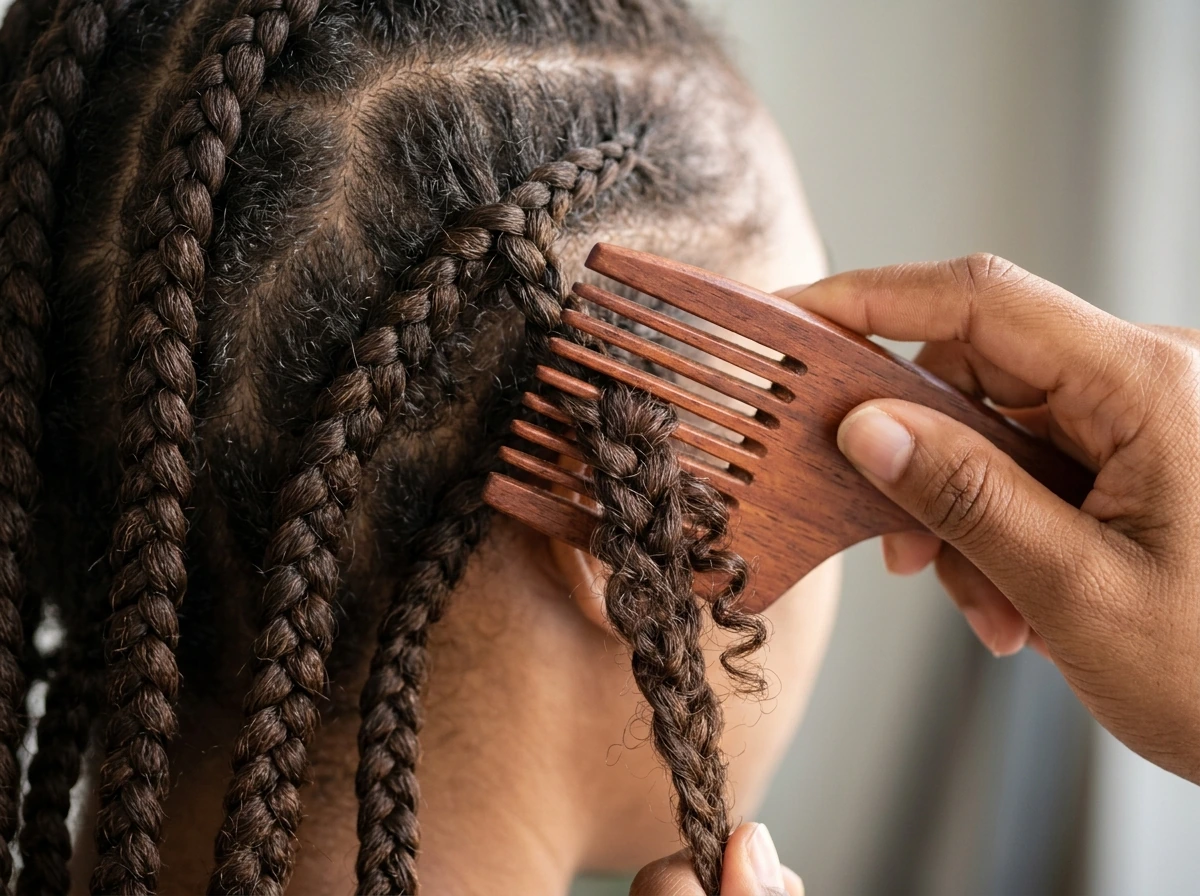
Friction is one of the most underrated causes of hair damage. PubMed-indexed research on the friction of human hair explains how repeated mechanical contact strips away the protective surface chemistry of the hair shaft, particularly a lipid layer called 18-MEA, which reduces friction naturally. Once that layer degrades, strands grip each other and surfaces more aggressively, and breakage follows. Cotton pillowcases are a prime example of this in practice. WebMD's braiding guidance specifically notes that cotton creates friction that causes frizz and surface damage overnight. Braiding the hair reduces its exposed surface area and minimizes that contact.
Traction is the flip side, and it is where things can go wrong with braids. Traction alopecia is well-documented in dermatology literature, including in JAMA Dermatology reviews and StatPearls clinical guides. It begins as a nonscarring, reversible condition when tension is applied persistently through tight hairstyles including braids, cornrows, and weaves. The early signs include broken hairs along the hairline, a loss of the fine baby hairs at the edges (the fringe sign), and reduced density around the temples and nape. If the tension continues, the condition can progress to scarring alopecia, which is permanent. The Mayo Clinic notes that this happens specifically when styles are tight enough to create repeated traction on the follicle.
For overnight braiding, the traction risk is real but avoidable. The key is that the braid should be secure enough to stay in place but never tight enough to create pulling at the root. If you feel tension on your scalp when you lie down, the braid is too tight for sleeping.
Best ways to sleep with braids safely
Braid tightness and size
For overnight wear, braid loosely. A braid you are wearing to sleep is not a braid you are wearing to a wedding. The goal is containment, not sculpture. Use larger sections rather than small ones, since smaller braids pull at more follicles with more concentrated tension. A single loose plait or a few large sections are ideal. If you are braiding your own hair for bed, finish each braid and then gently loosen the bottom few inches so there is give in the strand. You should be able to run a fingernail under the braid at the root without resistance.
Protecting the surface while you sleep
Even with your hair braided, the pillowcase matters. A satin or silk pillowcase significantly reduces the friction your braids encounter as you move during the night. In a Reddit discussion about silk pillowcases and hair breakage at night, commenters similarly noted that reducing friction can help, but it is not a complete fix if dryness or existing damage is not addressed [A satin or silk pillowcase significantly reduces the friction your braids encounter](https://www. reddit.
com/r/BeautyGear/comments/1pom45k/dosilkpillowcasespreventhairbreakageat_night/). A satin bonnet accomplishes the same thing while also keeping moisture in, which is especially useful for dry or high-porosity textured hair. You do not need both, but you do need at least one of them. Sleeping on cotton without any cover over braids still exposes the outer strands of each braid to friction and can cause frizzing and surface damage at the cuticle level.
Moisturizing before bed
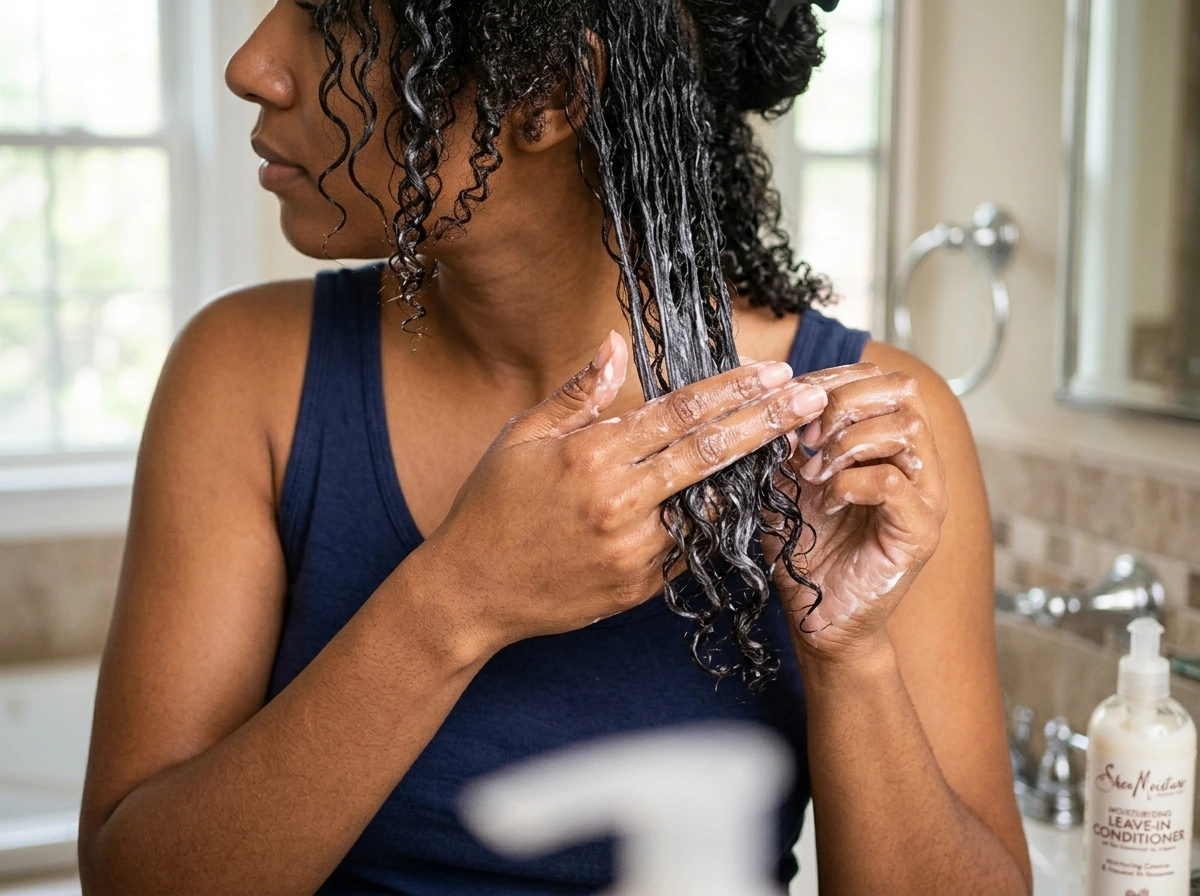
Braiding dry hair is worse than braiding well-moisturized hair. Dry strands are more brittle and less elastic, so they snap more easily during the braiding process itself and during any manipulation in the morning. Before sleeping, apply a light leave-in conditioner or a few drops of a sealing oil (like jojoba or sweet almond oil) to your strands and scalp before braiding. You do not need to saturate your hair. Just enough to add slip and flexibility. If your scalp tends toward dryness, a small amount of lightweight oil directly on the scalp helps maintain the environment that follicles need to function well.
How often to re-braid
Re-braiding every single night is fine as long as the tension stays low and the process stays gentle. The act of braiding itself is a form of manipulation, so if your re-braiding routine involves aggressive pulling or starting over with dry hair, you may cause more damage than you prevent. Refresh moisture first, detangle gently with your fingers or a wide-tooth comb starting from the ends, and then braid loosely. If you notice your edges looking thinner or feeling tender over time, take a break from braiding at the hairline and let those follicles rest.
Common mistakes that cause thinning or slower progress
Most people who braid their hair regularly and still struggle with length have one or more of these patterns going on:
- Braiding too tightly: This is the most consistent issue. Tight braids feel secure, but every hour they are in they are applying tension to the follicle. Over weeks and months, this adds up to real, measurable loss, especially at the edges and nape.
- Neglecting edge care: The hairline is the most vulnerable zone for traction alopecia. Pulling the edges back into braids repeatedly without giving them rest is one of the most common causes of thinning hairlines in people who wear protective styles.
- Skipping moisture before braiding: Dry hair is fragile hair. Braiding without any moisture prep increases the chance of breakage during the process itself.
- Rough morning removal: How you take braids out matters as much as how you put them in. Pulling braids apart quickly, or skipping detangling entirely before washing, can cause significant mechanical breakage right at the point where you thought you were protecting your hair.
- Extended wear on box braids or extensions: Protective styles with added hair introduce weight. MDPI research on Afro-ethnic hairstyling risks notes that extensions and added weight can increase traction on follicles even in styles that look loose.
- Ignoring scalp health: Braids that sit on an itchy, flaky, or inflamed scalp are not protective. Scalp conditions left untreated can disrupt the follicle environment regardless of how carefully you style your hair.
What actually speeds up hair length: routine, nutrition, and scalp care
If you want more length over time, there are really two levers you can pull: grow more (follicle output) and keep more (retention). Braids at night help with the second one. Here is what moves the needle on both: Even though braids can help with retention rather than faster follicle growth, protective hairstyles do not make hair grow faster.
| Factor | What It Does | How to Act on It |
|---|---|---|
| Scalp circulation and health | Feeds follicles and supports the anagen (growth) phase | Gentle scalp massages a few times per week, keeping scalp clean and moisturized, treating any dryness or dandruff early |
| Nutrition | Provides the building blocks for keratin production; deficiencies in iron, protein, zinc, and biotin are linked to hair shedding | Prioritize protein and iron in your diet; get bloodwork done if you are experiencing unusual shedding |
| Minimizing breakage | Keeps the length your follicles produce intact | Loose overnight braids, satin bonnet or pillowcase, gentle detangling, moisturize-and-seal routine |
| Reducing manipulation | Less handling means less mechanical stress on the shaft | Limit daily styling, avoid heat without protection, use low-tension styles during rest periods |
| Gentle detangling | Prevents snapping at knots and tangles, which is a major source of length loss for coily hair | Detangle only on wet or dampened hair with conditioner or detangling product, work from ends to roots |
| Consistent protective styling (not just braids) | Reduces cumulative daily manipulation over weeks and months | Rotate between styles to avoid repeated tension in the same spots |
There is no single style that unlocks hair growth on its own, including braids. What actually works is consistency: consistent moisture, consistent low-manipulation handling, consistent scalp care, and consistent nutrition. Sleeping in braids fits neatly into that framework as one useful habit among several, not as the whole strategy.
The honest verdict
Sleeping in braids is a genuinely useful habit for people with textured hair who want to see more length over time, so if you’re asking, “do french braids help hair grow,” this is mainly about retention, not faster follicle growth. It works by protecting your strands from friction and manipulation while you sleep, not by stimulating your follicles.
Braiding can help you keep more of your current length by reducing breakage overnight, but it does not change how quickly your hair grows. Done correctly (loose, moisturized, covered with satin), it is a low-effort way to reduce one of the main causes of stalled length. Done incorrectly (tight, dry, no scalp care, rough removal), it can contribute to the very thinning and breakage you are trying to prevent.
The science on traction alopecia is clear enough that tightness deserves to be taken seriously, especially if you have noticed your edges thinning or feeling tender.
If you are starting tonight: braid loosely, apply a light oil or leave-in first, wear a satin bonnet or swap your pillowcase for satin, and be gentle in the morning. That is a routine your hair will actually benefit from, and it builds on the broader work of keeping your scalp healthy and your hair well-nourished. Whether you are exploring overnight braids, wondering about protective styles in general, or looking at how braiding affects specific hair types, the foundation is always the same: retention first, follicle support second, tight styles never.
FAQ
How long before I notice any length from sleeping in braids?
You usually see changes in retention over 4 to 12 weeks, not days. Hair growth is slow, so the first “win” is less breakage at the ends and edges, which shows up gradually in length and thickness at the hairline.
Do sleeping in braids work if my hair is already very short or has lots of breakage?
They can still help, but only if you reduce the breakage causes first. If your ends are actively snapping, braid retention alone may not be enough. Focus on gentle detangling, adequate moisture, and avoiding tight edges while you rebuild the routine.
Should I braid my hair wet, damp, or fully dry before bed?
Damp or dry is safer than fully wet for most people overnight. Wet braids can stay damp too long, increasing risk of odor and scalp irritation. If you braid damp, make sure the braid is completely dry before sleep or use a breathable drying method first.
Does sleeping in braids help if I have an oily scalp or dandruff?
It can help reduce friction-related flaking, but it does not treat the underlying issue. If dandruff or buildup is present, braid in a clean, well-balanced routine, and consider gentler cleansing or targeted anti-dandruff care so the braid does not trap residue.
Can sleeping in braids cause hair thinning even if I’m not braiding tightly?
Yes, it can if you’re braiding the wrong areas or using frequent start-and-stop tension. Repeated friction at the same spots (edges and nape) or aggressive morning detangling can thin the look. Check for tenderness and broken hairs along the hairline as early signals to adjust or pause.
What should I do if my braid feels tight only when I lie down?
That’s a sign to loosen it right away. Re-braid with larger sections, less tension at the root, and more “give” near the ends. A good test is being able to slide a fingernail under the braid at the scalp without resistance.
Is it better to do one big braid or many small braids for sleep?
For most people, fewer larger sections are lower risk. Small braids concentrate tension on more follicles and can increase edge strain, especially if you re-braid frequently or pull tight while styling.
Do satin bonnets replace satin pillowcases, or should I use both?
Either one is usually enough. Use a bonnet if you want extra coverage for moisture retention and to keep braids from shifting. Use a satin pillowcase if you mainly need friction reduction but tend to remove headwear during sleep.
How should I remove overnight braids to prevent the damage the article warns about?
Do not rip them out. Use conditioner or a detangling spray, finger-detangle first, then comb from ends upward. Give each braid slip before undoing, and expect less shedding if you remove gently rather than yanking.
Should I oil my scalp before braiding every night?
Only lightly. Over-oiling can create buildup that worsens flaking or clogging for some scalps. If you use oil, use a small amount, focusing on dry or tender areas, and cleanse regularly so you’re not trapping residue in the braid.
Does sleeping in braids help with frizz and tangles the next morning?
Usually yes, because braiding reduces rubbing and tangling. For best results, keep the braid surface moisturized (not soaked), and moisturize the ends before bedtime so they don’t dry out and snag when you move.
Should I avoid braiding altogether if I’ve had traction alopecia before?
Not necessarily, but you should be cautious and consult a clinician if you have a history or current thinning. In high-risk cases, spacing styles out, avoiding edge tension, and using looser containment with strict “no pull” rules matter more than the braid type.
Next Article
Do Braids Make Your Hair Grow Faster for Black Men?
Learn if braids speed true growth for Black men, or boost length by reducing breakage, plus safe install and care steps.