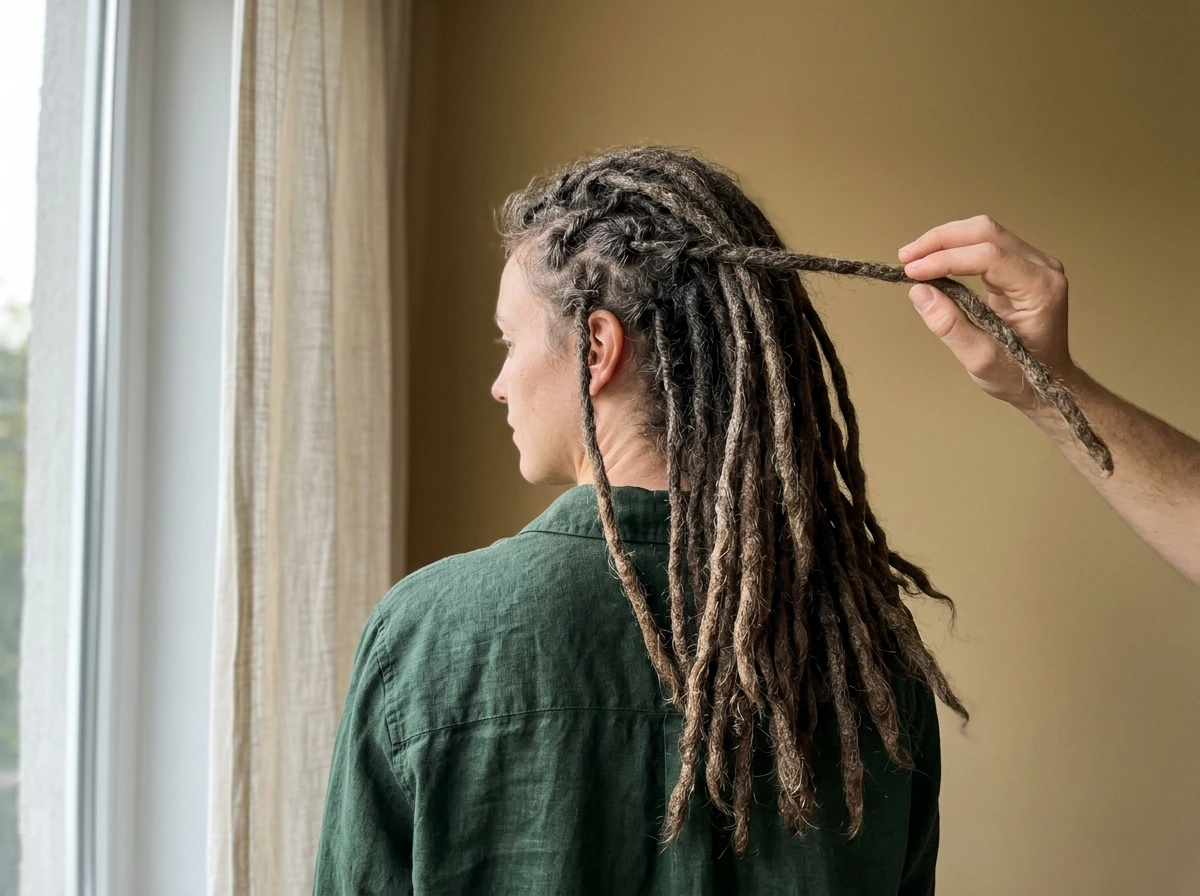
Rastafarians grow their hair by simply not cutting it. That is the foundation of the practice. By abstaining from cutting, and often from combing or brushing as well, the hair is allowed to naturally knot and mat over time into the distinctive locks most people recognize. A good rule of thumb for how to grow dreadlocks is to focus on healthy scalp care, low-residue products, and consistent washing and drying. For Rastafarians, this is both a spiritual commitment rooted in Levitical scripture and a visible expression of living as naturally as possible. By the late 1960s, nearly all Rastafarians wore dreadlocks, and the style has since become one of the most recognized hair identities in the world. But if you are reading this because you want to actually grow healthy, strong locs, there is more to the story than just putting down the scissors.
How Do Rastas Grow Their Hair: Locs Guide for Growth


What 'growing Rastafarian hair' really means
The first thing to get straight is the difference between hair growth and hair length retention. Your hair grows from the scalp at roughly half an inch per month regardless of what style it is in. Locs do not make your hair grow faster. That is a myth worth busting right away. What locs can do is help you retain length, because hair that is locked together is less exposed to daily friction, manipulation, and breakage than loose hair. So when you see someone with locs down their back, that is the result of years of growth combined with good retention, not some accelerated biological process.
The traditional Rastafari approach is specifically about non-interference: no cutting, no combing, and in the strictest interpretation, no twisting or styling either. Some households consider combing, brushing, or twisting the hair to be forbidden. This is the freeform or 'natural' route, where hair knots entirely on its own. For more specifically freeform guidance, use this as your walkthrough for how to grow freeform dreads step by step. However, plenty of people who want locs take a more managed approach: they use palm rolling, comb coils, or interlocking to guide the hair into defined sections from the start. Both are valid. The choice affects how your locs look and how long certain stages take, but it does not change your underlying hair growth rate.
Prep your hair before starting locs
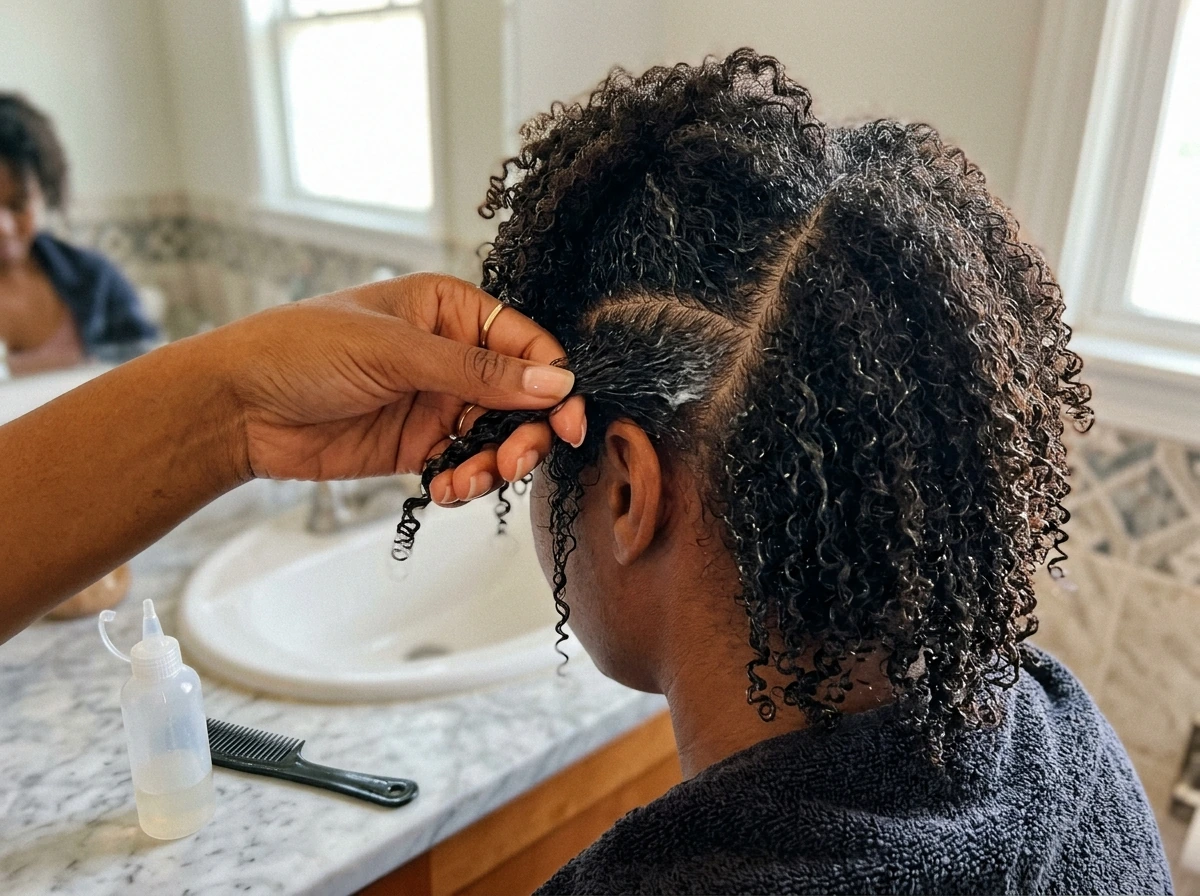
If you are starting locs today, the condition of your scalp and hair matters more than most people realize, especially if you’re learning how to grow freeform dreads and want to lock in healthy, buildup-free hair from day one. Buildup from heavy creams, waxes, or grease will interfere with the locking process and create residue that is very difficult to remove once hair is locked. Before you begin, do a clarifying wash to strip away any product buildup. Use a residue-free shampoo, meaning one that avoids waxes, heavy fragrances, sulfates, and dyes. Some people need two rounds of shampooing to fully clear the buildup, especially if they have been using thick pomades or petroleum-based products.
Your hair length and type will also shape what starting method works best. Most textured and coily hair types (the majority of Black hair) will begin to coil and knot naturally if left alone, but the process can take months of patience before sections become defined. If you want more uniform sections from the start, a loctician can set you up properly. Going in with clean, healthy hair and a clear scalp is the best foundation you can give yourself.
Set your expectations now: the early stage of locs, often called the starter or baby loc phase, looks nothing like mature locs. Your hair may look frizzy, uneven, or puffy for months. This is completely normal. Knowing that ahead of time will save you a lot of frustration.
How to form and maintain locs, step by step
There are three main methods for starting and maintaining locs, and each has real-world trade-offs. New York State's natural hair styling curriculum formally recognizes all three as core locking techniques:
- Palm rolling: You twist sections of hair between your palms in a consistent direction to encourage the hair to coil and mat. This is the most common maintenance method and takes roughly 45 minutes to 1.5 hours for a full head depending on how many locs you have. Palm rolling is gentle on the scalp and works well for keeping locs looking neat.
- Comb coils (Nubian coils): A fine-tooth comb is used to coil small sections of hair at the root, creating defined starter locs. This method works especially well on shorter textured hair that has enough natural curl to hold the coil.
- Interlocking: A tool or finger is used to pull the tip of a loc back through its own root, creating a knot that holds the new growth in place. Professional interlocking can take 3 to 4 hours for a full head. It holds longer between maintenance sessions but can stress the follicle if done too tightly.
Washing your locs

Washing is non-negotiable for loc health. Skipping washes allows dead skin, sweat, dirt, and product residue to accumulate on your scalp, which can lead to irritation, odor, and a compromised environment for hair growth. During the starter phase, some locticians recommend waiting about four weeks between washes to reduce the chance of new locs unraveling. Once locs are more established, a wash every two to three weeks is a common and practical target for most people, though your activity level, scalp oiliness, and climate may push you to wash more frequently.
Always use a residue-free or clarifying shampoo designed for locs. Diluting your shampoo with water in a squeeze bottle helps distribute it evenly without needing to scrub aggressively. Rinse thoroughly. Any shampoo left behind becomes buildup. If you feel like your locs have accumulated significant residue over time, a clarifying treatment can help break it down, but you may need to repeat it to fully clear the locs.
Drying your locs
Drying matters as much as washing. Locs hold water deep inside the shaft, and if they stay damp for too long, mildew can develop inside the loc, which causes a distinct sour smell and is very difficult to reverse. After washing, squeeze (do not rub) your locs with a microfiber towel or a clean cotton t-shirt. Then sit under a hooded dryer for 20 to 30 minutes or allow them to air dry in a warm, ventilated space. Avoid going to bed with wet locs.
Retwisting schedule
During the starter phase, retwisting every four weeks is the standard recommendation, with some people doing it every two to three weeks in the very early stages. As locs mature and lock more firmly, you can stretch that interval to every eight to twelve weeks or even longer. Over-retwisting is a real risk: twisting too frequently or too tightly at the root is a direct cause of traction alopecia, a form of hair loss caused by repeated tension on the follicle. If you are doing interlocking, the same caution applies. Tighter is not better.
What to actually use: products and routines
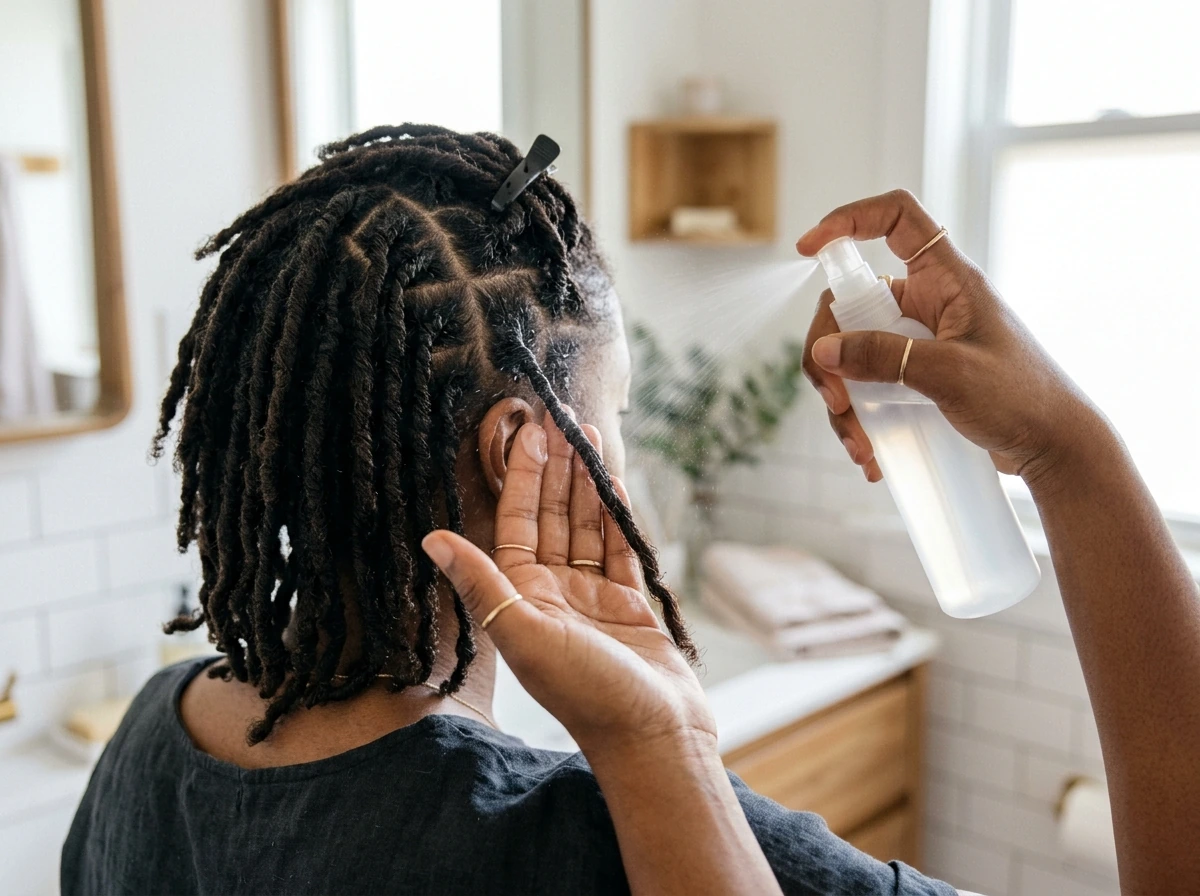
This is where a lot of people go wrong, often because of well-meaning but outdated advice. Heavy waxes, petroleum jelly, thick butters, and grease-based products were historically common in loc routines, but they bind with minerals in water and accumulate inside the loc. That buildup is nearly impossible to fully wash out, it interferes with locking, and it creates a breeding ground for bacteria. Avoid them.
What actually works for loc health is keeping it light and water-soluble. A good routine looks like this: a residue-free shampoo as your base cleanser, a light leave-in conditioner or water-based moisturizer applied between washes to prevent dryness, and a light oil (jojoba, almond, or diluted tea tree) applied sparingly to the scalp to address dryness without clogging follicles. If you have a scalp condition like seborrheic dermatitis, be careful with heavy oil application. Some oils may help manage flaking in certain people, but coconut oil in particular can aggravate seborrheic dermatitis in some cases. If you have ongoing scalp issues, get that addressed by a dermatologist before doubling down on oils.
For retwisting, a water-soluble loc gel that leaves no residue is far better than any wax-based product. Read labels. If a product lists beeswax, lanolin, or petroleum as key ingredients, skip it for use in locs.
| Product Type | Best For | Avoid If | Notes |
|---|---|---|---|
| Residue-free clarifying shampoo | All loc stages, regular washing | You have an open scalp wound or severe irritation | Look for sulfate-free but buildup-free formulas |
| Water-based leave-in conditioner | Moisture between wash days | Product contains heavy silicones or wax | Apply lightly to mid-shaft and ends, not scalp |
| Light oil (jojoba, almond) | Scalp dryness, sealing moisture | You have oily scalp or seborrheic dermatitis | Less is more; a few drops goes a long way |
| Water-soluble loc gel | Retwisting, laying new growth | It contains beeswax, petroleum, or lanolin | Rinse out fully on wash day |
| Heavy wax or grease | Not recommended for locs | Always | Causes irreversible buildup inside locs |
| Herbal rinse (apple cider vinegar, herbs) | Removing mild buildup, scalp refresh | You have open sores or chemical-treated hair | Dilute before use; rinse thoroughly |
How long this actually takes and what affects your progress
Hair grows at roughly 0.5 inches per month on average. Over a year, that is about 6 inches of new growth from the scalp. But what you actually see and measure depends heavily on retention: how much of that grown hair you are keeping versus losing to breakage. In the early stages of locs, you may also experience significant shrinkage, where the hair appears shorter than it actually is because it is coiling and compressing. This can be discouraging but it is temporary. As locs mature and begin to elongate, that apparent length starts to come back.
Several factors affect how quickly you see progress:
- Genetics: Your natural growth rate, hair density, and curl pattern are largely predetermined. Some people grow hair faster than others, and that is not something a product or routine can fully override.
- Nutrition: Hair follicles are metabolically active and need adequate protein, iron, zinc, and vitamins (especially biotin and vitamin D) to function well. Poor diet shows up in your hair over time.
- Scalp health: An inflamed, clogged, or irritated scalp is not an optimal environment for hair growth. Keeping your scalp clean and healthy is directly tied to retention.
- Tension and manipulation: Over-twisting, tight retwists, and heavy locs pulling on the hairline all contribute to traction alopecia. Research from JAMA Dermatology identifies dreadlocks as one of the higher-risk styles for this condition, particularly at the edges and hairline.
- Breakage: Even if your hair is growing from the root, breakage at the ends or shaft erases that growth. Dryness, harsh products, and rough handling all cause breakage.
For a realistic timeline: starter locs typically take 6 to 12 months to begin looking like defined locs. Fully mature, elongated locs with real visible length usually take 2 to 5 years depending on starting length, hair type, and maintenance. There is no shortcut to that timeline, and anyone claiming otherwise is selling you something.
Troubleshooting problems you might run into
Thinning edges or weak locs at the roots
If you notice your hairline thinning or locs feeling thin at the root, tension is almost certainly involved. Stop retwisting that area and give it a rest. This is early traction alopecia, and if caught early, it is reversible by relieving the tension. About 2% of Black men who wear dreadlocks or cornrows show signs of traction alopecia. The hairline and temple areas are most vulnerable. If thinning has been going on for months and the skin looks smooth and shiny (a sign of scarring), see a dermatologist as soon as possible because scarring alopecia is permanent.
Buildup and residue
Buildup usually announces itself as a thick, waxy, or gummy feeling inside the loc, sometimes accompanied by a dull appearance or a musty smell. Switch to a clarifying shampoo immediately and do two wash cycles back to back. Going forward, stop using any wax-based or heavy occlusive product in your locs. Prevention is much easier than removal here.
Scalp problems: itching, flaking, and irritation
Persistent itching and flaking while wearing locs is often seborrheic dermatitis or a similar scalp condition, aggravated by infrequent washing and product accumulation. Washing more regularly is usually the first step. Shampoos with pyrithione zinc or coal tar can help manage flaking. Heavy oil application to a flaky scalp often makes things worse, not better. If symptoms persist after improving your wash routine and simplifying your products, consult a dermatologist. Scalp conditions that go untreated can affect hair follicle health over time.
Dryness and brittleness
Locs can get dry, especially in low-humidity climates or for people with very coily hair that struggles to retain moisture. The fix is simple in principle: water is your best moisturizer. A light water-based leave-in conditioner or a plain water spritz between wash days, followed by a tiny amount of light oil to seal, is the standard approach. Avoid heavy butters in an attempt to compensate for dryness; they sit on top rather than penetrating, and they contribute to buildup.
Shrinkage making it hard to track progress
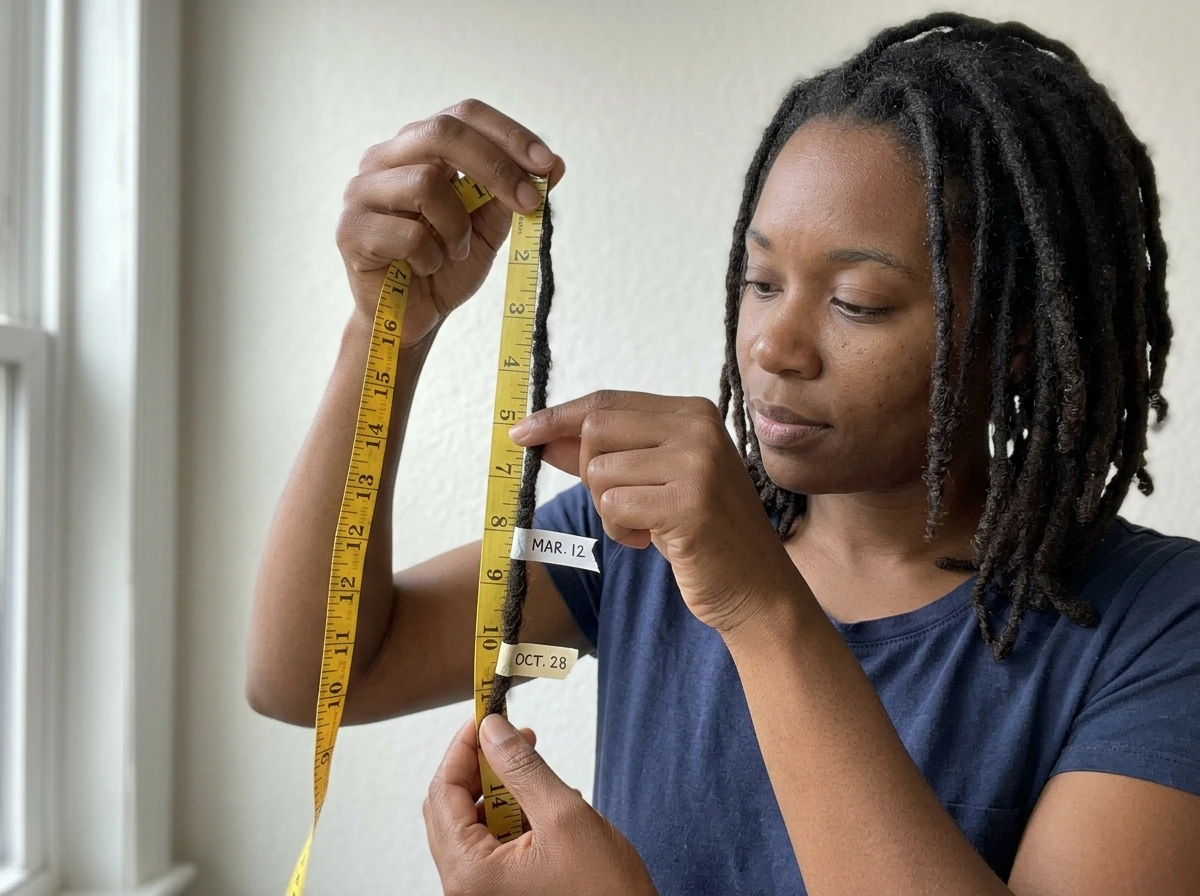
Shrinkage is especially pronounced in the early and teenage phases of locs. Your hair may look like it is not growing even when it is. One practical fix is to measure from the scalp to a consistent point on the loc every three months using a soft tape measure. You will see growth happening even when it is not visually obvious. Patience here is genuinely the only answer.
Where to start based on where you are right now
Not everyone reading this is starting from the same point, so here is a practical breakdown of next steps based on your current situation:
| Your Starting Point | First Step | Key Focus |
|---|---|---|
| Thinking about starting locs | Clarifying wash, consult a loctician, decide on freeform vs managed method | Clean foundation, realistic expectations for the starter phase |
| Already have starter locs (under 6 months) | Commit to a residue-free wash every 4 weeks, avoid heavy products, do not over-retwist | Let locs set, minimize manipulation and tension |
| Locs in the teenage phase (6–18 months) | Maintain regular wash schedule (every 2–3 weeks), use light leave-in and oil, troubleshoot any thinning or buildup | Retention and scalp health over appearance |
| Mature locs (18+ months) | Extend retwist intervals to 8–12 weeks, do a clarifying treatment if buildup is present, protect edges | Long-term health, edge protection, minimizing tension |
| Transitioning from another style (braids, relaxer, natural) | Trim damaged ends before starting, deep condition to restore moisture, then begin loc formation method of choice | Start from a healthy baseline, not damaged hair |
If you want to go deeper into specific starting approaches, there are detailed guides on [how to grow dreads naturally from scratch](25A44CA6-C438-4471-8584-EA438439F7F1) and how to grow freeform dreads without any manipulation, both of which address the non-interference route more specifically. If you want more detail, follow our step-by-step guide on how to grow dreads naturally from scratch. The core principle across all methods is the same: healthy scalp, clean hair, light touch on products, and patience.
The Rastafari tradition has always centered the idea that natural hair, left to do what it does, carries meaning and integrity. Whether you are coming to locs from a spiritual place or simply because you want them, the practical path to long, healthy locs runs through the same fundamentals: clean scalp, minimal buildup, gentle maintenance, and enough time for your hair to do its thing.
FAQ
How long should I leave my locs before I decide whether the method is working?
Give the starter phase at least 6 to 12 months before judging results, because visible definition depends on hair coiling and compression. If you see consistent root loosening, persistent odor, or constant unraveling after your routine is corrected (clean wash, no heavy buildup, proper drying), that is a sign to adjust earlier.
Can I wash less than every four weeks during the baby loc stage?
You can, but expect a higher risk of buildup and scalp irritation because sweat and product residue build faster when locs are still loosening and gathering. If you go longer than about four weeks, use a lighter product plan and be more strict about thorough rinsing and drying to reduce odor and mildew.
What should I do if my locs are shrinking a lot and I cannot tell if I’m growing?
Measure growth from the scalp to a fixed point every three months, use a soft tape measure, and focus on root-to-midshaft progress rather than length hanging. Shrinkage can mask growth in the early and teenage phases, especially with very coily hair.
Is it okay to retwist tighter if my roots feel puffy?
No, tighter retwisting mainly increases tension risk. Puffiness is common in the starter stage, and tightening at the root can trigger traction alopecia over time. If you want more neatness, reduce frequency first, and prioritize residue-free products and gentle technique.
What’s the best way to handle locs that smell even after washing?
If the smell persists, the most common cause is incomplete drying or leftover residue trapped inside the locs. Rewash with a clarifying shampoo, then dry longer (hooded dryer or warm ventilated drying) and make sure the inside is not damp before going to sleep.
Can I use hair wax or petroleum jelly on the ends to prevent frizz?
It usually backfires because heavy occlusives are hard to remove once the locs start tightening, and they can interfere with locking. If you need end control, use very small amounts of a water-soluble loc gel or light leave-in mist, then re-clean during your next wash with a residue-free shampoo.
How do I know whether I have buildup versus product that is just making my locs look dull?
Buildup often feels waxy, gummy, or thick inside the loc, and it may come with a musty odor or a rough, heavy look. Dullness alone can also happen from dryness, so pay attention to texture and smell, and do a clarifying wash cycle to confirm.
What should I do if I have seborrheic dermatitis or frequent flaking while growing locs?
Simplify your routine first: wash on schedule and avoid heavy oiling that can worsen flaking for some people. If flaking persists despite cleaner, more regular washing, consider a dermatologist for treatment options like medicated shampoos (for example, zinc pyrithione or coal tar) rather than switching between random oils.
Is interlocking different from retwisting in terms of hair loss risk?
The technique changes the pattern, but the risk driver is still tension at the root. Interlocking done too tightly or too often can contribute to traction alopecia, so keep your intervals comfortable, avoid pulling, and stop and reassess if you notice thinning near hairline or temples.
Can I speed up loc growth by combing, twisting more often, or using more products?
No loc method changes how fast your hair grows from the scalp. More manipulation can reduce retention by increasing breakage and can create more buildup, which makes locs harder to manage and potentially less healthy. Focus on clean scalp, light water-soluble hydration, and timing.
What’s the safest way to dry locs if I don’t have a hooded dryer?
Try to avoid sleeping with damp locs. Use a microfiber towel or clean cotton t-shirt to squeeze out water, then air dry in a warm, ventilated area. Check the inside feel of the locs, and if they still feel damp, continue drying longer before bedtime.
When should I see a dermatologist for loc-related thinning?
If thinning at the hairline or temples starts and you can feel ongoing traction pressure, pause retwisting that area immediately. If thinning continues for months, the skin looks smooth and shiny, or there are signs of scarring, get professional care quickly because scarring alopecia can be permanent.
How to Grow Dreads Naturally: Natty Locs Starter to Mature
Step-by-step guide to grow natty dreads naturally, from starter locs to mature, with wash, moisturize, and troubleshooti