Freeform dreads grow and lock faster when you keep your scalp clean, stay hands-off between washes, and skip heavy products that trap lint and slow the locking process. Hair itself grows at roughly the same rate no matter what style you're in (about half an inch per month on average), but what actually speeds up your freeform journey is faster locking combined with better length retention, meaning less breakage so the length you grow actually stays. If you do those two things well, your dreads mature noticeably quicker and end up longer and healthier than if you wing it with no real routine.
How to Grow Freeform Dreads Fast: A Step-by-Step Guide

Simone Okonkwo
19 May 2026
What freeform dreads actually are (and what 'growing them faster' really means)
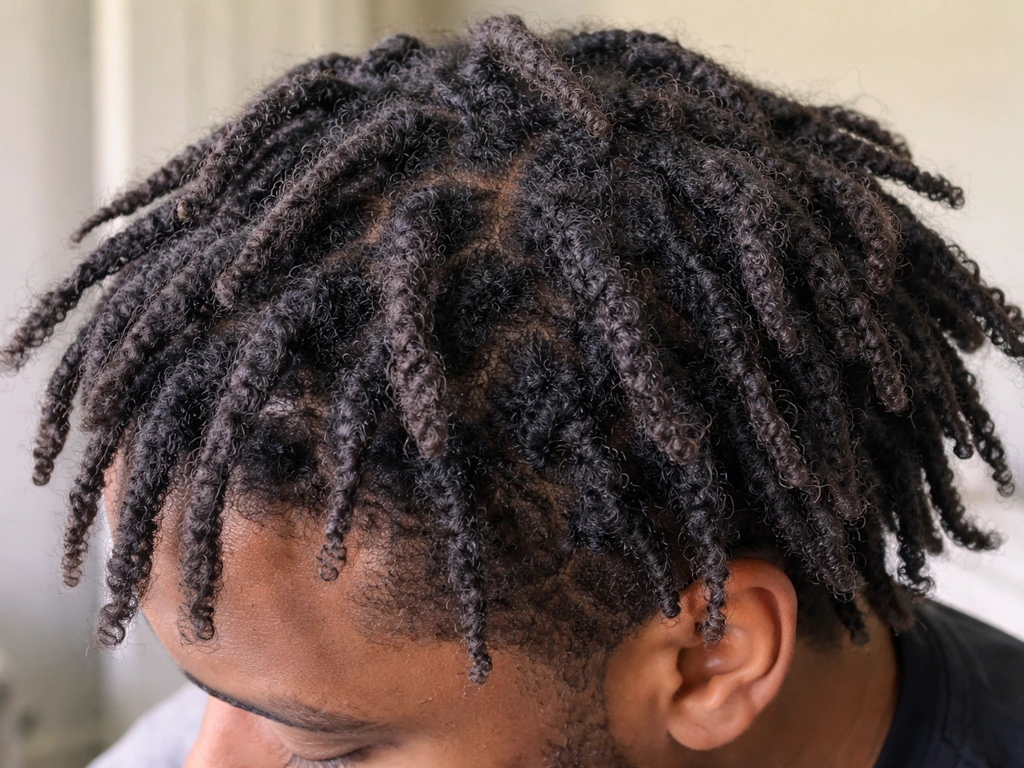
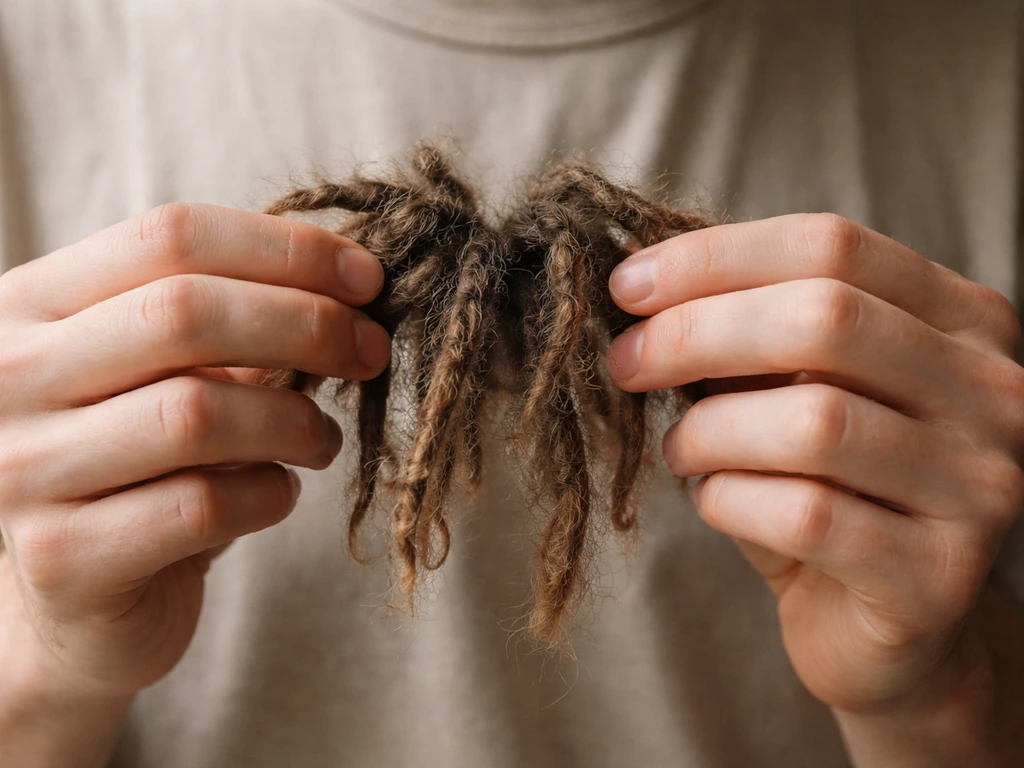
Freeform locs are formed through minimal or zero deliberate manipulation. You're not interlocking, not palm rolling on a set schedule, not retwisting at the roots every few weeks. You wash, you dry thoroughly, and you let the hair do its thing. That's the core of it. The difference between true freeform and semi-freeform comes down to how much you intervene: true freeform means almost no shaping at all, while semi-freeform allows occasional palm rolling or light separation without full retwists. Neither is wrong, but knowing which approach you're taking matters because it shapes your whole routine.
When people ask how to grow freeform dreads faster, they're usually asking two different questions at once. If you're specifically wondering how do rastas grow their hair, the process overlaps heavily with these same core principles of patience, minimal manipulation, and consistent washing and drying freeform dreads. The first is how to make their hair grow more length, and the second is how to make the locs actually form and mature sooner.
Hair growth speed is largely biological and pretty consistent across styling methods, so a protective style like freeform locs supports length retention more than it accelerates growth at the root. Hair growth speed is largely biological and pretty consistent across styling methods, so a protective style like freeform locs supports length retention more than it accelerates growth at the root.
Note: if you're looking for how to grow dreads naturally, focus on consistent care that reduces breakage rather than trying to force faster growth. Locking speed, on the other hand, is very much within your control. Hair texture, product choices, washing habits, and how often you touch your hair all affect how fast those loose strands knot and consolidate into actual locs. This guide covers both.
Getting started: prep, washing, and building early texture
Before your first wash as a freeformer, start with the cleanest possible slate. Use a clarifying or residue-free shampoo to strip out any product buildup, silicones, or wax from previous styles. This matters a lot because residue embedded in the hair from day one will slow locking, trap lint, and create scalp issues down the road. If you've been using heavy creams, butters, or anything wax-based, do a clarifying wash before you commit to your freeform start date.
One of the most common beginner questions is whether to section the hair before starting. Freeform technically doesn't require planned sections, and that's part of its appeal. You can let the hair naturally find its own groupings. If you want more control over where locs form and roughly how thick they'll be, you can loosely part the hair into sections at the start without interlocking or retwisting. Think of it as giving the hair a starting point, not a strict structure. Once you stop manipulating, those loose sections will evolve on their own.
For people transitioning from relaxed hair, the process requires extra patience. The two textures (relaxed ends and natural new growth) behave very differently and can create weak points where breakage happens. Focus on keeping those transition zones moisturized and protected, and expect the locking to begin at the roots where your natural texture is strongest. People with low porosity hair may also find that moisture sits on the hair rather than absorbing, so lighter water-based products tend to work better than heavy oils during early stages.
What to use and what to avoid early on

- Use residue-free or clarifying shampoos from the start, not moisturizing shampoos loaded with conditioners that coat the strands
- Skip wax entirely, it embeds in the loc body, attracts lint, and is notoriously difficult to remove once it's in there
- Avoid heavy butters and thick creams on the loc body itself during the forming phase
- Light oils (like jojoba or sweet almond) applied to the scalp, not the strands, are fine for scalp moisture
- Do not use conditioning rinses on forming locs unless specifically formulated as residue-free for locs
How to encourage faster locking without causing breakage
The single biggest thing you can do to lock faster is wash consistently and dry completely. If you want a tighter timeline, focus on washing consistently, drying thoroughly, and minimizing manipulation so your locs mature sooner wash consistently and dry completely. Washing with a residue-free shampoo encourages the hair strands to knot and compress because clean hair tangles and coils more naturally than product-coated hair. Washing too infrequently slows locking because the hair sits loosened by sebum and product buildup rather than actively knotting.
Hair type plays a real role here. Tightly coiled hair (like 4C) tends to lock significantly faster than looser curl patterns (like 3A or 3B) because the tight coil structure creates more surface-to-surface contact and friction between strands. If you have looser waves or curls, your forming timeline will naturally be longer, and that's completely normal, not a sign that something's wrong.
If you're doing semi-freeform and want to include occasional palm rolling, do it when the hair is slightly damp rather than bone dry. Dry palm rolling creates friction that can weaken early loc formation and cause frizzing rather than compression. Damp rolling allows the strands to mold together with less stress. That said, if you're going full freeform, skip palm rolling altogether and let the hair knot on its own timeline.
Avoid over-manipulating your hair between washes. Touching, twisting, separating, and fussing with forming dreads all disrupt the knotting process and extend your locking timeline. The less you touch, the faster they form. This is genuinely one of the hardest parts for beginners because the early stage looks messy and uneven, and the urge to fix it is strong. Resist it.
Maintenance schedule: scalp care, washing, drying, and buildup control
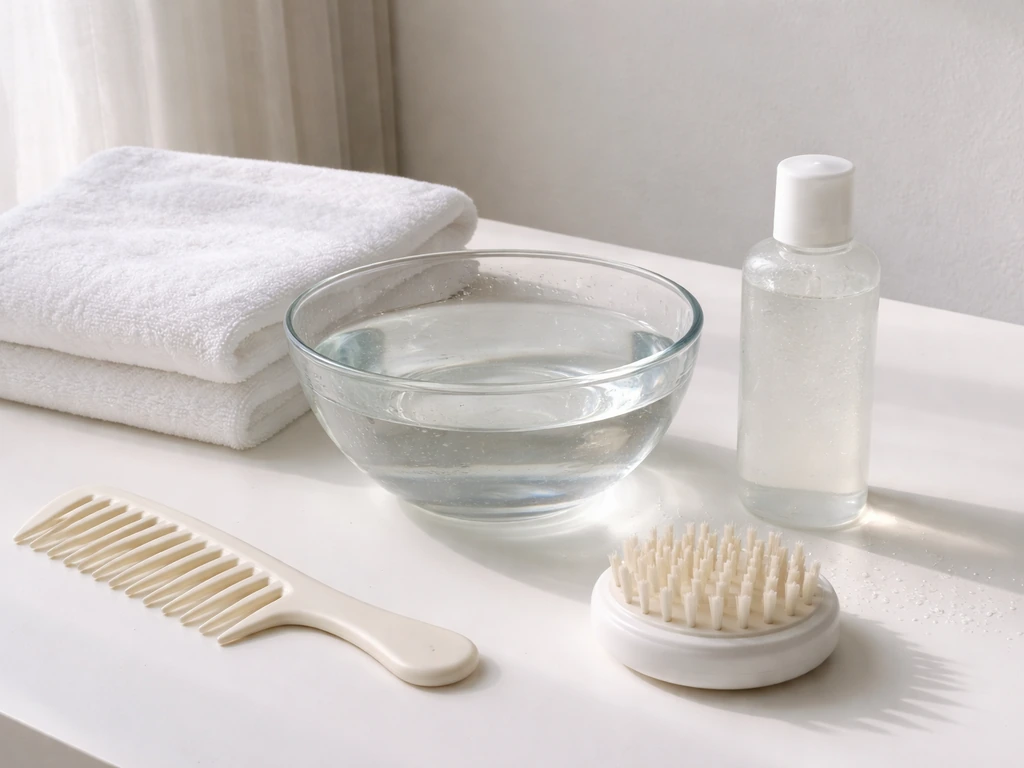
During the early forming phase (roughly the first 3 to 6 months), a wash every 2 to 3 weeks is a commonly recommended starting point. LEAFtv’s dreadlock growth stage guidance also places the early starter or budding phase around 3 to 6 months (and sometimes longer for finer or softer or wavy hair), with general wash-frequency guidance like every 2 to 3 weeks for baby dreads During the early forming phase (roughly the first 3 to 6 months).
This is frequent enough to keep the scalp healthy and encourage locking, but not so often that you're over-handling freshly forming locs. As your dreads mature, you can adjust based on your scalp's needs and your lifestyle. Active people who sweat heavily may need to wash more frequently, even from the start.
Every wash should use a residue-free or clarifying shampoo. Squeeze the shampoo into the scalp and work it through without vigorous scrubbing that unravels the forming locs. Focus cleansing attention on the scalp, not the loc body. Rinse thoroughly because incomplete rinsing is one of the biggest causes of buildup, itch, flaking, and odor in locs. If product residue is already trapped, do a dedicated clarifying soak and rinse before going back to regular washing.
Drying is non-negotiable and often underestimated. Locs that stay damp for hours after washing are at real risk of developing mildew and a musty odor that becomes very difficult to eliminate. After washing, squeeze out as much water as possible, then sit under a hooded dryer or use a blow dryer on low heat to dry the locs thoroughly from root to tip. If you air dry, make sure you're in a warm environment and the hair is fully dry within a few hours. Never go to sleep with wet locs.
For scalp care between washes, apply a light oil directly to the scalp (not the locs) if you feel dryness or tightness. Jojoba closely mimics the scalp's natural sebum and absorbs well without leaving heavy residue. Avoid dousing the scalp with thick products because they'll run down the loc body and contribute to exactly the buildup you're trying to prevent.
Troubleshooting slow progress: mats, itch, thinning, and breakage
If your dreads aren't progressing the way you expected, the culprit is usually one of a handful of things. Here's how to diagnose what's actually happening.
Mats vs. actual dreads
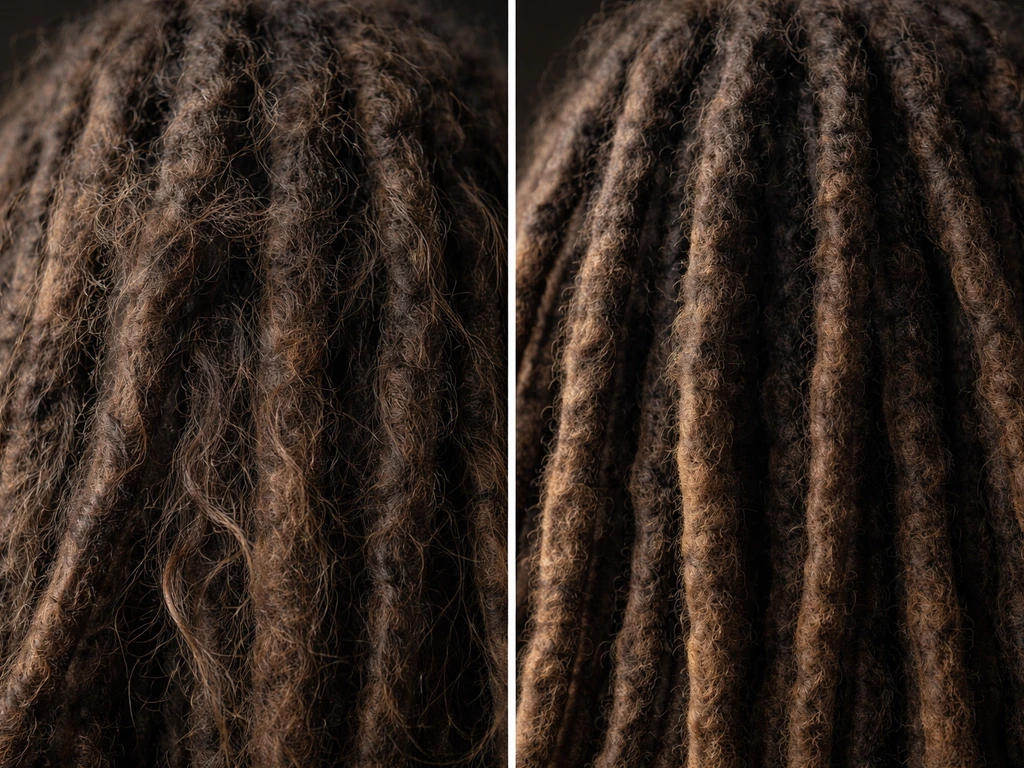
Matting and locking are not the same thing. Matted hair is tangled and compressed in an unstructured way, often caused by dryness, neglect, or manipulation. True locs have internal structure where strands have knotted and compressed in a way that's organized from root to tip. If your hair looks more like clumped, dry mats than cylindrical locs, the fix is moisture balance and consistent washing, not more manipulation. Hydrate the scalp, cleanse regularly, and let the structure develop over time.
Persistent itch and scalp irritation
Itching is almost always a scalp hygiene issue first. Product residue, incomplete rinsing, and infrequent washing are the most common triggers. If adding more oil seems to make the itch worse, stop adding oil and do a clarifying wash instead. If the itch persists after cleaning up your routine, it may be a scalp condition like seborrheic dermatitis, which requires a different approach entirely (more on that below). Don't just mask itch with more products.
Thinning at the roots
Root thinning is a sign of tension or stress on the follicle. In freeform locs, this can happen when locs are too heavy for the root, when you're pulling or pinning the hair tight, or when two locs have fused at the base and are pulling in different directions. Separate any conjoined locs gently at the root as early as possible, before the fusion gets solid. Keep the locs loose and free rather than tied back tightly, especially during the forming phase.
Breakage along the loc body
Breakage mid-loc usually points to dryness, rough handling, or chemical damage (from previous relaxers or color). Keep the scalp moisturized so natural oils can travel down the loc body, minimize dry palm rolling, and handle locs gently when washing. If you're transitioning from a relaxer, the weakest point is the line of demarcation between the treated and untreated hair, so treat that area with extra care.
Retention and health factors: porosity, shrinkage, and length vs. locking
Hair porosity affects how your locs behave with moisture and products. High porosity hair (common after heat damage or chemical processing) absorbs moisture quickly but loses it just as fast, making the hair prone to dryness and brittleness. If this is you, a light sealant applied to the scalp after moisturizing helps slow moisture loss. Low porosity hair resists moisture absorption, so heavy products just sit on the surface and build up. Lightweight, water-based moisturizers work better here, and warm water during washing opens the cuticle slightly to help cleansing penetrate.
Shrinkage is a real source of confusion in the freeform journey, especially for 4C hair. The actual length your hair has grown is often significantly more than what you can measure because the locs coil back on themselves. Shrinkage of 50 to 75 percent is completely normal for tightly coiled hair. This doesn't mean the hair isn't growing or that the locs aren't progressing. It just means you won't see the true length until the locs gain weight and begin to elongate over time, usually as they mature past the budding phase.
Length retention in freeform locs comes down to minimizing breakage at every stage. Every strand that breaks off is length you grew but won't keep. Clean scalp, low manipulation, appropriate moisture balance, and gentle handling are all retention strategies. The locs themselves are a protective style in the sense that once formed, the hair inside the loc body is shielded from daily manipulation that would otherwise cause mechanical breakage.
What to expect week by week and month by month
Freeform timelines vary by hair texture, but here's a realistic general framework. Keep in mind that 4C coils lock faster than looser curl patterns, and soft or fine hair can take noticeably longer at every stage.
| Timeline | What's Happening | What to Focus On |
|---|---|---|
| Weeks 1–4 | Hair is loose or loosely grouped; no real locking yet | Clarifying wash, establish clean routine, resist manipulation |
| Months 1–3 (Starter phase) | Frizzing, some coiling at the roots, early budding begins for tightly coiled hair | Consistent washing, thorough drying, separate any fusing locs at roots |
| Months 3–6 (Budding phase) | Locs start to feel firmer, shrinkage is very visible, some locs may feel spongy | Keep scalp clean, light scalp oil only, continue low manipulation |
| Months 6–12 (Teen phase) | Locs consolidate, may look uneven or fuzzy, length becomes more visible | Maintain wash routine, watch for root thinning, separate conjoined locs |
| 12+ Months (Mature phase) | Locs are firm, structured, and begin to elongate | Routine maintenance, monthly or as-needed clarifying, scalp care focus |
For people with looser curl patterns (3A to 3C), the starter and budding phases can stretch longer, sometimes 9 to 12 months before real loc formation is visible. That extended timeline is not failure. It's texture doing what texture does. If you're exploring related methods like structured two-strand twist locs or wicks dreads, the starting technique differs but the maturation and growth principles are largely the same. If you’re specifically learning how to grow wicks dreads, focus on the wick setup and consistent maintenance so the pattern matures without over-handling.
When to adjust your plan or get professional help
Most freeform journeys can be self-managed, but there are specific situations where you should bring in a professional loc stylist or a dermatologist, not because something is catastrophically wrong, but because getting the right eyes on your hair early can save you from months of avoidable setbacks.
See a professional loc stylist if your locs are fusing extensively at the roots and you can't separate them yourself, if you're seeing significant uneven thickness that's bothering you, or if after 6 months of consistent care you're not seeing any locking progress at all. A stylist who specializes in freeform or natural locs can assess whether your technique, product choices, or washing routine need adjusting.
See a dermatologist if you have persistent scalp itch that doesn't resolve after cleaning up your product routine, if you notice thick flaking or scaling that looks different from normal dryness, if you develop sores or pain on the scalp, or if you see significant hair shedding or bald patches forming at the roots. These are signals that something beyond a product swap is needed. Seborrheic dermatitis, scalp psoriasis, and traction-related follicle damage all require targeted treatment, and adding more oil or switching shampoos won't fix them.
The freeform path rewards patience and consistent care more than any fancy product or technique. Get the washing and drying routine right, keep your hands out of your hair, and give the process real time. The locs will come.
FAQ
Can I start freeform dreads with dirty hair or should I always begin freshly washed?
Start with clean, residue-free hair. Even a small amount of waxy or silicone buildup can make early knotting inconsistent, which leads to uneven budding and more lint trapping later. If you cannot clarify right before starting, wash once more and rinse extra thoroughly before you begin hands-off.
How do I know my hair is locking versus just clumping or tangling?
Locking feels and looks more organized over time, strands consolidate into rope-like sections with internal structure. If what you have stays dry, mat-like, and breaks apart when you separate two areas, that points to dryness or lack of consistent cleansing and drying, not true loc maturation.
Is it better to wash with hot water or cool water for faster locking?
Use warm water to help cleansing penetrate, but avoid very hot water. Hot water can irritate the scalp and increase oil rebound cycles, which can worsen itch and buildup even if you’re washing on schedule. Rinse thoroughly until the water runs clear to prevent residue-driven slowdown.
Do I need to separate locs after they start forming, and how often?
Only separate if you see early root conjoining. In freeform, you usually stop touching once you’re past the initial forming stage, because frequent separation delays consolidation. If fusion begins at the base, separate gently early, then leave the rest alone to mature.
What should I do if my locs smell bad even though I dry them?
Bad odor usually means moisture stayed trapped or residue remained. Recheck your drying time (root to tip, not just the outside), and consider a clarifying wash followed by very thorough rinsing. If you sweat often, wash a bit more frequently and keep your scalp and hairline from staying damp after workouts.
Can I use conditioner on my hair while growing freeform dreads?
For true freeform, skip conventional conditioner because it often leaves coating that interferes with knot formation. If you must add slip for detangling, do it only before you start your freeform journey, then return to scalp-focused cleansing and avoid coating the budding loc areas.
How much oil is too much on the scalp?
Light, scalp-only oil is the goal, and you generally want to avoid re-oiling right after a wash. If itch or flaking increases after oiling, use less or stop and clarify first, because heavy application can feed buildup and make the scalp harder to keep clean during the forming phase.
What if my dreads are locking fast but my hair is breaking?
Fast locking plus breakage usually means moisture balance or handling is off. Reassess drying speed, reduce any friction from towels or pillowcases, and treat the transition area carefully if you’ve relaxed or colored. If breakage continues, consider adjusting your moisture routine toward lighter water-based products instead of heavy oils or butters.
Are there any products I should avoid completely for freeform locs?
Avoid wax-based styling products, heavy butters, silicones, and anything that leaves a coating that is hard to rinse. These commonly trap lint, slow internal compression, and create itch or flaking. If you’re unsure, do a test strand wash with clarifying shampoo before committing to weeks of hands-off growth.
Does sleeping or wearing hats slow down locking?
It can, if the fabric keeps your hair damp or creates constant friction. Use a breathable covering if needed, dry your locs fully before bed, and consider a satin or microfiber bonnet or pillowcase to reduce snagging while still keeping the scalp from staying moist.
When should I switch from clarifying/residue-free washes to regular shampoo?
If your hair and scalp stay clean and buildup-free, you can move to a residue-free routine after the initial “clean slate” period. Many people continue clarifying occasionally, especially if they use any additional products, to prevent delayed buildup that shows up as itch or slowed locking.
At what point should I get help from a professional?
Get a professional opinion if you have zero visible locking progress after about six months of consistent washing and proper drying, if roots are fusing heavily and you cannot separate safely, or if you notice traction-like thinning. Early intervention can prevent months of correcting the same avoidable issue.
Could my scalp issues be medical instead of a product problem?
Yes. If itching persists after you clarify, rinse thoroughly, and keep oil minimal, and you also see thick scaling, sores, pain, or expanding shedding, a dermatologist evaluation is appropriate. Conditions like seborrheic dermatitis or psoriasis often need targeted treatment rather than just a different shampoo or more oil.
Next Article
How Do Rastas Grow Their Hair: Locs Guide for Growth
Evidence-based locs guide answering how Rastafarians grow hair: prep, washing, product use, scalp care, timeline, and re