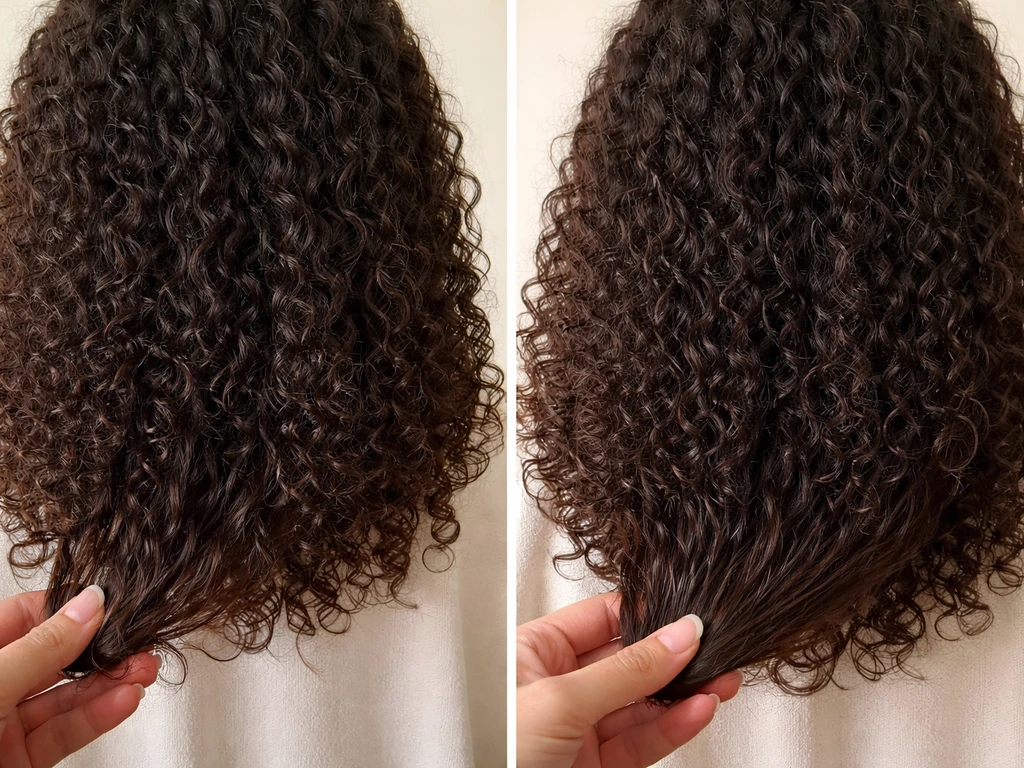
You can start locs from short hair right now, even if you only have 2 to 3 inches of length. The method you choose matters more than the length you have, and the single biggest thing that determines how fast you see mature locs is not any technique or product, it's keeping your scalp healthy and avoiding breakage from the start. Hair grows roughly 0.5 to 1.7 cm per month regardless of how it's styled. What locs do is retain that growth instead of losing it to shedding and manipulation, which is why healthy loc formation from short hair is genuinely one of the better ways to build visible length over time. If you started from a receding hairline or bald spots, the steps above still help, but you'll want a plan tailored to how to grow dreads from bald.
How to Grow Dreads From Short Hair: Fast, Safe Steps


What to realistically expect when starting from short hair
The honest timeline for going from starter locs to mature, fully locked locs is somewhere between 12 and 24 months for most people. Two-strand twist starter locs tend to lock on the faster end, often 6 to 12 months for tightly coiled textures like 4C hair, and up to 24 months for looser curl patterns. Those numbers can feel discouraging until you understand why: locs don't grow from the ends, they grow from the scalp exactly like loose hair does. The difference is that as new hair grows in and begins to knit into the loc body, some of that length gets consumed internally in the zig-zag, back-and-forth matting process before it ever shows up as added length at the tip. On top of that, shrinkage during the early twist-to-loc transition can make your hair look shorter than it was when you started.
This is not a sign something is wrong. It's just how locs form. The practical takeaway is that for the first six months or so, your job is not to chase visible length, it's to lay the foundation for strong, healthy locs that will show off every bit of growth they retain for years after that.
One more thing worth being direct about: no technique, oil, or product makes your scalp produce hair faster. Scalp health and breakage prevention are the real levers. If you've seen claims that thick butters or aggressive retwisting causes faster growth, that's a myth worth leaving behind before you start.
Know your hair before you pick a method
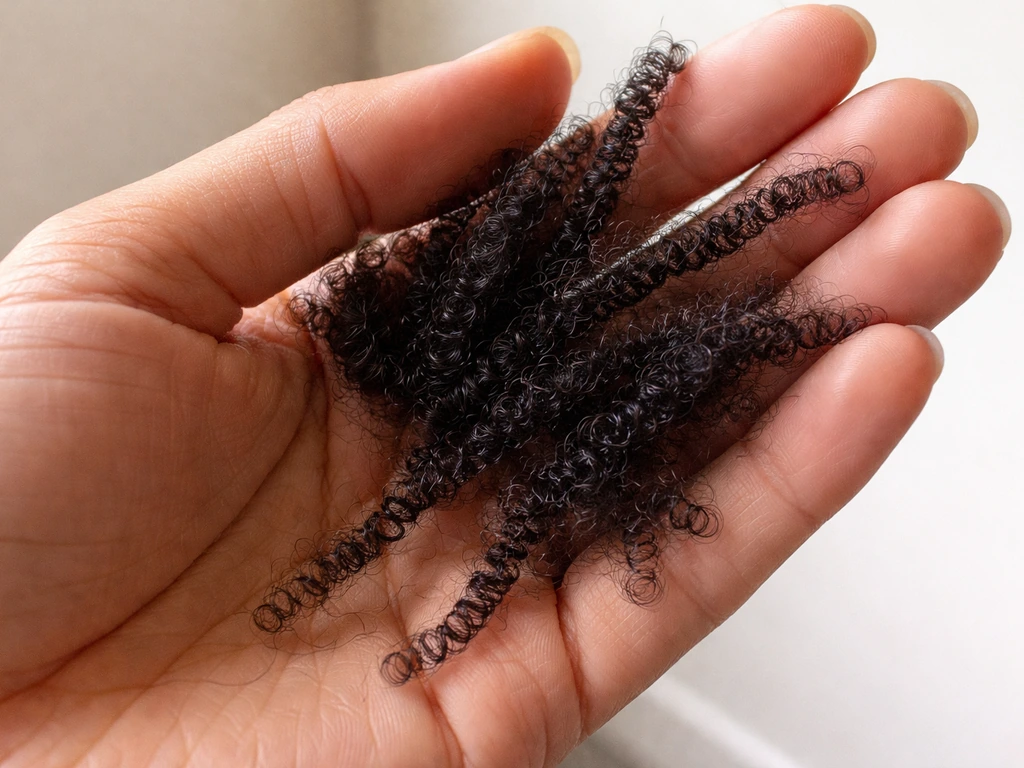
Hair texture and curl pattern are probably the most important factors in choosing how to start your locs. Tightly coiled hair (4C) has natural curl memory that helps strands knit together more quickly, which means it responds well to comb coils and finger coils even at very short lengths, around 2 inches is workable. For coily 4C hair, comb coils or finger coils are often recommended, while softer or looser curl patterns (3B/4A) may do better with braid locs or interlocking to improve hold Tightly coiled hair (4C) ... responds well to comb coils and finger coils. Looser textures (3B, 3C, 4A) need a method that gives the sections more help holding together because the looser pattern can unravel before locking occurs. For those textures, braid locs or interlocking tend to create more structure and prevent early unraveling.
Shrinkage is the other big variable with short hair. If your hair has high shrinkage (which is very common with 4C hair), what looks like 2 inches of stretched length might sit at half an inch at the scalp when dry. That's completely fine for starting, just mentally account for it so you're not surprised when your freshly installed sections look tiny after the first wash. Length will become more visible as locs mature and the internal structure forms.
Check your hair before you install anything. Gently stretch a small section: if your ends are already fragile, dry, or snapping, spend two to four weeks on a basic moisture routine first. Starting locs on already-stressed hair just locks in that damage, literally.
Two ways to form locs: natural formation vs. assisted methods
There are two general paths to locs, and which one suits you depends on how much structure you want and how your hair behaves.
Natural (freeform) formation
Freeform locs form on their own without sectioning, twisting, or palm rolling. You wash your hair, separate any sections that are budding together (called budding or congos), and leave them alone. This method works for all textures but tends to be easiest with tightly coiled hair that naturally wants to knot. The tradeoff is that sections form organically, so sizes will be uneven and the process is slower and less predictable. For short hair especially, freeform locs can look messy for a long time before they settle, which is fine if you're prepared for that phase.
Assisted methods
Assisted or structured starter methods involve intentional sectioning and a specific installation technique. These are the better choice for most short-hair starters because you have control over loc size, placement, and consistency from day one. The main options for short hair are comb coils (great for 4C, works well at 2 to 3 inches), two-strand twists (excellent for most textures, fastest locking method overall), braid locs (better hold for looser curl patterns), and interlocking (good for very short lengths and looser textures where twists would unravel). Each method affects how resistant your locs are to water early on and how much maintenance they need. Comb coils, for example, can unravel easily when wet in the first weeks, so you'll need to plan your wash routine around that.
| Method | Best Texture | Min. Length | Locking Speed | Main Risk |
|---|---|---|---|---|
| Comb Coils | 4C (tightly coiled) | ~2 inches | Fast for 4C | Unravels when wet early on |
| Two-Strand Twists | 4A–4C | ~2–3 inches | Fastest overall | Frizz if not maintained |
| Braid Locs | 3B–4A (looser curl) | ~2.5 inches | Moderate | Slower to mature |
| Interlocking | All textures, especially 3B–4A | ~1.5 inches | Variable | Over-tightening risk at roots |
| Freeform | All, easiest with 4C | Any length | Slowest, unpredictable | Uneven sizes, congos |
For most people starting with short, tightly coiled hair, two-strand twists or comb coils are the practical starting point. For shorter hair with a looser pattern, interlocking gives you the most hold with the least unraveling. When in doubt, getting your starter locs professionally installed by a loctician the first time is worth the money, a bad section grid is very hard to fix later.
The fast-track approach: sectioning, sizing, and setting yourself up right
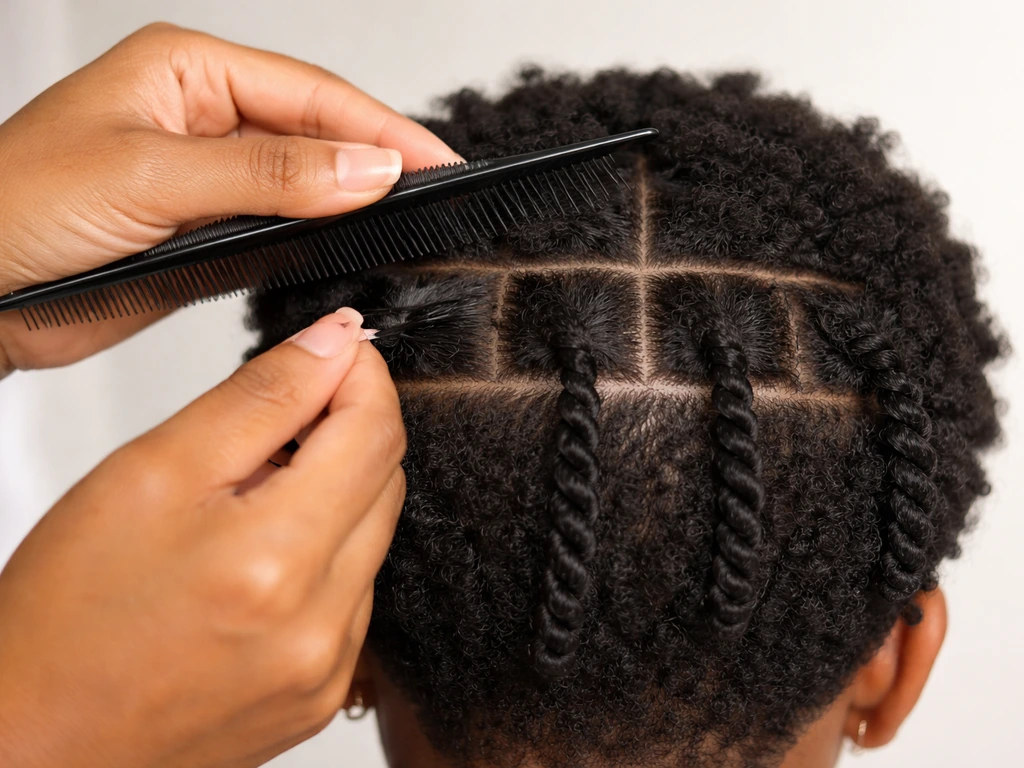
If your goal is to grow mature locs as efficiently as possible, the decisions you make at installation day matter more than anything you'll do in month six. Here's how to do it right from the start.
Sectioning strategy
Section your hair in a clean grid pattern, either squares or diamonds, before installing. Consistent, even parts prevent weak spots where locs might thin at the root later. Avoid very small sections on short hair; tiny locs on short hair have less hair mass to lock with, which slows formation and increases thinning risk. A medium section (roughly pencil-width) is a solid default for short hair. Larger sections mean thicker locs and more forgiving formation; smaller sections mean more delicate locs that need careful handling.
Maintenance schedule in the first six months
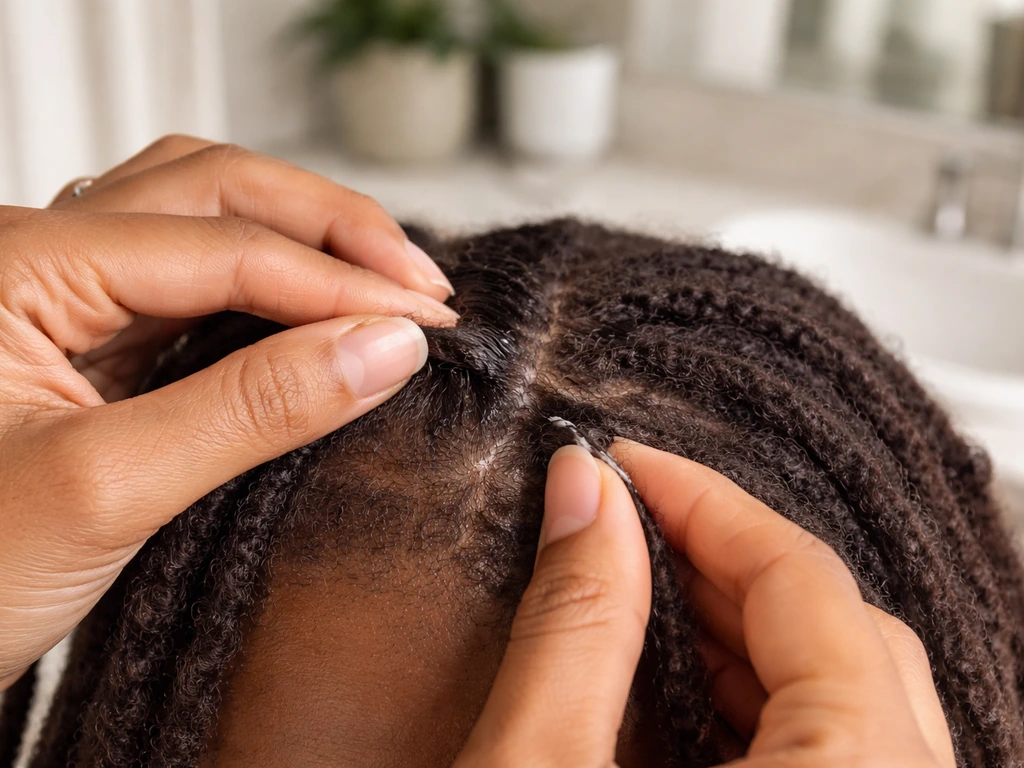
Retwist or maintain your starter locs every four to six weeks. This is the sweet spot, frequent enough to neaten new growth, but not so often that you're weakening the roots with repeated tension. After a retwist, wait two to three days before washing so the new twist pattern has time to set. Retwisting more often than every four weeks, especially in the first few months, is one of the fastest ways to thin your locs at the root and set back your whole timeline.
Minimizing setbacks
- Do not manipulate locs daily—leave them alone between maintenance sessions
- Avoid heavy, waxy, or petroleum-based products that coat the strand and prevent locking
- Keep your hands out of your hair as much as possible in the first 90 days
- Separate budding sections gently at every wash to prevent unwanted congos
- Protect your ends—they're the oldest, most fragile part of short starter locs
Washing, drying, and products for short starter locs
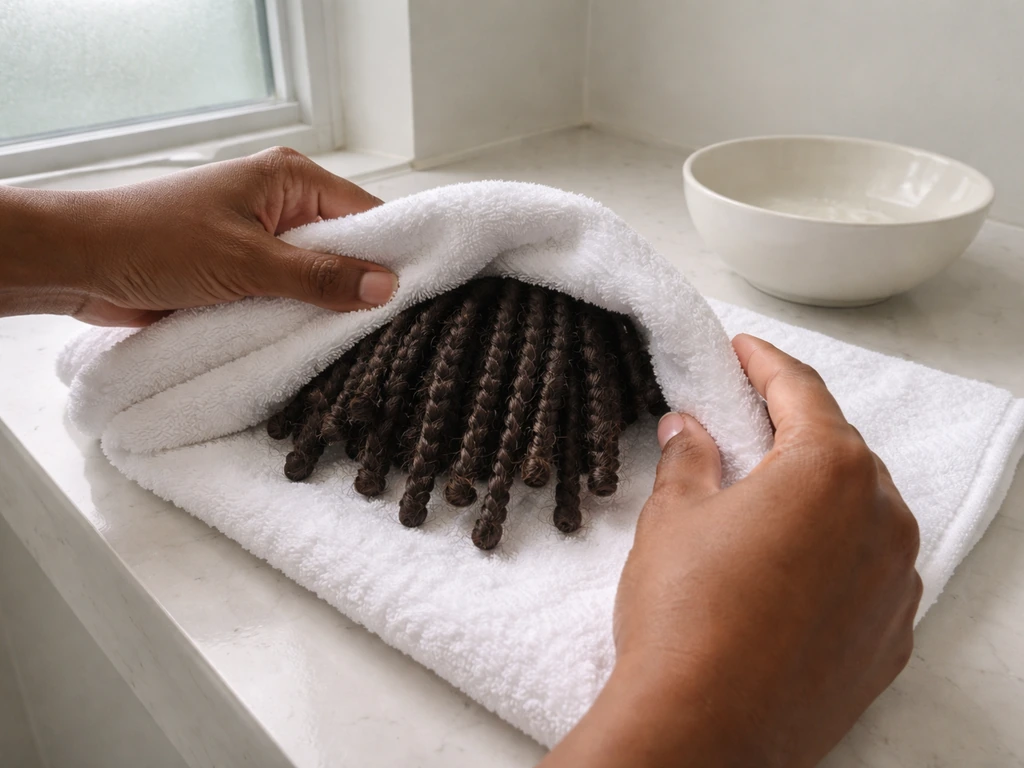
The washing question trips up more new loc wearers than almost anything else. Here's the reality: clean locs lock better and faster than dirty ones. Buildup from sweat, product, and sebum can actually prevent the locking process. For most people, washing every two to three weeks during the starter phase is the right frequency. If you work out heavily or sweat a lot, you may need to wash every one to two weeks. A water-only rinse after a particularly sweaty session can buy you time between full washes without disrupting your pattern.
Use a residue-free or clarifying shampoo designed for locs. Diluting it with water before applying helps it penetrate shorter, denser sections more evenly. The goal is to work product through the scalp, not pile it on the loc body. Rinse thoroughly, keep rinsing until the water runs completely clear and you feel no slipperiness. Incomplete rinsing is the number-one source of buildup and scalp irritation. Multiple rinse cycles beat adding more product every time.
Drying completely is non-negotiable. Locs that stay damp for hours will develop mildew, which causes a persistent musty smell that's very hard to get rid of. Sit under a hooded dryer after washing, especially in the first year when your locs are thinner and hold moisture differently than mature locs. Air drying alone in a warm, well-ventilated space works too, but only if you're confident the interior of each loc is fully dry before you cover or go to bed. Do not put on a bonnet while still damp.
Keep your product use minimal and purposeful. A light oil (like jojoba or sweet almond) worked into the scalp and sparingly along the loc body is enough. Stay away from thick butters and waxes, they feel moisturizing but they coat the strand, trap lint, and slow the locking process significantly. For moisture, water is your best friend. A light water-based mist between washes is all most locs need.
Night routine, retwisting, and scalp care
What you do at night has a surprisingly large impact on your loc health and growth retention. Sleeping on a cotton pillowcase creates friction that pulls at new growth, causes root frizz, and accumulates lint in your locs. Use a satin or silk pillowcase, or better yet, wear a satin bonnet. For locs, you need an oversized bonnet, a standard bonnet compresses the volume and creates tension at the roots, which defeats the purpose. A large braid-specific bonnet with enough room for your hair to sit without being compressed is what you want.
For scalp care, light oiling two to three times per week is enough for most people. Focus on the scalp, not the loc body. Massaging the scalp gently when you apply oil stimulates circulation, which supports healthy hair growth at the follicle level. This isn't a magic fix, but consistent scalp care keeps the environment where hair grows healthy, and that's what matters for retention over the long term.
When you retwist, use as little tension as possible at the root. Locs are held to your scalp by living hair follicles, and repeated over-tightening is the main driver of traction alopecia in loc wearers. The retwist should feel comfortable, if it hurts or if you can see the skin at your roots pulling tight, it's too much. Traction alopecia is the most common cause of hair loss in people with locs, and it's almost entirely preventable if you catch the warning signs early.
Troubleshooting common short-loc problems
Itching
Scalp itch in the early stages is usually one of two things: product buildup or a dry scalp. If you're using heavy products and not clarifying regularly, residue accumulates and causes irritation and flaking. Switch to a clarifying shampoo and make sure you're rinsing fully. If your scalp is dry and tight rather than flaky and oily, the fix is regular light oiling and making sure you're not over-clarifying, which can strip natural oils and make dryness worse. Persistent flaking that doesn't respond to clarifying could be seborrheic dermatitis, which needs a medicated treatment shampoo, regular clarifying shampoo alone won't resolve it.
Unraveling
Locs unraveling in the first few weeks is normal, especially comb coils after washing. The locking process takes time and your sections need repeated wash-and-set cycles before the hair interlocks permanently. Resist the urge to retwist immediately every time, let the process happen. If your locs are consistently unraveling after three months, reconsider your method. A looser curl pattern trying to hold comb coils may need to switch to interlocking or braid locs for more structure.
Slow locking
Slower locking is most common with looser curl patterns and with locs that are heavily product-coated. If your locs aren't locking after six months, do an honest audit: are you using waxy or heavy products? Are you retwisting so often that the hair never has the chance to knot? Strip back your product routine, reduce your retwist frequency, and let the hair do its thing. Locs lock through friction and the natural knot-forming tendency of hair, too much intervention can actually interfere with that.
Frizz
Some frizz around the surface of starter locs is completely normal and is part of the locking process. Trying to smooth every flyaway with product or constant palm rolling can create more problems than it solves, specifically buildup and root weakening. Light palm rolling after a wash is fine, but do it gently and not every day. For nighttime frizz caused by friction, go back to your bonnet routine.
Thinning at the roots
If you can see a noticeably thin spot where the loc meets the scalp, tension is almost certainly the cause. Ease up on your retwist tightness immediately and extend your retwist intervals. Give those locs a rest from manipulation for four to six weeks and see if new growth fills in. If you were interlocking, consider switching to a gentler technique like palm rolling while the area recovers.
Uneven sections
Uneven sections from a rushed installation are one of the hardest things to fix later. If you notice significant unevenness in the first month or two, it may be worth taking down the locs and re-parting before they lock in permanently. After about three to four months, most locs are too far into the locking process to comfortably restart without damaging the hair.
When to stop and get professional help
There are situations where pushing through is the wrong call. If you're seeing consistent breakage at the root (not just a few shed hairs, but actual snapping), thinning that isn't recovering after you've reduced tension, or patches where hair isn't growing back at all, see a dermatologist or trichologist. These can be signs of traction alopecia, scalp inflammation, or follicle damage that needs professional assessment, not a new product.
Persistent scalp issues that don't improve with clarifying shampoo, severe flaking, redness, pain, or an unusual smell even after thorough washing and drying, also warrant a professional visit. Seborrheic dermatitis and fungal scalp conditions can both develop under locs and won't resolve without appropriate treatment. Catching these early protects both your scalp health and your entire loc journey.
If you're in the early planning stages and wondering whether your current scalp or hair situation makes locs a good choice at all, or if you're dealing with thinning hair or a receding hairline, those are genuinely separate considerations worth thinking through carefully before you commit to the process. If you're wondering, “should I grow dreads,” the best move is to match your starter method to your hair texture and make scalp health your priority from day one. Because thinning hair can be affected by traction alopecia, focusing on scalp health and gentle retwisting can help you grow dreads more successfully can i grow dreads with thinning hair.
Your starting checklist for today
- Assess your curl pattern and check your hair's current health—if ends are brittle, moisture-treat for two to four weeks first
- Choose your starter method based on your texture: comb coils or two-strand twists for 4C, interlocking or braid locs for looser patterns
- Section in a clean, even grid—medium pencil-width sections for short hair
- Install or book a loctician for your first installation if you're unsure about sectioning
- Set your retwist calendar: every four to six weeks, and wait two to three days after a retwist before washing
- Buy a residue-free or clarifying shampoo and an oversized satin bonnet before you start
- Put away the heavy butters and waxes—switch to a light oil for scalp moisture
- Commit to fully drying your locs after every single wash
FAQ
Can I start locs if my short hair is uneven, like different lengths around my head?
Yes, but you may need a more structured starter method. Uneven length makes some sections mat sooner and others unravel longer, especially with comb coils. Pick a consistent section size, consider interlocking or twists for more stability, and expect a bigger “mismatch” phase during the first month as the shortest areas catch up.
Do I need to have “even” parts before I start, or can I wait until later?
For short hair, plan the grid from day one. If your parts are sloppy now, thin root areas can become permanent because the locking pattern fixes as the loc foundation forms. If you notice major unevenness in the first 4 to 8 weeks, reparting is usually still worth it before the locs fully set.
Is it better to shampoo with a loc-specific product every wash, or can I use my regular shampoo?
Use what is residue-free and rinses clean, not what is just “hydrating.” Regular moisturizing shampoos can leave coating behind, which can slow locking and trigger itch. If you switch from your usual shampoo, do a test wash and check for slipperiness after rinsing, that often signals buildup.
How do I wash locs when my scalp itches or feels tight but I also don’t want to over-wash?
Treat it like a balance problem, not a frequency problem. Do a thorough rinse and consider a clarifying wash if you suspect residue. If the scalp feels dry and tight with little flaking, use light scalp oil between washes and stick to the normal interval, over-clarifying can worsen dryness and sensitivity.
What should I do right after retwisting if I work out or sweat a lot?
Avoid re-washing immediately, but control sweat without soaking the locs. Use a light water-only rinse on the scalp if needed, then dry fully. Sweat trapped in early starter locs can increase odor and residue, and dampness can interfere with how well the twist pattern sets.
Can I use gel, edge control, or hairspray to keep my hairline neat while growing locs?
Be cautious, these products often leave film that slows locking around the roots. If you use them, keep application minimal, focus on the hairline edges only, and make sure you fully rinse during washes. Heavy styling around the part lines can also create buildup that looks like dandruff later.
How can I tell whether unruly frizz is normal or a sign my method is failing?
Normal frizz looks like loose surface fuzz that reduces as the locs knit deeper. If entire sections repeatedly separate and stay separated beyond the first few weeks, that suggests your starter method lacks structure for your curl pattern or has been disrupted by washing and drying. If it keeps happening after about three months, reassess the method (often switching to interlocking, braid locs, or a tighter install).
Do I need to oil my locs body, or is oiling the scalp enough?
For most people, scalp-only is the priority. The article’s guidance focuses on moisturizing the scalp while keeping products off the loc shaft to prevent coating and slowed locking. If your locs feel very dry on the outside, use water first and apply any oil sparingly to reduce residue buildup.
Is a bonnet always necessary, or can I just use a satin pillowcase?
A satin or silk pillowcase helps, but bonnet choice matters when your hair is still short and prone to root friction. The key is keeping enough space so locs are not compressed at the roots. If your bonnet squashes your hair volume or you notice new root frizz after sleep, switch to an oversized, braid-friendly option.
How do I dry locs if I live in a humid climate or I cannot use a hooded dryer?
Dry thoroughly with airflow, not just “not dripping.” Use a well-ventilated warm space, separate sections if needed during drying, and confirm the interior is dry before covering or going to bed. If locs stay damp for hours, mildew and persistent musty odor become likely even when the outside looks dry.
Can I swim or do water activities while I’m in the starter phase?
You can, but plan for drying and product control. Chlorine or salty water plus partial drying can create odor, residue, and prolonged dampness that slows locking. After any heavy water exposure, rinse well, dry completely, and avoid applying waxy coatings afterward that can trap debris.
What does root thinning look like, and when should I change my routine immediately?
Thinning that is visible at the scalp where the loc meets the root, especially if it worsens after retwists, often points to tension or traction. Stop tightening, extend intervals, and give those areas a rest from manipulation for about a month. If thinning continues or you see patchiness or true breakage, seek professional evaluation rather than experimenting with more products.
If my locs are not locking by six months, should I force it with more retwists or more product?
Usually not. More retwisting and heavier product tends to interfere with knotting and can increase thinning risk. Instead, do a quick audit: remove waxy or coating products, reduce retwist frequency, and match the method to your texture. If you still do not see progress after that, it may be time to switch techniques.
How to Grow Black Women’s Hair: Length and Growth Guide
Step-by-step guide to grow and retain Black women’s hair, boost length via breakage control, and avoid traction damage.