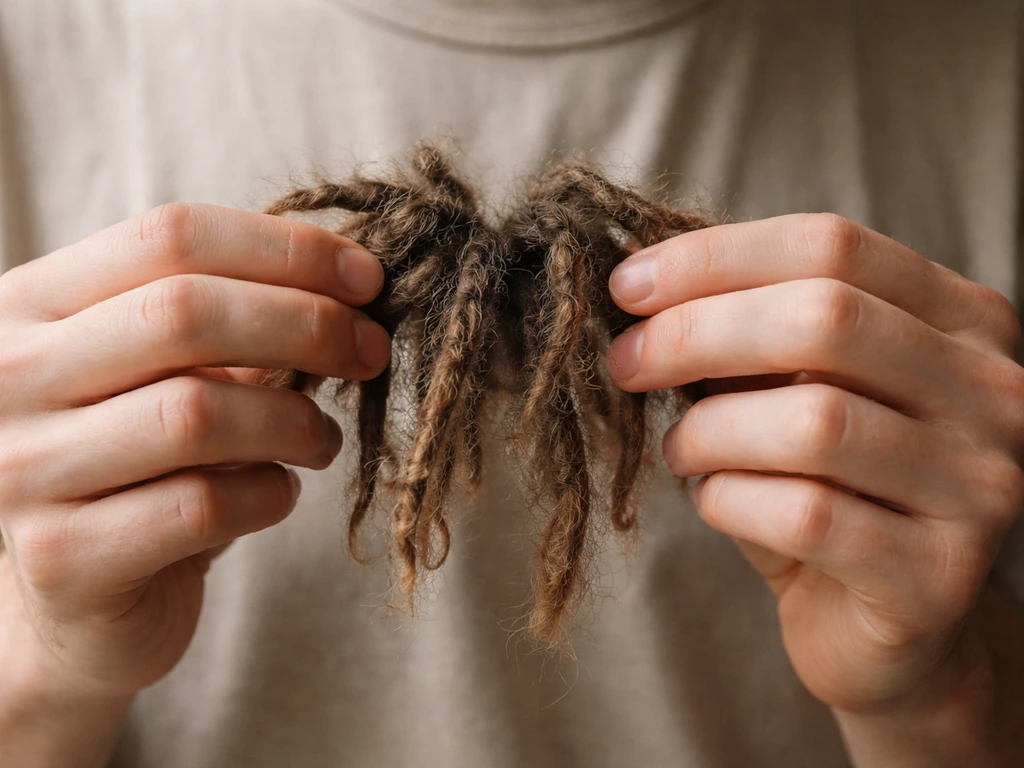
Wick dreads are formed by sectioning natural hair and using a crochet or latch-hook needle to knot and lock each section into a tight, rope-like loc from the root outward. Some infrastructure documents also use unrelated “wick” terminology, so searches for “wick” can be noisy and may need disambiguation to the “wick method” for the correct context blank" rel="noopener noreferrer">“wick method” locs in research. To grow them well, you need clean, product-free hair at the start, a consistent wash-and-dry routine every one to two weeks, complete drying after every wash (never sleep on damp locs), minimal tension at the edges, and a clarifying shampoo on rotation to prevent buildup. If you want a deeper step-by-step plan for how to grow dreads, start by nailing your prep, then follow a consistent wash-and-dry routine and re-wick on schedule. That's the core of it. Everything below fills in the details.
How to Grow Wicks Dreads: Step-by-Step Care Routine

What wick dreads actually are (and who they're for)
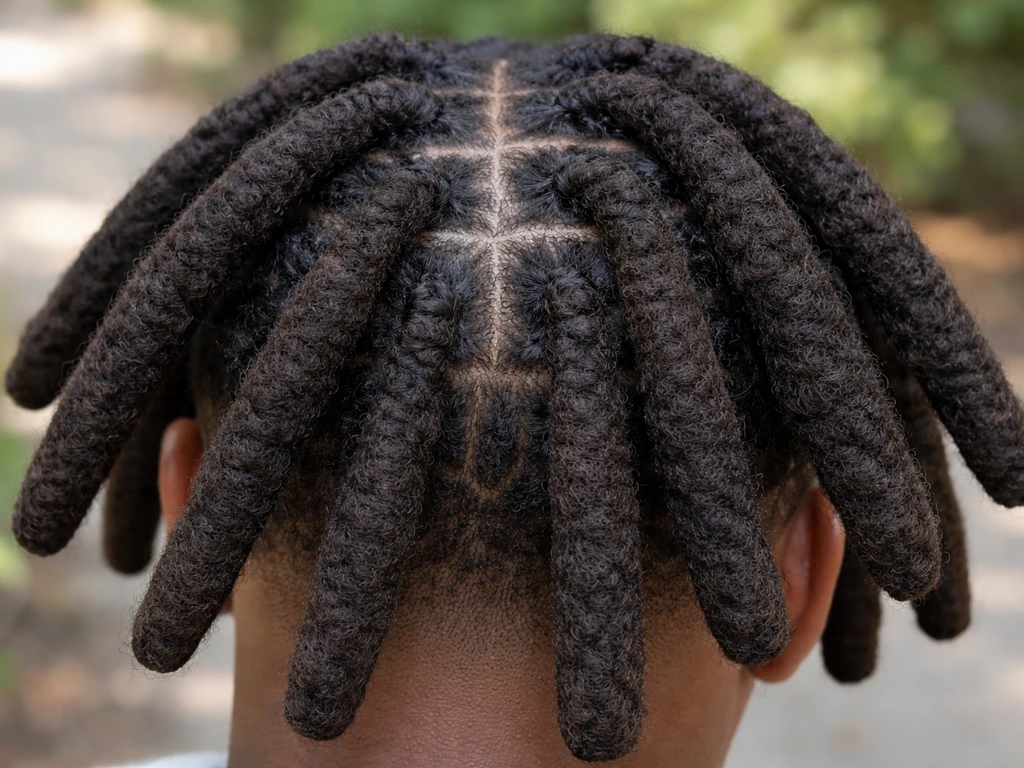
The term gets used loosely online, so it's worth being specific. In most modern loc communities, 'wick dreads' or 'wicks' refers to locs started and maintained using a crochet or latch-hook method, where a needle is worked in and out of each sectioned piece repeatedly to knot the hair into a dense, cylindrical shape. The result is a thick, compact loc that looks almost like a short, blunt rope, especially in the early stages. This is different from freeform dreads (which form through neglect and natural matting), two-strand twist locs (which use a twisting method to start the loc and rely on time and manipulation to mature), or sisterlocks (which use a specific interlocking grid pattern with a fine tool). Wick-style locs are a more deliberate, structured installation, and they're especially popular in Black and Afro-textured hair communities because the crochet method works well with tightly coiled and kinky hair textures.
They're a good fit for you if you want defined locs from the start rather than waiting through months of messy budding, if you prefer a thicker loc size, or if you've tried twist starters before and found they unraveled before maturing. That said, the crochet needle technique requires care. Done aggressively or on dry hair, it can cause breakage inside the loc. Done with tight tension at the base, it puts real stress on follicles and edges. This guide will walk you through how to do it in a way that keeps your hair healthy while it grows.
Getting your hair ready before you start
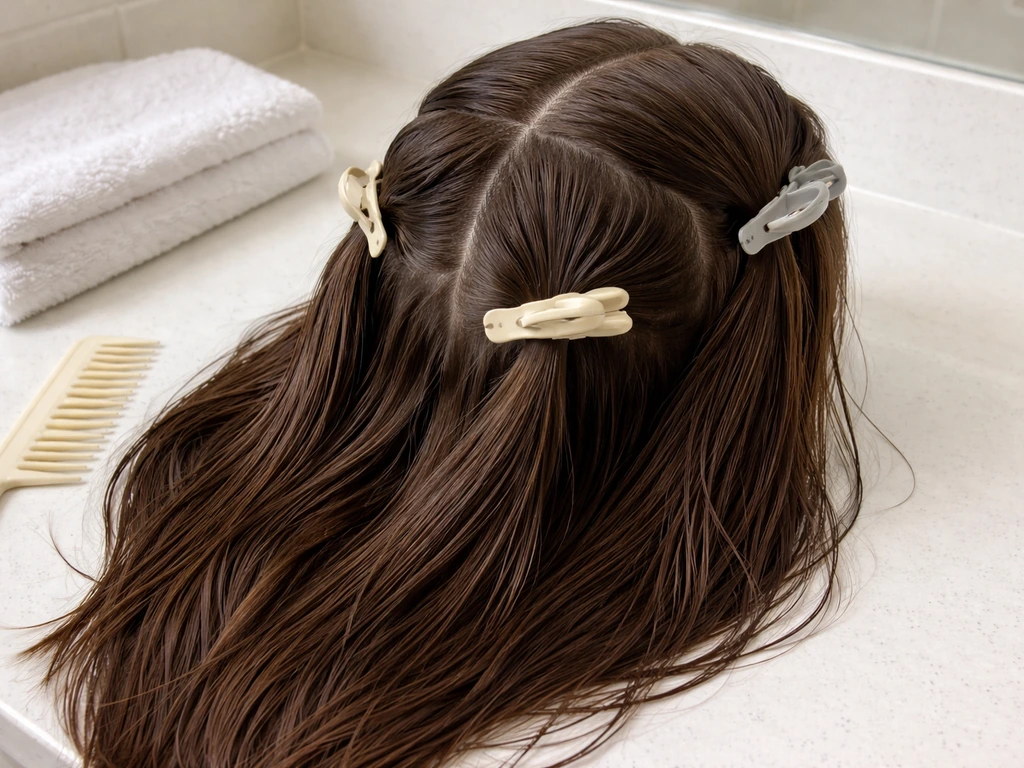
The prep phase matters more than most people expect. Hair that has silicone-based products, oils, or heavy conditioners sitting on the strands will not loc well. The crochet needle needs to work through clean, product-free hair so the knots can actually hold. Start with a clarifying shampoo wash one to two days before your installation. Not a moisturizing shampoo, a clarifying one. This removes residue that would otherwise trap inside the loc and become a source of buildup and odor down the road.
On hair length: you can technically start wicks on hair as short as two to three inches, but four to six inches gives the crochet needle enough to work with and produces a more stable early loc. Shorter hair will lock faster but has a higher risk of the loc being too thin to hold together at the base. On hair type: wick locs work on any natural Afro-textured curl pattern (4a through 4c), and the tighter the coil, the faster the locs tend to congeal. If your hair is looser or you've had a relaxer recently, the locking process will take longer and may need more frequent maintenance.
The tools you need are straightforward. A latch-hook or crochet needle (size 0.75mm is the most commonly used for this method), rat-tail comb for sectioning, clips or rubber bands to hold sections while you work, and a spray bottle with plain water to keep hair damp (not soaking) during installation. Skip the loc gel or wax for the initial install. These products feel like they help the loc hold together, but wax especially is nearly impossible to fully wash out and becomes the number-one source of buildup complaints later.
How to actually form the wicks
Start by sectioning the entire head. The size of each section determines the thickness of your finished loc, so decide on your desired thickness before you begin and keep sections consistent. Square sections are the standard choice for most wick installs because they distribute weight evenly across the scalp. Diagonal or triangular sections can work too, but square parting is easier to maintain over time.
- Detangle each section completely before starting. Any knots or shed hair that you lock into the loc will create weak points.
- Lightly mist the section with water so the hair is pliable but not wet.
- Insert the crochet needle through the base of the section, hook a small amount of hair, and pull it back through. Repeat this motion moving down the length of the section, working from root to tip.
- Continue the in-and-out motion, rotating around the section so you're knotting from all sides, not just one angle. This is what creates the cylindrical, compact shape.
- Work at a moderate pace. Rushing causes the needle to snag and break the hair shaft. You should feel the hair knotting together, not tearing.
- Once the section feels dense and holds its shape when you release it, that loc is done for now. Clip it aside and move to the next section.
- After all sections are complete, let the locs air dry fully before doing anything else.
One thing to flag right away: keep the tension at the scalp loose. The loc itself should be firm, but the base where it meets your scalp should not feel tight or pull the skin. If you see 'tenting' (where the skin at the base is being pulled upward) or feel pain during the install, the section is too tight. This is the main cause of edge stress and, in chronic cases, traction alopecia, which can become permanent if it goes on long enough. Loose at the root, locked through the shaft, is the rule.
Your ongoing maintenance routine
Washing schedule
Wash your locs every one to two weeks. Waiting longer than two weeks allows product residue, sweat, and dead skin cells to accumulate inside the loc, which leads to odor and buildup. Washing more frequently than once a week in the early stages can disrupt the knotting process before the locs have a chance to settle. A residue-free shampoo (look for 'clarifying' or formulas specifically marketed for locs) is the right call for your regular wash. Every four to six weeks, do a deeper clarifying wash to catch any residue your regular shampoo misses.
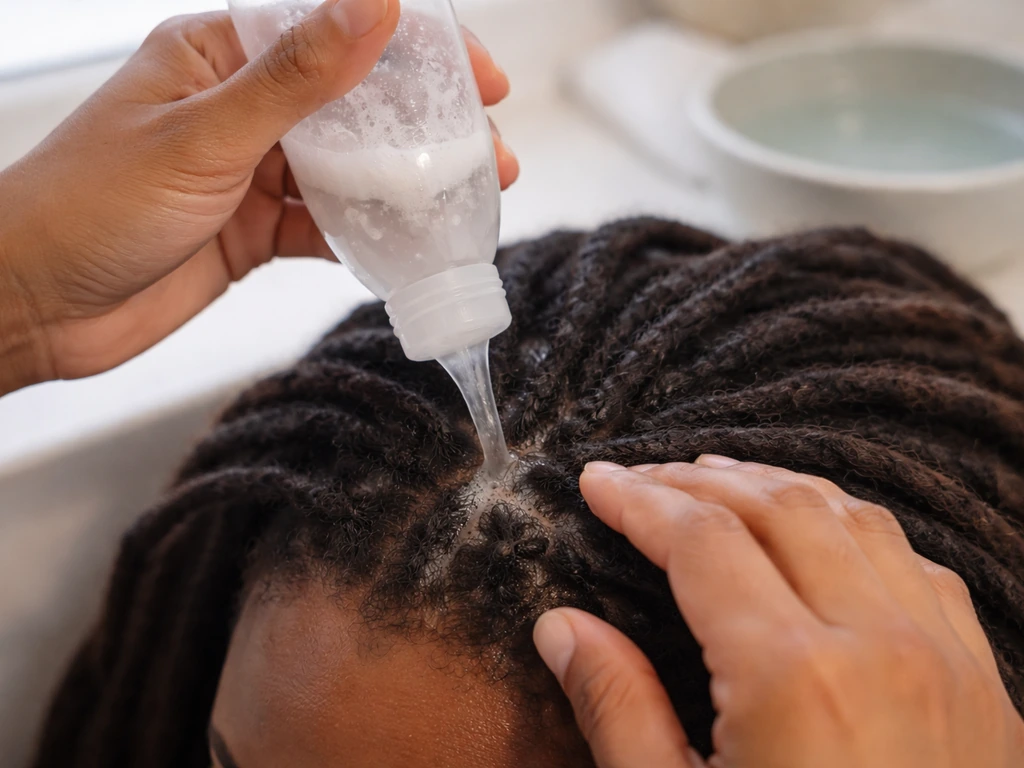
When you wash, dilute your shampoo in a squeeze bottle with water and apply it directly to the scalp rather than lathering your hands and rubbing the locs vigorously. Squeeze the lather down through each loc and then rinse thoroughly. The rinse is important: shampoo left inside a loc is just another form of buildup. Rinse longer than you think you need to.
Drying completely every single time
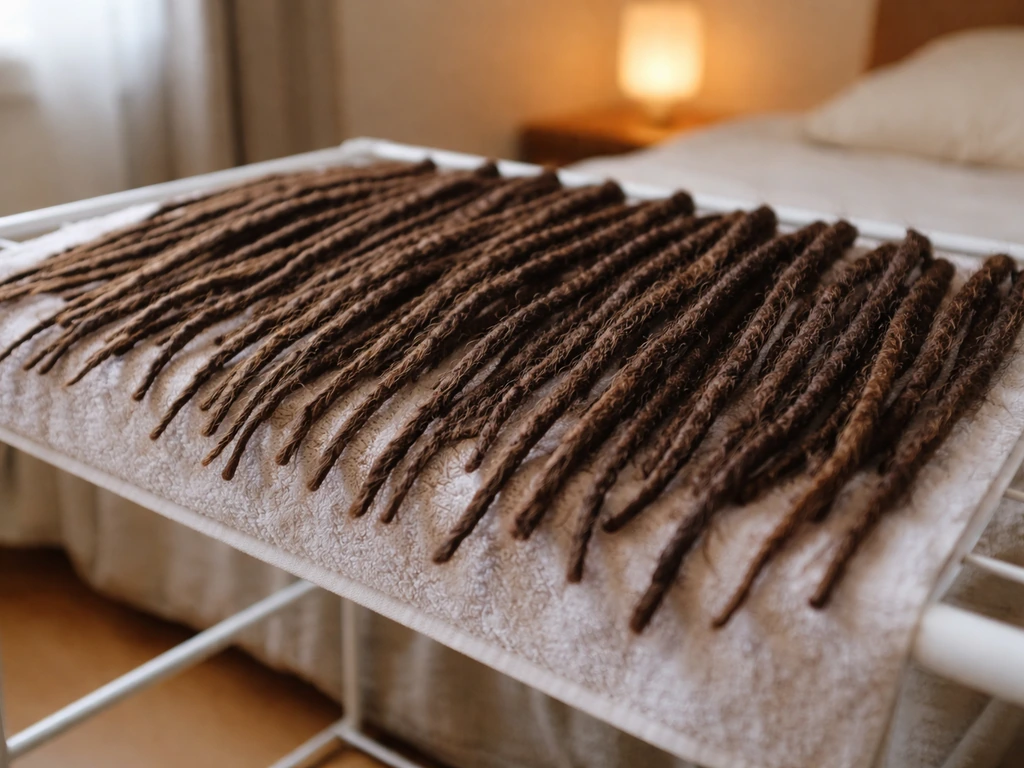
This is the one maintenance rule that has the most impact on odor and mildew, and it's the most skipped step. After every wash, your locs need to dry completely before you sleep, cover them, or retwist them. Sitting under a hooded dryer on medium heat until the locs are at least 85 percent dry, then finishing with air drying, is the standard approach in the loc community and the most reliable way to get even drying from the inside out. Blow drying on the surface while the inside stays damp is a common mistake. A loc that smells musty within a day or two of washing is almost always a drying problem.
Re-wicking and retwisting
As your locs grow, new hair at the root will emerge in its natural coil pattern and won't be locked yet. This is normal and expected. To maintain the loc's shape and keep new growth incorporated, you'll need to re-wick the roots every four to eight weeks, depending on how fast your hair grows and how much new growth you can see. The same crochet technique used at installation applies here: work the needle gently through the new growth at the base to knot it into the existing loc.
Some people prefer interlocking (using the loc itself as a loop to pull new growth through) as an alternative to crochet re-wicking for maintenance. Interlocking tends to be gentler on the root over time and can cause less tension if done correctly, but it changes the internal structure of the loc slightly. Either method works as long as you're not over-tightening. Plan for maintenance sessions to take real time: a full wash, dry, and re-wick on a full head of locs can easily run three to five hours. Blocking that time out and not rushing is part of the routine.
How hair actually grows inside locs and how to protect it
Hair grows from the follicle at roughly half an inch per month on average. You can expect your locs to grow steadily over time, which is part of how rastas keep building length with consistent care how rastas grow their hair. That number doesn't change because you have locs. What changes is how much of that growth you actually see as length. With tightly coiled Afro-textured hair, shrinkage is real: new growth coils up and compresses, so even though your hair is growing, your locs may not look longer for months. As the locs mature and the hair inside straightens slightly from its own weight, you'll start to see visible length. This is not slow growth; it's normal retention of growth you already have.
What actually affects how much of that growth you keep comes down to two things: breakage prevention and scalp health. If your goal is to grow dreads naturally, the key is reducing breakage and keeping your scalp healthy while your hair matures over time breakage prevention. If the hair inside the loc is breaking at the same rate it's growing, your locs will never gain visible length. The main breakage causes with wick locs are: excessive crochet needle work on dry or brittle hair, tension that's too tight at the root, and dehydrated hair from not moisturizing the scalp. Keep the scalp hydrated with a lightweight oil or water-based scalp spray between washes. Jojoba oil, argan oil, and diluted peppermint spray are popular choices that absorb without leaving heavy residue. Avoid heavy butters and waxes directly on the scalp.
Edges deserve specific attention. The hairline has the finest, most fragile hair on your head, and it's also the area most affected by tension from loc weight and maintenance. Keep edge locs slightly looser than the rest of the head. Avoid tying your locs back tightly every day. If you cover your locs at night (which is a good habit for preserving moisture), use a satin or silk bonnet or pillowcase rather than cotton, which causes friction and dryness.
Troubleshooting the most common wick loc problems
| Problem | Likely Cause | What to Do |
|---|---|---|
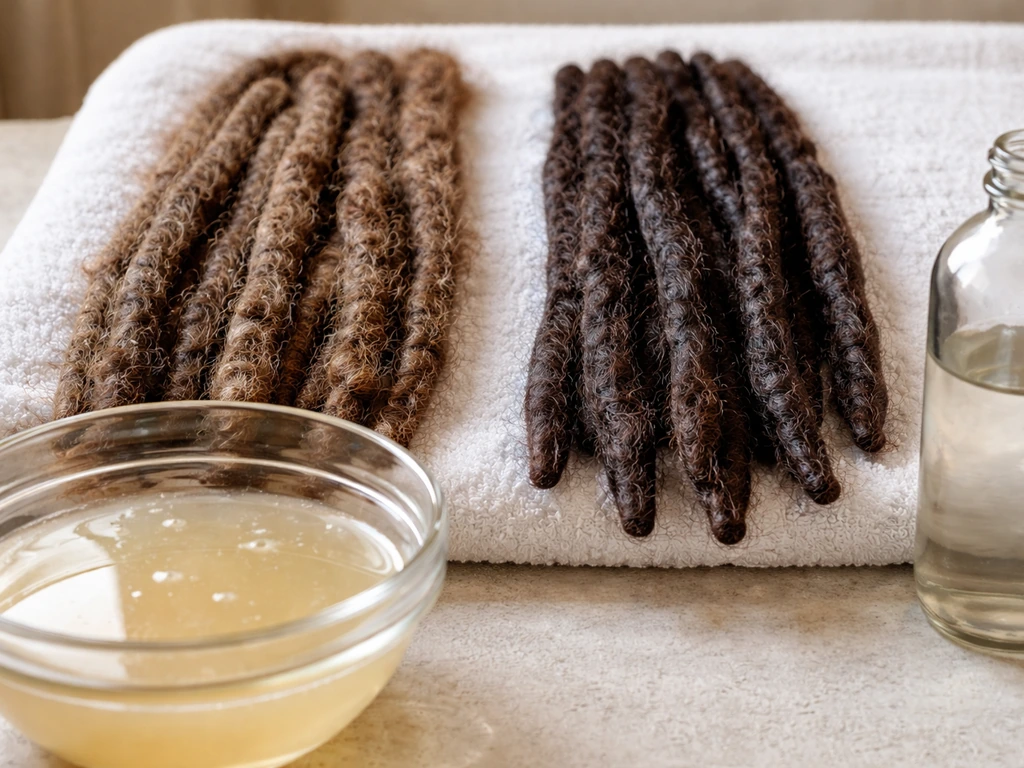
| Buildup and waxy residue inside locs | Heavy products, wax, or insufficient rinsing | Do a clarifying wash with an apple cider vinegar rinse or a dedicated clarifying shampoo; remove wax-based products from your routine permanently |
| Musty or mildew odor | Locs not drying completely after washing | Use a hooded dryer after every wash; never sleep on damp locs; increase wash frequency if needed |
| Frizz and loose hairs at the surface | Normal in early stages; also caused by over-manipulation or too-gentle needle work | Light re-wicking at maintenance; avoid constantly touching or pulling at loose hairs between sessions |
| Scalp itchiness or flaking | Product buildup, dry scalp, or infrequent washing | Clarify more frequently, apply diluted tea tree oil or salicylic-acid scalp spray, and make sure you're rinsing shampoo out fully |
| Thinning or breakage at the root | Too-tight tension during installation or re-wicking | Loosen technique immediately; take a maintenance break if needed; see a dermatologist if thinning continues, as chronic traction can scar follicles |
| Edge soreness or tenting skin | Locs near hairline installed too tightly | Release tension by gently loosening roots; do not re-wick edges at the same tightness; give hairline a rest period |
| Locs not knotting or staying together | Hair too slippery from products, or hair too short or too loosely coiled for the method | Clarify completely and restart on product-free hair; consider whether a different starting method suits your curl pattern better |
| Lint trapped inside locs | Sleeping uncovered or wearing cotton fabrics | Use a satin bonnet or silk pillowcase every night; switch to microfiber towels for drying |
On scalp irritation specifically: if you notice folliculitis (small red bumps or pustules around the base of locs), that's a sign of traction-related inflammation or a bacterial issue from trapped moisture. Reduce tension, make sure locs are drying fully, and see a dermatologist rather than waiting it out. Caught early, traction-related hair loss is often reversible. Left untreated for months or years, it can cause scarring that's permanent.
What to realistically expect and when to adjust your routine
The first three months are the hardest part visually. Your locs will look fuzzy, uneven, and possibly shorter than your pre-loc hair because of shrinkage. This is the budding phase, and it's normal. Do not over-manipulate during this window. Stick to your wash-and-dry routine, keep products minimal, and resist the urge to re-wick every two weeks because you're anxious about frizz.
Between months three and six, you'll typically see the locs starting to tighten and take on a more defined shape. New growth at the root will become noticeable, and this is when your maintenance schedule becomes more important. By months six to twelve, most people see visible length gains and the locs begin to feel settled and mature. After the one-year mark, your main job shifts from 'building the loc' to 'maintaining what's there and letting it grow.'
Track your progress by photographing your locs monthly in the same lighting and styling position. Because of shrinkage, growth is hard to see day-to-day, but monthly photos will show you what's actually happening. If after six months you're seeing no length retention at all, or if you're experiencing consistent scalp pain, breakage at the roots, or thinning, that's a signal to reassess your tension, product choices, or maintenance frequency rather than pushing forward with the same routine.
A simple starting checklist
- Clarifying wash one to two days before installation. No silicones, oils, or heavy conditioners left on the hair.
- Section the hair into consistent, square parts. Decide on thickness before you start and stick to it.
- Use a 0.75mm crochet needle. Work on damp, not dry hair. Keep root tension loose.
- Air dry or hooded-dryer dry completely after installation and after every wash going forward.
- Wash every one to two weeks with a residue-free or loc-specific shampoo. Clarify deeply every four to six weeks.
- Re-wick roots every four to eight weeks as new growth appears.
- Moisturize the scalp between washes with a lightweight oil or water-based spray.
- Sleep with a satin or silk bonnet every night.
- Photograph monthly to track real progress.
- If you notice pain, tenting at the roots, or edge thinning, loosen your technique immediately and give your hairline a rest.
Wick locs are a commitment, but they're not complicated once you have a consistent routine. The same principles that matter for other loc methods, such as freeform dreads, twist-started locs, or naturally forming locs, apply here too: clean scalp, full drying, low tension, and patience. The crochet method just gives you more control over shape and speed of formation from day one. Stick to the basics, don't overload your hair with products, and the growth will come.
FAQ
What should I do if my wick dreads smell musty after washing? (It dries but the odor comes back fast.)
Yes, but only if the “clean, product-free” standard is met. If you installed wicks with residue-heavy products, re-wicking won’t fully correct odor. Before you touch the roots, do a clarifying wash, rinse thoroughly, then fully dry (especially the inside of the locs). After that, re-wick gently with loose base tension and plan the next wash sooner if you notice the smell returning within 24 to 48 hours.
How do I know whether to re-wick sooner or wait longer for my hair’s growth rate?
A good rule is that your shampoo routine can stay the same, but your re-wick schedule should be based on visible new growth plus your scalp comfort. If you see fresh roots growing faster or your locs look separated at the base, re-wick at the earlier end of the 4 to 8 week window. If you feel pulling or see thinning at the edges, extend the time between re-wicks and focus on drying, scalp hydration, and gentler technique.
My scalp gets itchy with wick dreads, and I’m worried it’s folliculitis. How can I troubleshoot at home?
If your scalp is itchy or you get bumps, first check tension and moisture before adding more products. Reduce base tightness and confirm the locs are drying completely, then switch to diluted, residue-free cleansing with longer rinses. Avoid putting waxes or heavy butters directly on the scalp, because they can worsen folliculitis by trapping residue inside the loc environment. If pustules or significant pain persist, see a dermatologist.
Can I sleep with my wick dreads partially dry if I’m in a hurry?
Sleeping with damp locs increases the odds of mildew and musty odor even if the outside feels dry. Use a drying plan: after washing, dry until the inside is mostly dry, finish with air drying, then cover with a satin or silk bonnet or pillowcase. If you must go to bed after a short dry session, at least use airflow to finish, and don’t rely on a towel wrap.
How often should I moisturize or oil my scalp between washes, and what’s the safest method?
You can, but don’t make it a daily habit. For wick dreads, you generally want moisture on the scalp without leaving slick buildup on the loc shaft. Use a lightweight, water-based scalp spray or diluted oil sparingly between washes, focusing on the scalp rather than soaking the locs. If your locs start feeling gummy, look dull, or smell quickly after washing, cut back and clarify sooner.
My locs look rough after re-wicking, and I’m seeing little breakage at the roots. What went wrong?
If the crochet needle is snagging, the hair may be too dry, too brittle, or the needle size or technique is too aggressive. The fix is preparation, not more tension. Next time, clarify and fully rinse before installing or re-wicking, keep the hair damp (not soaking) during the process, and take breaks to avoid overworking the same spot. If you already have broken stubs at the roots, stop re-wicking until your scalp and hair feel stable, then reassess your timing and gentleness.
Can I use loc gel, wax, or edge control to help the knots stay tight?
You should not need wax or loc gel for the initial install if your hair is clean and product-free, and most buildup comes from trying to “help” the knots. If you feel the need for hold, use a moisture strategy that doesn’t coat the locs, like light scalp spraying, and rely on proper knotting technique. When you want extra help later, clarifying and gentler maintenance usually work better than adding thick binders.
How do section size and loc thickness affect growth, weight, and maintenance for wick dreads?
Yes. If you want thicker locs, increase your section size consistently across the whole head. Thicker sections lock into more substantial early locs, but they can also put more weight at the base, so you must keep scalp tension slightly looser than you might for smaller sections. If you want thin locs, smaller sections work but tend to show unevenness and frizz earlier, so plan to be patient during the first few months.
What’s the best way to tell if my wick dreads are actually retaining growth versus just looking different?
Photographing in the same lighting and position helps, but also track retention by checking your roots every month. Look for how much new growth is actually being incorporated into the existing loc (not just how fuzzy the locs look). If you have no retention and also notice root snapping or persistent scalp pain, the issue is usually tension, dryness, or product buildup, not “slow growth.”
Is it okay to wear a bonnet, scarf, or other cover at night with wick dreads, and what should I avoid?
Yes, but choose coverage that doesn’t create moisture traps. Use satin or silk for nights when you cover your locs to reduce friction. If you use a cloth wrap, avoid leaving it tight against your scalp when your locs are still drying, and don’t wrap immediately after washing unless you have fully finished drying. Cotton can dry the hair and increase frizz.
How to Grow Freeform Dreads Fast: A Step-by-Step Guide
Step-by-step guide to grow freeform dreads fast, with timelines, starter tips, maintenance, and breakage prevention.