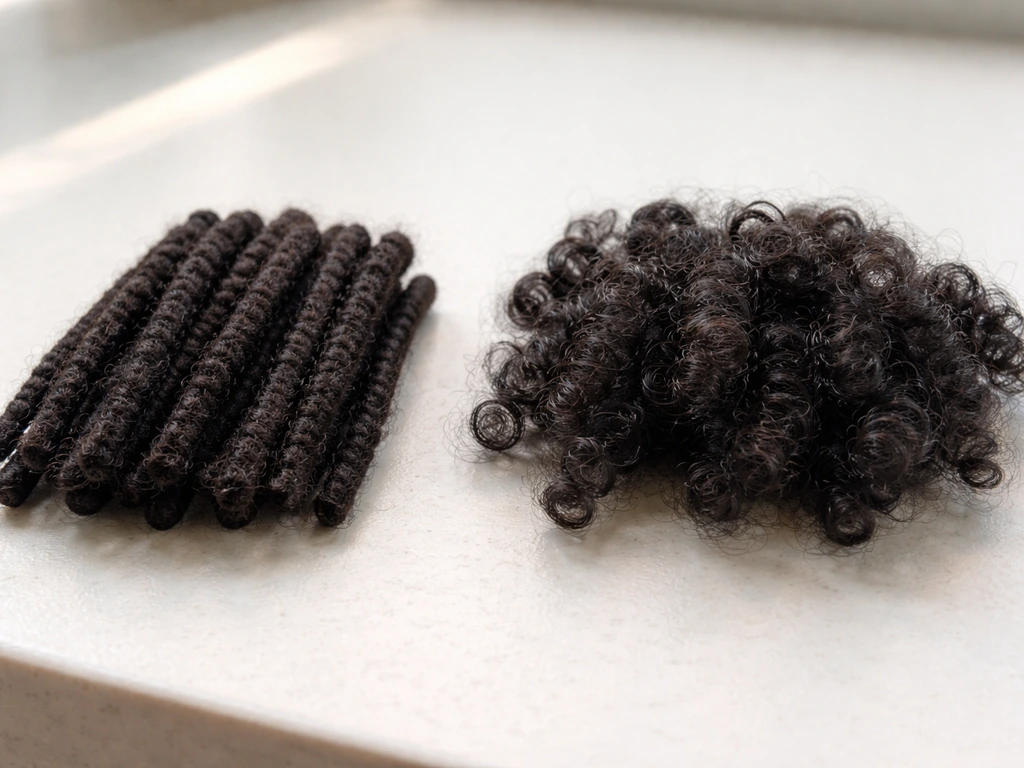
Dreadlocks do not grow faster than loose natural hair. Your scalp grows hair at roughly the same rate no matter what style you're wearing: about 1 cm per month, or around 6 inches per year. What makes locs appear to grow so long, so impressively, is a combination of shrinkage reversal, dramatically reduced breakage, and the way interlocked strands hold onto every millimeter of growth instead of snapping off at the ends.
Why Do Dreads Grow So Long? Real Growth vs Retention

Simone Okonkwo
14 Jun 2026

Because locs can appear to grow faster mainly due to reduced breakage and less shrinkage, it helps to focus on retention and retention habits locs appear to grow so long. Once you understand that distinction, a whole practical roadmap opens up for actually getting your locs to their full length potential.
How loc growth actually works vs. loose natural hair
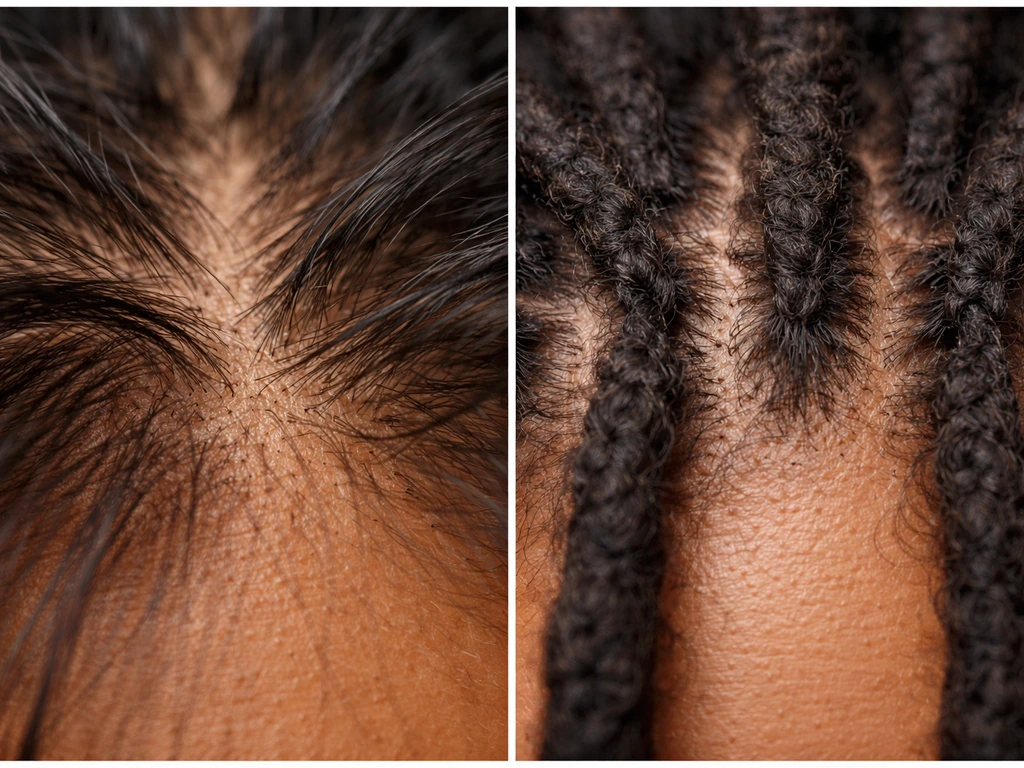
Hair grows from follicles in your scalp, not from the shaft itself. Each follicle cycles through three phases: anagen (active growth), catagen (transition), and telogen (rest and shed). During anagen, scalp hair grows at roughly 0.3 to 0.4 mm per day, which works out to about 1 to 1.25 cm every 28 days. The length your hair can ultimately reach depends mostly on how long your anagen phase lasts, which is largely genetic and can run anywhere from 2 to 7 years. None of that biology changes when you start locs. Your follicles do not speed up or slow down based on whether your strands are locked or loose.
So why do so many people with locs swear their hair has grown more than it ever did before? Because for many of them, it genuinely has gotten longer, just not for the reason they think. The growth rate stayed the same. What changed was how much of that growth they were actually keeping.
Why dreadlocks can look (and measure) longer
Shrinkage is the big one
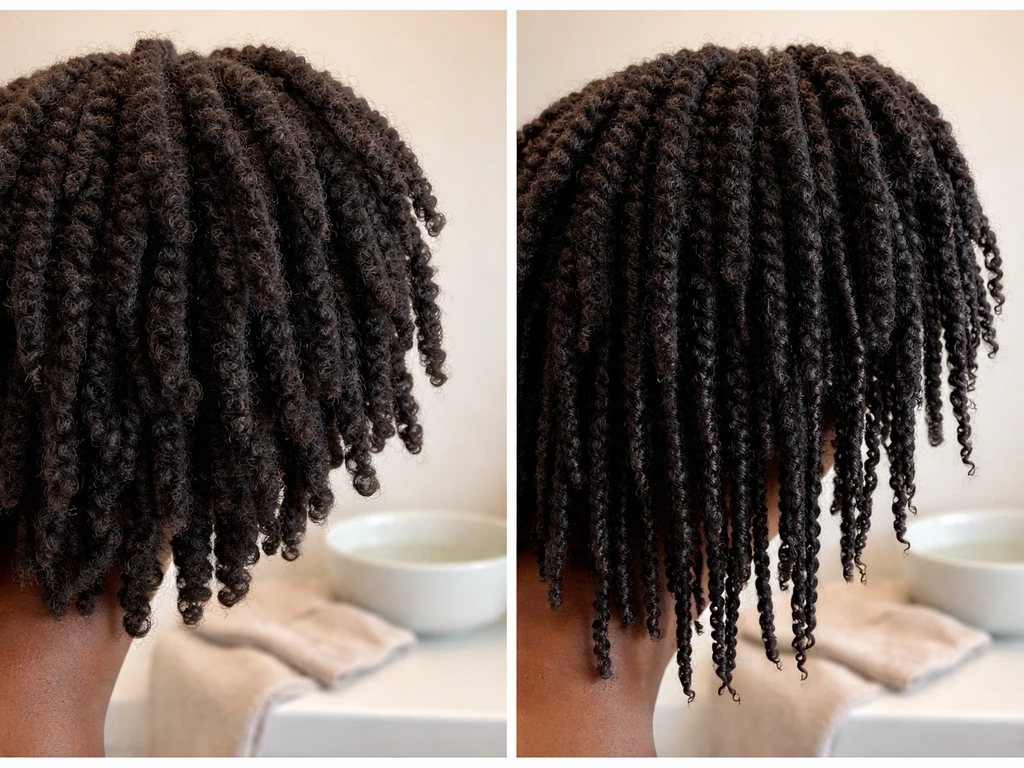
If you have tightly coiled or kinky hair, you already know about shrinkage. When coily hair dries, it can contract to 50 to 75 percent of its actual length. A strand that's 10 inches long when stretched might sit at your ears when dry and loose. Locs change this equation significantly.
As they mature and the strands mesh together, locs hang with their own weight and hold a stretched position even when dry. The hair hasn't grown more, but you're finally seeing what was always there. People in loc communities often describe this as locs seeming to 'grow overnight' when they hit a certain maturity stage, and that's essentially what's happening: the shrinkage factor is dropping as the loc consolidates.
That is why learning how to dread roots as they grow often means focusing on keeping your locs consolidated while the visible length catches up shrinkage factor is dropping.
Breakage vs. retention
Loose natural hair, especially high-porosity or fine-stranded hair, is vulnerable at the ends. Friction from pillowcases, detangling, and even clothing can snap off the older, more fragile portions of the shaft. When breakage matches your growth rate, your length stays flat even though your follicles are working perfectly. Mature locs dramatically reduce end exposure. The tips are tucked into the body of the loc, and day-to-day friction mostly affects the outer surface rather than snapping individual strands. Less breakage means more retention, and more retention is what produces visible length over time. This is the core reason locs can reach impressive lengths: not faster growth, but far less loss.
Density and perceived fullness
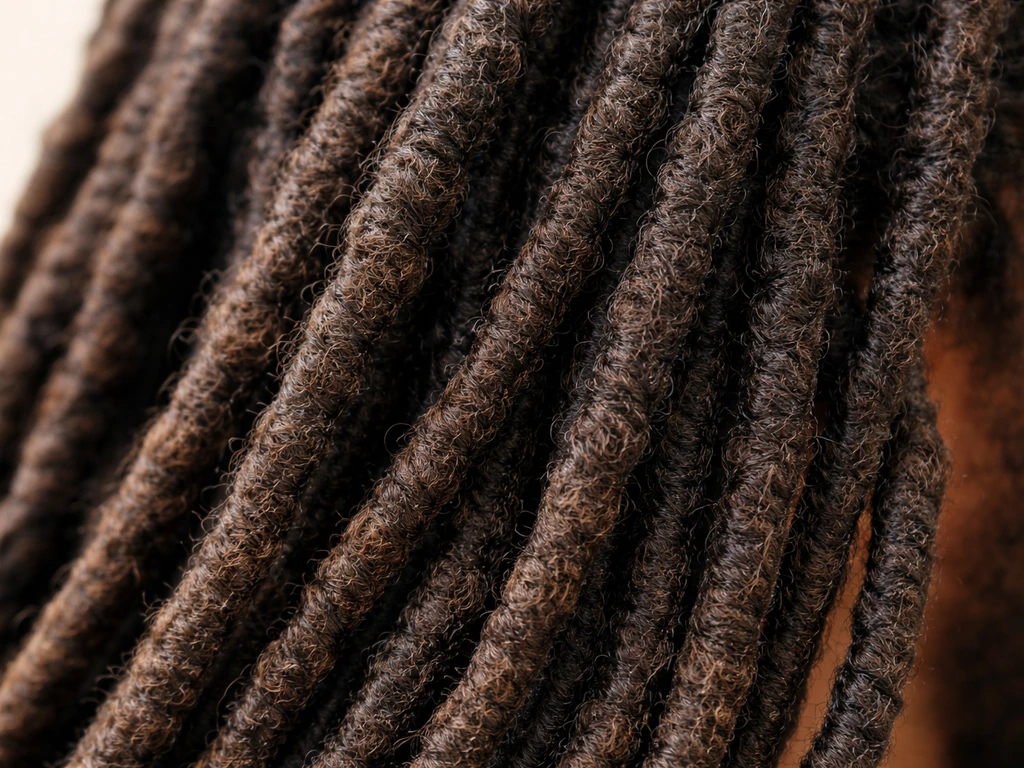
Locs also bundle multiple strands together, which creates a visual impression of density and volume that makes each loc look thicker and longer than a comparable section of loose hair. The cohesive structure means shedding hairs (which you normally lose at around 50 to 100 per day) stay trapped inside the loc instead of falling out. That sounds alarming, but it actually contributes to loc thickness and keeps your density looking high.
What actually makes dreads grow longer day to day
Since the growth rate itself is fixed, everything you can do to maximize length comes down to retention: protecting what your follicles produce, keeping the scalp environment healthy so follicles stay in anagen longer, and avoiding the habits that cause breakage or premature shedding.
- Scalp health first: a clean, well-moisturized scalp with good circulation keeps follicles in their growth phase. Inflammation, buildup, or chronic dryness can shorten anagen or push follicles into telogen early.
- Gentle handling at the roots: retwisting or palm-rolling too aggressively, or too frequently, puts continuous traction on follicles. That tension is the same mechanism behind traction alopecia, which can cause permanent follicle damage over time.
- Moisture balance: coily and locs hair is more porous and loses moisture faster, especially in dry climates. Dehydrated strands are more brittle and prone to snapping at the loc body or near the root.
- Protective sleeping habits: a satin or silk bonnet or pillowcase reduces overnight friction significantly. This is one of the easiest, highest-return changes you can make this week.
- Minimal manipulation: the less you fuss with your locs between wash days, the less mechanical stress accumulates on the shaft and roots.
Common reasons locs slow down or seem to stop
If your locs have stalled in length for months, one of a handful of issues is almost always the culprit. The first is buildup. Washing infrequently, or using heavy products like butters and waxes, can clog the loc and create buildup that smothers the scalp and weakens the shaft. On the flip side, over-washing strips the scalp of its natural oils, dries out the locs, and makes them brittle and more prone to breakage near the root.
The second is too much tension. Retwisting so tightly that you see tiny bumps or 'tenting' along the hairline, or feel soreness after a session, is a warning sign. The AAD and Johns Hopkins Medicine both specifically name dreadlocks among the styles that can cause traction alopecia when applied with excessive force. The edges and temples are the most vulnerable areas. If you're losing density around your hairline, the tightness of your maintenance routine is the first thing to examine.
A third issue is telogen effluvium, where a physical or emotional stressor (illness, surgery, major diet changes, extreme weight loss) pushes a large number of follicles into the resting phase simultaneously. The shedding typically shows up about three months after the trigger and can last around six months. It usually resolves on its own once the stressor is gone, and most cases clear within six to eight months, but it can be alarming when it happens. The key sign is diffuse shedding across the whole scalp rather than patchy loss at specific spots.
Finally, scalp conditions like seborrheic dermatitis or psoriasis create chronic inflammation that can impair follicle function and contribute to hair loss if left unmanaged. The Canadian Dermatology Association notes that seborrheic dermatitis is an oily scalp condition and can contribute to hair problems when it is not managed seborrheic dermatitis or psoriasis. Persistent flaking, itching, or an oily scalp that never feels clean are signs these conditions may be at play.
Product and routine guidance for real length retention
Washing frequency
There is no single correct wash schedule for locs, but most people with healthy, maturing locs do well washing every one to two weeks. Washing too infrequently leads to buildup and scalp issues. Washing too often can dry out the loc and create moisture problems, since locs take longer to dry than loose hair and staying damp too long encourages mildew and fungal growth. Find a frequency that keeps your scalp feeling clean without stripping it, and be consistent.
What to use
Use a clarifying or residue-free shampoo. This is non-negotiable for locs because product residue has nowhere to go in a dense, interlocked structure. Avoid heavy butters, waxes, and thick creams applied directly to the loc body, especially in early stages. For moisturizing, a light water-based leave-in or an aloe vera spray is far better than something that will sit inside the loc and build up. After moisturizing, seal with a light oil like jojoba, sweet almond, or a small amount of coconut oil focused on the scalp and ends. Avoid applying heavy product at the roots before a retwist, as that buildup is exactly what weakens your edges over time.
Drying matters more than most people realize
This is one of the most overlooked parts of a loc care routine. Locs need to be thoroughly dried after every wash. Sitting with damp locs for extended periods, especially overnight, creates the conditions for mildew inside the loc (sometimes called 'loc rot'), which weakens the structure and creates an unpleasant odor. A hooded dryer, a diffuser on low heat, or sitting in the sun are all effective options. Do not wrap damp locs in a bonnet to sleep. If you wash in the evening, plan for a full drying session before bed.
Scalp oiling
Light scalp oiling between wash days can support moisture balance and reduce dryness-driven breakage. Focus on the scalp itself, applying a few drops of oil directly to the parts between locs. Peppermint or rosemary oil diluted in a carrier oil are popular options, and there is some emerging evidence that rosemary oil in particular may support follicle health. Keep amounts small. Over-oiling the scalp leads to buildup, which creates the exact conditions you're trying to avoid.
When to see a trichologist or adjust your expectations
If you're doing everything right and still seeing stalled growth or active thinning, it may be time to involve a professional. A trichologist or dermatologist can examine your scalp directly, identify whether loss is from traction, scalp disease, or a systemic issue, and give you a targeted plan. Do not wait too long if you notice any of the following:
- Consistent soreness, stinging, or tightness at the roots after retwisting or styling
- Shiny, smooth patches along the hairline or temples where hair density is visibly lower
- Crusting, pus, or significant flaking that doesn't respond to a good clarifying wash and scalp care
- Tenting (skin lifting off the scalp in a pointed shape where hair is pulled) during or after a retwist
- Diffuse thinning across the whole scalp that started suddenly and hasn't recovered in months
Traction alopecia is worth taking seriously because prolonged tension can eventually cause scarring that makes follicle damage irreversible. Catching it early and reducing tension gives your follicles a real chance to recover. The AAD recommends stopping tight styles entirely if you're experiencing pain or visible hairline recession. For locs specifically, loosening your retwisting technique and extending time between maintenance sessions can make a significant difference.
It's also worth adjusting your own expectations based on your genetics. Anagen phase length, which determines the maximum length your hair can reach before shedding, varies widely between individuals. Some people have an anagen phase of two years; others have one that runs seven years or longer. If your natural hair has never grown past a certain length despite good care, your genetics may simply set that ceiling. Locs won't override that limit, but a healthy loc routine will absolutely help you get as close to your personal maximum as possible. Can dreads grow naturally? Yes, but the key is retention, since your follicles still follow the same growth biology.
Realistic timelines: what to expect from 4 weeks to several years
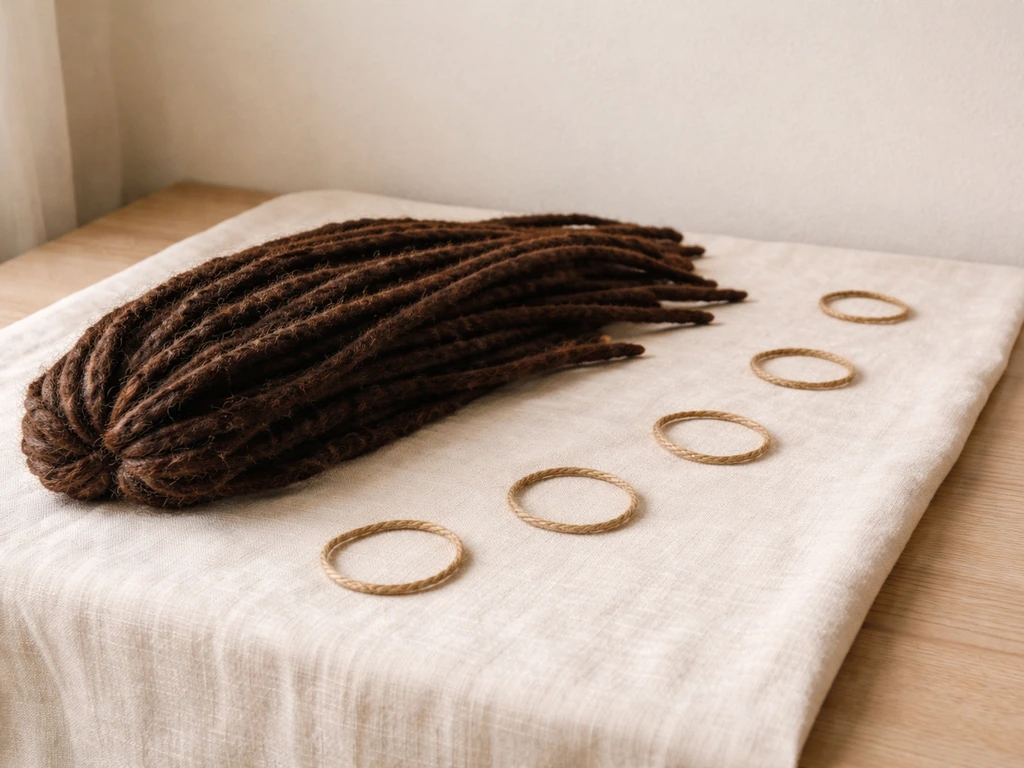
Here is a straightforward picture of what growth and length retention typically look like across different stages with locs:
| Timeframe | Expected Growth | What You'll Actually Notice |
|---|---|---|
| 4 weeks | ~1 to 1.25 cm of new growth | New growth visible at the roots; locs may look slightly fuller |
| 3 months | ~3 to 4 cm of new growth | Noticeable root growth; possible loc shrinkage as they consolidate |
| 6 months | ~6 to 8 cm of new growth | Locs beginning to mature; shrinkage may be significant as strands interlock |
| 1 year | ~12 to 15 cm of new growth | Locs settling into mature stage; shrinkage decreasing, length becoming more visible |
| 2 to 3 years | ~24 to 36+ cm of cumulative growth | Mature locs hanging with more weight; much less shrinkage; real length becomes apparent |
| 5+ years | Depends on anagen duration | Locs can reach waist length or longer for people with long anagen phases and good retention |
The most frustrating phase for most people is the first one to two years, when locs are shrinking and consolidating and can actually appear shorter than when you started. That is normal. The contraction is part of the maturation process, and it does not mean your hair has stopped growing. It means the structure is forming. Once locs mature and start to hang with their own weight, the length you've been accumulating becomes visible almost all at once, which is why people describe locs as suddenly 'taking off.'
Your next steps this week
If you want to move the needle on length starting now, here is the order of priority:
- Switch to a residue-free or clarifying shampoo if you haven't already, and set a consistent wash schedule of every one to two weeks.
- Swap to a satin or silk pillowcase or bonnet tonight. This single change reduces breakage immediately.
- Evaluate your retwisting tension. If there's any soreness, tenting, or thinning at your edges, loosen up and extend time between sessions.
- Do a moisture check: if your locs feel dry and brittle, add a light water-based leave-in between wash days and seal with a small amount of jojoba or sweet almond oil.
- Make sure your locs are completely dry after every wash before covering them or sleeping.
- Take a photo of your locs from the same angle and distance every four weeks so you have a real record to measure against instead of relying on daily perception.
The biology of your hair growth is already doing its job. Your focus should be on getting out of the way and letting the retention happen. That means a clean scalp, gentle handling, consistent moisture, and enough patience to let the process unfold across months, not days. If you're also curious about whether thicker locs or faster-forming locs produce different length patterns, those are worth exploring as your locs mature, since structure and thickness can both affect how much length shows and how quickly consolidation happens.
FAQ
Why do my locs look like they’re growing slower than before even if I wash and retwist regularly?
If length seems to stall while you still retwist, the most common culprit is retention, not growth. Check for increased breakage at the root (over-tight retwists, rough detangling during early stages) and for buildup that can make locs feel stiff and thinner at the tips. Also confirm that your locs are fully drying after washes, because chronic dampness can weaken the outer strands and reduce what you keep.
Do dreads really “grow overnight” when they mature?
They can appear to, but it usually happens because shrinkage reversal becomes more dramatic once locs consolidate and start hanging as a single unit. If your locs are still in the early shrinking stage, “overnight” length is often a visibility shift, not a sudden change in follicle growth rate. A reliable sign is when they start to hang consistently without having to stretch them.
Will soaking or stretching my locs make them longer permanently?
Temporary stretching only changes how long they look while wet or stretched. Permanent length increases only come from ongoing growth plus strong retention. If you stretch too aggressively or too often, you can create friction and stress that leads to breakage, especially around the root where the strand is under tension.
How can I tell the difference between normal shedding and something like telogen effluvium?
Normal shedding usually looks steady and is tied to routine daily hair loss, with no big spike. Telogen effluvium often shows a noticeable increase in shedding across the whole scalp about three months after a trigger like illness, surgery, major diet changes, or extreme weight loss, and it can last several months. Patchy loss around the hairline is more suggestive of tension or a localized scalp issue.
What wash schedule is best if I’m trying to maximize loc length?
There is no universal schedule, but a practical approach is “clean scalp, not dry scalp.” Many people with healthy, maturing locs do well washing every 1 to 2 weeks, but if your scalp gets oily quickly or you use heavier products, you may need more frequent cleansing. If you wash more often and your locs feel brittle or the roots feel dry or itchy, you may be stripping too much.
Can I use conditioner on my locs without hurting growth?
Conditioner can work if it’s lightweight and used in a way that prevents residue buildup, but many traditional conditioners are too heavy for dense loc structures. If you use it, choose a residue-free or very light product, avoid loading thick cream into the loc body, and rinse thoroughly. Any consistent buildup that you cannot rinse out can reduce retention by weakening strands and irritating the scalp.
How do I know if my retwist tension is causing damage?
Look for pain during or after maintenance, “tenting” or bumps along the hairline, and noticeable thinning near temples or edges. Those can be early traction warning signs. A helpful rule is that your scalp should not feel pulled or sore for more than a short period after a retwist; persistent soreness means the technique or timing may need to change.
What’s the fastest way to improve length retention if my locs are thinning at the ends?
Start by removing anything that increases fragility at the tips: reduce heavy oils and butters on the loc body, keep washing consistent to prevent buildup, and make sure every wash ends with thorough drying. Then review your maintenance habits, especially anything that creates friction at the ends during styling or sleep (loose scarf, rough pillowcase, or harsh towel drying).
Is loc rot just an odor problem, or does it affect length too?
It affects length. Loc rot is essentially structural weakening from prolonged moisture trapped inside the loc, so even if you do not notice it immediately, the outer strands can become brittle and break more easily. The prevention step that matters most is complete drying after washing (not just the surface feeling dry), and avoiding sleeping with damp locs.
If I have high-porosity hair, will my locs still reach their maximum potential?
Yes, but you may need a slightly different moisture and drying strategy to preserve retention. High-porosity hair can dry quickly and become brittle if you strip too often, yet it can also hold moisture unevenly inside locs, making thorough drying critical. Keep products light, focus moisturizing on the scalp and ends as needed, and prioritize dryness control after each wash.
Can genetics limit how long my locs can get, even with perfect care?
Yes. Even with strong retention habits, your ultimate maximum length is influenced by how long your hair follicles stay in the growth phase (anagen), which varies widely person to person. If your loose-hair history never approached certain lengths despite good care, locs usually will not exceed that ceiling, they mainly help you keep more of what grows.
When should I see a dermatologist or trichologist for stalled loc growth or thinning?
If thinning is active, spreading, or accompanied by scalp symptoms like persistent itching, scaling, or significant redness, don’t wait for it to “grow out.” Also seek help if shedding is diffuse and lasts beyond a few months, or if you suspect traction at the hairline. An exam can distinguish traction, inflammatory scalp disease, and systemic triggers so you can target the real cause rather than only adjusting products.
Next Article
What Makes Dreads Grow Faster? Facts About Hair Growth vs Retention
Dreads dont grow faster biologically Learn why they seem faster and how to boost loc length retention safely