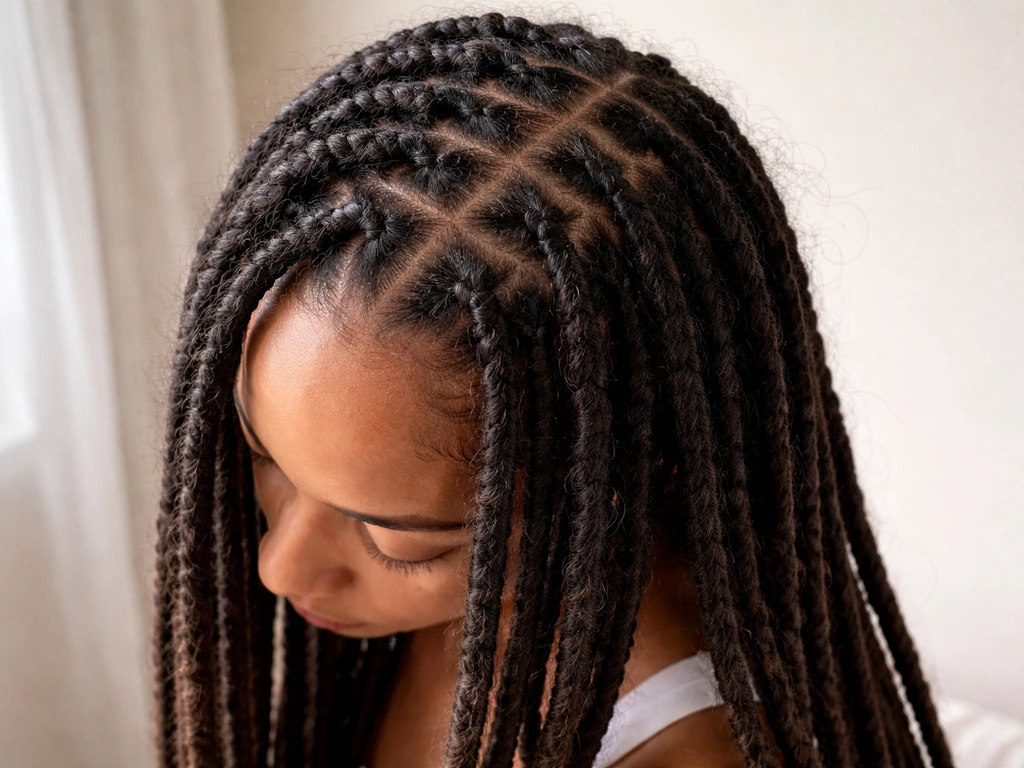
Yes, your hair absolutely grows while you're wearing extensions. Loc extensions can still support growth, but your real results depend on retention, scalp health, and avoiding breakage from tension. Your follicles don't know or care that there's a weft taped or sewn near your scalp. What extensions actually do is change whether you keep that new growth, not whether it happens. That distinction matters a lot, especially if you have textured or coily hair where retention is already the harder part of the length journey.
Can Your Hair Grow With Extensions? Tape-In Facts

Simone Okonkwo
18 Jun 2026
Growth vs. retention: the real question
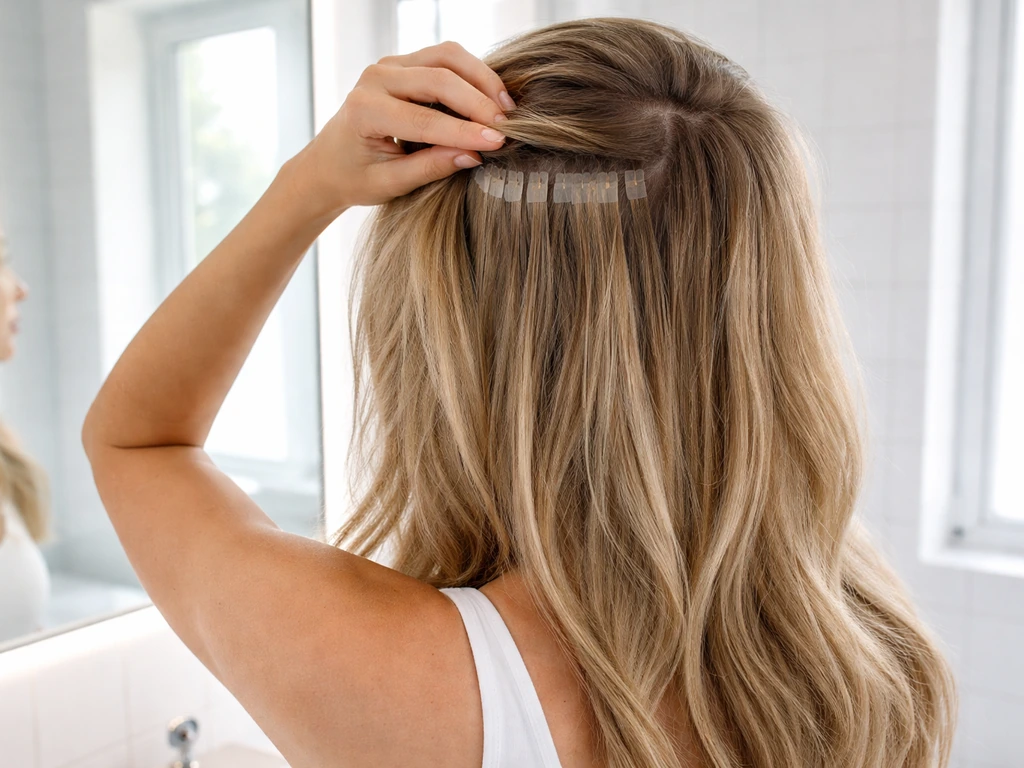
Your scalp produces about half an inch of new hair every month, roughly 0.3 mm per day according to research on the anagen (active growth) phase. That clock keeps ticking no matter what's attached to your strands. Extensions don't stimulate follicles, and they don't suppress them either, at least not on their own. What they can do is protect the existing length from friction, manipulation, and environmental damage, which is exactly why protective styling has such a strong reputation in the textured hair community. So when people say their hair 'grew' in extensions, what usually happened is that they retained more of the growth they were already producing. Equally, when someone's hair seems shorter after taking out extensions, it's usually because they lost length to breakage, not because their follicles slowed down.
What tape-in extensions specifically do to your scalp and strands
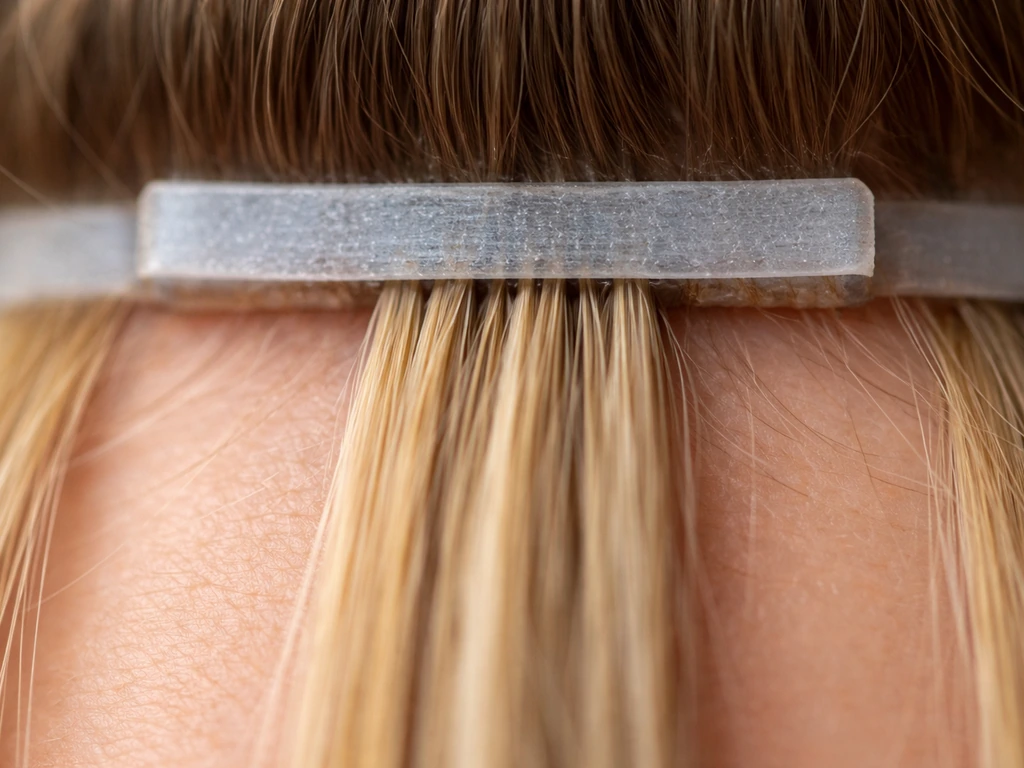
Tape-in extensions sit close to the root, sandwiching your natural hair between two adhesive wefts. That proximity to the scalp is what makes them feel so natural, but it's also where the risk lives. Because the bond sits within about an inch of the root, even low-tension placement puts the attachment point near actively growing hair. As your hair grows out over four to eight weeks, the bond migrates further from the scalp, which actually increases the leverage and tug on the follicle opening.
The adhesive itself can also create problems. If the bond is applied too thickly, or if hair is over-sectioned, the tape grips more hair than it should, creating uneven pull. On fine or fragile hair textures this matters a lot. Traction alopecia, which is hair loss caused by repeated mechanical tension on follicles, is documented in the medical literature specifically in connection with extension use, including a case series published in the British Journal of Dermatology in 2009 that described hair disorders arising directly from extension wear. The dermal papilla, the tiny structure at the base of each follicle responsible for producing a new hair shaft, can be damaged by chronic tension, and once follicle scarring sets in, that damage can be permanent.
Scalp access is another factor specific to tape-ins. Unlike loose braids or some sew-ins, the tape bond partially seals off a section of scalp. That can trap product buildup, reduce airflow, and make proper cleansing harder without the right technique. A dry, irritated scalp is not a thriving scalp, and follicle health is directly tied to the scalp environment around it.
What actually determines whether you grow and keep length
Traction and tension
This is the number-one growth killer with extensions. The American Academy of Dermatology is direct about this: blank" rel="noopener noreferrer">hairstyles that pull repeatedly on follicles can cause traction alopecia, and the first-line treatment is stopping the tension. Medical News Today similarly notes that traction alopecia is driven by mechanical tension from tightly pulled hairstyles and that stopping the tight style is part of prevention and management blank" rel="noopener noreferrer">stopping the tension. With tape-ins, tension comes from taking too-thin sections (the tape pulls more intensely on fewer hairs), applying them too close to the hairline or temples where hair is naturally finer, and leaving them in too long. You should feel zero pulling at the root at any point during or after installation. If you feel soreness, tightness, or see small bumps along the attachment line, those are early traction warning signs.
Breakage vs. shedding
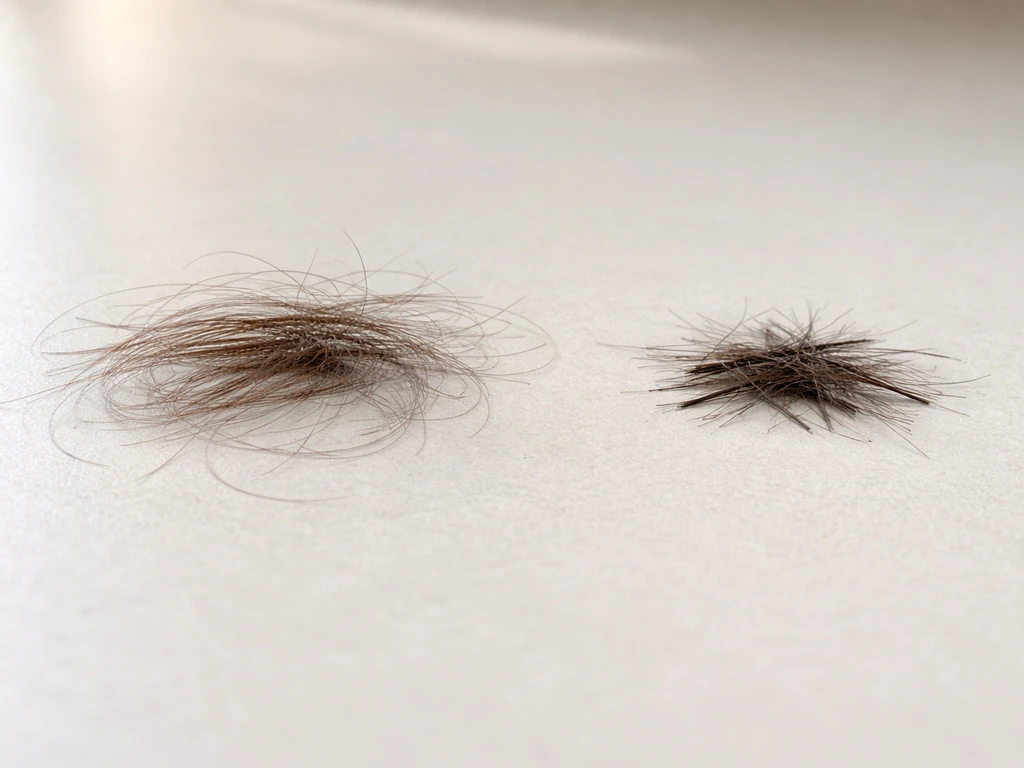
Normal shedding is 50 to 100 hairs per day, according to both Johns Hopkins Medicine and the American Academy of Dermatology, and those shed hairs are replaced by new growth from the same follicles. What you want to watch for with extensions is breakage, not shedding. Shed hairs have a white bulb at the root end. Broken hairs are short, uneven, and have no bulb. If you're pulling out your tape-ins and seeing a lot of mid-shaft snaps, that's mechanical damage from the removal process, poor moisture balance, or the extension weight stressing already-fragile strands. That breakage chips away at your retained length even while your follicles keep producing new growth.
Scalp health
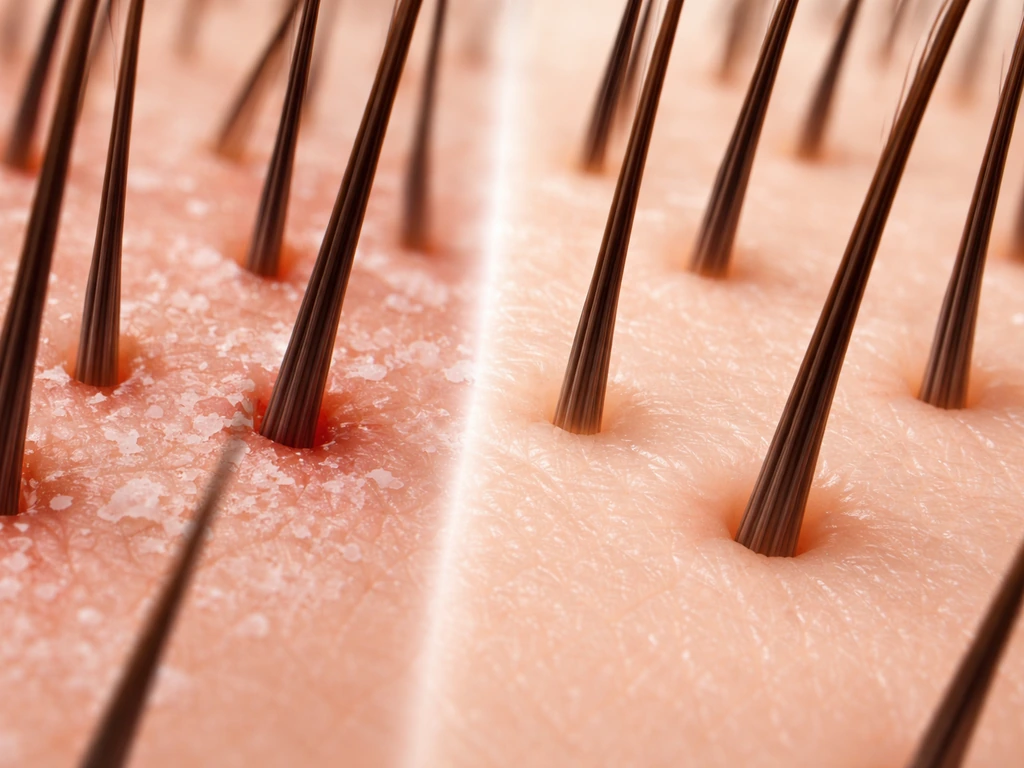
Follicles are embedded in the scalp, so what happens at scalp level directly affects growth quality. Buildup, chronic dryness, inflammation, or an untreated fungal condition (like seborrheic dermatitis) can all slow the anagen phase or push hairs into premature shedding. Extensions don't cause these things on their own, but they can make an existing problem worse if you can't properly cleanse and hydrate the scalp underneath.
How to wear extensions without sabotaging your growth
Installation
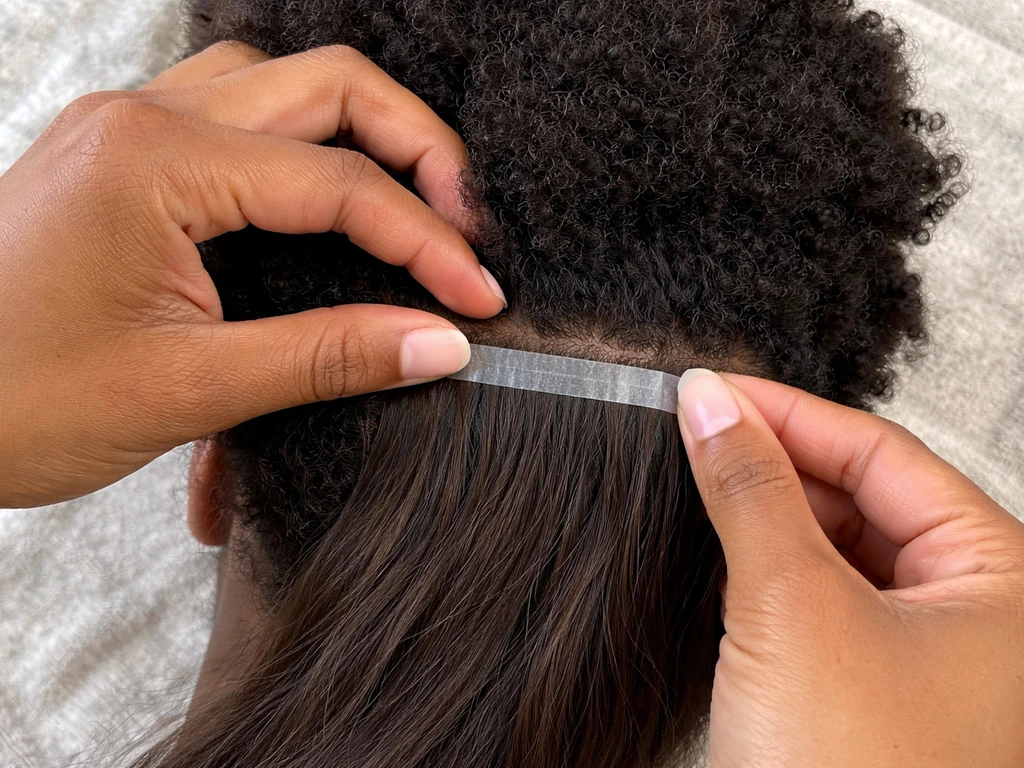
Always go to a stylist experienced with your specific hair texture, not just someone who lists tape-ins on their service menu. For textured or afro hair, the sectioning pattern and the weight of the weft used need to match the density and strength of your natural hair. Using wefts that are too heavy for fine or low-density hair is a common mistake that leads to slow traction damage you don't notice until it's already affected the hairline. The bonds should sit flat, not pulling in any direction, and there should be no tension when you move your head or pull your hair back.
Wear duration and removal schedule
Most professional guidance puts tape-in wear time at four to eight weeks before a move-up or removal appointment. The closer to four weeks, the less accumulated tension your follicles deal with as the bond migrates outward with new growth. As hair extensions grow out, the bond migrates away from the scalp, which can change how much tension you feel and how the attachment line interacts with your hair bond migrates outward with new growth. Don't push past eight weeks under any circumstances. More importantly, removal must be done with a proper adhesive remover, not by pulling, and the natural hair should be detangled gently before any reapplication. Rushing removal is one of the fastest routes to breakage.
Placement boundaries
Avoid tape-ins at the temples, edges, and nape unless your hair in those areas is genuinely strong and dense enough to support them. If you are wondering whether your dread extensions will continue to grow out with time, it helps to compare them to how tape-in placement near the hairline and edges can accelerate traction issues that affect growth do dread extensions grow. These spots are where traction alopecia shows up first and hardest. Give yourself at least a one-inch buffer from the hairline on all sides. This is non-negotiable if you have any history of edge thinning.
Daily and weekly care while wearing tape-ins

Maintenance is where most people fall short. Extensions don't run on autopilot. Here's what a practical routine actually looks like:
- Wash every 7 to 10 days using a sulfate-free, clarifying shampoo. Work it into the scalp with your fingertips, not your nails, and let it rinse downward through the extensions rather than scrubbing the wefts themselves.
- Focus conditioner on the mid-lengths and ends of the extensions, not the bond area. Conditioner near the adhesive weakens the bond and causes slippage.
- Detangle starting from the ends and working upward using a wide-tooth comb or a paddle brush specifically recommended for extensions. Never tug from the root.
- Moisturize your natural hair, especially the roots and leave-out sections, with a water-based leave-in conditioner two to three times per week. Tape bonds create a barrier, so you have to be intentional about moisture getting to the scalp.
- Apply a lightweight scalp oil (jojoba, sweet almond, or diluted rosemary oil) directly to the scalp between rows every three to four days. This keeps the follicle environment healthy without buildup. Avoid heavy butters or thick products near the bond line.
- Sleep with your hair in a loose braid or pineapple and use a silk or satin pillowcase or bonnet to reduce friction on the bonds and prevent matting overnight.
- Avoid heat near the bond line as much as possible. If you use a flat iron or curling wand, start at least an inch below the tape attachment.
Warning signs that your extensions are hurting, not helping
Extensions should feel comfortable from day one. If something feels off, it usually is. Here are the signs to take seriously immediately:
- Soreness, tightness, or headaches at the attachment points within the first 48 hours (or at any point) — this means too much tension.
- Small pimples, pustules, or bumps along the attachment line or hairline — these can indicate folliculitis (follicle inflammation) or early traction stress.
- Visible thinning or gaps at the temples, edges, or anywhere along the part lines where the tape sits.
- Itching that doesn't resolve with washing — could be product buildup, an allergic reaction to the adhesive, or a scalp condition flaring under the extension.
- More than normal breakage when detangling or during removal — short, bulb-free hairs are a red flag.
- A section that feels noticeably looser or is sliding out before your removal appointment — this may mean those hairs have shed or broken at the bond, which needs attention immediately rather than waiting for your next scheduled visit.
If you notice any of these signs, don't wait out your scheduled appointment. Remove the affected wefts as soon as possible, assess the scalp and attachment area, and rest that section before reinstalling. The AAD is clear that catching traction alopecia early, before follicle scarring sets in, is the key to reversibility. Permanent loss requires actual structural damage to the follicle, but chronic tension that goes ignored can get you there faster than most people expect.
What growth actually looks like over time with extensions
If your installation is tension-free, your scalp is healthy, and you're maintaining consistently, here's a realistic picture of what to expect:
| Timeframe | Expected natural growth | What you should see |
|---|---|---|
| 4 weeks (one move-up cycle) | ~0.5 inch of new root growth | Visible new growth at the root, bonds have migrated outward, no breakage at removal |
| 3 months | ~1.5 inches of new growth | Retained length visible when extensions are removed, no thinning at attachment zones |
| 6 months | ~3 inches of new growth | Measurable length gain on natural hair if retention has been good; edges and nape still full |
| 12 months | ~6 inches of new growth | Potential for significant length retention if protective styling logic was followed; scalp health intact |
The honest caveat here is that textured and coily hair shrinks significantly when dry, so measuring dry length at removal versus dry length after your next wash will give you a cleaner comparison. Measure your natural hair in a stretched state, from root to end, before and after each extension cycle to track real retention. Don't measure the extension itself; that doesn't tell you anything about your growth.
Extensions are a tool, not a treatment. They don't make your hair grow faster, but worn correctly they can dramatically improve how much of that growth you actually keep. The people who see the best results from tape-ins and other extension methods are the ones who treat the installation as the beginning of the work, not the end of it. If you're also curious about how growth works with other extension types, the logic around protective styling applies similarly to loc extensions and other semi-permanent methods, with some important differences in tension, maintenance, and scalp access that are worth understanding separately. LOc extensions can be very different from tape-ins in how they affect tension, maintenance, and scalp health, which is why their growth outcomes are worth looking at specifically.
FAQ
If extensions do not stimulate follicles, how can I tell whether I actually kept growth versus just retained length?
Track your natural hair, not the extension. Measure your hair in a stretched state (root to end) right before installation and again right after removal, after detangling. If the measurement increases cycle to cycle, you kept new growth. If it stays the same or drops, you likely lost length to breakage, shedding, or uneven traction, even if your extension hair looked full.
Can I color or bleach my hair while wearing tape-ins, and will it affect whether my hair grows?
It can, mainly by increasing breakage and scalp irritation. Chemical processing near the bond line or on hair that is already under tension raises the odds of dryness and snapping, which reduces retained length even if follicles are still producing hair. If you must color, keep chemicals away from attachment points and ask your stylist how they protect the taped sections and cleanse the scalp thoroughly after.
What should I do if I feel tugging or soreness during the first week, even if the install looked neat?
Do not wait for the next appointment. Tugging or tenderness indicates tension on too-small sections, placement too close to the hairline, or an adhesive bond that is gripping unevenly. Ask for an early adjustment or partial removal and reinstall with correct section size, bond placement, and a test for zero pulling when you move your head and pull your hair back.
Is it safer to wear tape-ins longer than eight weeks if my scalp feels fine?
No. Waiting past the recommended window increases the chance that the bond migrates and creates more leverage against actively growing hair, which can turn mild discomfort into traction risk. Even if you feel okay, the attachment line is still interacting with the same follicles differently as it grows out. Plan a move-up or removal by the eight-week mark.
How can I tell the difference between normal shedding from extensions and traction-related hair loss?
Normal shedding typically includes longer hairs with a visible white bulb at one end. Traction-related loss often shows shorter, uneven pieces and more breakage around the root area, plus you may notice bumps or tenderness along the attachment line. If you see rapid, localized thinning near edges, temples, or the parting, treat it as traction warning signs and pause extensions in that area.
Do tape-ins increase hair growth if I wash less to protect the bonds?
Washing less can backfire. Tape partially seals scalp sections and can trap buildup, reducing airflow and worsening irritation or fungal overgrowth. If you do not cleanse correctly underneath, scalp inflammation can affect anagen quality and increase shedding. Use a technique that removes residue from the scalp while keeping the bond intact, and follow up with proper hydration for your natural hair.
Can I use oil on my scalp with tape-ins, and what is the safest way to moisturize underneath?
Avoid saturating the scalp near the bonds, because heavy oils can increase buildup and make the scalp harder to cleanse later. Focus on light moisturizing of the lengths and a scalp routine that supports cleansing rather than sealing buildup. If your scalp feels dry or itchy, address the scalp first (inflammation, dryness, or irritation) before adding more product under the attachment line.
What is the highest-risk mistake during installation for hair texture like fine, low-density, or coily hair?
Using weft weight or section size that does not match your density. Too-heavy wefts and taking too-thin sections concentrate tension on fewer hairs and can create early traction that is not obvious until later. Request a sectioning plan tailored to your pattern, confirm the bonds sit flat without pulling, and ensure there is no tension when you move and style.
Should I take a break between tape-in cycles if I want to keep growing hair?
Often, yes, especially if you notice any bumps, ongoing tenderness, or increased breakage. Even with good installs, the scalp needs time for cleansing balance and the hair needs time to rest from mechanical stress. Use a break period to assess retention, scalp condition, and hair strength, then reinstall only when your natural hair feels stable.
Why does my hair feel shorter after removing tape-ins, even if my hair “grew” while wearing them?
Because growth can be outpaced by retained-length loss. Your follicles may still produce new hair, but breakage can shorten the strands, especially during removal, from friction, or from moisture imbalance. If many hairs are snapping mid-shaft and you see fewer long pieces, the issue is usually mechanical stress or dryness rather than slowed follicle growth.
Next Article
Do Dread Extensions Grow? Growth, Shrinkage, and Care
Answer do dread extensions grow, plus shrinkage, breakage, and scalp care tips to protect length and edges.