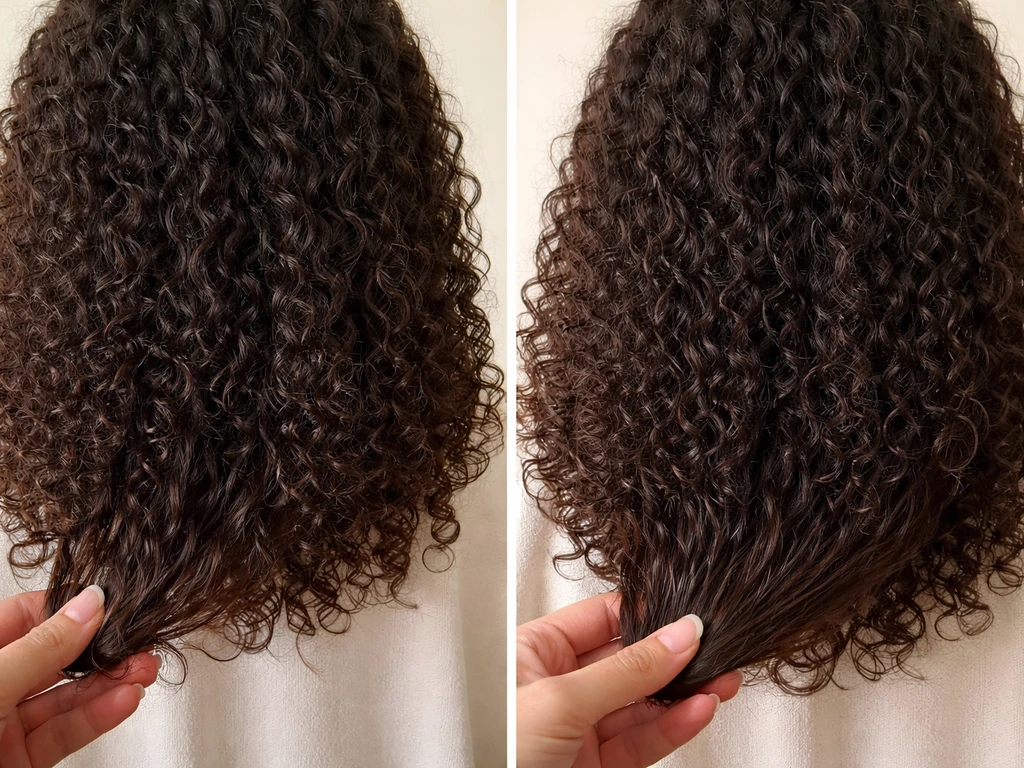
Dread extensions themselves do not grow. They are synthetic (or sometimes human hair) coils attached to your natural hair, and no matter how long you wear them, the extension material stays exactly the same length it was when it was installed. What does grow is your natural hair underneath and at the roots. So the real question is whether wearing dread extensions helps you retain that growth as visible length, and the honest answer is: it depends almost entirely on how the extensions are installed and maintained.
Do Dread Extensions Grow? Growth, Shrinkage, and Care

Simone Okonkwo
15 Jun 2026
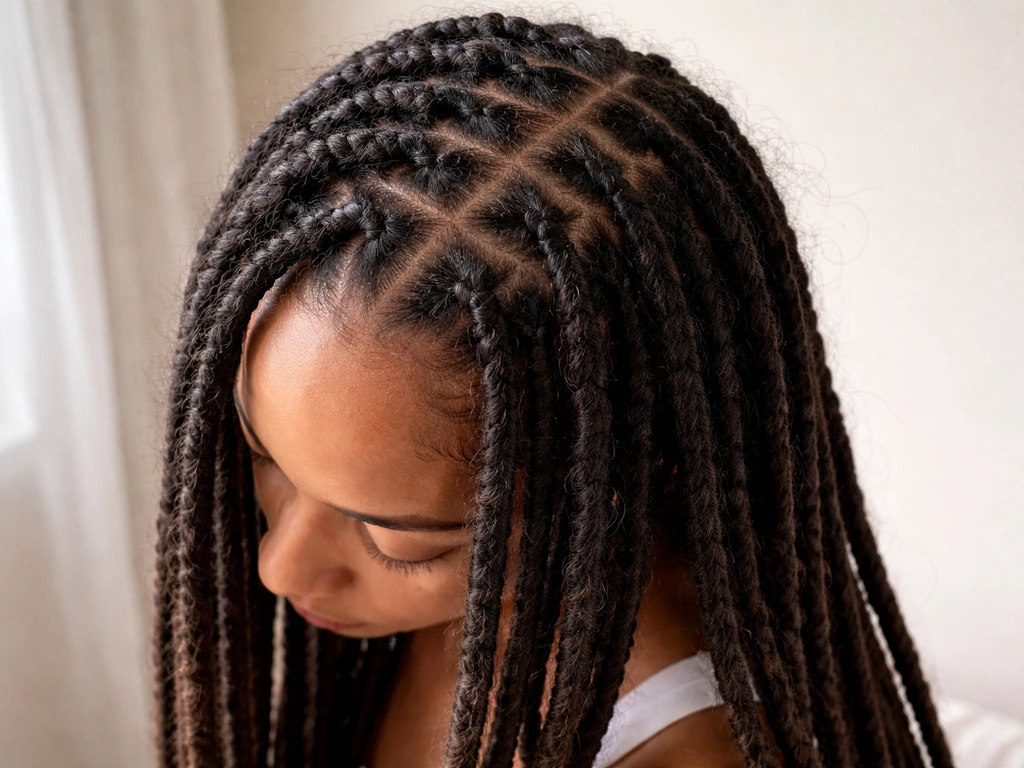
What dread extensions actually are (and how they differ from real locs)
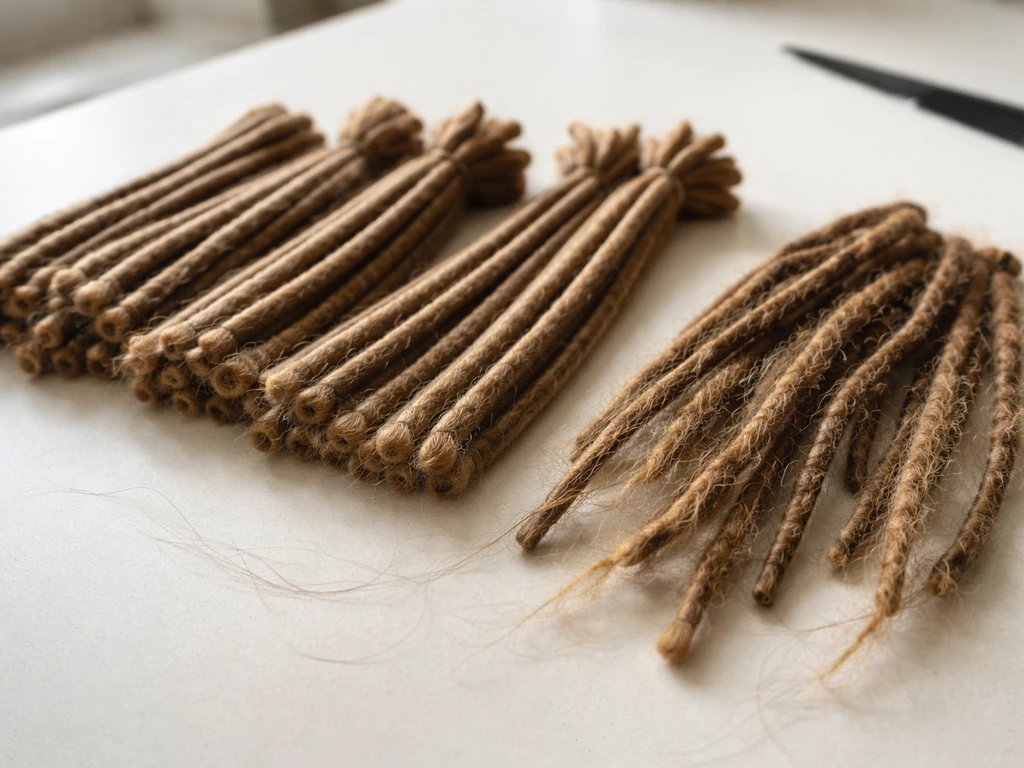
Dread extensions, also called dread falls, synthetic dreads, or cyberlocks, are pre-formed coils made to look like mature dreadlocks. Most are made from kanekalon or toyokalon synthetic fiber, though human hair and wool versions also exist. They come in two main constructions: single-ended (with a loop so your hair slides through and gets braided or wrapped inside) and double-ended (folded at the center and attached at the midpoint). Either way, they are attached to your existing natural hair or starter locs and worn as a finished style.
This is meaningfully different from growing your own locs. Real dreadlocks, or locs, form when your natural hair coils, tangles, and matures over time into a permanent locked structure. Tightly coiled 4C hair can lock in roughly 6 to 12 months, while looser textures can take up to 24 months or longer before locs fully mature. During that whole process, your hair is still attached to your scalp and actively growing. Dread extensions skip that entire journey by attaching a pre-made result to your hair, which is both the appeal and the trade-off.
One more distinction worth knowing: interlocked microlocs and Sisterlocks are not the same thing as dread extensions. Sisterlocks is a trademarked system installed by trained practitioners. Dread extensions are a temporary or semi-permanent add-on style, not a locked hair journey.
Your hair grows. The extensions do not.
Scalp hair grows at roughly 1 centimeter per month on average, though the real range runs from about 0.6 to 3.36 cm per month depending on the individual. That growth happens whether you are wearing dread extensions, box braids, a wig, or nothing at all. The biology does not stop because you put something on top of your hair.
What changes is whether you see or keep that growth. New growth appears at the root, where your natural hair meets the extension. Over time, the attachment point works its way down the shaft as new hair pushes out from the scalp. Over time, the attachment point works its way down the shaft as new hair pushes out from the scalp. That new growth is loose and unprotected, which is why maintenance matters so much. If you are not re-twisting or maintaining the roots, that new growth can mat, tangle unevenly, or break. If the extensions are too heavy or too tight, they can actively destroy the follicles responsible for that growth in the first place.
So when people ask "do dread extensions grow? Dread extensions do not grow, but your natural hair can grow and you can retain length with the right maintenance do dread extensions grow?. " what they usually mean is "will I end up with longer hair?" The answer is yes, potentially, but only if you retain the growth your scalp is already producing. Extensions are a vehicle for retention, not a growth accelerant.
Tension, weight, and the very real risk of traction alopecia
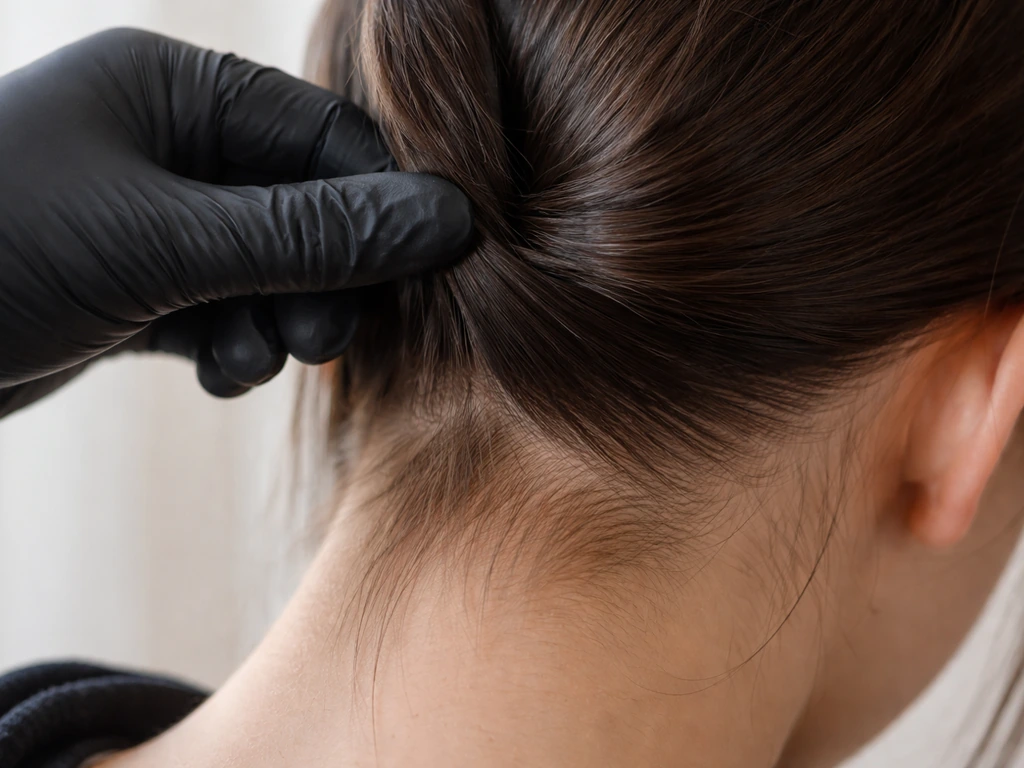
This is the part most people skip over, and it is the most important part of this entire guide. Dread extensions can cause traction alopecia, which is a form of hair loss caused by repeated or sustained pulling on the hair follicle. The American Academy of Dermatology is explicit: anyone who wears tight hairstyles or repeatedly stresses their scalp can develop it. Dreadlocks, weaves, and extensions are specifically listed in clinical literature as contributing styles.
The risk is not just about how tight the installation feels on day one. It is cumulative. Both the degree of pulling and the duration of traction increase the risk. Dread extensions are heavier than most other extension types because they are full, thick coils. That weight creates continuous downward tension at the root, especially as new growth creates a longer unsupported section between the scalp and the extension body. Over weeks and months, that sustained pull can damage follicles.
If your hair has been chemically relaxed or heat-straightened, the risk is even higher. The hair shaft is already structurally compromised by those processes, which makes it significantly more susceptible to breakage under tension. Early signs of traction alopecia include soreness or tenderness at the scalp, small bumps or pimples along the hairline, and fine short hairs breaking off at the edges. Catching it early matters: if you stop the tension in the early stages, hair can fully regrow. Chronic, long-term traction can permanently destroy follicles, and at that point the loss is irreversible.
How to actually retain length in dread extensions
Retention is the whole game here. You can grow 1 cm per month like clockwork and still end up with the same apparent length if breakage is eating that growth at the same rate. Here is how to tip the balance in your favor.
- Get a loose installation. Extensions that feel tight the moment they go in are already causing damage. There should be no soreness, no scalp tension, and no pulling at the hairline after installation. If it hurts, that is not normal and it is not something you should "wait out."
- Protect your edges. The hairline is the highest-risk zone for traction alopecia. Avoid installing extensions directly on very fine perimeter hair. Some people leave the first half-inch of the hairline free of extensions entirely.
- Limit continuous wear. Wearing dread extensions for months without any break increases cumulative traction risk. A general guideline is to avoid wearing any extension style continuously for more than 6 to 8 weeks without assessing your scalp and root health.
- Watch for matting at the roots. As new growth comes in, it can start to tangle and mat against the extension base. If this is not managed, removing the extensions later can cause significant breakage or require cutting.
- Distinguish breakage from shrinkage. Natural hair, especially tightly coiled textures, exhibits significant shrinkage when it lacks moisture or when locs tighten. If your hair seems shorter than expected, check whether strands are actually snapping off or whether the coil is simply contracting. Breakage leaves short uneven pieces; shrinkage is uniform and reverses with moisture.
Caring for dread extensions day to day
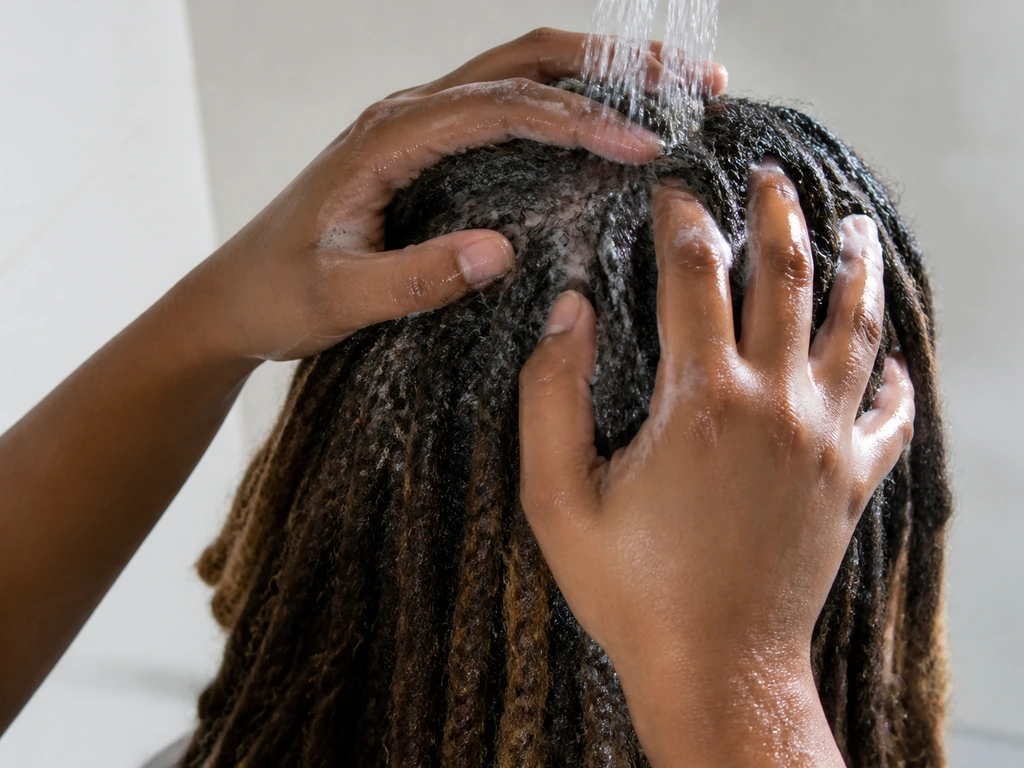
Washing and drying
One of the most common mistakes people make with dread extensions is not washing often enough because they are worried about frizzing or loosening the style. But a dirty, buildup-laden scalp is a compromised scalp, and scalp health directly affects hair health. How often you need to wash depends on your lifestyle and scalp type, but if you notice smell, itching, heaviness, or stickiness, those are signs you need to wash sooner rather than later. Professional dreadlock maintenance guidance often frames retwisting as every 6, 8 weeks maximum, and it notes washing frequency can vary, with smell, itching, heaviness, or stickiness signaling buildup that may require washing sooner or clarifying retwist guidance every 6–8 weeks maximum.
When you do wash, use a residue-free or clarifying shampoo and focus the product on your scalp, not the extension body. Synthetic fibers do not need conditioning and will hold water if you are not careful about drying. Squeeze, do not rub, and then dry thoroughly. Dread extensions that stay damp for hours are a setup for mildew, odor, and scalp irritation. A hooded dryer or diffuser on low heat is ideal. Never go to sleep with wet extensions.
Scalp health and moisture

Your scalp still needs regular attention. A light oil (jojoba, tea tree diluted in a carrier oil, or a dedicated scalp oil) applied directly to the scalp using a nozzle applicator bottle helps combat dryness and itching without weighing down the extensions or causing buildup. Avoid heavy butters or thick creams on the scalp itself, as these contribute to buildup and clog follicles over time.
Re-twisting and root maintenance
Re-twisting the new growth at the root keeps the extension looking neat and prevents the new hair from matting outside the loc structure. Most care guidelines suggest not re-twisting more frequently than every two weeks, as over-manipulation of the roots increases breakage risk. A range of every four to eight weeks is common for most people, depending on how fast their hair grows and how much new growth is visible. If you are using an interlocking method rather than a twist, the timing principles are similar but the technique is different, and ideally you should have it done by someone experienced with that method.
What to keep in mind based on your hair type
| Hair Type | Key Consideration | Specific Watch-Out |
|---|---|---|
| 4C / tightly coiled | Highest shrinkage factor; new growth integrates quickly and can mat fast | Re-twisting interval matters most; monitor roots every 2 weeks even if not re-twisting |
| 3C-4B / coily | Moderate shrinkage; extensions generally stay neatly attached longer | Watch the hairline closely; this texture is still at significant traction risk |
| 3A-3B / curly | Lower shrinkage but extensions may feel heavy relative to hair density | Weight is a bigger concern; consider lighter extension options and fewer locs |
| Relaxed or heat-straightened | Structurally compromised hair shaft; highest traction breakage risk | Keep installation loose, limit wear time, and inspect roots frequently |
| Fine or low-density hair | Less hair anchoring each extension means more concentrated tension per follicle | Avoid heavy extensions; consider leaving perimeter hair extension-free |
For Black and textured hair specifically, it is worth acknowledging that dread extensions are often worn for both protective and cultural reasons, and there is nothing wrong with that. The goal here is not to discourage the style but to make sure you can wear it without trading short-term convenience for long-term loss. The tension risk is real and well-documented in dermatology literature, but it is also largely preventable with good installation and maintenance habits.
Common mistakes, warning signs, and when to get help
Mistakes that cost you length
- Installing too tightly, especially at the hairline and nape, which are the most vulnerable areas for traction alopecia
- Wearing extensions for too long without checking root health or breaking between sets
- Not washing frequently enough, leading to buildup, scalp inflammation, and weakened follicles
- Re-twisting too often (more than every two weeks) or with too much tension, which causes cumulative mechanical breakage
- Skipping a clarifying wash after removal, which leaves product residue and dead skin on the scalp
- Ignoring early warning signs like soreness, bumps along the hairline, or small hairs snapping off at the edges
When to remove them or see a professional
Remove your dread extensions immediately if you notice any of the following: persistent scalp pain or soreness that does not resolve within the first couple of days after installation, visible thinning or bald patches along the hairline or temples, pimples or pustules at the follicle sites, significant shedding of full hairs (not just shed hairs caught in the loc), or extensions that feel so heavy they are pulling your head to one side. Pain is not a sign that the style is working. It is a sign the style is damaging.
If you notice any thinning at the edges or hairline, see a dermatologist rather than waiting to see if it resolves on its own. Early traction alopecia is reversible, but only if you act on it. Once follicles are chronically damaged, regrowth becomes much harder or impossible. A board-certified dermatologist can assess the extent of the damage and advise on whether topical treatments like minoxidil are appropriate while the follicles are still active.
After removal: what to expect
When you take dread extensions out, your natural hair underneath will likely look shorter than you expected, for a few reasons. Tightly coiled textures shrink significantly once free of the extension structure. That same starter-locs journey idea helps explain why locked hair can look like it “grows slower,” since newly locked length may sit tighter and not hang loose the way un-locked hair does Tightly coiled textures shrink significantly once free of the extension structure.. Any breakage that occurred during wear shows up as uneven length. And new growth that matted against the base may have to be carefully detangled or, in some cases, cut. Follow removal with a thorough clarifying wash to remove any product buildup, then do a gentle deep condition before assessing your actual length and health. Give your scalp a break of at least a few weeks before reinstalling any extension style, and use that time to moisturize, trim any damaged ends, and let your follicles recover.
The question of whether your hair grows with extensions in general is one that comes up across a lot of styles, from loc extensions to hand-tied extensions to braids. So if you are wondering whether your hair grows with loc extensions, the key is that your scalp keeps producing new hair, while the extensions mainly affect how much of that growth you retain. Dread extensions are often worn for retention, but the extensions themselves do not add length to your hair do dread extensions grow. The consistent thread across all of them is the same: your hair grows regardless of the style, but retention depends entirely on how well you manage tension, moisture, and scalp health. Dread extensions are no exception.
FAQ
If dread extensions don’t grow, can I still end up with longer hair after wearing them for months?
Yes, but only if your natural hair can grow and you prevent breakage at the root and along the shaft. The attachment point moves down as new hair grows, so if maintenance is skipped (especially washing and root tightening), you can lose the visible length even though growth is still happening.
Can dread extensions stop my natural hair from growing, or just stop me from retaining length?
Not necessarily. If the extensions stay tight for long periods, new growth may be retained less because traction can cause shedding and edge thinning. A good retention plan also includes tension monitoring, regular root maintenance, and stopping the style at early warning signs.
What changes over time if the dread extensions themselves don’t get longer?
Expect the extension to “stay the same” in length but your scalp-to-base distance increases. New hair shows up at the roots, which means the visible gap and looseness can make the style look like it’s growing out even though the coil itself is unchanged.
Do single-ended or double-ended dread extensions affect how much growth I retain?
Double-ended attachments often place tension differently than single-ended installs, and either can be an issue if the tension is too strong or the parts are too dense. The safest choice is less about the connector type and more about installation tightness, sectioning, and how quickly you get early roots loosened or re-tensioned.
Are dread extensions more risky for retention than other protective styles because of the weight?
They can, especially if the extensions are heavy, the roots are braided or wrapped too tightly, or you keep the style past its safe maintenance window. Heavy full coils can increase downward pull at the attachment area, which is a common traction trigger.
What are the best “stop now” signs that dread extensions are harming my growth?
Yes. If you notice tenderness, bumps at follicle sites, increased shedding of full hairs, or edge thinning, you should remove the style promptly rather than waiting for the next retwist. Early traction signs are more likely to improve when tension is stopped quickly.
How do sleeping and friction affect whether I retain length with dread extensions?
Sleep friction and dryness can cause tangles and breakage at the base, which makes growth harder to keep. Use a satin bonnet or pillowcase, keep the roots clean and moisturized appropriately, and avoid rough drying that leaves the base damp or fuzzy.
Can I use oils or styling products on dread extension roots without losing retention?
It depends on the product, but generally you should avoid thick, heavy scalp creams and anything that leaves residue. Synthetic fibers can trap product, and buildup at the roots can worsen irritation, itch, and matting, which indirectly increases breakage.
How often should I wash dread extensions to support growth retention?
Washing too rarely is a retention killer, but overwashing with harsh products can also irritate the scalp. A practical approach is to wash when you notice odor, itch, heaviness, or stickiness, and use residue-free shampoo focused on the scalp, then dry thoroughly.
Is there such a thing as retwisting too often, even if I’m trying to prevent tangling?
Yes, re-twisting too frequently can increase mechanical stress at the roots, even if the style looks better. The article’s guidance aligns with a common range (every four to eight weeks), and staying too aggressive can raise breakage risk.
Why does my hair look shorter right after I remove dread extensions, and how should I measure fairly?
When they come out, length loss can be misleading because some shrinkage happens when coils are freed, and any breakage during wear becomes obvious. A clarifying wash and gentle deep condition help you assess true length and reduce hidden buildup that can affect next-step care.
Do dread extensions affect relaxed or heat-treated hair differently in terms of retaining growth?
If your hair is chemically straightened or frequently exposed to high heat, your hair shaft is more fragile under tension. You can still wear extensions, but you need extra caution with tightness, installation quality, and monitoring, because the margin for retention is smaller.
If I suspect traction alopecia from dread extensions, should I see a dermatologist right away?
Yes. If you’re having thinning at the hairline or persistent soreness, a dermatologist can evaluate traction alopecia and advise whether treatments like minoxidil are appropriate while follicles are still active. Waiting can reduce the chance of recovery if damage is ongoing.
Next Article
How to Grow Black Women’s Hair: Length and Growth Guide
Step-by-step guide to grow and retain Black women’s hair, boost length via breakage control, and avoid traction damage.