
Faux locs do not make your hair grow faster. Your follicles grow hair at roughly the same rate whether you have faux locs installed or not, averaging about half an inch per month for most people. What faux locs can do, when installed and maintained properly, is help you keep more of that growth. Less daily manipulation, less combing, less heat, less breakage. That's the real story: faux locs are a retention tool, not a growth accelerator.
Do Faux Locs Grow Hair? What to Expect and How to Maximize Growth

Simone Okonkwo
30 Jun 2026

Do faux locs actually grow hair
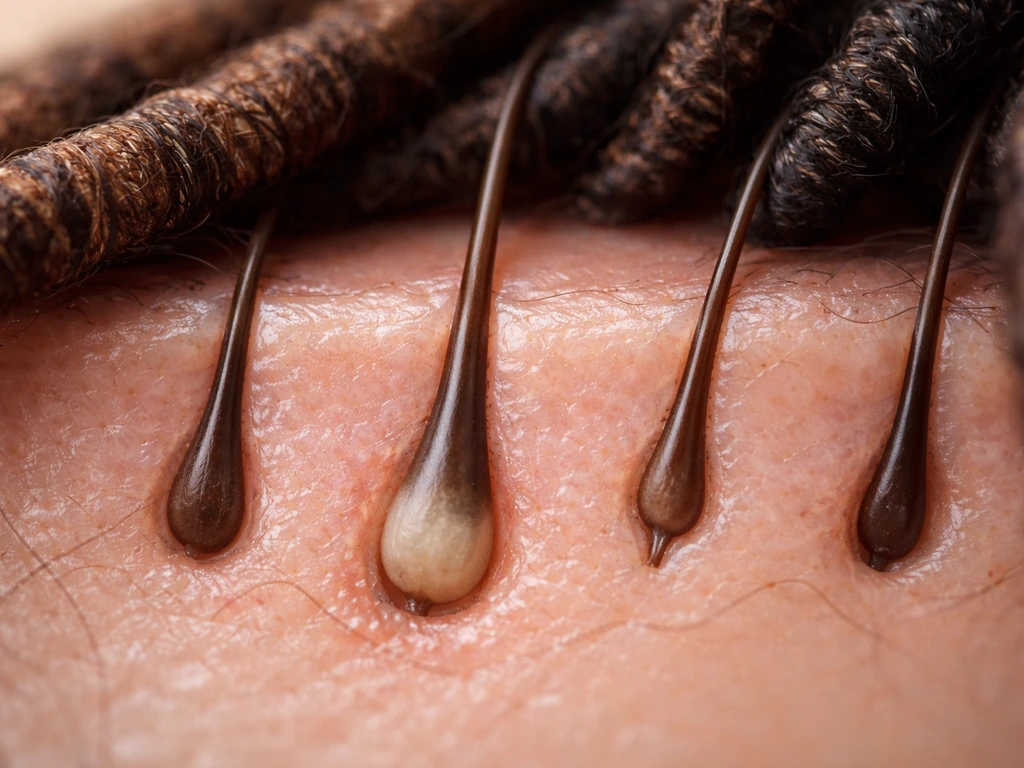
Hair growth happens entirely at the follicle, deep in your scalp. The follicle cycles through three phases: anagen (active growth), catagen (regression), and telogen (resting and shedding). Scalp hair spends most of its time in anagen, which can last anywhere from two to eight years. None of that is changed by what style you wear on top of it. A faux loc wrapping around your hair shaft cannot signal a follicle to work harder or skip phases.
What a protective style like faux locs actually changes is the environment your hair shaft lives in between those follicle cycles. When your hair is tucked away, sealed at the ends, and left alone for weeks at a time, it has fewer opportunities to snap off, dry out, or suffer mechanical damage from daily styling. That means the length your follicles are already producing has a better chance of surviving to the point where you can actually see it.
That's retention, not growth, and the difference matters a lot when you're trying to figure out why your hair doesn't seem to get longer. If you're wondering whether faux locs help with length, the key idea is retention, not accelerated hair growth, and the same applies to the question do soft locs grow your hair.
How hair growth works during and after faux locs
While you're wearing faux locs, your hair is still growing at its normal rate. You won't notice it because the new growth is happening at the root, hidden under the install. When you take the style down after six or eight weeks, you'll often find noticeably more length than you expected, which is why people assume the style caused growth. It didn't. You just protected what was already growing instead of breaking it off.
After removing faux locs, your hair doesn't get a magical boost either. What you might notice is a short telogen shedding phase where strands that were held in place during the style finally release. This is normal. Shed hairs that couldn't naturally fall during the install period come out during takedown and the week or two after. It can look alarming, but it's almost always normal shedding that was simply delayed, not new damage.
The key distinction worth repeating: faux locs change retention, not the biology of growth. If you want to understand the difference, see the section on retention versus growth in the myth about faux locs making your hair grow faster retention, not growth. If your scalp health is good and your follicles are healthy, your hair is growing at its genetic pace regardless of what style you wear. The style determines how much of that growth you get to keep.
Hair retention: preventing breakage, thinning, and traction while wearing faux locs
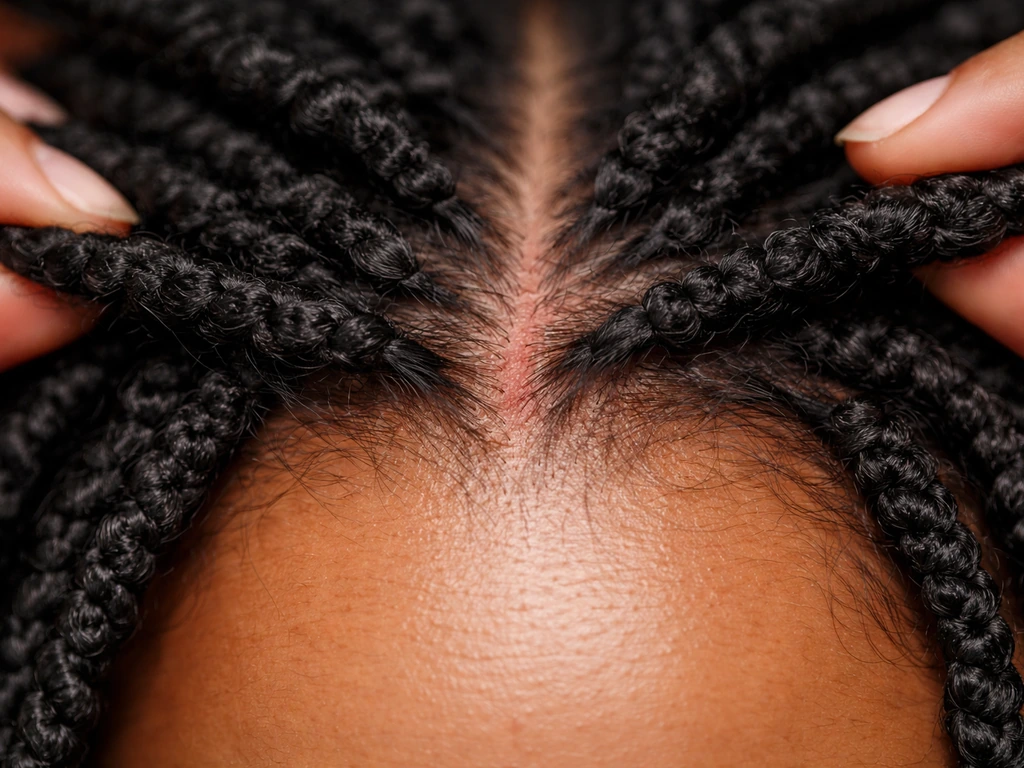
This is where faux locs can either work for you or seriously work against you. The biggest risk is traction alopecia, which is hair loss caused by repeated or sustained tension on the follicle. Research from the American Academy of Dermatology and multiple dermatology reviews is clear on this: tight hairstyles, including loc-type styles and extensions, can cause inflammation at the follicle root, follicular miniaturization, and in chronic cases, permanent scarring. If the style is installed too tight, you're not protecting your hair. You're damaging it.
The risk is higher if your hair has been chemically relaxed or thermally straightened. Processed hair has a compromised shaft structure that's more vulnerable to tension-related breakage. If this applies to you, tension management during installation is not optional, it's critical.
Pay attention to early warning signs every single month. Shiny patches of skin where hair used to be, small pimples or bumps around the hairline, tenderness or soreness at the root, and visible thinning at the temples or edges are all red flags. If your scalp hurts after installation, that is not something to push through. Styles that cause immediate pain should come out, not be waited out.
- Thinning or receding at the temples, nape, or hairline
- Scalp tenderness that lasts more than a day or two after install
- Shiny or smooth skin patches where hair used to grow
- Small pimples, bumps, or pustules around the follicle
- Breakage concentrated at the root rather than the ends
What affects your results: timeline, hair type, tension, and care
Not everyone gets the same results from faux locs, and four main factors determine whether your experience is a net positive or a setback.
Install tension
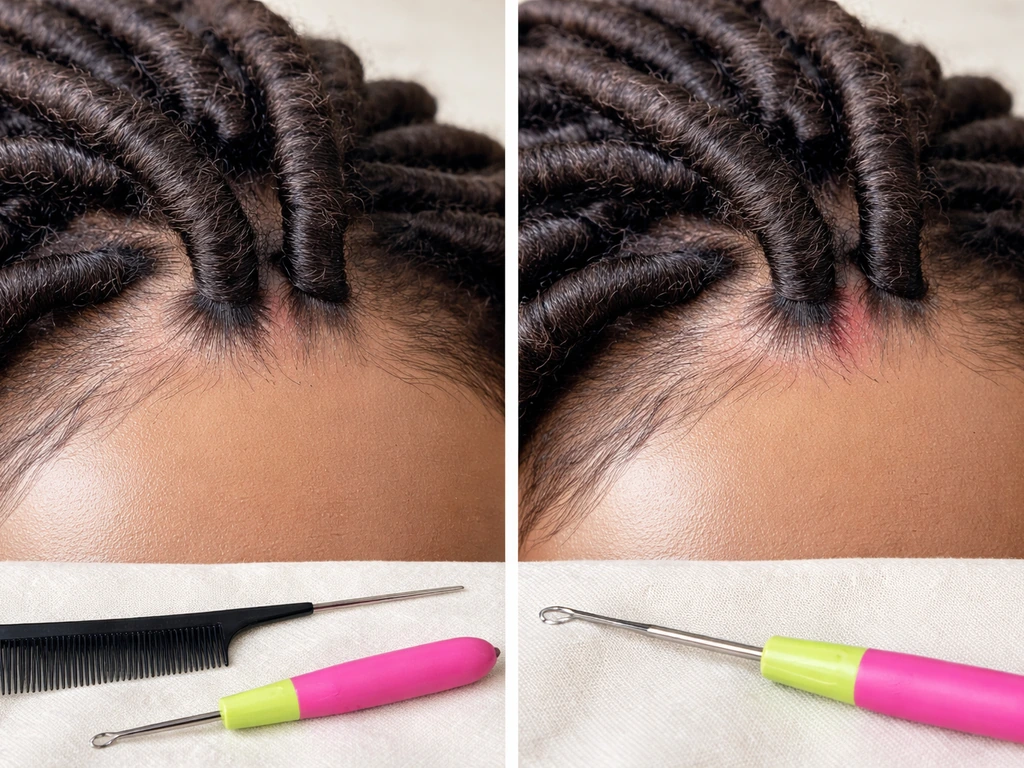
This is the single biggest variable. A faux loc that sits comfortably at the root with no pulling is protective. One installed so tight that you can feel it tugging at the hairline is already causing micro-trauma at the follicle. The weight of the added hair matters here too. Heavier faux locs put more gravitational pull on the root, compounding any tension from the install itself.
Duration
The general guidance for faux locs is four to eight weeks, which aligns with what most stylists and protective style guides recommend for similar extension styles. Some sources suggest kinkier textures can tolerate closer to three or four months with crochet installs because the base hair locks up more slowly, but this comes with a catch: the longer the style stays in, the more tangling, matting, and root buildup you accumulate.
Leaving faux locs in past the recommended window usually creates more damage on takedown, not less. The University of Iowa Health Care guidance for tight protective styles puts the limit at around two to three weeks for the tightest styles. Faux locs are generally lower tension than tightly braided roots, but the principle still applies: longer doesn't mean better.
Hair type and texture
Coarser, kinkier textures tend to be more forgiving in terms of tangling prevention because the texture itself helps hold the style. Finer or looser textures may experience more slippage and need more frequent touch-ups at the root. Relaxed or heat-damaged hair, as already mentioned, carries higher traction risk and should be installed with extra care about weight and tension.
Care routine during the install
What you do while the style is in matters just as much as the install itself. Skipping moisture, ignoring scalp health, and not washing regularly all undermine whatever protective benefit the style offers. A dry, flaky, inflamed scalp is not a healthy environment for growth, no matter how well the locs look from the outside.
Best practices while wearing faux locs
Washing
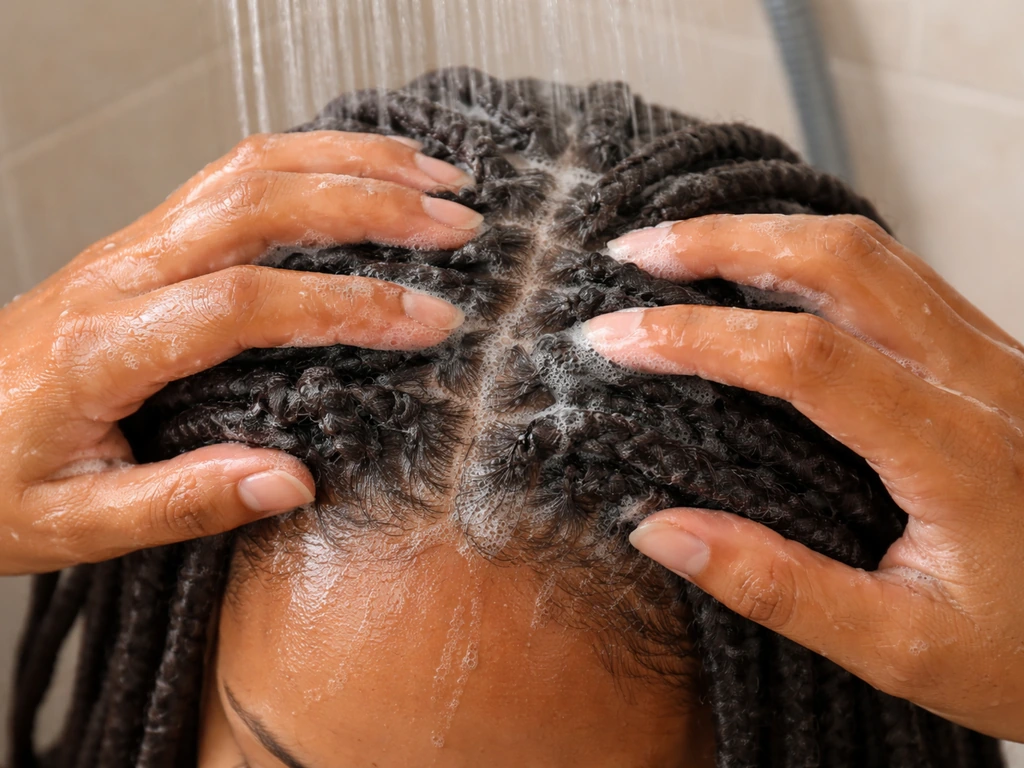
Wash every one to two weeks. On the r/Microlocs subreddit, people also share varied preferences for how often to wash their locs and discuss that more frequent washing can help with scalp comfort and flaking for some users.
This is non-negotiable for scalp health. Buildup of sweat, sebum, and product residue creates an environment for inflammation and potential folliculitis, both of which can disrupt the growth cycle. Use a sulfate-free or gentle clarifying shampoo diluted with water and apply it directly to the scalp in sections. Squeeze the product through the locs rather than scrubbing, which causes frizz and tangling.
Some people do a triple shampoo method: lather, rinse, and repeat three times to ensure the scalp is genuinely clean rather than just surface-washed. Follow with a lightweight leave-in conditioner applied mainly to the hair, not the scalp.
Moisturizing and sealing
Your natural hair underneath faux locs can dry out significantly, especially if you have high-porosity or color-treated strands. After washing and while the locs are still slightly damp, apply a lightweight leave-in to the scalp and visible roots. Once dry, seal with a light oil or hair grease along the scalp. Avoid heavy product buildup on the locs themselves since it attracts lint and is hard to remove without washing.
Scalp care
Use a rat-tail comb or a fingertip to apply a diluted tea tree or peppermint oil blend directly to the scalp between washes if you're prone to itching. Gently massage the scalp in circular motions to stimulate circulation without putting tension on the roots. Check your edges, temples, and nape at least once a week. These are the highest-tension points and the first places to show traction damage.
Protecting at night

Sleep with a satin or silk bonnet, or use a satin pillowcase. Cotton pillowcases create friction that causes frizz on the locs and, more importantly, dries out the hair underneath. A bonnet also reduces tension on the roots from movement during sleep, which matters more than most people realize over a six to eight week install.
Re-tightening
Most faux loc installs start to loosen at the root around week six to eight. If re-tightening is needed, make sure whoever is doing it is not adding tension beyond what the original install used. If the roots have started to tangle or loc together, try to separate them gently with fingers before any tool is used. Forced separation with a comb causes breakage. If locs are matting at the root, addressing that proactively every few weeks during the install is far easier than trying to detangle at takedown.
How to transition out for continued growth
Takedown is where a lot of people undo the retention benefits they built over the previous weeks. Rushing through faux loc removal causes breakage, and so does using the wrong tools or products.
- Saturate each loc with a detangling conditioner or oil before you start. This softens the extension hair and reduces friction on your natural strands underneath.
- Unravel from the ends upward, not the roots downward. Going from roots to ends compresses tangles toward the tips rather than releasing them.
- Use your fingers first, then a wide-tooth comb only once the loc is fully unraveled and the natural hair is loose.
- Work in sections and take your time. Set aside a full day or do it over two days if your hair is long. Rushing is the number one cause of takedown breakage.
- Do a deep conditioning treatment within 24 hours of removal. Your strands have been coiled and compressed for weeks and need moisture replenishment.
- Give your scalp and hair at least two to four weeks between faux loc installs. This rest period allows any minor traction stress to resolve and gives you time to assess your edges and overall hair health.
During the rest period, focus on low-manipulation styles and a solid moisture-and-seal routine. This is also the time to assess whether you saw the retention benefit you were hoping for. If your edges are thinner than before the install, or if your hairline has shifted, that's a sign the install was too tight or too heavy, and the next one needs to be adjusted.
Common mistakes and myths about faux locs and growth
Myth: Faux locs make your hair grow faster
This is the most common misconception and it's worth saying plainly again. No external style changes your follicle's biological cycle. Anagen, catagen, telogen, those phases operate on a genetic and hormonal timeline that a hairstyle cannot override. The apparent length gain people see after protective styles is retained growth, not accelerated growth. The two look the same in the mirror but they're completely different mechanisms.
Myth: Leaving faux locs in longer means more growth
Keeping faux locs in past eight weeks does not compound the retention benefits. Past that window you're more likely accumulating buildup, root tangling, and traction risk, especially as the install gets older and heavier. More time in the style means diminishing returns, not increasing ones.
Myth: Tight locs mean the style will last longer and protect better
Tightness does not equal durability or protection. A tight install puts constant tension on the follicle, which the research on traction alopecia is unambiguous about: repeated tension leads to inflammation, follicular miniaturization, and potentially permanent hair loss. A style that lasts eight weeks because it was installed too tight is not a win. A comfortably installed set that you take down at six weeks and transition out of properly is far better for your long-term hair health.
Mistake: Skipping scalp care because the style is protective
Protective styling is not low-maintenance styling. The two get conflated constantly, and it's a real problem. A style is only protective if the hair and scalp underneath are being actively cared for. Going weeks without washing, skipping moisture, and ignoring the scalp while wearing faux locs creates conditions that work directly against the retention benefits you're trying to achieve.
Mistake: Not separating roots during the install period
If your natural locs or faux loc roots start to mat together, do not ignore it. Matting causes forced breakage at takedown when those tangled sections have to be separated. Check your roots regularly, especially around week three or four, and gently finger-separate any sections that are starting to fuse.
If you're exploring how different loc styles affect growth and retention, the same underlying principles apply whether you're looking at soft locs, butterfly locs, or even reattached or traditionally grown locs. If you're wondering whether reattached locs grow, keep in mind the same rules apply: growth comes from healthy follicles, while the style mostly affects retention through tension, duration, and scalp care reeattached or traditionally grown locs. The variables that matter, tension, duration, scalp care, and takedown technique, are consistent across the board. Faux locs are one solid option in that category, but they're only as good as the care that goes with them.
| Factor | What helps retention | What hurts retention |
|---|---|---|
| Install tension | Loose to medium, no pain at roots | Tight, pulling at hairline or edges |
| Wear duration | 4 to 8 weeks | Beyond 8 to 10 weeks for most textures |
| Washing frequency | Every 1 to 2 weeks | Skipping washes for months |
| Moisture routine | Lightweight leave-in and scalp oil | No moisture, heavy product buildup |
| Night protection | Satin bonnet or pillowcase | Cotton pillowcase, unsecured style |
| Takedown method | Slow, oiled, finger detangle first | Rushing, dry detangling, pulling |
| Rest between styles | 2 to 4 weeks minimum | Back-to-back installs with no break |
FAQ
If my hair doesn’t look longer after taking out faux locs, does that mean they don’t work for retention?
Not always. Some length can be masked by uneven root loosening, product buildup, or tangling that traps shed strands. After takedown, do a gentle finger-detangle and wash immediately, then compare length on the same section size each time (for example, center back) so you measure retained growth instead of trapped or shed hair.
Why do my faux locs feel lighter or looser at the same time other people’s feel tighter?
Install method and added hair weight vary. Crochet versus individual wrapping, the thickness of each base strand, and the density of faux locs change the amount of pull on the root even if your stylist uses the same overall timeline. If your roots loosen early, it’s not necessarily safer, it may mean slippage that increases friction during sleep.
Is it safe to re-tighten faux locs multiple times during the install?
You can re-tighten, but repeated retensioning is where traction risk can creep up. If re-tightening is needed before week six, ask for a comfort check at the hairline, not just a “looks neat” check. The goal is to stop slippage without increasing tugging beyond the original fit.
How often should I check my scalp for early traction or irritation?
Do a quick inspection at least once a week, with a closer look at edges, temples, and nape. Also check after any activity that pulls hair (sports, styling, sleeping without a bonnet). Early warning signs like tenderness, bumps, or shiny bald patches should be treated by loosening or removing the style, not managed by “toughing it out.”
What’s the difference between normal shedding after takedown and breakage from the install?
Delayed shedding usually comes out as single strands of hair consistent in length, often with no snapped ends at the root. Breakage tends to cluster at stress points, like the hairline, and you may see shorter, frayed pieces mixed into tangles. If you see broken tips and progressive thinning after every install, reassess tension and duration first.
Can I wash faux locs as often as I want while wearing them?
Washing more frequently can help scalp health, but the method matters. Stick to every 1 to 2 weeks as the baseline, use gentle shampoo diluted with water, squeeze through the locs instead of scrubbing, and fully dry your scalp. If your scalp stays damp, you raise the risk of folliculitis and odor, which can interfere with the growth cycle.
Is tea tree or peppermint oil safe for my scalp under faux locs?
It can be helpful for itching, but always dilute and patch-test first. Apply a small amount directly to the scalp in sections and stop if you feel burning or increased redness. If irritation continues, switch to a simpler moisturizing and cleansing routine rather than layering more scalp-active oils.
Should I moisturize the locs themselves or only my scalp?
Prioritize the scalp and visible roots for retention, then lightly moisturize hair as needed to prevent dryness. Heavy products on the locs can cause buildup and lint, making tangling worse at the root. If your ends feel dry but your scalp feels okay, use a lighter leave-in on lengths rather than loading the entire loc.
What should I do if my loc roots start to mat together before week six?
Finger-separate gently as soon as you notice matting, especially around week three or four. Don’t force comb separation, because pulling fused sections can create breakage that looks like “no growth” later. If matting keeps returning quickly, it may signal the install is too tight, too heavy, or too densely packed.
Does wearing faux locs for longer than the recommended window affect future growth?
It can indirectly. Staying too long increases buildup, root tangling, and tension exposure, which raises the chance of scalp inflammation and traction damage. Those issues can disrupt the environment that supports healthy follicle cycling, so the safer “extension” is improving care between installs, not extending the same install.
If I have relaxed or heat-damaged hair, can faux locs still be a good retention choice?
Yes, but the bar is higher. Because the shaft is more breakage-prone, you need extra focus on low weight, careful tension, and thorough drying after washing. Consider shorter installs (closer to the minimum comfort window) and plan for more frequent checks at the hairline and edges.
What’s the biggest takedown mistake that ruins retention benefits?
Rushing or using tools too early. Take time, soften if needed, finger-separate first, and avoid yanking tangled roots. Also shampoo right after removal so you can remove scalp buildup and assess real shedding or breakage accurately.
Next Article
Does Locs Grow Your Hair Faster? The Truth on Length
Learn if locs can grow hair faster, and how protective styling boosts length by reducing breakage, with practical mainte