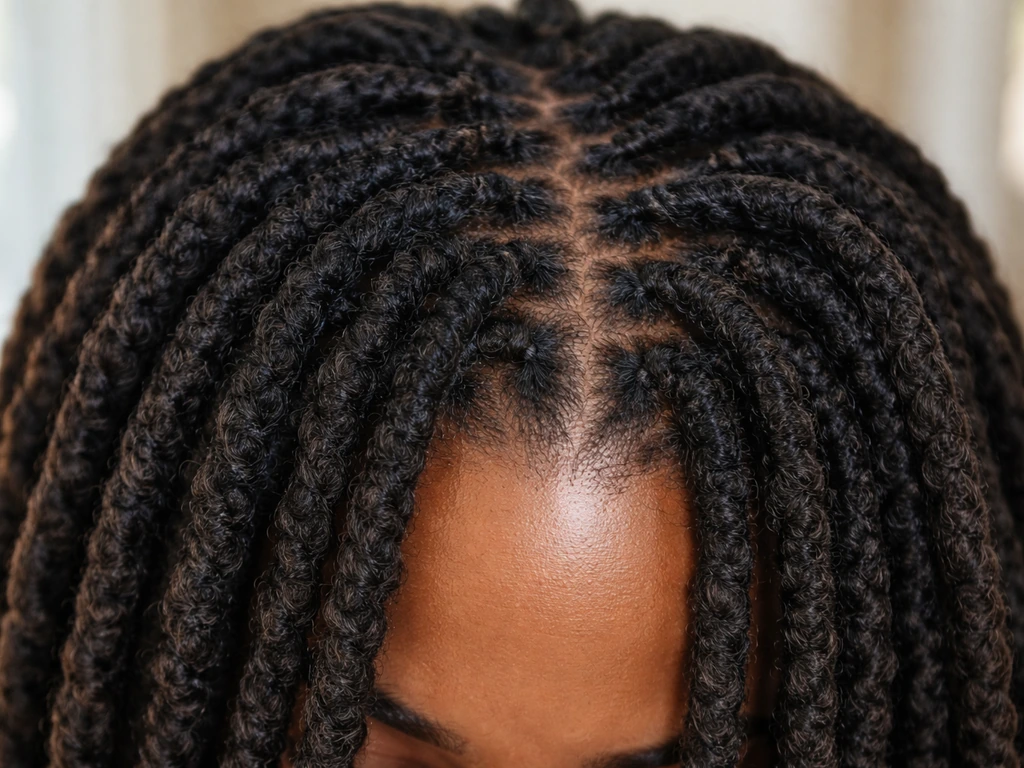
Locs grow the exact same way loose hair does: from the follicle, at the scalp, at roughly half an inch per month (about 4 to 6 inches per year). The loc itself is not a growth booster. What locs do exceptionally well, when maintained properly, is protect the hair that has already grown from snapping off before you can see it. That retention is what makes locs look like they're growing faster than loose styles.
How Do Locs Grow: Mechanics, Myths, and Growth Tips

Simone Okonkwo
3 Jun 2026
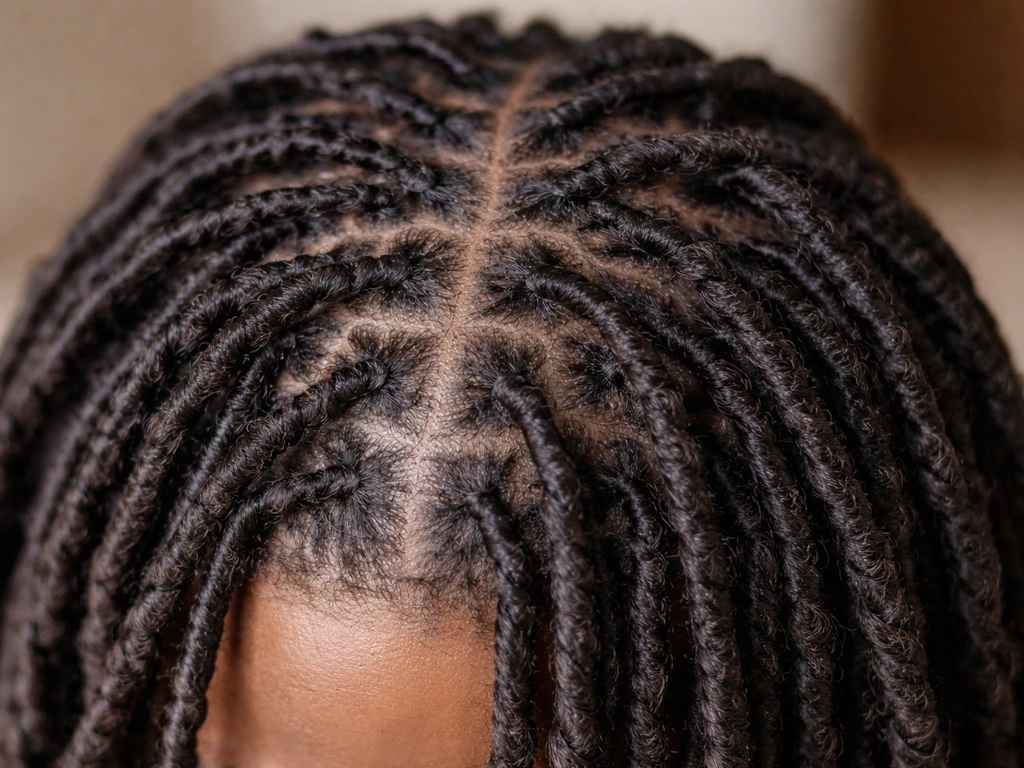
Freeform locs still grow at the same rate as any other loc style, but you may notice more length because there is less of that “retention look” from tangling and breakage do freeform locs grow faster. If your locs seem stuck at the same length for months, the problem is almost never the follicle. It's usually breakage, shrinkage, buildup, or all three.
What actually grows: the scalp, not the loc
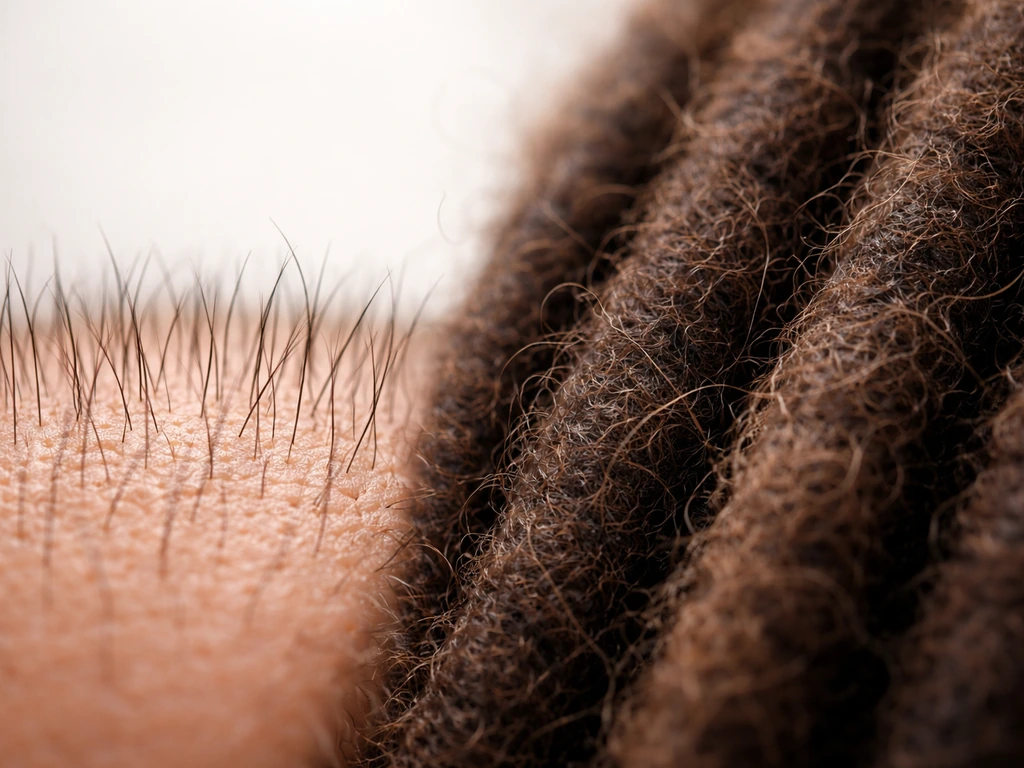
It helps to be clear on this because a lot of confusion starts here. Your hair grows from follicles embedded in your scalp. At any given time, roughly 85 to 95 percent of those follicles are in the active growth phase (anagen), cranking out about one centimeter of new hair each month. The rest are in a resting or shedding phase for a few months before cycling back into growth. This is normal and cyclical. It means you will shed some hair even with healthy locs, and that does not mean growth has stopped.
The loc is a structure formed by hair tangling and matting together. New growth pushes out from the root end of each loc, appearing as loose, softer new growth at the scalp. The length you see at the tip of a loc is old hair. So when people say their locs 'aren't growing,' what they usually mean is the visible length isn't increasing. That's a retention problem, not a follicle problem. Understanding this distinction is the foundation for fixing it.
How locs actually form: the starter phase and what to expect
Locs don't lock overnight, and rushing this phase is one of the most common ways people accidentally damage their hair. How quickly your locs form depends heavily on your hair type and the method you use. Kinky, coily hair (tightly coiled curl patterns common in many Black hair types) tends to lock up in 6 to 12 months. Looser curl patterns using methods like twist-and-rip, backcombing, or palm rolling can take 12 to 18 months to fully mature.
In the early weeks, your locs are delicate. The internal structure is forming and any significant manipulation can unravel what's taking shape. You may see budding (small knots beginning to form inside the loc) as early as 2 months in. Full locking, where the loc holds its shape consistently and feels firm throughout its length, typically takes considerably longer. During this phase, resist the urge to over-manipulate. Retwisting is a tool for maintaining a neat appearance and helping new growth integrate into the existing loc, but locs can and do form without constant retwisting. How often you retwist is really a personal choice about how manicured you want your roots to look, not a requirement for growth.
One thing no one warns you about: you will likely blank" rel="noopener noreferrer">lose some visible length during and after installation, and more as locs tighten. This is because hair that was lying flat now coils, zigzags, and compresses inside the loc structure. Your hair is still the same length; it's just taking up less linear space. blank" rel="noopener noreferrer">That initial apparent shrinkage is not damage. It's physics.
Washing, moisture, and scalp health: the real growth work
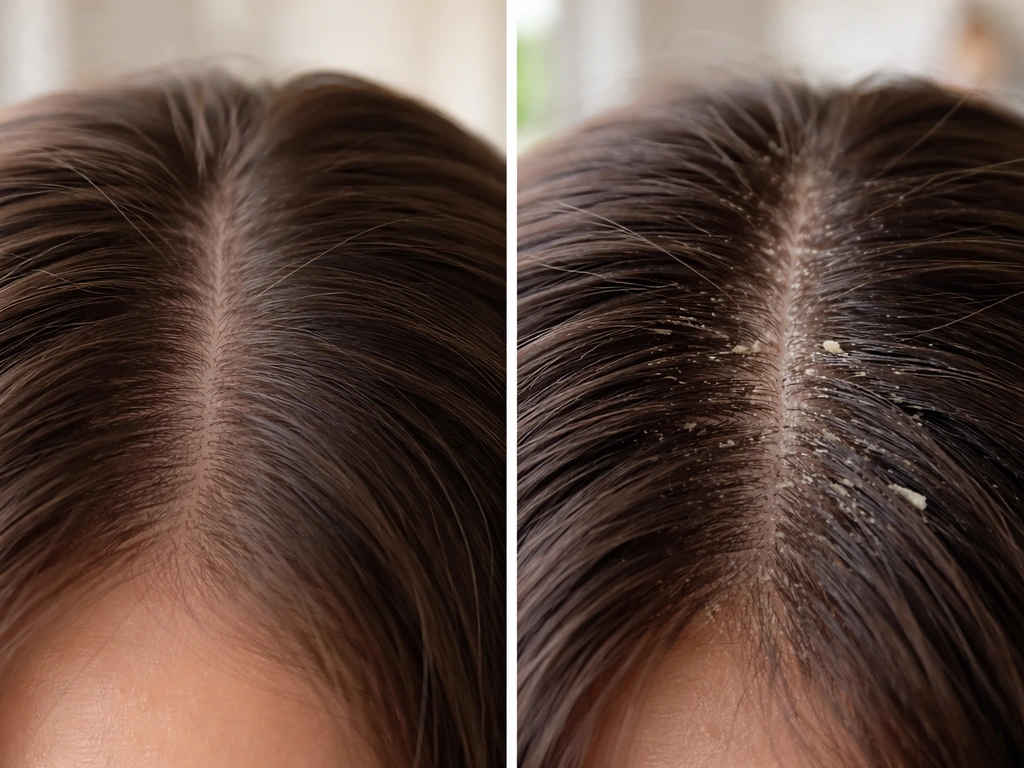
A clean scalp is a growing scalp. Buildup from excess sebum, products, and dead skin cells can clog follicles, cause inflammation, and create the kind of scalp environment where growth slows and shedding increases. For loc wearers specifically, buildup also gets trapped inside the loc itself, leading to mildew, odor, and eventually weakened hair strands that break more easily.
During the starter phase, washing every 3 to 4 days can actually help locs form by keeping the scalp clean and creating a bit of texture through the washing process. Once locs are established, most people settle into a wash schedule of once weekly or every 10 days, depending on scalp activity, product use, and how much they sweat. If you already washed every 4 to 5 days before getting locs and it was working for your scalp, you don't need to change that dramatically. What you should change is your shampoo: use a residue-free or clarifying formula that rinses clean rather than leaving a coating on the hair.
When you shampoo, focus the product on your scalp and roots, not just the loc body. Let the shampoo sit for a few minutes before rinsing so it has time to work. Rinse thoroughly. Incomplete rinsing is one of the main causes of buildup in locs.
If you deal with dandruff or seborrheic dermatitis (both common causes of itchy scalp), a targeted shampoo with ingredients like zinc pyrithione or ketoconazole is more evidence-based than home remedies. Some people use diluted apple cider vinegar rinses (about 2 to 4 tablespoons in 16 ounces of water) as a refresh between washes, though it's worth knowing the evidence for ACV reducing scalp buildup specifically is limited.
Tea tree oil, diluted in a carrier or found in a 5 percent concentration shampoo, has shown some benefit for dandruff in studies, but undiluted tea tree oil directly on the scalp can cause irritation or contact dermatitis, so use it carefully.
Moisture matters too, but not in a heavy, coating way. Locs actually do not need deep conditioning treatments the way loose hair might, because the moisture can get trapped inside and cause problems. Instead, lightly mist your locs with water, apply a lightweight leave-in conditioner along the hair, and then seal with a light oil at the scalp. This keeps the scalp hydrated without saturating the loc interior. Avoid heavy butters, waxes, and thick creams inside your locs. They accumulate over time and are very difficult to fully wash out.
Keeping length: separation without breakage
One of the more underestimated loc maintenance tasks is separation. As locs grow, new growth at the scalp can begin to connect neighboring locs together, forming what's sometimes called a 'congo' (when two or more locs fuse into one). This isn't always a problem if you want freeform locs, but if you want to keep your locs individual and at a manageable size, you need to separate them at the root regularly.
The key is to separate while the hair is damp and pliable, not dry when it's more prone to snapping. Work slowly, pulling locs apart gently at the root rather than yanking the full length. After separating, you can palm roll or hand twist the root area to smooth new growth into the existing loc body. This kind of gentle, informed maintenance is very different from aggressive restyling, which is where breakage tends to happen. Hair that's already prone to knots and tangles at the surface level (common in kinky textures) is more susceptible to friction-related breakage during manipulation, so slow and gentle always wins.
Length vs. thickness vs. density: how locs change over time
Here's something people often miss: locs don't just get longer as they mature. They also get denser, firmer, and in many cases, thicker in circumference. In the early to middle stages of the loc lifecycle, the hair inside is still loose enough to shift and compress, which is part of why length gains feel slow. The loc is essentially filling in before it starts extending. Once locs are fully mature (firm throughout, holding shape without any intervention), length gains tend to become more visually obvious because there's less compression happening.
Also worth knowing: visible end-to-end length is not the same as actual hair length. Inside a loc, hair can grow horizontally or curve back on itself as it gets incorporated into the loc structure. This is especially true in coily textures. Your hair may have grown an inch in a month but the tip of your loc might have only moved a fraction of that distance. This is not a malfunction. It's the nature of how hair integrates into a loc. Over time, as the loc fills and the internal structure stabilizes, more of that monthly growth starts showing up as real visible length at the tip.
If thickness is your primary goal, how you start and maintain your locs matters significantly. The size of your initial sections directly determines how thick your locs will become. Merging locs after the fact is possible but complex. This topic overlaps with growing thick locs and growing denser sisterlocks, both of which have their own nuances depending on your starting method and hair texture. If your main goal is how to grow thick locs, the starting plan and ongoing maintenance are the comparison point to keep in mind before you try merging locs after the fact.
Why locs seem to stop growing (and what's really happening)
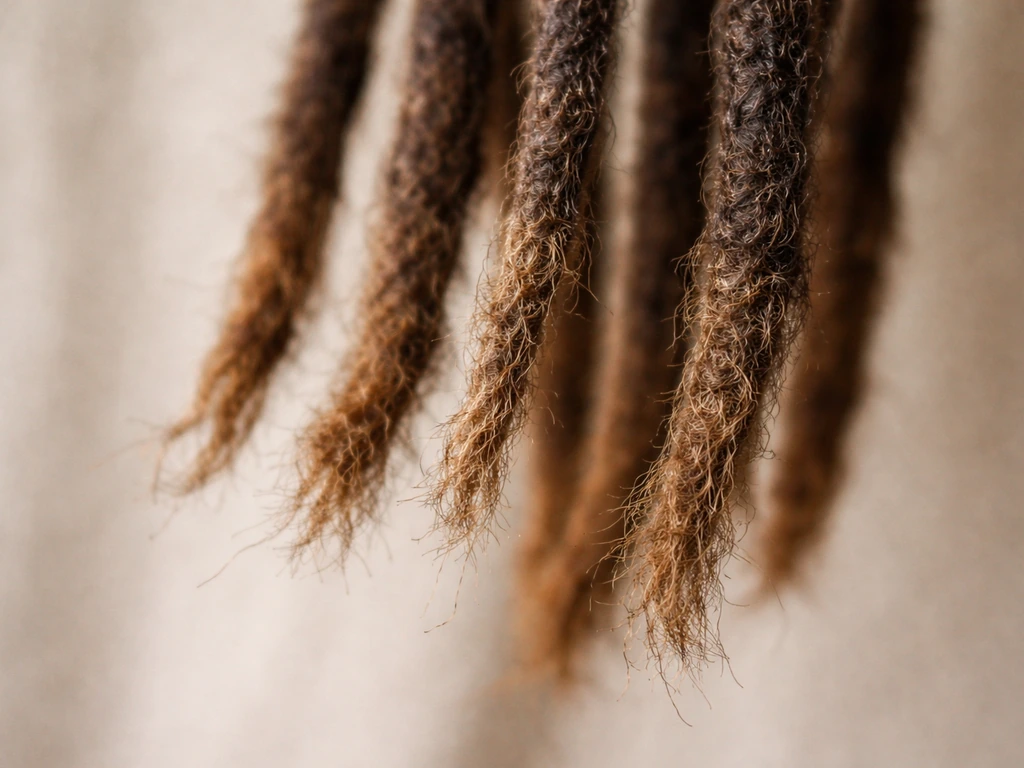
There's rarely one single reason locs appear stuck. Usually it's a combination of factors working together. Here are the most common culprits:
- Breakage at the tips: Dry, brittle loc ends snap off regularly, keeping the apparent length the same even as new hair grows in at the scalp. This is especially common when locs aren't being moisturized or when they're rubbed against rough pillowcases and clothing.
- Shrinkage confusion: Locs tighten and compress as they mature, which can make them appear shorter than they were a few months ago. This is not the same as the hair not growing. It's the structure adjusting.
- Buildup choking the scalp: Heavy product residue, hard water deposits, or insufficient washing can create a scalp environment that slows growth and increases shedding. If your scalp itches constantly and you've ruled out dandruff, buildup is a likely cause.
- Tension at the roots: Retwisting too frequently, too tightly, or on top of a previous retwist while the roots are still taut can cause traction stress. Over time this leads to thinning edges and even follicle damage if not addressed.
- Nutritional gaps: Hair follicles need adequate protein, iron, zinc, and vitamins to function well. Poor diet and deficiencies are a real but often overlooked driver of increased shedding and slower growth.
- Stress and health disruptions: Physical or emotional stress can push more follicles into the resting phase simultaneously, increasing shedding in a pattern called telogen effluvium. This isn't unique to loc wearers, but it can be alarming if you're not expecting it.
- Neglect during the starter phase: Not separating locs early enough, not washing regularly enough, or leaving the scalp under significant tension without any care are all ways people inadvertently slow their progress during the most critical period.
One thing worth adding: if you genuinely suspect something is wrong with your scalp beyond product buildup or dryness, see a dermatologist or trichologist. Persistent itching, visible inflammation, or patchy areas of sparse growth can indicate conditions like seborrheic dermatitis, traction alopecia, or other issues that need targeted treatment, not just better shampoo.
A practical routine that actually moves the needle
There is no shortcut that turns your hair follicles into overachievers. What you can do is remove every obstacle between your scalp's existing output and visible length at the tips. That's the whole game. If your goal is to make starter locs grow faster, focus on retention during the starter phase, a clean scalp, and gentle maintenance so new growth is less likely to break off.
Weekly habits
- Wash with a residue-free shampoo every 7 to 10 days. Focus the shampoo on your scalp and roots. Let it sit for a few minutes, then rinse completely until the water runs clear.
- Lightly mist locs with water and apply a light leave-in conditioner along the length, especially the tips. Seal with a lightweight oil like jojoba or grapeseed at the scalp.
- Sleep on a satin or silk pillowcase, or wrap your locs in a satin bonnet. Cotton fabric creates friction that dries out and roughens the hair surface, contributing to tip breakage.
- Separate any congoed roots gently while hair is damp. Don't wait until sections have fully fused if you want to maintain individual locs.
Monthly habits
- Do a clarifying wash or ACV rinse (diluted, not straight) to clear any accumulated residue. This is especially important if you use any styling products regularly.
- Check your tips for signs of dryness or thinning. Dab a small amount of oil specifically on the tips to keep them from becoming brittle.
- Assess your edges. If retwisting is part of your routine, keep the tension light and allow adequate recovery time between sessions. If your edges look thin or feel tender, skip the retwist and let them rest.
What to monitor over time
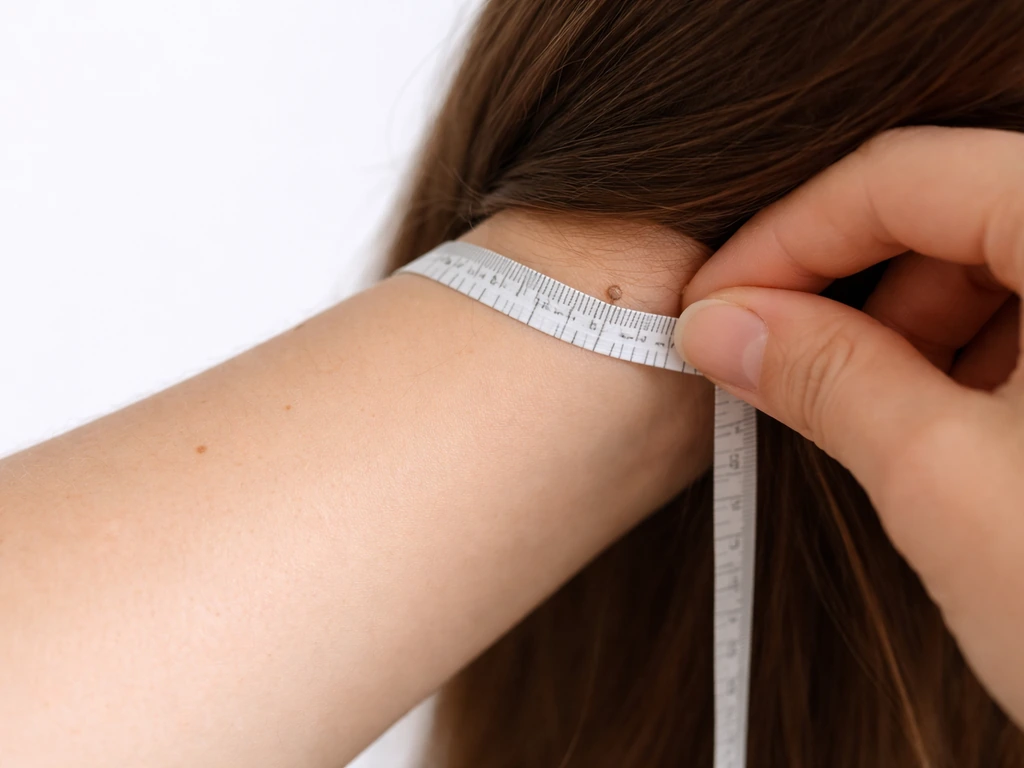
Track your length with a simple measurement at the same loc (usually one at the crown or back) every 6 to 8 weeks. This takes the guesswork out of whether your locs are actually progressing. Also pay attention to how your scalp feels: it should feel comfortable, not tight, itchy, or tender after maintenance. If you're in the starter phase, note when budding begins and which sections are locking faster. This helps you understand your specific hair's pattern and adjust timing accordingly.
| Loc Stage | Typical Duration | What's Happening | Primary Focus |
|---|---|---|---|
| Starter | 0 to 6 months | Sections forming, budding beginning, some unraveling normal | Clean scalp, gentle handling, residue-free products |
| Budding/Locking | 6 to 12 months (coily); up to 18 months (looser textures) | Internal knots forming, locs firming up, may appear shorter | Consistent washing, separation, moisture balance |
| Teen/Teenage locs | 12 to 18 months | Locs holding shape, becoming denser, length slowly building | Clarifying washes, scalp care, light moisture |
| Mature | 18 months and beyond | Locs firm throughout, length gains more visible, tip care important | Retention habits, edge care, nutrition, monitoring tips |
If you're asking about specific methods like instant locs, freeform locs, or sisterlocks, the growth mechanics at the follicle level are identical across all of them. Sisterlocks still follow the same hair-growth cycle, so the biggest difference is how they are installed and maintained rather than whether they can grow your hair faster. Sisterlocks can look like they grow faster when you prioritize retention, minimize breakage, and keep your scalp in a growth-friendly routine.
Instant locs follow the same growth cycle as other locs, so the key is retention and reducing breakage rather than expecting instant results. The differences are in how quickly they lock, how much manipulation is involved, and how those factors interact with retention. Whether freeform locs grow faster or whether instant locs behave differently over time are worthwhile follow-on questions once you have this foundation in place.
The bottom line: your follicles are almost certainly doing their job. Give them a clean, healthy scalp, protect what grows from breaking off, and be patient with the shrinkage phase. Those three things, done consistently, are what visible loc growth actually looks like in practice.
FAQ
Why do my locs shed even when I’m maintaining them well?
It is normal for locs to shed a little during the growth cycle. What is not normal is a steady increase in shedding that comes with more scalp pain, burning, or thick flakes. If you are losing noticeably more hair than before installation, reassess buildup (products, hard water deposits), washing cadence, and whether you have dandruff or inflammation driving shedding.
If I retwist more often, will my locs grow longer faster?
No, retwisting is not what makes hair grow. It can only affect what you see by reducing fuzz or helping new root hair integrate, and it can cause breakage if done too aggressively. If your goal is length, focus on gentle maintenance (clean scalp, light moisture balance, careful separation) over frequent retwisting.
Do locs need deep conditioning the way loose hair does?
Over-conditioning can work against you in locs because water-based product and heavy conditioners can get trapped inside, leaving residues that are harder to remove and more likely to contribute to odor or mildew. Use lightweight leave-in amounts at the root area only, mist if needed, and avoid deep conditioning as a default.
How can I tell shrinkage from real breakage?
Mild contraction after installation is expected, especially in the first few months as hair coils and compresses. A helpful rule is to look for symptoms of damage: if you have a lot of snapping at the root, thinning at the part line, or a dry, rough scalp, that points to breakage. If the scalp is comfortable and the locs are just “shorter,” it is likely shrinkage rather than loss.
What if my scalp keeps getting buildup even after I use residue-free shampoo?
Yes. Hard water can leave mineral residue that mimics buildup, making locs feel dull, itchy, or coated even when your routine is on track. If you notice recurring buildup that won’t rinse clean, consider a clarifying wash occasionally and ensure thorough rinsing, especially around the root.
When should I stop troubleshooting and see a professional for my scalp?
Don’t ignore severe itch or recurring rawness. Persistent itch, visible redness, burning, or patchy sparse areas can signal conditions like seborrheic dermatitis, psoriasis, or traction-related problems. A dermatologist or trichologist can tell you whether you need a medicated shampoo plan or a change in protective style tension.
Is it okay to separate congos when my locs are dry?
In most cases, yes, but the “how” matters. For maintenance, separation should be done when hair is damp and pliable, using gentle root-only work. If you try to separate dry locs, you are more likely to create breakage at the root and weaken the base of the loc.
How should I measure my loc growth so I know it’s actually progressing?
Length tracking works best when you measure the same loc in the same way at regular intervals. Use a consistent reference point (for example, from root/base area to the tip) and measure every 6 to 8 weeks. If you want an extra signal, also note firmness and whether budding timing changes across your locs.
What products are most likely to slow my progress through buildup?
Waxy or heavy products can accumulate and become difficult to fully remove, even with regular washing. Choose lighter oils and leave-ins, apply sparingly (especially inside the loc), and if you start noticing smell, residue, or increased tangling, do not keep adding product. Reset with a thorough cleanse and reduce what you apply.
My scalp feels tight after I retwist or wash, is that a problem?
If your locs feel tight or sore after maintenance, adjust the technique and frequency rather than waiting it out. Tightness that lasts could mean you are over-manipulating, using too much tension during retwisting or separation, or not rinsing thoroughly. Aim for a scalp that returns to comfortable within a day or two.
Do instant locs grow faster than traditional starter locs?
Instant locs can look “fast” because the locking starts immediately, but the underlying hair growth rate is still the same. The difference is how quickly the hair forms a managed structure, which can improve retention if you also keep the scalp clean and avoid harsh manipulation during the early delicate phase.
Next Article
How to Grow Thick Locs: Density, Retention, and Maintenance
Step-by-step guide to grow thick locs: boost density, retain length, prevent breakage, and fix thinning issues.