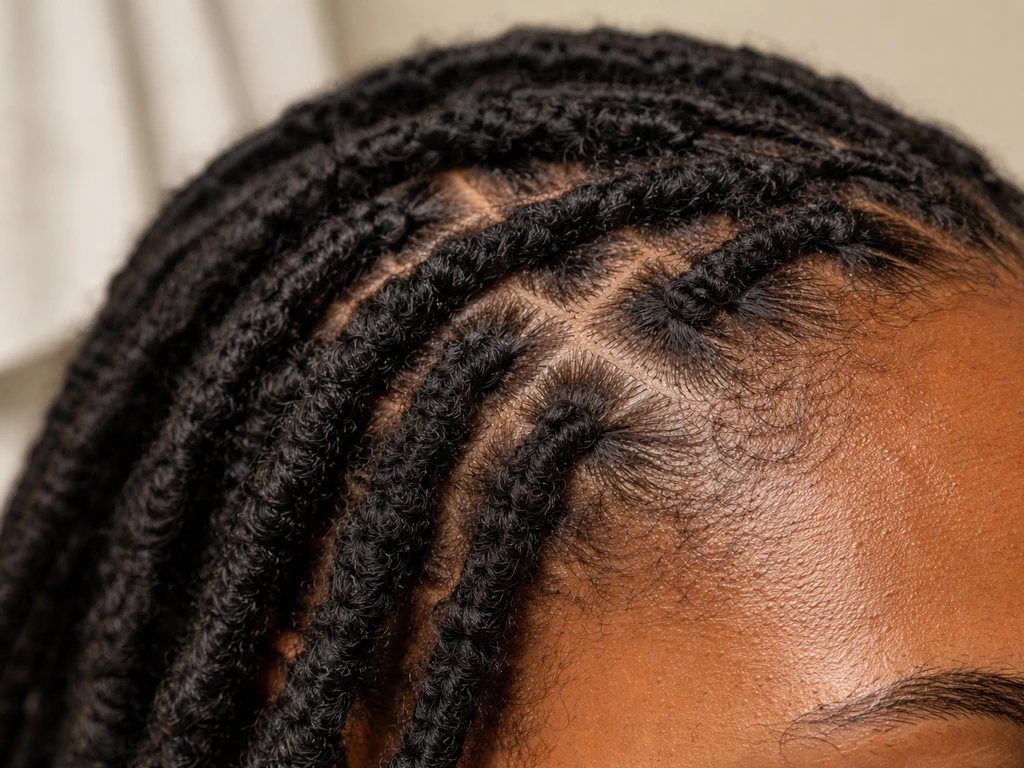
Yes, instant locs grow. Your scalp keeps producing new hair at roughly half an inch per month regardless of how your locs were installed. What actually changes, though, is more nuanced than just "getting longer." You'll see new growth appear at your roots, your locs gradually compact and settle into tighter, more defined sections, and over months the overall structure thickens and matures. Whether that biological growth translates into visible length depends almost entirely on how well you retain what's already there.
Do Instant Locs Grow? What to Expect and How to Maximize Retention

Simone Okonkwo
25 Jun 2026
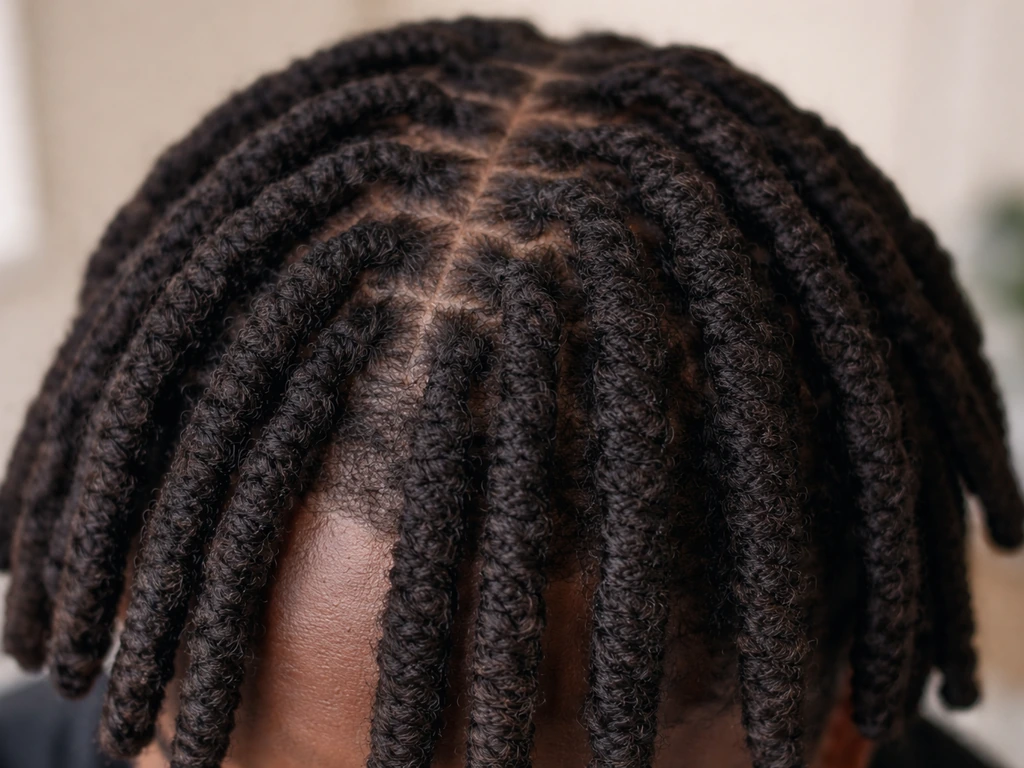
What instant locs actually are (and what "growth" really means)
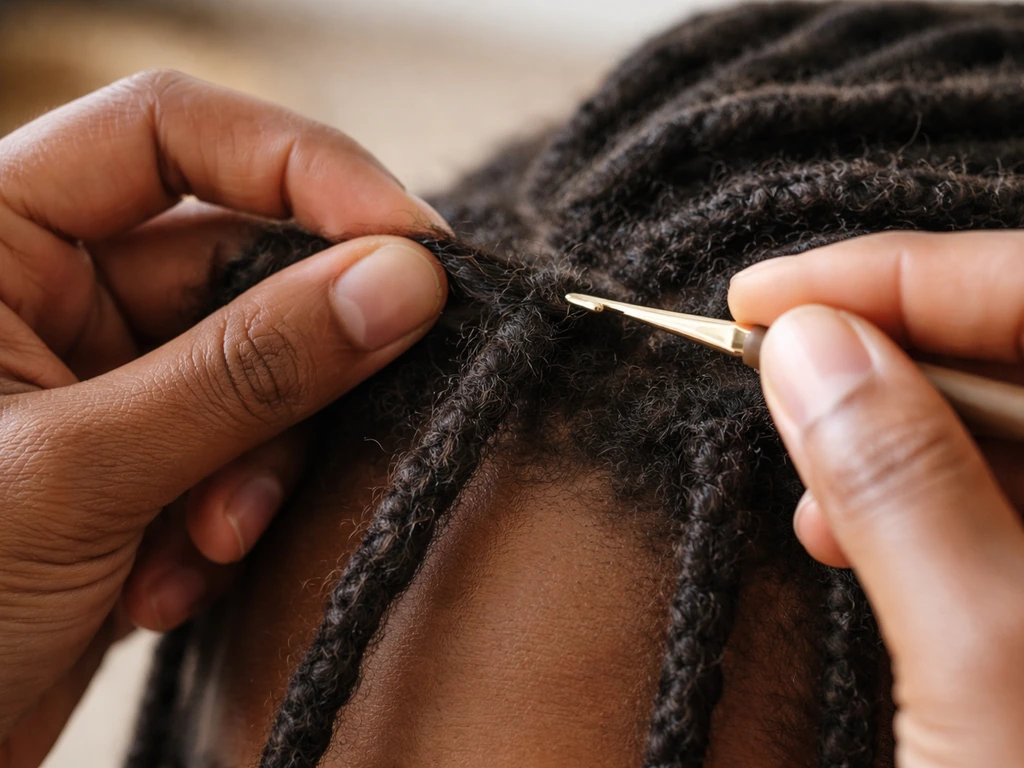
Instant locs are created using a crochet hook to manually interlock and mat sections of hair so they look like established locs right away after installation. Unlike traditional starter locs that need months of coiling and patience before they start resembling locs, instant locs give you that visual immediately. But here's the thing: "instant" only refers to the look. The locking process, the settling, the maturation, all of that still has to happen over time.
When people ask whether instant locs grow, they're usually asking one of three different questions at once. First: does hair actually grow from the scalp after installation? Yes, always. Second: will the locs themselves get longer and hang further down? That depends on retention. Third: will the locs change in texture and thickness over time? Absolutely, and this part is often underappreciated. Thicker locs often look fuller faster when you focus on retention and minimize breakage during maintenance. Understanding the difference between these three things will save you a lot of frustration when you're three months into your locs and wondering why they don't look dramatically longer.
What actually changes over time with instant locs
New growth at the scalp is the most concrete change. To speed up sisterlocks progress, focus on consistent retightening, scalp health, and minimizing tension so your new root growth can stay incorporated. Your follicles are cycling through blank" rel="noopener noreferrer">anagen (active growth), catagen (transition), and telogen (rest/shed) phases continuously, and none of that stops because you have locs. The scalp produces roughly 0.35 mm of new hair per day, which is about half an inch per month or up to six inches per year. That new growth appears as soft, unlocked hair at the root of each loc section, and it needs to be incorporated through retightening or interlocking over time.
The trickier part is loc length versus visible hanging length. Hair inside a loc doesn't travel in a straight line from root to tip. It zigzags, coils, and routes through the loc structure horizontally. That means even when your scalp is actively producing new growth, a meaningful portion of that length gets "consumed" by the loc's internal routing rather than adding to how far your locs hang.
This is why experienced loc wearers often say their locs seem to grow slowly at first. Because of this internal routing and settling, locs can look like they are getting smaller as they grow, especially in the early months locs get smaller as they grow. The growth is happening. It just isn't all converting to visible length.
Beyond length, you'll notice your instant locs settling, compacting, and strengthening over the first several months. The crochet-installed sections were manually matted together, so they start somewhat stiff and structured. Over time they soften slightly, tighten further, and begin behaving more like naturally formed locs. This maturation process is real and significant. Some people panic when their instant locs feel looser or look slightly different after a few weeks of washing. That's not failure, that's the loc beginning its natural settling journey.
What affects how well your locs grow and retain length
Tension at installation and during maintenance
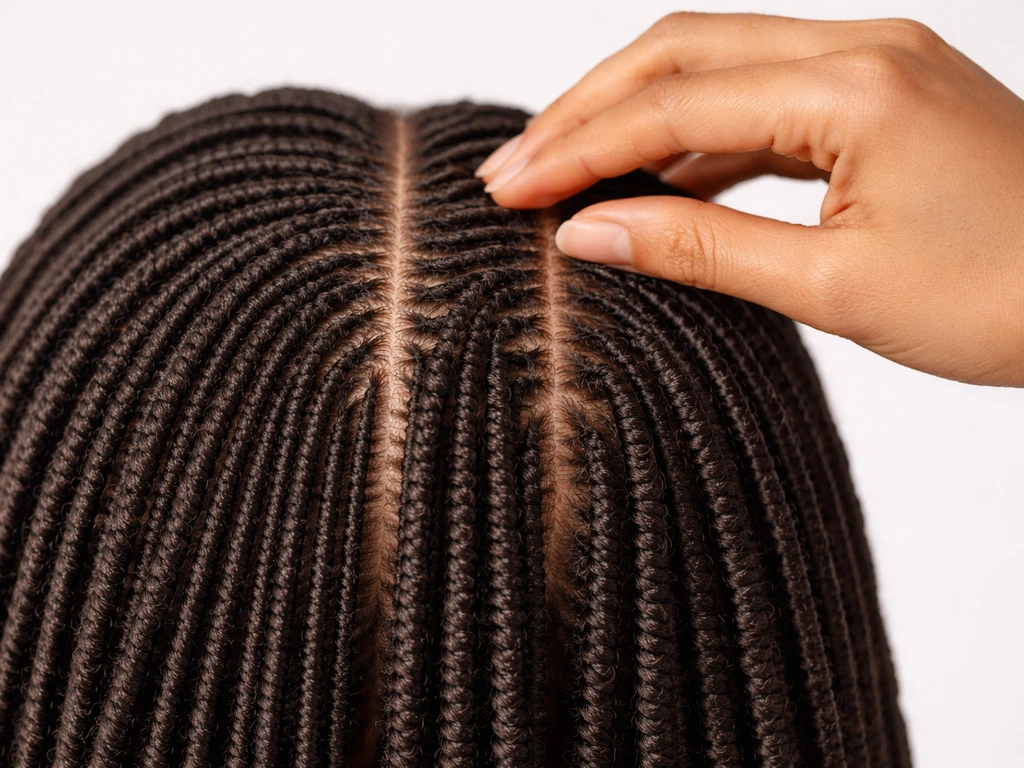
The tension applied during installation is one of the most important factors for long-term growth and retention. If your instant locs were installed too tightly, the repeated pulling at the roots puts stress on the follicles and can lead to traction alopecia. The American Academy of Dermatology is direct about this: tight hairstyles that create sustained tension at the hairline and roots can cause hair loss, and in chronic cases that loss can become permanent. Watch for early warning signs like scalp soreness, tiny pimples along the hairline, or hair that breaks off close to the root.
Loc size and section sizing
Loc diameter matters more than most people expect. Very thin locs (like microlocs or Sisterlocks-style sections) are more prone to breakage under manipulation, but they also tend to show length faster because less hair is routing sideways inside a thick coil. Thicker locs, on the other hand, can take longer to show length because more of the hair's growth gets absorbed into the loc's bulk. Neither is better, but knowing this helps you set realistic expectations for your specific install.
Scalp health
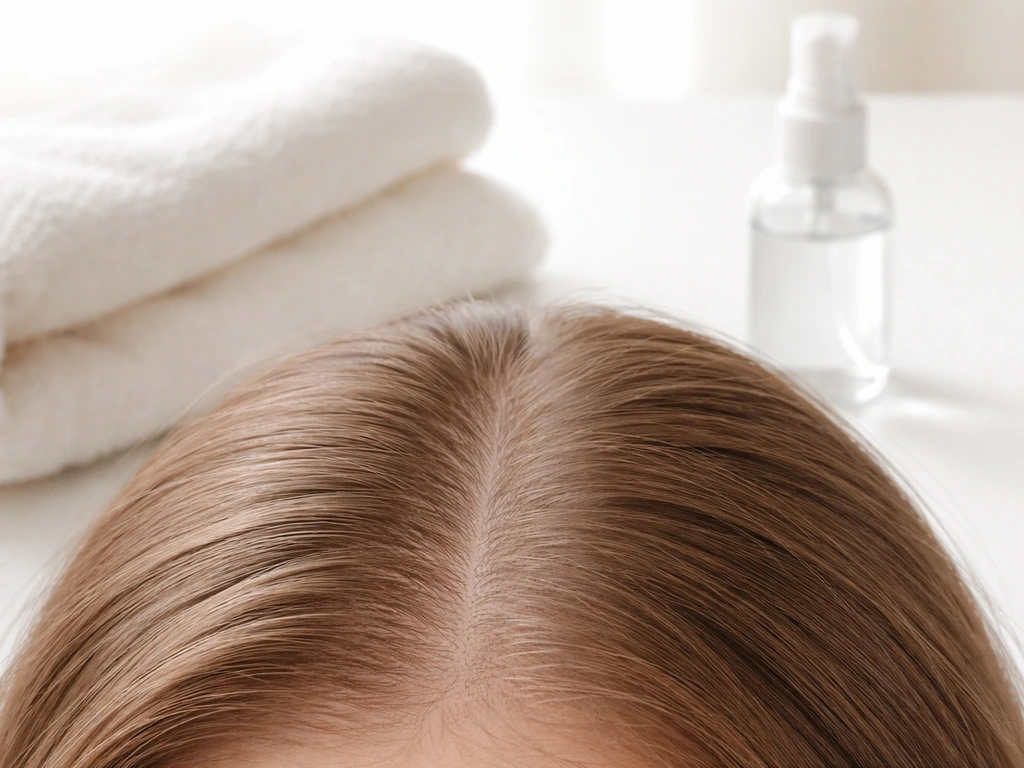
A healthy scalp is a growing scalp. Inflammation, buildup, and chronic dryness all create conditions where follicles are under stress and less productive. Washing regularly keeps bacteria and yeast levels in check, reducing the likelihood of dandruff and scalp inflammation that can slow growth and cause itching. Dehydrated scalp skin also produces less of the sebum that lubricates the hair shaft and helps reduce breakage. If your scalp is constantly dry, flaky, or irritated, your growth rate and retention will both suffer.
Common reasons people don't see the growth they expect
- Breakage at the roots or mid-shaft from over-manipulation or excessive tension during retightening
- Product buildup inside the loc that traps debris, causes odor, and creates a barrier that prevents moisture from reaching the hair shaft
- Chronic dryness that makes the hair brittle and prone to snapping, especially at the ends
- Retwisting too frequently (more often than every 4 weeks) which puts repeated stress on the same root section and can thin the loc base over time
- Washing too infrequently, allowing buildup and scalp inflammation to build up and compromise follicle health
- Heavy creamy conditioners or butters applied inside the loc, which layer over time and create the kind of buildup that's difficult to rinse out
- Shedding that's mistaken for breakage: some daily hair loss (50 to 100 strands) is completely normal as follicles move through their growth cycle, and loc wearers often see this accumulate rather than lose individual strands
The biggest myth worth squashing here: instant locs do not automatically stop breakage or guarantee length retention. They're a protective style in the sense that the ends are tucked in and you're not detangling daily, which reduces some forms of mechanical damage. But if you're not maintaining the scalp, controlling buildup, and managing tension, you can absolutely break off just as much hair as you're growing, and that's why some people feel like their locs aren't growing at all.
How to wash, dry, and retighten for actual retention
Washing
Aim to wash your instant locs every one to two weeks, adjusting based on your scalp's response. An active lifestyle or naturally oily scalp may need weekly washing. The key is to avoid letting buildup accumulate, which means using a residue-free or clarifying shampoo diluted in water so it can penetrate between loc sections. Focus your scrubbing on the scalp, not the loc body, and rinse thoroughly.
Leftover shampoo is one of the top sources of loc buildup. If you feel a filmy or waxy residue after rinsing, rinse again. Skip heavy creamy conditioners inside the locs entirely. A light water-based leave-in spray is fine for the scalp and ends, but anything thick or buttery will layer inside the loc over time and create problems.
Drying
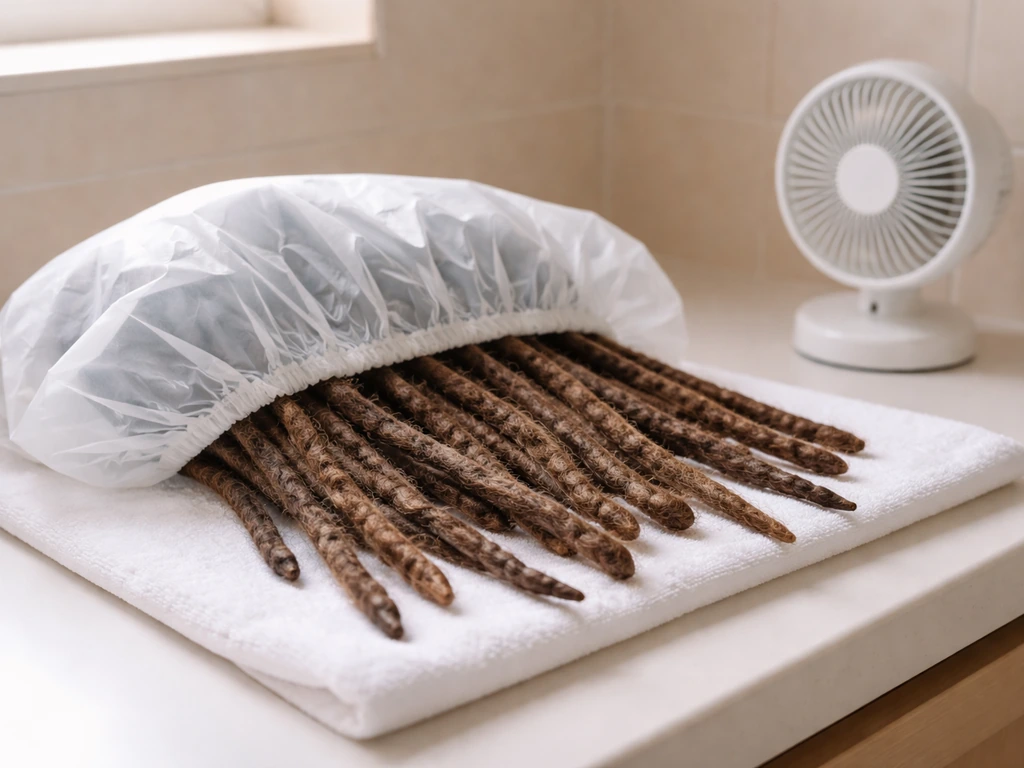
Drying is where a lot of loc wearers unknowingly set themselves up for problems. Locs hold moisture for a long time, and if the interior stays wet for hours, you're creating the right environment for mildew and odor. After washing, gently squeeze excess water out without twisting or wringing the locs. Then either sit under a hooded dryer for 30 to 45 minutes or use a diffuser attachment on low heat to speed up drying before air drying the rest of the way. Don't go to sleep with wet locs, and don't wrap damp locs in a tight cloth that prevents air circulation.
Retightening and maintenance intervals
For new instant locs, the first retightening typically makes sense around two to four weeks after installation, when new growth at the root starts becoming noticeable. After that, a consistent four to six week interval is widely recommended and aligns with how fast the scalp produces enough new growth to warrant manipulation.
If you are wondering whether freeform locs grow faster, the answer is still mainly about your scalp growth rate and consistent maintenance rather than the loc pattern itself how fast the scalp produces enough new growth. If you're retightening more frequently than every four weeks, you're repeatedly stressing the same root tissue before it's had time to recover, which is a direct pathway to thinning and breakage.
Mature locs, once they've fully settled (which can take six months to over a year depending on the method), can often stretch to six to eight weeks or longer between retightening sessions.
| Maintenance Task | Recommended Interval | Key Watch-Out |
|---|---|---|
| Washing | Every 1–2 weeks | Incomplete rinsing causes buildup |
| Scalp moisturizing | 2–3 times per week | Avoid heavy products inside the loc |
| Retightening (starter locs) | Every 2–4 weeks | Too frequent causes root thinning |
| Retightening (mature locs) | Every 4–8 weeks | Over-manipulation thins the base |
| Clarifying wash | Monthly or as needed | Use sparingly to avoid over-stripping |
Daily and weekly habits that actually protect your growth
The night routine is probably the most overlooked retention tool. Sleeping on a cotton pillowcase pulls moisture out of the hair and creates friction that can fray the surface of your locs and weaken ends over time. Switch to a satin or silk pillowcase, or wear a satin bonnet at night. Either option reduces friction and helps your hair retain the moisture you put in during the day. This sounds small, but over weeks and months it's a meaningful difference.
- Wear a satin bonnet or use a satin pillowcase every night to reduce friction and moisture loss while you sleep
- Mist the scalp lightly with water or a light water-based moisturizer two to three times per week, focusing on the scalp rather than coating the loc body
- Keep your hands out of your locs between maintenance sessions. Constant touching disrupts the settling process and introduces oils and bacteria from your fingers
- Protect your edges during retightening by making sure whoever is working on your locs is not pulling the hairline sections too tightly. The edges are the most vulnerable area for traction alopecia
- Avoid styles that stack tension on top of your locs, like very tight updos or high ponytails that pull on already-manipulated root sections
- Check your scalp weekly for signs of irritation: redness, flaking, tenderness, or small pimples along the hairline are early signals that something needs to change before it becomes a bigger problem
- Stay hydrated and eat enough protein. Hair is made of keratin, and a diet consistently low in protein or calories can shift more follicles into the resting phase, reducing active growth
The locs themselves do not make your hair grow faster. What they do, when maintained well, is reduce daily mechanical damage and keep the ends protected so that the growth your follicles are already producing has a better chance of staying on your head. That's the real value of any protective style, including instant locs. It's about retention, not acceleration.
If you're also curious about how growth compares across different loc methods, the dynamics for freeform locs and Sisterlocks involve similar biology but different maintenance rhythms that affect what you'll see at each stage of maturation. If you want to understand how do locs grow over time, focus on retention, visible hanging length, and consistent retightening rather than expecting instant length gains how growth compares across different loc methods.
Bottom line: your hair is growing right now. The question is whether your routine is keeping that growth intact or unknowingly undoing it. Nail the washing frequency, give the retightening intervals enough time, protect your scalp from chronic tension, and stay consistent with nightly protection. To make starter locs grow faster in practice, focus on retention: protect against breakage, keep your scalp healthy, and follow a consistent retightening routine retightening intervals. Do those things and you'll see your instant locs genuinely lengthen, thicken, and mature over time.
FAQ
How long after getting instant locs will I actually notice real growth?
Most people first notice new growth as fuzzy, softer hair at the root within about 2 to 4 weeks, and then as the locs tighten and settle over the next few months. If you see no root fuzz at all by your next scheduled retightening, the issue is usually product buildup, inadequate retightening, or breakage rather than slowed follicle growth.
Do instant locs grow faster than traditional locs?
They usually do not grow faster. Your scalp growth rate is the same, roughly half an inch per month, but instant locs can look fuller earlier because they start with a more established look. What changes over time is how well you retain length and how quickly the loc settles and compacts.
Why do my instant locs feel thinner or look smaller even though they’re growing?
In the early months, locs commonly compact as the hair inside routes and tightens, so visible diameter can shrink even while length is slowly increasing. If you also have visible thinning at the root or scalp tenderness, that can be traction stress, not normal settling.
Can my instant locs not grow because I’m washing too often or too little?
Too little washing can leave buildup that increases breakage and scalp inflammation, reducing retention. Too much can also be a problem if your scalp gets stripped and stays dry. A practical guide is every 1 to 2 weeks, then adjust based on oiliness, itch, and how quickly your scalp flakes or gets residue.
What’s the best way to tell if it’s breakage versus slow visible length gain?
Check the ends and the root. If you see short, frayed pieces shedding from the ends or lots of broken hairs that are similar length, that’s breakage. If hair consistently appears at the root as new growth and then the loc just doesn’t hang longer yet, that’s usually retention plus settling and internal routing.
How often should I retighten to help locs grow without stressing my scalp?
A common starting rhythm is retightening around 2 to 4 weeks after installation, then every 4 to 6 weeks for most people. If you must retighten earlier, reassess tension, section size, and whether your locs are taking too long to dry after washing, since both can increase root stress and breakage.
Does retightening make locs longer?
Retightening helps incorporate new root growth and improves overall stability, but it usually does not create new length by itself. If you want to see hanging length, you still need retention, especially minimizing breakage and preventing buildup, and allowing your locs to fully mature.
Can I use conditioner or deep conditioner on my instant locs?
Avoid heavy, creamy products inside the locs because they can layer up and cause residue over time. If you use any conditioning product, keep it focused on the scalp and only use light, water-based options on the ends, then rinse thoroughly and ensure locs dry completely.
What should I do if I notice scalp soreness or small bumps along the hairline?
Stop treating it as “normal tightness.” Soreness and pimples can be signs of traction stress, irritation, or clogged follicles. Loosen the maintenance schedule and have your loctician check the tension. If symptoms persist, it’s worth seeing a dermatologist to rule out infection or folliculitis.
Is it okay to sleep with locs wrapped in a towel or tight bonnet every night?
A tight wrap that stays damp can trap moisture and increase odor or mildew risk. If you use a bonnet, make sure locs are fully dry before bed, and choose satin or silk options that reduce friction without compressing the hair while it’s still wet.
Do smaller sections or microlocs change how much length you see?
Yes. Smaller or thinner locs often show visible changes faster because less hair is “routing” sideways inside a thick coil, but they also tend to be more breakage-prone under frequent manipulation. If you have very thin locs, prioritize gentler handling and longer drying times to protect against snapping.
My locs are dry and breaking near the roots, what’s the first thing to adjust?
First review tension and drying. Excess tension at installation and repeated early retightening can damage roots, and inadequate drying can worsen scalp conditions that lead to breakage. Also avoid product buildup, since residue can make hair feel dry and rough even if you’ve been moisturizing.
Next Article
How to Make Starter Locs Grow Faster Step-by-Step
Step-by-step tips to speed starter loc growth: reduce breakage, balance moisture, avoid buildup, and manage scalp health