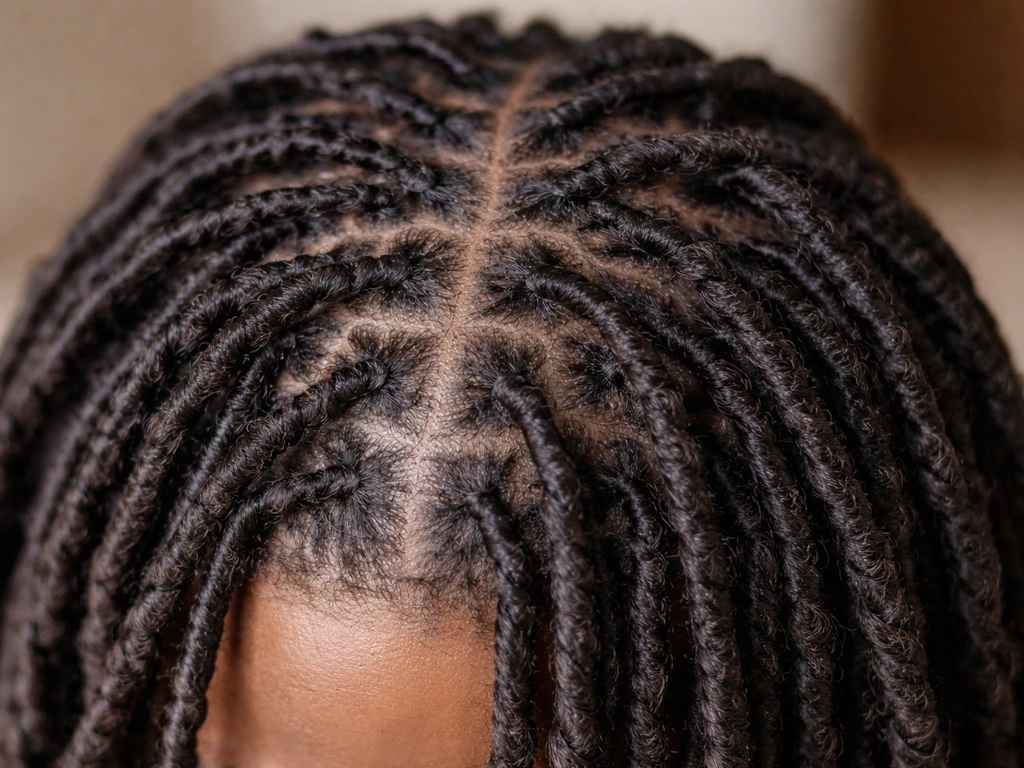
Your starter locs are growing right now, at roughly the same rate they always have: about half an inch per month on average. Sisterlocks can help you keep a steady loc structure, but the rate you notice length still depends mostly on retention and breakage control does sisterlocks grow your hair. What you can actually change is how much of that growth you keep.
How to Make Starter Locs Grow Faster Step-by-Step

Simone Okonkwo
6 Jun 2026
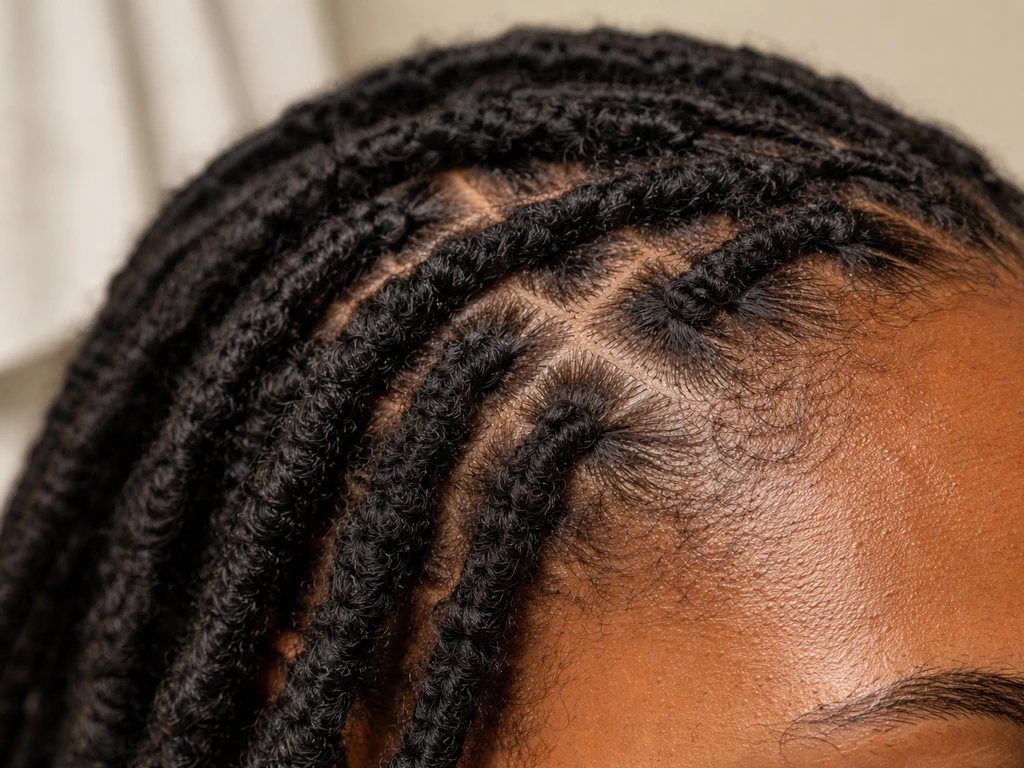
If you want the practical steps behind how do locs grow, focus on length retention, not changing your hair’s natural growth rate. Most people who feel like their locs are "not growing" are losing length to breakage, shrinkage, or dryness faster than it can accumulate. Fix those things and your locs will visibly progress. That's what this guide is about.
The starter loc timeline and what 'faster growth' really means
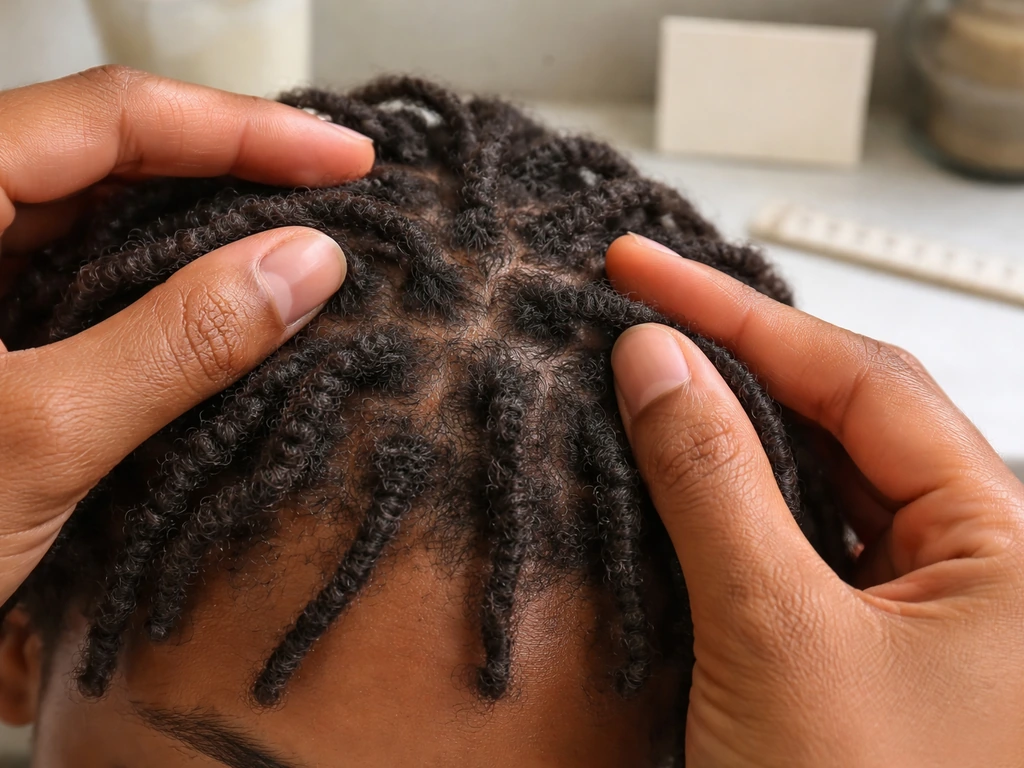
Hair grows at a biological rate of blank" rel="noopener noreferrer">roughly 1 cm (about half an inch) per month. Locs don't change that number. What locs do is change how visible your growth is, and during the starter phase, they often make growth seem slower than it is because of shrinkage. As your hair coils and compacts inside the forming loc, new length gets eaten up by that compression. This is normal and temporary.
Here's a rough timeline for reference: the starter phase typically runs from the first installation through about the first 6 months. During this window your locs are budding and starting to mat internally. They'll look shorter than the loose hair you started with, and they can feel fragile. The "teenage" phase follows, usually between months 6 and 18, where locs become frizzier and less defined before they start to tighten. Mature locs generally arrive somewhere between 18 months and 3 years, depending on hair texture and care.
When someone asks how to make starter locs grow faster, what they almost always mean is: how do I stop losing progress? The answer is length retention, not biology hacking. Protect what's growing, keep your scalp healthy, and avoid the habits that cause breakage and stalling. That's the whole game.
Build the right foundation before and during installation
The choices you make at installation set the conditions for everything that follows. Hair texture matters here. Tighter curl patterns (4B and 4C) tend to lock faster because the coils interlock naturally, but they're also more prone to dryness, which becomes a retention problem quickly. Looser textures (3C to 4A) may take longer to bud but often experience less shrinkage.
Locking method affects your trajectory too. Two-strand twists tend to lock more slowly but are gentler on the hairline. Comb coils and interlocking methods lock faster but can create tension points if not done carefully. Freeform locs avoid some installation stress altogether, though the early phase is less predictable in terms of size and shape.
At installation, a few things will directly protect your future length. First, make sure your sections are even and not too small at the root, because thin bases can taper and thin over time. Second, avoid starting locs on hair that is heavily product-laden or not fully cleansed. Build-up trapped inside a forming loc is a headache later. Third, and this is a big one: installation tension at the edges should be minimal. Tight installs feel "neat" but they put mechanical stress on hair follicles right from day one.
Moisture and scalp health are doing the heavy lifting

This is probably where most starter loc journeys go sideways. Textured hair is structurally more prone to dryness because the natural oils produced at the scalp have a harder time traveling down a coiled shaft. Locs compound this because the coiled and matted structure traps moisture unevenly. Dry hair is brittle hair, and brittle hair breaks off instead of retaining length.
The scalp side of the equation is just as important. A healthy scalp is one that is clean enough to support good follicle function but not stripped to the point of irritation. Skipping washes to "protect" your locs is a common mistake. The buildup of sweat, dead skin cells, and product residue that accumulates on an unwashed scalp creates an environment that can trigger itching, inflammation, and flaking.
The CDC's guidance on scalp hygiene) makes this clear: infrequent washing contributes to residue accumulation and scalp discomfort. If you shower less frequently, dead skin, dirt, product residue, and sweat can build up on the scalp, which CDC notes can contribute to scalp discomfort and conditions and affect how clean the scalp environment feels while you are growing locs [CDC notes that infrequent washing contributes to residue accumulation and scalp discomfort](https://www. cdc. gov/hygiene/about/hair-and-scalp-hygiene.
html). That inflammation is not helping your hair grow.
If you're dealing with persistent itching, flaking, or an irritated scalp, don't just push through it. Seborrheic dermatitis is a common and treatable scalp condition that shows up as itchy, scaly patches. The American Academy of Dermatology notes that mild-to-moderate cases respond well to dandruff shampoos containing zinc pyrithione, ketoconazole, or selenium sulfide. Using a targeted shampoo every week or two (diluted in a squeeze bottle applied directly to the scalp between your locs) can calm things down without disrupting your forming locs. Unmanaged scalp inflammation is a real growth staller.
How often should you wash starter locs?
Once every 1 to 2 weeks is a reasonable starting point for most people. In the very first few weeks post-installation, some people wait 2 to 4 weeks to let the locs begin budding, but there's no universal rule here and scalp health matters more than a fixed number. When you do wash, use a residue-free or clarifying shampoo, dilute it, apply it directly to the scalp, and squeeze (don't scrub aggressively) through the locs. Rinse thoroughly. Trapped shampoo is its own form of buildup.
Your product routine: seal moisture in, keep buildup out
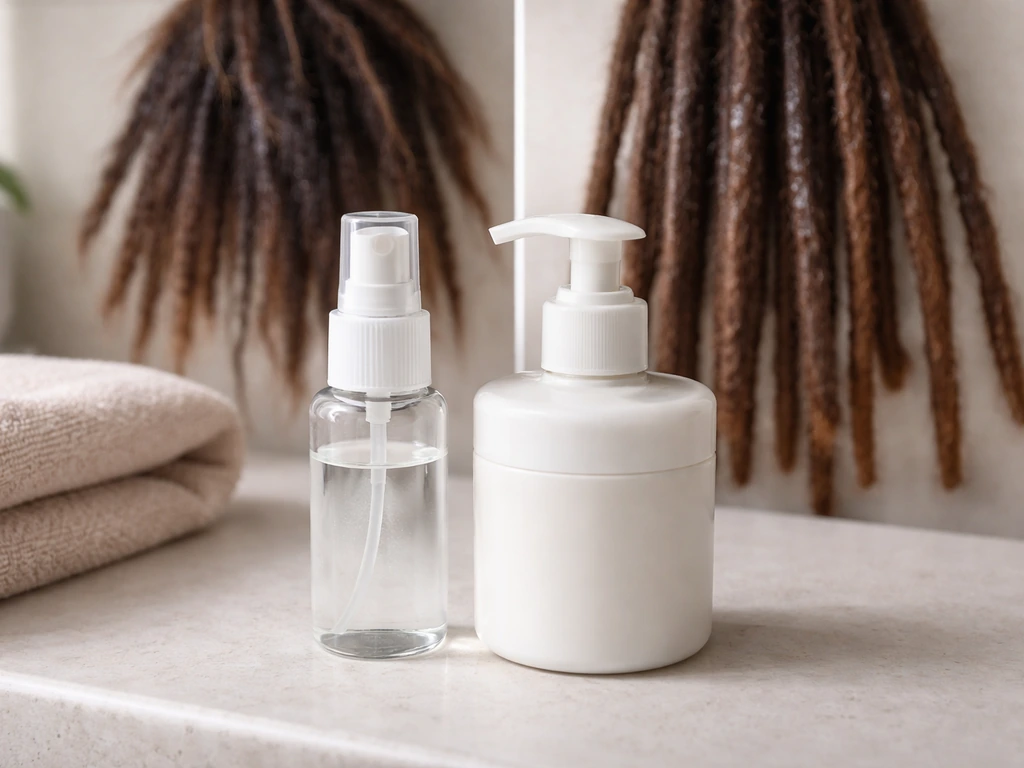
Product choice during the starter phase is a balancing act. Your hair needs moisture and your scalp needs some lubrication, but heavy products will lock grime inside forming locs and create buildup that is very hard to remove. The goal is lightweight and water-soluble where possible.
A basic product routine that works: start with a light water-based leave-in conditioner applied to damp locs after washing. Something with a thin consistency, not a thick cream, because thick creams sit on the outside of the loc and accumulate. Follow that with a lightweight oil, like jojoba, argan, or sweet almond oil, to seal. These oils are light enough to absorb without leaving a heavy coating. Apply mostly to the length, not piled on the scalp.
Between washes, a light mist of water or aloe vera juice is enough to refresh moisture without adding product. If your scalp needs a little extra, a few drops of oil massaged gently at the roots stimulates circulation and conditions the scalp, but keep it minimal.
What to avoid: waxes, heavy butters, and thick gel formulas during the starter phase. They feel great in the moment but they accumulate inside the loc structure, attract dirt, and are notoriously hard to wash out. This buildup dulls your locs, can make them smell, and creates a host of problems down the road. If a stylist recommends wax for your locs, I'd push back on that, especially in the first year.
| Product Type | Good for Starter Locs? | Why |
|---|---|---|
| Water-based leave-in (thin formula) | Yes | Lightweight moisture that absorbs; residue-free |
| Lightweight oils (jojoba, argan, sweet almond) | Yes | Seals moisture without coating or buildup |
| Aloe vera juice/mist | Yes | Refreshes moisture between washes; very clean |
| Thick hair butters (shea, mango) | Use sparingly, if at all | High risk of buildup inside forming locs |
| Waxes | No | Extremely hard to remove; traps debris inside locs |
| Heavy gels | No | Flaking and buildup; stiffens locs unnaturally |
Styling and maintenance: less tension, more retention
How you maintain and style your starter locs has a direct impact on how much length you keep. The biggest culprit for stalled growth is mechanical damage: breakage from tension, over-manipulation, and aggressive retightening.
Retightening: how often and how carefully
For most people, retightening every 4 to 6 weeks is the sweet spot during the starter phase. Going more frequently than that keeps the scalp in a near-constant state of tension stress. Going too infrequently lets the new growth tangle in a way that can cause locs to combine or weaken at the roots. When you do retwist or interlock, the tension should feel snug but never tight or painful. If your scalp is tender for more than a day or two after retightening, that's too much.
The edges deserve special attention. The hairline is the most fragile zone on any head, and during the loc journey it's common to see thinning here because it gets tight-styled more often. Keep the edges as low-tension as possible and avoid pulling them back into styles that put stress on that perimeter.
Protective styling and everyday handling
Loose styles are fine during the starter phase and actually helpful because they keep manipulation low. You don't need to be doing elaborate styles every week. A simple low puff, loose bun, or just letting them hang is protective enough. At night, wrap your locs in a satin or silk scarf or use a satin-lined bonnet. Cotton pillowcases absorb moisture from your hair overnight and cause friction that leads to breakage and frizz over time.
Try not to pick at frizz or loose roots between retightening sessions. Starter locs will have flyaways and unraveling sections. This is part of the process, not a problem to constantly fix. Every time you twist and pin those loose sections back, you're adding manipulation. Let them be.
Growth optimization checklist
Use this as your ongoing reference. These are the habits that consistently make the biggest difference in how much length starter locs retain over time.
- Wash your scalp every 1 to 2 weeks with a residue-free or clarifying shampoo, diluted and applied directly to the scalp.
- Moisturize after every wash with a lightweight water-based leave-in, followed by a sealing oil.
- Mist locs with water or aloe vera between washes when they feel dry, especially at the length.
- Retighten every 4 to 6 weeks, not more frequently, and keep tension gentle, especially at the edges.
- Sleep with a satin or silk scarf or bonnet every night to reduce friction and moisture loss.
- Do a scalp oil massage 1 to 2 times per week to stimulate circulation, using only a few drops of lightweight oil.
- Use a targeted dandruff shampoo (zinc pyrithione or ketoconazole) if you have persistent itching or flaking.
- Avoid waxes, heavy butters, and thick gels on forming locs.
- Minimize heat use: diffuse on low if needed, but air-dry whenever possible.
- Eat enough protein and stay hydrated. Hair is made of keratin, and nutrition gaps show up in hair quality and growth rate over time.
- Don't retwist or interlock more than once a month during the starter phase.
- Don't use wax at any stage of the loc journey if you want clean, buildup-free growth.
- Don't skip washes to "protect" new growth. Scalp hygiene matters more than keeping locs dry.
- Don't wear styles that pull tight on the hairline or edges.
- Don't pick at loose hairs and frizz between maintenance appointments.
When to expect results and how to troubleshoot stalls
If you started your locs today and followed this routine consistently, you'd realistically expect to see clear visible length progress around the 3 to 6 month mark, even accounting for shrinkage. If you want to know whether they do instant locs grow, it helps to focus on retention since visible progress often takes a few months to show despite normal hair growth. By month 6 to 12, most people with a solid retention routine notice that their locs are sitting noticeably longer and feel more substantial. The teenage phase (roughly 6 to 18 months) can feel discouraging because locs get frizzy and less defined, but that's maturation, not stalling.
If you're past the 6-month mark and genuinely cannot see growth, here's how to troubleshoot the most common culprits.
Breakage at the tips or along the length
This usually comes from dryness. If your locs feel rough, look dull, or you're finding short broken pieces around your collar and pillow, ramp up moisture. Add a mid-week water mist, make sure you're sealing with oil after every wash, and check that you're not heat-styling too often.
Thinning at the roots
Tension is usually the cause. Over-retightening, tight styles, and sleeping without a protective covering all stress the root. Give the hairline a full break from styled tension for at least 4 to 6 weeks. If you see traction alopecia developing (small bald patches near the hairline), see a dermatologist sooner rather than later.
Product buildup making locs look dull and feel heavy
A clarifying wash or an apple cider vinegar rinse (diluted, about 1 part ACV to 4 parts water) can help pull residue out of locs. Do this once a month if needed. After clarifying, follow immediately with moisture because these washes strip everything out.
Scalp inflammation or persistent itch
Don't ignore this one. Inflammation at the follicle level is not compatible with optimal growth. If regular washing doesn't resolve the itch, try a medicated dandruff shampoo for a few weeks. If things don't improve or you notice significant irritation, scaling, or hair shedding, see a dermatologist. An unhealthy scalp is the foundation problem that makes every other effort less effective.
Locs combining or thinning at the base
This is common if retightening is too infrequent or if sections were not clearly defined at installation. Keep sections separated during washing by gently pulling them apart while still damp. If locs have already started to combine at the base, a professional loc specialist can often separate them if caught early.
One final thing worth saying: the loc journey rewards patience more than any other style. If you're comparing your starter locs to someone's mature, thick, long locs online, you're comparing different stages. The people with beautiful grown-out locs you're admiring were also sitting at month 4 wondering if anything was happening. Consistent care compounds over time. Start the routine today, stay consistent, and the length will follow.
FAQ
How can I tell if my starter locs are actually growing or just shrinking?
Track a single “reference” loc for 6 to 8 weeks, measure from the same spot (for example, the top of the loc at the root) to a consistent endpoint, and compare the distance over time. If the measurement increases but the visible length looks flat, shrinkage is likely the reason. If both measurements and feel (less roughness, more fullness) are unchanged, focus on retention issues like dryness, buildup, and tension.
Will stretching my locs with clips, bands, or towel-drying make them grow faster?
No, stretching gadgets usually increase mechanical stress and can trigger breakage at the base, especially in the first 6 months. Instead, use gentle drying (pat or squeeze with a towel) and let locs coil and mature. If you want a visual “length boost,” prioritize moisture, sealing after washes, and low-tension maintenance rather than forcing stretch.
How long should my first wash be after installation?
Most people benefit from waiting until the locs have had time to settle, then starting a consistent schedule (often every 1 to 2 weeks). If your scalp is itchy, very oily, or you have product buildup, waiting longer can worsen residue. When in doubt, start with the lightest scalp-focused approach (diluted shampoo to the scalp, rinse thoroughly) rather than skipping weeks.
Can I use heavy oils or butters if my locs feel dry?
Heavy oils and butters can worsen buildup inside maturing locs, which can make dryness feel worse over time. A better approach is thin, water-soluble leave-in on damp hair, then a light oil to seal on the lengths (not a thick layer on the scalp). If you do use a thicker product occasionally, clarify afterward to prevent residue buildup.
What if my locs smell bad even though I’m washing regularly?
Often the issue is trapped product or inadequate rinsing. Make sure you rinse long enough that water runs clear, apply shampoo primarily to the scalp, and avoid layering thick creams or waxes between washes. If the smell persists, do a clarifying wash once (then return to a lighter routine) and check whether your retwist method is trapping moisture at the roots.
How often should I retwist if I’m trying to maximize length retention?
Use your scalp as the guide, not the calendar. If your scalp feels tender beyond a day or two, you are likely going too frequently or the tension is too high. Many people land around every 4 to 6 weeks in the starter phase, but if your locs lock quickly or your hairline is fragile, spacing alone may not be enough, tension has to be reduced too.
Should I separate budding locs during washing to prevent loc combining?
Yes, if your sections are starting to merge at the base. While damp, gently pull sections apart so they wash and dry as distinct units, then keep styling low-tension afterward. If sections have already combined and formed a firm base, a professional can sometimes separate them early without causing as much breakage as DIY attempts.
Can I use heat on my starter locs to speed up the process?
Heat is usually a retention risk in the starter phase. Blow-drying, flat ironing, or frequent heated drying can make locs drier and more brittle, increasing breakage. If you must speed drying, use low heat on a dryer setting with careful distance and make sure the locs are fully dry to prevent mildew and odor.
What symptoms mean I should stop troubleshooting and see a dermatologist?
If you have persistent itching, thick scales, painful redness, significant shedding, or irritation that does not improve after a few weeks of appropriate anti-dandruff treatment, get evaluated. Also see a dermatologist sooner if you suspect traction-related thinning at the hairline, small bald patches, or inflamed follicles, because that can directly affect retention.
Is apple cider vinegar rinse safe for starter locs?
It can help with residue when diluted properly, but it should not replace shampoo and it can irritate sensitive scalps if overused. Use a diluted mix and do it sparingly (for example, around monthly if needed), then immediately follow with moisture so the hair is not left feeling stripped and brittle.
Why do my locs look thinner at the roots even when I’m not losing hair?
During the starter phase, some thinning look can be shrinkage and the loc “budding” pattern, but true thinning near the hairline is often tension related. Check whether installs or retwists are too tight, watch your edges for tenderness, and avoid styles that pull the perimeter. If thinning progresses or you notice scalp pain, consult a professional and consider a dermatology evaluation for traction or dermatitis.
Next Article
How Do Locs Grow: Mechanics, Myths, and Growth Tips
Learn how locs grow from scalp growth, plus routines to reduce breakage, build-up, and shrinkage through each loc stage.