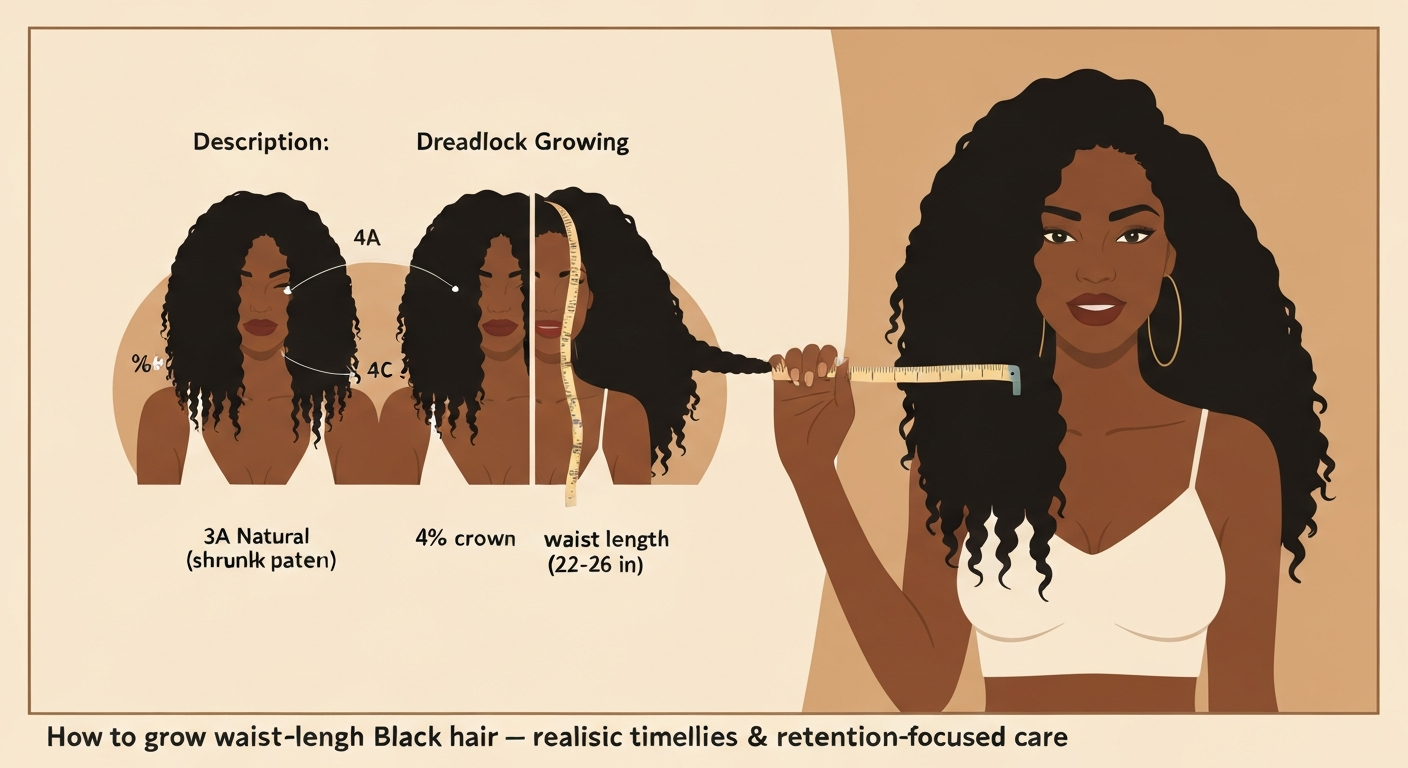
Growing thick locs comes down to three things working together: starting with enough density (the number of locs on your head), keeping your scalp healthy so hair actually grows, and retaining that growth instead of losing it to breakage or thinning. No single product or technique does all three on its own, but when you get the fundamentals right, locs genuinely do build thickness over time.
How to Grow Thick Locs: Density, Retention, and Maintenance

Simone Okonkwo
2 Jun 2026
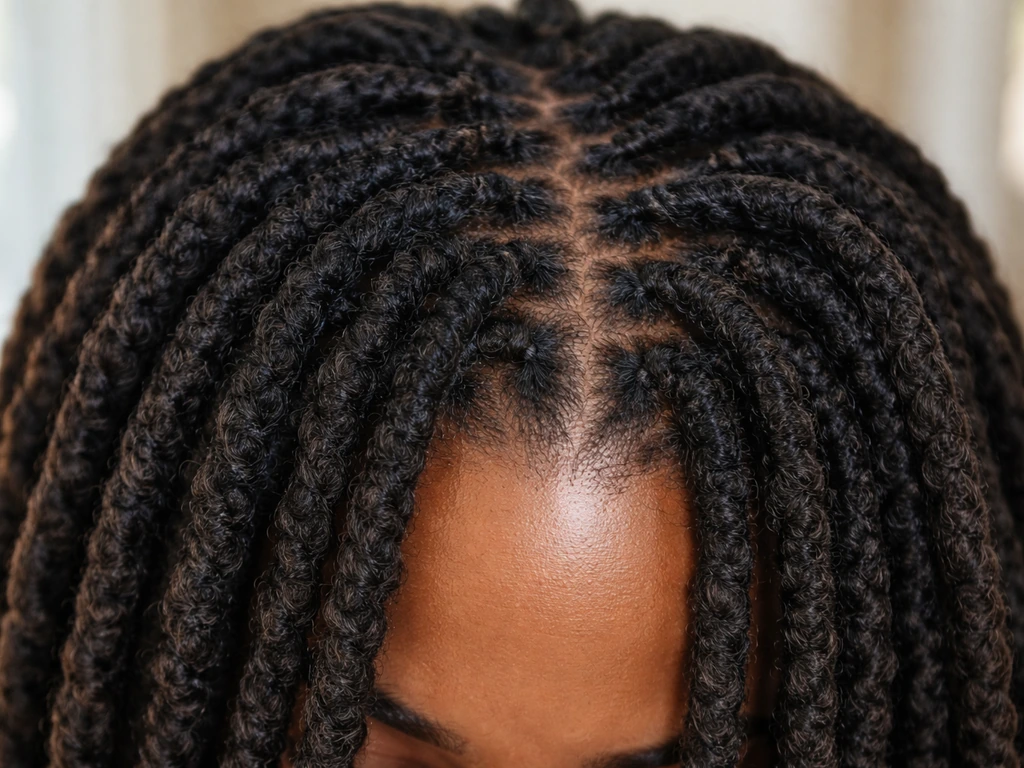
What 'thick locs' actually means
Before chasing thickness, it helps to understand what you're actually trying to change, because 'thick locs' can mean three completely different things and each one responds to different strategies.
- Density: how many locs you have and how close together they sit on the scalp. More locs placed closer together creates the visual impression of a full, thick head of hair even if individual strands are fine.
- Strand diameter: the actual width of each individual loc. This is largely determined by genetics and the thickness of your natural hair strands, plus how much hair you put into each loc at the start.
- Length-related fullness: longer locs that have fully matured and locked tend to look and feel denser than starter locs because the hair has compacted and the cuticle layers have interlocked over time.
Your genetics set a real ceiling on strand diameter. If you naturally have fine hair, your locs will always be finer than someone with coarser strands, and no oil or treatment changes that. What you can control is density (how you section and start your locs), retention (keeping the hair you grow attached to the loc), and overall health (making sure your scalp is producing new hair consistently). For Sisterlocks specifically, maximizing retention and reducing breakage are the fastest ways to see your lock pattern thicken sooner rather than later retention (keeping the hair you grow attached to the loc). Knowing which of these three you're actually working on saves a lot of frustration.
Hair readiness and choosing your loc size for maximum fullness
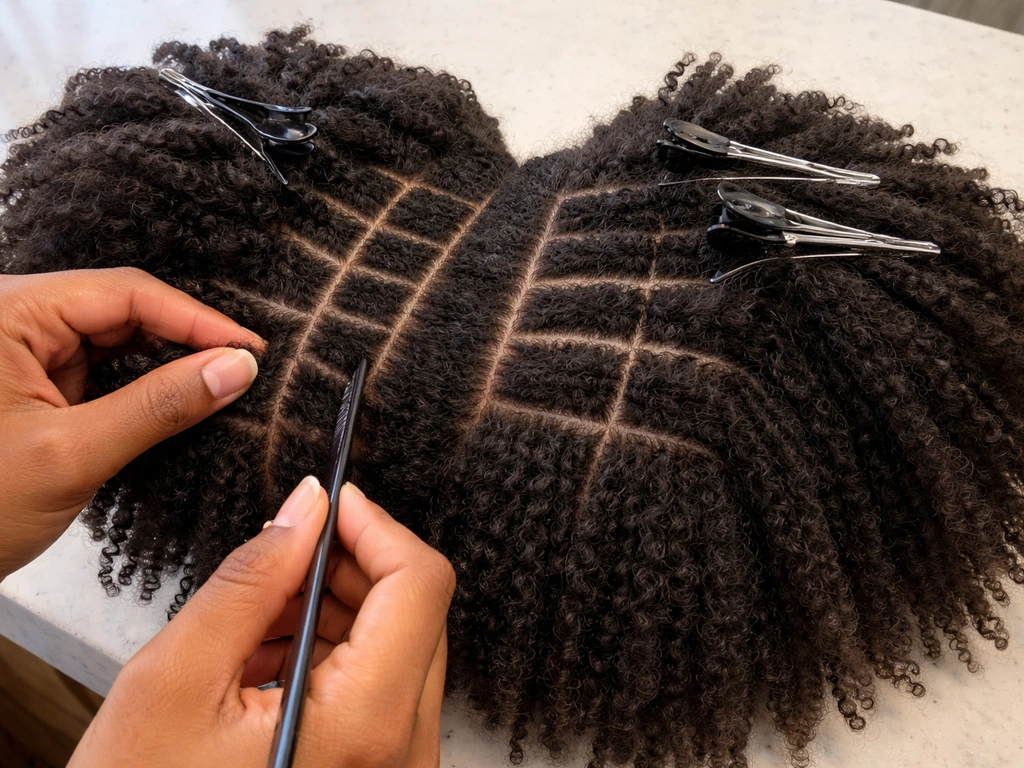
The decisions you make before your first retwist have the biggest long-term effect on how thick your locs look. Trying to correct a poor sectioning pattern years into your journey is genuinely difficult, so getting this right upfront matters.
How much hair do you need to start?
Most locticians recommend at least 3 to 4 inches of natural, unrelaxed hair before starting traditional two-strand twists or palm-rolled locs. Shorter hair can be started with comb coils (as little as 1.5 to 2 inches), but those early stages are fragile and more prone to unraveling and breakage. If your hair is chemically relaxed, waiting for the relaxer to fully grow out before starting gives you the best foundation because relaxed hair has a weakened protein structure and tends to thin and break more easily as it tries to lock.
Sectioning strategy for density
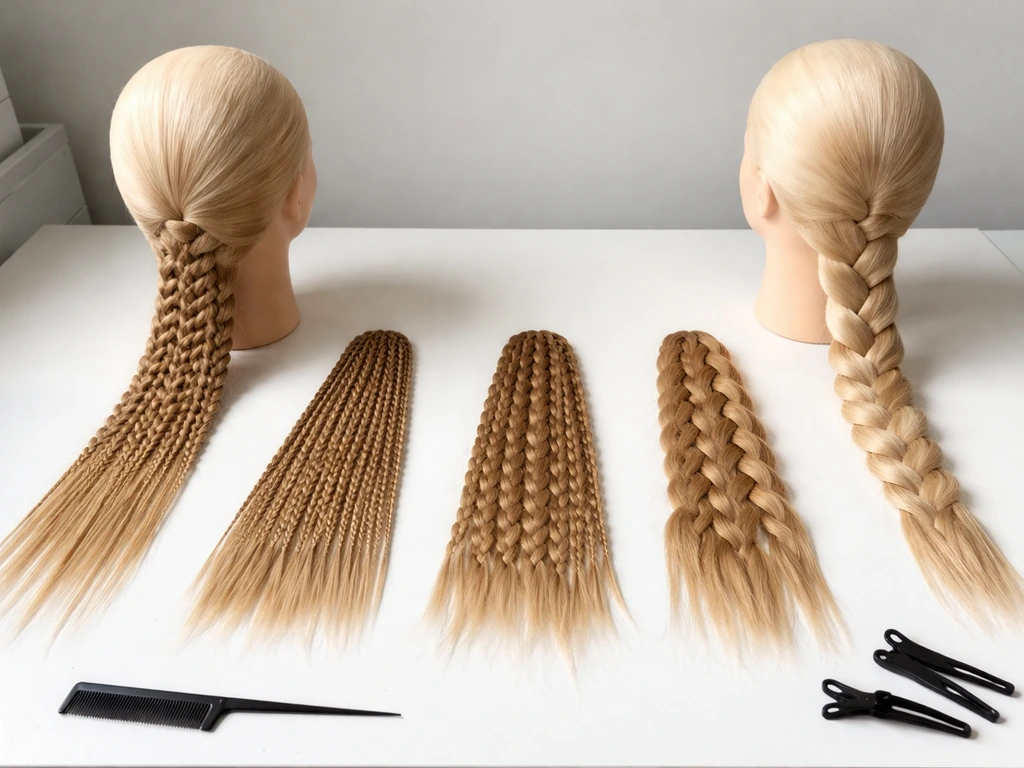
The size and pattern of your sections directly determines your finished density. Smaller sections mean more locs and a fuller-looking head overall. Larger sections mean fewer, thicker individual locs but less overall coverage. There's no universally 'right' size, but here's a practical breakdown:
| Section Size | Approx. Loc Count (full head) | Best For | Trade-off |
|---|---|---|---|
| Micro (pencil-tip or smaller) | 200+ | Fine hair wanting maximum density, sisterlocks-style coverage | Time-intensive to maintain, can be fragile early on |
| Small (pea to dime) | 100–200 | Fine to medium hair, good balance of fullness and manageability | Requires consistent retwisting to stay defined |
| Medium (nickel to quarter) | 50–100 | Medium to coarse hair, classic traditional locs look | Can look sparse if hair is fine |
| Large (quarter+) | Under 50 | Coarse, high-density hair; freeform or chunky styles | Individual locs thick but overall coverage can look thin |
For most people who want the appearance of a thick, full head of locs, small-to-medium sections are the sweet spot. If you have naturally fine or low-density hair, err on the side of more sections rather than fewer. Brick-layer sectioning patterns (staggered rows like bricks rather than straight grid lines) also help locs sit more evenly and prevent obvious scalp gaps.
Starter method comparison
Your starter method affects how quickly locs form and how well they retain hair in the early stages. The main options each have real trade-offs:
| Method | Best Hair Type | Locking Speed | Thickness Outcome | Key Risk |
|---|---|---|---|---|
| Two-strand twists | Type 4a–4c (coily/kinky) | Moderate (3–6 months to lock) | Natural, tapered thickness | Unraveling if washed too early |
| Palm rolling / coils | Type 3c–4c | Moderate to slow | Rounded, uniform-looking | Can thin at the base if over-rolled |
| Comb coils | Type 4a–4c, short hair | Faster than twists | Tighter, denser-looking early on | Fragile until locked, prone to frizz |
| Interlocking / Sisterlocks | All types, especially fine hair | Faster locking | Very uniform, controlled diameter | Permanent grid; reshaping later is limited |
| Freeform / Neglect method | Type 4 coily hair mainly | Variable | Can become very thick but unpredictable | Uneven sizing, locs may mesh together |
Two-strand twists remain the most popular starter method for a reason: they're flexible, they allow for resectioning if needed in the early weeks, and they work across a wide range of coily hair types. If controlling diameter and creating ultra-uniform locs matters to you, interlocking or a sisterlocks installation with a certified practitioner gives you the most precise result from day one.
Scalp health is the engine behind thickness
Hair grows from follicles in your scalp, not from the ends of your locs. If you are wondering how do locs grow, remember that new bulk comes from what your scalp produces and what you successfully retain over time. Scalp health directly determines how much new hair you produce, and that new growth is what adds length and eventually adds to the bulk and weight of each loc. Neglecting your scalp while obsessing over loc products is one of the most common mistakes in the loc community.
Washing frequency
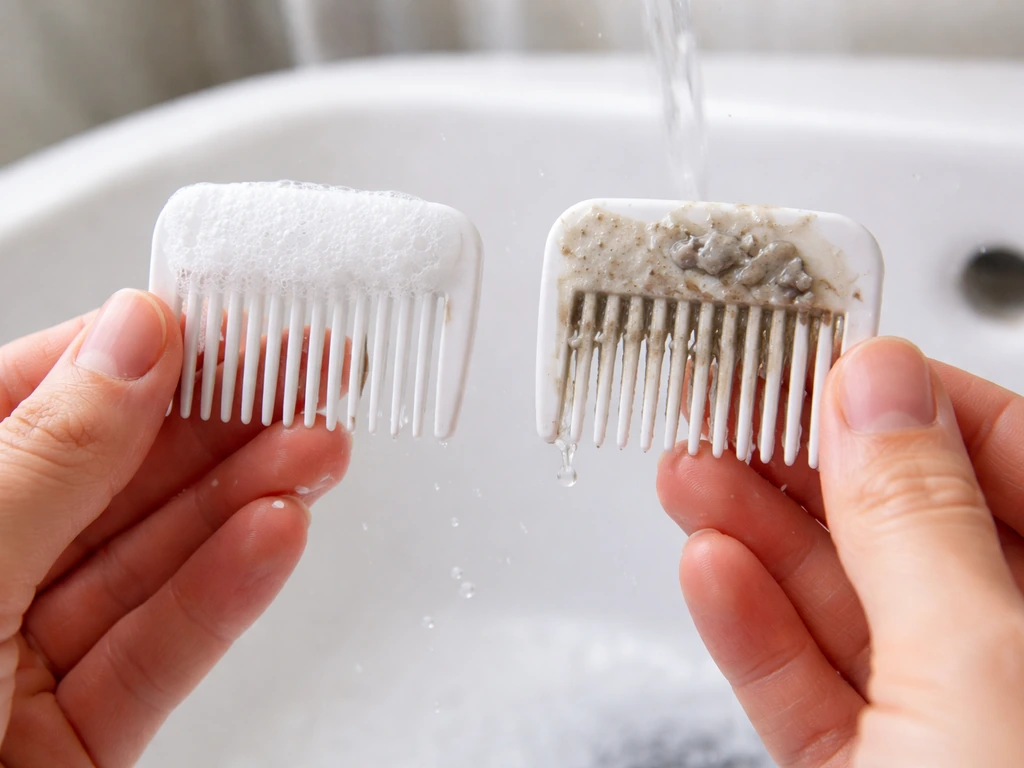
Locs need to be washed regularly. The old advice of avoiding water for weeks or months after installation to prevent unraveling has real costs: product buildup, excess sebum, and scalp inflammation all create an environment where hair sheds faster and follicles become temporarily blocked. Once your locs are past the first two to three weeks of installation (and are not extremely fresh twists prone to unraveling), washing every one to two weeks is appropriate for most people. If your scalp tends to be oily or you exercise frequently, once a week is fine. The key is to dilute your shampoo, apply it directly to the scalp, and rinse thoroughly.
Buildup control and exfoliation
Product residue, hard water minerals, and dead skin cells accumulate inside locs over time and are genuinely difficult to remove once embedded. This buildup adds weight without adding healthy hair mass, can cause mildew (that classic musty smell), and creates an inflammatory environment on the scalp. Use a clarifying or residue-free shampoo as your primary loc shampoo, not a moisturizing shampoo with heavy emollients that linger inside the loc. An apple cider vinegar rinse (about 2 tablespoons per cup of water, left on for a few minutes before rinsing) can help dissolve mineral deposits and rebalance scalp pH. Do this once a month or when buildup symptoms appear.
Moisturizing without buildup
The moisture-buildup balance is the trickiest part of loc care. Your scalp needs moisture to stay healthy and avoid the inflammation that accelerates shedding, but heavy creams and butters sit inside locs and create exactly the buildup problem described above. The practical solution is to focus moisture at the scalp, not down the loc shaft. A light water-based leave-in mist (water with a few drops of aloe vera juice or a diluted leave-in conditioner) applied to the scalp and the first inch or two of each loc a few times a week keeps the roots moisturized. Save heavier oils for the scalp only, not the loc body.
Maintenance habits that protect your growth
How you maintain your locs determines how much of the hair you grow actually stays. Hair grows at roughly 1 cm per month on average (though the real range varies widely, from under 1 cm to over 3 cm depending on the individual), so every bit of unnecessary breakage directly slows visible progress.
Retwist and interlocking frequency
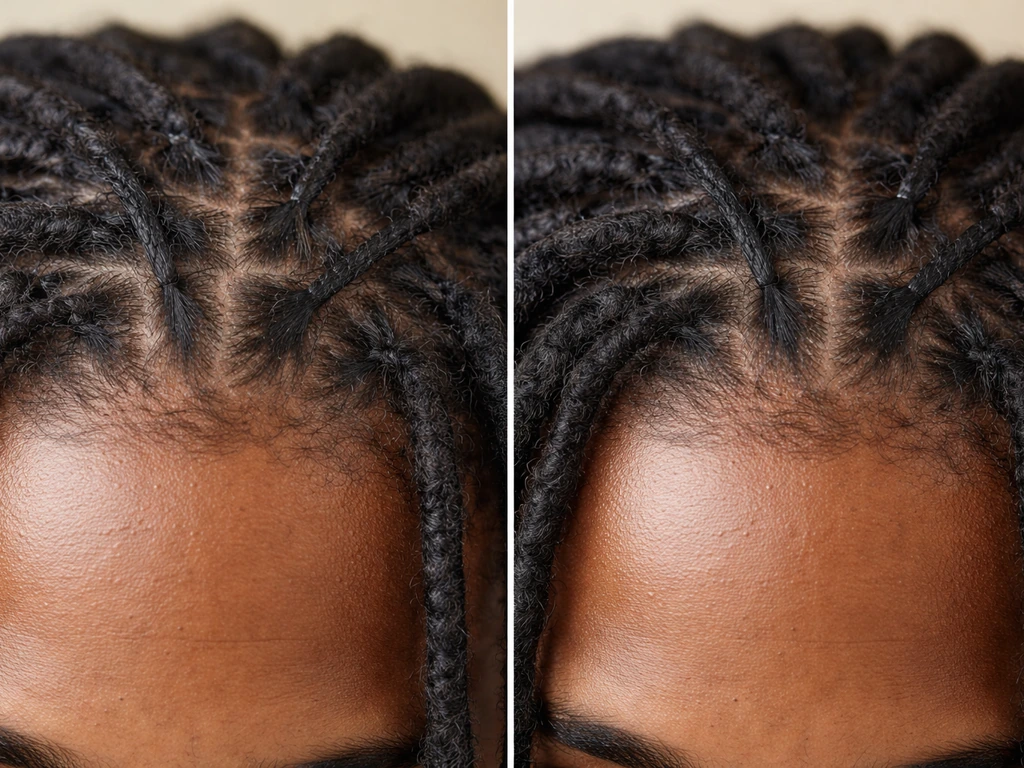
Over-retwisting is one of the main reasons locs thin, especially at the base. When you retwist before enough new growth has come in, you're applying rotational tension to the same sections of hair repeatedly, which weakens the hair shaft at the loc root. For most people, retwisting every four to six weeks is sufficient. People with very coily hair (type 4c) that locks quickly can go longer between sessions. Edges and temples are the most delicate and the most over-manipulated areas, so retwist those with the lightest possible tension, and if you notice thinning there, extend the time between retwists immediately.
Tension and protective styling
Tight pulling on locs causes traction alopecia, which is gradual but often permanent follicle damage. Updos, buns, and loc styles that pull the hairline back are high-risk if done too tightly or too frequently. A general rule: if you feel tension on your scalp after styling, it's too tight. This is especially important for people who already have thinning edges, which is one of the first signs of tension-related follicle stress. Sleeping on a satin or silk pillowcase or wrapping your locs in a satin scarf or bonnet also reduces friction breakage overnight.
Drying your locs completely
Wet locs that stay damp for hours create a breeding ground for mildew and scalp fungal issues. After washing, squeeze out excess water with a microfiber towel (not rubbing, just pressing), then air dry or use a hooded dryer on low heat. In humid climates or during winter months when indoor air is dry, it's easy for locs to stay damp at the core for most of a day. Sitting under a hooded dryer for 20 to 30 minutes after washing is genuinely worth the time if you have thicker or longer locs.
How to thicken existing locs
If your locs are already established and you feel they're not as thick as you want, the focus shifts to retention and reducing the things that are actively working against you. If you're wondering about freeform locs specifically, the same retention and scalp-health rules determine whether they can feel like they're growing faster do freeform locs grow faster.
Stop breakage first
Locs that appear to be getting thinner over time are almost always experiencing breakage, not just slow growth. Look closely at the ends of your locs: if they're thin, wispy, or frayed rather than rounded, that's a retention problem. Add a protein treatment to your routine every four to six weeks, using a product with hydrolyzed keratin or silk protein. Follow every protein treatment with a moisture step (your light water-based mist) because protein without moisture makes hair brittle. Also check whether your retwist product contains wax. Wax-based pomades are a major culprit for buildup-related breakage in locs.
Managing frizz and shrinkage
Frizz and shrinkage are not enemies of thick locs, but managing them strategically helps locs mature evenly. Frizz that sits around the outside of a loc is actually hair that's in the process of locking in. Aggressively smoothing frizz every week with heavy products delays locking and adds buildup. Instead, lightly palm roll (without product, or with a tiny amount of aloe vera gel) to guide frizzy hair back into the loc, and let the locking process do its work. Shrinkage in early locs is normal and expected. Locs will appear shorter than your actual hair length for months or even years depending on your texture. This doesn't mean your hair isn't growing.
Product strategy for building thickness
Less is genuinely more with loc products. The core products you need are a residue-free clarifying shampoo, a light water-based moisturizer or leave-in spray, and a light oil for scalp massages (jojoba, sweet almond, or grapeseed oils are lightweight enough to not build up). That's the entire list for most people. Avoid thick butters, waxes, and heavy creams on the loc body. For retwisting, a light gel (aloe vera-based, free from beeswax) is enough. Scalp oils with peppermint or rosemary are worth considering: some evidence suggests rosemary oil may support hair growth through similar pathways as minoxidil, though the research is still early and results vary.
Why your locs might not be getting thick: troubleshooting
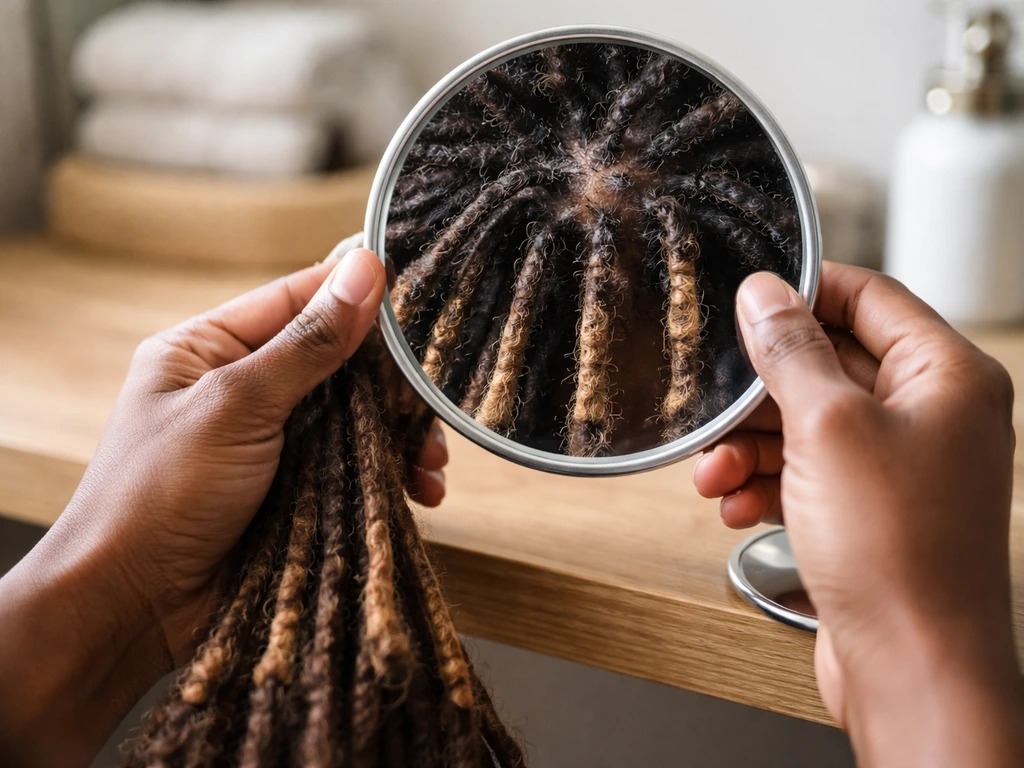
If you've been doing everything above and still feel like your locs aren't building thickness, work through this checklist before changing your whole routine:
- Check your retwist tension: are you or your loctician pulling tightly, especially at edges and temples? Reduce tension immediately if thinning is visible there.
- Check for mildew or buildup: smell your locs after washing. A musty smell means they're not drying fully or buildup has accumulated. Switch to a clarifying shampoo and improve drying time.
- Check for scalp issues: persistent itching, flaking, or soreness may indicate seborrheic dermatitis or another scalp condition that impairs hair growth. These need treatment, not just more moisturizer.
- Check your retwist frequency: if you're retwisting more than once a month, you're very likely over-manipulating. Extend to every 6 to 8 weeks.
- Check your products for wax or heavy silicones: these are common in loc pomades and create embedded buildup that weakens hair from the inside over time.
- Check your protein-moisture balance: does your hair feel mushy when wet? You may need more protein. Does it feel brittle and snap easily? You may need more moisture.
- Check your sleep routine: are you protecting your locs at night? Friction from cotton pillowcases causes breakage that adds up significantly over months.
- Check your diet and health: rapid or diffuse thinning across the whole head, shedding in patches, or locs falling out rather than just breaking may signal a nutritional deficiency, thyroid issue, or stress-related hair loss. If thinning is widespread and persistent, see a dermatologist.
Myths worth clearing up
A lot of the advice circulating about growing thick locs is either oversimplified or flat-out wrong. Here's what the evidence actually supports:
Myth: Oils grow thick locs
Oils do not grow hair or increase strand diameter. They help seal in moisture, reduce friction, and support scalp health, which can reduce shedding and keep follicles in better shape. That's genuinely useful, but it's not the same as growing thicker hair. Genetics determines your individual strand diameter. If an oil is being marketed as thickening your actual hair fiber, that claim has no meaningful scientific backing.
Myth: Tight retwists grow locs faster or thicker
Tight retwisting doesn't stimulate growth, it damages it. Tension at the follicle level causes traction alopecia over time, which is one of the most common causes of thinning edges and temple hair loss in people with locs. Hair grows from the follicle regardless of how tightly you twist. If anything, reducing tension and extending the time between retwists protects the growth you already have.
Myth: Locs automatically get thick as they grow longer
Length and thickness aren't the same thing and don't always come together. Locs that are long but damaged, brittle, or thinning at the ends are common. Long locs that were poorly maintained throughout are often wispy and thin. Thickness comes from retention (keeping the hair that grows attached and healthy) and density (how your locs were sectioned to begin with), not simply from length.
Myth: Instant locs are a shortcut to thickness
Instant loc methods (crochet locs, interlocked starter locs, and similar approaches) do create the appearance of mature locs more quickly, but they don't skip the growth process. The hair still grows at its natural rate of roughly 1 cm per month on average, and the thickness of those locs over time still depends on scalp health, retention, and how they were sectioned. The visual jump-start can be worth it for some people, but the same maintenance fundamentals apply from day one.
Myth: Locs protect hair so much that you don't need to maintain them
Locs are a protective style in the sense that the ends of your hair are tucked and not being manipulated daily. But they're not a set-it-and-forget-it situation. The scalp still needs washing, moisturizing, and attention. Products still build up. Tension still damages follicles. The 'locs take care of themselves' idea is why so many people end up with thinning, brittle locs after a year or two of neglect.
When to see a professional
Most loc thinning responds to the maintenance corrections above, but some situations call for professional input. See a dermatologist (ideally one with experience in textured hair) if you notice: noticeable scalp inflammation, tenderness, or scaling that doesn't resolve with a clarifying routine; patchy hair loss or bald spots within or around locs; widespread thinning rather than specific loc thinning; or locs falling out at the root rather than breaking mid-shaft. These patterns can indicate seborrheic dermatitis, central centrifugal cicatricial alopecia (CCCA), traction alopecia at an advanced stage, or systemic conditions affecting hair growth. Catching these early makes a real difference in outcome.
FAQ
How long does it usually take to see thickening in locs (especially at the roots)?
If your scalp is healthy and retention is strong, many people notice the first visual density improvements within about 3 to 6 months, but true thickening keeps developing as locs mature. If you only see length without a fuller-looking base, focus first on breakage and over-retwisting, not on adding thicker products.
Can I start thick locs faster by using bigger products or heavy oils right after installation?
Generally no. Heavy creams, butters, and waxes tend to build up inside locs and can increase shedding by irritating the scalp. Right after installation, prioritize a residue-free wash routine and light, scalp-focused moisture, then add only lightweight scalp oils if your scalp is dry.
What should I do if my locs look thick after retwisting but thin out by the next session?
That pattern often points to breakage at the root from tension, friction, or product buildup that weakens hair between retwists. Try extending the retwist interval, use lighter tension, and switch to a residue-free clarifying shampoo plus a light water-based mist rather than sealing the loc body with heavy oils or wax.
Is it better to retwist less often, or retwist with tighter technique to keep the shape?
Less often is usually better than tighter. Tight retwisting can contribute to traction alopecia, especially at edges and temples, even if the locs look neat temporarily. Aim for a consistent style with minimal tension, and if your locs are locking quickly, extend sessions.
How do I prevent thinning at my edges and temples specifically?
Use the lightest tension on the hairline, consider keeping those areas to a separate retwist schedule, and avoid tight updos that pull the edges back. If you notice increased shedding or softer, less dense corners, pause any aggressive styling and bring in a dermatologist experienced with textured hair.
Should I worry about frizz meaning my locs are not forming properly?
Not necessarily. Border frizz around the outside can be part of the locking process. Instead of smoothing aggressively with heavy product, guide frizz lightly back with minimal, water-based products (like a small amount of aloe-based gel) so you reduce buildup and allow maturation to continue.
How often should I clarify my locs without drying out my scalp?
A monthly clarifying or residue-removal wash (or sooner if you see buildup or a musty smell) is a good baseline. After clarifying, follow with your light moisture approach targeted to the scalp and first inch or two of locs, then keep the loc body free from heavy emollients.
Can hard water make my locs look thinner, and how can I tell?
Hard water buildup can cause extra weight and irritation, which may increase shedding even if your locs do not visibly change overnight. Clues include roughness, dull look, recurring odor, or residue that feels hard to rinse out, and an occasional vinegar rinse can help you rebalance mineral deposits and scalp pH.
What’s the best way to moisturize locs if I’m prone to mildew or itchy scalp?
Keep moisture on the scalp, and avoid soaking the loc core for hours. Use a light water-based mist a few times per week, then dry thoroughly after washing (microfiber pressing, plus hooded dryer or adequate air time in humid conditions). If itching persists, your issue may be dermatitis rather than “lack of moisture.”
If my locs feel dry, can I just add more oil to the ends to boost thickness?
More oil on the loc body often increases buildup, which can worsen shedding rather than improve thickness. For dryness, focus on scalp hydration and a light mist strategy, then only use lightweight scalp oil for massage if it doesn’t leave your scalp coated or your locs feeling gummy.
Is protein treatment safe for locs, and how do I use it without making hair brittle?
Protein can help retention when your locs are thinning or ends are wispy, but it works best when paired with moisture right after. Use a protein step every 4 to 6 weeks when needed, then follow immediately with your light, water-based moisture routine to prevent brittleness.
What should I do if my locs are falling out from the root instead of breaking mid-shaft?
Root shedding instead of mid-shaft breakage can signal an issue beyond normal retention problems, like traction damage at an advanced stage or a scalp condition. Stop trying to “fix it” with stronger products and seek evaluation, especially if you see patchy loss or persistent scalp inflammation.
Do instant loc methods like crochet change the density outcome permanently?
They can make locs look mature sooner, but they do not skip the underlying factors that create thickness over time: density from sectioning, retention, and scalp health. You still need low-tension maintenance and a buildup-preventing wash and moisture routine for the locs to actually become fuller.
Can I use a retwist gel or wax, and what ingredients should I avoid?
You can use a light gel, but avoid beeswax or wax-heavy products because they are a common cause of buildup inside locs. If you notice increasing residue, odor, or roughness between washes, stop wax-based products and return to residue-free clarifying plus lightweight scalp moisture.
Next Article
How to Grow Waist-Length Black Hair: Evidence-Based Guide
How to grow and retain waist-length Black hair: realistic timelines, routines, protective styles, and evidence-basedTips