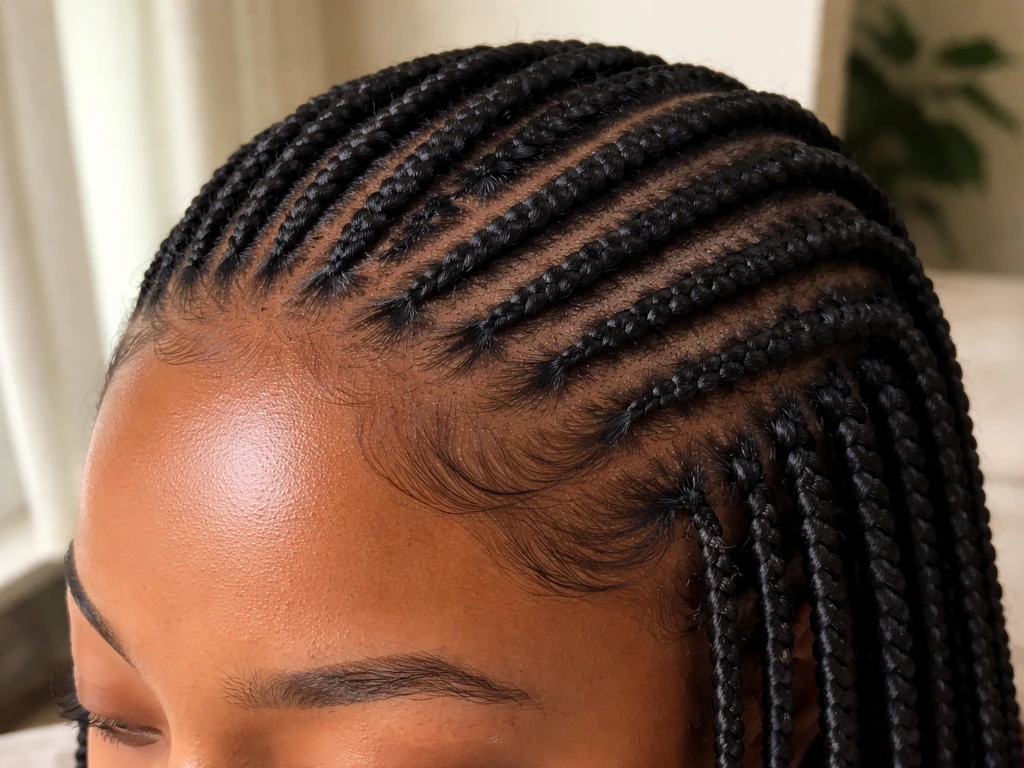
Micro braids do not grow your hair in any biological sense. They cannot speed up the rate at which your follicles produce new hair, which for most people sits between about 0.5 and 1.25 centimeters per month regardless of how your hair is styled. What micro braids can do, when installed and maintained correctly, is reduce the daily manipulation and end-breakage that silently eats up the length your scalp is already producing. That distinction between actual growth and length retention is everything, and understanding it will save you from a lot of disappointment and, frankly, from some real harm.
Do Micro Braids Grow Your Hair? Science, Risks & Care for Textured Hair

Simone Okonkwo
7 Aug 2026
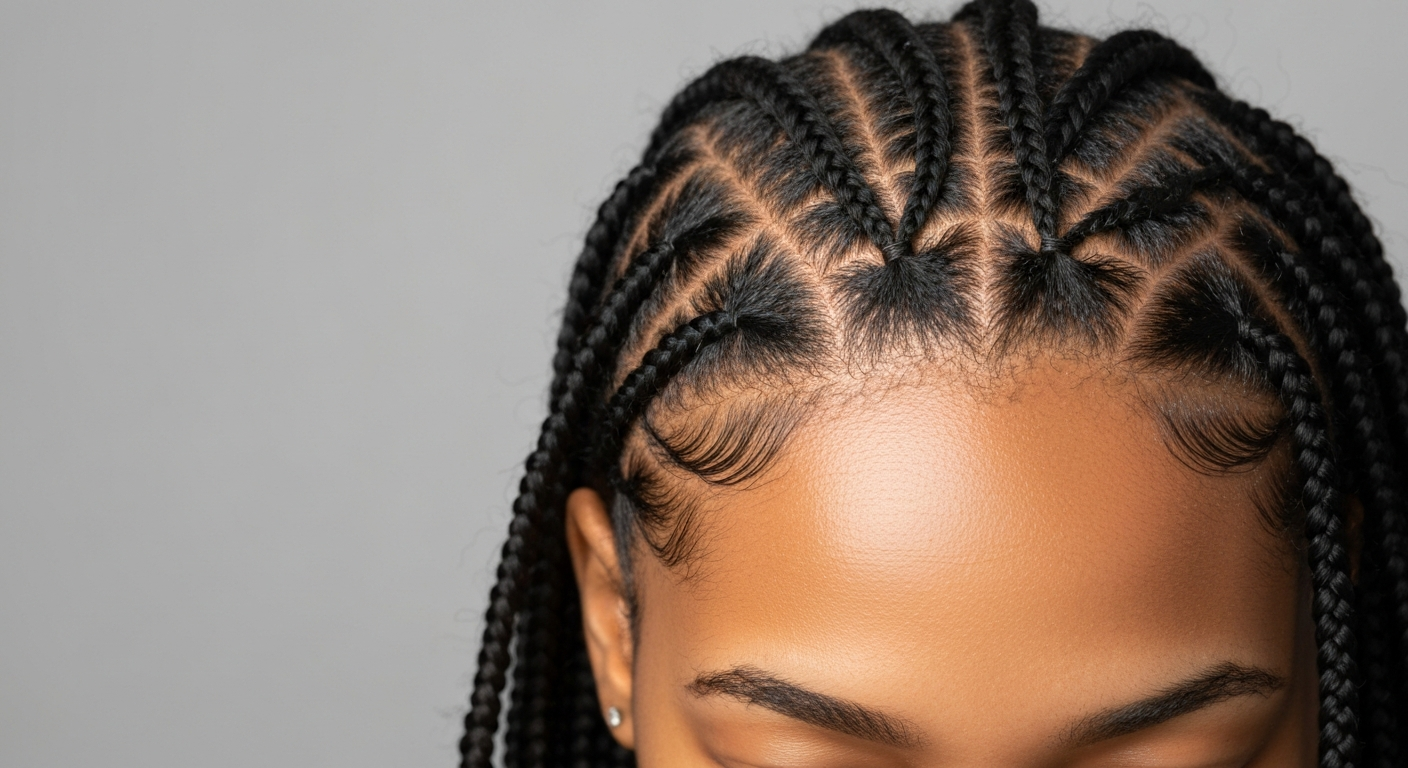
Quick verdict: growth accelerator or length keeper?
Micro braids are a protective style, not a growth treatment. No high-quality clinical trial has shown that any braided style increases the intrinsic follicular growth rate. What the research consistently describes is a different mechanism: when hair is tucked away and left alone, it experiences less friction, less tension from daily detangling, and less environmental weathering at the ends. Less breakage means more of the length your follicles are producing actually survives long enough to be seen. That is length retention, and it is a genuinely valuable thing. But the moment someone tells you micro braids will make your hair grow faster, that is a myth worth correcting.
Growth vs. retention: the biology your hair actually follows
Hair grows from follicles embedded in your scalp, driven by the anagen phase of the hair cycle. During anagen, dermal papilla cells at the follicle base divide and push the hair shaft upward at a rate determined largely by genetics, nutrition, hormonal status, and age. Styling choices happen entirely above the scalp surface and have no direct pathway to speed up that cellular process. A 2016 controlled study on scalp massage found that a standardized four-minute daily massage increased hair shaft thickness after 24 weeks, showing that mechanical forces can alter follicle behavior, but even that did not increase the measured growth rate in millimeters per month. Standardized Scalp Massage Results in Increased Hair Thickness (ePlasty, 2016) reported that a standardized four‑minute daily scalp massage increased hair shaft thickness after 24 weeks but did not increase measured hair growth rate. Braiding sits even further removed from the follicle than massage does.
For people with Black and textured hair, this biology matters more acutely because the hair shaft itself is more vulnerable to breakage. The elliptical cross-section of tightly coiled hair creates structural weak points, and each curl places a mechanical load on the fiber. Moisture loss happens faster through coiled strands, making them prone to dryness and snapping. This means the gap between how much hair the scalp produces and how much length you actually retain can be enormous without protective styling. That gap is where a well-installed protective style genuinely earns its reputation.
What the clinical evidence actually says
Published systematic and narrative reviews consistently frame protective hairstyles as breakage-reduction tools rather than growth accelerators. A recent review, Afro‑Ethnic Hairstyling Trends, Risks, and Recommendations (MDPI Cosmetics review), summarizes evidence that protective hairstyles reduce end‑breakage and emphasize length retention rather than increasing follicle growth rate. Dermatology literature characterizes the benefit as enabling length retention by reducing end-breakage and day-to-day manipulation. On the risk side, the evidence is unambiguous: traction alopecia is well-documented in populations that use tight braids and extensions regularly, with some clinic and population cohort studies reporting prevalence figures as high as 31.7% among adult women. Chronic mechanical tension on follicles triggers a specific biological cascade: inflammation, then perifollicular fibrosis, and if the tension is sustained, permanent scarring and follicle loss. That is irreversible. The British Association of Dermatologists 2023 patient guidance responds to this evidence with concrete limits: braids should not be left in longer than six weeks, sewn-in extensions no longer than eight weeks, and installation should never cause pain.
Central centrifugal cicatricial alopecia (CCCA), a scarring alopecia predominantly affecting women of African descent, has also been epidemiologically linked to traction styling practices in case-control and population studies, including associations with sewn-in and glued weaves and a history of tight traction hairstyles. The American Academy of Dermatology recommends that when traction alopecia is present, tight hairstyles should stop immediately, styles should be rotated to avoid repeated stress to the same follicles, and looser installations should be preferred. The research base does have gaps: validated numeric force thresholds for safe tension have not been established, so clinical guidance relies on symptom cues such as pain, scalp puckering, and folliculitis rather than measurable Newton values.
How micro braids can help your hair appear longer
Even though micro braids cannot accelerate follicle output, a well-maintained set can meaningfully improve the length you see over time. The mechanisms are straightforward. When hair is braided and left undisturbed, you eliminate the daily combing, brushing, and detangling that causes mechanical breakage, especially at the fragile ends. The style also shields individual strands from friction against clothing and bedding, reduces exposure to dry air that wicks moisture from the hair shaft, and limits the repeated manipulation that causes split ends to travel up the fiber. Over a wear period of four to six weeks, the cumulative reduction in breakage can be substantial, particularly for fine or high-porosity textured hair that breaks easily. The net result is more retained length when you take the style down, which looks and functions exactly like growth even though the underlying rate has not changed.
The real risks you should not ignore
Micro braids carry a higher risk profile than many other protective styles, and I want to be direct about that. Traction alopecia is the primary danger, and the hairline and temples are the most vulnerable zones. Persistent tight tension at the root produces the inflammatory cascade described above, and because that damage accumulates gradually, many people do not realize how much has been lost until the edges are visibly thinned and the follicles are scarred. CCCA represents a more severe scarring outcome that has been associated with a history of traction styling. Beyond alopecia, other documented risks include:
- Traction-induced breakage at the root zone, distinct from traction alopecia but still damaging to visible density
- Scalp folliculitis and infection from buildup of sebum, product, and moisture trapped under extensions
- Scalp contact dermatitis from synthetic fiber coatings, particularly on cheaper acrylic braiding hair
- Mechanical damage to the hair shaft from rubber bands or elastics used at the braid base
- Dry, brittle ends when the braided length is not kept moisturized during the wear period
If you experience pain during or immediately after installation, persistent itching that does not respond to a gentle scalp rinse, visible scalp puckering or bumps around the braid roots, or noticeable thinning at the hairline, those are warning signs that the style is causing harm. Do not push through to the six-week mark. A dermatologist who specializes in hair and scalp conditions can assess whether follicle damage has occurred and, if traction alopecia is caught early, topical or low-dose oral minoxidil has shown promise in case series and a 2026 systematic review, though the evidence is still largely non-randomized.
Why braid size and weight make micro braids riskier than chunkier styles
This is where micro braids diverge meaningfully from box braids, knotless braids, or goddess braids. Micro braids are, by definition, very small in diameter, which means each individual braid anchors to a tiny section of hair at the root. More braids on a head means more individual points of tension across the scalp. When those braids also include added synthetic hair, each anchor point bears not only the weight of the natural hair but also the weight of the extension fiber. Standard commercial bundles of Kanekalon or Toyokalon modacrylic fiber weigh roughly 70 to 100 grams per bundle, and a full micro braid install may use multiple bundles distributed across hundreds of tiny root points. The cumulative mechanical load is real and sustained over weeks.
Larger braid styles like box braids or knotless braids distribute that same weight across fewer but broader root sections, reducing the concentration of tension at any single point. Knotless techniques in particular start the extension hair further down the braid rather than knotting it directly at the scalp, which reduces immediate root tension substantially. That difference in tension geometry is why dermatology guidance and stylist recommendations increasingly favor knotless and feed-in methods over traditional knotted micro braids for long-term scalp health. If you are comparing styles, the size-to-tension relationship is one of the most important variables to weigh.
| Style | Braid size | Root tension | Extension weight per anchor | Traction risk level |
|---|---|---|---|---|
| Micro braids | Very small | High (many small anchors) | Moderate-high per section | Higher |
| Box braids | Medium-large | Moderate | Spread across wider sections | Moderate |
| Knotless braids | Medium-large | Lower (feed-in start) | Gradual addition | Lower |
| Feed-in braids | Small to medium | Lower (no hard knot) | Gradual addition | Lower-moderate |
| Goddess braids | Large | Low (thick anchor) | Minimal | Low |
| Stitch braids | Variable | Moderate | Variable | Moderate |
Installation details that can protect or damage your hair
The technique used during installation determines a large portion of your actual risk. A skilled and knowledgeable stylist makes a concrete difference, and there are specific variables worth discussing before you sit in the chair.
- Parting pattern: Straight-line parts repeated in the same direction every install concentrate tension in the same scalp zones repeatedly. Alternating parting direction between sessions reduces cumulative stress on the same follicles.
- Section size: Extremely small sections mean each braid anchors to fewer hairs, increasing the load per individual strand. Sections should be sized to support the weight of the braid and extension hair comfortably.
- Cornrow bases: Some micro braid installs begin on a cornrow foundation. If those cornrows are tight, tension is layered: you have the cornrow tension plus the micro braid tension on top.
- Elastic and rubber band use: Small elastics at the braid base are a documented breakage cause. They cut into the hair shaft and scalp. If your stylist uses them routinely at the root, ask about alternatives.
- Hairline and edge handling: The perimeter hairs around the temples and nape are the finest and most vulnerable. BAD 2023 guidance specifically recommends considering leaving these out of the installation entirely.
- Pain during installation: This is not normal and not acceptable. Pain means the tension exceeds what your follicles can tolerate safely. Ask for the braid to be redone immediately.
Synthetic hair and extensions: what the added weight actually does
Most micro braid installs use synthetic braiding fiber, with Kanekalon and Toyokalon being the most common trade names. These are modacrylic or acrylic fibers, and they add weight to every anchor point on your scalp. A single commercial bundle runs approximately 70 to 100 grams, and a full micro braid install typically requires several bundles. Beyond weight, synthetic fibers can cause scalp reactions in some people: the alkaline coating applied to many commercial braiding fibers has been linked to contact dermatitis and scalp irritation. Pre-washing your braiding hair in a diluted apple cider vinegar rinse before installation is a commonly recommended step that appears to reduce, though not eliminate, that reaction for many people.
The length of extension hair also matters independently of weight. Very long micro braids create a lever effect: the weight of the braid hanging far from the scalp exerts more rotational pull on the root with every movement of your head than shorter braids of the same gram weight would. This is why professional guidance recommends against very long, heavy extensions for styles with small anchor points. Keeping micro braids at a moderate length rather than waist-length reduces the mechanical load substantially. Human hair extensions are generally lighter and smoother than synthetic fiber, though significantly more expensive, and carry less risk of the alkaline-coating dermatitis issue.
Maintenance and scalp care while wearing micro braids
A protective style only protects if the scalp and hair underneath are being maintained during the wear period. Neglecting scalp care because the hair is tucked away is one of the most common mistakes I see, and it turns a potentially beneficial style into a source of damage.
- Cleanse the scalp every one to two weeks using a diluted sulfate-free shampoo or a scalp-focused cleanser applied with an applicator bottle directly to the parts. Buildup of sebum and product is a primary driver of folliculitis and scalp inflammation.
- Follow cleansing with a lightweight leave-in conditioner or scalp oil applied to the exposed parts and gently worked to the hair near the roots. Ingredients like peppermint oil, tea tree oil (diluted, not neat), and panthenol support scalp health without heavy buildup.
- Sleep on a satin or silk pillowcase or use a satin-lined bonnet every night. Friction against cotton is a real source of frizz and breakage at the braid edges even when the main length is protected.
- Moisturize the length of the braids periodically with a light spray containing water and a small amount of leave-in conditioner or glycerin to prevent the natural hair inside from becoming dry and brittle.
- Gently massage the scalp around the braid roots to maintain circulation, but do not apply pressure that shifts or stresses the braids themselves.
- Check the hairline and temples weekly. Any new thinning, bumps, or persistent soreness is a signal to address immediately rather than waiting for the style's end date.
How long to keep micro braids in, and how to take them out safely
The British Association of Dermatologists' six-week maximum for braided styles is a sensible practical limit for micro braids specifically, and I would argue you should err toward the conservative end of that range, meaning four to five weeks, particularly if you are new to the style or have a history of edge thinning. The longer micro braids stay in, the more the natural hair grows out at the root and creates new tension at the hairline. Leaving micro braids in for three or four months is a practice that substantially increases traction alopecia risk, regardless of how good the initial install was.
Removal technique matters as much as wear duration. Cut the synthetic extension fiber off each braid well below the point where it joins your natural hair before attempting to unravel. Trying to pull the extension out from the top tears the natural hair. Work in small sections, apply a generous amount of detangling conditioner or a dedicated slip product to each braid before unraveling, and work from the ends upward toward the root using your fingers rather than a comb. Patience here is not optional: rushed removal is responsible for a significant portion of the breakage that people mistakenly attribute to the style itself. After removal, do a thorough clarifying wash, a deep conditioning treatment, and allow the scalp to rest and breathe before reinstalling.
Warning signs the style is actively damaging your hair
- Pain or tenderness at the scalp that persists more than 24 to 48 hours after installation
- Visible puckering or raised skin around braid bases, which indicates high tension
- Small red or white bumps at the braid roots (folliculitis)
- Noticeable hairline recession or thinning at the temples and nape that was not present before
- Hair shedding in clumps when the style is taken down, particularly from root zones
- Persistent scalp itching, flaking, or odor during the wear period despite regular cleansing
- Broken hairs at the scalp level rather than mid-shaft or at the ends
Any of these signs warrants stopping the style early and consulting a board-certified dermatologist with expertise in hair and scalp conditions, ideally one with experience treating traction-related alopecia in patients with textured hair. Early intervention matters enormously: traction alopecia caught in the inflammatory phase is potentially reversible, but once scarring occurs the follicle loss is permanent.
Micro braids vs. other protective styles: a practical comparison
Micro braids sit at the higher-risk end of the protective style spectrum specifically because of their small anchor size and the frequency with which they are worn long with heavy synthetic extensions. If your primary goal is length retention with the lowest possible traction risk, there are more forgiving options. Knotless braids and feed-in styles eliminate the hard knot at the root and distribute extension hair more gradually, reducing immediate tension. Box braids use larger sections that spread weight more broadly. Goddess braids and large chunky styles use very wide anchors that create minimal per-follicle load. If you’re asking do goddess braids grow your hair, they, like other protective styles, help with length retention rather than increasing the follicles’ intrinsic growth rate. Twists and two-strand twists on natural hair without extensions create virtually no traction tension at all.
That said, micro braids offer things other styles do not: extreme versatility in styling, a very fine and lightweight look at the scalp when done well, and the ability to move and style the braids almost like loose hair. If that aesthetic and versatility matters to you, micro braids can still be a reasonable choice with a knowledgeable stylist, realistic wear-duration limits, attentive maintenance, and honest monitoring of your scalp and edges.
Practical decision plan: should you get micro braids?
Here is a straightforward framework for making this call based on your personal hair history and goals.
- Assess your edge health first. Look at your hairline now, before you install anything. If you already have thinning at the temples or a history of traction alopecia, micro braids are not the right choice. Opt for a larger, looser style or a no-extension protective style.
- Choose your stylist carefully. Ask specifically about their approach to tension at the hairline, whether they use knotless techniques for micro braids, and what they do if a client reports pain during installation. This is not a style to get done quickly or cheaply.
- Commit to a four to five week maximum wear time and plan your removal date before you sit down for installation.
- Pre-treat your braiding hair to reduce the risk of scalp reaction from alkaline coatings.
- Build your in-wear scalp care routine before you need it: applicator bottle, diluted cleanser, light scalp oil, satin bonnet.
- Check your hairline and temples every week during the wear period. Take a photo at installation and compare weekly.
- After removal, rest your scalp for at least two weeks before reinstalling any braided extension style.
The bottom line on micro braids and hair growth
Micro braids will not make your hair grow faster. For a focused discussion, see the guide titled "do braids grow your hair". Nothing you do to the outside of your scalp changes the rate at which your follicles are producing hair. What micro braids can do, under the right conditions, is protect the length you are already growing from the breakage and manipulation that prevents textured hair from reaching its full potential length. For a related discussion on whether stitch braids grow your hair, see a separate piece on whether stitch braids grow your hair. But among braided protective styles, they carry a meaningfully higher risk of traction damage than larger, looser alternatives, and that risk is especially concentrated at the hairline where damage is most visible and most devastating. The styles that tend to deliver the best long-term retention outcomes with the least risk are those that start the extension away from the root, use larger sections, and are worn for limited, disciplined periods with consistent scalp care in between. Micro braids can be part of a healthy hair practice, but they require more vigilance and more precision than the marketing around them typically suggests.
FAQ
Do micro braids make your hair grow faster or just help it retain length?
Evidence does not show that micro braids or other braided styles increase the intrinsic hair growth rate (mm/month). Scientific and clinical reviews describe protective styles as reducing manipulation and breakage so users retain more length over time, not as interventions that speed follicular growth. In short: micro braids help with length retention, not faster follicle-driven growth (sources: StatPearls Traction Alopecia; MDPI Cosmetics review).
How do micro braids help with length retention biologically?
Micro braids reduce daily mechanical damage (combing, brushing, friction) and limit single‑strand breakage at the shaft and ends. Less breakage means more of the hair produced by follicles remains intact, so observable length increases over months. This is retention rather than an increased anagen (growth) rate; clinical literature frames protective styles as breakage‑reduction strategies rather than growth stimulants (MDPI review; StatPearls).
Are micro braids riskier than larger braids?
Yes—because they are thinner and more numerous, micro braids can concentrate tension at many adjacent follicular roots, and when combined with added extension weight or excessive tightness they increase the chance of traction-related breakage, edge thinning, and traction alopecia. Many dermatology reviews advise caution with very small, tight, or heavy installations (JAAD review; BAD patient leaflet).
What are the main risks of wearing micro braids?
Main risks: traction alopecia (tension-induced hair loss), perifollicular inflammation, increased breakage at the root or along the strand if installed too tightly or left in too long, folliculitis/scalp irritation, and—rarely—contribution to scarring alopecia like CCCA when chronic tension is applied over years. Risk increases with pain on installation, heavy synthetic extensions, and repeated styling of the same hairline area (StatPearls; JAMA Dermatology; PubMed review).
How long is it safe to keep micro braids in?
Professional guidance commonly recommends no longer than about 6 weeks for braids to reduce traction risk; sewn‑in or heavy extensions are usually limited to about 8 weeks. Individual tolerance varies—watch scalp signs (pain, itching, puckering, progressive shedding). If you experience pain or hairline tenderness, remove sooner (BAD patient leaflet; AAD guidance).
What installation and braid‑size factors reduce risk?
Safer practices: avoid excessive tension (pain = too tight), use knotless/feed‑in techniques especially at the perimeter, leave fragile edges out or loosely braided, choose larger braid sizes when possible, avoid adding excessive synthetic hair or very heavy bundles, alternate parting patterns to spread stress, and ask the stylist to check tension across the scalp during install (BAD leaflet; dermatology guidance).
Next Article
Do Knotless Braids Grow Your Hair? Length Tips and Truth
Knotless braids do not force new growth, but can help retain length by reducing breakage with proper fit, care, and scal