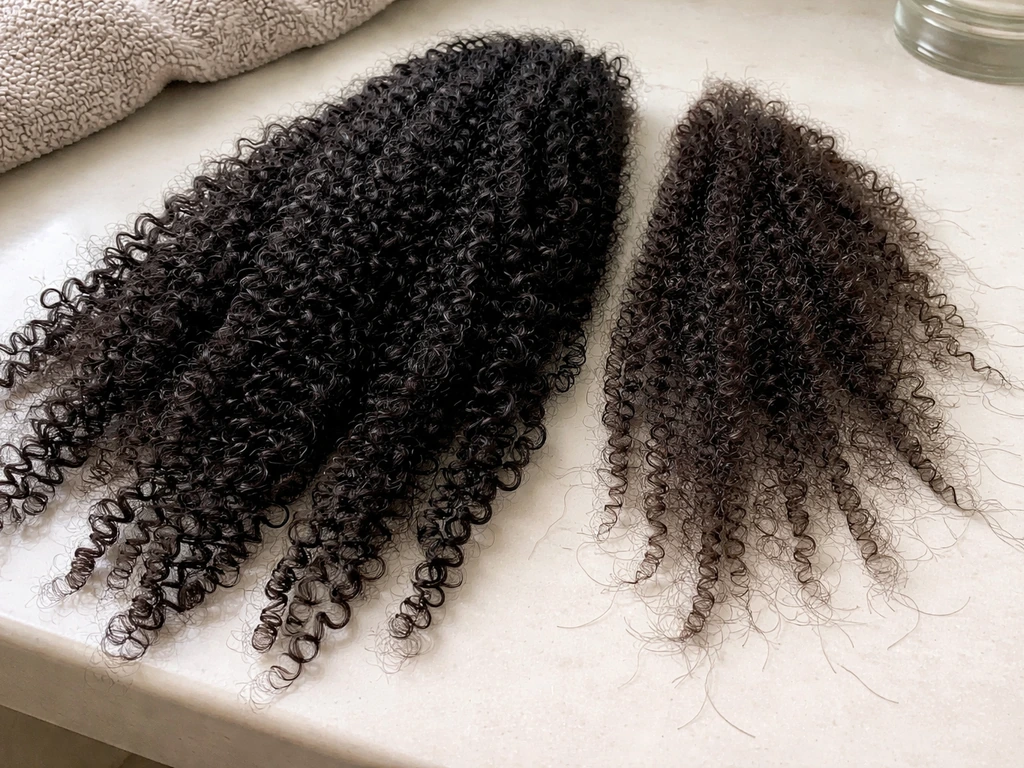
Your natural hair is almost certainly growing. The scalp grows hair at roughly 1 cm per month regardless of hair type or ethnicity. What feels like zero growth is usually a retention problem: hair is growing at the root but breaking off at the ends at about the same rate, so the length never changes. That one shift in thinking changes everything, because the fix is completely different depending on which problem you actually have.
My Natural Hair Will Not Grow: Causes and Fixes Guide

Simone Okonkwo
2 Jul 2026
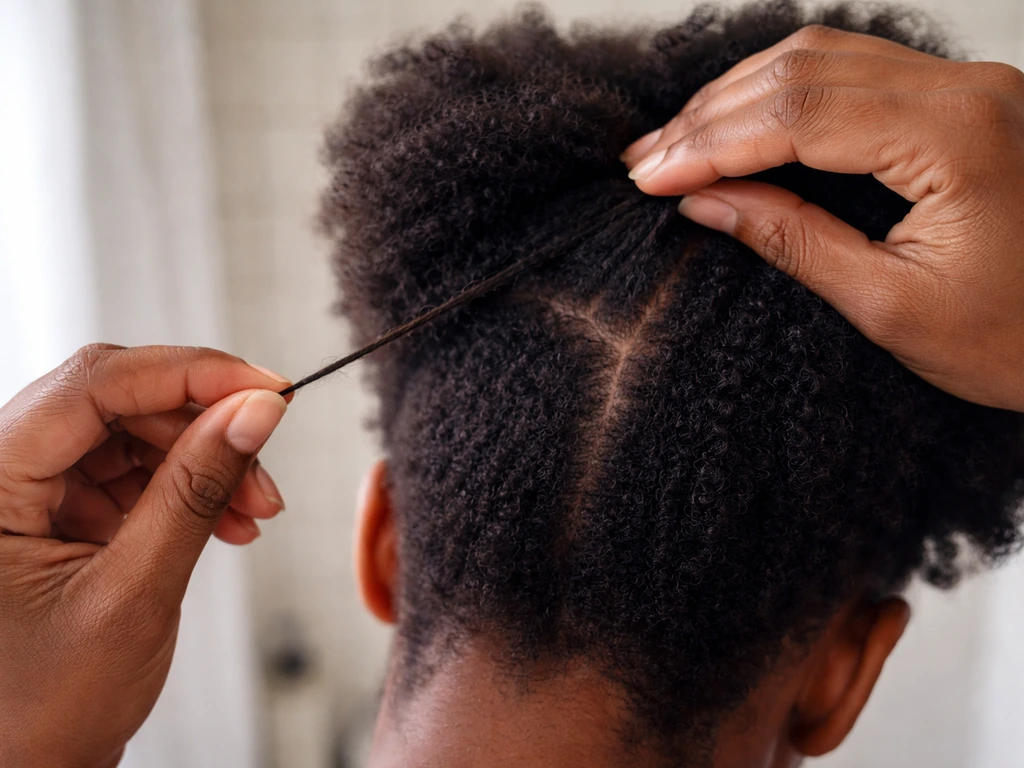
Growth vs. retention: the distinction that actually matters
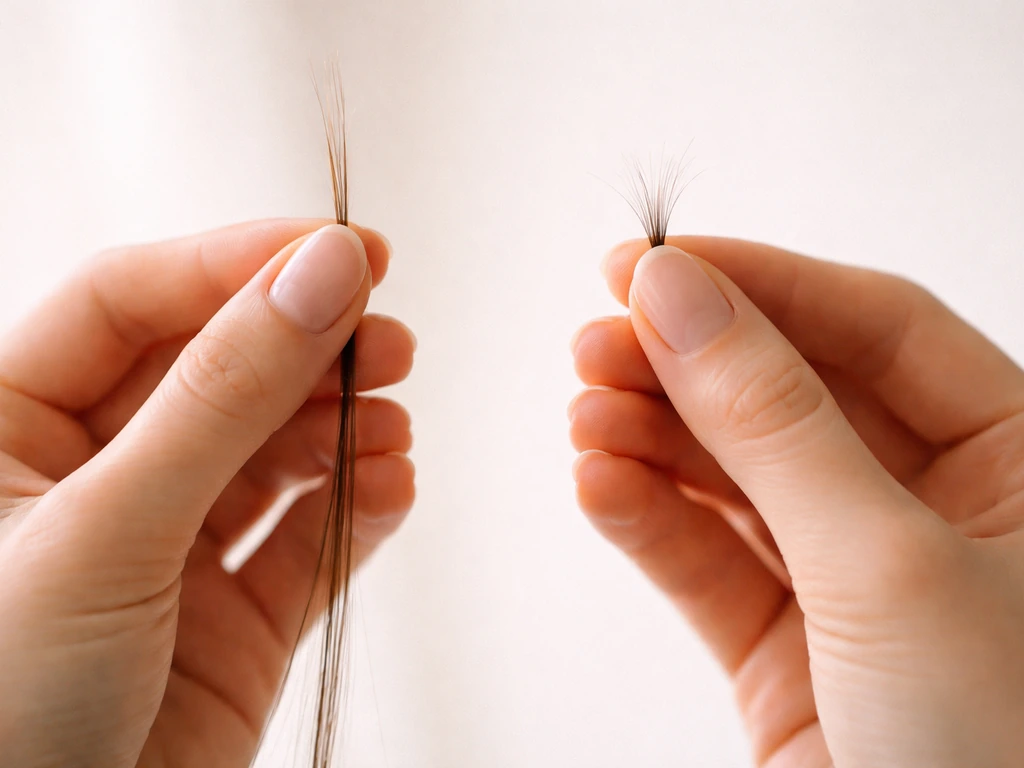
True growth failure, where the follicle itself stops producing new hair, is less common than most people assume. It usually has a medical cause, and it shows up as thinning, bald patches, or visible scalp, not just hair that stays the same length. Retention failure is far more common, especially in textured hair, and it looks like breakage, split ends, single-strand knots, and edges or ends that never seem to get longer no matter what you do.
Here is a simple way to tell them apart. Check your length at a fixed point, say a curl stretched against a ruler, every four weeks. If you are gaining even 0.5 to 1 cm per month, your follicles are working. If you are losing length, or finding a lot of short broken strands on your hands after detangling rather than long shed hairs with a white bulb at the tip, breakage is your issue. Normal daily shedding is 50 to 100 hairs per day, and those shed hairs have that white root bulb. Breakage does not.
The most common culprits: breakage, friction, and how you handle your hair
Textured and coily hair has a naturally elliptical shaft with multiple curve points, and each curve is a mechanical stress point where breakage can start. This is not a flaw, it is just physics. But it does mean that handling matters enormously. Rough detangling, stretching dry hair, combing from root to tip instead of tip to root, and finger-detangling without enough slip all create micro-fractures in the cuticle that eventually snap the strand.
Trichorrhexis nodosa is worth knowing about here. It is a hair-shaft condition where the cuticle is damaged enough to create weak nodes along the strand, and those nodes break easily. It can be caused by repeated heat, chemical processing, or even aggressive detangling over time. If you look at your broken hairs under a magnifying glass or a phone macro lens, you might actually see little white dots or frayed brush-like ends at the break point. That is trichorrhexis nodosa. The fix is not a product, it is changing the mechanical handling of your hair and reducing anything that compromises the cuticle.
Friction is an underrated culprit too. Cotton pillowcases, rough towels, and dry styling create constant abrasion against the cuticle. Switching to a satin or silk pillowcase and using a microfiber towel or old t-shirt to dry your hair are genuinely useful changes, not just influencer advice.
Protective styling done right: braids, twists, and locs
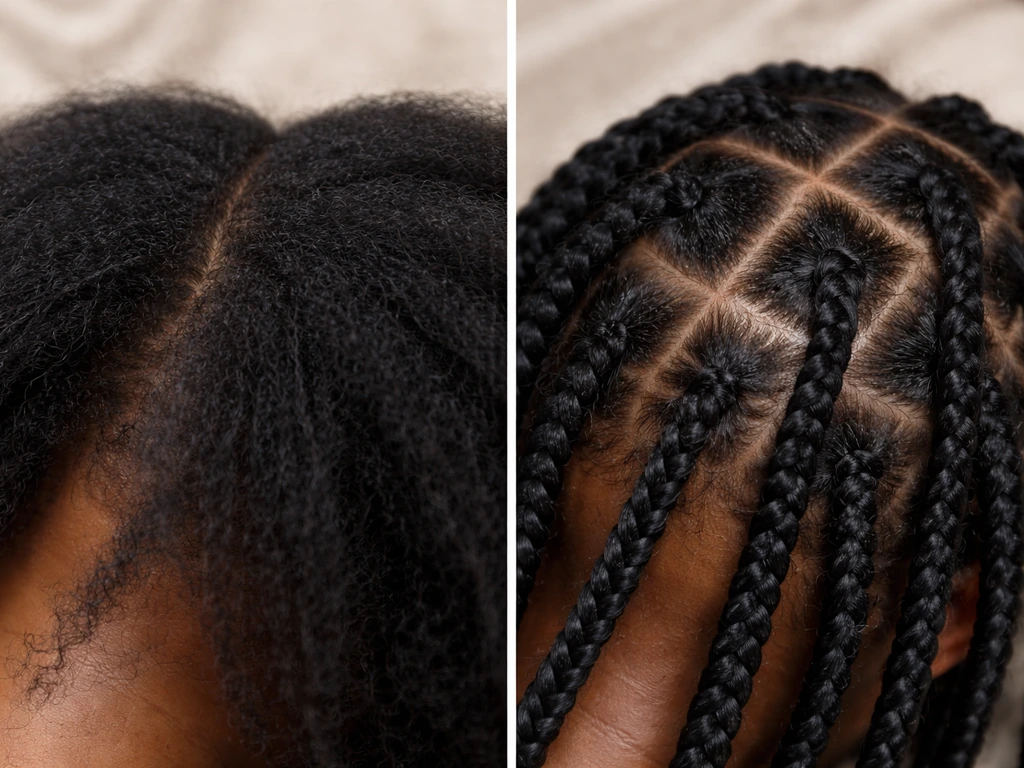
Protective styles get a lot of credit for growing hair, but that is not quite accurate. Protective styles can still help you keep hair length on your head, but if you want truly long hair, you need to manage retention and breakage just as carefully, too Protective styles get a lot of credit for growing hair. They do not grow hair. They can help you retain length by keeping ends tucked and reducing manipulation. The key word there is can, because done wrong, they actively cause hair loss.
Traction alopecia is one of the most common preventable causes of hair loss in Black women, and tight braids, cornrows, extensions, and weaves are the main culprits. It develops when continuous tension is applied to the hair roots over time. Early signs include small pimples or pustules along the hairline, tenderness or stinging at the roots when the style is first installed, and a "tenting" effect where the skin lifts at the hairline. If you catch it early and remove the tension, hair can recover. If it progresses to scarring alopecia, the damage to the follicle becomes permanent.
- Keep braids and cornrows loose enough that you feel zero pulling or tension when the style is fresh. Pain or tightness at install is a red flag, not just discomfort you should push through.
- Limit braids, weaves, or extensions to 6 to 8 weeks at a time, then give your scalp and edges a minimum 2-week break before reinstalling.
- Avoid heavy extensions that add extra weight and tension to the root.
- Alternate between high-manipulation protective styles and lower-tension styles like loose twists, buns, or wigs on a satin cap.
- Do not install braids or extensions on already-damaged or thinning edges.
Locs are often seen as the most protective option, but they carry their own risks. Young locs can be retightened too aggressively at the base, creating traction along the hairline. Mature locs that are heavy can also cause gradual traction over years. This does not mean locs are harmful, they can be an excellent choice for retention, but the installation tension and maintenance frequency matter just as much as with braids.
Scalp health under protective styles is another piece people miss. Product buildup and trapped moisture under braids or loc roots can create a breeding ground for seborrheic dermatitis, a common inflammatory scalp condition linked to Malassezia yeast overgrowth. It causes itching, flaking, and scalp inflammation that can increase shedding. Seborrheic dermatitis hair loss can be linked to temporary shedding that happens alongside scalp inflammation increase shedding. If you are itching under your braids, that is not just an inconvenience. It is a sign your scalp environment needs attention. Diluted shampoo applied with a nozzle bottle or a medicated scalp spray can help you cleanse between full wash days without disturbing your style.
Your routine: moisture, conditioning, heat, and product buildup
Textured hair trends naturally dry because the coil structure makes it harder for sebum to travel down the shaft. Without enough moisture, the cuticle stays raised, tangles increase, and breakage follows. But over-moisturizing without enough protein creates its own problem: hair feels mushy, stretches without bouncing back, and breaks from weakness rather than dryness. This is the protein-moisture balance, and getting it right is one of the most practical things you can do for retention.
If your hair feels constantly dry and brittle, it likely needs more moisture and possibly a protein treatment to seal the cuticle. If it feels overly soft, gummy when wet, and breaks on gentle handling, it needs protein. A simple test: take a strand and gently stretch it when wet. Healthy hair stretches about 30 to 50 percent before breaking. If it snaps immediately with no stretch, moisture is low. If it stretches a lot and does not return or breaks with almost no resistance, protein balance is off.
Heat is one of the biggest contributors to retention loss in natural hair. Repeated cycles of high heat, whether from flat irons, blow dryers, or hot combs, create micro-cracks along the cuticle that compound over time. If you use heat regularly and your hair has stopped gaining length, heat damage is a strong candidate. Use the lowest effective temperature setting, apply a heat protectant before any thermal styling, and limit heat to no more than once a week, ideally less. The Canadian Dermatology Association also recommends using cool or low heat settings for blow-drying and the lowest heat setting when heat styling to help minimize damage cool or low heat settings for blow-drying and the lowest heat setting when heat styling to minimize damage. Low-heat blow drying with a diffuser on a cool or warm setting, rather than high heat, is significantly less damaging than direct high-heat straightening.
Product buildup is also a real and overlooked issue. Heavy butters, oils, and stylers layer onto the cuticle and scalp over time, especially if you are not clarifying regularly. Buildup attracts lint, causes matting, and can interfere with moisture actually penetrating the strand. Clarifying with a sulfate shampoo or a chelating shampoo (especially important if you have hard water, which deposits calcium and magnesium minerals onto the hair shaft) every 4 to 6 weeks removes that layer and lets your moisturizing products actually work. After clarifying, always follow with a deep conditioner because a clarifying wash strips natural oils along with buildup.
What's happening inside: nutrition, stress, hormones, and medications

When breakage is addressed but hair still is not growing or is actively falling out in larger amounts, the cause may be systemic. If you are wondering why black women's hair does not grow, start by checking for retention and breakage, then consider systemic causes like stress, hormones, and nutrient deficiencies. This is where a lot of people hit a wall because they are doing everything right externally and still not seeing results. The follicle needs raw materials to produce hair, and those come from what is happening inside your body.
| Internal Factor | How It Affects Hair | What to Do |
|---|---|---|
| Iron deficiency (low ferritin) | Ferritin is stored iron; low levels reduce the energy available to the follicle and are one of the most common lab findings in women with diffuse hair shedding | Ask your doctor for a serum ferritin test specifically; a normal iron panel can miss low ferritin |
| Thyroid dysfunction (hypo or hyper) | Both underactive and overactive thyroid disrupt the hair growth cycle and can cause diffuse shedding or thinning across the whole scalp | Request a TSH test; thyroid-related hair loss often reverses once levels are stabilized with treatment |
| Telogen effluvium | Physical or emotional stress (illness, surgery, childbirth, crash dieting) can push large numbers of follicles into the resting phase, causing noticeable shedding 2–3 months after the trigger | Identify and address the stressor; most cases resolve on their own within 6 months, though severe cases benefit from lab work to rule out nutrient deficiencies |
| Low protein intake | Hair is mostly keratin, a protein; inadequate dietary protein leads to weaker strands and reduced growth rate | Aim for 0.8–1.2 g of protein per kg of body weight daily; eggs, fish, legumes, and lean meats are good sources |
| Hormonal shifts (postpartum, perimenopause, PCOS) | Estrogen changes alter the hair cycle; postpartum shedding is extremely common 3–6 months after delivery | Postpartum shedding is usually temporary; persistent hormonal hair loss should be evaluated by a dermatologist or endocrinologist |
| Certain medications | Blood thinners, some blood pressure medications, antidepressants, and hormonal contraceptives can trigger shedding | Never stop a prescribed medication without talking to your doctor, but do mention hair changes at your next appointment |
Chronic stress deserves a mention on its own. Elevated cortisol over time can disrupt the hair growth cycle and contribute to both shedding and poor scalp circulation. This is not about a single stressful week. It is about the kind of long-term, unmanaged stress that affects sleep, eating, and overall health. Exercise, sleep quality, and stress management are not just wellness talking points when it comes to hair. They genuinely affect what your follicles are doing.
Your action plan: what to do starting today
Here is a practical starting point. Do not try to change everything at once. Focus on the highest-impact changes first, track your results, and adjust from there.
Week 1: assess and reset
- Take a baseline length measurement on stretched hair at 3 to 4 fixed points on your head (crown, sides, back). Photograph it with a ruler. This is your benchmark.
- Do a strand test: wet a strand and gently stretch it to assess protein-moisture balance. Check if your breakage is mechanical (rough detangling, tight styles) or structural (weak, gummy strands).
- Look at the hair you are losing: long strands with white bulbs are normal shed hairs. Short strands or strands that snap mid-shaft are breakage.
- Audit your current protective style: is there any tension, tenderness, or tenting at your hairline? If yes, loosen or remove the style.
- Do a clarifying wash followed by a deep conditioning treatment. Give your strands a clean slate.
Weeks 2 to 4: change the high-impact habits
- Switch to detangling only on wet, conditioner-coated hair, working from ends to roots with a wide-tooth comb or your fingers.
- Replace your cotton pillowcase with satin or silk, or start wearing a satin bonnet or scarf at night.
- Stop or significantly reduce heat styling. If you must use heat, keep it below 350°F (175°C) with a heat protectant.
- Add a weekly deep conditioning session of at least 20 to 30 minutes. If your hair felt gummy or overly soft at the strand test, use a protein-fortified conditioner. If it felt dry and brittle, focus on moisture.
- If you wear braids or extensions, check that they are loose at the root. If they hurt, take them out.
Weeks 4 to 8: build your routine
- Re-measure your length at the same points you photographed in week 1. You should see at least 1 to 2 cm of new growth if your follicles are active.
- Add a clarifying wash if you have not done one in the past 6 weeks. Follow with a deep conditioning treatment.
- If you have hard water, try a chelating shampoo once this month and assess if hair feels softer and less tangled afterward.
- Check your diet for protein intake and consider getting blood work done if you suspect iron deficiency, thyroid issues, or have been under significant physical or emotional stress.
Weeks 8 to 12: evaluate and adjust
- Take a final length measurement and compare to your week 1 baseline. Three months of consistent effort should show a measurable difference.
- Assess breakage: are you finding fewer short broken strands after detangling? That is a win even if length gains are modest.
- Evaluate scalp health: is there less itching, flaking, or tenderness? A healthy scalp environment supports better retention.
- If you have made all these changes and still see zero growth or continued heavy shedding, it is time to see a dermatologist.
When to see a dermatologist
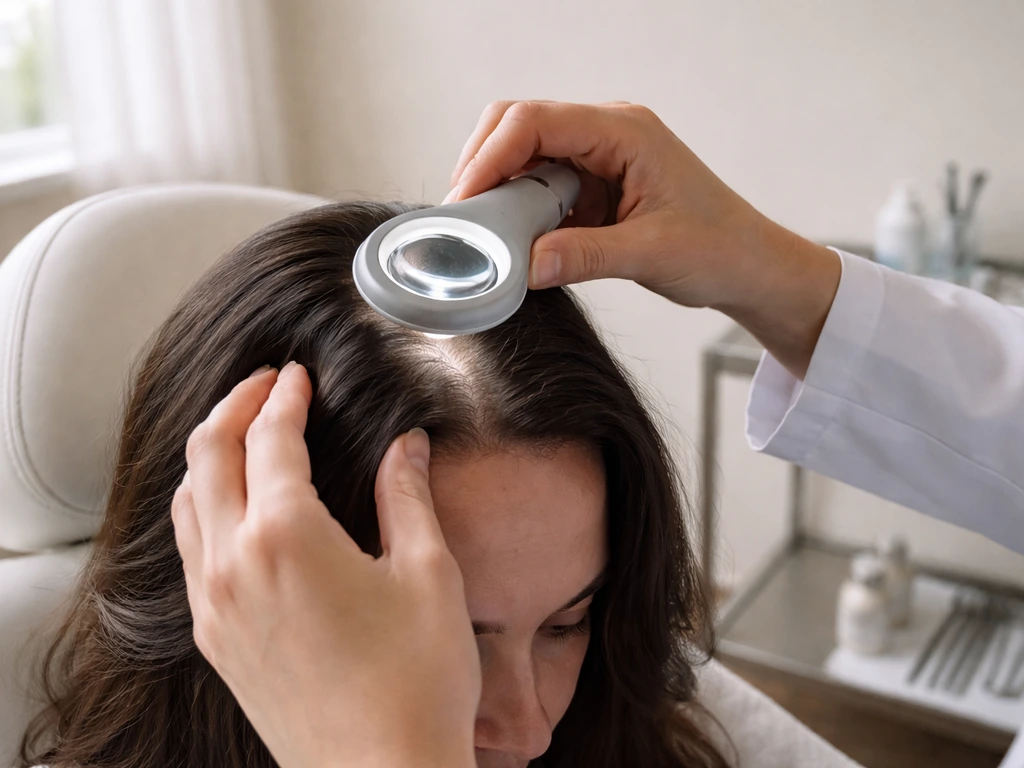
Most retention problems respond to routine changes within 8 to 12 weeks. But some hair loss is medical, and pushing through with DIY fixes when something else is going on just delays the care you need. See a board-certified dermatologist, ideally one with experience in textured hair, if you notice any of the following.
- Visible bald patches or areas where hair is completely absent, not just thin
- A receding hairline that is moving noticeably backward, especially at the temples and edges (this can be traction alopecia or frontal fibrosing alopecia)
- Scalp tenderness, redness, scaling, or pustules that persist for more than 2 to 3 weeks
- Shedding that you would describe as handfuls of hair, well above 100 strands daily over weeks
- Diffuse thinning where you can see more scalp than before across the whole head, not just breakage at the ends
- No measurable growth after 12 weeks of consistent, improved care
- Hair loss accompanying other symptoms like fatigue, weight changes, irregular periods, or significant skin changes (these point to systemic causes like thyroid disease or hormonal shifts)
At a dermatology appointment, do not be surprised if they request blood work including serum ferritin and thyroid function tests. These are standard first steps for diffuse hair loss evaluation and can reveal fixable underlying causes. A positive pull test during the clinical exam, where gently pulling a small bundle of hair yields more than a couple of strands, can indicate active shedding and will guide next steps. The earlier you go, the more options you have, especially for traction-related damage where early intervention can prevent permanent follicle scarring.
It is also worth knowing that questions like whether Black women can grow long hair, or why Black women's hair does not seem to grow, often trace back to exactly the retention and systemic issues covered here. The follicles are not the limiting factor in most cases. Retention, handling, scalp health, and internal factors are. Address those, track your progress honestly, and give it the full 12 weeks before drawing conclusions.
FAQ
If I’m shedding a lot, how can I tell whether it’s normal shedding or breakage?
Normal shedding hairs come off with a white bulb at the root and will not look like a short, jagged fragment. Breakage creates many short pieces and flyaways that shorten your measured length, even if new hair is growing. After detangling, separate hairs on your hands into “full-length shed strands” versus “short broken bits,” then track which category dominates for a couple of weeks.
How should I measure growth so I don’t fool myself?
Use the same reference point each time, for example a stretched curl at the center of your head against a ruler, measured to the same end point (jawline, chin, or shoulders). Measure every four weeks like the article suggests, but also keep your hair state consistent (for example, always detangled and fully moisturized, or always banded and stretched). If you change how your hair is stretched between measurements, you may mistake styling differences for real growth.
What if my hair feels thicker but my length still won’t change?
That pattern often means new growth is happening, but breakage is offsetting it. The fastest way to confirm is to check end integrity, look for split ends, single-strand knots, and excessive short fragments. If ends are improving and you see fewer short pieces after detangling, you are moving past retention failure even if length feels stalled.
Can protective styles prevent growth if I wear them too often?
Yes. Even though they can help retain length by reducing manipulation, frequent tight re-installations, rough removal, or leaving tension on the hairline for too long can trigger traction problems and ongoing shedding. A practical rule is to keep tension low, avoid “base pulling” at the edges, and schedule maintenance that allows the scalp to recover (and not just the style to look tight).
How tight is “too tight” for braids or locs?
If you feel stinging, tenderness that worsens after installation, or you notice a tenting or lifted hairline, the tension is likely too high. Another red flag is if you can see strain at the roots or small bumps developing along the hairline. Early loosening and adjusting the technique can prevent progression, but once scarring develops, recovery options narrow.
What should I do if I’m itching under my braids or locs?
Treat itching as a scalp signal, not normal “adjustment pain.” Start by checking for buildup, trapped moisture, and inflammation. Use a product-light approach under the style, cleanse the scalp between wash days (the article mentions diluted shampoo or medicated options), and remove the style if symptoms persist or worsen.
How often should I clarify if I use oils and butters?
If your hair gets dull, tangled faster, or your products stop feeling moisturizing, buildup is likely. The article suggests clarifying every 4 to 6 weeks, but hard water or very heavy product routines may require staying closer to that lower end. After clarifying, always follow with a deep conditioner to re-soften the cuticle and reduce post-wash dryness and friction.
What’s the protein-moisture balance test really telling me?
It tells you whether the strand is breaking due to weakness versus snapping due to dryness and brittle cuticle. If hair stretches far and breaks easily without “spring back,” that points to protein imbalance (too little protein or too much softening). If it snaps with minimal stretch, it points more to dryness and cuticle compromise. Use results to adjust your routine, not to over-correct with lots of protein immediately.
How can I reduce heat damage if I still need to use heat?
Choose the lowest effective temperature and limit direct high-heat contact time. Also avoid repeatedly heating the same section to “make it last.” If you must blow-dry or use a styler, use a heat protectant, consider diffusing to reduce flat-ironed passes, and keep your schedule realistic, ideally no more than once a week as the article notes.
Should I ignore length loss and wait, or see a doctor right away?
Give retention-driven causes time, but don’t delay evaluation if you see thinning, bald patches, scalp pain, burning, or clear inflammation. A practical boundary is the 8 to 12 week window for routine changes, but if shedding is heavy, sudden, or accompanied by symptoms like tenderness or visible scalp, schedule a dermatology visit sooner rather than later.
What lab tests are most commonly checked for diffuse shedding, and what should I ask for?
The article mentions serum ferritin and thyroid function tests. At an appointment, ask whether they want a broader nutrient and anemia panel based on your history (for example vitamin levels if your diet, periods, or GI symptoms suggest it). Also ask how your scalp exam and pull test results affect urgency and treatment choices.
Why does my hair feel soft but still break easily?
Softness can happen when the cuticle is compromised or when too much moisture is present without enough protein structure. That combination can make hair stretch excessively and snap from weakness. The wet-stretch behavior described in the article is a good diagnostic cue, then you can adjust with balance rather than purely adding more moisture.
Next Article
Why Black Women’s Hair Doesn’t Seem to Grow and How to Fix It
Explains why Black women’s hair seems not to grow, then gives a self-diagnosis plan to cut breakage and boost retention.