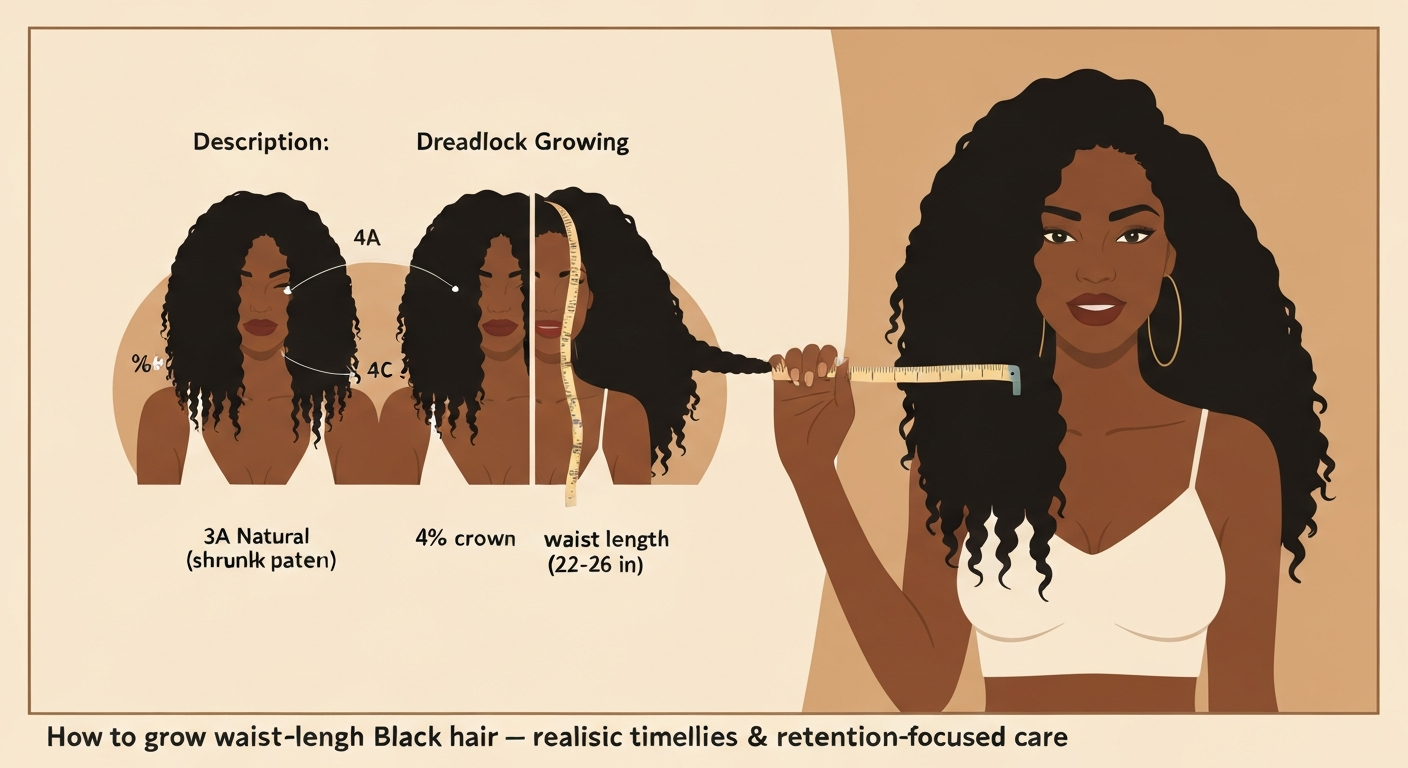
Nigerian hair, like all Black and kinky-coily textured hair, grows at roughly the same rate as any other hair type: about 1 cm per month, or 0.35 mm per day. The biology is not working against you. What is working against you, in most cases, is breakage. Hair that snaps off at the ends as fast as it grows at the root will never seem to get longer. So the fastest path to visible growth is not finding some magic oil that accelerates your follicles. With the right retention and breakage-prevention routine, naija hair can grow noticeably over time visible growth. It is building a consistent routine that keeps the hair you already have on your head intact.
How to Grow Nigerian Hair Fast: Retention Routine

Simone Okonkwo
5 Jul 2026
What Nigerian hair actually means in terms of texture and growth
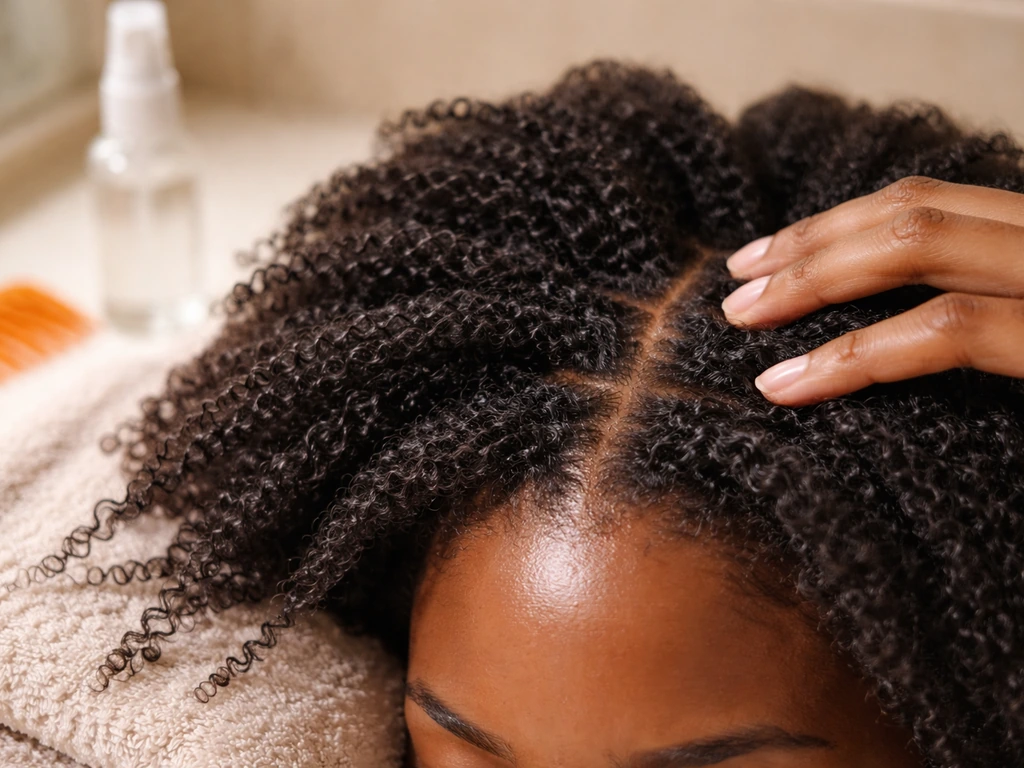
When people search for how to grow Nigerian hair, they are almost always talking about kinky or coily hair, typically classified as Type 4 (4a, 4b, or 4c) on the curl pattern scale. This hair type has a tight coil structure that creates natural points of vulnerability at every bend in the strand. Those bends are where moisture escapes fastest, where friction causes the most damage, and where breakage happens first. This is not a defect. It is simply how the hair is structured, and once you understand that, the entire care strategy becomes clear: you are managing a hair type that needs more consistent moisture and gentler handling than straighter textures.
Growth rate does vary between individuals. Research from Harkey (1993) documented a range of roughly 0.6 to 3.36 cm per month across the population. Genetics, hormones, age, and health status all play roles. Some people will naturally grow faster than others, and that is largely outside your control. What is inside your control is retention, which is how much of that growth you actually keep. For most people reading this, improving retention will produce more visible length than anything else.
It is also worth noting that natural and relaxed Nigerian hair have slightly different retention challenges. Natural 4c hair is prone to single-strand knots, tangles, and dryness-driven breakage. Relaxed hair has had its protein bonds chemically altered, which can leave it more susceptible to breakage if it is over-processed or not maintained with regular protein treatments. The core principles in this guide apply to both, but where something is specific to one type, that will be noted. If you are wondering what can grow natural hair, focus on consistent moisture, gentle handling, and retention so you keep more of your growth.
Fast growth vs length retention: what you are actually chasing
Here is the honest truth about timelines. If your hair is growing at about 1 cm per month and you start a solid retention-focused routine today, you could reasonably expect to see 10 to 12 cm of net length gain in a year, assuming minimal breakage. That is a realistic, meaningful result. If you are currently losing 30 to 50 percent of your growth to breakage, getting that breakage under control could effectively double your visible progress without your follicles changing at all.
Do not fall for claims about products that double or triple your growth rate. There is no topical oil, serum, or supplement that reliably accelerates follicle activity in healthy people. Products that claim to do this are almost always just reducing breakage, which is valuable, but it is not the same thing. Be skeptical, and focus your energy on the factors that are actually proven to matter.
One more thing on timelines: after a period of heavy shedding or a style change, it can feel like your hair has stopped growing. Johns Hopkins notes that after a hair sheds, it can take a month or more before new growth becomes visible at the surface. So if you have been through a stressful period, a big chop, or a style that caused damage, build in at least two to three months of consistent care before you evaluate whether your routine is working.
Scalp care comes first
Your scalp is the foundation. Healthy follicles live in a healthy scalp environment, and neglecting the scalp while obsessing over hair length is like watering the leaves of a plant instead of the roots. For textured hair in particular, product buildup is a real and common problem because heavier butters and oils are used more frequently. Buildup clogs follicles and can contribute to inflammation, which is the last thing you want if you are trying to grow.
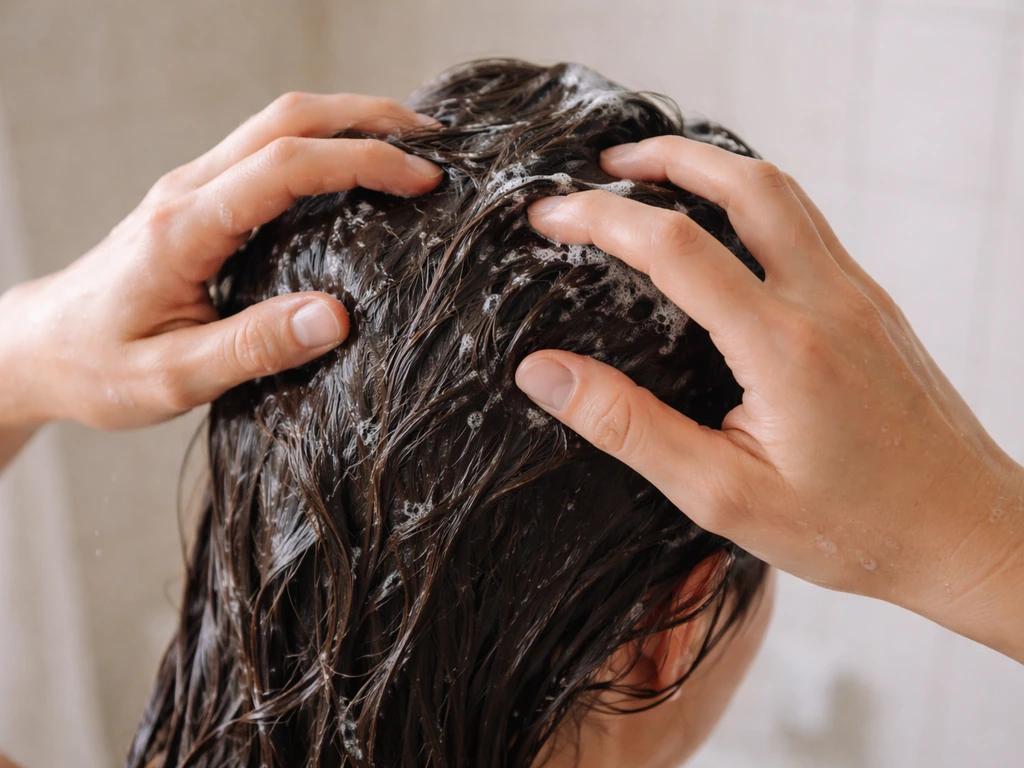
Keep the scalp clean. This does not mean stripping it with harsh sulfate shampoos every week, but it does mean cleansing regularly enough to prevent buildup. A scalp massage during wash time improves circulation to the follicles and can help with product distribution. Use the pads of your fingers, not your nails, and work in small circular motions rather than scrubbing back and forth. That scrubbing motion is one of the most common sources of mechanical damage on wash day.
Watch for signs that your scalp needs attention beyond a standard cleanse: persistent itching, flaking, tenderness, or visible inflammation are signals that something is off. Dandruff (seborrheic dermatitis) is common and treatable with the right medicated shampoos. If your scalp is consistently inflamed or irritated, that environment is hostile to optimal growth, and no amount of length-retention work on the hair shaft will fully compensate.
Moisture, sealing, and conditioning: the core of breakage prevention
Kinky-coily hair loses moisture faster than any other hair type because the coiled structure makes it harder for the scalp's natural oils to travel down the hair shaft. Dryness is the single biggest driver of breakage in Nigerian textured hair, so a consistent moisture routine is not optional. It is the whole game.
The LOC or LCO method
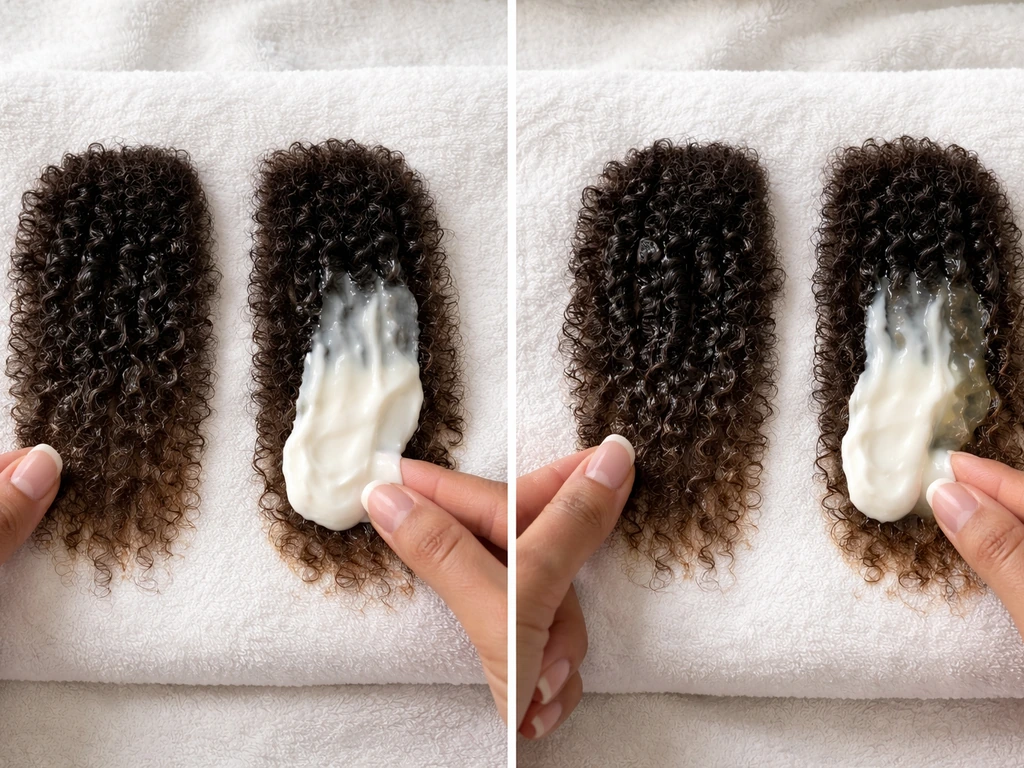
The most reliable moisture-sealing approach for 4c and coily hair is the LOC method (Liquid, Oil, Cream) or LCO (Liquid, Cream, Oil), depending on your hair's porosity. The idea is that water or a water-based leave-in conditioner is the actual moisturizer, oil slows moisture loss, and a cream or butter adds another layer of sealing and slip. High-porosity hair (which tends to absorb and lose moisture quickly) often does better with LOC. Low-porosity hair (which resists moisture absorption) often does better with LCO because the cream helps open up the cuticle before sealing.
You do not need expensive products to do this well. A water-based leave-in conditioner, a light oil like jojoba, grapeseed, or argan oil, and a shea butter-based cream is a solid and affordable combination. The key is applying each layer while the hair is still damp, not soaking wet and not already dry. On damp hair, the products absorb and seal much more effectively.
Deep conditioning is non-negotiable
Deep conditioning, meaning a conditioner left on for 15 to 30 minutes (ideally under a heat cap or in a warm space), should happen every wash session for textured hair that is prone to dryness and breakage. Look for conditioners with ingredients like hydrolyzed proteins, panthenol, or ceramides for structural support, and humectants like glycerin or aloe vera for moisture attraction. If your hair feels mushy, gummy, or excessively stretchy when wet, it may be over-conditioned or protein-deficient. If it feels dry and brittle, it needs more moisture. Rotate in a protein treatment every four to six weeks, not every week.
Protective styles: what actually helps and what quietly destroys your edges
Protective styling is one of the most culturally embedded and genuinely useful strategies for growing Nigerian hair. Braids, twists, locs, and weaves can all support retention by tucking away the vulnerable ends of the hair and reducing daily manipulation. But poorly done protective styles are also one of the most common causes of breakage and traction alopecia in Black women. The style itself is not the problem. How it is installed, maintained, and removed makes all the difference.
Braids and twists
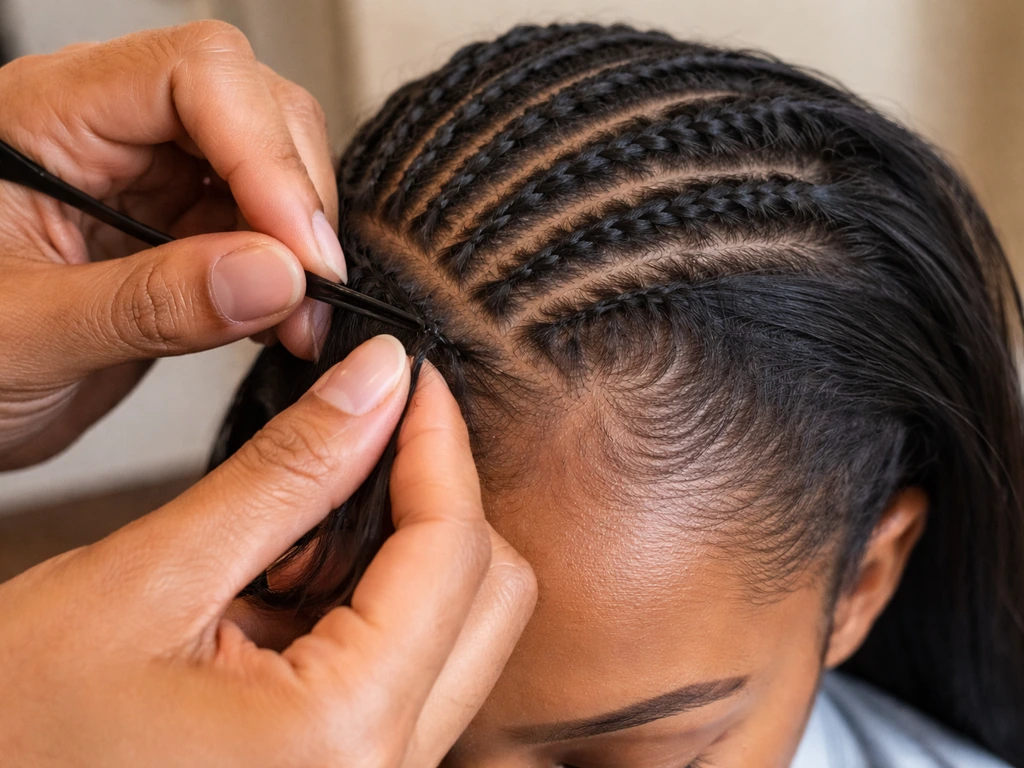
Box braids, cornrows, Senegalese twists, and similar styles protect your ends and eliminate daily styling manipulation. For maximum retention, make sure the style is not installed too tightly. If your scalp is sore, your edges are bumpy, or you have headaches after installation, the tension is too high and needs to be adjusted immediately. Traction alopecia from repeatedly tight styles can cause permanent hairline damage. The style should feel secure, not painful. Keep the scalp moisturized while in the style using a light oil or a diluted leave-in in a spray bottle. Do not leave braids or twists in beyond six to eight weeks, as the new growth that forms at the roots will tangle with the extension hair and cause matting and breakage on removal.
Weaves and sew-ins
A well-installed weave or sew-in protects your natural hair underneath while you wear it. The problem is when the cornrow base is braided too tightly, when the weave is left in too long, or when the natural hair underneath is ignored during the wear period. Wash the scalp every one to two weeks even while wearing a weave, using a diluted shampoo or a scalp cleanser applied with a nozzle applicator. When removing a sew-in, take your time, use a seam ripper or scissors carefully, and apply conditioner or detangling spray before attempting to remove any shed hair that has accumulated at the roots. Trying to rush through removal causes more breakage than almost any other single event.
Locs
Locs are a permanent protective style and, once fully mature, are one of the most length-retaining options available because the ends are completely sealed inside the loc. The growth and retention dynamic for locs is different: length is retained, but you will not see it hang freely until locs are longer and heavier. Keep locs clean (unwashed locs develop buildup and odor, which is a myth that needs to die), retwist only when necessary to avoid thinning at the roots, and avoid heavy waxes that cause buildup inside the loc structure.
Styles to use sparingly
- Tight ponytails or puffs with elastic bands pulling directly on the hairline
- Glued-in extensions or bonded weaves that pull at the natural hair
- Styles that require daily re-braiding or manipulation of the same sections
- Heavy extensions that put prolonged tension on thinner edges or nape hair
- Any style that causes consistent scalp soreness for more than 24 hours after installation
Wash day: how often, how gentle, and managing shedding vs breakage
One of the most common mistakes with Nigerian textured hair is washing too infrequently because wash day feels like a big production. Stretching washes to every three or four weeks leads to buildup, matting, and more severe tangling. Aim to wash every one to two weeks for natural hair, or every two weeks at minimum for relaxed hair. Yes, wash days take time, but they are the foundation of a healthy retention routine. If wash day is consistently overwhelming, consider washing in four to six sections rather than all at once.
For cleansing, a sulfate-free or low-sulfate shampoo is a reasonable choice for regular wash days, with a clarifying shampoo used once a month to remove stubborn buildup. Apply shampoo to the scalp and let it rinse through the hair shaft rather than scrubbing the length. Follow immediately with a conditioner to restore slip before detangling.
Detangle on wet, conditioned hair, always. Start from the ends and work up toward the roots with a wide-tooth comb or your fingers. Never detangle dry 4c hair. The American Academy of Dermatology notes that shedding 50 to 100 hairs per day is completely normal, so seeing hair in your comb during detangling is not automatically alarming. The distinction to understand is this: shed hairs have a small white bulb at the root end, breakage does not. If you are seeing a lot of short pieces without bulbs, that is breakage, and your moisture or handling routine needs attention. If you are seeing longer hairs with bulbs, that is normal shedding. If either seems excessive over several weeks, it is worth noting for a clinician.
What you eat and how you live affects your hair more than any product

Hair is made of keratin protein, and it grows from follicles that need a steady supply of nutrients delivered through the bloodstream. No topical product can replace good nutrition at the follicle level. Protein intake matters: eggs, fish, beans, chicken, and legumes are all solid sources. Iron deficiency is one of the most common nutritional causes of increased shedding in women, and it is frequently underdiagnosed. If you are experiencing heavy shedding alongside fatigue, ask your doctor to check your ferritin (stored iron) levels, not just hemoglobin. Zinc, biotin, vitamin D, and B vitamins also support follicle health, but unless you are genuinely deficient, megadosing supplements will not accelerate healthy growth.
Chronic stress, poor sleep, and crash dieting are all associated with increased shedding. This is called telogen effluvium, where a physiological stressor pushes more follicles than usual into the resting (shedding) phase at once. The hair loss from a stressful event often shows up two to four months after the event itself, which is why it can be confusing to connect the dots. Consistent sleep, stress management, and eating enough calories (particularly enough protein and iron) are genuinely more impactful on hair health than any edge control or growth serum.
When to see a dermatologist or trichologist
Some hair loss is medical and will not respond to better home care routines. See a dermatologist or trichologist if you notice: sudden bald patches (which can indicate alopecia areata), significant thinning or recession at the hairline that is not reversing with reduced tension, diffuse shedding that continues beyond three to four months, scalp that is visibly inflamed, scarred, or painful, or any situation where shedding seems dramatically beyond the normal 50 to 100 hairs per day range over an extended period. The AAD notes that alopecia areata typically presents as sudden, round or oval patches of hair loss, which is distinct from the gradual thinning or breakage most people are managing with care routines. Getting the right diagnosis early makes a real difference.
Track progress, avoid common pitfalls, and build your next-step plan
Before you start a new routine, take a clear reference photo and measure a consistent section of hair, such as a stretched strand from the crown. Do this once a month on the same day and in the same conditions. Expecting to see dramatic change week to week will discourage you. Monthly measurements are the honest metric. After three months, you have enough data to see whether a routine is working.
Common mistakes that stall progress
- Product hopping: switching products every two to three weeks before they have had time to work or not work
- Using too many heavy products that cause buildup without regular clarifying washes
- Skipping deep conditioning to save time, then wondering why hair keeps breaking
- Leaving protective styles in too long, which causes matting and severe breakage at removal
- Installing tight styles repeatedly at the edges and nape, the most fragile areas
- Applying heat (flat irons, blow dryers on high) without heat protectant or too frequently
- Detangling dry hair or starting from the root instead of the ends
- Expecting growth-rate acceleration from products that are really just reducing breakage
Your starting routine this week
- Take a baseline photo and measurement today so you have something to compare to in 30 days
- Plan a wash day within the next three to four days: shampoo the scalp, deep condition for 20 to 30 minutes, then detangle on wet hair with a wide-tooth comb starting at the ends
- Apply a water-based leave-in, a light oil, and a cream or butter while hair is still damp
- Set up a protective style (braids, twists, or a low-manipulation bun) that does not pull tightly at the edges
- Place a scalp oil or diluted leave-in spray in your bag for mid-week moisture top-ups
- Check your diet this week for protein and iron sources and supplement if your diet is genuinely lacking
- Mark your next wash day in your calendar and do not stretch it beyond two weeks
The fundamentals here connect closely to questions around whether specific styles actually promote growth or just retain it (they retain, they do not grow), what truly makes natural hair in Nigeria thrive in local climate conditions, and how virgin unprocessed hair differs in its care needs compared to chemically treated hair. The core answer is always the same: consistency in moisture, gentleness in handling, and protection of the ends. That is the routine that produces real, visible length progress over time.
| Routine element | Frequency | Key tip |
|---|---|---|
| Scalp cleanse | Every 1 to 2 weeks | Use sulfate-free shampoo most weeks, clarify once a month |
| Deep conditioning | Every wash day | Leave on 15 to 30 minutes, use heat if possible |
| LOC or LCO moisture seal | Every wash day plus mid-week refresh | Apply on damp hair for best absorption |
| Detangling | Wash day (wet, conditioned hair only) | Start at ends, work upward with wide-tooth comb or fingers |
| Protective style rotation | 6 to 8 week cycles maximum | Never install painfully tight, keep scalp moisturized throughout |
| Protein treatment | Every 4 to 6 weeks | Watch for gummy texture (over-conditioned) vs. brittleness (needs protein) |
| Progress measurement | Monthly | Photo plus stretched strand measurement from the same crown section |
FAQ
If my hair feels like it is growing but it does not look longer, what should I check first?
Focus on net length, not what shows in the mirror. To do this, take monthly reference photos and also measure a stretched section from the crown, because breakage can make hair look like it is “growing” while length is still being lost.
How can I tell normal shedding from breakage when I am trying to grow Nigerian hair?
If shedding is mostly longer strands with white bulbs, it is often normal shedding. If you are repeatedly seeing short broken pieces without bulbs, that points to breakage, so you should tighten up moisture (LOC/LCO), detangling (wet and conditioned), and reduce friction.
Can protective styles help me grow Nigerian hair faster, or do they just retain length?
Yes, but only if the style is installed with low tension and ends stay protected. Avoid scalp soreness, bumpy edges, headaches, and check that braids or twists feel secure but not painful, then plan an earlier removal if you notice tightness increasing.
What is the safest way to protect my edges while using braids or twists for growth?
To protect edges, treat tension like a red flag. If you pull at your hairline or notice thinning, reduce the tightness immediately, take breaks between installs, and moisturize the scalp consistently, since traction-related damage can become permanent.
My hair tangles quickly between wash days. What does that usually mean for growing Nigerian hair?
If your hair tangles fast, stop assuming it is “just natural.” Common culprits are not washing often enough, not sealing moisture properly, or detangling only when dry. Detangle on wet, conditioned hair (ends first), and shorten the time between wash days.
How do I choose LOC vs LCO if I do not know my hair porosity yet?
Treat it as a porosity and product-fit issue. High-porosity hair may need more frequent dampening and LOC, while low-porosity hair may need LCO and lighter water access at each retouch to avoid dryness under the product layer.
Can I use protein weekly to speed up how to grow Nigerian hair?
Do not. Protein treatments are support, not a growth booster, and using them too often can make hair feel overly stiff, gummy, or unstable. Rotate protein about every four to six weeks, then adjust based on feel and stretch when wet.
How should I adjust my deep conditioning if my hair texture changes during the month?
If your hair feels mushy or excessively stretchy when wet, it can be over-conditioned or lacking structural support. If it feels dry and brittle, it is usually moisture-related. Adjust by changing only one variable at a time, such as wash frequency or deep conditioning duration.
Can I wash my scalp while wearing a weave or sew-in, and how often should I do it?
Yes, for both natural and relaxed hair, but the timing and method matter. Follow wash frequency (roughly every one to two weeks for natural, about every two weeks for relaxed), use diluted shampoo on the scalp in sections, and always condition immediately to restore slip before detangling.
Why does my routine seem to stop working after a big chop or shedding phase?
Use a shorter “evaluation window.” After a shedding event, style change, or big damage episode, new growth at the surface can lag by a month or more, so judge results after two to three months of consistent care instead of weekly.
How often should I clarify my hair if I use heavier butters and oils?
You can, but do it safely: clarify once a month if buildup is stubborn, keep regular shampoos low-sulfate for routine cleansing, and avoid scrubbing the length. The scalp gets cleansed, the hair shaft gets rinsed through, then conditioned immediately.
What should I do if my scalp is inflamed or itchy while I am trying to grow Nigerian hair?
If your scalp is itchy, flaky, tender, or visibly inflamed, do not try to force length routines to “solve” it. Use medicated shampoo as advised for seborrheic dermatitis, and if symptoms persist or worsen, book a dermatologist visit.
When should I stop focusing on retention and see a doctor instead?
If heavy shedding continues beyond three to four months, or you notice sudden patchy loss, scalp pain, scarring, or rapid hairline recession, switch from troubleshooting at home to getting a diagnosis. Early treatment matters for conditions like alopecia areata and other causes.
What is the best way to track how well my retention routine is working?
Start by measuring one small, consistent section each month under similar lighting and tension (for example, a stretched strand from the crown). Week-to-week changes are often noise from styling and water loss, so monthly data is more reliable.
What nutrition details matter most for reducing shedding when trying to grow Nigerian hair?
Eat enough calories and prioritize iron-containing foods (like beans and fish) and adequate protein, then consider labs if shedding is heavy. Ask your clinician to check ferritin specifically, because low stored iron can drive shedding even when other markers look normal.
Why did my hair start shedding months after a stressful event?
If you are crash dieting, sleeping poorly, or under chronic stress, you can push more follicles into the shedding phase (telogen effluvium). Hair may show up thinner two to four months after the trigger, so fix lifestyle factors in parallel with your routine.
What is the safest way to remove braids or twists to prevent breakage?
Avoid removing protective styles too aggressively. Before you take braids or twists out, apply conditioner or detangling spray at the roots and loosen gradually, because rushing removal is a major breakage trigger.
Next Article
How to Grow Waist-Length Black Hair: Evidence-Based Guide
How to grow and retain waist-length Black hair: realistic timelines, routines, protective styles, and evidence-basedTips