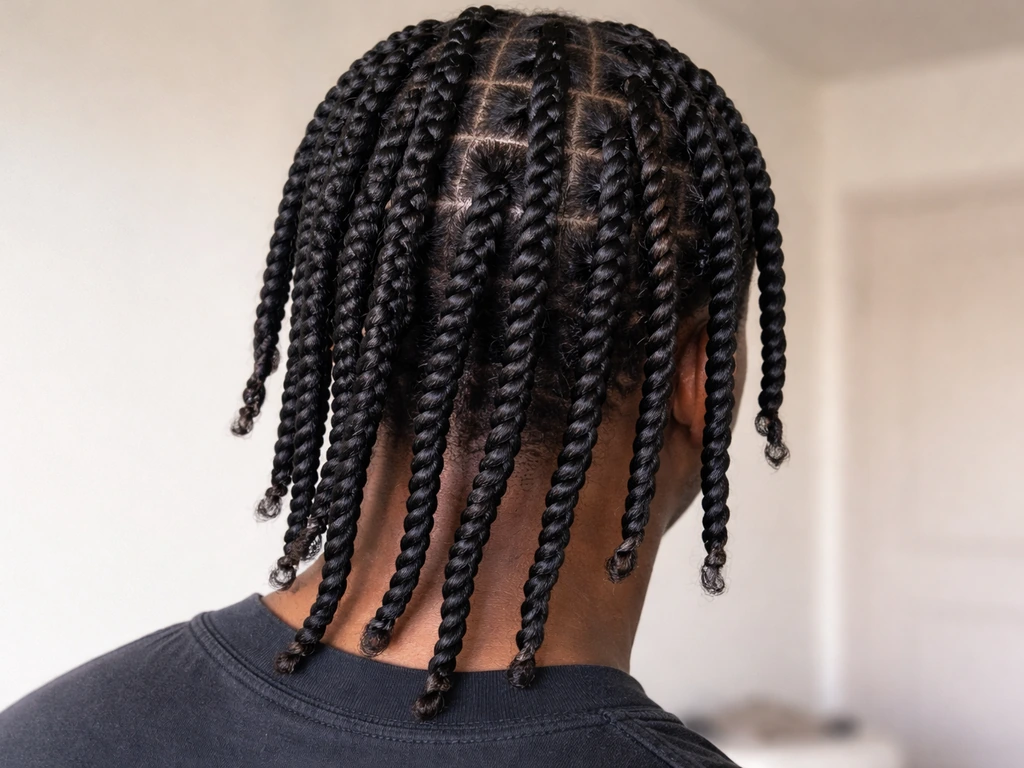
Two-strand twists do not make your locs grow faster. Two-strand twists 2-strand twists. Hair grows from the follicle at a fixed biological rate of roughly half an inch per month, and no twisting method changes that. Hair grows from the follicle at a fixed biological rate of roughly half an inch per month, and no twisting method changes that do senegalese twist grow your hair. What 2-strand twists genuinely do is protect the hair you already have, reduce breakage, and help new hair mat and lock into the loc structure over time. That protection is real and valuable, but it is about retaining length, not speeding up the follicle.
Does 2 Strand Twist Help Dreads Grow? Truth, Tips

Simone Okonkwo
9 Jun 2026
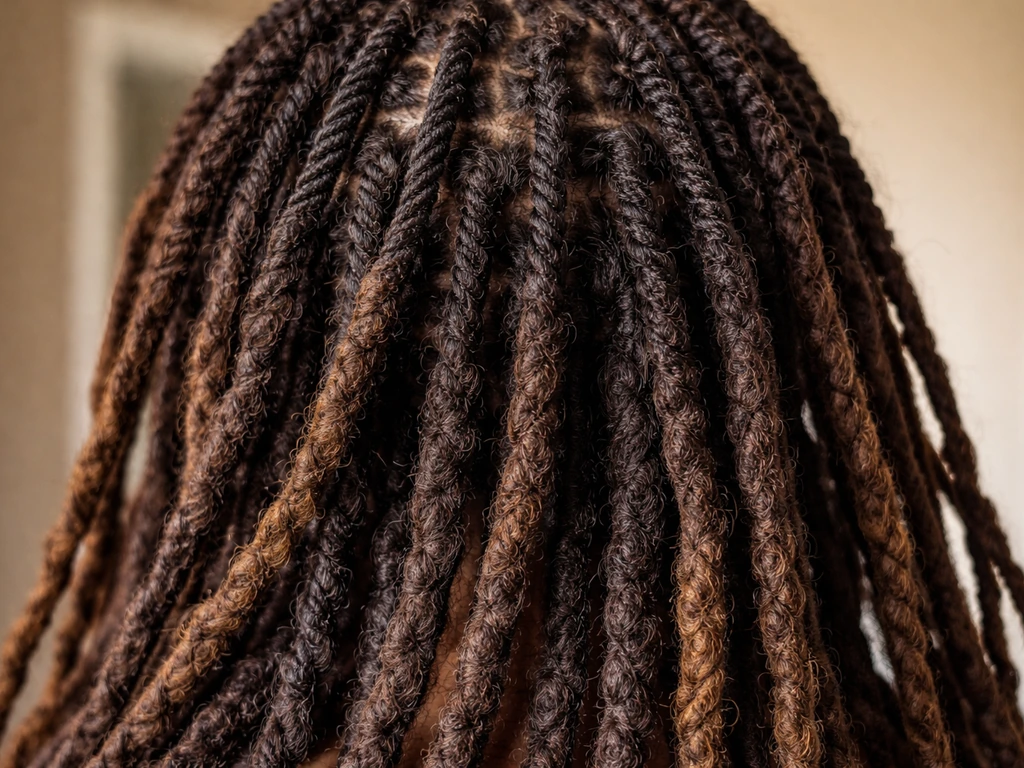
What "growth" actually means when you're talking about locs
This distinction matters more than most people realize. Your scalp is constantly cycling through hair growth phases: anagen (active growth), catagen (transition), and telogen (resting and shedding). During anagen, each follicle produces hair at about 0.34 to 0.36 mm per day, which works out to roughly 1 centimeter per month. That number is largely set by your biology. Genetics, hormones, nutrition, and overall health influence it, but your hairstyle choice does not.
When loc wearers say their locs are "growing," they usually mean one of two different things: (1) new hair is coming in at the scalp, which is always happening regardless of style, or (2) their locs are getting visibly longer, which depends on whether that new growth is being retained or breaking off. The real win from protective styling, including 2-strand twists, is in the second category. To learn the exact technique and timing, use a step-by-step guide to how to grow hair with two strand twists while protecting your ends. You can only see and enjoy length if the hair isn't snapping off before it gets there.
Normal hair shedding (50 to 100 strands a day) is part of the growth cycle and should not be confused with alopecia or damage-related loss. In locs, shed hairs often stay trapped inside the loc rather than falling away, which is why locs thicken over time. Understanding the difference between normal shedding and actual breakage is the foundation of good troubleshooting.
What 2-strand twists actually do for loc formation
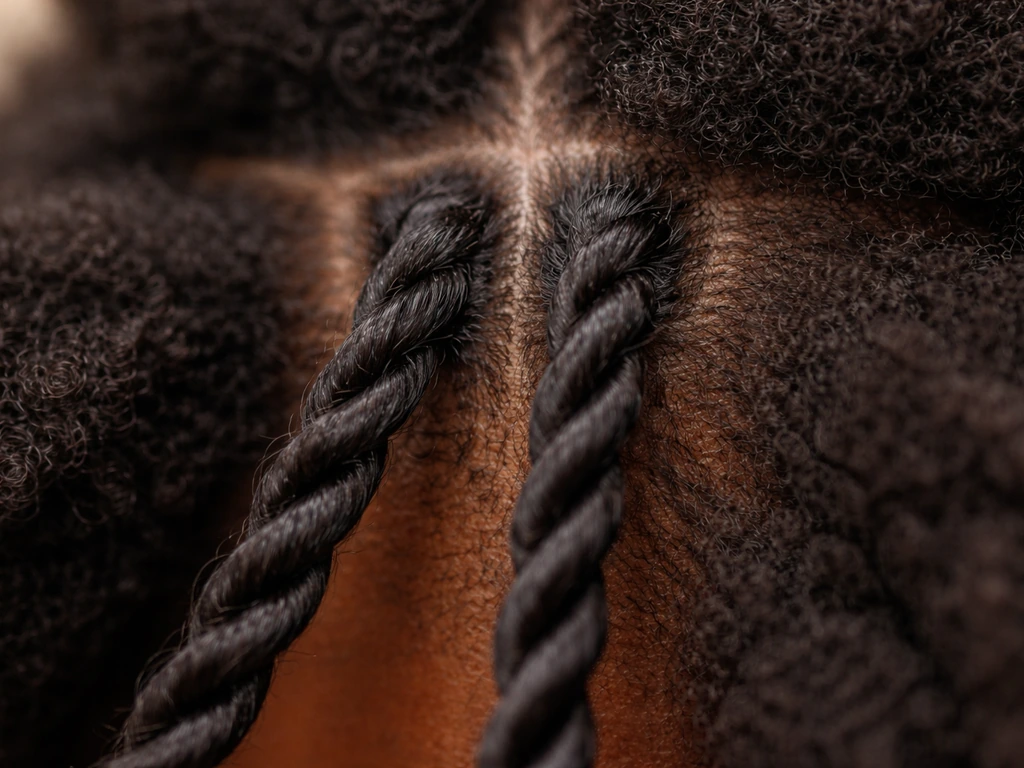
Two-strand twists are one of the most popular methods for starting locs, and they work by coiling two sections of hair around each other so the strands begin to interlock and mat together over time. They give the hair a defined, neat starting structure that encourages the locking process, especially for tighter curl patterns that naturally grip and coil. Looser curl patterns can take significantly longer to lock because the strands don't grip as easily.
Once installed, 2-strand twist starter locs typically move through five distinct stages of locking, from the loose starter twist phase through budding, teen locs, semi-freeform, and finally mature, fully locked locs. This full journey usually takes anywhere from six months to two years depending on your hair texture, the products you use, and how consistent your maintenance is. Tighter coils tend to lock faster; looser curl patterns need more time and patience.
During this process, the twists are doing two things simultaneously: providing a protective structure that limits friction and manipulation on the hair shaft, and creating the physical alignment that lets the hair eventually mat into a true loc. The "growth" people notice on their loc journey is mostly new hair coming in at the root being incorporated into the existing loc structure, combined with retained length that would otherwise break off in a looser style.
Can 2-strand twists speed up growth or just help you keep what you have?
Honestly, just the second one. Honestly, just the second one, and if you are trying to do 2 strand twist grow hair, this is why length retention matters more than speeding up follicles. I see this myth come up constantly, and it makes sense why people believe it. When you start twisting and suddenly your hair looks longer after a few months, it feels like the twisting caused the growth. But what actually happened is that your hair grew at the same rate it always does, and you retained more of it because the style was protecting the ends and shaft from everyday damage.
For comparison, some people claim scalp massage stimulates growth. UCLA Health notes the evidence here is inconclusive, and the one small study that showed a result found increased hair thickness, not more hairs or faster growth. Mechanical stimulation from massage is a very different thing from the sustained tension of tight twisting, which dermatologists warn can actually damage follicles and cause traction alopecia. Twisting does not massage the scalp in any growth-stimulating way. What it does is reduce the daily wear and tear that causes breakage, and for textured hair that is already prone to dryness and mechanical damage, that protection genuinely adds up.
How to do 2-strand twists for locs the right way
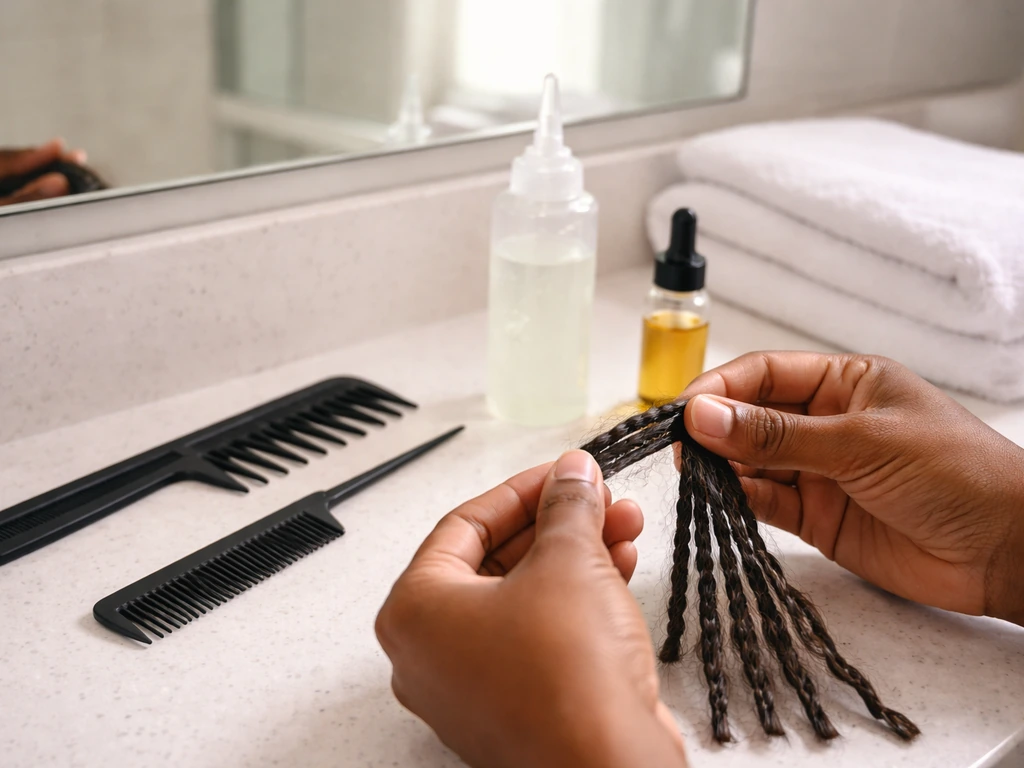
Prep and starting out
- Start with freshly washed, clarified hair. Product buildup on the hair before you even begin will interfere with the locking process and create residue that traps inside the loc.
- Use a residue-free shampoo formulated for locs. Clarifying shampoos are especially useful here because they strip away old product, sweat, and buildup without leaving a coating behind.
- Detangle gently before sectioning. Work in small sections and part cleanly so each twist has a neat, consistent base.
- Make sure hair is fully dry or just slightly damp before retwisting. Never retwist sopping wet hair, which can lead to mildew inside the forming loc.
Moisture and sealing

For locs, the moisture strategy is straightforward: water-based hydration first, then a lightweight oil to seal. A simple rosewater or aloe-based mist applied to the hair before you seal is effective and won't leave heavy residue inside your forming locs. Follow that with a lightweight oil like jojoba, argan, or grapeseed to lock in the moisture. Avoid heavy glycerin-laden sprays, thick butters, or wax-based products, especially in the early stages. These build up inside the loc, create a hard coating, and can actually block moisture from getting in later. Less product is almost always better during the starter phase.
The actual twisting process
- Section the hair into your desired loc size using consistent parts. The size of each section determines your loc's eventual diameter.
- Apply a tiny amount of aloe vera gel or a lightweight loc cream to the new growth at the root. Just enough to give grip, not enough to coat the strand heavily.
- Twist two sections of hair around each other in a consistent direction. Always twist in the same direction every time you retwist; changing direction disrupts the locking pattern.
- Twist to the end of the strand. Don't stop short or the ends will unravel faster.
- Use a clip or small elastic at the end if needed to keep the twist in place while drying.
- Allow locs to dry fully before removing any clips or going to sleep. This is non-negotiable.
Maintenance: how often to retwist, separate, and dry
Retwisting frequency is one of the most misunderstood parts of the loc journey. If you want to grow twists faster, aim for a consistent routine and avoid over-retwisting that adds tension at the roots Retwisting frequency. During the starter phase, retwisting every four to six weeks is the standard recommendation.
The Glossy Locks recommends retwisting about every 4, 6 weeks during the starter phase and extending to around 6, 8 weeks once locs mature, which can help reduce maintenance-driven damage retwisting about every 4–6 weeks during the starter phase and stretching to ~6–8 weeks once locs mature.
Some people retwist a bit more frequently in the very early weeks when locs are prone to unraveling, but retwisting more often than every four weeks consistently puts excessive tension on the roots and significantly increases the risk of thinning and breakage at the hairline.
ScienceInsights notes that during the starter phase retwists might be every 2, 3 weeks for a limited early window, but warns that over-manipulation can increase thinning and breakage retwists might be every 2–3 weeks for a limited early window. As locs mature and become more stable, you can stretch your retwist sessions to every six to eight weeks, which is actually better for the health of the root.
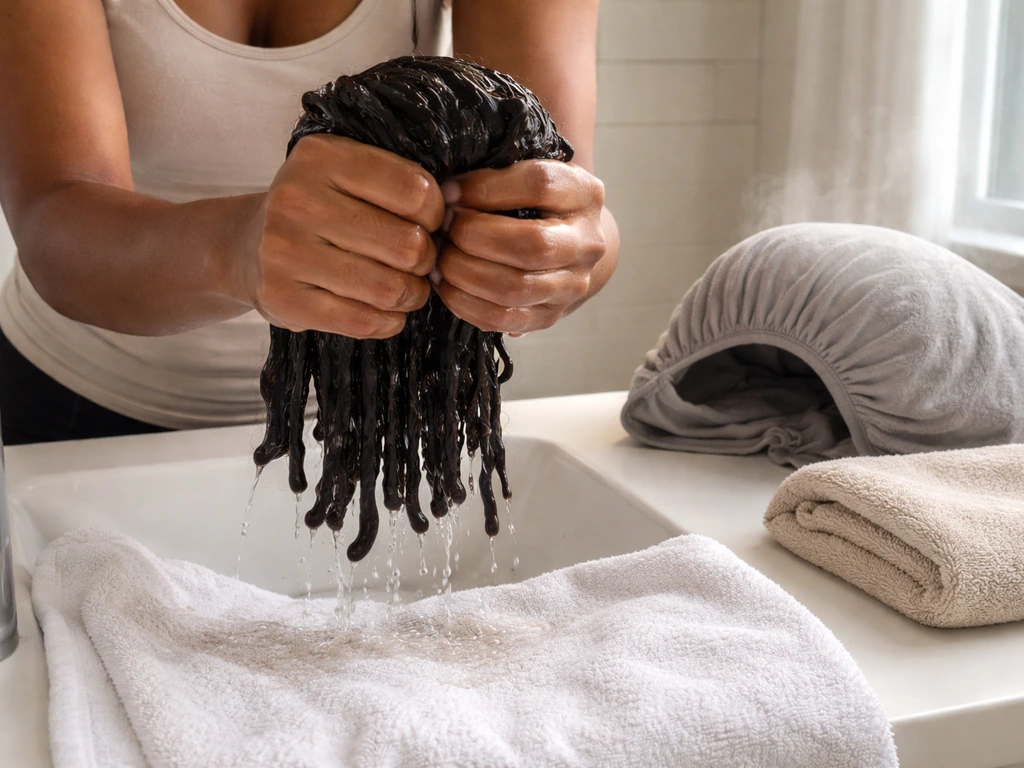
After washing, always squeeze excess water out gently rather than rubbing the locs together. Pat dry with a lint-free microfiber towel, which reduces friction and doesn't leave lint debris stuck in your locs. Then allow your locs to air dry completely, or use a hooded dryer or a blow dryer on the cool setting. The key point is fully dry: locs left damp, especially overnight, are at real risk for mildew, which causes a persistent odor that is very difficult to eliminate. If you work out or sweat heavily, you may need to shampoo more frequently to prevent buildup and odor.
Separation is another important step that gets overlooked. As your locs form, adjacent twists can start to merge together at the root, a process called "congo-ing." Gently separating locs at the roots during and after washing keeps each loc distinct and prevents one giant matted mass from forming where you wanted individual locs.
Risks and common mistakes that actually slow progress
| Mistake | What it causes | How to avoid it |
|---|---|---|
| Retwisting too often (more than every 4 weeks) | Root tension, thinning, traction alopecia risk | Stick to a 4–6 week schedule; stretch to 6–8 weeks once mature |
| Twisting too tightly | Follicle damage, pain, scalp irritation, traction alopecia | Use gentle tension; locs should feel snug, not painful |
| Using heavy waxes, butters, or glycerin products | Product buildup inside locs, blocked moisture, odor | Use lightweight water-based products and seal with a light oil |
| Leaving locs damp or wet overnight | Mildew, persistent odor, weakened hair shaft | Always dry completely before bed or covering locs |
| Over-manipulating during the starter phase | Unraveling, disrupted locking process, breakage | Let the locs form with minimal interference between retwist sessions |
| Ignoring shrinkage | Frustration, unnecessary manipulation | Expect significant shrinkage especially in the first several months; it's normal |
Tension is the biggest risk in this whole process. Dermatologists are clear that hairstyles pulling on the root can cause traction alopecia, a form of hair loss from mechanical damage to the follicle. If allowed to continue, traction alopecia can progress from reversible thinning to scarring, which is permanent. Longer, heavier locs also pull more at the root by their own weight, so even without tight retwisting, very long mature locs carry some inherent tension at the scalp.
If your locs don't seem to be growing: what's actually going on
The most common reason locs appear not to grow is breakage, not slow follicle production. Hair is growing at the root, but it's snapping off somewhere along the shaft before you can see the length. Signs that breakage is the problem include short, fuzzy pieces around the hairline and temples, thinning at the root or nape, locs that feel brittle or dry, and visible broken strands rather than clean shed hairs with a white bulb at the root.
Product buildup is another hidden culprit. Buildup inside locs creates a hard, sometimes sticky barrier that prevents real moisture from reaching the hair shaft, which leads to chronic dryness and eventually breakage. If your locs feel stiff, smell musty even after washing, or have a crusty texture, it's time to do a clarifying wash and reassess your product routine. Stripping back to basics (a residue-free shampoo and a light oil) often solves "not growing" situations within a few wash cycles.
Normal shedding can also look alarming in locs. Because shed hairs stay trapped in the loc structure instead of falling away, periodic washing and manipulation can release a larger-than-expected amount at once. This is usually normal telogen shedding, not alopecia. The difference: if the shed hairs have a small white or dark bulb at the root end, they completed their growth cycle naturally. If you're seeing short, jagged broken pieces with no bulb, that's breakage and it needs to be addressed.
If you notice consistent thinning at the hairline, temples, or nape, pain or stinging after retwists, or small pimples and crusting along the hairline, stop retwisting and see a dermatologist. These are signs of traction alopecia, and the sooner you reduce tension the better your chances of recovery. Chronic tension that goes unchecked can lead to permanent follicle scarring.
Practical next steps for your loc journey
Whether you're just starting locs with 2-strand twists or you're months in and evaluating your routine, the evidence-based approach comes down to a few core principles: protect the hair you have, keep the scalp clean and healthy, use minimal product, avoid tension, and be patient with the biology.
- Commit to a 4–6 week retwist schedule during the starter phase and extend to 6–8 weeks as your locs mature. Resist the urge to retwist every 2–3 weeks even when new growth looks fluffy.
- Prioritize moisture with a water-based mist followed by a lightweight sealing oil. Do this between wash sessions, not just on wash day.
- Wash with a residue-free or clarifying loc shampoo and dry completely every single time. Mildew and buildup are among the most common and avoidable setbacks.
- Use a lint-free microfiber towel when patting locs dry to avoid adding debris.
- Separate locs at the root gently during or after washing to prevent congos and maintain individual loc definition.
- Listen to your scalp. Pain, tightness, or stinging after a retwist is a signal to adjust your tension immediately.
- If you suspect traction alopecia, thinning, or persistent buildup that isn't resolving, see a dermatologist or a licensed professional loc stylist for a hands-on evaluation. Getting an expert eye early is always better than waiting until damage is severe.
- If you're exploring whether other methods like barrel twists or Senegalese twists serve your loc goals differently, the same core principles apply: retention, low tension, and consistent gentle maintenance beat any technique-specific promise of faster growth.
The bottom line is this: 2-strand twists are a legitimate, effective method for starting and maintaining locs, and they genuinely support length retention by protecting the hair shaft from everyday damage. If you're wondering whether a barrel twist helps dreads grow, the same rule applies: it mainly impacts breakage and length retention, not follicle growth speed 2-strand twists. But they won't change the rate your follicles produce hair. Focus on a clean scalp, consistent low-manipulation maintenance, and avoiding tension, and your locs will have the best possible environment to thrive.
FAQ
If 2-strand twists do not speed up growth, how can I tell whether my locs are actually growing versus just looking fuller?
Track new growth at the root. After a wash, look for a clear “fresh” section or visible length within the loc, rather than only seeing shedding inside the loc. If the scalp is getting new hair but the visible ends stay the same or get shorter, breakage or buildup is the limiting factor, not follicle speed.
Can I retwist more often if my locs unravel easily, to force faster locking and length?
You can retwist slightly sooner only as needed to prevent major unraveling, but avoid a consistent schedule tighter than every four weeks. Frequent tension at the hairline raises the risk of thinning, even if the unraveling problem seems to improve temporarily.
What should I do if my 2-strand twist starter locs shrink a lot during the first few weeks?
Early “shrinkage” is common as strands coil and tighten. Measure progress from the scalp upward after each full dry, and focus on locking stability rather than chasing immediate length. If the locs feel excessively rough, snapping, or you see jagged broken pieces with no bulb, switch to gentler drying and lighter product.
Does the size of my 2-strand twists (thick versus small) affect whether they help with “growth” (length retention)?
Yes, indirectly. Smaller twists often lock faster but require more handling during maintenance, which can increase friction and tension if done aggressively. Larger twists may take longer to lock but can be lower manipulation. Choose the size that you can maintain without pulling at the roots.
How often should I wash 2-strand twist or early locs so they stay healthy and still retain length?
Wash often enough to prevent stiffness and musty odor, but do not let them stay damp for long. If you sweat or use product heavily, you may need more frequent cleansing. The key is fully drying each time, using gentle squeezing and patting rather than rubbing.
Are there any signs that my lack of “growth” is actually traction alopecia from my 2-strand twist routine?
Stop and reassess if you notice thinning at the hairline or nape, pain or stinging after retwists, or small bumps and crusting along the edges of the part lines. These suggest excess tension or irritation. The earlier you reduce pull and get medical guidance, the better the odds for recovery.
Do I need a heavy moisturizer or leave-in during 2-strand twists to keep hair from breaking?
In early stages, prioritize light hydration plus sealing, and keep product minimal inside the loc. Heavy butters and thick residue can create a hard barrier that blocks moisture later, making hair feel dry and brittle even if you are applying lots of product.
Is congo-ing (locs merging) bad for “growth,” and should I separate them immediately?
Small merging at the roots can happen naturally, and gentle separation helps keep locs distinct. Separate during and after washing when the hair is clean and easier to manage, but do not force separation repeatedly between washes, since extra handling can increase breakage.
What is the safest way to dry my 2-strand twists to prevent issues that slow progress?
Squeeze excess water out gently, then pat with a lint-free microfiber towel and air dry completely. If you use heat, use cool settings and ensure full dryness. Damp locs overnight can lead to mildew and odor, which often correlates with buildup and irritation that worsen breakage.
Do barrel twists help dreads the same way as 2-strand twists for length retention?
They can support similar goals, mainly by reducing daily manipulation and protecting the hair shaft. The outcome still depends on how much tension you create at the root and whether you keep the locs moisturized with low buildup. If the barrel twist schedule requires very tight retwisting, the tension risk can outweigh the benefit.
Next Article
Do 2 Strand Twist Grow Hair? Growth Tips and Mistakes
Get the truth on do 2 strand twists grow hair, plus retention tips, maintenance, and avoidable mistakes.